REVIEW · SAN SEBASTIAN
Basque Cooking Experience: Market Tour & Hands-On Class English
Book on Viator →Operated by KOOKIN DONOSTI · Bookable on Viator
Market smells and quick knife lessons make this trip fun. I like the way it starts at Mercado de la Bretxa, so you shop and learn before you cook. I also love the small class size (max 10), which means real back-and-forth with Carlos while you make four Basque dishes. One thing to consider: the menu includes meat (like rib steak), so if you have strict dietary needs, plan to mention them ahead of time.
In This Review
- A Chef-Led Basque Meal With Real Local Contacts
- KOOKIN Key Moments You’ll Actually Remember
- Mercado de la Bretxa Shopping: How Basque Cooking Starts Before the Kitchen
- Chef Carlos in Action: Hands-On Cooking Without Feeling Lost
- Four Basque Courses You’ll Cook and Eat
- Cod Omelette: A Starter With Real Ingredient Focus
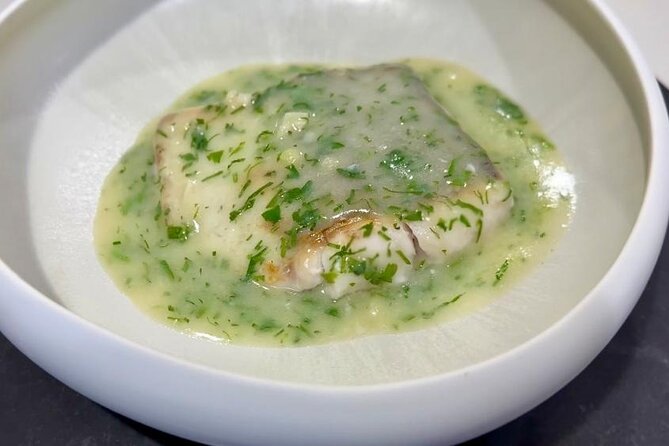
- Hake in Green Sauce: Where Sauce Skills Matter
- Rib Steak With Piquillo Peppers: A Main Built for Heat and Balance
- Burnt Basque Cheesecake: The Dessert That’s Hard to Overthink
- Beverage Pairings: Wine, Cider, and Simple Rules
- What the Small Group Really Gives You (And What It Doesn’t)
- Price and Value: Is $168.17 Really Worth It?
- Where This Fits Best: Who Will Enjoy It Most
- Should You Book This Basque Cooking Experience?
- FAQ
- Where does the experience start?
- How long is the Basque Cooking Experience?
- Is it offered in English?
- How many people are in each class?
- What dishes will I cook and eat?
- Is there a market tour included?
- Are wine or other alcoholic drinks included?
- What do I take home?
- Can I cancel and get a refund?
A Chef-Led Basque Meal With Real Local Contacts
You’ll move from stalls to the kitchen with a clear goal: pick great ingredients, cook them well, and eat what you made with simple, smart beverage pairings. The experience is built for beginners—step-by-step help is part of the package—yet it still feels hands-on if you already cook at home.
KOOKIN Key Moments You’ll Actually Remember
- Mercado De La Bretxa shopping: Learn how to choose fish and other key ingredients on the spot
- Chef Carlos at the center: Clear instruction that keeps everyone involved
- Four-course result: Cod omelette, hake in green sauce, rib steak with piquillo peppers, and burnt Basque cheesecake
- Pairings with each course: Alcohol is served only for guests over 18
- Take-home prizes: Keep your apron and get recipe copies to recreate the dishes later
You can also read our reviews of more shopping tours in San Sebastian
Mercado de la Bretxa Shopping: How Basque Cooking Starts Before the Kitchen
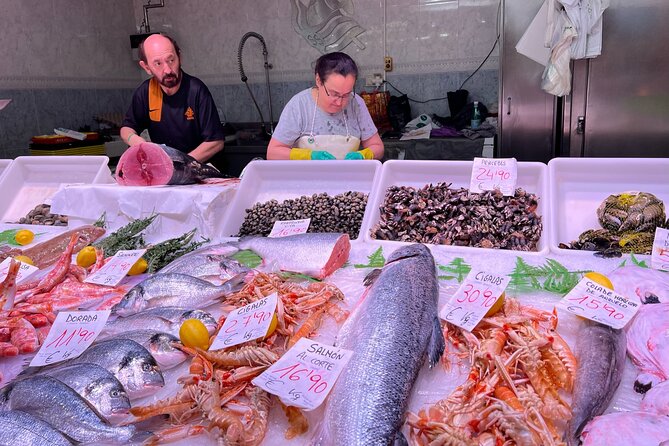
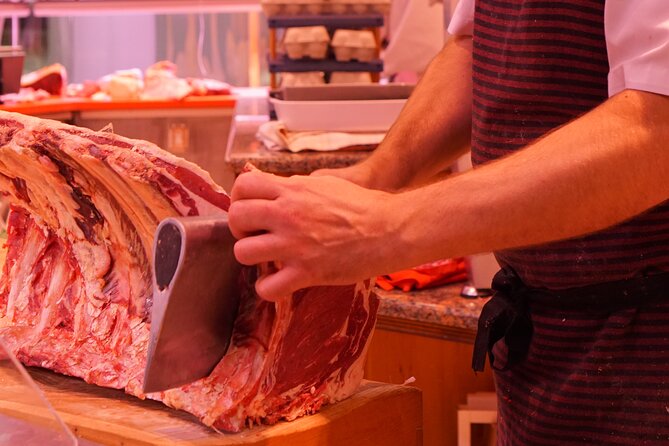
The best part of this experience is that cooking begins at the market. You start at the Donostia Information and Tourism Office (Alameda del Blvd., 8, 20003 San Sebastián) at 10:00 am, then head out to Mercado De La Bretxa. The market isn’t just a photo stop. It’s where you see what matters in Basque cooking: freshness, seasonality, and knowing what to ask for.
What you’re really learning here is shopping logic. You’ll get tips on how to pick quality fish and how to talk with sellers—farmers and fishmongers show up as part of the story, not just as background. That matters because Basque cuisine leans hard on ingredients you can’t fake later. If your fish is off, your sauce can’t save it.
A small but important bonus: market time sets the pace. By the time you reach the kitchen, you know what you bought and why it was chosen. That turns the cooking class from a generic lesson into something more personal. I also like that it feels practical—this is the kind of skill you can use the next time you’re at a fish counter.
Chef Carlos in Action: Hands-On Cooking Without Feeling Lost
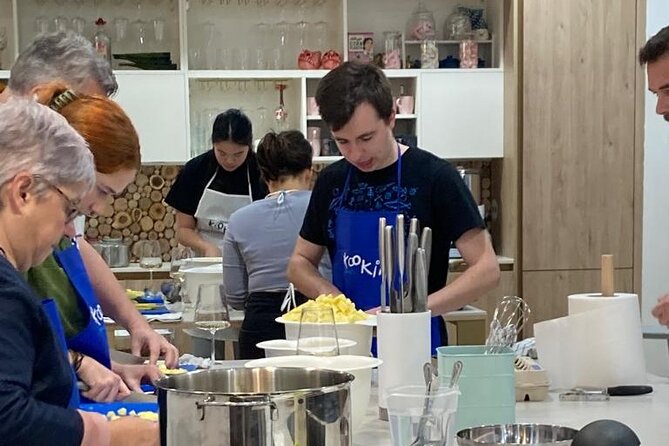
Once you’re back at the school kitchen, the focus shifts from shopping to technique. You’re not standing around watching someone else cook. You’re cutting, mixing, grilling, and building each course step by step, with guidance from Carlos and his team.
One big reason this works so well is the group size: up to 10 people. In a class that small, it’s easier to ask questions and get specific feedback. And from what I’ve gathered about how the instructors teach, Carlos keeps it light while staying organized—people end up engaged, not intimidated.
This format also helps if you’re not an advanced home cook. Basque cooking can sound a little fancy, but most of the techniques you’ll use are teachable: prepping ingredients carefully, managing heat, and following a clear sequence so you don’t end up rushing the final course.
If you already cook regularly, you’ll still get value. You’ll be introduced to Basque flavors and pairing choices that help you understand what to aim for next time you’re making cod omelette or building a green sauce. You don’t have to be new to the kitchen to learn something new.
Four Basque Courses You’ll Cook and Eat
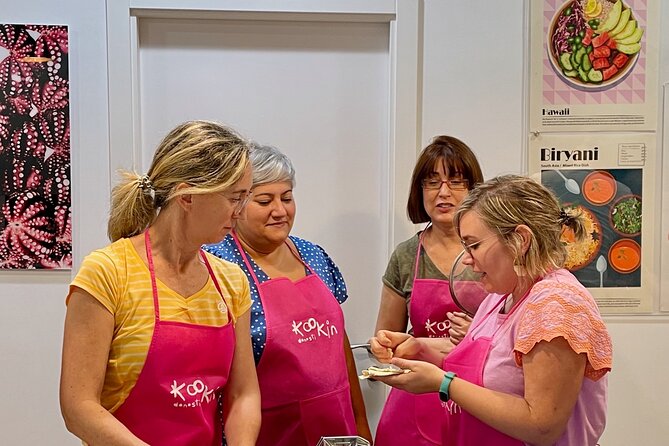
This class is built around a complete meal. You’re not doing one dish and calling it a day. You work through a starter, main(s), and dessert, then eat what you made as you go.
Cod Omelette: A Starter With Real Ingredient Focus
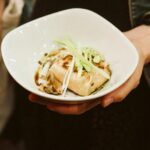
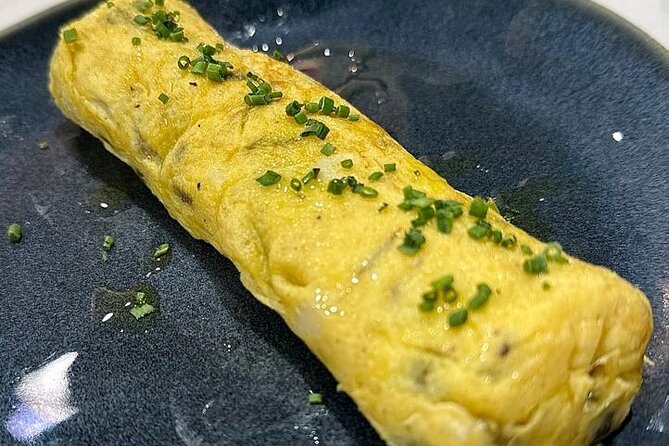
The starter is Cod Omelette. This is a smart choice for a class because it forces you to handle fish in a controlled, flavorful way—without needing advanced restaurant-level plating. You’ll learn how the omelette comes together and how to keep things balanced so it doesn’t turn into a soggy mess.

Hake in Green Sauce: Where Sauce Skills Matter
Next up is Hake in Green Sauce. The phrase green sauce can sound vague, but in practice, this is about mastering a sauce texture and using it to carry flavor. For me, this course is where you see the “Basque idea” clearly: good seafood paired with a sauce that tastes intentional, not random.
Rib Steak With Piquillo Peppers: A Main Built for Heat and Balance
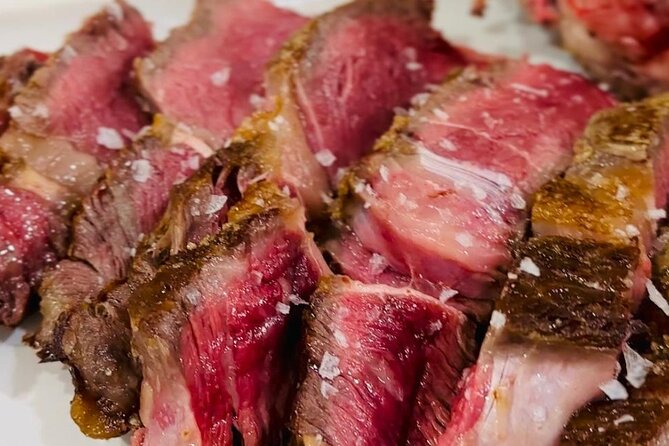
Then comes Rib steak with piquillo peppers. This is the meat-focused moment of the meal, so it’s ideal if you eat red meat. If you don’t, this is the part where you’ll want to communicate dietary needs before the class. One of the experiences shared included an adaptation for a no-red-meat diet, which suggests the team can sometimes adjust—but the safest move is to ask directly when you book.
Burnt Basque Cheesecake: The Dessert That’s Hard to Overthink
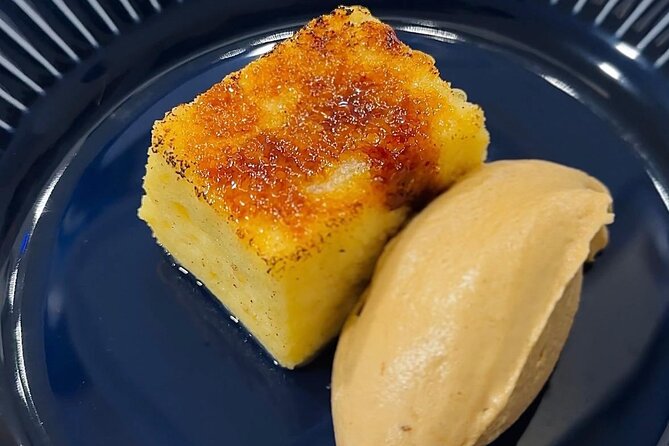
Finally, you’ll make Burnt Basque Cheesecake. The word burnt shows up because the texture matters: it’s meant to have that signature browned top and creamy interior. Cheesecake can feel intimidating, but this dessert is popular for a reason—it teaches you timing and how to trust the bake rather than micromanaging everything.
When the meal finishes, you’ve made four distinct things with different techniques. That’s a better learning payoff than a single recipe class.
Beverage Pairings: Wine, Cider, and Simple Rules
Each course comes with a pairing beverage. That’s not just about drinking with dinner—it’s about learning how Basque flavors match up with local drinks.
For guests over 18, you’ll have wine included as part of the tastings. Other local drinks can come into the mix too; people mention tasting regional cider and learning how to pour txakoli. The takeaway is the same: you’re meant to taste, notice, and connect flavors, not just eat.
A practical tip for you: if alcohol isn’t your thing, you’ll still be getting the food portion and the techniques. But if you’re under 18, expect that wine won’t be part of your pairing.
What the Small Group Really Gives You (And What It Doesn’t)
A max of 10 travelers sounds like a marketing line, but it changes how your morning feels.
In a small group, you get:
- quicker help when you’re chopping or cooking something the first time
- more chances to ask why a step matters
- a calmer pace than the big “factory class” model
People also mention making friends during the class. That’s not guaranteed, but the format makes it easy to talk since everyone shares the same tasks and then sits together to eat what they made.
What it won’t do is turn this into a full-day culinary school. It’s about efficiency: market to kitchen to meal, all in about 3 hours 30 minutes. If you want slow, leisurely cooking over multiple sessions, you might prefer a longer workshop. But if you want strong value and a finished meal within half a day, this fits nicely.
Price and Value: Is $168.17 Really Worth It?
Let’s talk money in a way that helps you decide.
At $168.17 per person for roughly 3.5 hours, you’re paying for:
- a market tour (with real ingredient selection time)
- chef-led hands-on instruction
- ingredients needed for four courses
- pairing beverages
- take-home items: an apron and recipe copies
So you’re not just paying for cooking labor. You’re paying for the whole chain—ingredient sourcing, technique coaching, and a sit-down meal built from what you selected. That’s why the price starts to look more reasonable when you compare it to buying groceries + taking time to research recipes + hosting friends + hoping your sauce turns out.
Also, the experience gets booked pretty far ahead on average (about 29 days). That’s usually a sign demand is steady. If you’re traveling in a busy season, booking early helps you get the time slot you want.
Where This Fits Best: Who Will Enjoy It Most
This is a great choice if you want Basque food to make sense in your head, not just taste good on your plate. It’s especially strong for:
- first-time cooks who want clear step-by-step guidance
- food travelers who like learning through real ingredients, not only restaurant history
- anyone who enjoys markets and wants to practice shopping skills, especially for seafood
It may be less ideal if:
- you hate group cooking or loud shared kitchens
- you only want vegetarian food and don’t want any meat involved (you might still find adaptations, but it’s not stated as a guarantee)
- you want a deep, multi-day course in one narrow technique
Should You Book This Basque Cooking Experience?
If you’re in San Sebastián and want a morning that connects market shopping to real Basque cooking, I’d say book it. The best reasons are practical: the class is small, the instruction is hands-on, and you end up with a full meal plus take-home recipes and an apron.
Do one homework step: if you have dietary restrictions, ask before you go—especially if you avoid meat, since the menu includes rib steak. If you’re flexible and curious, this is the kind of class that leaves you with skills you’ll use at home, not just a nice memory.
FAQ
Where does the experience start?
It starts at the Donostia Information and Tourism Office, Alameda del Blvd., 8, 20003 Donostia / San Sebastián, Guipúzcoa, Spain.
How long is the Basque Cooking Experience?
The duration is approximately 3 hours 30 minutes.
Is it offered in English?
Yes, the experience is offered in English.
How many people are in each class?
The class size is limited to a maximum of 10 travelers.
What dishes will I cook and eat?
You’ll prepare and eat a starter (Cod Omelette), mains (Hake in green sauce and Rib steak with piquillo peppers), and dessert (Burnt Basque Cheesecake).
Is there a market tour included?
Yes. The experience includes a visit to Mercado De La Bretxa as part of the cooking process.
Are wine or other alcoholic drinks included?
Pairings are part of the experience. Wine is served for guests above 18 only.
What do I take home?
You keep your apron as a souvenir and you receive copies of the recipes you prepared.
Can I cancel and get a refund?
Free cancellation is available up to 24 hours in advance of the experience start time for a full refund. If you cancel less than 24 hours before, the amount paid isn’t refunded.