REVIEW · SAN SEBASTIAN
San Sebastian: Market, Pintxos and Wine Tasting Tour
Book on GetYourGuide →Operated by EARRA TOURS BASQUE COUNTRY · Bookable on GetYourGuide
Pintxos in San Sebastián feel like a moving feast. This guided food-and-drink walk ties market flavors to the city’s famous bar ritual, with stories that connect the origin of La Gilda to today’s more modern pintxos.
I love how the tour starts with a real local market mindset, so you taste ingredients with context, not just random bites. I also like the way it treats pintxos like a timeline, from classic ham-and-olive classics (hello Gilda) to newer, more inventive combinations.
One thing to watch: on Saturday evening and Sunday, the market visit is swapped out (the market is closed), so the day’s flow changes slightly.
In This Review
- Key highlights to look for
- San Sebastián’s Pintxos Scene: What This Tour Does Differently
- Meeting at McDonald’s and Walking the Old Town for 3 Hours
- Market Time: Ham, Cheese, Olives, and the Producer Mindset
- La Gilda Backstory and the Olive Oil Stop
- Bar-Hopping Like a Local: From Gilda Origins to Avant-Garde Pintxos
- Your Drink Plan: Rioja Wine, Natural Apple Cider, and Licor
- Basque Language Moments That Make the Bites Stick
- Price and Value at $162: What You Actually Get for the Money
- Who Should Book This Pintxos and Wine Tasting Tour (and Who Should Skip)
- Should You Book This San Sebastián Pintxos and Wine Tasting Tour?
- FAQ
- How long is the San Sebastián Market, Pintxos and Wine Tasting Tour?
- What’s included in the tastings?
- Where do I meet the guide?
- Does the tour run in bad weather?
- Is the market stop always included?
- What languages are the guides?
- Is this tour suitable for children or wheelchair users?
Key highlights to look for
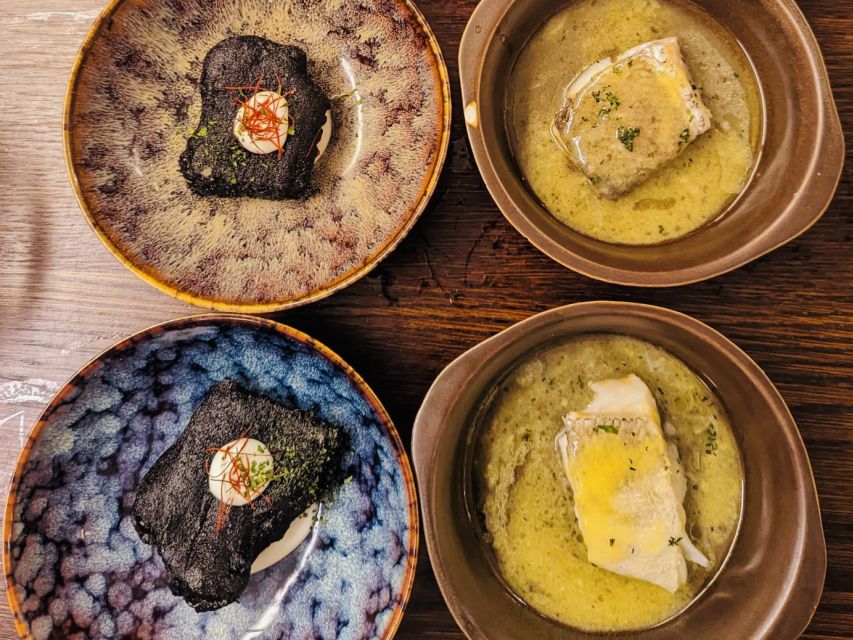
- La Gilda, explained: you’ll hear the origin story and see how it still shapes what you order today
- 6 pintxos plus 5 drinks: enough tastings that you don’t feel like you’re just “sampling”
- A serious market start: ham tasting and regional produce, with a guide who keeps the focus on local producers
- Olives and olive oil stop: you’ll taste olives and oil while learning the backstory (including a vendor ranked among the world’s top 4 shops)
- Bar-hopping with pairings: cider, wine, and licor are matched to the plates as you go
- Basque language moments: expect practical words and small culture lessons you can use right away
San Sebastián’s Pintxos Scene: What This Tour Does Differently
San Sebastián’s pintxos culture can feel overwhelming when you’re on your own. One bar is standing-room only, another is all flash with a chalkboard menu, and the place that looks lively might have a long wait. This tour solves that problem with a guided path and a clear tasting plan: you know you’ll hit multiple bars and taste multiple styles, not just one or two lucky finds.
What makes this experience stand out is the storytelling angle. You’re not only eating; you’re learning why certain pintxos matter, how Basque food habits developed, and what people mean when they talk about the classics versus the newer creations. Even the most basic bites—ham, cheese, olives, and that iconic skewer-style favorite—come with context that makes them easier to remember later when you’re choosing where to eat next.
Also, the guide factor matters here. In the real world, pintxos tours live or die by rapport with the bars and clarity with the group. People on this tour have praised guides such as Jon, Daria (and Darya), Arantxa, Martin, Gabby, and Telmo for being engaging, funny, and connected in the neighborhood. That usually translates into smoother tastings and better bar choices.
You can also read our reviews of more food & drink experiences in San Sebastian
Meeting at McDonald’s and Walking the Old Town for 3 Hours
You’ll meet your guide between McDonald’s and Forum Sport store in San Sebastián. There’s no hotel pickup, so plan to start near transit-friendly streets and then let the tour do the legwork. The full experience is about 3 hours, which is the sweet spot for this kind of food and drink plan: enough time to get variety, not so long that you end up exhausted and stuffed.
Expect rain or shine. San Sebastián weather can flip fast, and you’ll be outside moving from spot to spot. Wear shoes you can walk in comfortably. And since you’ll be tasting alcohol and cider-style drinks, it helps to go in with a lighter plan for the day.
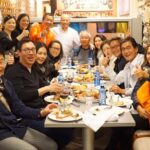
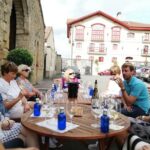
Group format is private or small groups. In practice, that often means you can ask questions and actually hear explanations at each stop. The reviews also point out that groups are guided in a way that brings people together, which is a nice perk if you’re traveling solo.
Market Time: Ham, Cheese, Olives, and the Producer Mindset
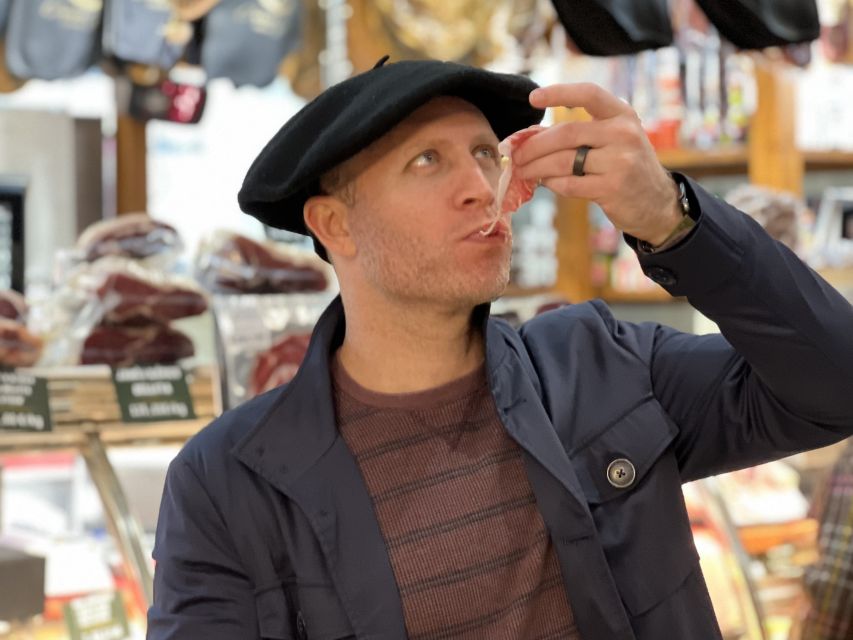
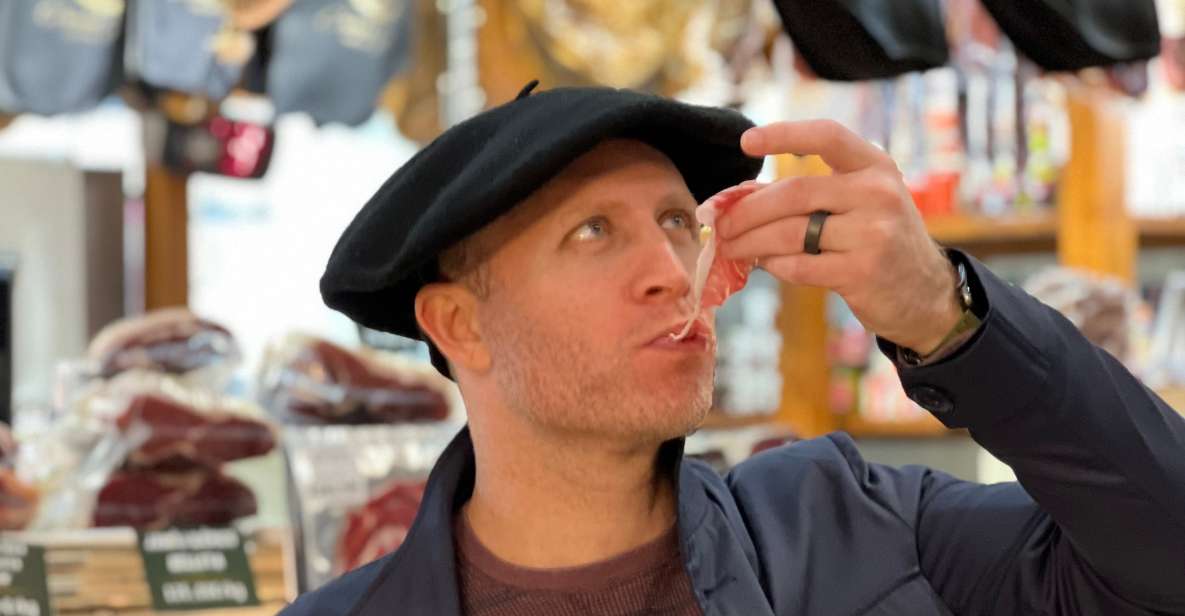
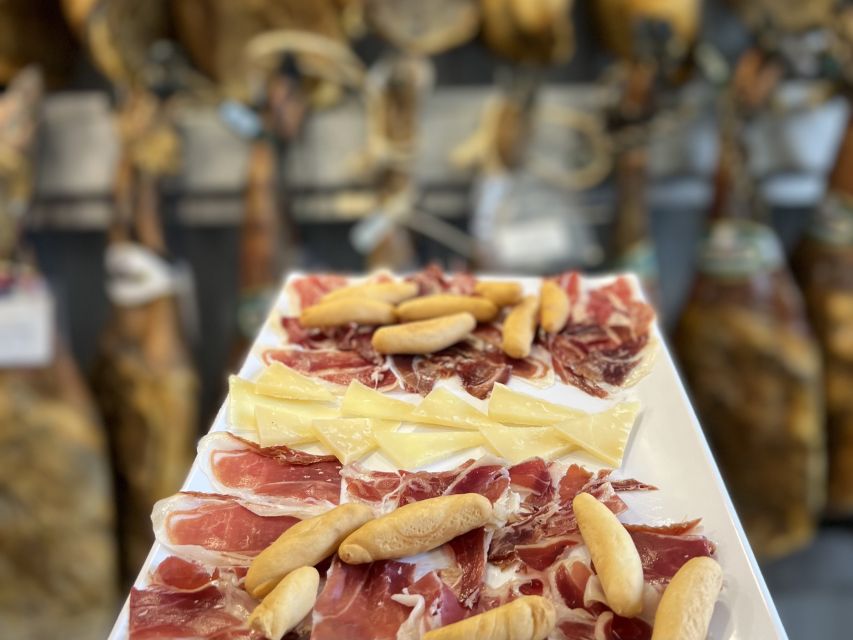
The market stop is a strong opening act. You’ll spend about 20 minutes in the food market (note the swap on market-closed days, covered later), and you’ll taste regional items starting with ham. This matters because Basque cooking is ingredient-driven. When you understand what’s behind the flavors—cured ham, local cheeses, olives, and the way produce is selected—it makes the later pintxo choices feel intentional instead of random.
This isn’t just a quick look around. Your guide frames what you’re tasting, so you’re learning what to look for when you see cured meats and olive products on your own later. And because you’re going through the market early, you’ll get your bearings fast. You’ll start to recognize the kinds of products San Sebastián is proud of, and that helps when you walk past bars later in your trip.
One more practical tip: even if you think you’re ready for a big meal, don’t overdo lunch beforehand. Multiple people have specifically recommended arriving with an empty-ish stomach, because the tour adds up. The market stop isn’t huge on its own, but it sets the pace for everything that follows.
La Gilda Backstory and the Olive Oil Stop
After the market, the tour shifts into old-town atmosphere. You’ll hit key streets and landmark buildings and hear stories that connect the food to Basque traditions and local identity. One big theme is La Gilda—the origin story behind the pintxo that many people consider the classic reference point.
The olive shop stop is especially memorable. You’ll taste olives and oil, and you’ll also learn the history behind La Gilda as part of the broader food story. One vendor you meet is described as being among the world’s top 4 olive oil shops, which gives you a clear sense that this is more than tourist tasting theater.
Why is this valuable for you? Because olives and olive oil are part of daily Basque flavor culture, but most visitors don’t know what to ask for. Here, the guide helps translate the jargon into something edible: what a good olive oil tastes like, how olives can swing from mild to intense, and how those flavors show up in pintxos.
This stop also helps you slow down. Tastings can blur together later in the evening. The olive oil and olive tasting acts like a reset button, so when you move into the bar-hopping section, your palate is awake and your brain is tracking what you like.
Bar-Hopping Like a Local: From Gilda Origins to Avant-Garde Pintxos
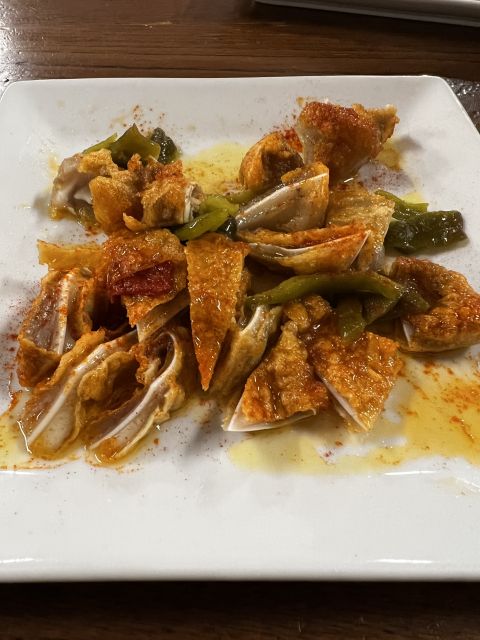
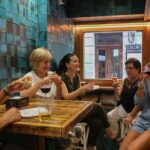
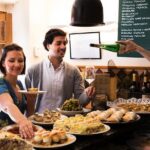
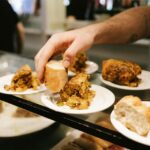
Now comes the best part: the bar rhythm. Pintxos aren’t always served the same way, even when the layout looks similar. You’ll see pintxos presented in different styles across multiple bars, and you’ll get a tour guide steering you to plates you might skip on your own.
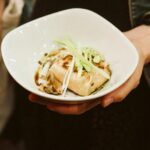
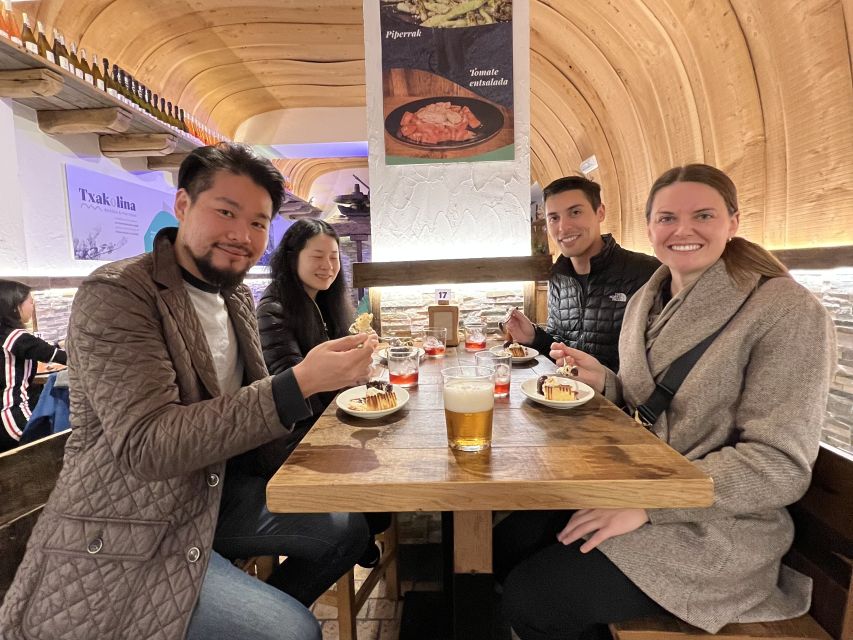
You’ll make several stops in the old quarter. Each stop includes wine, cider, or licor pairings, plus pintxo tastings. The tour plan is built around variety: some bites are classic and familiar in structure, while others lean more avant-garde in flavor combinations and presentation.
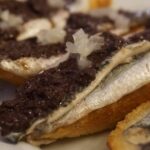
This is where the “timeline” idea really pays off. You’ll travel from the origin of La Gilda to more modern pintxos, so you can taste how the Basque approach stays rooted but still evolves. It also makes it easier to ask for recommendations later. Instead of saying, I like pintxos, you’ll start to notice patterns: salty-cured, briny, creamy, acidic, crunchy. That’s what helps you order well when you’re back on your own.
A small logistical note that affects your enjoyment: San Sebastián can be crowded, and you’ll walk through areas where people are lining up for their own bar visits. The tour format is built to keep you moving efficiently between stops, with the guide also helping navigate crowds so your group doesn’t get stuck waiting endlessly.
You can also read our reviews of more shopping tours in San Sebastian
Your Drink Plan: Rioja Wine, Natural Apple Cider, and Licor
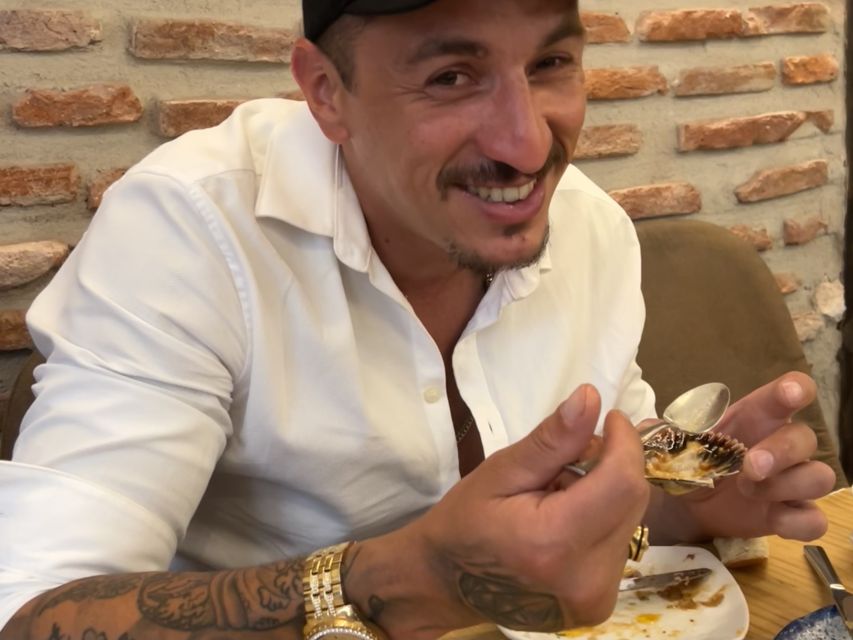
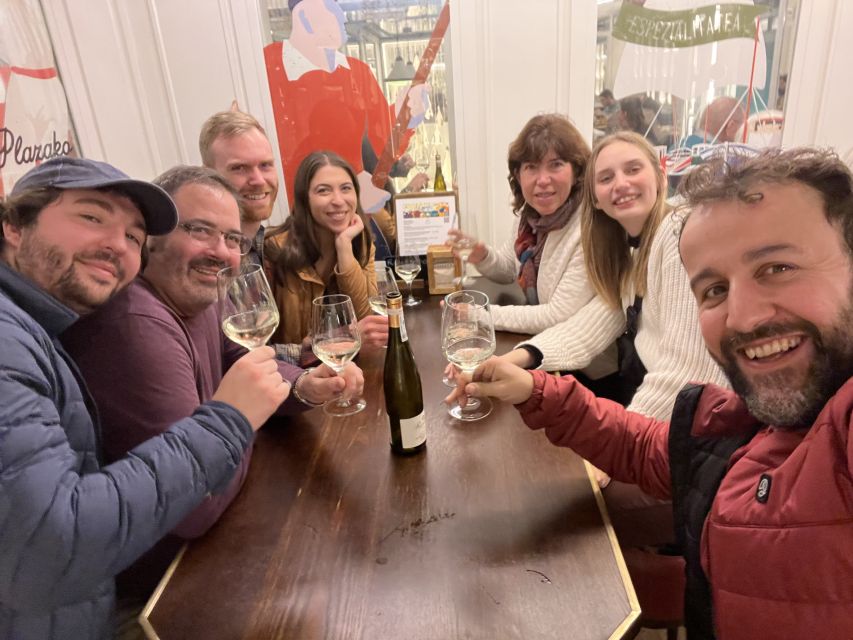
Food is only half the story. The other half is the drink pairing—cider, wine, and licor, chosen to match what you’re tasting. The tour includes 5 local drinks, and the specific lineup can include Rioja Wine, natural apple cider, and other local pours (plus licor).
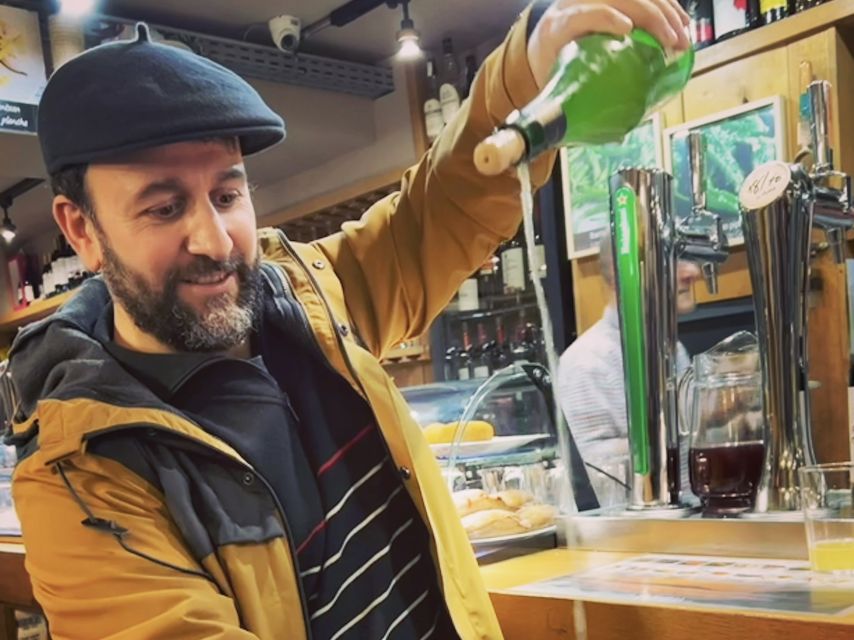
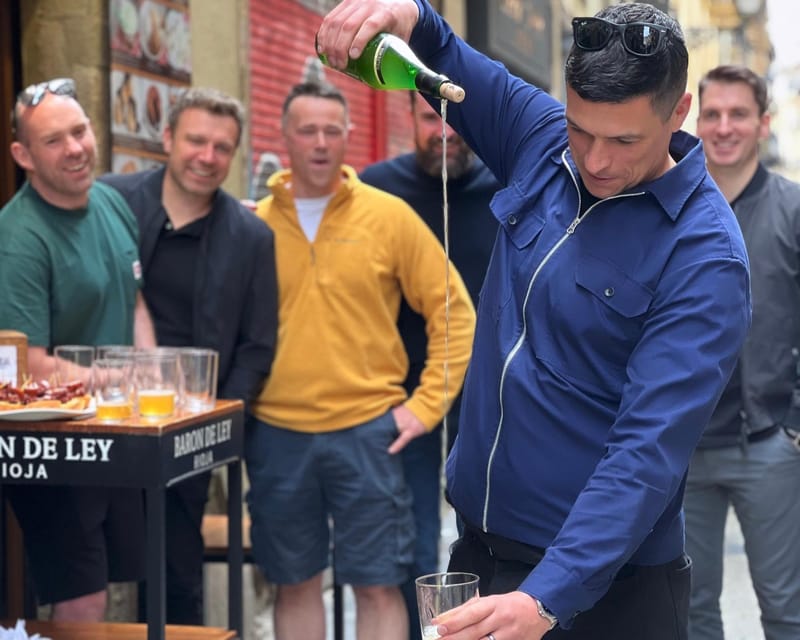
One key detail: cider in particular has a show-and-tell aspect. People have praised the tour for helping them learn the proper pouring approach for apple cider, which is the kind of small technique you can carry home. It also makes the drink feel part of the experience instead of just something to sip between bites.
Pairing is where guides can either be guessy or genuinely helpful. The guides on this tour have repeatedly been praised for selecting good pairings and explaining what to taste for. If you don’t want alcohol, you should know that people mention the tour can accommodate non-alcohol choices. Still, it’s smart to tell your guide at the start what you’re avoiding so they can guide you to the best matching options.
Also, pace yourself. You’re tasting multiple pintxos and multiple drinks in a few hours. The goal is enjoyment, not speed.
Basque Language Moments That Make the Bites Stick
This isn’t a language class, but you’ll pick up Basque words and food culture notes that make everything feel more grounded. Guides have been praised for teaching bits of language alongside dish explanations, including practical vocabulary and cultural context.
One example from the experience description and feedback: you may learn the Basque distinction between pintxos and tapas—why pintxos are served the way they are, and how the local mindset differs from the broader Spanish tapa concept. You’ll also hear about Basque dishes and traditions in plain terms while you’re walking and tasting.
Even if you don’t speak Basque, these moments help. They turn the tour from a list of bites into a story you can place. Later, when you’re ordering or asking for recommendations, you’ll recognize phrases tied to what you actually liked.
You may also hear locals’ favorite ways of describing flavors and habits. That’s useful, because it helps you avoid the common trap of eating pintxos like a checklist. With language and context, you start eating like a participant.
Price and Value at $162: What You Actually Get for the Money
At $162 per person for 3 hours, this is not a cheap snack. But it doesn’t try to be. The value comes from three things you’d normally have to pay for in other ways:
- Organization: you’re not spending your precious time hunting for the right bars, asking around, or figuring out what to order
- Guided tastings: you’re getting 6 top local pintxos and 5 local wine/cider/licor servings
- Access and rapport: people repeatedly mention that guides are well known by bar owners, which typically means smoother service and better stop choices
The market component is also part of the value. When it’s running, you’re tasting ham and market items with a guide’s explanation. When it’s closed (Saturday evening and Sunday), the tour adjusts by adding extra pintxo instead of the market visit. That flexibility protects the core value: you still end up with plenty to eat.
Is it worth it? If you want the city’s top flavors without gambling on bar selection, yes. If you already have a tight pintxos plan and are happy doing it solo, you might not need a guide. But most people choose this tour because San Sebastián’s bar scene is easier to enjoy with someone steering.
Who Should Book This Pintxos and Wine Tasting Tour (and Who Should Skip)
This tour is a great fit if you:
- want an organized introduction to San Sebastián pintxos without overthinking it
- like learning stories behind food, not only collecting restaurant names
- enjoy wine, cider, and licor pairings
- are traveling with a friend or as a solo guest and want an easy, social plan
It’s less ideal if you:
- need wheelchair accessibility (the tour isn’t suitable for wheelchair users)
- are traveling with kids under 13
- want a very quiet, low-energy outing (this is a tasting walk with regular stops and movement)
If you’re doing this early in your trip, you’ll likely get more out of it. You’ll leave knowing what to seek next, which bars to revisit, and what styles you prefer.
Should You Book This San Sebastián Pintxos and Wine Tasting Tour?
If your goal is to eat well in the old town and learn how pintxos culture works, I think you should book. The combination of market start, La Gilda story, and multiple pintxo-and-drink stops is exactly the kind of setup that turns first-time uncertainty into confident ordering.
Do it early if you can. Then use the rest of your trip to repeat the flavors you liked most, not to start from scratch.
One final check: if you’re going on Saturday evening, Sunday, or Monday afternoon, keep in mind the market is closed and the tour swaps the market segment. That doesn’t ruin the tour, but it changes the rhythm of the first part of your tasting walk.
FAQ
How long is the San Sebastián Market, Pintxos and Wine Tasting Tour?
It lasts about 3 hours.
What’s included in the tastings?
The tour includes a guide, a market visit and tasting (except Saturday evening and Sunday), 6 top local pintxos, and 5 local wine/cider/licor.
Where do I meet the guide?
Meet your guide between McDonald’s and Forum Sport store.
Does the tour run in bad weather?
Yes, the tour runs rain or shine.
Is the market stop always included?
No. On weekends and Monday afternoon the market is closed. Also, Saturday evening and Sunday swap the market visit for extra pintxo instead.
What languages are the guides?
The live guide speaks English, Spanish, and Basque.
Is this tour suitable for children or wheelchair users?
It’s not suitable for children under 13, and it’s not suitable for wheelchair users.