REVIEW · CADIZ
Cadiz: Guided City Tour
Book on GetYourGuide →Operated by Andalusia Tour Travel · Bookable on GetYourGuide
Cádiz is a small city with a big memory. This 1.5-hour guided walk strings together over 3,000 years of change through traditional streets, with the Roman neighborhood of El Pópulo as one of the main anchors.
Two things I really like: the way the guide puts specific places into context (so old walls feel meaningful, not random), and the mix of key sights that spans the centuries, including the Spanish Constitution of 1812 monument and the new-and-old cathedral area. One thing to consider: it’s a walking tour and it doesn’t include transport or meals, so come ready to move and plan food separately.
In This Review
- Key things to know before you go
- Cádiz in 90 minutes: what this walk is really for
- El Pópulo, the Roman quarter: learning to read old streets
- New and old cathedrals: seeing how power shifts through architecture
- The Constitution of 1812 monument: why Cádiz matters beyond tourism photos
- The through-line: Phoenicians, Romans, Napoleonic years, and trade with India
- What the guides do well (and why it affects your day)
- Price and logistics: is $23 good value for 1.5 hours?
- Who should book this tour
- Should you book Cádiz: Guided City Tour?
- FAQ
- How long is the Cádiz guided city tour?
- What languages are available on the tour?
- Where do I meet the guide?
- Is transportation included in the price?
- Are food and drinks included?
- What should I bring or wear?
- Is the tour wheelchair accessible?
- Is there a minimum number of adults per booking?
- Can I cancel and get a full refund?
- Is there a private group option?
Key things to know before you go
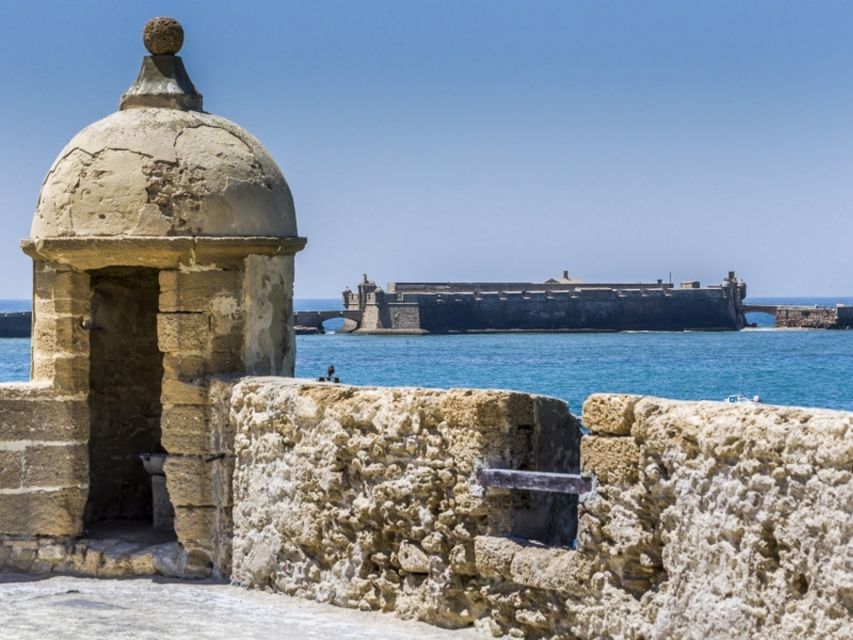
- A 3,000-year story in 90 minutes: Phoenicians, Romans, Napoleonic years, and the 1812 Constitution all get tied into one route.
- El Pópulo first-hand: you’ll walk through the Roman quarter instead of just hearing about it from afar.
- Cathedrals, two eras: you’ll see the old and the newer cathedral complex as Cádiz’ religious power shifted over time.
- 1812 has a real street presence: the Constitution monument is more than a photo stop—it’s part of the city’s identity.
- Art, culture, and food context: the tour brings in gastronomy and everyday culture, not only battles and rulers.
Cádiz in 90 minutes: what this walk is really for
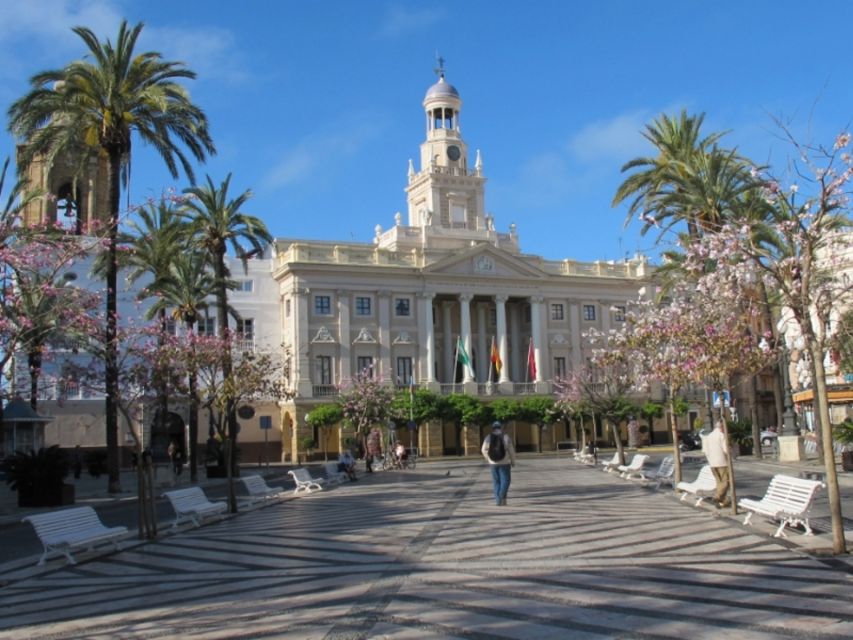
Cádiz is compact, but it can feel like a jumble of pretty squares, church façades, and winding lanes—until someone explains what you’re looking at. This tour is built for the “first-day reset” moment: you get a clean timeline, you learn how different civilizations shaped the city, and suddenly your photos make sense.
You’ll spend about 1.5 hours on foot through the traditional neighborhoods. That time window is short enough to keep energy up, but long enough to slow down at the stops that matter—especially El Pópulo, where Roman Cádiz history becomes visible at street level.
The value here is the guide’s storytelling. You’re not just collecting landmarks; you’re learning how to read the city. I also like that Spanish, English, or sometimes both are used depending on the situation, so you can still follow along without struggling through key details.
You can also read our reviews of more guided tours in Cadiz


El Pópulo, the Roman quarter: learning to read old streets
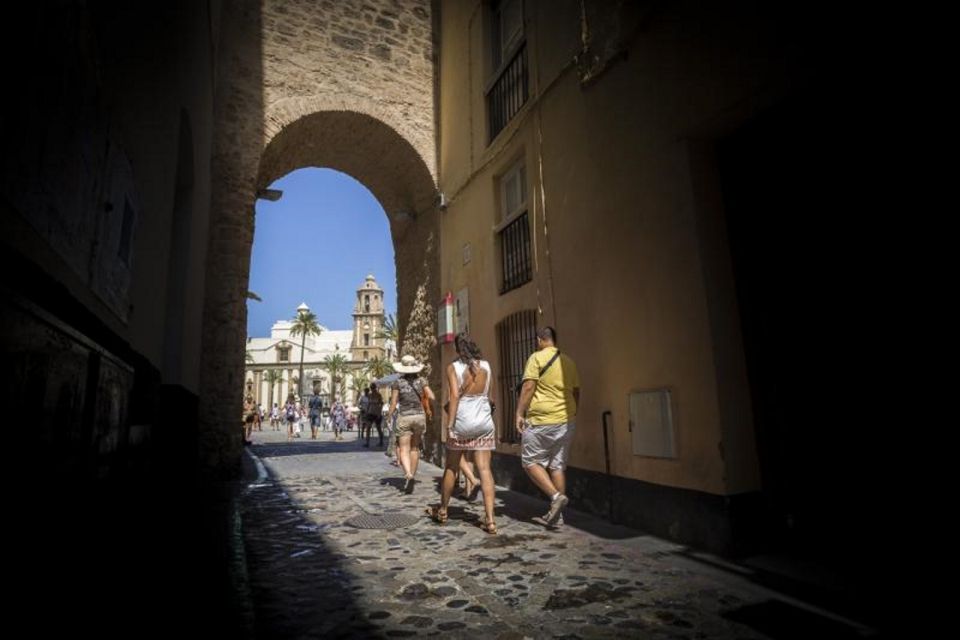
El Pópulo is the kind of place where you can walk right through it and miss how much history is embedded in the layout. On this tour, you’re guided to understand what makes this Roman neighborhood special—so you notice patterns you’d normally gloss over.
Roman Cádiz isn’t only “ancient ruins.” It’s the idea of layering: Phoenician-era foundations, Roman urban structure, later changes, and then the city you see today. The guide’s job is to make that layering feel connected. When you know that you’re standing in an area shaped by older civilizations, the small architectural details start to register.
A practical bonus: Roman quarters are usually the easiest place to get oriented. Even if you don’t stop for long at every corner, you’ll finish with a mental map of where you are on Cádiz’ island-like form. That helps later when you want to roam on your own.
What to watch for: wear shoes you’re comfortable with. Old streets can be uneven, and you’ll be walking continuously for 90 minutes.
New and old cathedrals: seeing how power shifts through architecture
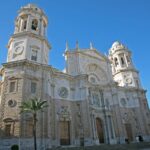
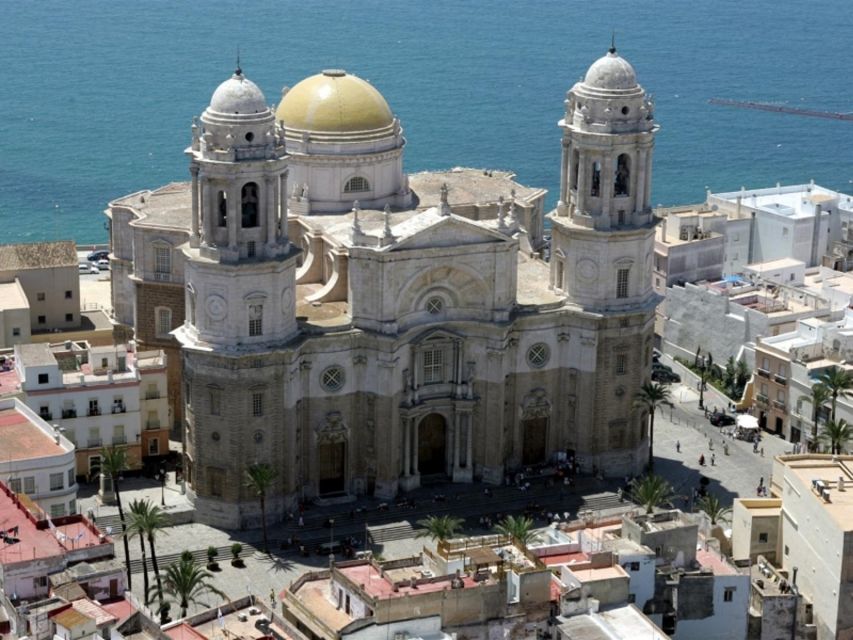
Cádiz’ religious buildings aren’t just pretty—they’re a timeline in stone. This tour includes a stop area that covers both the new and the old cathedrals, giving you a chance to compare different eras without turning the trip into an all-day museum plan.
Here’s the useful part for you: the guide connects architecture to the larger story of Cádiz. When a city grows, regroups, or goes through political change, churches often reflect it. So rather than treating cathedrals like a single viewpoint, you learn to see them as changing expressions of who held influence and what people valued.
This is also where you’ll likely feel the difference between “seeing” and “understanding.” Without context, two large church façades can start to look identical. With context, you begin to notice why one era looks the way it does and what the city was trying to communicate at the time.
Tip for getting the most out of this stop: pause and look at the outside first, then let the guide point out what to focus on (design choices, historical references, and why those details were used). You’ll get more from 3 minutes of intentional looking than from 30 minutes of casual passing.
The Constitution of 1812 monument: why Cádiz matters beyond tourism photos
Spain loves a good historical debate, and Cádiz has one of the big ones: the Spanish Constitution of 1812. This tour includes a visit to the monument marking that moment, and it’s one of the stops that turns Cádiz from “pretty coastal town” into “important political city.”
The guide frames 1812 as a turning point—and importantly, as something tied to Cádiz’ role in broader trade and power networks. That makes the monument feel grounded rather than abstract. You’re not just reading a date; you’re seeing how a city became a stage for ideas that were considered unusually liberal for the time.
One reason I like including this kind of stop is that it prevents the tour from being only churches and old streets. You’ll get at least one strong political anchor that helps explain why people talked about Cádiz in Europe-wide conversations.
The through-line: Phoenicians, Romans, Napoleonic years, and trade with India
What ties the whole route together is the “who influenced Cádiz, and how?” storyline. You’ll hear about major phases, including the Phoenicians and Romans, and how later periods like the Napoleonic era shaped the city’s experience. The tour also talks about Cádiz’ part in 18th-century trade routes with India, which is a key detail for understanding why a city like this could become so strategically important.
This trade story matters because it explains why Cádiz developed such a strong artistic and cultural identity. When a port city connects to faraway places, you don’t just import goods—you import ideas, styles, language habits, and new ways of living. Even the everyday feel of Cádiz can reflect that long-distance connection.
Then you get the political finale with the Constitution of 1812. The tour’s structure helps you understand how economic importance and political change can come from the same engine: a city that sits in the right place at the right time.
Small practical note: sometimes the tour may be run in two languages depending on the group. If you’re balancing English and Spanish, just listen for the key names and dates the guide repeats—they’re the backbone of the story.
You can also read our reviews of more city tours in Cadiz




What the guides do well (and why it affects your day)
If there’s one pattern in the guides’ impact, it’s that they make Cádiz feel personal and legible. Names you might hear mentioned in operator lineups include Celeste, Claudia, Rose, Nadia, Fernando, Angel, Johannes, and Marta. The common thread: they don’t just list dates. They connect details to places you can physically see.
A few styles show up consistently:
- Story-first explanations: the tour starts with people and motives, then explains the building or street.
- Practical context: you often leave with a better sense of where things are and what to prioritize next.
- Food and culture notes: since the tour includes gastronomy as part of the picture, you’re more likely to know what to look for when you later hunt for lunch or a drink.
You don’t need to be an architecture nerd. The best thing this tour gives you is confidence. After 90 minutes, you’ll know what kind of city Cádiz is—and you’ll spend the rest of your trip exploring with less second-guessing.
Price and logistics: is $23 good value for 1.5 hours?
At $23 per person, a guided history walk in a central old-town setting is usually solid value—especially because you’re paying for time with a guide who can translate what you’re seeing into a real timeline. You’re also getting included fees and taxes, so the price is pretty straightforward.
Where you need to be realistic: the tour doesn’t include transportation, and it doesn’t include food or drinks. That’s not a flaw—just a planning point. You’ll likely want to eat before or after, not during, and you’ll need to cover getting to the meeting point on your own.
Also note two practical constraints from the tour setup:
- there’s a minimum of 2 adults per booking
- children must be accompanied by 2 adults minimum
Finally, don’t count on monument entry delays being solved for you. If a site has lines or timing issues, the operator isn’t responsible for delays at monument entrances. The good news: the tour still focuses on the outdoor city reading and the key stops.
What I’d do: book this early in your trip. Use it to build context, then spend the next day roaming with a smarter eye.
Who should book this tour
This tour fits best if you want:
- a quick first taste of Cádiz with a clear timeline
- guidance through the most meaningful old-town areas (especially El Pópulo and the cathedral zone)
- cultural context that includes politics and trade, not only scenic streets
You’ll also like it if you enjoy conversation and questions. The better guides pace the walk to the group, and the tour’s structure makes it easy to stop and ask about what you see.
You might want to skip or adjust expectations if:
- you hate walking
- you’re looking for a long museum-style program with lots of entrances and sit-down time
- you prefer total independence with a phone app and no guidance at all
Should you book Cádiz: Guided City Tour?
Yes, if you want the best “return on attention” in a short time. For $23 and 1.5 hours, you’re buying a shortcut through confusion: you learn how Cádiz changed over centuries, you see the Roman quarter and the cathedral area, and you end with a clearer understanding of why the Constitution of 1812 is a big deal here.
If it helps you decide: plan to wear comfortable shoes, bring water, and show up a few minutes early so you don’t feel rushed. Then use the tour as your launchpad—Cádiz is much easier to enjoy once you know what you’re looking at.
FAQ
How long is the Cádiz guided city tour?
It lasts 1.5 hours.
What languages are available on the tour?
The tour is offered in Spanish and English.
Where do I meet the guide?
The meeting point may vary depending on the option booked.
Is transportation included in the price?
No, transportation isn’t included.
Are food and drinks included?
No, food and drinks aren’t included.
What should I bring or wear?
Wear comfortable shoes and bring a bottle of water.
Is the tour wheelchair accessible?
Yes, the tour is wheelchair accessible.
Is there a minimum number of adults per booking?
Yes, a minimum of 2 adults is required per booking.
Can I cancel and get a full refund?
Yes. You can cancel up to 24 hours in advance for a full refund.
Is there a private group option?
Yes, private group options are available.