REVIEW · FUERTEVENTURA
Fuerteventura: Tapas and Local Life Guided Tour
Book on GetYourGuide →Operated by Fuerte Authentic Tours · Bookable on GetYourGuide
Five hours of food lessons, not cafeteria vibes. This Fuerteventura tour is built around real local flavors and farm work, with green mojo taught live and Majorero goat cheese served where it matters. I like that the day is paced with guided stops instead of a rushed “taste and go” circuit. One downside to plan for: water is not included, so bring your own bottles and save your energy for the tastings.
You’ll get out of the usual tourist lanes and into the island’s greener pockets, with a small group capped at 16. Pick-up is set up from south Fuerteventura locations, and the host-led format makes it feel personal. A highlight from the feedback: guides like Adrian (olive farm) and Kristina (host) bring real passion, and even dogs sometimes tag along for a more relaxed farm-day feel.
In This Review
- Key reasons this tour works so well
- Food on Fuerteventura that doesn’t feel like a script
- Pickup in the south: smooth start, plus van time you can plan for
- Secret stops, guided walking, and a calmer pace than you expect
- The live green mojo lesson: where the tour becomes hands-on
- Cactus fruit and preserves: a fun food challenge that still feels authentic
- Olive oil production at the finca: lessons, then tasting (with a 2026 heads-up)
- Majorero goat cheese, red wine, and the value of tasting on site
- Price and logistics: why $92 feels fair for this format
- What to bring (and what to avoid) so the day stays comfortable
- Who should book this Fuerteventura tapas and local life tour
- Should you book this Fuerteventura tapas and local life tour?
- FAQ
- How long is the Fuerteventura tapas and local life guided tour?
- Where are the pickup and drop-off locations?
- Is water included in the tour?
- What food and tastings are included?
- What happens if the olive farm cannot sell its own oil?
- Can I cancel for a full refund?
Key reasons this tour works so well
- Small group (max 16) with guided tours at each stop so you actually learn, not just snack.
- Live green mojo cooking show, where you see how canarian garlic sauce flavors come together.
- Cactus fruit and cactus jam / marmalades—a fun food-world on Fuerteventura that most people miss.
- Olive oil production made understandable, plus a tasting with local extra virgin olive oil.
- Majorero goat cheese tasting with red wine, including varieties noted as internationally award-winning.
- Pickup and drop-off in the south (Tarajalejo, Costa Calma, Esquinzo, Morro Jable) keeps your morning simple.
Food on Fuerteventura that doesn’t feel like a script
If you’ve ever done a tapas tour where everything tastes basically the same, this one changes the rules. The point here is how food is made on the island, and why locals treat it like everyday culture—not a special-occasion performance.
You’ll start with classic canarian flavors tied to everyday ingredients: cactus fruit (from prickly pear), mojo sauces (including that signature green version), and local preserves like marmalades and cactus jam. Then the tour shifts to the slow, grounded work behind olive oil and goat cheese. That mix is what makes the day memorable: you taste, but you also get the “how it got here” story.
And since the tour includes tapas at each finca, you’re not relying on one big meal to carry everything. Instead, you get repeated chances to compare flavors and textures, and to ask questions while the guide is right there.
You can also read our reviews of more guided tours in Fuerteventura



Pickup in the south: smooth start, plus van time you can plan for
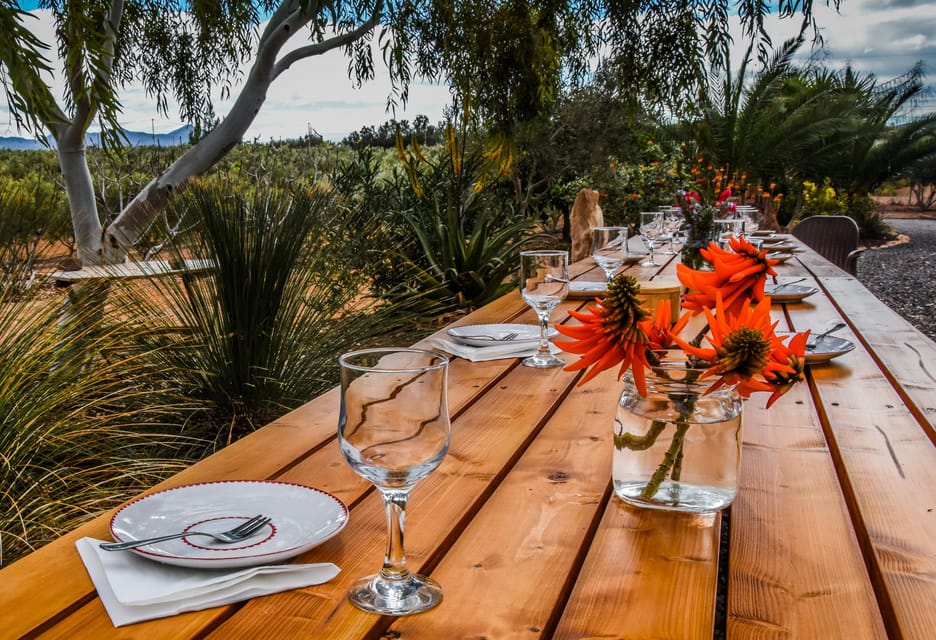
This tour runs about 5 hours total, and it’s designed around pickup in the south of Fuerteventura. You can be picked up from Tarajalejo, Costa Calma, Esquinzo, or Morro Jable. The operator also mentions multiple pickup location options and that apartment guests receive a meeting point so they can get you without playing phone-tag.
Expect travel time by van between stops. One transfer segment runs around 45 minutes, with shorter drives in between. That matters because it keeps the day moving across different parts of the island rather than squeezing everything into one location.
Practical note: the tour language is German. If German isn’t your thing, plan to rely on your guide’s pacing, visuals, and your own translation app. The upside is that so much of the learning here is hands-on food work. You can follow even when every word isn’t perfect.
Secret stops, guided walking, and a calmer pace than you expect
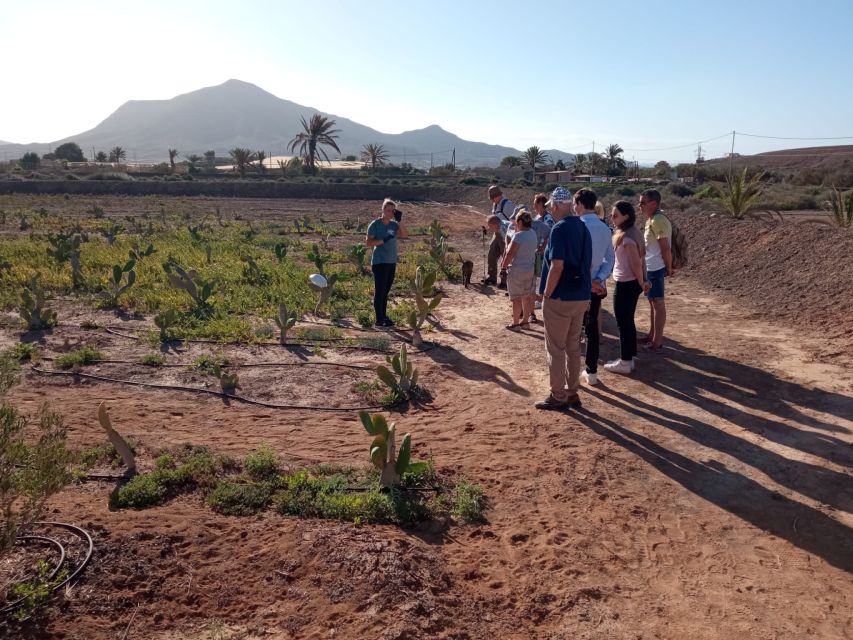
A big part of the value is that you’re not just dropped off at tasting tables. There are guided segments at what the tour calls secret stops, including a guided tour lasting about 2 hours at the first main stop.
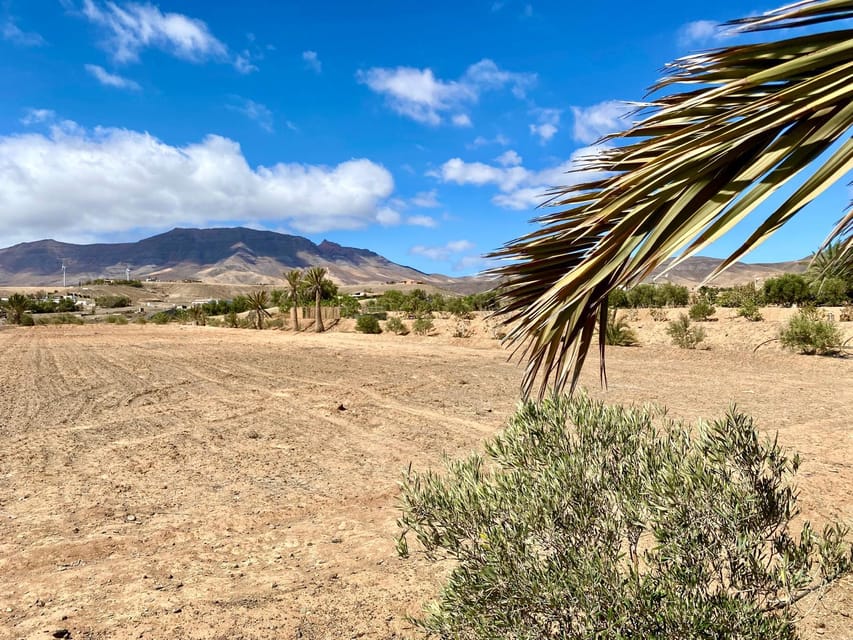
That time is where you understand the island beyond food. You’ll spend it taking in Fuerteventura’s green scenery—yes, the island you might picture as purely dry and beige can also show its greener side in the right places. The guide-led format also means you’re learning why certain foods and traditions fit the local environment.
Then there’s another guided stop that includes a photo stop, plus more time for wine, local snacks, a guided tour, and food tasting (about 2 hours in that segment). The day stays structured: van, then guided learning, then eating.
If you prefer free-roaming over guided structure, you might find the scheduled flow less flexible than a DIY day. But if you like learning while someone points out what to notice, the timing hits a sweet spot.
The live green mojo lesson: where the tour becomes hands-on
One of the best parts is the live cooking show focused on making green mojo, a canarian garlic sauce. Even if you already love mojo as a flavor family, this is where you see the process rather than just taste the result.
Mojo is one of those foods that can taste straightforward until you watch someone assemble it. Here, the guide-style teaching helps you understand how ingredients and proportions create that punch of garlic, tang, and herby character. The tour ties this to the wider idea of canarian food traditions: simple ingredients, carefully treated.
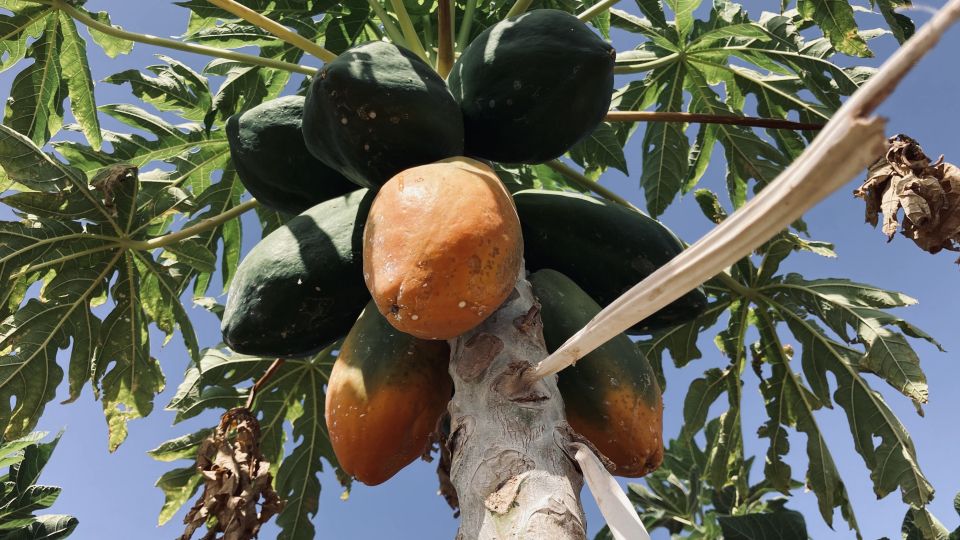
You’ll also encounter other local flavors around this segment, including cactus-related foods. You’ll taste cactus fruit and can experience cactus preserves like cactus jam and local marmalades. This is a real eye-opener if you’ve only seen prickly pear in packaged forms.
What I like about this part for your planning: it’s memorable even if you don’t consider yourself a foodie. Watching the sauce come together gives you a “now I know” moment that plain tasting rarely delivers.
Cactus fruit and preserves: a fun food challenge that still feels authentic
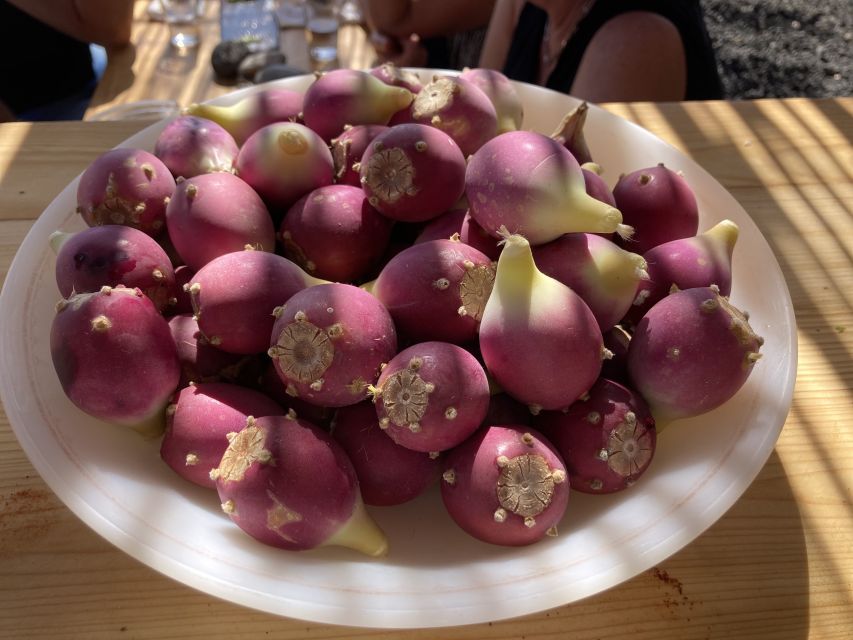
Cactus fruit is one of the island’s signature foods, and the tour treats it like more than a novelty. You learn about prickly pear and then taste the results, including cactus jam.
This segment works because the guide frames cactus as normal local food, not a stunt. You get to compare textures and sweetness levels across versions—fresh fruit versus jammed preserve versus marmalade-like preparations. That range helps you understand why locals reach for it and how it fits into daily taste.
It’s also a great chance to try something you’d probably skip on your own. If you’re curious but nervous about unfamiliar foods, this is a low-risk way to expand your palate with a guide explaining what you’re tasting as you go.
Food tip: cactus flavors can be intense. Take smaller bites the first time, then adjust. If you’ve got a sweet tooth, the jam and marmalade styles will likely land better than the fruit itself.




Olive oil production at the finca: lessons, then tasting (with a 2026 heads-up)
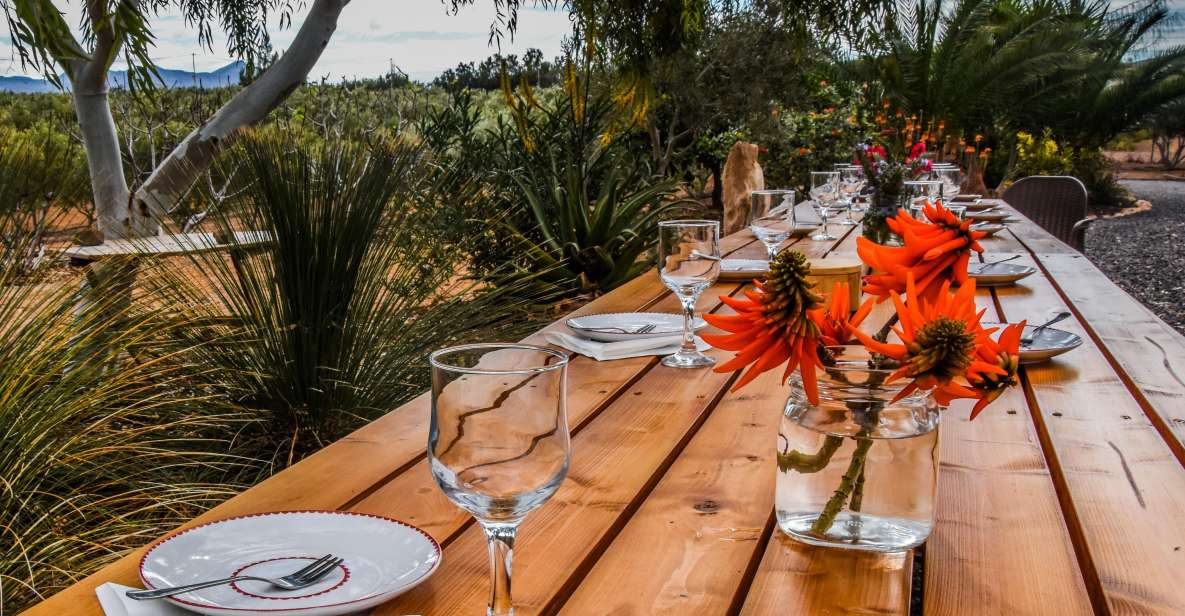
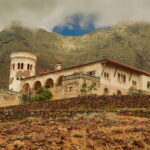
Olive oil is the other big pillar of the day. You’ll visit an olive tree farm and learn about olives and their local production. Then you’ll taste extra virgin olive oil from Fuerteventura, with the guide connecting it to local traditions.
One thing to pay attention to: the tour notes that from February until September 2026, the olive farm will have no own oil sales due to a small harvest in recent years. Also, due to bad weather, the farm may not offer its own oil. In those situations, the tour switches to an oil tasting with local extra virgin olive oil from another local farmer.
So yes, there’s a chance the exact bottle won’t be from the same trees as planned, but the goal stays intact: you still taste extra virgin olive oil and learn how local production works. That flexibility is the practical part of booking a real working-farm experience—sometimes the island has other plans.
If you love food science or you simply want better olive oil than what you can casually buy at home, this stop gives you a clearer sense of what to look for and why certain oils taste the way they do.
Majorero goat cheese, red wine, and the value of tasting on site
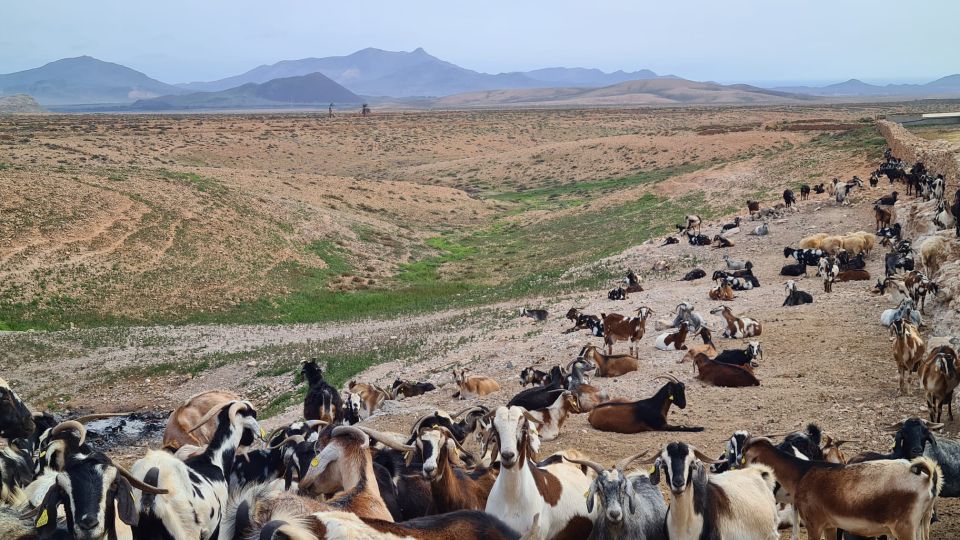
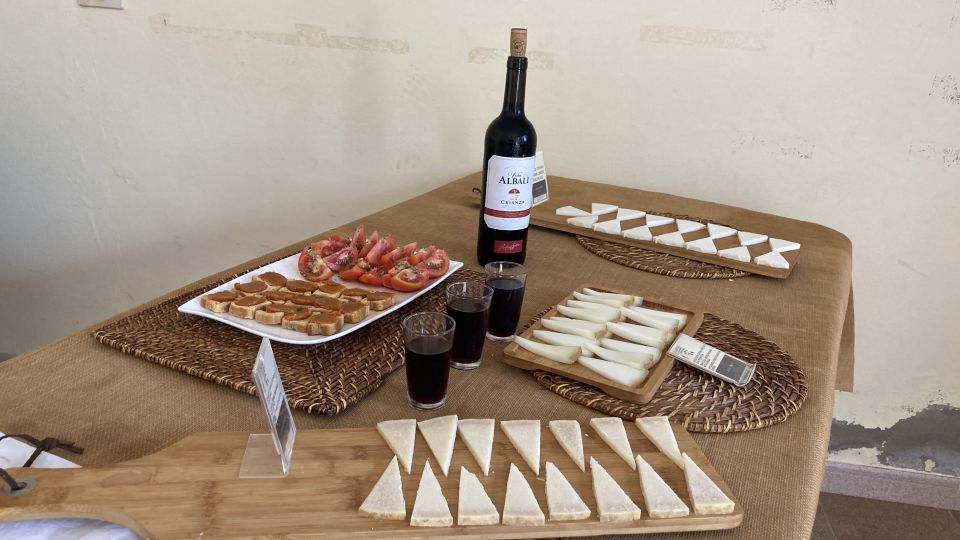
Then comes the cheese, and it’s more than a token sample. You’ll see Majorero goat and taste several cheeses. The tour describes these as varieties that have won international awards.
The key advantage of tasting here is context. Cheese tastes different when you understand what’s behind it: the animals, the local methods, and the way farms manage production. When you pair it with wine, that context makes the tasting easier. The tour specifically mentions that the cheese tastes especially good with a glass of red wine.
This is a great moment for comparison. You’ll likely notice differences in firmness, saltiness, and depth across the cheese options. Even if you can’t name every style, your palate will pick up the contrasts.
If you drink wine, take your time. Sipping alongside cheese turns the tasting into a slow conversation with flavors rather than a quick snack before the next drive.
Also, based on the feedback, the olive-farm and hosting energy matters here. Guides like Adrian are specifically described as impressive for their knowledge and love of the trees. That passion tends to make the cheese stop feel less like product marketing and more like a story told with food.
Price and logistics: why $92 feels fair for this format
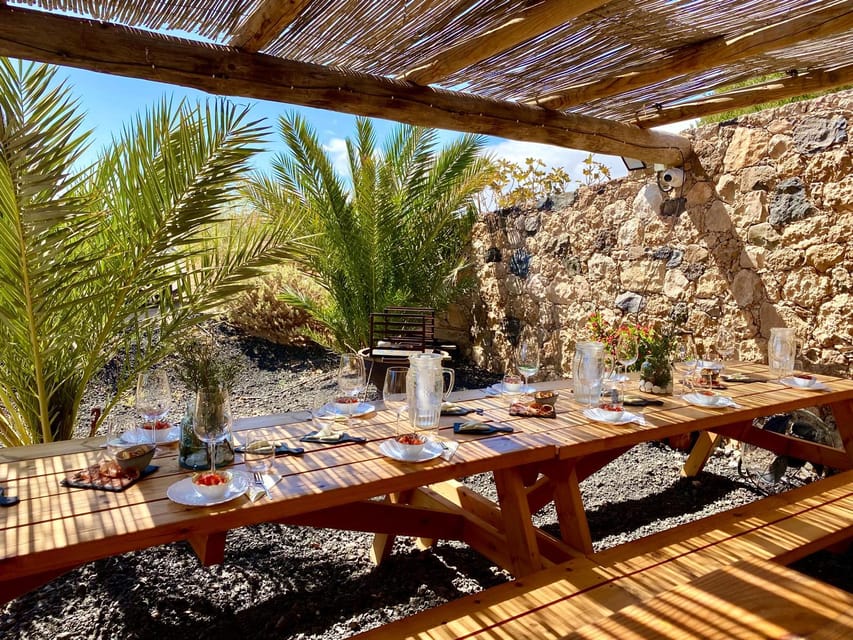
At around $92 per person for a 5-hour guided food experience, the price makes sense if you think about what’s included: pickup, a professional guide, guided tours on multiple fincas, and tapas at each stop.
What you’re paying for isn’t just food. It’s:
- Expert guidance through farm-style learning (mojo, olive oil production, and tastings)
- Multiple guided segments instead of one hour plus a meal
- Repeated tastings so your ticket isn’t carrying everything on a single plate
- Transport in the south with set pickup and drop-off points
Could you DIY a similar day for less? Maybe, but you’d miss the structure and explanation. The tour also handles timing between stops and keeps the group small enough for questions.
My rule of thumb: if you like learning how foods connect to place, this kind of tour is usually money well spent. If you mainly want a long lunch and don’t care about process, it might feel like you’re paying for lessons you’d rather skip.
What to bring (and what to avoid) so the day stays comfortable
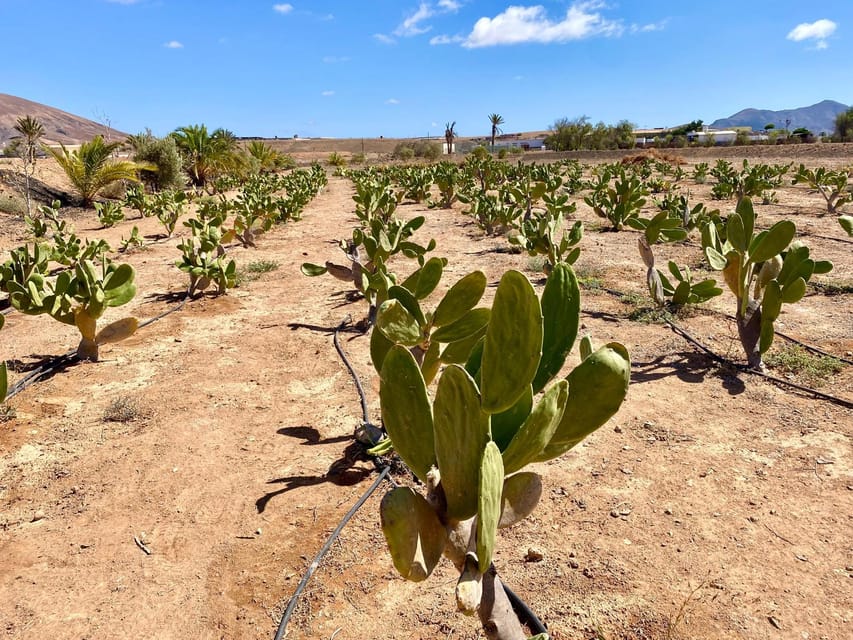
This is a farm-and-tasting day. Come prepared so you’re not distracted.
Bring:
- Water
- Sunscreen
- Hat
Not allowed:
- Sandals or flip-flops
Also, the tour isn’t suitable for people with mobility impairments or wheelchair users. If you need mobility support, consider a different format where you can stay on flatter surfaces with fewer guided walking segments.
One small but important mindset tip: this tour is designed for outdoor time and food stops. Dress for the sun, keep your footwear solid, and treat the day like a gentle hike with snacks rather than a museum visit.
Who should book this Fuerteventura tapas and local life tour
This fits you best if you:
- Want authentic canarian food beyond standard tourist menus
- Enjoy small-group experiences where questions feel welcome
- Like tasting with context: olive oil, mojo sauce, cactus fruit, and cheese
- Prefer a guided day that reduces planning stress
You might skip it if:
- You’re looking for a long beach afternoon with no structure
- You hate food experiences that require an open mind about unfamiliar ingredients
- You need an accessibility-friendly setup, since this one isn’t designed for wheelchair users
Should you book this Fuerteventura tapas and local life tour?
I’d book it if you want a food day that explains itself as it goes. The combo of live green mojo, cactus fruit and preserves, olive oil production lessons, and Majorero goat cheese with red wine is exactly the kind of island-specific learning that pays off later when you try to recreate flavors at home.
It’s also a good choice because the format is built around guided stops and a small group. That personal feel shows up clearly in the feedback, especially around hosts like Adrian and Kristina and the overall organization.
Just go in prepared: bring water, plan for outdoor time, and expect the olive oil stop can vary if weather or harvest limits the farm’s own oil. If you’re okay with that, you’re set for a genuinely different Fuerteventura day.
FAQ
How long is the Fuerteventura tapas and local life guided tour?
The tour lasts about 5 hours.
Where are the pickup and drop-off locations?
Pickup and drop-off are available in the south of Fuerteventura, with options including Tarajalejo, Costa Calma, Esquinzo, and Morro Jable. Apartment guests receive a meeting point to make pickup easier.
Is water included in the tour?
No. Water is not included, so you should bring your own.
What food and tastings are included?
You’ll have tapas at each finca, taste cactus fruit and cactus jam, try mojo (including a green mojo cooking show), learn about olive production and taste extra virgin olive oil, and taste several Majorero goat cheeses, noted as award-winning varieties, often paired with red wine.
What happens if the olive farm cannot sell its own oil?
If the olive farm cannot offer its own oil due to bad weather or because of limited harvest timing, the tour offers an oil tasting using local extra virgin olive oil from another local farmer as an alternative.
Can I cancel for a full refund?
Yes. Free cancellation is available up to 24 hours in advance for a full refund.