REVIEW · FUERTEVENTURA
Fuerteventura: Surfing Lesson in the south of Fuerteventura
Book on GetYourGuide →Operated by OTRO MODO Surfschool & Camp · Bookable on GetYourGuide
Surfing in Fuerteventura feels like free therapy. In the south, you trade the usual tourist schedule for white-sand beach time and a lesson built around real wave choices.
I like two things a lot: the instructor team has a beach lifeguard licence, and the course starts with calm, clear steps on land before you hit the water. One thing to keep in mind is that the beach can change with wind and tide, so conditions (and how choppy it feels) can vary day to day.
In This Review
- Key things to know before you go
- Why Southern Fuerteventura Works So Well for Learning
- Coaching Style: Small Groups and Lifeguard-Licensed Safety
- The Lesson Flow: From Currents Talk to “Take Off”
- Picking the Right Board: Foam for Beginners, Epoxy for Progress
- What the Day Looks Like: Drive, Beach Sessions, and Timing Flexibility
- Price and Value: What $60 Buys You (And What It Doesn’t)
- Who This Surf Lesson Is For (and Who Should Skip It)
- A Few Real-World Tips from What Works in Practice
- Should You Book This Fuerteventura Surf Lesson?
- FAQ
- How long is the surf lesson in Fuerteventura?
- Is this lesson only for beginners?
- What’s included in the price?
- Do I need to bring my own surf equipment?
- Where can pickup be arranged, and how much does it cost?
- Can the meeting point or surf beach change?
- What do I need to send the organizers before the course?
- What age group is this suitable for?
- Can I cancel for a refund or pay later?
Key things to know before you go
- Small groups (4 to 8 per instructor) mean you get hands-on coaching instead of vague pointers.
- Beach-first approach: you drive to the spot with the best conditions for your level that day.
- A structured progression from warm-up to “Take Off” land drills, then instructor support in the water.
- Two board types: soft foam boards for beginners and epoxy boards for more advanced surfers.
- Wetsuits and equipment are included, plus you’ll get guidance on currents and safety.
- Optional pickup for 8€ from several south-coast towns (if you send your details in advance).
Why Southern Fuerteventura Works So Well for Learning
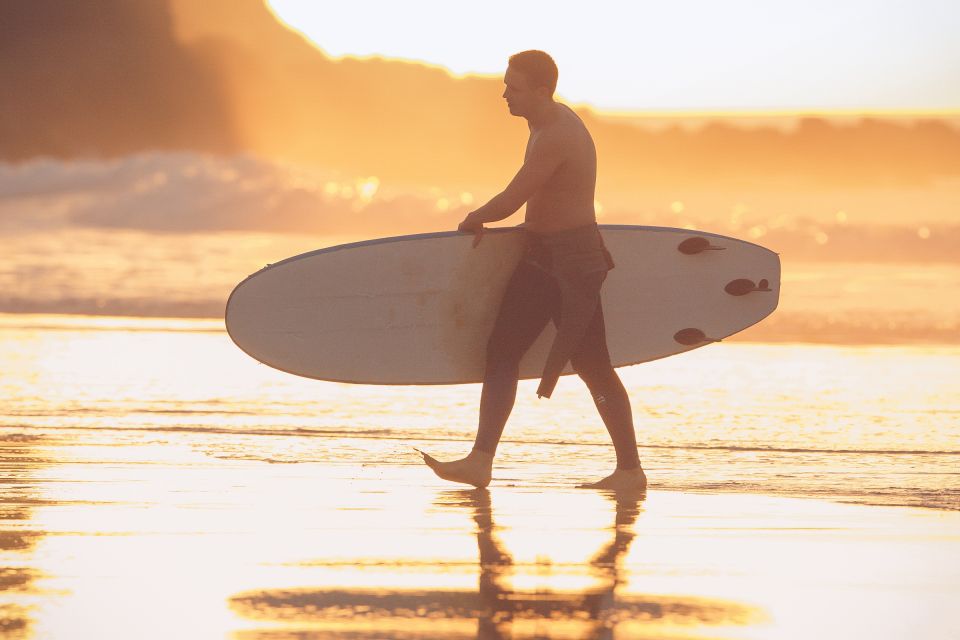
Southern Fuerteventura has that rare mix of big sky, wide beaches, and a surf culture that makes it feel normal to learn. This lesson is designed around the reality that waves aren’t the same everywhere, even on the same island. So instead of asking you to make do with one beach no matter what, the team drives to the beach that offers the best surf conditions for your group.
That matters for your learning curve. If you’re a total beginner, you don’t need perfect swells—you need the right size, timing, and access to waves where you can stand up without constantly getting smashed or tumbled. If you’re more experienced, you still want variety. The program adjusts day-to-day so your sessions don’t turn into either endless paddling or an overly hectic fight with the ocean.
And the “dream beach” feel isn’t just marketing. You spend the whole day near the action, with time on sand for technique and then time in the water for the part your body actually remembers.
A few more Fuerteventura tours and experiences worth a look

Coaching Style: Small Groups and Lifeguard-Licensed Safety
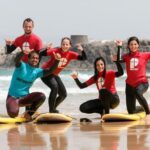
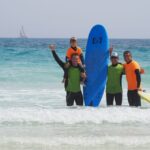
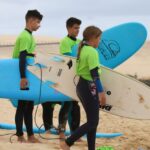
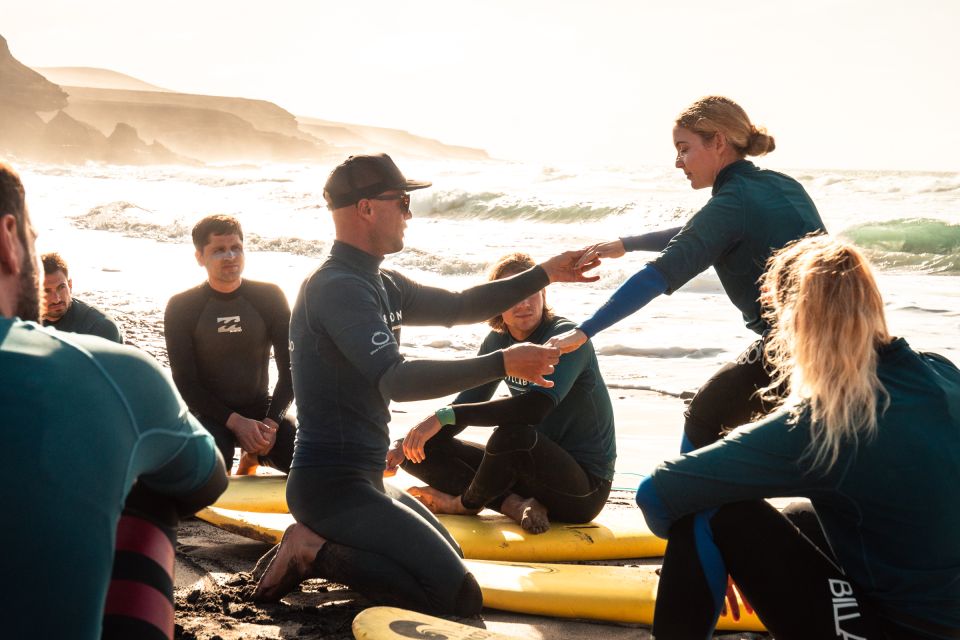
This is not a huge-class situation. The group stays small—4 to 8 students per instructor—and that changes everything. You can ask questions without shouting over wind. You get feedback you can actually use right away. And your instructor can watch your stance and timing closely enough to correct what matters.
Safety is also a serious theme. The instructor team includes someone with a beach lifeguard licence, and that shows up in how they brief currents and surf equipment use before you enter the water. Even if you’ve surfed before, I’d still treat that part as valuable, because local conditions can surprise you.
Instructors you might meet include names like Derek/Derrick, Andy, Kay, Anja Swoboda, Gaspard, Jeroen, Felix, and Maria—based on past groups. The consistent message across those experiences is clear: coaching tends to be patient, positive, and very focused on practical technique rather than vague “just feel it” advice.
The Lesson Flow: From Currents Talk to “Take Off”
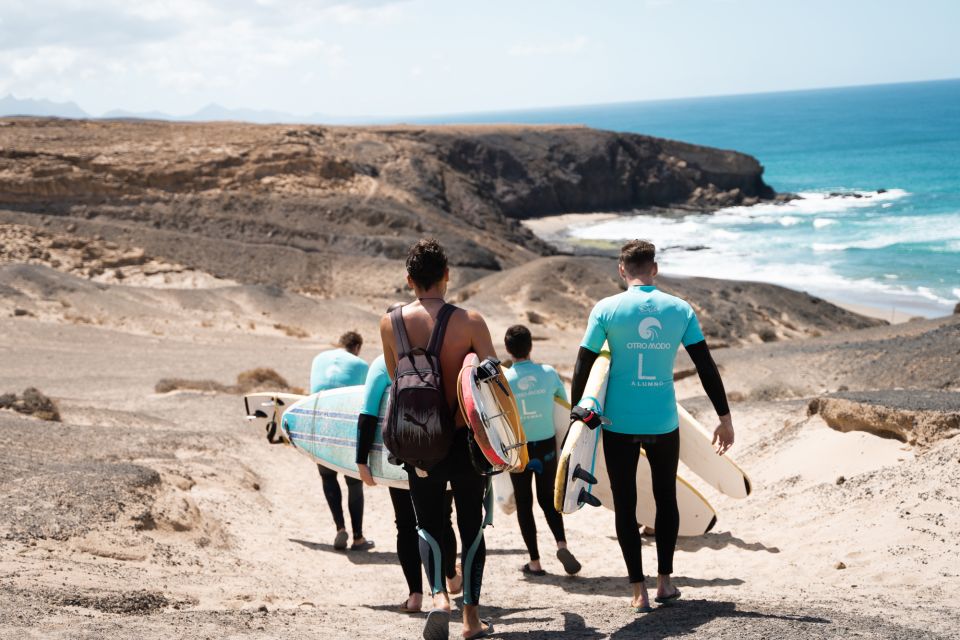
The course runs in a simple, repeatable rhythm, and that’s one reason it works. After arriving at the best beach for your level, you’ll get a briefing on currents and key safety instructions for using the surf gear. This isn’t scary, doom-and-gloom talk. It’s the kind of explanation that helps you stop guessing what the water is doing.
Next comes a warm-up, followed by short dry exercises on land. This is where the lesson earns its keep. Before anyone can surf, you need the body positions. You practice the stance and the movement of getting to your feet—the course calls this the “Take Off.”
That dry practice matters because the ocean is not subtle. When you’re floating on a board and you feel a wave rising, your brain goes into survival mode fast. Land drills help you move on muscle memory so you can focus on timing instead of panic.
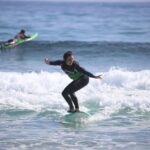
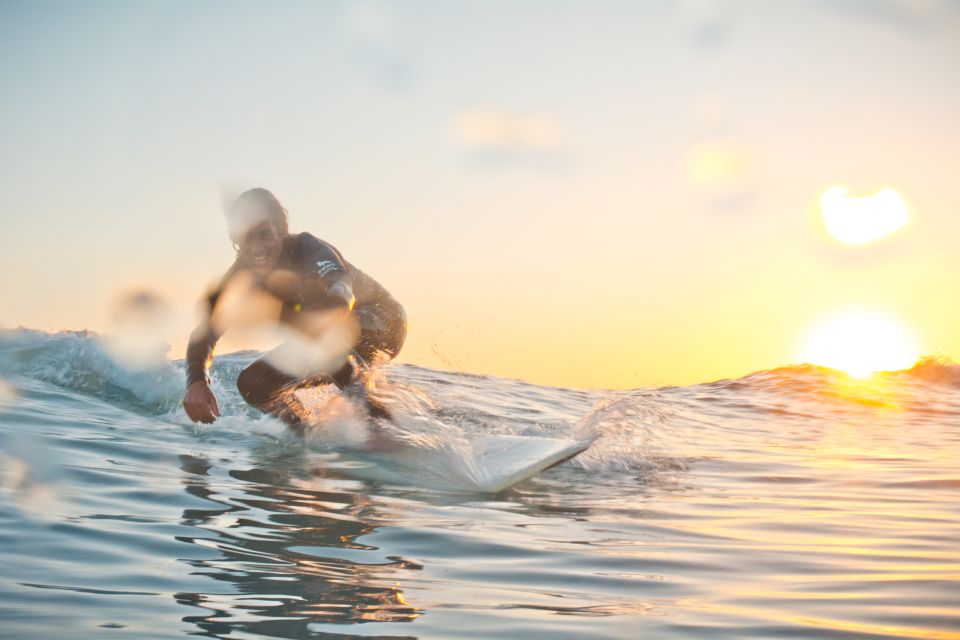
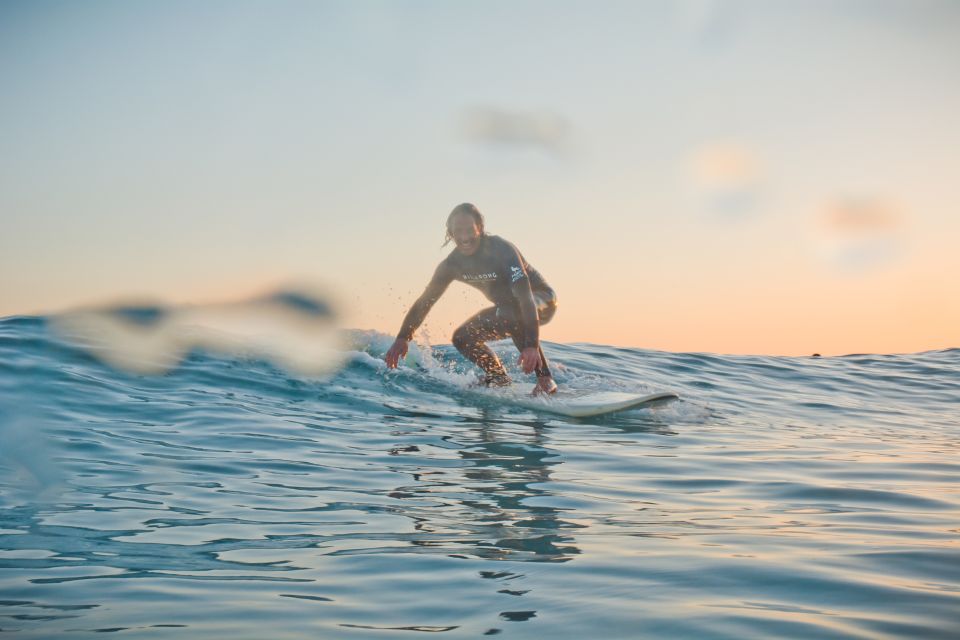
Then you go into the water. The surf instructor is in the water with you, helping you choose waves, pushing you into them, and giving technique tips as you try. That in-water support is huge for beginners because the first few rides are often about learning when to commit. For intermediate and advanced surfers, you can still use the feedback—positioning, how you approach the takeoff, and what to change when a wave is a bit faster or steeper than expected.
Picking the Right Board: Foam for Beginners, Epoxy for Progress
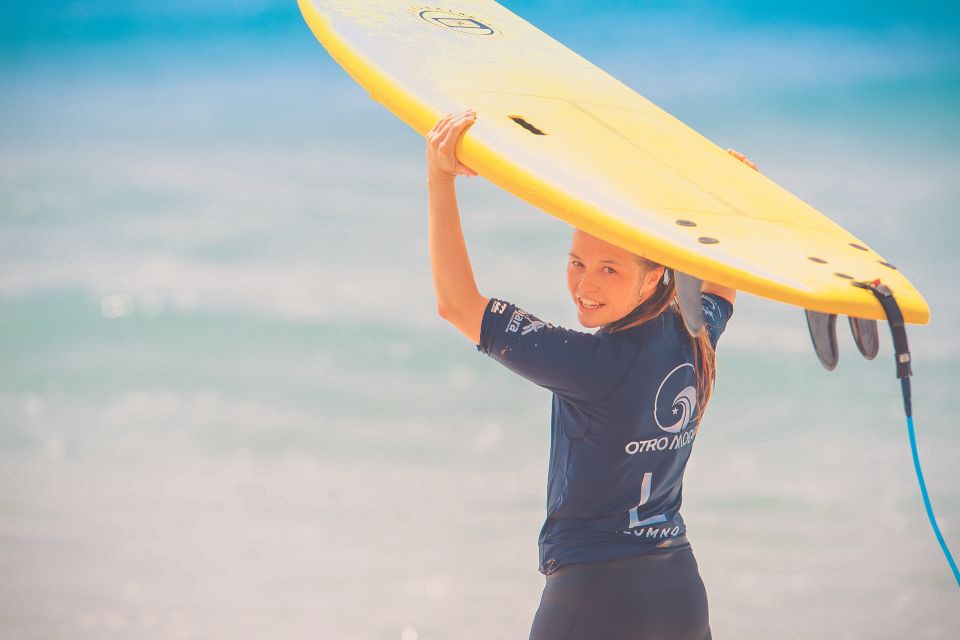
One of the most practical choices in the whole program is the equipment matching. You’re not expected to learn on the hardest setup.
For beginners, you’ll use Ocean&Earth surfboards with soft foam tops that make learning safer and more forgiving when you fall. Foam boards help you stay afloat longer and recover position faster, which means more attempts and less frustration.
For more advanced surfers, the included boards switch to epoxy boards. That’s a meaningful difference, because epoxy boards behave more like what you’ll eventually want to ride when your skills improve. If you already know how to pop up, this lets you focus on refining instead of fighting equipment.
You’ll also be given Billabong wetsuits. If you’re thinking about water comfort, that’s a big deal. A wetsuit that fits properly helps you stay warm enough to keep practicing—and practice is what makes surfing stick.
The team asks for your height and weight so they can provide the right equipment. That’s not a minor detail. Board size and suit fit change how easily you can paddle, balance, and take off.
What the Day Looks Like: Drive, Beach Sessions, and Timing Flexibility
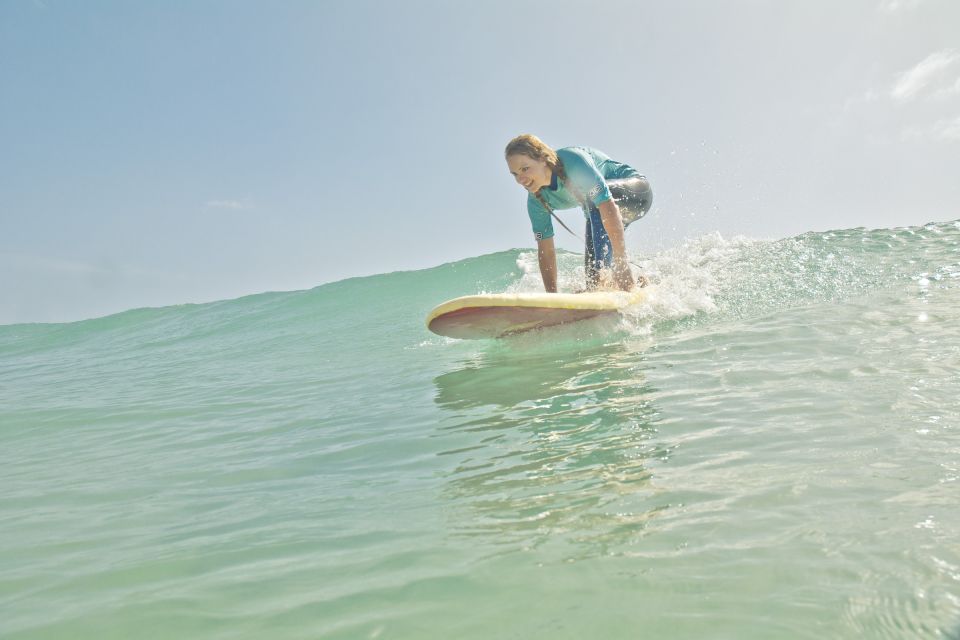
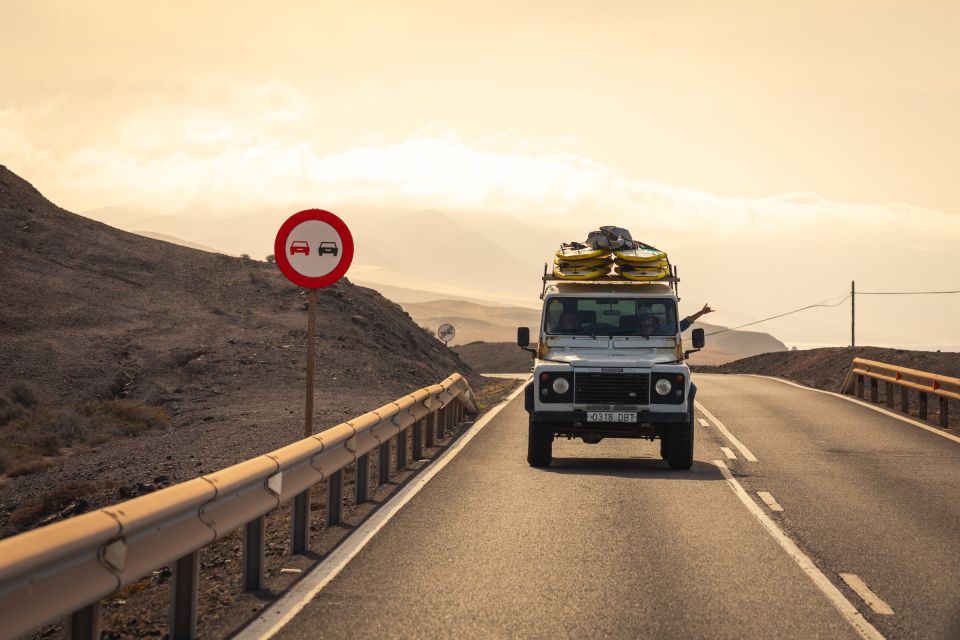
You should plan for a day with movement, but not chaos. You’ll use a beach shuttle that takes the group to the surf spot with the best conditions for the day and for your group’s level.
Pickup is optional. For an extra 8€, the team can pick you up from Morro Jable, Jandia, Esquinzo, Butihondo, Costa Calma, La Pared, or La Lajita. If you want pickup, you’ll need to send your hotel or accommodation address and your mobile phone number.
Here’s the part you should wrap your head around: the beach might change because of wind, tide, or weather. That’s normal on an island like this, and it’s one reason the course is structured as a “go where it works” lesson rather than a fixed route. It does mean you should stay flexible about exact meeting points.
You’ll get a text or WhatsApp message at least a day before with the meeting time and place. On the morning, that message is your anchor. Bring your phone, keep it charged, and double-check your details.
In terms of duration, it ranges from 3.5 to 13.5 hours depending on the session timing and local conditions. If you’re trying to fit this into a tight itinerary, I’d give yourself buffer time.




Price and Value: What $60 Buys You (And What It Doesn’t)
At $60 per person, this is priced like a solid surf day, especially because the gear and instruction are included. You’re not just paying for access to a beach. You’re paying for:
- A beach shuttle to the best waves for your level
- Surfboards suited to your ability (soft foam for beginners, epoxy for advanced)
- Billabong wetsuits
- An instructor with a beach lifeguard licence
- Small groups limited to 4–8 participants per instructor
What’s not included is food and drinks. You’ll want to bring your own water and plan snacks, especially if your session runs toward the longer end of that time range.
If you’ve ever paid for lessons where you spend more time waiting than riding, this setup feels different. The equipment and coaching structure push you toward multiple tries, not one attempt and then “good luck.”
Who This Surf Lesson Is For (and Who Should Skip It)
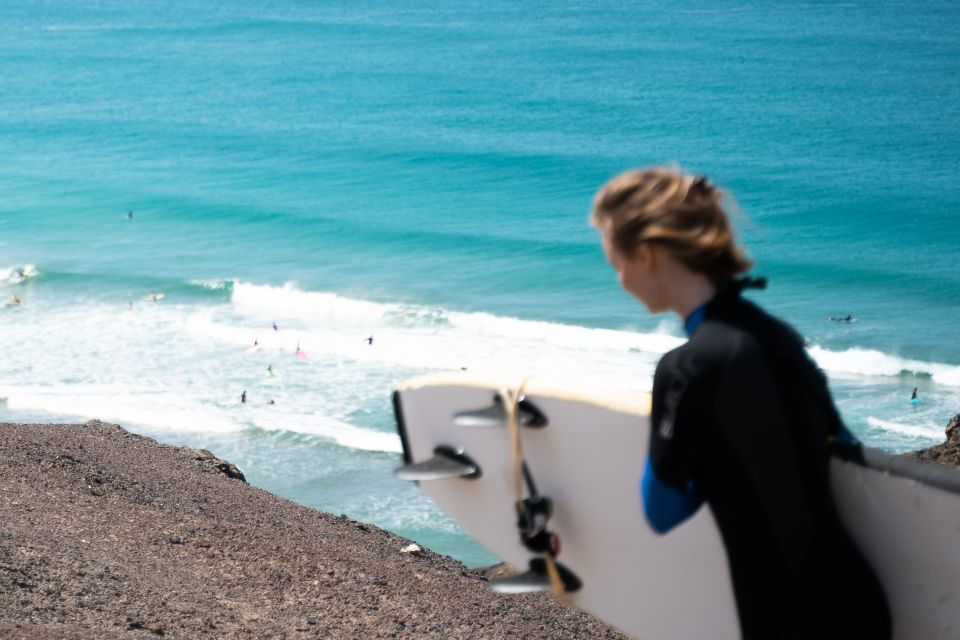
This course is designed for beginners, intermediate surfers, and advanced surfers. The board options and wave selection support that mix. Even if you’ve never stood up on a board, the “Take Off” land practice plus soft foam equipment helps you build real confidence fast.
Intermediate surfers get a chance to refine technique with feedback while still being pushed toward waves that fit their level. Advanced surfers have epoxy boards in the mix, so the lesson doesn’t feel watered down.
One clear limitation: it’s not suitable for children under 13. If you’re traveling with younger kids, you’ll need to look for a different program.
A Few Real-World Tips from What Works in Practice
Small details can make the difference between a great surf day and a messy one. Here’s what I’d do based on how the course is set up:
- Bring a towel and sunscreen. You’ll likely be out long enough that sunscreen becomes non-optional.
- Pack water and plan for breaks. Even with a warm-up, you can get tired fast.
- Send your details early. Height, weight, mobile number, and (if you want pickup) your accommodation address are part of getting the right gear and getting the correct meeting point.
- Expect changing conditions. If the waves are choppy some days, your best strategy is to listen to the current advice and let the instructor choose waves you can actually ride.
Some past groups also picked up on instructor vibes like upbeat, friendly energy. You might get an instructor who keeps things lively on the way to the beach, which sounds small, but it helps when you’re nervous and trying to focus.
Should You Book This Fuerteventura Surf Lesson?
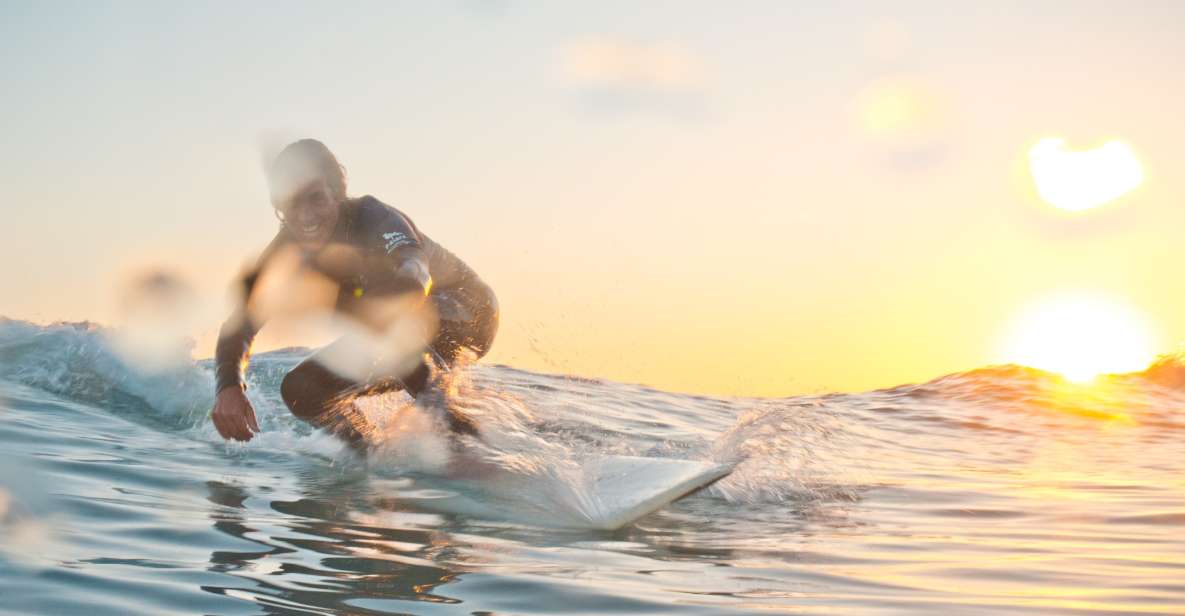
If you want a surfing lesson that’s practical, not intimidating, and built around small-group coaching, this is an easy yes. The biggest reasons are the lifeguard-licensed safety approach, the structured progression from land drills to in-water help, and the fact that they match equipment to your level with foam boards for beginners and epoxy for advanced surfers.
I’d think twice if you hate schedule uncertainty. The beach can change with conditions, and the session length ranges widely. Also, it’s not a full day with meals—so you’ll want to plan food and water yourself.
If you’re okay with a flexible surf day and you’re excited to learn with real support, this is a strong-value way to spend time in southern Fuerteventura.
FAQ
How long is the surf lesson in Fuerteventura?
The duration is listed as 3.5 to 13.5 hours, depending on the starting time and conditions. Check availability for the specific session length you’ll book.
Is this lesson only for beginners?
No. The course is designed for beginners, intermediate, and advanced surfers. The team drives to the beach with the best conditions for each group’s level.
What’s included in the price?
You get a beach shuttle, surfboards (soft foam for beginners and epoxy for advanced), Billabong wetsuits, an experienced surf instructor with a beach lifeguard licence, and small groups (4 to 8 students per instructor).
Do I need to bring my own surf equipment?
No—you’re provided with the surfboards and wetsuit. You should bring what’s listed: swimwear, towel, sunscreen, water, and beachwear.
Where can pickup be arranged, and how much does it cost?
Pickup is optional for 8€ from Morro Jable, Jandia, Esquinzo, Butihondo, Costa Calma, La Pared, or La Lajita. You’ll need to send your hotel or accommodation details plus your mobile number.
Can the meeting point or surf beach change?
Yes. The beach you surf at might change due to wind, tide, or weather. You’ll receive a text or WhatsApp message with the meeting time and place.
What do I need to send the organizers before the course?
Send your mobile phone number, your height and weight, and—if you want pickup—the name/address of your accommodation. This helps them arrange meeting details and correct equipment.
What age group is this suitable for?
It’s not suitable for children under 13.
Can I cancel for a refund or pay later?
Yes. You can cancel up to 24 hours in advance for a full refund, and there’s a reserve now & pay later option (book your spot and pay nothing today).