REVIEW · MADRID
Madrid: Museo de la Luz Entry Ticket
Book on GetYourGuide →Operated by Museo de la Luz · Bookable on GetYourGuide
Madrid’s light tricks are surprisingly fun. The Museo de la Luz is a small, fast-paced museum built around one idea: light can be art, science, and play all at once. I love how quickly it gets you involved, and I love the photo-ready moments like the laser-style visuals and the colorful mirror room. The only real drawback is the tight 20-minute window, so if you want a slow museum wander, you may feel rushed.
The experience is more hands-on than you’d expect for a ticket this size. You’ll move through installations, sculptures, and projections, plus interactive areas where you experiment with colored light effects. And you’ll need to plan your timing: entry isn’t guaranteed if you show up more than 20 minutes late.
In This Review
- Key highlights you should care about
- Museo de la Luz in Madrid: why this light museum is worth your time
- The 20-minute flow: what your ticket is really buying
- Projections and laser visuals: the big wow factor
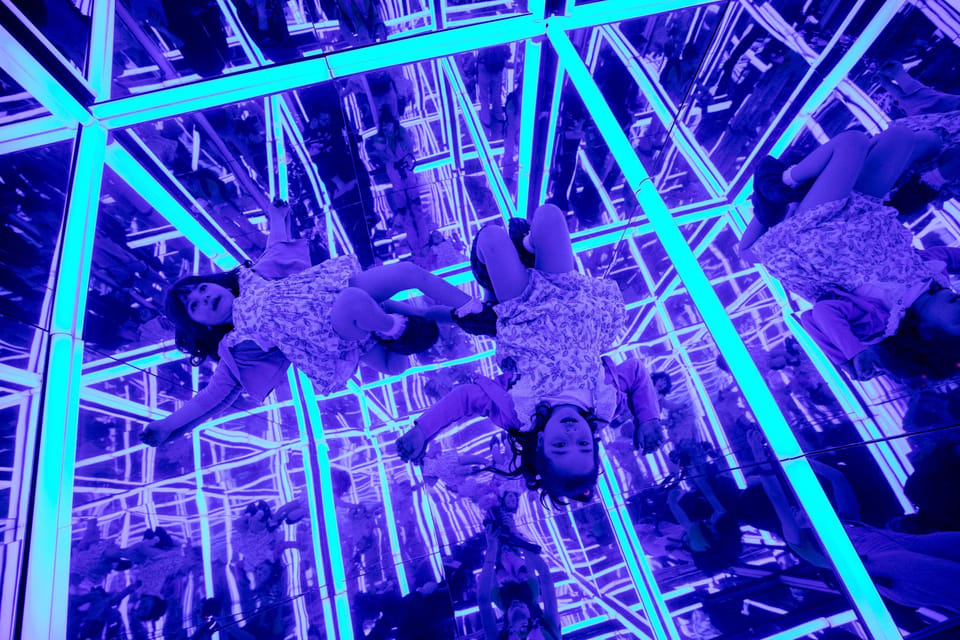
- Mirror room fun: where your photos start looking like art
- The interactive parts: learning light by testing it
- Staff support: helpful, friendly, and photo-minded
- Exhibitions and events: the museum changes, but the theme stays
- Price and value: is 17 dollars fair for 20 minutes?
- Timing tips: how to avoid losing your entry window
- Who should go (and who might not love it)
- Practical notes for kids and wheelchair access
- Should you book Museo de la Luz in Madrid?
- FAQ
- How long is the Museo de la Luz visit?
- What is included with the ticket?
- Where is this experience located?
- Do I need to arrive at a specific time?
- What happens if I arrive late?
- Can I cancel for a refund?
- Can I reserve now and pay later?
- Is the museum wheelchair accessible?
- Is it suitable for children?
- What kind of things will I see?
Key highlights you should care about
- 20 minutes is the whole show, so show up ready to move.
- Projections and laser-style visuals are built for big, clear impact.
- Colored light games and interactive spots make learning feel like play.
- Mirror-room colors create instant, eye-catching photo backgrounds.
- Friendly staff help with angles and posing, so you get better shots.
- A hoist feature gets praise, and it can add a cool twist to the photo setup.
Museo de la Luz in Madrid: why this light museum is worth your time
Museo de la Luz (Museum of Light) is the kind of attraction that can either sound gimmicky or actually impress you. In Madrid, I think it lands in the good middle. You’re paying for a focused hit of light art, not a long lesson in art history. And when the space is working, it feels like the museum is designed around one goal: get you looking differently.
I like that it’s not just something to watch from a distance. The museum uses installations, sculptures, and projections, but it also gives you interactive areas where you can try effects with light itself. That mix matters, because “seeing” is easy, but “experimenting” makes it stick.
For value, I also like the clear timing. The ticket is valid for 20 minutes, so you can fit it between other Madrid plans without carving out half a day. Still, that same short window is the main “choose your expectations” moment. If you want a long museum stroll, this isn’t that.
A few more Madrid tours and experiences worth a look



The 20-minute flow: what your ticket is really buying
Your entry time is not a suggestion. You’re asked to arrive five minutes before your scheduled start or arrive exactly at your time. The visit itself is timed, and entry is not guaranteed if you arrive more than 20 minutes after your slot.
So how does it actually feel once you’re inside? Think of it like walking through several small “zones,” each with a different way light is used. You’ll see installations and projection scenes, then you’ll get chances to interact and play. Many people also come for the photo moments, and the museum is built to support that style of visit.
Because the time is short, I recommend you plan your mindset before you go:
- Go in ready to move at a museum pace you can keep for 20 minutes.
- Decide in advance that you’ll do photos first, then slow down if you have time.
- Keep your phone charged. You’ll be shooting.
Projections and laser visuals: the big wow factor
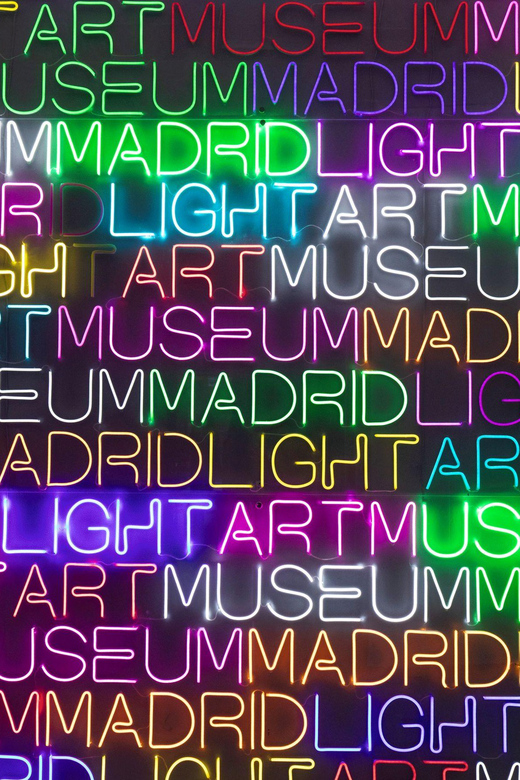
If you’re the type of person who likes bold visuals, you’ll probably latch onto the projection and laser-style pieces first. Reviews highlight the laser experience, plus unique projections that feel energetic and a bit theatrical.
What I find smart about this approach is that the museum doesn’t just show light. It choreographs it. Projections and laser effects are excellent at turning a flat wall into something you can feel. Color changes quickly, shapes appear and shift, and the result is very easy to understand even if you’re not an art specialist.
You’ll also get colored light games. That’s where the concept of light as artistic expression becomes practical: instead of reading about it, you interact with it. The museum’s main idea becomes obvious in your own eyes.
Practical tip: keep your camera steady during the brighter moments. The high-contrast lighting can make autofocus jump. If you’re using a phone, tap to focus on a brighter area or a stable subject, then shoot a burst.
Mirror room fun: where your photos start looking like art
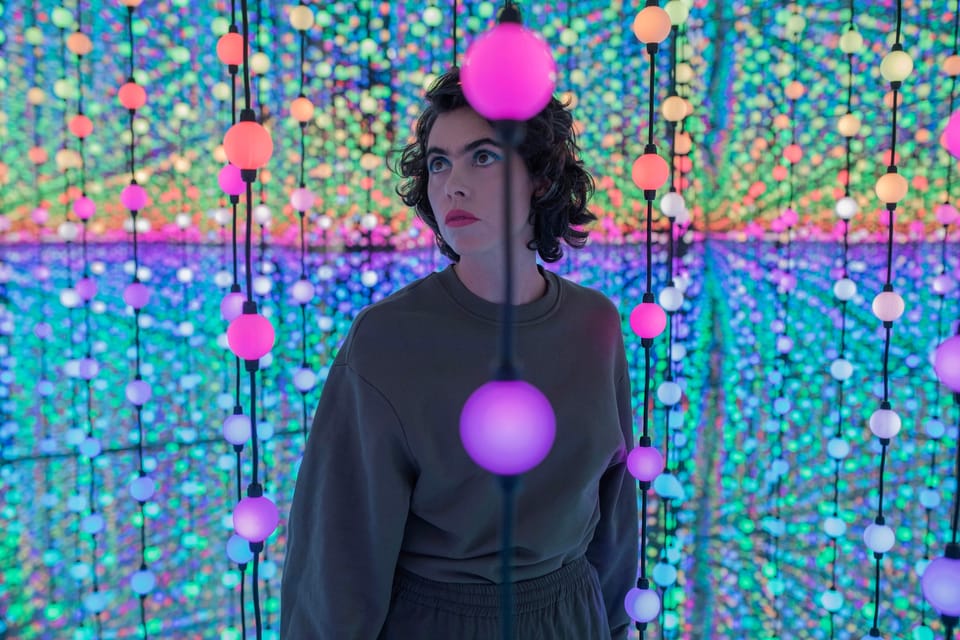
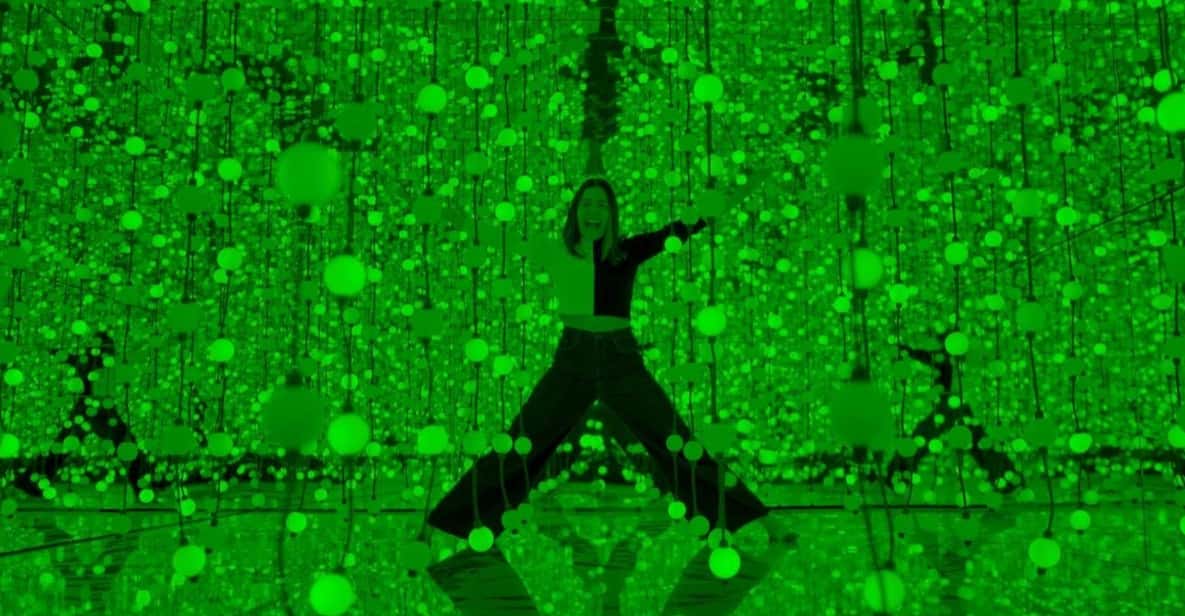
One of the most specific, repeatedly praised experiences is the colorful light in the mirror room. Mirror rooms are a classic trick in experiential spaces, but they work because they multiply light and color. When the light hits the mirror surfaces, you get depth and patterns you can’t replicate as easily anywhere else.
If you’re traveling with family or friends, this is often the spot where everyone stops rushing. People tend to line up for photos, then trade spots and poses. And yes, staff involvement comes up a lot, including help recommending poses and capturing photos you actually like.
What to do in this room:
- Try a few different angles, not just the obvious straight-on shot.
- Use the mirror to create symmetry or framing.
- If the space feels busy, take one “quick set” and then come back if it clears.
This is also where you’ll want to remember the timer. Mirror rooms can turn into a 10-minute photo session faster than you expect.
The interactive parts: learning light by testing it
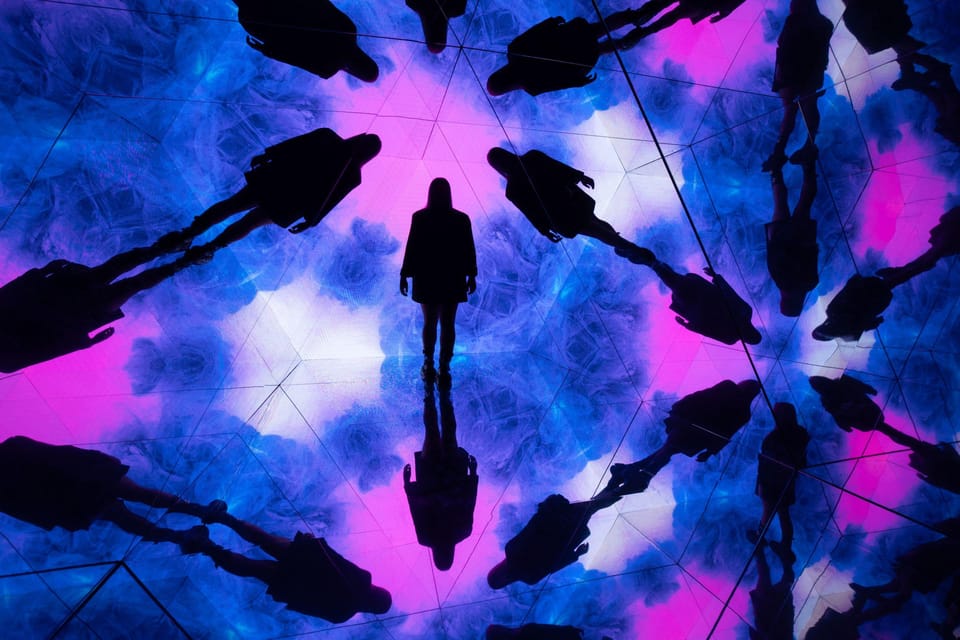
The museum’s strongest feature, to me, is that it treats light like something you can play with. The exhibits include interactive areas designed to engage you and inspire you, with a hands-on feel that makes the science side easier to grasp.
You’re not building a gadget here. Instead, you’re learning through cause and effect:
- Change the way light behaves, and the visual impact changes instantly.
- Experience color shifts and projection effects directly.
- Watch how light creates emotional or conceptual messages in the space.
That’s the art-science connection people come for. Even if you don’t care about technical details, you’ll leave with a better instinct for how lighting can direct mood, attention, and perception.
And the best part is that it doesn’t require patience. You’ll get a sequence of small experiences, not one long interactive lesson. That’s a huge advantage when you’re on vacation and don’t want museum homework.




Staff support: helpful, friendly, and photo-minded
A recurring theme in the experience is the quality of the staff. People mention a welcoming reception and employees who are genuinely helpful during the visit. One review calls out staff recommending poses and even helping take pictures.
That matters because light-art photography can be tricky. Bright colors, reflections, and changing scenes can overwhelm you. Having someone point you toward better angles or suggest poses makes the experience less chaotic and more fun.
Also, if you’re visiting solo, don’t assume you’ll miss out on good photos. Several reviews describe the experience as enjoyable even when done alone. The space is set up for interaction, and the staff’s assistance helps you get usable results without needing a group.
Exhibitions and events: the museum changes, but the theme stays
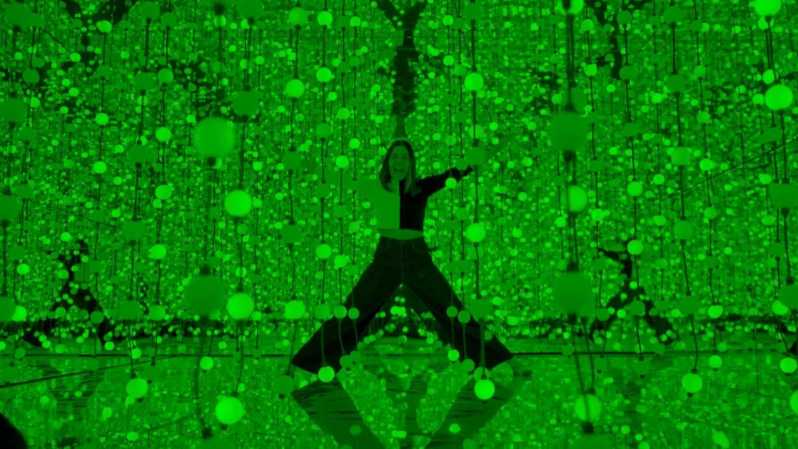
The museum hosts temporary exhibitions and special events, so the exact content may vary depending on when you visit. That means you’re not only buying the building and the lighting. You’re buying the chance to see how artists interpret light at different moments.
From a planning standpoint, this is good news. If you’ve already done a few “static” museums in Madrid, a place with occasional changes feels fresh. Even if you only have one short slot, the museum is designed to keep its content feeling current.
If you spot signage for a temporary piece, don’t ignore it just because it doesn’t look like the main attraction. Those rotating elements are often where the museum’s new ideas show up.
Price and value: is 17 dollars fair for 20 minutes?
At about $17 per person, the price is easy to evaluate because you get a clear time window. You’re not paying for a half-day. You’re paying for a short, visual experience centered on interactive exhibits and strong photo moments.
So is it worth it? For most people, yes—especially if you care about:
- Light-based art that’s visual right away
- Interactive games and projection effects
- Taking photos that actually look different from typical street shots
- Doing something indoor that doesn’t steal an entire afternoon
But there is a fair consideration. Some visitors felt they spent only about the 20 minutes and that the place is quite small, so they expected it could be cheaper. That’s reasonable if your idea of a museum is slow and expansive.
My advice: treat Museo de la Luz as an add-on experience. It works best when you build it into a day with other Madrid stops. If you’re hoping for a long museum outing, you may end up comparing it too directly to bigger institutions.
Timing tips: how to avoid losing your entry window
Because your ticket is time-based, planning arrival matters more than it would for a pay-at-the-door museum.
Here’s what I’d do:
- Arrive five minutes early so you’re not stressed.
- If you’re running late, know that entry is not guaranteed if you arrive more than 20 minutes after your scheduled time.
- Wear shoes you can move in. Even though it’s indoor, you’ll likely walk between zones quickly.
Once you’re inside, focus on the experiences that match your interests first. If you love photography, hit the projection-heavy spaces and mirror-room moments early. If you’re more curious about interaction, spend time in the hands-on areas before your time runs out.
Who should go (and who might not love it)
This museum fits certain travel styles really well.
You’ll probably enjoy it if you:
- Want a short indoor activity in Madrid
- Like interactive experiences and photo-friendly spaces
- Enjoy light art, projection effects, or creative technology vibes
- Travel with kids and want something family-friendly where energy stays high
It might be less ideal if you:
- Want a long museum visit with lots of reading and slow pacing
- Dislike timed experiences
- Prefer a quiet, low-stimulation environment
If you’re somewhere in the middle, don’t overthink it. The museum is built for a quick burst of visual payoff.
Practical notes for kids and wheelchair access
The museum is wheelchair accessible, which is a big plus for planning an indoor option that doesn’t exclude anyone.
For families, the key rule is simple: children must be accompanied by an adult at all times. That means you’ll want to keep a close hand on timing and attention span. With a timed 20-minute visit, kids can do great, but you’ll want to stay oriented so you don’t get stuck in one photo moment too long.
If your group includes mobility needs, plan for a smooth pace. Moving between light zones is part of the experience, so give yourselves a little extra cushion.
Should you book Museo de la Luz in Madrid?
Yes, I’d book it if you want a fast, fun, indoor light-art stop that fits into a busy Madrid day. It’s a good value for the mix of interactive exhibits, projections, and photo-friendly spaces, and the staff support makes a difference if you’re trying to get great shots.
Skip it only if you’re craving a long museum experience or you strongly dislike timed entry. In that case, your expectations might clash with what the museum is designed to be: a short burst of light, color, and play.
FAQ
How long is the Museo de la Luz visit?
Your entry is valid for 20 minutes, so plan for a short, focused experience.
What is included with the ticket?
The ticket includes entry to Museo de la Luz and interactive exhibits.
Where is this experience located?
It’s in the Community of Madrid, Spain.
Do I need to arrive at a specific time?
Yes. You should arrive five minutes before your scheduled entry time or exactly at your entry time.
What happens if I arrive late?
Entry is not guaranteed if you arrive more than 20 minutes after your scheduled time.
Can I cancel for a refund?
Yes. You can cancel up to 24 hours in advance for a full refund.
Can I reserve now and pay later?
Yes. The experience offers reserve now & pay later, meaning you can book your spot without paying today.
Is the museum wheelchair accessible?
Yes. It’s listed as wheelchair accessible.
Is it suitable for children?
It’s described as a family-friendly outing, and children must be accompanied by an adult at all times.
What kind of things will I see?
Expect installations, sculptures, projections, and interactive areas with light-based effects, including colored light games.