REVIEW · GRAN CANARIA
Gran Canaria: Discover Scuba Diving Beginner Program
Book on GetYourGuide →Operated by Delphinus Diving School Gran Canaria · Bookable on GetYourGuide
Four hours can change how you see the sea. This half-day intro scuba program in Mogán pairs a calm-water skills practice with an Atlantic open-water session, so first-timers learn without panic or guesswork.
I especially like the small group size (max 2 people). It means you get real coaching time, not a quick hand-off while everyone else crowds around the instructor. Second, I like that the program is built as a sequence: theory, shallow-water practice, then open water—so what you learn in the classroom actually shows up under your gear.
One consideration: visibility and water conditions can be imperfect at times. If you’re hoping for a crystal-clear, endless exploration, plan for a more controlled, near-shore style experience—sometimes with limited viewing depending on conditions.
In This Review
- Key highlights to know before you go
- Mogán’s calm-water start: why this location works for beginners
- How the 4-hour schedule is paced (and what you’ll likely feel)
- Theory lesson: what you’re actually learning before you go in
- Shallow-water practice: where equipment use becomes normal
- Open-water Atlantic session: the payoff, with realistic expectations
- Price value: what $117 covers (and what you might add)
- Who it’s best for on Gran Canaria (and who should skip it)
- The coaching advantage of a max-2 group
- Practical morning tips for meeting at 09:30
- Should you book this beginner scuba program in Gran Canaria?
- FAQ
- What’s the duration of this beginner scuba experience in Gran Canaria?
- Where does the training happen?
- What time do I need to be at the training center?
- Is hotel pickup included?
- How big is the group?
- What’s included in the price?
- What should I bring?
- Are there age or medical requirements?
- Is this experience suitable during pregnancy?
- What extras cost money during the activity?
- Is cancellation free?
Key highlights to know before you go
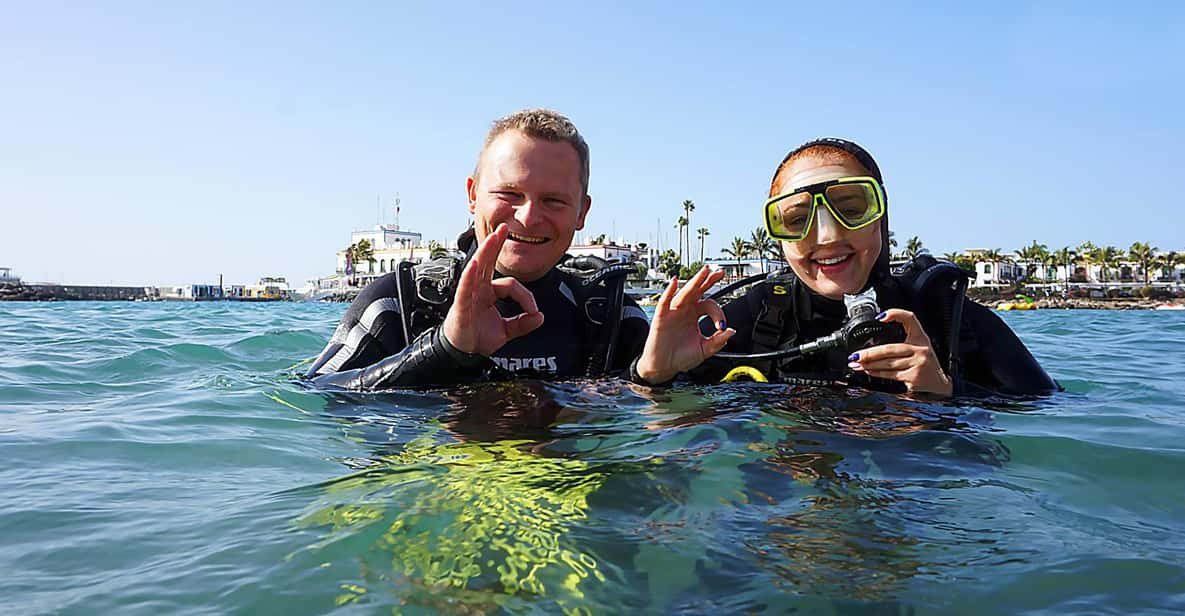
- Mogán’s calm-water setup helps you learn safety basics at a comfortable pace
- Max 2 participants gives you more hands-on attention and fewer waiting moments
- Equipment, insurance, and hotel pickup are included, so you’re not piecing together logistics
- Theory + shallow skills first means you’re not guessing during the open-water part
- Atlantic marine life on the open-water stage is the payoff for all that practice
- Add-ons cost extra like an individual mouthpiece and underwater photography
Mogán’s calm-water start: why this location works for beginners
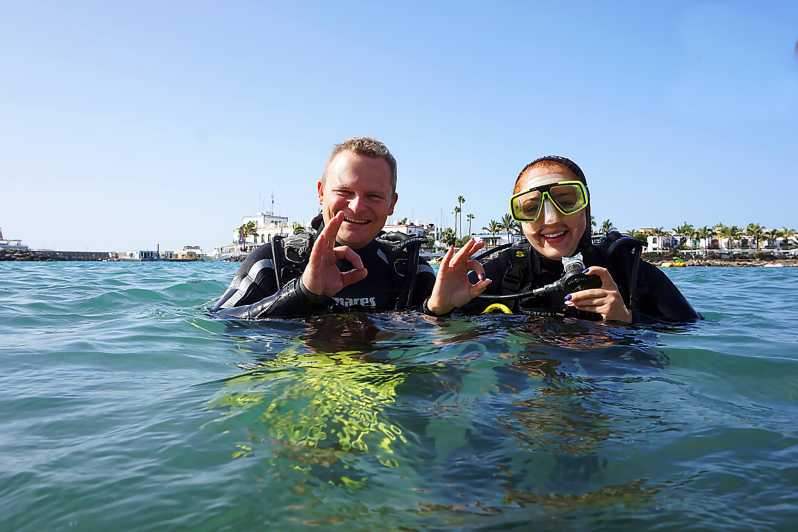
Gran Canaria’s south coast has a reputation for good weather most of the year, and this program leans into that with a training day based around calm waters near Mogán. That matters because your first goal isn’t “seeing everything.” Your first goal is feeling in control while your body learns a new breathing rhythm and a new set of sensations underwater.
The hands-on portion happens in shallow water first, which is exactly what you want when you’re learning to manage gear and basic skills. Instead of being thrown into deep water right away, you get a safe practice zone where you can focus, ask questions, and reset when needed. It’s also easier to stay comfortable when the water is calmer—less drama, more learning.
Timing-wise, the meeting point at the training center is 09:30 AM. If you request hotel pickup, you’ll be transported by minivan or bus, and the pickup time depends on where you’re staying. So give yourself a little buffer, especially if your hotel is on the edge of town or you’re moving between neighborhoods.
You can also read our reviews of more scuba diving tours in Gran Canaria
How the 4-hour schedule is paced (and what you’ll likely feel)
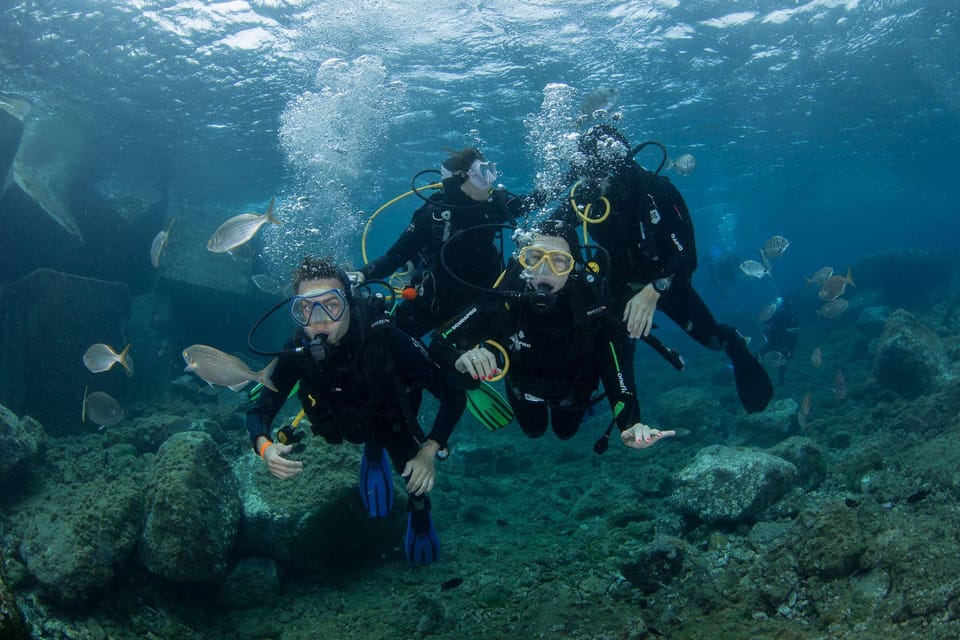
This is a half-day experience designed to fit into a busy vacation schedule: 4 hours total, starting with preparation and instruction. The flow is straightforward: you’ll get a theory lesson, you’ll practice core skills in shallow water, and then you’ll do an open-water Atlantic session.
For first-timers, the key value is how it sequences your learning. You’re not doing “pool practice, then maybe open water” with a big gap in time. Instead, you learn concepts, practice them immediately, and then carry that into the ocean. That makes it easier to remember what you were taught when your brain is dealing with cold water, pressure, and unfamiliar body movement.
Small group size matters here too. With up to two participants, the instructor can slow down when you need it and speed up when you’re already comfortable. That also helps you avoid that awkward feeling of being rushed while everyone else is still figuring out the basics.
Instruction languages include English, German, Spanish, French, Polish, and Italian. If you want clarity, it’s a big plus that you can choose a language you’re comfortable with.
Theory lesson: what you’re actually learning before you go in
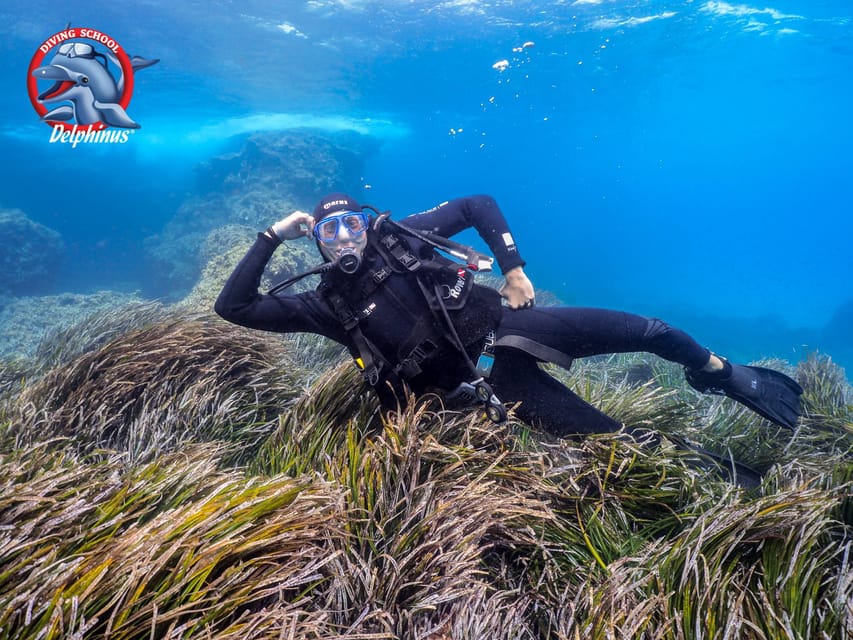
A theory session might sound boring on paper, but in a beginner setup like this, it’s the glue. You’re learning the core concepts behind safe scuba use so you’re not relying on muscle memory alone. In practice, this kind of session usually covers the “why” behind what you’ll practice next: how the equipment works, what safe behavior looks like, and what procedures you should follow.
What makes it valuable is the pairing. You don’t just memorize rules and hope they make sense later. The program puts shallow-water practice right after the theory, so you can test your understanding immediately. If a concept feels confusing, you have the instructor right there in a controlled environment to correct it before it becomes a problem offshore.
You also receive a participant guide as a souvenir. That’s useful because it gives you something to reference after the session, especially if you decide to keep going and upgrade your scuba level. Even if you’re just “trying it once,” having a guide helps you remember what worked and what felt challenging.
Shallow-water practice: where equipment use becomes normal
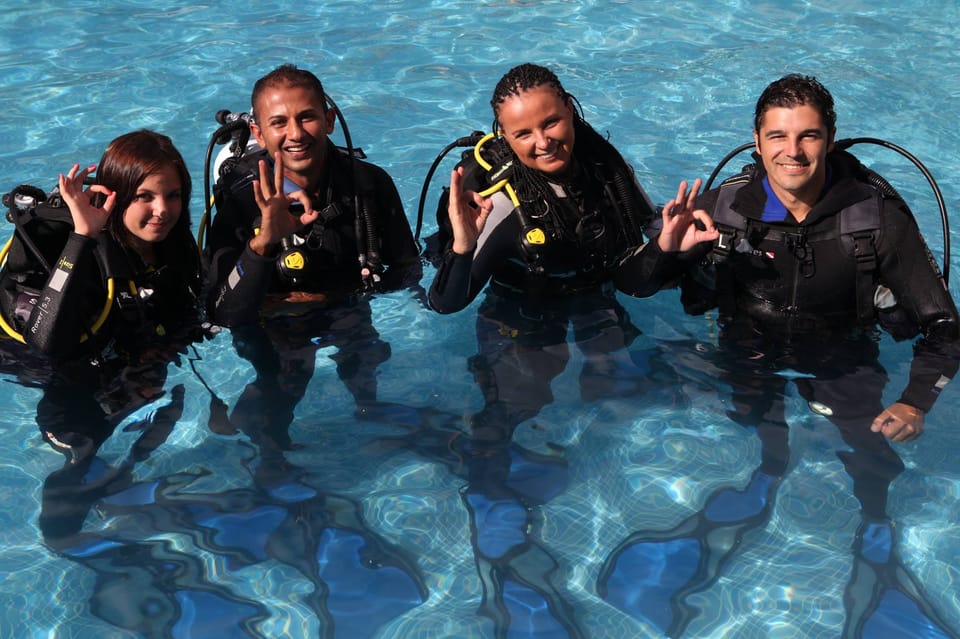
This is where the program earns its keep. You’ll practice basic underwater skills in shallow water to prepare for the Atlantic portion. The shallow setting is ideal because you can focus on technique without the extra stress of depth. You’re still in the real underwater world, but you’re not far away from the safe learning zone.
You’ll also practice how to use the equipment in a safe environment. Since all scuba equipment is included, you don’t need to bring your own gear for a first try. That’s a real cost and hassle saver for travelers who don’t want to buy or rent gear at their destination.
One small “budget note”: an individual mouthpiece costs €4 and isn’t included. That doesn’t mean you’re stuck without one—it just means it’s an extra option you may want to plan for. If you’re picky about hygiene or you simply prefer using a personal mouthpiece, consider bringing the extra cash.
And yes, you’ll need to bring basics like swimwear and a towel. Showing up prepared keeps the day smooth and reduces the chance you spend the first 30 minutes sorting yourself out while the group is waiting.
Open-water Atlantic session: the payoff, with realistic expectations
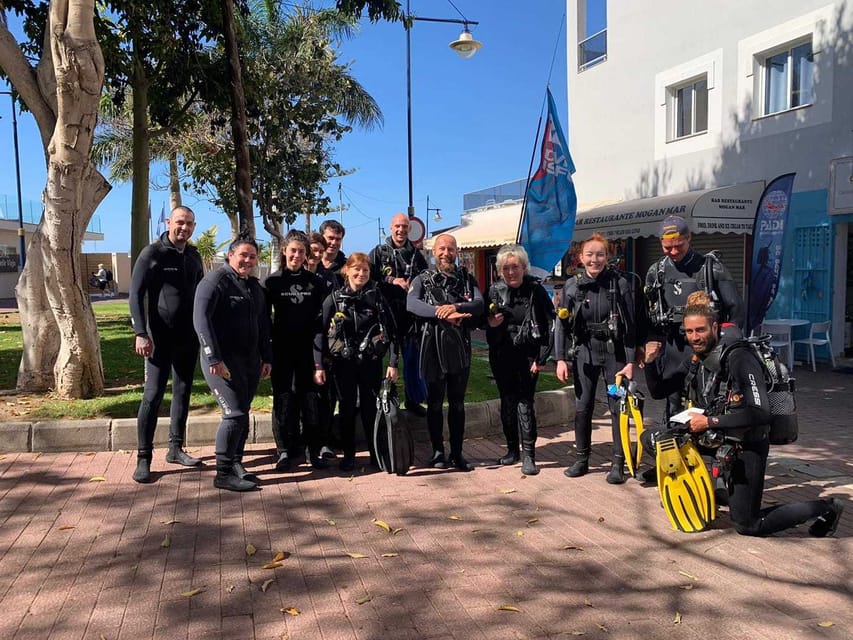
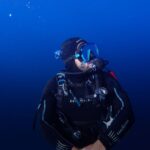
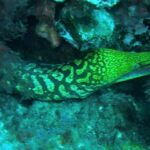
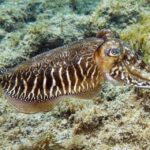
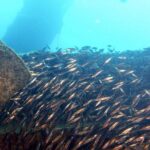
After shallow practice, you’ll move into open water off the coast. This is the moment where it stops feeling like training and starts feeling like a trip you’ll remember. The program is designed to let you appreciate the beauty of the Atlantic marine life, guided by professionals who keep safety and comfort front and center.
For beginners, “open water” doesn’t mean chaotic freedom. It’s more like a structured, guided transition from practice mode into the real setting. That’s a good thing. The goal is to help you experience the underwater world while still staying within a beginner-friendly framework.
A caution based on practical experience: water conditions can vary. Some people have reported trouble with visibility, which naturally limits how much wildlife you can spot. If you’re arriving with a big mental picture of constant, crystal-clear viewing, you might feel underwhelmed if the water is a bit murky that day.
Also, don’t expect to spend the whole ocean session “wandering deep.” The training format is about comfort and learning. Your instructor’s focus is making sure you’re okay—not turning your first day into a long scouting expedition.



Price value: what $117 covers (and what you might add)
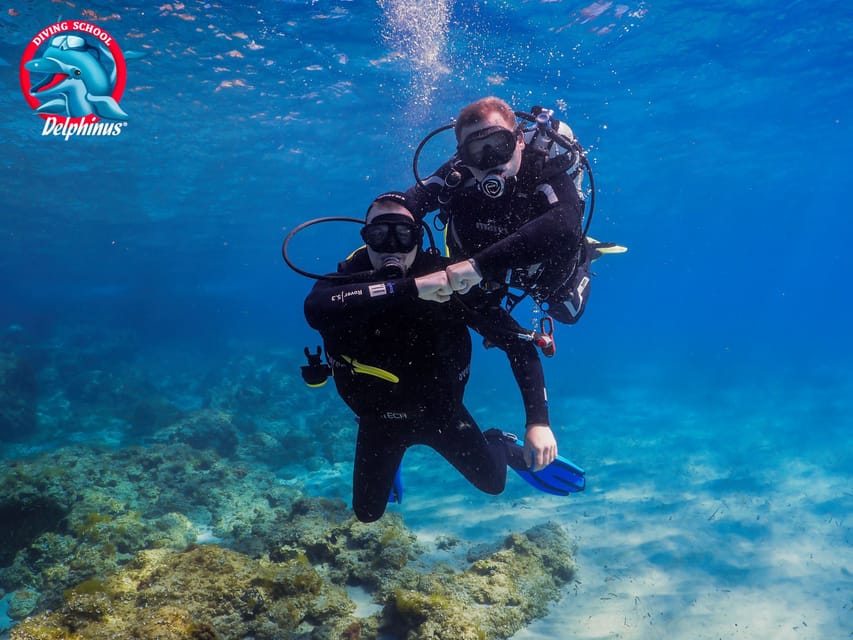
The price is $117 per person for a 4-hour intro experience. The best part of this cost isn’t just the number. It’s what’s included around that number. You get:
- All scuba equipment
- Scuba insurance
- Hotel pickup and drop-off (available free upon request)
- Guiding and instruction from a qualified team member
- A discount if you continue education courses afterward
Those inclusions matter because they’re the things beginners often pay for separately. If you’re traveling light, included equipment and insurance are big wins. If you’re not renting a car, pickup and drop-off are also a major convenience.
Two add-ons to keep in mind:
- Individual mouthpiece: €4
- Underwater photography: €34
So the decision is simple. If you want photos, budget the photography package. If you’re fine with your own memories, you may not need it.
Who it’s best for on Gran Canaria (and who should skip it)
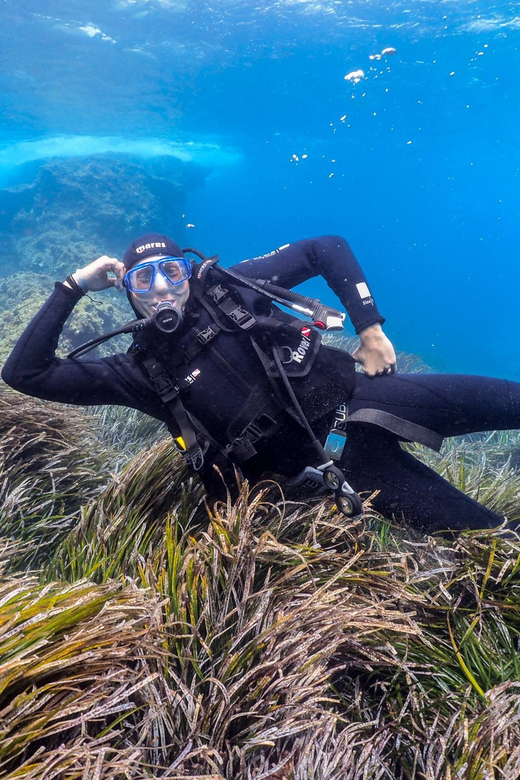
This program is for people who want their first scuba experience in a guided, controlled way. It’s set up for beginners, and the shallow-to-open-water progression supports that.
A few clear suitability rules:
- You must be at least 10 years old
- You should be fit and healthy before enrolling
- If you have medical issues, check with your doctor whether you’re fit to dive and bring medical certification if needed
- It is not suitable for pregnant women
That last point is important: if you’re pregnant, don’t plan on alternatives within this exact program. Also, if you have a medical condition, don’t assume “it’ll be fine.” Ask your doctor first and bring documentation if requested.
Who you are in this equation matters too. If you’re anxious about learning something physical and new, the small group size can help a lot. Fewer people means you can get reassurance and clearer instructions when you need them.
The coaching advantage of a max-2 group
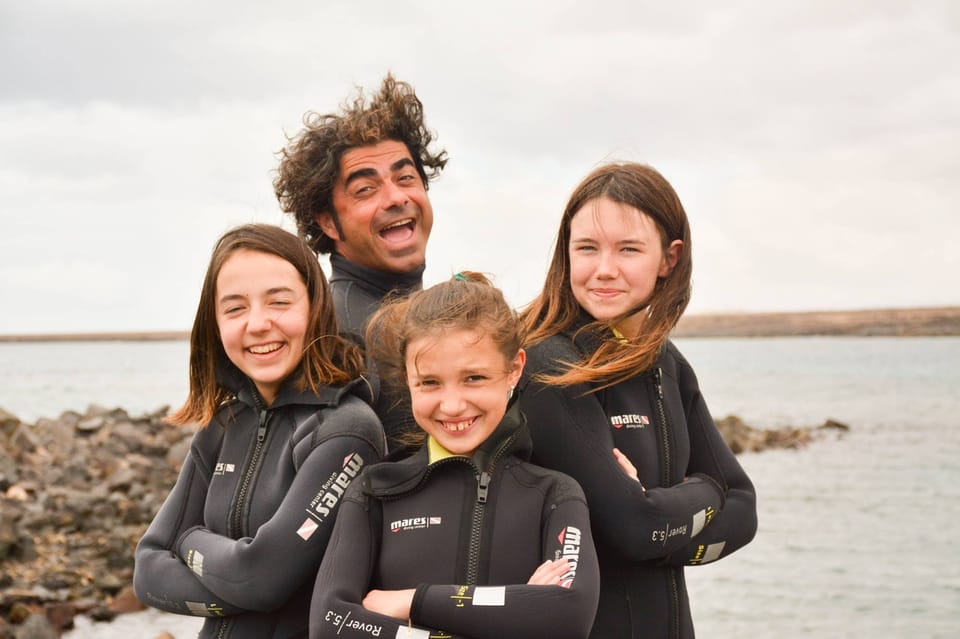
Getting a beginner skill down depends on attention. You need quick feedback. You need someone watching your body position and your gear setup. And you need time to ask the follow-up question you didn’t know you’d have.
With a group limited to 2 participants, you get that kind of attention more easily than you would in a larger class. The instructor can spend more time with each person and adjust the pace based on how you’re doing in shallow water.
It’s also a vibe thing. If you’re new, you don’t want to feel like you’re performing while a crowd watches. A smaller group can make the whole experience calmer. That calmer environment can be the difference between finishing strong and feeling stressed.
Practical morning tips for meeting at 09:30
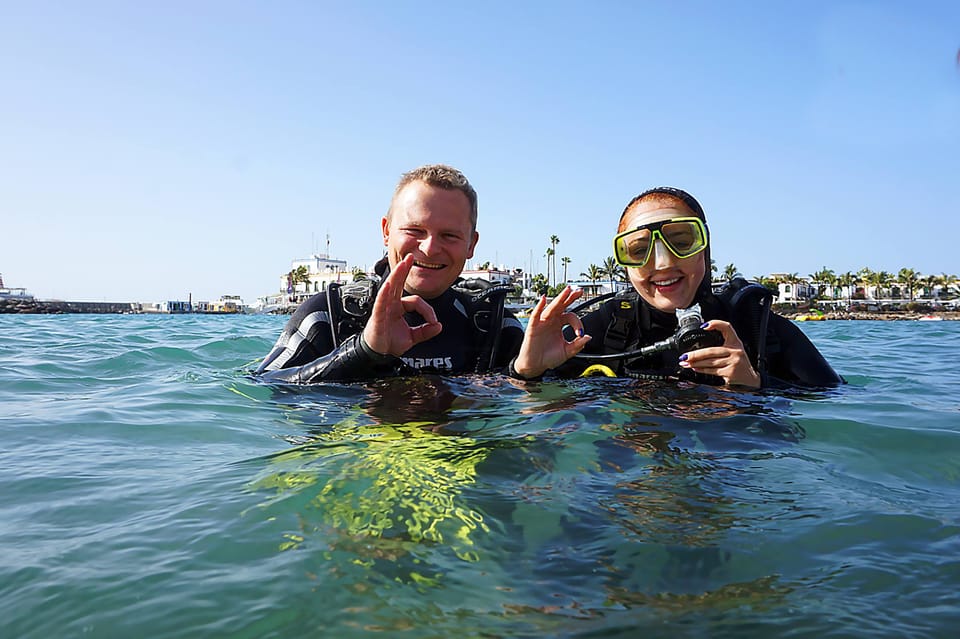
Here’s how to set yourself up for an easy start:
- Bring swimwear and a towel
- If you want hotel pickup, request it ahead of time and confirm the pickup place
- Expect transport by minivan or bus, and allow extra time because pickup depends on your exact location
- Plan around the 09:30 AM meeting time at the training center
Also, if you have a preferred language, make sure your needs are communicated before you arrive. Instruction languages include English, German, Spanish, French, Polish, and Italian, and having clear communication helps you learn faster and feel safer.
Finally, if you care about photos underwater, you’ll likely want to decide early. The photography add-on costs €34, and you don’t want to scramble at the last moment if that’s important to you.
Should you book this beginner scuba program in Gran Canaria?
Book it if you want a structured first step: theory first, shallow-water practice next, and then an open-water Atlantic session with a professional instructor. The value is strong because equipment and scuba insurance are included, and the max-2 group gives you the attention you need when learning something new.
Consider skipping—or at least adjust your expectations—if your main goal is maximum visibility and lots of wandering. Water conditions can be variable, and the format is about safety and learning, not long exploration.
One more “smart buy” thought: if you love the idea of turning the experience into a memory you can share, budget for the underwater photography option. If not, you can keep the trip simple and let the training do the work.
FAQ
What’s the duration of this beginner scuba experience in Gran Canaria?
The experience lasts 4 hours total, starting at the meeting time at the training center.
Where does the training happen?
The program is off the coast of Gran Canaria, with the calm-water portion based around Mogán.
What time do I need to be at the training center?
The meeting time at the training center is 09:30 AM.
Is hotel pickup included?
Yes. Hotel pickup and drop-off are included, and pickup is available free upon request. You should contact the dive/scuba center to confirm your exact pickup place.
How big is the group?
It’s a small group limited to 2 participants.
What’s included in the price?
Included: all scuba equipment, scuba insurance, hotel pickup and drop-off, and guiding/instruction by a qualified team member, plus a discount on continuing education courses.
What should I bring?
Bring swimwear and a towel.
Are there age or medical requirements?
You must be at least 10 years old. You should be fit and healthy, and if you have medical issues you may need to consult a doctor and bring medical certification if needed.
Is this experience suitable during pregnancy?
No. It is not suitable for pregnant women.
What extras cost money during the activity?
An individual mouthpiece costs €4, and underwater photography costs €34.
Is cancellation free?
There is free cancellation up to 24 hours in advance for a full refund.