REVIEW · GRAN CANARIA
From Mogán/Maspalomas/Arguineguín: Gran Canaria Day Tour
Book on GetYourGuide →Operated by First Minute Travel · Bookable on GetYourGuide
A mini-continent in one bus ride. This Gran Canaria day tour is built for contrasts, from the island’s greener north to high mountain viewpoints, with a panoramic drive through Fataga Canyon and real time to wander Arucas and Firgas.
You’ll also get memorable photo stops around the Tejeda area, including the views over Roque Nublo and El Teide, plus a visit to an aloe vera farm.
The main tradeoff is time. It’s an 8-hour, “see a lot” schedule with short stops, so you won’t get long, slow stays in each town.
In This Review
- Key highlights worth your attention
- How The Day Tour Runs From Maspalomas to the Mountains
- Telde, Arucas, and Firgas: Three Towns, Three Different Personalities
- Telde, the ancient-capital stop
- Arucas: modernist church built from volcanic black stone
- Firgas: Atlantic balcony and the water-village fountain
- Fataga Canyon and the Green North: Why the Drive Feels Like Part of the Tour
- Valleseco Lunch Stop: Set Menu Value and How to Handle the Timing
- Mirador de Tejeda / Mirador de la Cruz de Tejeda: The Roque Nublo View
- Aloe Vera Farm Visit: Local Agriculture With a Shopping Edge
- Guide and Driver: Where the Experience Feels Smooth (or Not)
- Live guide commentary in Spanish, English, and German
- Mountain-road driving is part of the show
- Price and Value: What $52 Actually Buys You
- Who This Tour Suits Best (and Who Should Skip It)
- Should You Book This Gran Canaria Cross-Island Day Tour?
- FAQ
- How long is the Gran Canaria Day Tour?
- Where does the pickup happen?
- What languages is the live guide available in?
- Is lunch included in the tour price?
- What should I bring?
- Is the tour suitable for mobility impairments?
Key highlights worth your attention
- Fataga Canyon panoramas: A dramatic change of scenery as the bus heads from the south toward the north.
- Arucas and Firgas with free time: Walk at your pace in two towns with standout architecture and public water features.
- Tejeda viewpoints that deliver: Stops at Mirador de Tejeda / Mirador de la Cruz de Tejeda for Roque Nublo and El Teide views.
- Optional lunch in the mountains: A partner restaurant stop where you can choose the set menu or plan for limited time.
- Aloe vera farm visit: A quick look at local agriculture, with some focused shopping moments.
- Tri-language live narration: The guide provides commentary in Spanish, English, and German, which can mean frequent repetition.
How The Day Tour Runs From Maspalomas to the Mountains
This is the kind of tour that makes sense if you want a first look at Gran Canaria without renting a car. You’ll board a bus with a professional guide and return transport included, then spend the day crossing the island from the south coast toward the north and back.
Pickup is offered from a long list of resort areas: Maspalomas, Playa del Inglés, San Agustín, Bahía Feliz, Puerto Rico, Arguineguín, Taurito, and Puerto Mogán. Exact pickup details are sent by email 24–48 hours before, and starting times vary by available departures, but the total duration is set for 8 hours.
The route is designed around a simple idea: in one day, you’ll see more variety than most people manage with buses or a self-drive plan. You pass through Telde (noted as the island’s second most populous city and once the ancient capital), then head for the north’s green farming areas and mountain viewpoints.
You can also read our reviews of more tours and experiences in Gran Canaria.

Telde, Arucas, and Firgas: Three Towns, Three Different Personalities
The day’s middle section has a nice rhythm: you get a mix of city history, old-town walking, and classic Gran Canaria viewpoints.
Telde, the ancient-capital stop
You’ll pass through Telde, described as modern but with a past that stretches back to its role as the island’s ancient capital. The tour includes orientation around the church history and the city’s past and present, which helps you place what you’re seeing later in the day.
Even though this is mostly a “pass through” moment, it’s valuable for context. Gran Canaria isn’t just beaches and tourist zones, and Telde gives you a clue that the island’s story isn’t limited to the south.
Arucas: modernist church built from volcanic black stone
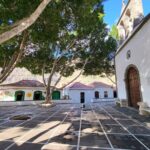
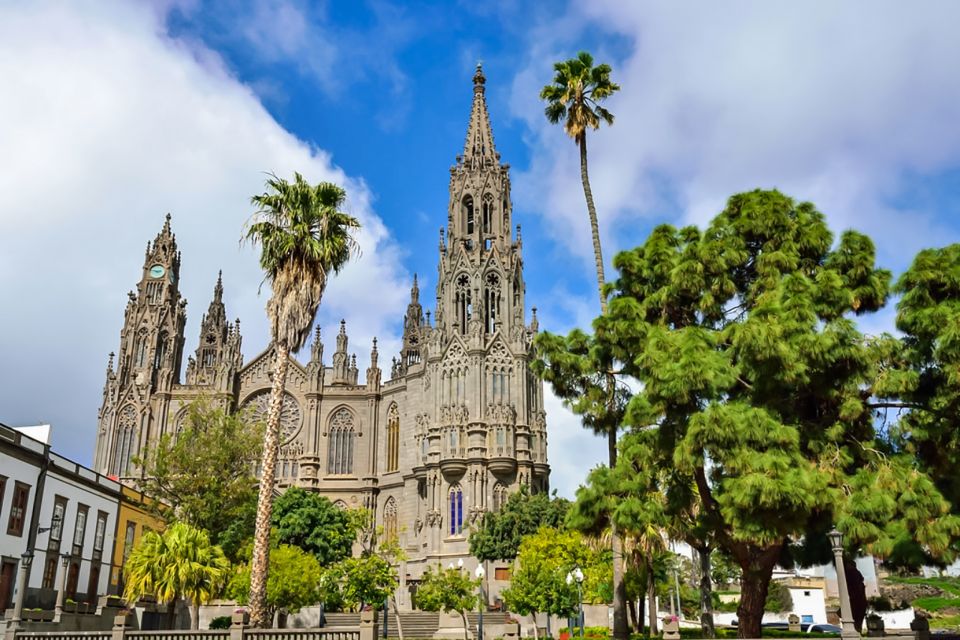
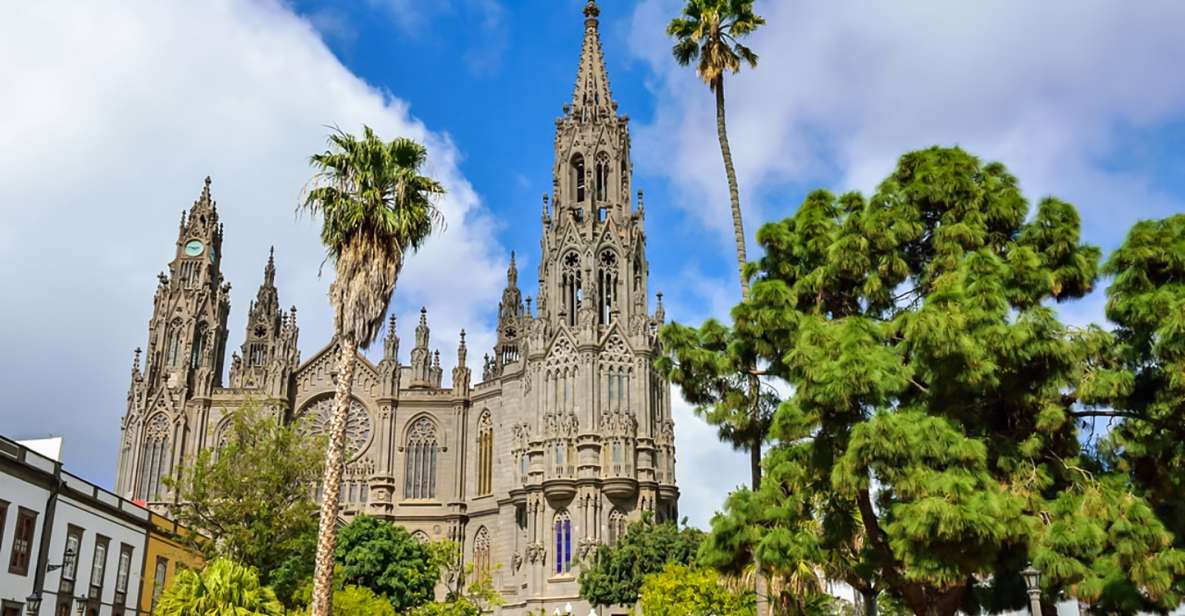
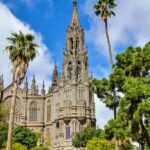
Then comes Arucas, where you get free time to explore the old town. The standout is the modernist Church of San Juan Bautista, built with volcanic black stone, and that detail matters because it explains how local materials shape local identity.
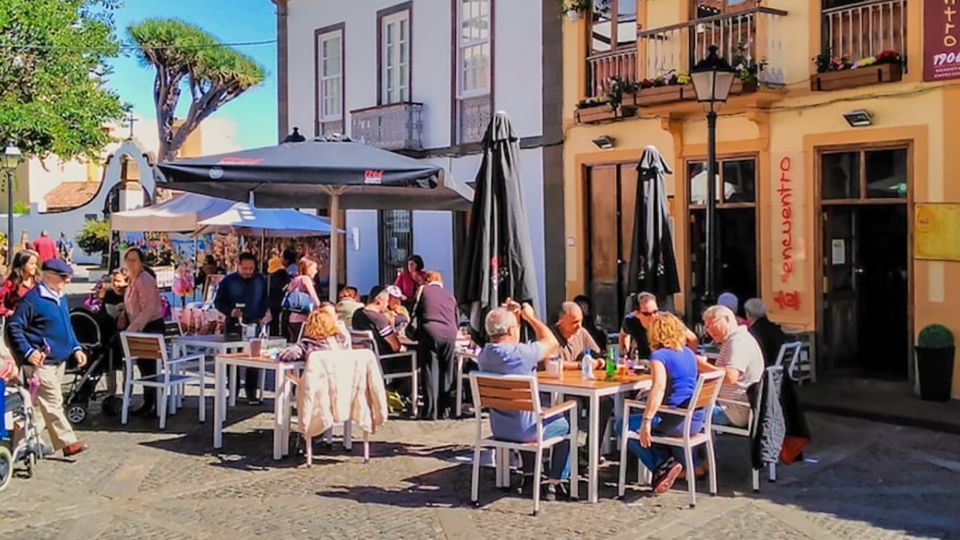
This is also a good town to stretch your legs without a long hike. You can wander at street level, pop in for photos, and take your time with the atmosphere of an everyday town rather than a single monument.
Firgas: Atlantic balcony and the water-village fountain
Firgas is next, and it’s a favorite for a reason: it’s known as the Atlantic balcony for its panoramic views. It’s also called the water village because of the waterfall fountain in the middle of the old town.
Free time here gives you two benefits. First, you can enjoy the fountain and surrounding streets at a walking pace. Second, the viewpoint energy in Firgas pairs well with what comes later in Tejeda, where the views get bigger and more dramatic.
One practical note from the provided experience details: Firgas has been flagged for pickpocket risk during a stop. Keep your valuables secure and be extra careful in crowded moments, even if you feel like you’re just walking around for photos.

Fataga Canyon and the Green North: Why the Drive Feels Like Part of the Tour
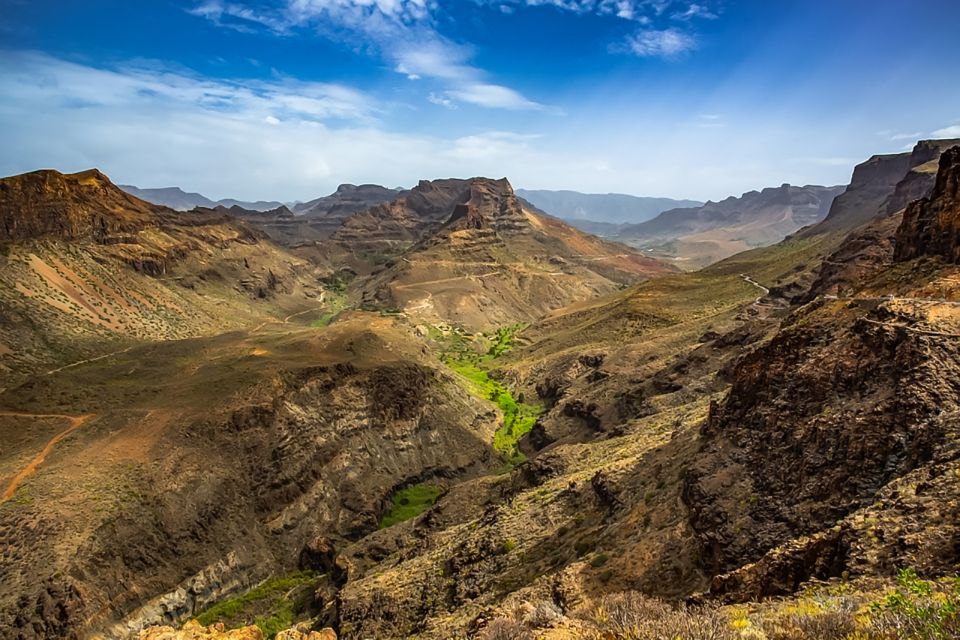
A tour like this lives or dies on the road time, and here the bus route is part of the attraction. You travel via a panoramic route that crosses Fataga Canyon, and that’s where you start to feel the island’s contrast fast.
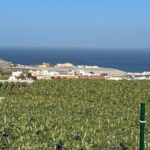
On Gran Canaria, conditions can flip within a short distance: you can move from warmer, drier areas toward cooler, greener zones with farming and forested stretches. The north middle area is described as green meadows, farming areas, forests, natural parks, mountains, and hidden villages.
This is also where good driving matters. Multiple people mention the driver’s skill on narrow mountain roads and hairpin bends, and that’s not small talk. If you’re prone to motion sickness, you’ll want to be prepared for winding roads, and if you get nervous on heights, the viewpoint stops later in the day may feel more intense than you expect.
Valleseco Lunch Stop: Set Menu Value and How to Handle the Timing
In the mountains around Valleseco, the tour includes a restaurant stop for lunch. Lunch is optional and not included in the tour price, so you should plan for an extra cost if you want a sit-down meal.
Here’s the key detail: the partner restaurant set menu is often described as good value. One experience note mentions a 3-course meal with a drink for about €15, and another calls it lovely and great value.
The watch-out is timing and what you do if you skip the set menu. One experience detail says that if you don’t want to eat there, you may have about an hour with limited to do, and then the day later offers more places to grab food. So the decision isn’t just about taste, it’s about how you want to spend that hour.
My practical approach: if you’re hungry and want minimal decision-making, the set menu is typically the easiest move. If you prefer to eat independently, go in knowing that waiting time is part of the deal.
Mirador de Tejeda / Mirador de la Cruz de Tejeda: The Roque Nublo View
The Tejeda area is the payoff for the hours of driving. You’ll stop at viewpoint locations such as Mirador de Tejeda and Mirador de la Cruz de Tejeda, timed for those big, recognizable sights.
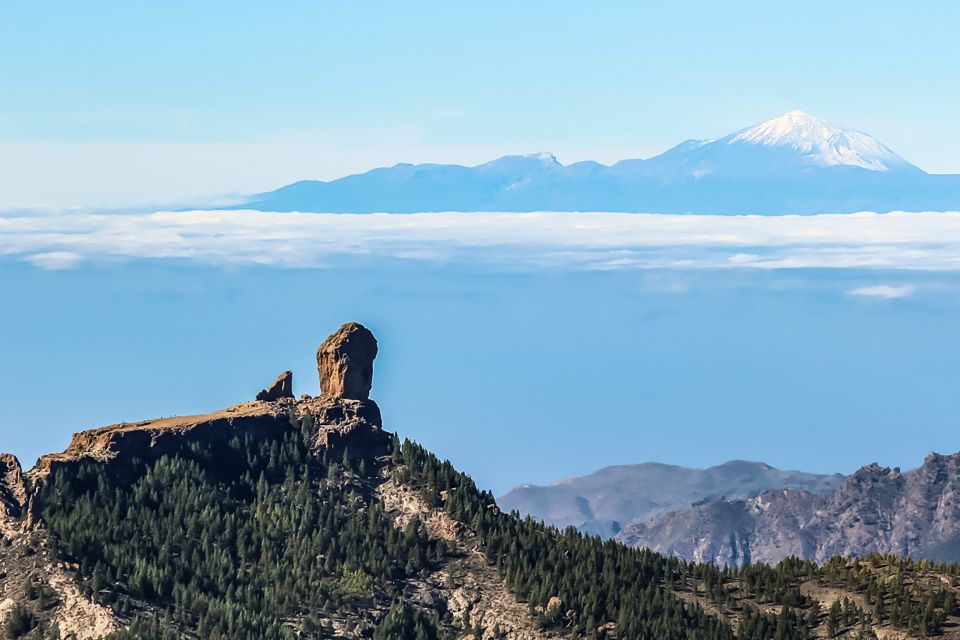
These viewpoints are highlighted for views over Roque Nublo and El Teide. Even if you’ve seen photos before, the scale feels different when you’re standing there, looking across the mountain forms that define Gran Canaria’s high country.
A useful tip from the provided experience details: conditions can change quickly with altitude. One person noted that the beach was sunny while the top area was cloudy and rainy, so bring a layer even in warmer months. If you’re the kind of person who hates surprises, this is your heads-up.
Also, remember that the tour is built around photo stops, so don’t expect long, leisurely viewpoints. You’ll have enough time to walk to the best angles, take pictures, and soak in the views, but then the bus moves on.
Aloe Vera Farm Visit: Local Agriculture With a Shopping Edge
Near the end of the day, you’ll have an opportunity to visit an aloe vera farm. This isn’t framed as a science lecture, but it’s described as surprisingly interesting by some people, which matters because it gives you more than just a retail stop.
There’s also a clear retail component. Some experience notes mention sales focus from the guide during stops at the mirador shops and the aloe vera farm, plus encouragement to buy local products. That doesn’t mean you must shop, but you should expect a structured moment where aloe is the topic.
My advice: go with a “look and learn” mindset. If you like the products, great. If not, treat it as a short cultural break and use the time to ask basic questions and take a few photos of the plants and processing area.
Guide and Driver: Where the Experience Feels Smooth (or Not)
The tour runs on two key people: the guide and the driver.
Live guide commentary in Spanish, English, and German
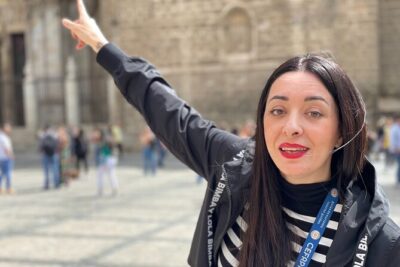
The guide provides commentary in Spanish, English, and German. In practice, that can mean the guide repeats the same message in different languages throughout the day. Some people enjoy that structure, while others feel it can become constant talking.
You may see different guide names show up in the experience details, including Tom, Pepe, Pepi, Dani, Chano, Simon, and others. Regardless of the name, the tour format is consistent: commentary during the drive, context at the stops, and guiding you through the flow so you don’t lose the group.
Mountain-road driving is part of the show
The driver is repeatedly praised for handling narrow, winding roads safely. One mention calls the driving almost unbelievable on those mountain bends.
This is not just a comfort perk. It also helps you enjoy the views without stress. If you hate feeling rushed, the driver skill reduces that tension because you’re not constantly bracing yourself.
If you want to maximize viewpoints, pay attention to which side the guide points out. One experience detail suggests sitting on the side where you can see the directions called out during the journey, since the guide may say things like if you look to the right. If you’re not sure, just pick a seat that gives you a clear view when the bus pulls into viewpoint areas.
Price and Value: What $52 Actually Buys You
At about $52 per person for an 8-hour day, the value comes from two big inclusions: a professional guide and round-trip bus service from multiple resort areas.
You’re not paying just for driving. You’re paying for an organized route across multiple regions of the island: Telde pass-through, Arucas and Firgas with free time, a mountain lunch stop (optional), Tejeda viewpoints, and an aloe farm visit.
The one extra cost to budget is lunch. Since lunch isn’t included, you’ll either pay for the partner restaurant set menu or plan your own food approach for that stop window. The good news is that the set menu is described as fairly priced and the quality is often noted as strong for the cost.
If you’re on a tight schedule and don’t want to coordinate buses, taxis, or car logistics across the island’s interior, this price starts to feel reasonable. You get a full-day sampler of what makes Gran Canaria special.
Who This Tour Suits Best (and Who Should Skip It)
This is a strong match if you:
- Want your first taste of Gran Canaria’s north and high country in one day.
- Like guided structure but still want free time to walk in towns.
- Care more about viewpoints and standout local stops than slow, deep museum-style pacing.
It may be a poor fit if you:
- Have limited mobility. The tour isn’t recommended for people with limited mobility, and it isn’t suitable for people with mobility impairments.
- Don’t like heights or dramatic viewpoints. One experience note warns it might not be for you if you’re not a fan of heights.
- Want long stays in each town. The stops are intentionally short because the day covers a lot of ground.
Should You Book This Gran Canaria Cross-Island Day Tour?
If you’re staying in the south—around Maspalomas, Playa del Inglés, San Agustín, Puerto Rico, Arguineguín, Taurito, or Puerto Mogán—and you want the island’s interior without a rental car, I’d book it. The mix of Arucas and Firgas free time, plus Tejeda’s view stops and the aloe farm, makes it a practical “see the highlights” day.
I’d hesitate only if you know you need a very slow pace, very detailed history time, or if mountain driving and viewpoint heights make you uncomfortable. Otherwise, this tour is a solid, value-heavy way to understand why Gran Canaria earns its reputation as a place of big contrasts.
FAQ
How long is the Gran Canaria Day Tour?
The tour lasts 8 hours.
Where does the pickup happen?
Pickup is available from Maspalomas, Playa del Inglés, San Agustín, Bahía Feliz, Puerto Rico, Arguineguín, Taurito, and Puerto Mogán. Exact pickup details are emailed 24–48 hours before the tour.
What languages is the live guide available in?
The live tour guide speaks Spanish, English, and German.
Is lunch included in the tour price?
Lunch is not included. There is a restaurant stop in the Valleseco surroundings where lunch is optional.
What should I bring?
Wear comfortable shoes.
Is the tour suitable for mobility impairments?
No. The tour is not recommended for people with limited mobility and it is not suitable for people with mobility impairments.