REVIEW · FUERTEVENTURA
Water Taxi Lobos Island
Book on Viator →Operated by Barracuda Perdomo · Bookable on Viator
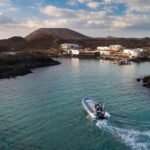
A quick boat ride, then nature gets serious. This water taxi takes you from Corralejo straight to Isla de Lobos, a small protected island you can actually feel in your bones the moment you land: hot wind, salt air, and serious scenery. I like how the island is a true Natural Park with protected plants and birds, not just a stop for photos.
My favorite part is the simple payoff. For around $19.31, you’re paying for a speedboat day with the admission ticket included, and the team keeps things organized enough that you don’t waste the day guessing. One thing to think about: the sea can turn choppy—if the return ride gets rough, you’ll want a plan for motion and wind.
In This Review
- Key things to know before you go
- Corralejo to Lobos: the water-taxi basics that matter
- Isla de Lobos Natural Park: what makes the island worth the trip
- The Lobos name: sea lions, old history, and what conservation is trying to fix
- Crossing the Río (Paso de la Orchilla) and riding out the wind
- Your on-island time: La Caldera, heat, and how to use the stop well
- Price and what you’re actually getting for about $19.31
- Weather rules: how to protect your plans from a canceled crossing
- Logistics that save time: where you start, how the return works
- Who this water taxi to Lobos fits best
- Should you book the Water Taxi to Isla de Lobos?
- FAQ
- Where does the water taxi to Isla de Lobos start?
- How long is the trip?
- What does the tour include in the price?
- What isn’t included?
- How big is the group?
- What is the main stop on the trip?
- Do I need to worry about weather?
- Will I get confirmation after booking?
- Are service animals allowed?
- What’s the cancellation rule?
Key things to know before you go
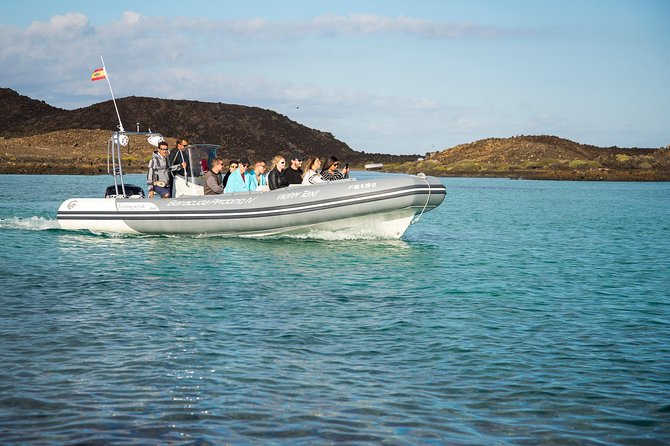
- Isla de Lobos is protected: the island is fully safeguarded as part of the Islote de Lobos Natural Park.
- Admission is included: you’re not separately paying for entry once you arrive.
- Small group size: the tour caps at 15 travelers, so it feels less like a cattle call.
- Quick crossing over the Bocaina Strait: you’re crossing a channel that bottoms out at about 10 meters.
- Wildlife and birds are a big deal here: 130+ plant species plus birds such as seagulls and bustard at certain times.
- Weather matters: the operator needs good conditions, and they’ll offer an alternate date or refund if canceled for poor weather.
Corralejo to Lobos: the water-taxi basics that matter
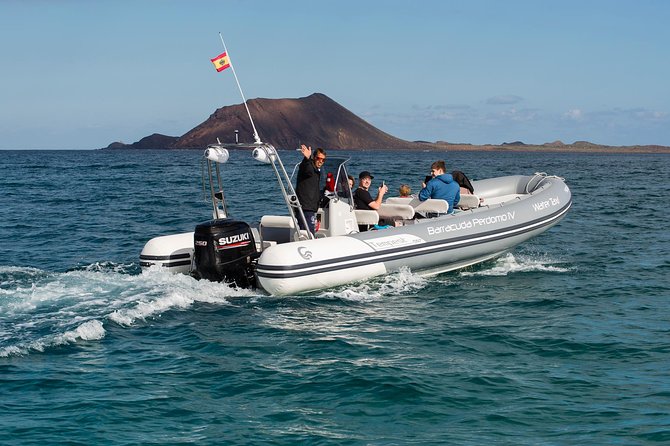
This trip is based in Corralejo, on Fuerteventura. You meet at Calle Iglesia, 29 (35660 Corralejo), and the activity ends back at that same spot—no extra maze of transfers.
The ride itself is handled by Barracuda Perdomo, and it’s set up like a true water-taxi: you go out, you get your time on Isla de Lobos, and then you come back. The total time runs roughly 2 to 6 hours, depending on the day’s schedule and how long you’re allowed on the island.
I also like that the group stays small (up to 15). When seas get a bit rough or wind gets loud, smaller groups feel calmer and the crew can coordinate departures and returns more cleanly.
You can also read our reviews of more tours and experiences in Fuerteventura.

Isla de Lobos Natural Park: what makes the island worth the trip
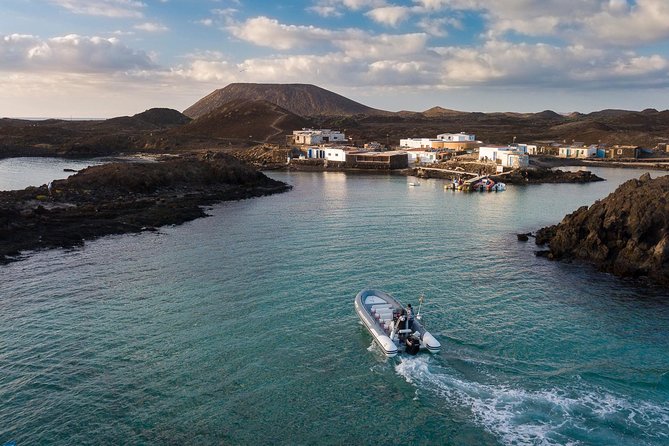
Isla de Lobos is tiny on a map and huge in atmosphere. It covers about 6 km², with around 13.7 km of coastline, and you can often spot it clearly from Corralejo.
This island isn’t an open free-for-all. It’s fully protected as the Islote de Lobos Natural Park, and that protection shows up in what you’re likely to notice:
- a wide mix of plant life (more than 130 plant species)
- birdlife you don’t see everywhere
- and a protected underwater area, meaning the seabed is treated like a conservation zone
Bird fans have a special reason to be excited. The information points to seagulls, plus the bustard during certain times of year, and the cinderella shear (a seabird species). You don’t need a birding app for the basics—just time on the island and a little patience.
The Lobos name: sea lions, old history, and what conservation is trying to fix
The island’s name, Lobos, ties to the past presence of Mediterranean monk seals—often referred to historically as sea lions—in the area. The older story is that fishermen removed the animals because they believed the seals’ appetite reduced fish resources.
Each of these animals needs a lot of food—around 30 to 40 kilograms of fish per day—so it’s easy to see why people argued. Today, the key point for your visit is that reintroduction efforts are underway, even with past resistance.
You don’t go to Isla de Lobos expecting to play with sea lions. The value here is the bigger one: you’re visiting a protected place where the ecosystem is actively managed, and the seabed is protected too. Treat it like a living reserve, because it is.
Crossing the Río (Paso de la Orchilla) and riding out the wind
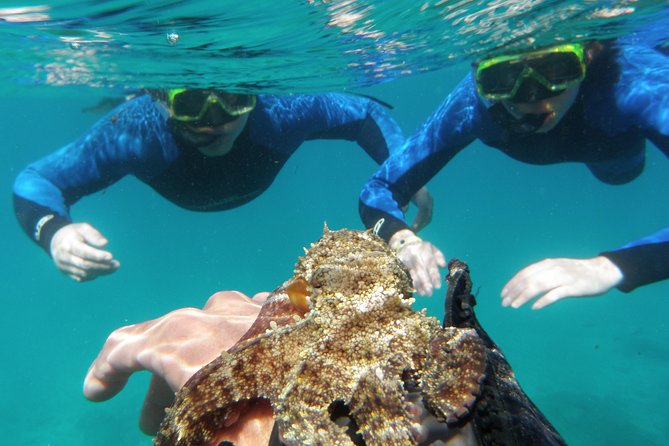
You’ll travel across the Bocaina Strait area, and the separation between Fuerteventura and Lobos is known as El Río or Paso de la Orchilla. The channel doesn’t exceed about 10 meters deep, which is part of why conditions can change quickly.
And yes, the sea can be rough even when the day still feels beautiful. One of the best pieces of practical advice is to expect motion—especially on the way back. I’d pack for that reality rather than hope it won’t happen.
From the trip experience, I’d bring:
- a small umbrella (wind and spray are real)
- water (hot wind can make you feel drier than you expect)
- and if you’re motion-sensitive, consider your own anti-nausea plan
The funny part is that when the waves are choppy, the ride can feel like it’s doing its best stunt performance. When you’re uncomfortable, it’s annoying. When you’re prepared, it becomes just part of the day.
Your on-island time: La Caldera, heat, and how to use the stop well
Once you arrive, you’re on a small island where the “main attraction” is the landscape plus protected nature. Isla de Lobos reaches a maximum height at La Caldera, also known as El Filo La Herradura, at 127 meters.
What does that mean for you in real life? It means the island has enough elevation that you can get different views and a cooler moment now and then if you move toward higher ground. Since the island is protected, I’d focus on being respectful with where you walk and how you behave—don’t treat it like a casual beach picnic zone.
Also, plan for heat and wind. The experience notes include hot wind on the island, so shade and water matter. If you’re traveling with kids, think of this stop as an outdoors adventure with a few comfort tradeoffs, not a lazy stroll with no wind.


Price and what you’re actually getting for about $19.31
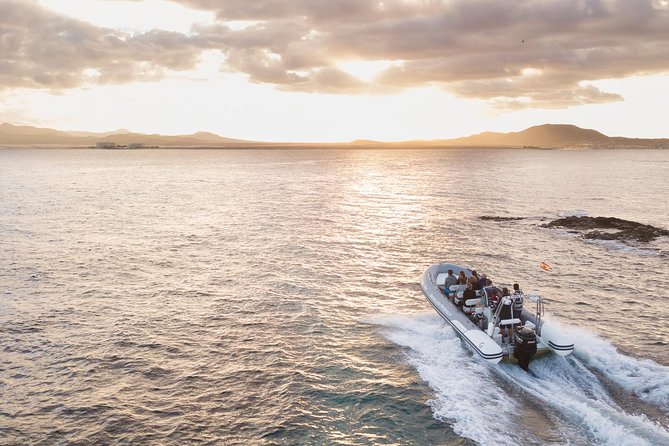
At $19.31 per person, this is one of those deals that’s only a deal if the details are right—and here they are. The trip includes all fees and taxes, and crucially, it includes the admission ticket.
That turns the price from “boat ride cost” into “boat ride + park entry cost.” In places where park tickets are separate, you can feel the nickel-and-diming fast. Here, you’re mostly paying for the transportation and the time on the protected island, with entry already covered.
Duration is the other value factor. Even with an approximate 2 to 6 hours, you can get the full island feeling without burning an entire day. If you’re staying on Fuerteventura and want something that’s more than just a beach, this scratches that itch.
Weather rules: how to protect your plans from a canceled crossing
This experience requires good weather. If conditions are poor and the operator cancels, you’ll be offered a different date or a full refund.
I treat this like any sea-based trip: don’t plan your whole itinerary around a single rigid time window. The good news is that the cancellation approach is straightforward, so you’re not stuck with a total loss if the day gets unsafe for the crossing.
Also, if you’re chasing a specific day, keep an eye on local forecasts the morning of. If winds pick up, plan your mood accordingly: expect motion on the water and consider the wind on the island.
Logistics that save time: where you start, how the return works
You’ll start at Calle Iglesia, 29 in Corralejo. The activity ends back at the same place, so you don’t have to wonder about a different drop-off point.
One small practical detail that can help: there’s a way to adjust your return time once you’re on the island by contacting the operator using a phone number they provide. That flexibility can be a lifesaver if you want a bit more time on foot or if you need to pace the walk with wind and heat.
Group coordination is part of the value. The experience runs smoothly enough that you’re not spending your time chasing staff or asking the same questions repeatedly.
Who this water taxi to Lobos fits best
This is a good match for people who want an authentic nature break without complicated planning. If you like protected spaces, birdlife, and getting out to a small island where the environment is managed, you’ll feel at home here.
It’s also workable for a wide range of travelers. Service animals are allowed, and the tour notes say most travelers can participate. If you’re traveling with kids, the speedboat element can be a lot of fun, though you still need to respect that it’s a windy outdoor island stop.
If you’re someone who gets seasick easily, don’t ignore that concern. The return ride can be rough, and the island wind can feel hot. If you’re prepared, you’ll likely still enjoy it. If you aren’t, this could be a frustrating day.
Should you book the Water Taxi to Isla de Lobos?
Book it if you want a short, mostly straightforward trip to a protected island, with park entry handled and a small-group feel. I especially think it’s worth it for the combo of fast sea time + real conservation space, and for the fact that you don’t have to add a separate admission cost.
Skip or be cautious if you know you’ll struggle with wind and motion. This isn’t a calm lake cruise. It’s a sea crossing and an open-air island with weather in charge of the day.
If you fall in the middle—curious, prepared, and flexible—this is a strong value on Fuerteventura. You’ll leave with that specific kind of souvenir you can’t buy: salt air, wind in your hair, and a protected little island that still feels like an ecosystem, not an attraction.
FAQ
Where does the water taxi to Isla de Lobos start?
You start at Calle Iglesia, 29, 35660 Corralejo, Las Palmas, Spain. The activity ends back at the same meeting point.
How long is the trip?
The duration is listed as approximately 2 to 6 hours, depending on the day’s schedule.
What does the tour include in the price?
The price includes all fees and taxes, and the admission ticket is included.
What isn’t included?
Private transportation is not included.
How big is the group?
This activity has a maximum of 15 travelers.
What is the main stop on the trip?
The main stop is Isla de Lobos.
Do I need to worry about weather?
Yes. The experience requires good weather. If it’s canceled due to poor weather, you’ll be offered a different date or a full refund.
Will I get confirmation after booking?
Confirmation will be received at the time of booking.
Are service animals allowed?
Yes, service animals are allowed.
What’s the cancellation rule?
Free cancellation is available. You can cancel up to 24 hours in advance for a full refund, and changes within 24 hours aren’t accepted.