REVIEW · FUERTEVENTURA
Fuerteventura: Learn to Surf Lesson
Book on GetYourGuide →Operated by CANARY SURF ACADEMY · Bookable on GetYourGuide
Surfing lessons feel less scary with the right coach. In Fuerteventura, this qualified-instructor class is designed for beginners and mixed groups, and you show up with surf gear already sorted.
I also like that the session focuses on the basics and safety first, then pushes your technique at your own level. One heads-up: your exact beach and timing can shift with sea conditions, so plan a little flex in your schedule.
In This Review
- Key highlights
- Fuerteventura Surf Lesson: What Your 4–5 Hour Day Really Feels Like
- Gear, Insurance, and Your First Checklist Before You Go In
- The 2-Hour Surf Lesson: Safety Rules, Fundamentals, and Getting Standing Right
- Private vs Small Groups: How You Get Help Without Feeling Lost
- Pickup, Transfers, and Timing: Plan Like a Local, Not Like a Tourist
- Which Beach Will You Surf On? The Ocean Chooses, Your Instructor Adapts
- Price and Value: What $59 Per Person Covers
- Who This Is For (and Who Should Skip It)
- What to Bring (So You Don’t Spend Your Lesson Drying Off)
- How the Instruction Style Shows Up in Real Life
- Should You Book This Fuerteventura Surf Lesson?
Key highlights
- 2-hour surf instruction with safety rules and fundamentals taught by a qualified instructor
- Gear included: neoprene, surfboard, and leash
- Pickup included from Caleta de Fuste and Puerto del Rosario (limited areas only)
- Beach chosen for you based on skill level and weather that day
- Private or small groups available for more direct coaching
- Designed for swimmers: you must be able to swim and be in good health
Fuerteventura Surf Lesson: What Your 4–5 Hour Day Really Feels Like
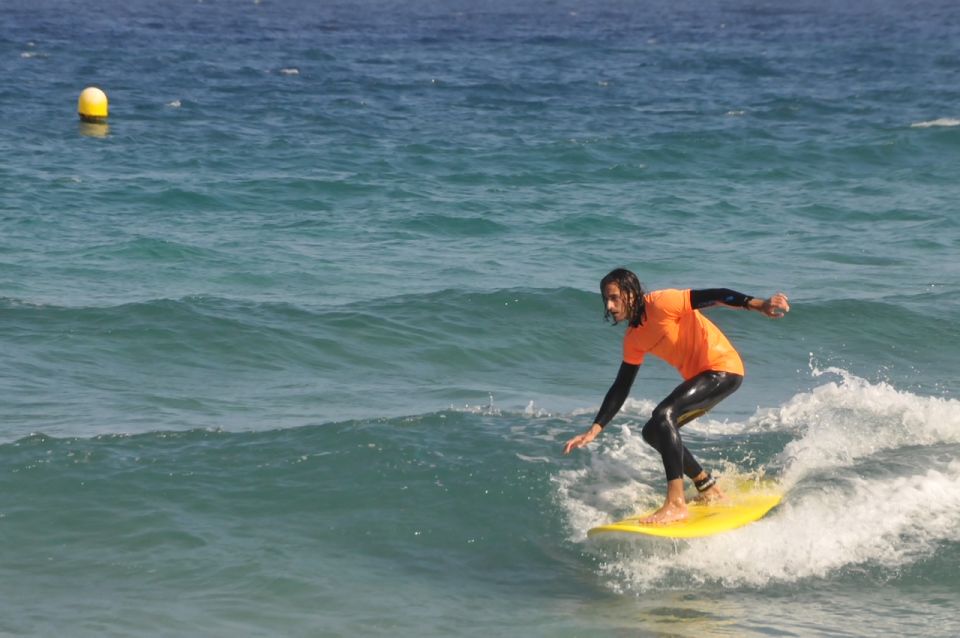
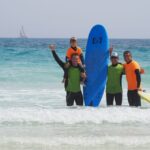
This is a straightforward surf lesson setup that removes a lot of hassle. You’re in Fuerteventura, you get a 2-hour surf lesson, and the rest of the time is mostly transfers plus getting ready. The school also keeps things practical: the instructor selects the best beach based on your level and what the ocean is doing that day.
If you’re traveling with friends or family, that matters. It means the day isn’t just about getting you onto a board, it’s about matching the conditions to your ability—so beginners aren’t thrown into a situation that’s too much, and more confident surfers still get coaching that helps them progress.
The biggest thing to remember is pacing. Surf depends on the sea, not a fixed plan. That’s why the lesson schedule can change and why you’ll want a mindset of go with it.
A few more Fuerteventura tours and experiences worth a look

Gear, Insurance, and Your First Checklist Before You Go In
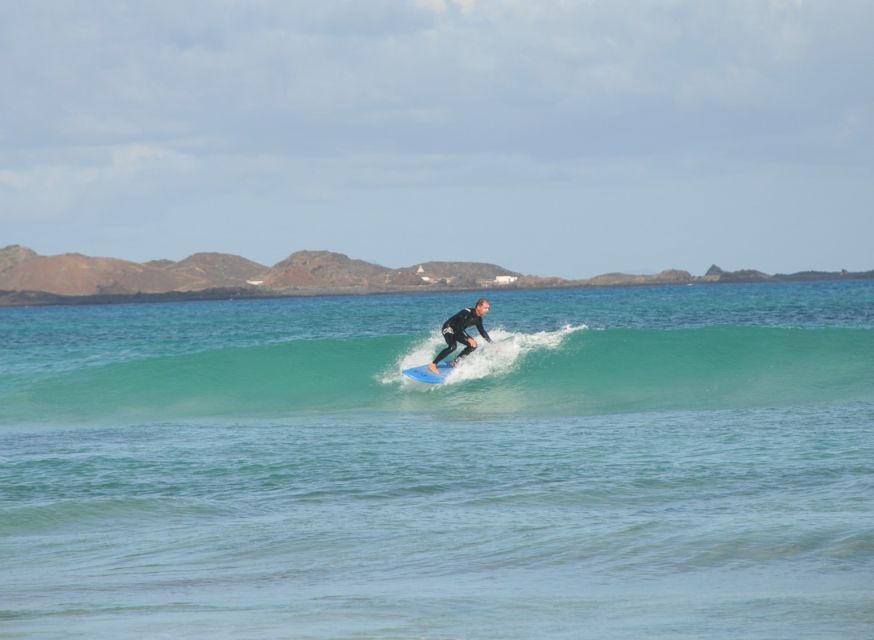
One reason this lesson works for casual travelers is what you don’t have to shop for. Your booking includes:
- neoprene suit
- surfboard
- leash
You also get insurance included with the activity, which is worth paying attention to when you’re doing something physical in open water.
Here’s your packing list, simplified:
- swimsuit (wear it under your clothes if you can)
- towel
- change of clothes
- sunscreen
- snacks and drinks
Food and drinks aren’t included, so bring what you’ll actually eat after. I’m a fan of packing a small snack and a bottle or two, because it keeps you from turning a fun day into a low-energy scramble.
What you shouldn’t bring is also clear. Alcohol and drugs aren’t allowed, which is exactly what you want for an ocean activity where safety comes first.
The 2-Hour Surf Lesson: Safety Rules, Fundamentals, and Getting Standing Right
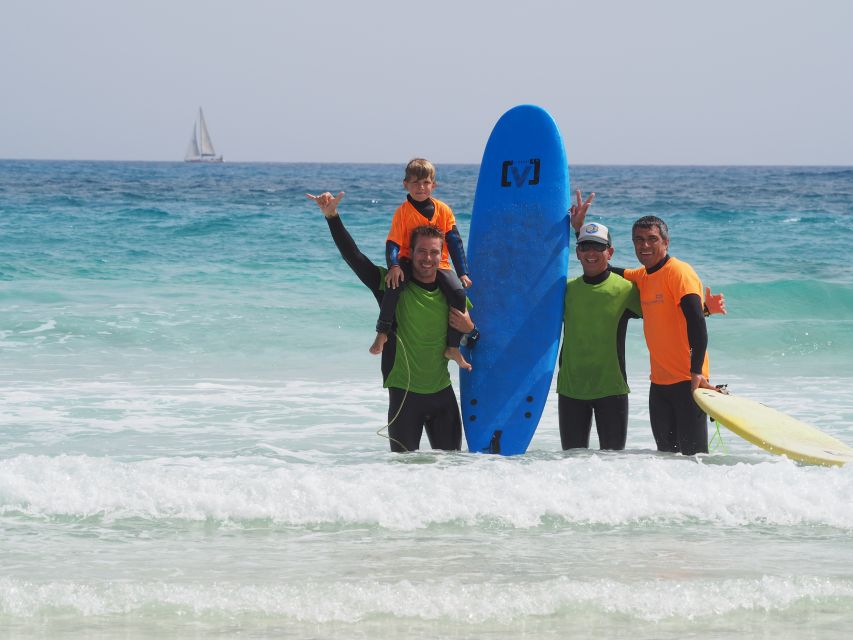
The heart of your day is the 2-hour lesson, led by a qualified instructor. The lesson is built around:
- safety rules
- basic fundamentals
- technique coaching tailored to your level
Even if you’ve never surfed before, this structure is the right way to start. You learn the basics first, then you get practice while the instructor adjusts for your ability. That’s the difference between a chaotic first try and a real skill-building session.
You should expect the instructor to spend time helping you understand how to handle the board and how to approach the water safely. The goal isn’t only to catch waves—it’s to master the art of standing on water with correct body positioning and improved control.
The lesson is also flexible by design. The instructor chooses the beach based on weather and your skill set, so your practice is more likely to feel learnable instead of random.
Private vs Small Groups: How You Get Help Without Feeling Lost
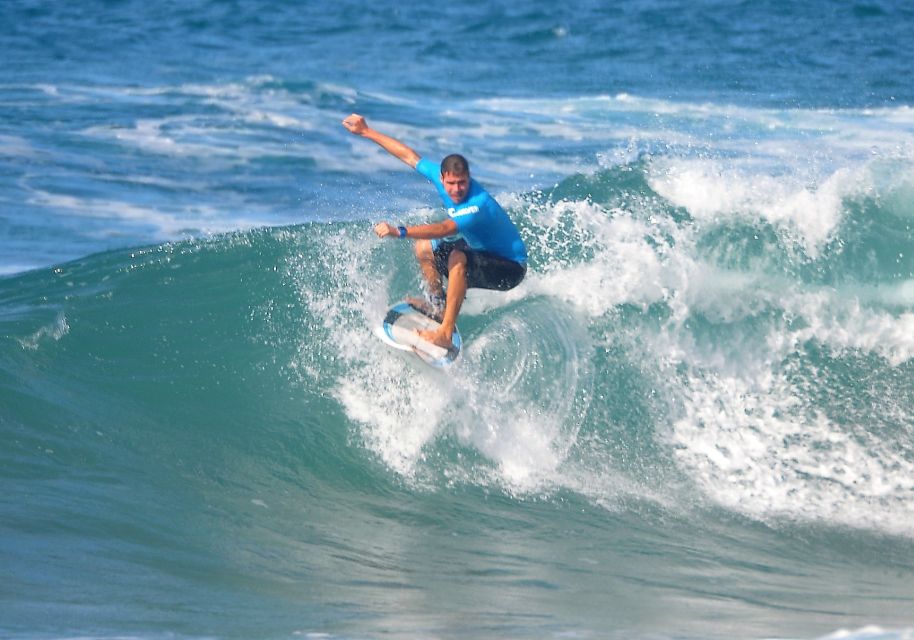
You can book a shared lesson, or go for private or small groups. If you’re the type of person who learns faster with direct feedback, private or a small group can be a big advantage. You’ll get more chances for the instructor to correct what you’re doing, instead of waiting your turn while everyone cycles through.
If you’re traveling as a couple, a group of friends, or with family, this can also make your day smoother. Different skill levels can mean different needs, and the lesson is set up to coach technique according to what each person can do.
Also, the teaching style seems to be something people notice: many of the strongest comments I saw point to friendly explanations and a calm approach. That matters a lot in surf, because the ocean can be intense even when conditions are manageable. A patient instructor helps you focus on what’s in front of you.
Pickup, Transfers, and Timing: Plan Like a Local, Not Like a Tourist
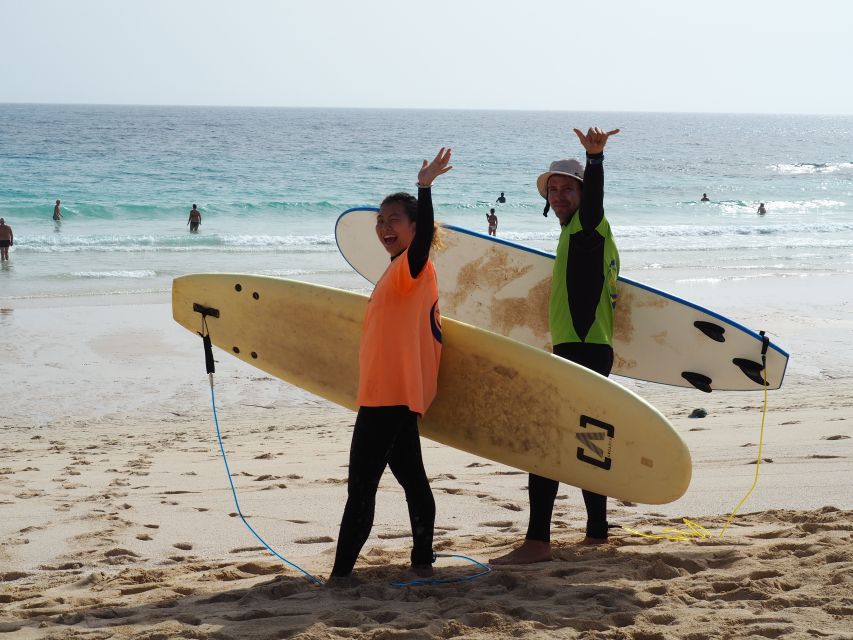
This activity can include pickup from your hotel or apartment, but only in specific zones. Pickup is available from:
- Caleta de Fuste area
- Puerto del Rosario
Pickup is not available from the southern part of the island, including Costa Calma and Morro Jable. If you’re staying outside the pickup areas, you may need to meet directly at the beach instead.
Here’s the practical time reality: the lesson itself is 2 hours, but the total activity duration is about 4 to 5 hours when you include transfers. That means you shouldn’t schedule anything tight right before or right after.
Also, keep one more variable in mind: the schedule may change depending on sea conditions and the level of participants. So even if you arrive ready, the ocean can decide the final timing.
One more detail that helps: pickup is included when you’re in the eligible areas, and people who do that pickup seem to like that it’s organized and on time.






Which Beach Will You Surf On? The Ocean Chooses, Your Instructor Adapts
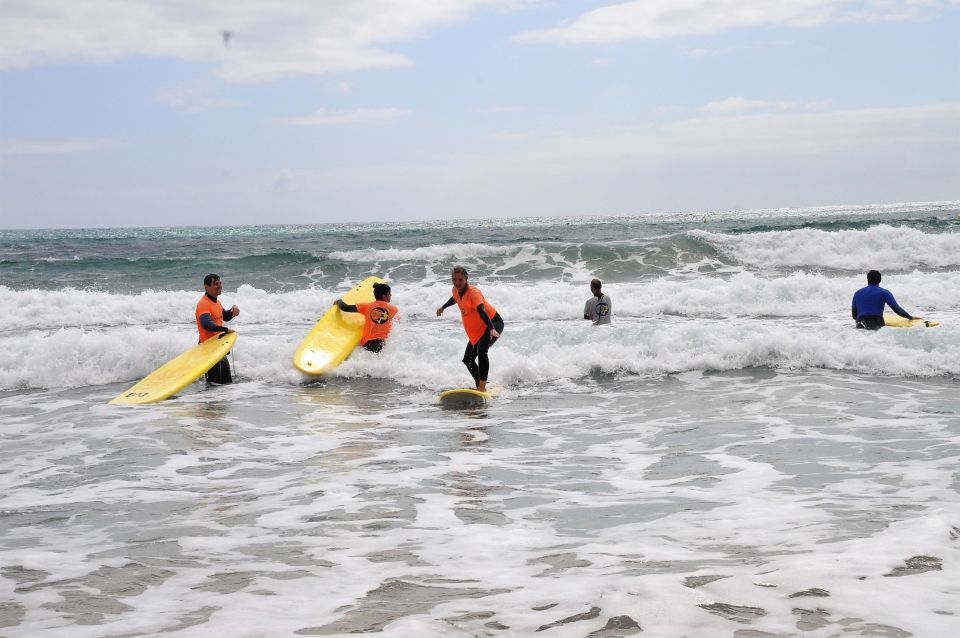
You don’t pick the exact beach in advance. Instead, the instructor chooses the best beach for your lesson depending on:
- your skillset
- the weather conditions and sea conditions that day
That’s a smart setup for learning. Different beaches can feel radically different even on the same island. By selecting the location based on conditions, the instructor improves your odds of practicing in a way that’s appropriate for your level.
The trade-off is uncertainty. You might go to one beach in calm conditions and another if the sea shifts. If you need your day planned to the minute, surf is probably not the activity for you.
But if you’re flexible and you want instruction over sightseeing logistics, this approach is a win. It’s teaching-first.
Price and Value: What $59 Per Person Covers
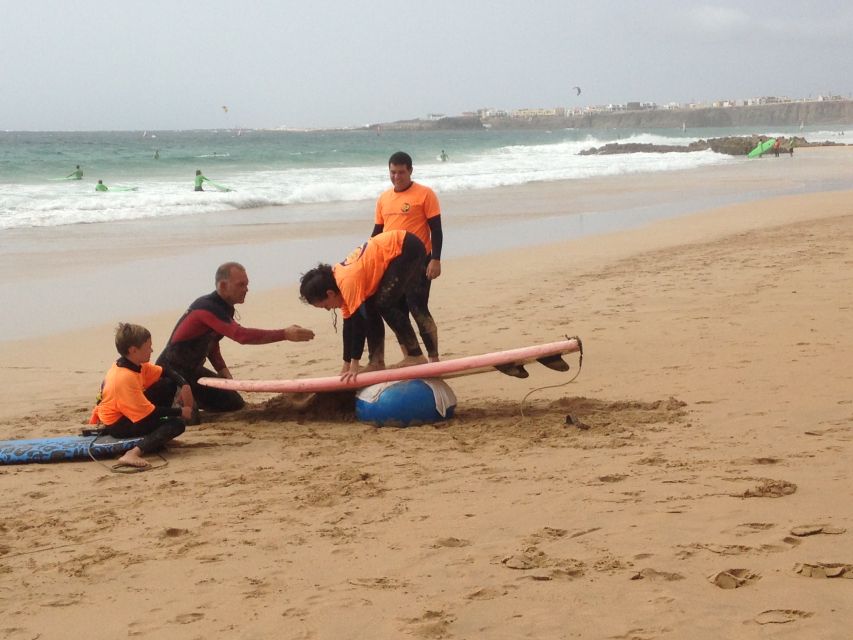
At $59 per person, you’re not just buying time near the ocean. You’re paying for:
- a 2-hour surf lesson with a qualified instructor
- safety and fundamentals coaching
- neoprene, surfboard, and leash
- insurance
- pickup from eligible areas (when it applies)
What’s not included is also important: food and drinks. So your real daily cost is $59 plus whatever you pack for snacks, drinks, and any extra you buy on the island.
Why that value model makes sense: the gear and instruction are usually the expensive parts. Many first-time surf experiences fail because people underestimate what equipment and coaching cost. Here, the basics are covered, so you can focus on learning.
If you’re deciding between private and shared, think about how you like feedback. Small groups can be a strong middle ground, but you’ll likely get the most direct attention in private lessons.
Who This Is For (and Who Should Skip It)
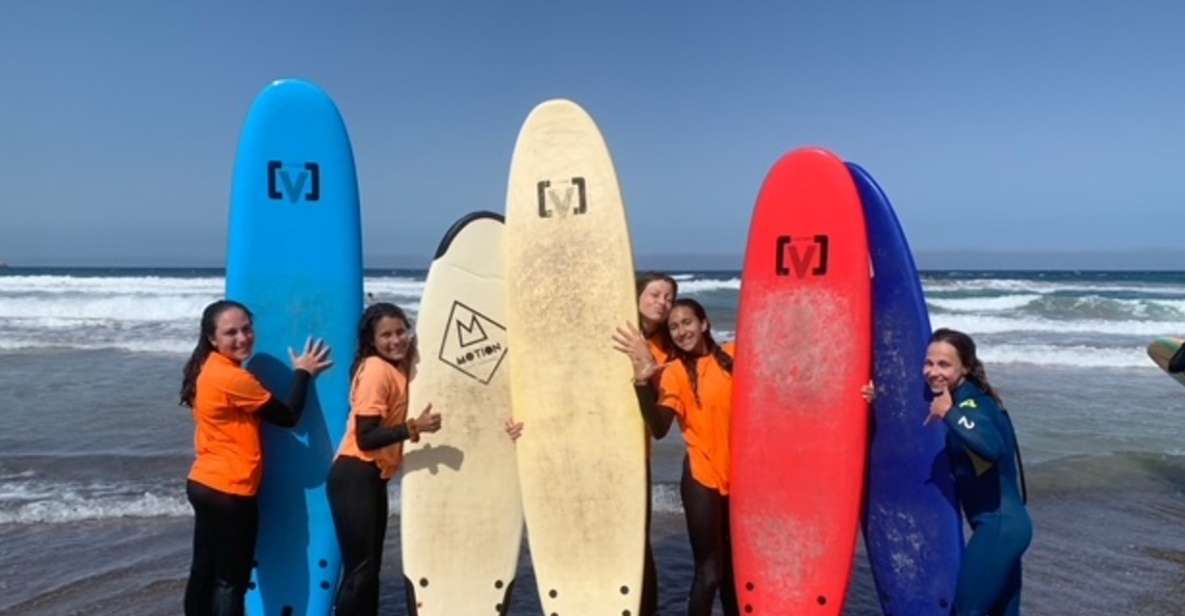
This surf lesson is positioned for a wide range of people. It’s suitable for friends, singles, and families, and the instruction can work across different comfort levels—because the instructor matches the technique focus and chooses the beach based on your skill.
That said, the rules are clear about who shouldn’t join:
- children under 5 (and the lesson notes a minimum age of at least 6 years old)
- pregnant women
- people with back problems
- non-swimmers
You also must be able to swim and be in good physical health. If you’re not confident in the water, skip this and choose a different activity first. Surf is not the place to practice basic swimming skills.
If you’re healthy, can swim, and you’re ready for a physical day with saltwater, this can be an excellent first lesson—or a confidence booster on a trip when you want more than photos.
What to Bring (So You Don’t Spend Your Lesson Drying Off)
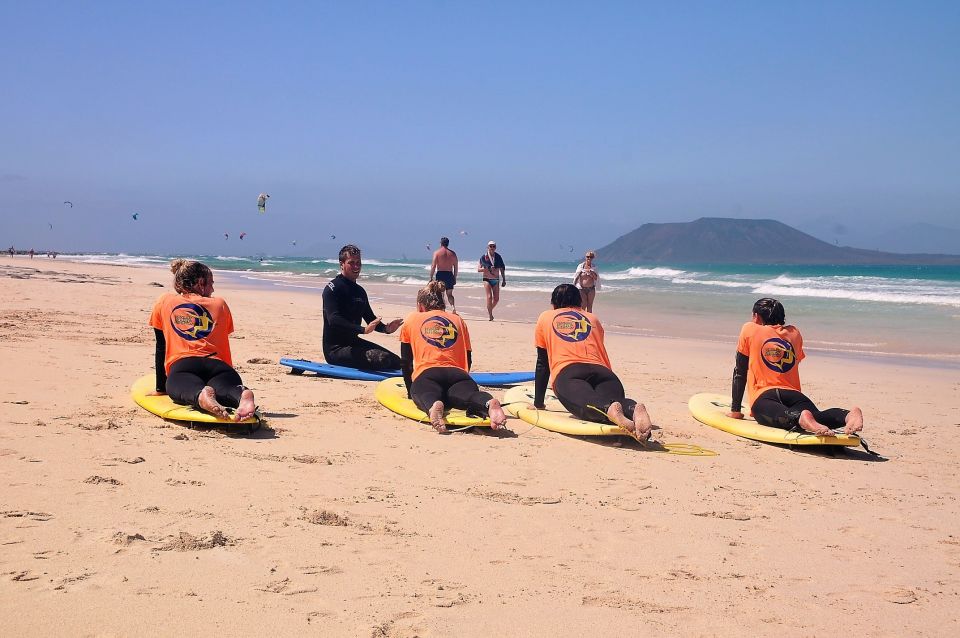
A surf lesson day is simple, but small items matter. Bring:
- swimwear
- towel
- change of clothes
- sunscreen
- snacks and drinks
Neoprene helps, but you’ll still get wet. Having a towel and dry layers ready makes a huge difference in how you feel after you finish. Sunscreen is a must—especially because you’ll likely be outside for most of the afternoon counting transfers.
If you forget snacks, you might be okay, but you’ll feel it. The lesson and ocean practice take energy, and food isn’t provided.
And yes, even if it’s not hot, wind and sun can sneak up on you. Put sunscreen on before you start moving around.
How the Instruction Style Shows Up in Real Life
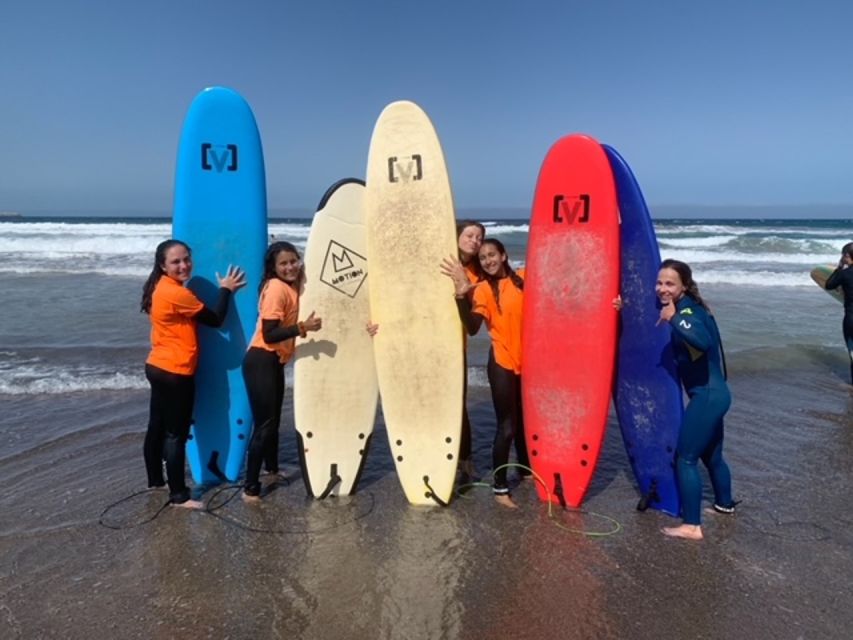
Surf lessons can range from rigid to chaotic. The best part of this one, based on the feedback patterns people talk about, is the vibe: friendly instruction, clear explanations, and a calm approach that helps you focus instead of panic.
That calm matters most when you’re learning to stand and manage balance. If you’re worried about falling (everyone is), a patient coach helps you slow down mentally. Then your body gets a chance to learn.
People also highlight that the overall experience feels well organized, including pickup timing when pickup is included. That reduces stress, which is honestly half the battle on any first-time ocean activity.
Should You Book This Fuerteventura Surf Lesson?
Book it if you want a real 2-hour lesson with gear included and safety fundamentals taught by a qualified instructor. It’s a good match for swimmers who are at least 6, and it works well for groups that want instruction without trying to figure everything out themselves.
Before you book, do two quick checks:
- Confirm your pickup area. Pickup is available mainly around Caleta de Fuste and Puerto del Rosario, and it’s not available from the southern areas like Costa Calma and Morro Jable.
- Be honest about the water. This isn’t for non-swimmers or for people who shouldn’t do active water work due to health limits.
If you’re flexible about timing and you’d rather learn something than just watch the ocean, this is a strong, practical choice on Fuerteventura.