REVIEW · TENERIFE
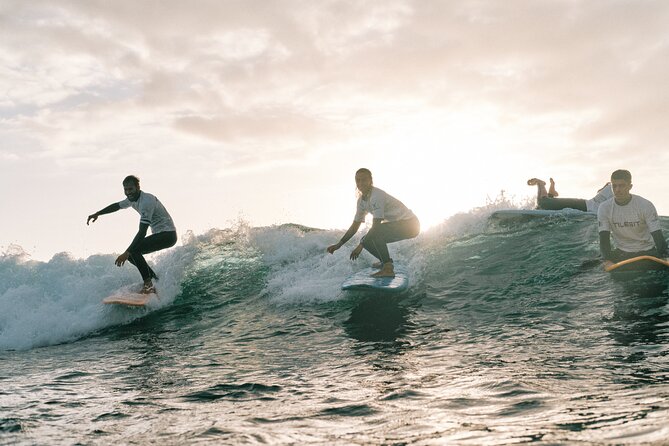
Group Surf Lesson at Playa de las Américas
Book on Viator →Operated by Tilegit Surf School · Bookable on Viator
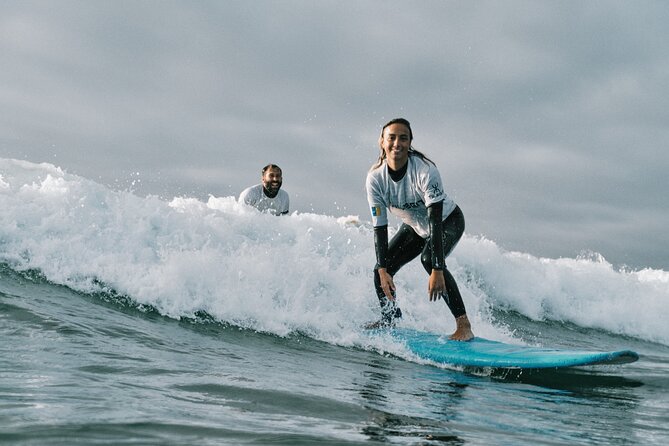
Small-group surf lessons at Playa de las Américas are a sneaky workout. You’ll get small-group attention and no experience is needed to start, plus you’ll be guided step by step. The only real catch: the exact spot and timing can shift with ocean conditions, and the water can feel crowded at some times.
This runs about 2 hours, starting at 4:30 pm from Parque Santiago II. It’s in English and capped at 8 travelers, so you’re not shouting over a megaphone for every correction.
For beginners, that patience matters. Instructors named in the experience include Mike and Álvaro, Andreas, Mano and June, and Manu, and the common theme is clear, calm technique coaching that helps you stand sooner than you’d expect.
In This Review
- Key things to know before you go
- Playa de las Américas Surfing: Why This Lesson Feels Worth It
- What you’ll notice right away
- Tilegit Surf School and the Real Meaning of Small-Group Coaching
- Language and comfort level
- How the 2-Hour Lesson Actually Plays Out on the Beach
- Beach instruction sets you up
- Then comes the water time
- What You Learn: Techniques That Help Beginners Stand and Ride
- Technique focus you’ll actually use
- If you’re returning for a second lesson
- The Ocean Factor: Crowds, Wave Difficulty, and Why Expectation Management Helps
- Wave difficulty is part of learning
- Gear and Comfort: What to Expect When You’re Using Provided Equipment
- Where you can manage belongings
- Price and Value: Is $53.21 for Two Hours a Good Deal?
- The real value test for you
- Getting There: The Parque Santiago II Meeting Point and a Smooth Start
- Practical timing tip
- Who This Surf Lesson Suits Best (and Who Might Want to Rethink It)
- Consider a different plan if…
- Should You Book This Group Surf Lesson?
- FAQ
- How much does the group surf lesson cost?
- How long is the surf lesson?
- Do I need surfing experience?
- What language is the lesson taught in?
- How many people are in the group?
- Where do I meet for the lesson?
- What time does the lesson start?
- Can the meeting location or schedule change?
- What is the cancellation policy?
Key things to know before you go
- Small group, max 8: more hands-on feedback than big surf camps.
- No experience required: beach basics first, then practice in the water.
- Conditions set the plan: the exact location and schedule can change with the sea.
- Expect some paddling time: it’s part of the lesson, but it can take more time than you want.
- Gear quality varies: most people report comfortable gear, but one note called it mediocre.
- Learn fast, or keep going: people even booked a second day because the first session clicked.
Playa de las Américas Surfing: Why This Lesson Feels Worth It
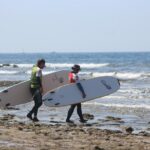
Playa de las Américas is the kind of place where the beach looks postcard-clean, with wide sand and palms along the promenade. The surf lesson takes place right in that easy-to-reach setting, which is great because you’re not juggling a long transfer just to get to the water.
What makes this lesson especially appealing is the beginner-friendly setup. You’re not being thrown into the deep end with zero coaching. You’ll get clear instructions and a safety-focused presence as you learn the basics.
Also, the “small-group” piece is not a marketing slogan here. When you’re capped at 8 travelers, you tend to get more moments of individual feedback. That matters when you’re learning something physical and coordination-based, like popping up and balancing on a moving board.
A few more Tenerife tours and experiences worth a look
What you’ll notice right away
You start with the meeting point at Parque Santiago II, then the instructors accompany you so you know where to go. The whole session is designed to help you feel safe enough to try again and not just wait for the next chance.
And yes, expect it to be hard work. Even first-timers described it as challenging in the water, which is normal for learning surf basics. If you’re hoping for a gentle stroll, this won’t feel like that. If you want a real skill lesson you can be proud of, this fits.
Tilegit Surf School and the Real Meaning of Small-Group Coaching
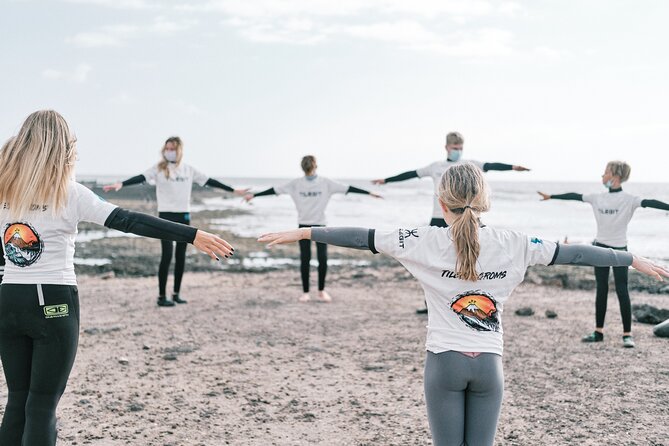
This is offered by Tilegit Surf School, and the instructor-to-group feel is one of the main reasons people rate this so highly. You’re not learning from a distance. You’re learning while someone is watching your form and helping you adjust.
The instructor styles come up repeatedly in the feedback. People called out instructors like Mike and Álvaro for being patient and knowledgeable. Others highlighted Andreas as calm and helpful, and Mano and June as supportive throughout. Manu also appears as an instructor who helped everyone catch waves.
That “everyone” part matters. In beginner surfing, the biggest barrier is usually confidence. When the coach is patient and keeps the session organized—beach instruction first, then time in the water—it’s easier to relax and focus on what to do next.
Language and comfort level
The lesson is in English, which is a big plus in Tenerife where many activities blend languages. You’ll want to pay attention even when you think you understand, because small corrections can make the difference between standing for a second and standing long enough to ride.
And the group size limit helps with that. With fewer people on the sand and in the lineup, you’re less likely to feel rushed.
How the 2-Hour Lesson Actually Plays Out on the Beach
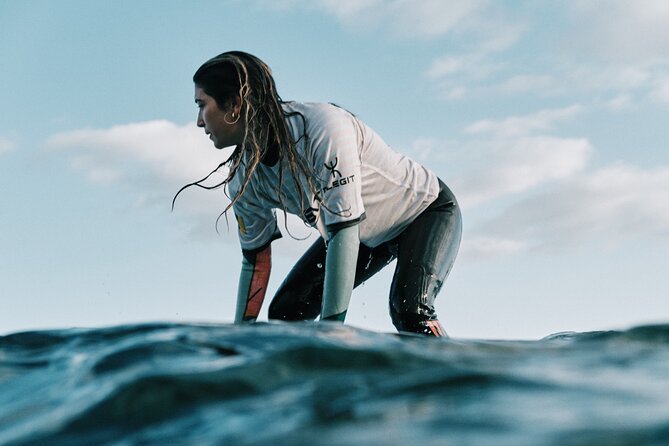
The session is listed at about 2 hours and it begins at 4:30 pm. The meeting point is Parque Santiago II, Av. Rafael Puig Lluvina, 32, 38650 Playa de la Américas.
From there, you’ll head to where the instructors run the surf portion. One important detail: the exact location and schedule can change depending on conditions. That means you shouldn’t plan on a super rigid timeline beyond the start time.
In practice, this kind of lesson usually has a rhythm: you get basics, then you practice. That beach-to-water flow is exactly what people praised. One beginner described how instruction happened even before hitting the water with the board, and that made the first attempts less chaotic.




Beach instruction sets you up
Expect time spent on basics like how to handle the board, how to position yourself, and what to focus on when the wave comes. For first-timers, this can feel like a lot of information at once—but it’s the part that prevents you from guessing.
If you’ve never surfed before, you’ll likely appreciate the thoroughness. Multiple people noted that explanations were thorough and technique tips were useful, not just motivational.
Then comes the water time
This is where the “real surfing” happens, but it’s also where the ocean controls the pace. Waves, wind, and currents can change quickly, so the coach may adjust what you do from one moment to the next.
One tradeoff showed up in the feedback: some people felt the paddling time took longer than they wanted, leading to fewer moments of actual board-riding. Translation: don’t assume it’s nonstop wave time. Some waiting and effort is part of learning.
What You Learn: Techniques That Help Beginners Stand and Ride
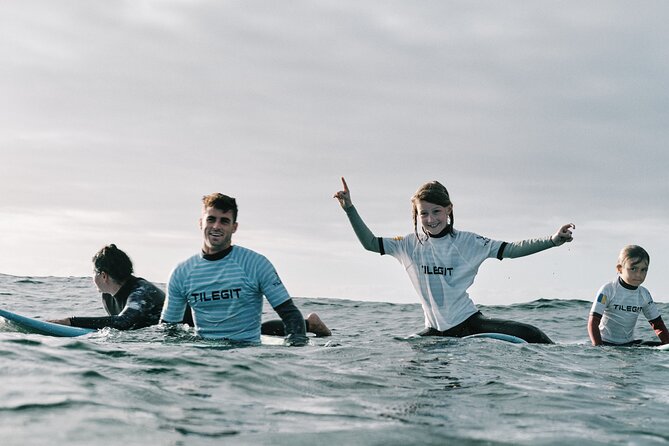
You don’t need prior experience. That’s the point. The lesson is built to get you from zero to at least a few solid attempts.
The most repeated theme across feedback is patience. People praised instructors for explaining things clearly, giving technique tips, and staying calm when you don’t get it immediately. One person even said the teacher was extremely patient and helped them get up and surf a few waves.
Technique focus you’ll actually use
Even without a detailed syllabus listed, beginner coaching usually targets the same skills. Based on what people described, you’ll likely be coached on:
- where to position on the board before the wave
- how to paddle efficiently (so you’re not exhausted and out of position)
- how to time your pop-up
- how to try again after a wipeout without losing focus
You’ll also hear encouragement that’s practical, not just hype. People used words like thorough, patient, and knowledgeable for a reason: corrections that match what you’re doing in the moment help faster.
If you’re returning for a second lesson
A couple of people said they booked a second session right away because they wanted more practice. That’s a good sign for beginners: once you understand the basics, improvement tends to come quickly when you keep showing up.
The Ocean Factor: Crowds, Wave Difficulty, and Why Expectation Management Helps
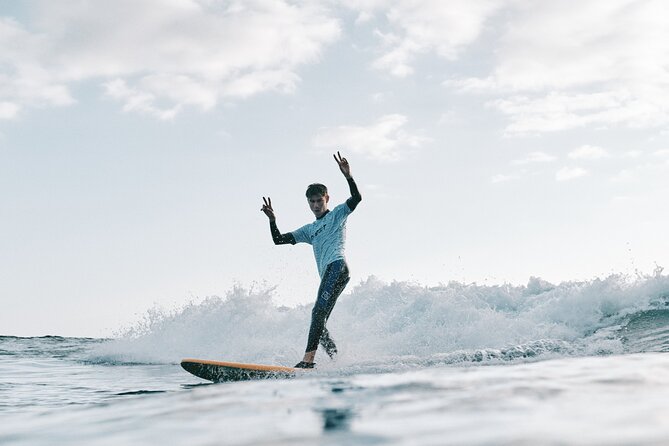
Tenerife surf conditions can vary, and Playa de las Américas can get busy. One person specifically said the ocean felt too crowded, worrying them about getting in someone else’s space. Another note praised the school but mentioned that there were simply too many people in the surf area.
So here’s the balanced take: the lesson is small-group on land, but water conditions can still change how crowded the lineup feels. If you’re easily stressed by sharing space, arrive with the mindset that the coach will handle safety and positioning.
Wave difficulty is part of learning
You might get waves that feel challenging at first. At least one beginner described the waves as difficult but said it was excellent for their first try. That’s actually good news: if you never get challenged, you don’t get a real learning curve. You just get disappointed.
The key is whether you feel coached and whether the session keeps moving. Some people reported lots of bruises and little to no riding time when the spot felt wrong and instructions were lacking. That’s not the dominant theme, but it’s worth respecting if you hate waiting or you’re injury-prone.
Gear and Comfort: What to Expect When You’re Using Provided Equipment
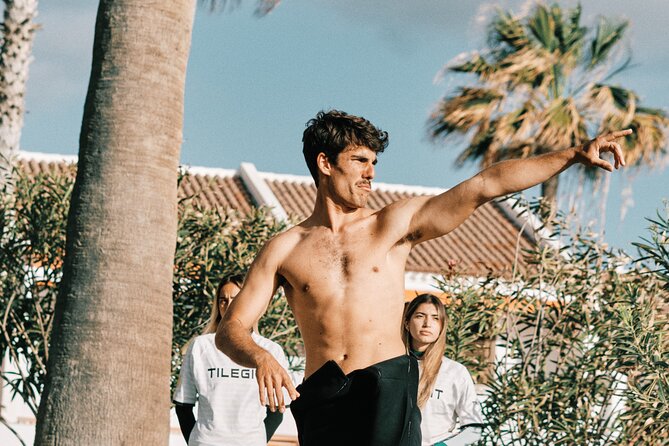
Gear quality isn’t described in detail, but the feedback gives you a clue. Most people mentioned comfortable gear, and at least one described it as swift training with gear that worked well.
Still, one person said the gear was mediocre and that instructions were not good. That’s a reminder: surf lessons depend on conditions and setup, and quality can vary session to session.
Where you can manage belongings
One helpful detail: there’s mention of a place to change clothes and store items—described as a scout area—so you don’t have to lug everything around in wet clothes.
If you do that, bring whatever you need to stay decent and comfortable, like a way to keep personal items dry between attempts.
Price and Value: Is $53.21 for Two Hours a Good Deal?
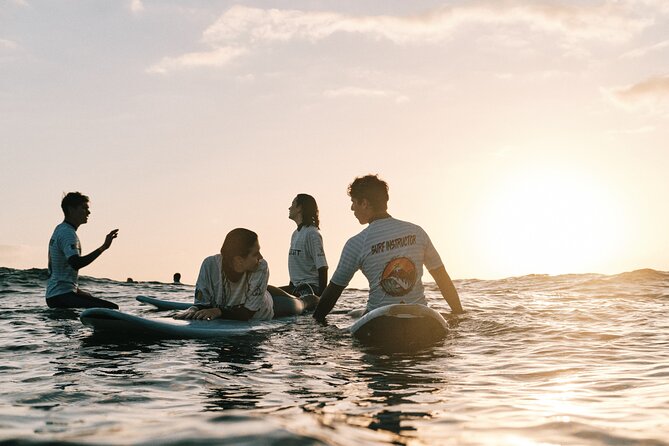
At $53.21 per person for about 2 hours, this sits in a reasonable range for Tenerife activities, especially when you’re looking at a max 8-person group and English instruction. The value comes from the setup: you’re paying for coaching time, not just being dropped off at a beach with boards.
Two-hour lessons can sound short, but beginner surfing includes instruction, practice, and resets. Also, if you’re learning something new, the first session often includes more learning moments than you feel in the water at the time.
The rating tells you people generally think it’s worth it: a 4.9 rating with strong recommendation odds. That suggests the majority of sessions hit the mark on teaching style, patience, and safety.
The real value test for you
Ask yourself what you want most:
- If you want guidance that helps you stand and catch waves, small-group coaching tends to pay off.
- If you want maximum time riding waves with minimal paddling and minimal waiting, you may be frustrated because ocean time is unpredictable and paddling is unavoidable.
Getting There: The Parque Santiago II Meeting Point and a Smooth Start
Your meeting point is Parque Santiago II, Av. Rafael Puig Lluvina, 32, 38650 Playa de la Américas, Santa Cruz de Tenerife, Spain. You’ll return back to this same point at the end.
It’s also described as near public transportation, which helps if you’re staying somewhere in Playa de las Américas and don’t want to stress about parking.
Practical timing tip
Start time is 4:30 pm. Because the lesson may adjust the exact plan based on ocean conditions, I’d aim to arrive early enough to settle and not feel rushed. Surf sessions can feel chaotic when you’re already late.
Also, expect confirmation at booking, and you’ll get a mobile ticket. Bring your phone with the ticket ready, and you’ll avoid the last-minute scramble.
Who This Surf Lesson Suits Best (and Who Might Want to Rethink It)
This is designed for beginners. No surfing experience is necessary, and the overall tone of the instruction is patient and supportive. If you’re going to Tenerife for active fun and you’d like a clear plan for your afternoon, this fits nicely.
It also seems to work for families and kids in some cases, with at least one mention that children were taken care of too. That’s a good sign if you’re traveling with mixed experience levels.
Consider a different plan if…
If you’re the type who gets upset when you don’t ride constantly, this might test your patience. One person said pedaling time took too long and they wanted more time on the surfboard. Another noted crowded water can be stressful.
And if you’re highly sensitive to bruising or wipeouts, remember that learning surf involves physical effort. Even positive experiences described the water as hard work.
Should You Book This Group Surf Lesson?
I’d book it if you’re a beginner who wants real coaching and you like the idea of small-group attention at a major Tenerife beach. The strong overall rating and recommendation rate point to consistently helpful instruction and instructors who stay patient—names like Mike, Álvaro, Andreas, Mano, June, and Manu show up as the kind of guides people remember.
I’d think twice if your top goal is guaranteed lots of riding time with minimal waiting. Ocean conditions and crowd levels can shape the feel of the session, and one-off bad spots or too many people can reduce riding time.
If you’re okay with the learning curve—paddling, wipeouts, resets—this is a very practical way to get your first real surf experience in Playa de las Américas.
FAQ
How much does the group surf lesson cost?
It costs $53.21 per person.
How long is the surf lesson?
The duration is about 2 hours.
Do I need surfing experience?
No experience is necessary. This is set up for beginners.
What language is the lesson taught in?
The lesson is offered in English.
How many people are in the group?
The group size is capped at a maximum of 8 travelers.
Where do I meet for the lesson?
You meet at Parque Santiago II, Av. Rafael Puig Lluvina, 32, 38650 Playa de la Américas, Santa Cruz de Tenerife, Spain.
What time does the lesson start?
The start time is 4:30 pm.
Can the meeting location or schedule change?
Yes. The exact location and schedule may change based on surf conditions.
What is the cancellation policy?
You can cancel for a full refund if you cancel at least 24 hours before the experience’s start time. If you cancel less than 24 hours before, the amount paid is not refunded. Changes within 24 hours of the start time aren’t accepted.