REVIEW · TENERIFE
Tenerife: Surfing Lesson for All Levels, Photos included
Book on GetYourGuide →Operated by Shaka Surf Tenerife · Bookable on GetYourGuide
Surfing in Tenerife is pure momentum. A 2-hour lesson on Playa de las Américas turns nerves into waves. I love how close the school is to the water and how certified instructors guide you step-by-step, even when conditions get choppy. I also really like that you leave with included photos, so you can replay the best moments later. A fair consideration: this session isn’t suitable for non-swimmers (and it’s not for pregnant women), and the ocean can be strong enough that you need to trust the safety plan.
Here’s what makes this one work: you get a practical flow instead of a vague intro. There’s gear support, a short theory block, and then you’re in the water learning the real movements—paddling, positioning, and how to take off.
If you’ve been watching surfers and thinking I should try that, this lesson is built for you. Just be ready for wetsuit time and the reality that wave quality can vary, so your coach may shift where you practice to keep learning safe.
In This Review
- Key Things I’d Book This For
- Playa de las Américas Makes Learning Feel Possible
- What You Actually Get for $50 (And Why It’s Decent Value)
- Your 2-Hour Lesson Flow: From Theory to Your First Wave
- Coaches That Teach Like You’re One of Their Own
- Small Group Size Means You’re Not Just Waiting Your Turn
- What to Bring, and What to Know Before You Go In
- Included Photos: Better Than You Think
- Logistics That Keep the Day Easy
- When You Should Skip This Lesson
- Who This Surf Lesson Suits Best
- Should You Book Shaka Surf Tenerife?
- FAQ
- How long is the surfing lesson?
- Where do I meet the instructor?
- Is hotel pickup included?
- What’s included in the price?
- Is this lesson for beginners?
- How big is the group?
- What languages are the instructors available in?
- What should I bring?
- Is it suitable for non-swimmers?
- Can I get a refund if plans change?
Key Things I’d Book This For
- Small group of up to 6 means you get real attention, not a crowd.
- Official FCS-style surf school setup with certified instructors running the session.
- Theory in plain language (about 20 minutes) before you go out.
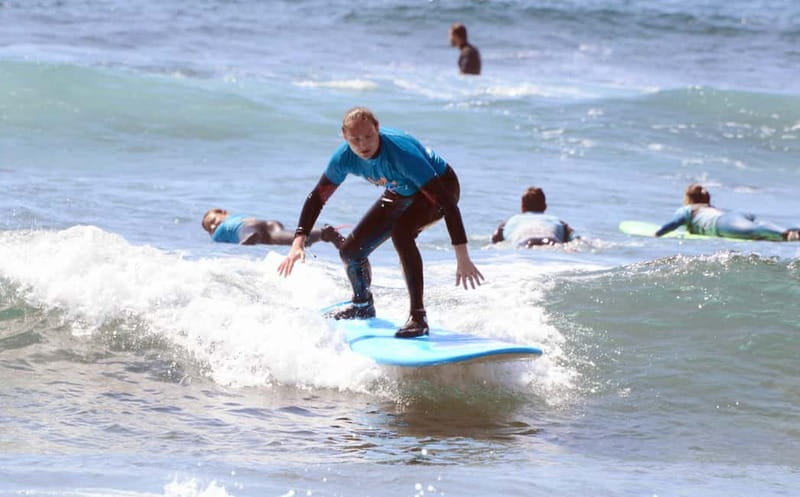
- Coaches get in the water to help with balance, positioning, and catching waves.
- Photos included so you can keep memories beyond the lesson.
- Gear and comfort basics are handled: wetsuit, water shoes, and lycra.
Playa de las Américas Makes Learning Feel Possible
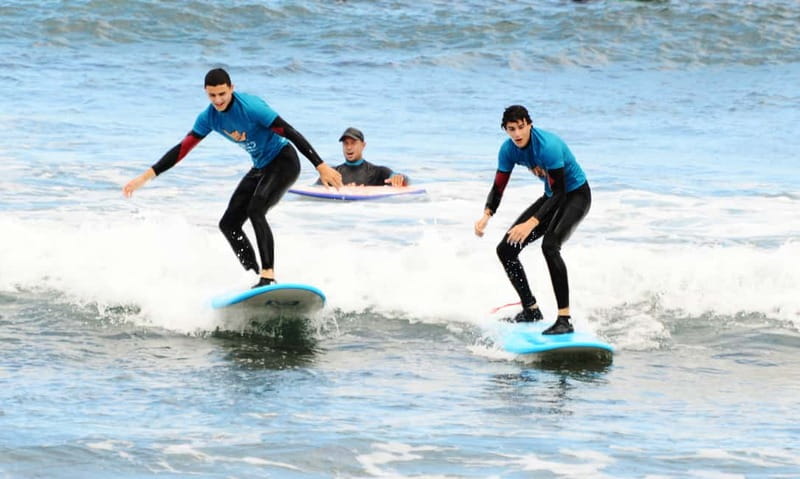
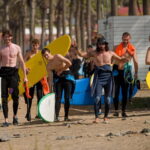
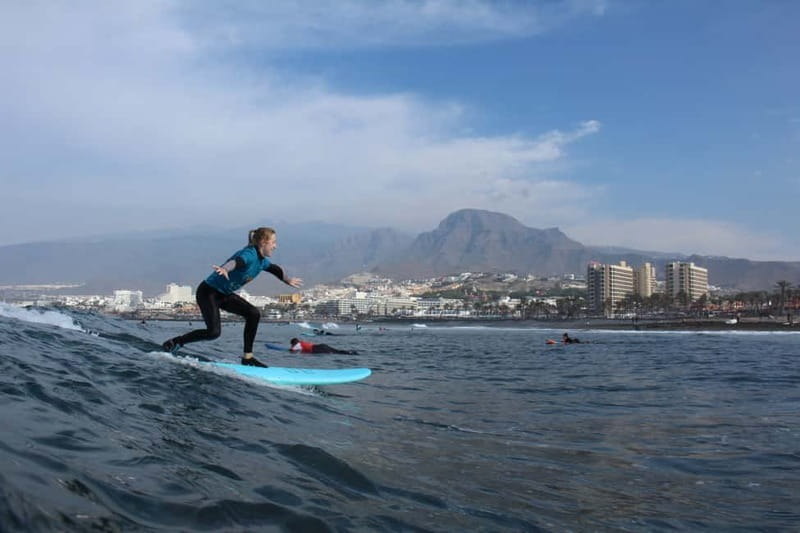
Playa de las Américas sits in the south of Tenerife, and it’s a smart choice for a first lesson. The biggest reason is simple: you’re learning surfing on a beach where the surf-school logistics are straightforward. The Shaka Surf Tenerife school is about 30 meters from the waves, so you’re not burning time walking and re-organizing gear.
That closeness matters more than people think. When you’re new, you want quick transitions: wetsuit on, quick explanation, then you’re already moving toward the water. You also feel less intimidated because the ocean is right there, not a long trek away where you start doubting yourself.
You can also read our reviews of more photography tours in Tenerife

What You Actually Get for $50 (And Why It’s Decent Value)
At $50 per person for a 2-hour lesson, the value comes from what’s included—not just the instruction.
Here’s what you get as part of the session:
- Surfboard
- Wetsuit, water shoes, and lycra
- A 20-minute theory segment
- Certified instructors
- Snack and water
- Shower after surf
- Insurance
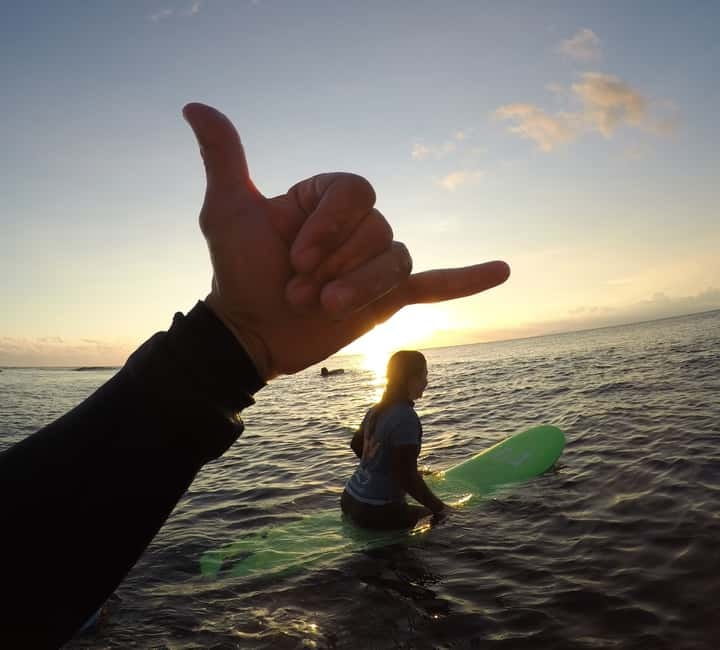
- Photos taken during the lesson
The included insurance and post-surf shower are small things that make the experience smoother. You’re not trying to figure out how to handle basic logistics after you get salty and wet. The snack and water also helps you avoid that shaky feeling mid-activity when you’re cold, tired, or just nervous.
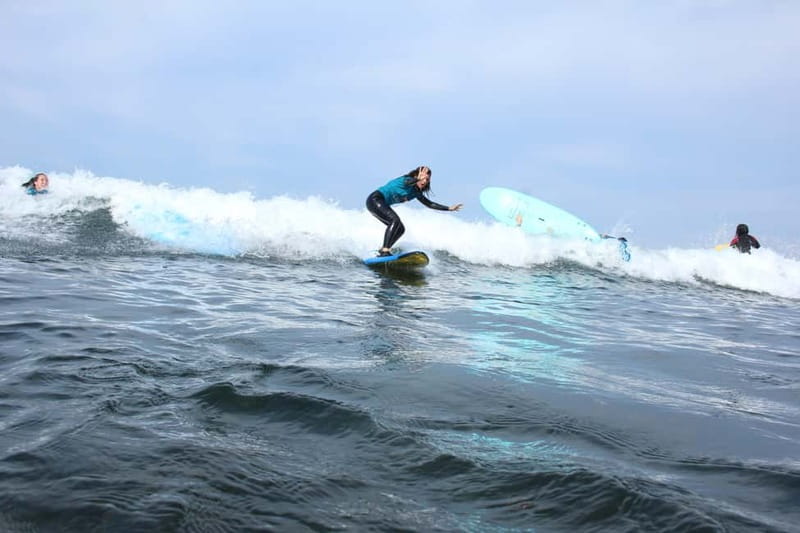
And the photos are not an afterthought. Many people come away saying the photos looked great, and that matters because surfing is one of those sports where your memory of success can be blurry. Catching the shot of you kneeling or standing—like the instructors help you aim for—turns into a real keepsake.
Your 2-Hour Lesson Flow: From Theory to Your First Wave
This lesson is paced for beginners and for people who want to refine. You’ll start near the school and meet your guide 15 minutes before the class so you’re ready to move quickly.
The session typically follows this structure:
- Get geared up: wetsuit, water shoes, and lycra.
- Theory part (about 20 minutes): core techniques like paddling, taking off, board positioning, and how to paddle correctly.
- Warm-up on land: before you head into the water.
- In the water: practice with coaching and safety support.
If you’ve never surfed, the order helps. The theory is short enough to stay focused, but it’s still specific. They don’t only say stand up and good luck. They talk through the movements you need—where your body should be and what your hands and legs do during paddling and takeoff.
Then the warm-up is there for a reason: surfing uses muscles you don’t always expect, especially when you’re learning balance. You’ll feel it in your shoulders and core. Getting warmed up first helps you learn longer without burning out.
Coaches That Teach Like You’re One of Their Own
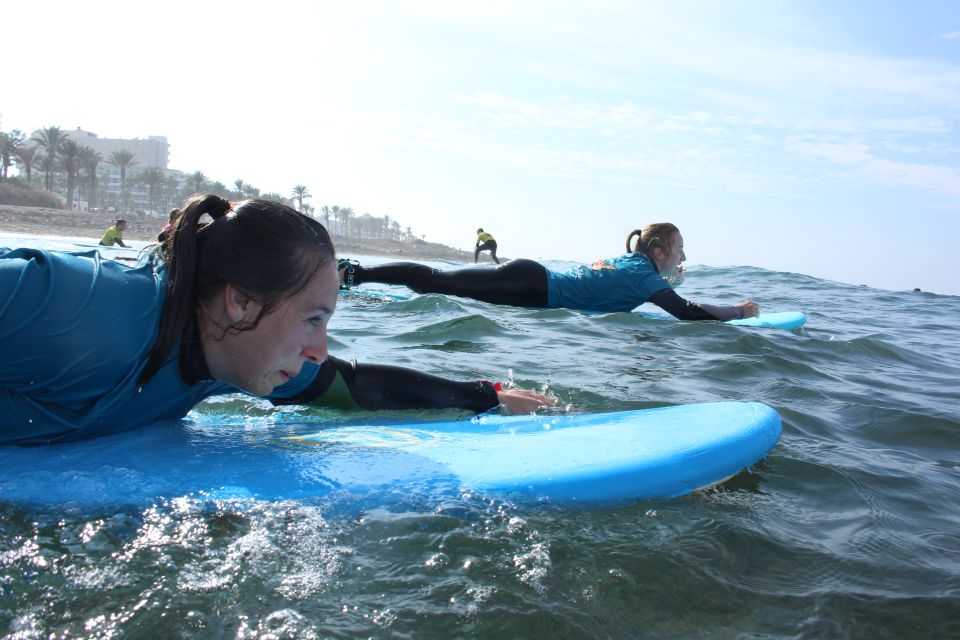
The best part of this surf lesson is how the instructors actually coach in the water. I’m not looking for one person talking from the sand while you struggle alone. Here, you get hands-on guidance and encouragement.
From what you can see in the results, instructors like Rodri, Gabriele, Calvin, Kaia/Kaja, Marco, Juan, and Josh have a consistent style: patient, clear instruction, and support during the chaotic part when the wave knocks you off and you have to reset.
A few things you’ll likely experience:
- Step-by-step cues so you know what to do next, not just what went wrong.
- Coaches using a mix of calm reassurance and direct coaching when waves are stronger.
- Adjustments when conditions aren’t ideal. One common theme in feedback is that if the waves are bigger, the group may shift to a quieter spot to keep the session effective.
If you’re advanced, you’re not trapped doing only beginner drills. You can tell your coach what you want to work on, and your session can be tailored to improve technique—often that means better positioning and cleaner takeoffs rather than just chasing the biggest waves.
Small Group Size Means You’re Not Just Waiting Your Turn
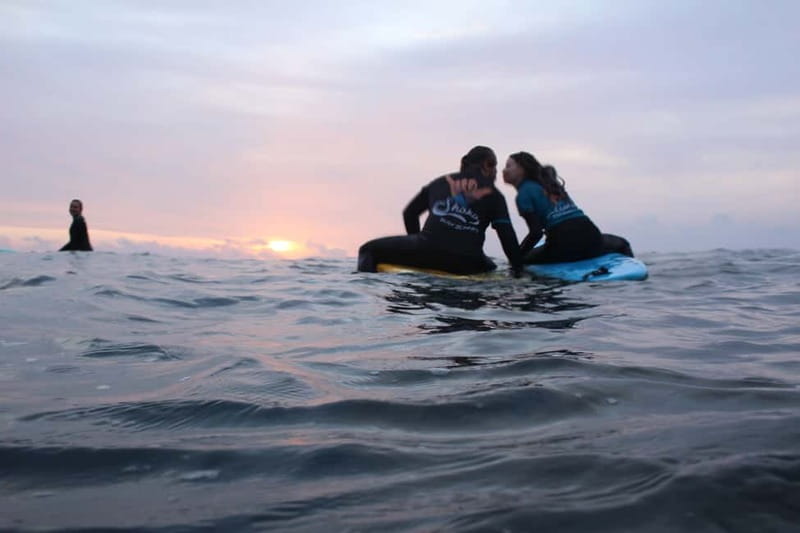
This is limited to 6 participants, which changes the whole feel of the lesson. In group activities, the worst problem is time wasted waiting while the instructor helps other people. Here, the small size makes it more likely you’ll get repeated feedback.
It also means the coaches can correct your form quickly. On your first lesson, your body is still learning how to coordinate paddling and balance. If you get one instruction after another, you want it to land while the movement is fresh. Smaller group sessions usually do that better.
A few more Tenerife tours and experiences worth a look

What to Bring, and What to Know Before You Go In
You’ll want to show up with:
- Swimwear
- A towel
That’s the minimum. Plan for the wetsuit process. Several people mention practical tips like wearing underwear under the rental wetsuit, which can make the whole thing more comfortable.
Also, be honest about your comfort in the ocean. This is not suitable for non-swimmers. Even if you’re physically fit, surfing involves being in open water where you get hit by waves and need to recover and reset. If that makes you anxious, tell your instructor right away during the theory part. Good coaches will talk you through it and adjust at your pace.
One more reality check: you can’t control wave conditions. Even when the forecast looks good, the ocean decides the day’s difficulty. That said, you can still learn a lot when your coach chooses the right practice area and focuses on the right skills.
Included Photos: Better Than You Think
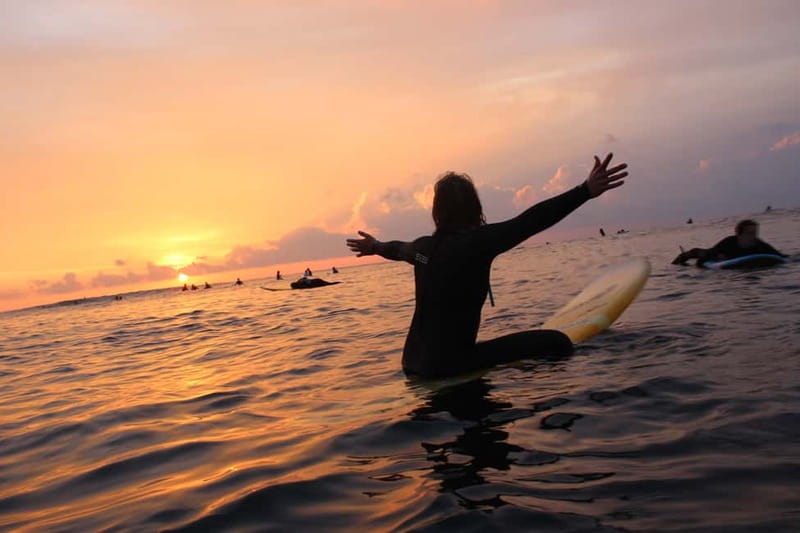
Free photos are often offered and then delivered as vague snapshots. Here, the feedback emphasizes that the photos are actually clear and worth keeping. You’re not just getting proof you were there; you’re getting images that show technique and moments you’d forget in the excitement.
Because the lesson includes both coaching and time in the lineup, your instructor can capture the movement stages that matter: paddling setup, kneeling balance, and short rides when it clicks. It’s a big confidence boost when you can see yourself progressing.
Logistics That Keep the Day Easy
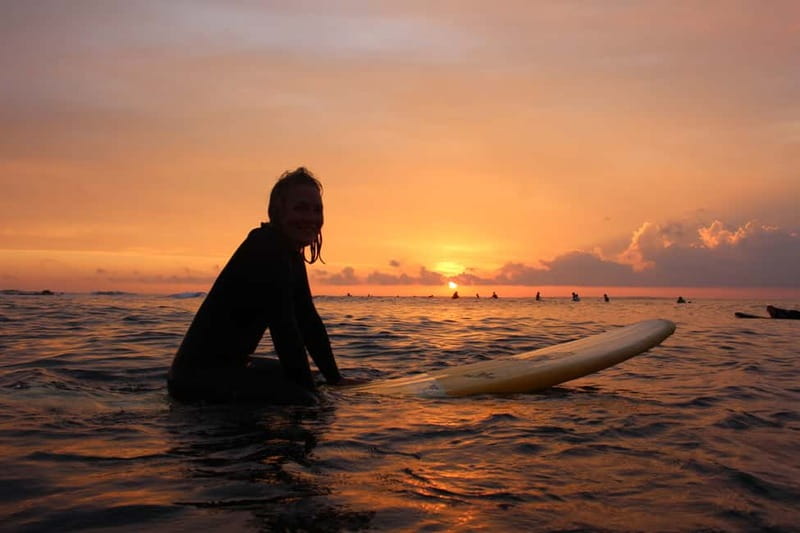
This is a focused, low-stress experience because it doesn’t require a complicated schedule.
A few logistics notes that matter:
- No hotel pickup/drop-off is included, so plan your own way to the meeting point.
- You meet at Shaka Surf Tenerife and should arrive 15 minutes early.
- They ask you to send a WhatsApp message for more details on the meeting point.
The reason I’m mentioning this: when you’re new to a water sport, you don’t want last-minute confusion. Get the meeting point sorted ahead of time, show up early, and you’ll spend the day on the ocean instead of figuring out directions.
When You Should Skip This Lesson
You should skip this specific activity if:
- You are pregnant (not suitable).
- You are a non-swimmer.
That’s not harsh gatekeeping. It’s about safety and the reality of surfing. Getting knocked off a board is part of learning, and being comfortable swimming in open water is essential.
If you have limited swimming ability but can swim enough to feel safe, you should still confirm your comfort level directly with the school before booking. The coaches can guide you, but they need you in a baseline category where safety rules are workable.
Who This Surf Lesson Suits Best
This lesson is ideal for:
- Absolute beginners who want structured basics and real coaching.
- Intermediate surfers who want technique refinement, especially around positioning and takeoff.
- Anyone who wants photos and a smooth day setup without extra planning.
It’s also a good fit for people who get nervous trying new sports. Multiple instructors are described as patient and supportive, and one theme is making you feel safe when the waves get stronger. If you’re the type who learns faster when someone stays encouraging and practical, you’ll likely enjoy this format.
Should You Book Shaka Surf Tenerife?
I’d book this if you want a surf lesson that feels organized, safety-minded, and genuinely hands-on. The $50 price feels fair because you’re getting gear, insurance, coaching in the water, a shower, a snack, and photos—together, not as separate add-ons.
Don’t book it if you’re a non-swimmer or you want an activity with zero interaction with changing ocean conditions. Surf is never fully controllable, but here you can count on the coach to manage learning through safer practice areas when needed.
If you’re on Tenerife and you’ve been thinking about surfing, this is the kind of lesson that turns the idea into a real skill—and it gives you a photo to prove it.
FAQ
How long is the surfing lesson?
The duration is 2 hours.
Where do I meet the instructor?
You meet at the Shaka Surf Tenerife school. Plan to arrive 15 minutes before the start time.
Is hotel pickup included?
No. Hotel pickup and drop-off are not included.
What’s included in the price?
It includes surfboard, wetsuit, water shoes, lycra, a theory part (about 20 minutes), certified instructors, snack and water, a shower after surf, insurance, and included photos.
Is this lesson for beginners?
Yes. It’s designed for beginners to learn from scratch and for more advanced surfers to refine technique.
How big is the group?
The group is small, limited to 6 participants.
What languages are the instructors available in?
Italian, English, Spanish, German, French, Slovenian, and Croatian.
What should I bring?
Bring swimwear and a towel.
Is it suitable for non-swimmers?
No. It’s not suitable for non-swimmers.
Can I get a refund if plans change?
You can cancel up to 24 hours in advance for a full refund.