REVIEW · TENERIFE
guided Scuba Diving on Tenerife (for certified divers)
Book on Viator →Operated by Scubanana Dive Center · Bookable on Viator
Clear water in Tenerife is hard to ignore. This guided scuba session in Radazul pairs private instructor support with flexible timing, so you can match the sea time to your trip.
I love the promise of warm water plus deep visibility, which makes it easier to enjoy what’s around you instead of fighting conditions. And one instructor name that keeps coming up is Jasper, described as a master dive instructor who runs sessions with real professionalism.
The main catch is simple: you must be a certified diver and physically ready to get in the water. If you’re not cleared medically or your schedule doesn’t work with the 12-hour pre-flight rule, this one may not be your best fit.
In This Review
- Key highlights and why they matter
- Where Radazul fits into Tenerife’s underwater scene
- Who this guided scuba session is best for
- Your 6-hour window: what you’re really signing up for
- Scouting the island for conditions (and why that’s smart)
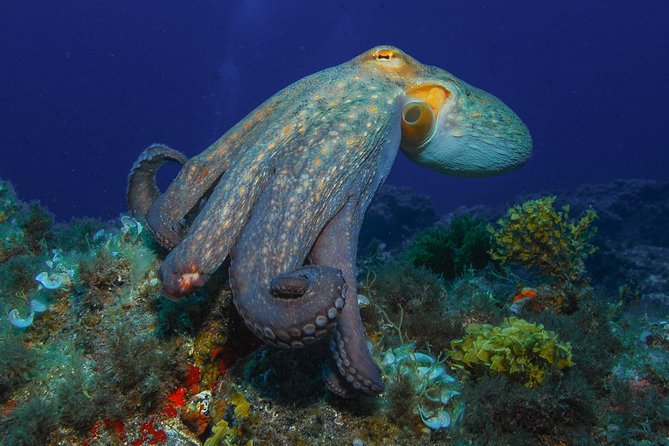
- Underwater wildlife and volcanic scenery you can aim for
- Depth options, comfort, and getting the most from your certification
- Scubanana’s team and instruction style that gets praised
- Gear, insurance, and what’s included vs. not
- Timing, meeting point, and how to plan your day
- Price and value: what $180.20 really covers
- Should you book this Tenerife scuba session?
- FAQ
- Where is the meeting point?
- What time does this session start?
- How long does the experience last?
- Do I need to be a certified diver?
- What’s included in the price?
- Are photos included?
- What language is the tour offered in?
- How many people are in the group?
- What should I know if I’m flying soon?
- What happens if the weather is poor?
Key highlights and why they matter
- Small group (max 4 divers): more attention, less waiting, and clearer feedback.
- Pick your timing: morning, afternoon, or late afternoon helps you plan around the rest of Tenerife.
- Sites across the island: conditions can vary, so you’re not stuck with just one option.
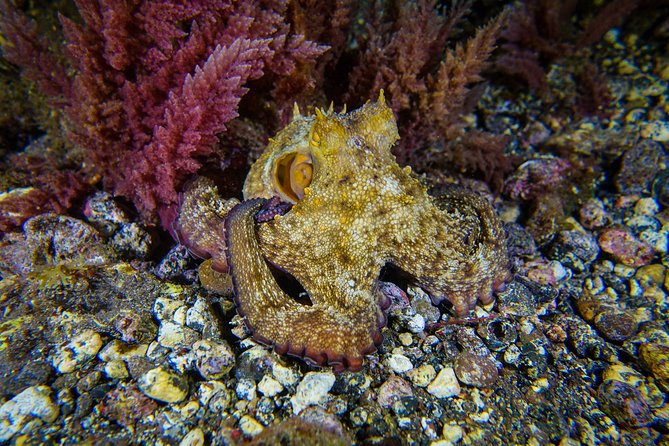
- Wildlife and volcanic scenery focus: you’re not doing this just for training checkboxes.
- Gear and insurance included: you show up and get properly kitted up.
- Jasper gets praised for instruction: calm, competent guidance helps your confidence underwater.
Where Radazul fits into Tenerife’s underwater scene
Tenerife is one of Spain’s best places to do serious water time, and the starting point here matters. You meet at Puerto Deportivo in Radazul, at Av. Colón, nº1, Santa Cruz de Tenerife. It’s close to public transportation, which is a plus if you’re mixing sea time with city plans.
What I like about this setup is that it’s not trying to force one “perfect” location. Instead, the team goes around the island to match what you want to see—volcanic formations, different depth experiences, and the animal life that lives in these waters.
Radazul also has a reputation for being steadier than Tenerife’s north. The north can get rough at times, but Radazul and nearby underwater sites are described as offering good conditions all year. That matters because calmer water often means less stress at the start, better control of your buoyancy, and a smoother overall session.
You can also read our reviews of more guided tours in Tenerife

Who this guided scuba session is best for
This experience is strictly for certified divers, and that’s not a formality. You’re expected to already know how to handle your gear and breathing on your own. The operator also notes you need to be physically in condition to dive, so you should be realistic about stamina, comfort in the water, and overall fitness.
The tour is also capped at 4 travelers, which changes the vibe. When groups are small, instructors can watch your technique and help you adjust faster—especially if you’re working on depth control or staying relaxed.
If you’re a diver who likes to learn, but you also want to spend real time looking out at the sea life, this fits. If you want a first-timer intro course, you’ll need a different kind of experience.
Finally, it’s for people with moderate physical fitness. That’s a good middle ground: not “athlete only,” but you should expect to handle the practical parts of getting ready, getting in, and staying comfortable through the hours on the water.
Your 6-hour window: what you’re really signing up for
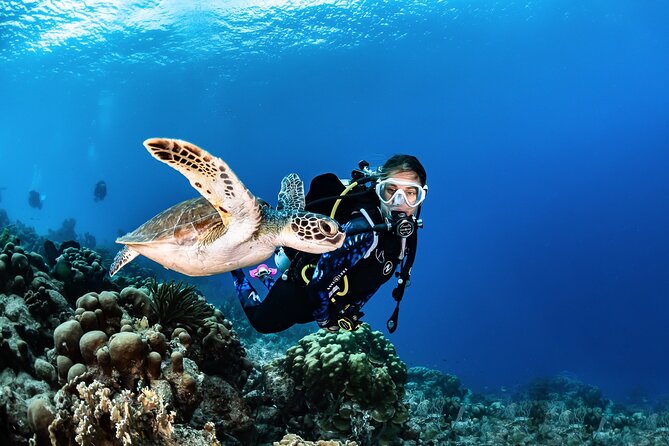
The session runs about 6 hours, with flexible start times available (morning, afternoon, or late afternoon). In practice, that means you’re not just doing a short splash and swim. You’re getting a full chunk of Tenerife underwater time, paced and managed by an instructor.
The promise here is “hands-on” guidance. With a small group, you should expect clear direction before entering the water and attentive support as you go. If you’re the type who likes to understand what you’re seeing and why the instructor is choosing a particular spot, you’ll probably enjoy the way they plan around your interests.
One practical detail: you should not do underwater activity within 12 hours of a flight. That’s a safety and planning rule you’ll want to respect. If your Tenerife trip includes a departure soon after your scheduled session, pick your timing carefully.
Also, the activity ends back at the meeting point at Puerto Deportivo, so you can plan the rest of your day without needing a complicated route change.
Scouting the island for conditions (and why that’s smart)
Tenerife’s underwater world is great, but the sea surface can be a mood. The operator specifically notes that the north can be rough at times. That’s exactly the kind of detail that helps you pick a better experience—because it’s often the deciding factor in whether your time feels smooth or choppy.
The good news is that they’re not locked into one location. They run underwater sessions around the island, looking for what fits best:
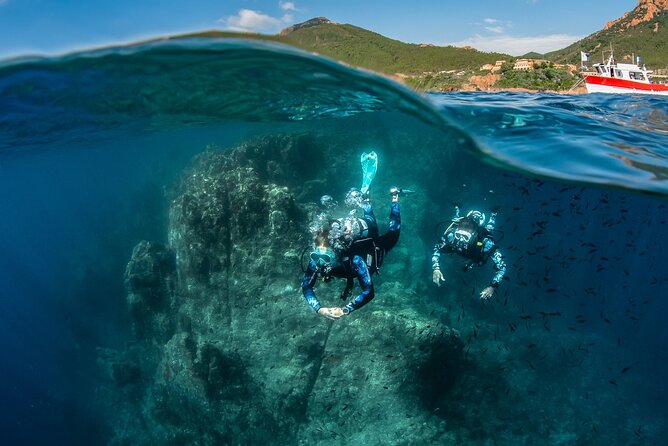
- volcanic underwater landscapes
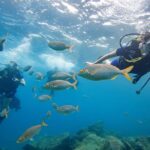
- sea life and colorful fish
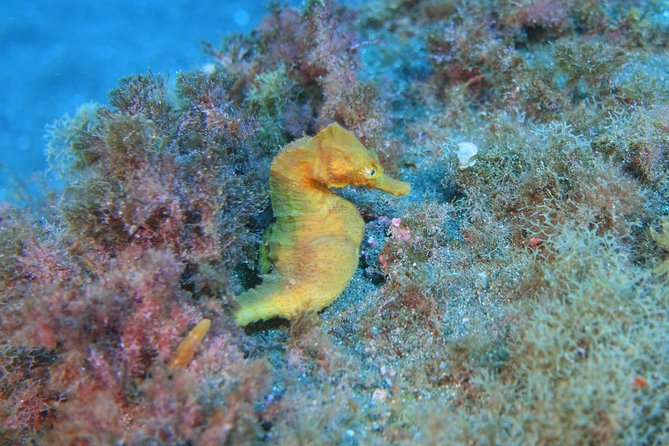
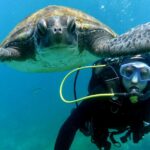
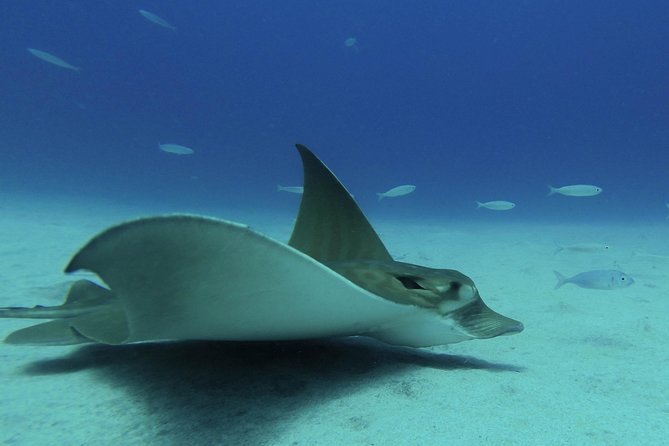
- bigger highlights like sting rays and turtles
- smaller life you notice if you slow down, like nudibranchs
- a range of depths depending on your comfort and certification
They also mention that your depth limit might be -18m or even -40m. That’s a wide range, and it’s a signal that the team plans routes based on what you’re cleared for and what you actually want to do.
If you’ve ever done a trip where you got stuck in whatever weather allowed, this “conditions-first” approach is a real value. It helps protect the parts you came for—seeing wildlife and enjoying the underwater scenery—rather than just surviving the day.
Underwater wildlife and volcanic scenery you can aim for
One of the strongest draws here is the variety of what you can see. The operator’s description covers everything from dramatic geology to “look closer” creatures, and the best part is that you’re not being told to ignore your personal interests.
You may spend time around:
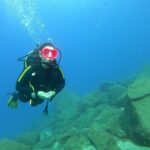
- volcanic underwater landscapes (the kind of scenery that makes the seafloor feel like another world)
- colorful fish and general reef life
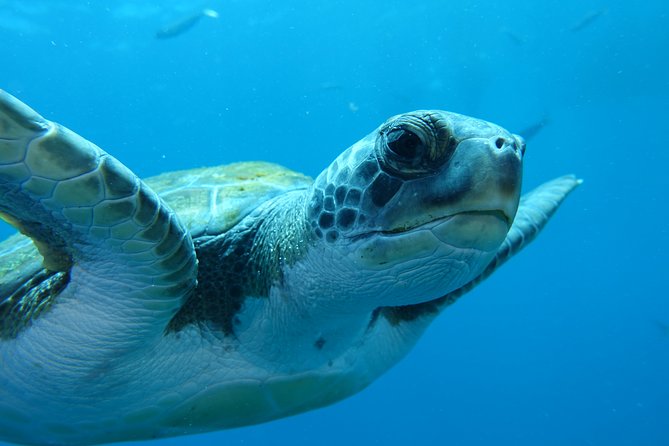
- sting rays and turtles, when conditions and location align
- nudibranchs, those tiny sea slugs that reward patience
The practical takeaway? This isn’t only about ticking boxes. It’s about letting the instructor guide you to the kinds of sights you’re excited by, whether that’s big animal encounters or slower, detail-focused critters.
And because the group is small, you’re more likely to have time to look without constantly rushing to keep up. That matters. Good underwater experiences feel like you’re learning how to notice, not just moving through a checklist.
You can also read our reviews of more scuba diving tours in Tenerife
Depth options, comfort, and getting the most from your certification
This is built for certified divers, and the depth mention gives you a clue about how they think. They talk about possible limits at -18m or -40m, depending on your certification and comfort. That doesn’t mean everyone goes to the same depths. It means the team is prepared to match the plan to real diver levels.
So if you’re more comfortable staying shallower, you can still have an excellent time. If you’re training or aiming for more challenging depths (within your clearance), there’s room for that too.
My advice: be honest with your instructor during the pre-water talk. If you’re going to be anxious about depth, say so early. In a small-group setting, that kind of clarity usually leads to a better plan—one that protects both safety and enjoyment.
Also, remember that the day’s conditions affect comfort underwater. Even if you’re cleared for a deeper outing, choppy surface conditions and water movement can make a deep day feel harder than it should.
Scubanana’s team and instruction style that gets praised
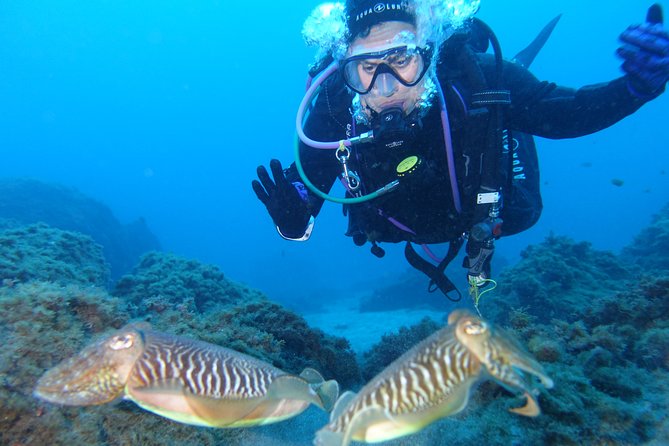
The operator here is Scubanana, and the standout instructor name you’ll see in reviews is Jasper—called a master dive instructor. That’s not just a title. The comments emphasize professionalism and attentive guidance.
What that should mean for you: you’re not being left to figure things out. The focus is on top locations above and below the water, plus guidance once you’re in. In other words, you should come away feeling like you understood the plan and the sights, not just that you completed a session.
This is especially valuable if you’re traveling and don’t know Tenerife’s underwater geography. When you have a team that knows where conditions are likely to behave well, you spend more time watching sea life and less time wondering whether your spot was chosen because it was available, not because it was right.
Gear, insurance, and what’s included vs. not
You’ll get what you need for the experience:
- a diving instructor
- diving/underwater gear
- underwater activity insurance
- local taxes
You’ll also want to know what’s not included: photos. If you want images from the day, you’ll need to arrange that separately (or plan to use your own camera if you have one and your setup is allowed).
I like the inclusion list because it removes friction. Choosing Tenerife for water time is exciting, but it’s also annoying when you have to coordinate gear rentals, insurance coverage, and last-minute checklists. Here, most of the essentials are handled so you can focus on getting ready, staying calm, and enjoying the experience.
One more practical note: service animals are allowed. If you travel with one, it’s good to confirm details with the provider when booking, but this is explicitly supported.
Timing, meeting point, and how to plan your day
You start at 9:00 am for this specific schedule, meeting at Puerto Deportivo in Radazul. The operator also offers morning, afternoon, and late afternoon timing options, which means you can pick the slot that fits your energy level and your other plans on Tenerife.
Because the activity is about 6 hours, you should treat it like a main event day. Don’t plan a long drive, major hike, or anything that leaves you drained right beforehand.
Also, Tenerife’s weather can be a factor. The operator notes the experience requires good weather. If conditions aren’t right, you’ll be offered a different date or a full refund. That’s a fair approach and, honestly, the kind of policy that protects divers.
My practical advice: build in some flexibility. If your schedule is packed with zero wiggle room, you might feel stressed if weather forces a change. If you can keep a buffer day or two, you’ll get more from the trip overall.
Price and value: what $180.20 really covers
At $180.20 per person, this isn’t a bargain-bin activity. But it also isn’t just “pay and go.” You’re paying for instructor time, gear, insurance, local taxes, and a plan that adapts to conditions around the island.
Here’s how I judge value for scuba-style experiences:
- Are you getting a real instructor, not just a guide who checks you in?
- Is the group size small enough for feedback and safety?
- Does the operator handle gear and insurance so you’re not scrambling?
- Are you getting a full half-day slot, not a rushed chunk?
Based on what’s listed, you check those boxes. The small group limit of 4 divers is a particularly meaningful value element. In water activities, that often translates to better attention per person, which you’ll feel during the session rather than only as a marketing promise.
If photos were included, you’d also have another value boost, but they’re not. Still, the core service is well-defined and covered.
Should you book this Tenerife scuba session?
Book it if:
- you’re a certified diver and want instructor-led support
- you care about seeing specific sea life like sting rays and turtles, or noticing smaller critters like nudibranchs
- you prefer calmer planning rather than hoping the north behaves
- you like a small group and want real attention, not a crowded cattle-car setup
Skip it (or look elsewhere) if:
- you’re not medically or physically cleared to participate
- you need to fly soon and can’t respect the 12-hour rule around underwater time
- you want included photos and aren’t willing to arrange your own
If your goal is a professional, well-paced underwater outing on Tenerife—with strong odds of good conditions from Radazul—it’s a smart pick.
FAQ
Where is the meeting point?
You meet at Scubanana in Puerto Deportivo, Av. Colón, nº1, 38109 Radazul, Santa Cruz de Tenerife, Spain.
What time does this session start?
The listed start time is 9:00 am.
How long does the experience last?
It runs about 6 hours (approx.).
Do I need to be a certified diver?
Yes. This activity is only for certified divers.
What’s included in the price?
Included: an instructor, diving/underwater gear, underwater activity insurance, and local taxes.
Are photos included?
No, photos are not included.
What language is the tour offered in?
It’s offered in English.
How many people are in the group?
Maximum group size is 4 travelers.
What should I know if I’m flying soon?
You should not do underwater activity 12 hours before a flight.
What happens if the weather is poor?
The experience requires good weather. If it’s canceled due to poor weather, you’ll be offered a different date or a full refund.