REVIEW · MARBELLA
Marbella Old Town: Group Tour with a True Local
Book on GetYourGuide →Operated by Tour Marbella · Bookable on GetYourGuide
Marbella Old Town has a way of surprising you fast. This 1.5-hour group walk packs the big story of the city into tight streets, with stops you can’t easily find on your own and a real taste of regional life. I love the small-group feel and the way the guide connects sights to what changed after the 1485 reconquest, so the town feels like a timeline instead of random buildings. I also love the extra virgin olive oil tasting, which gives you something practical to buy and remember.
Here’s the one catch: it’s a rain-or-shine walk, and you’ll need comfortable shoes for the uneven old-town streets and quick transitions between viewpoints.
In This Review
- Key reasons this tour works
- What you’re really buying with this $29 Old Town walk
- Starting at Alameda Park: quick, central, and easy to find
- Avenida del Mar: the transition from modern Marbella to old-town thinking
- Capilla San Juan de Dios: a short stop that adds meaning
- Plaza Altamirano: where the guide helps you read the city
- Torre de la Pólvora: one of those stops that clicks later
- The 1502 palace stop: the “wow” moment you can build around
- Plaza de los Naranjos: the finish point that doubles as your next plan
- Olive oil tasting: why this stop is more useful than it sounds
- Pace and group size: small-group comfort for tight streets
- Weather and what to pack for a comfortable walk
- Who this tour is best for (and who might skip it)
- The short, honest “should you book” verdict
- FAQ
- How long is the Marbella Old Town walking tour?
- Where do I meet the guide?
- Is the tour in English?
- Does the tour run in bad weather?
- Is transportation included?
- What’s included in the price?
- What should I bring with me?
Key reasons this tour works
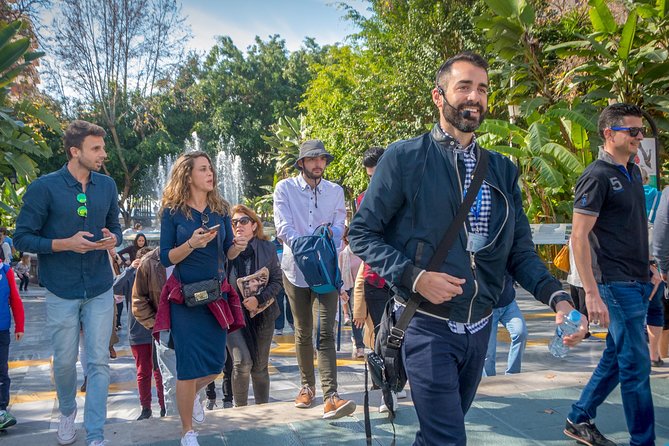
- A local licensed guide who turns street corners into a clear story of Marbella’s past
- Arab medina to Christian reconquest context, built into what you see as you walk
- A palace dating back to 1502, a standout moment that gives the trip historical weight
- Torre de la Pólvora and central plazas that help you orient yourself for independent exploring later
- Olive oil tasting that’s free of charge (when available), with guidance on what you’re tasting
- Good pacing for 1.5 hours, including multiple short photo-and-story stops
What you’re really buying with this $29 Old Town walk
For $29, you’re not paying for a long day out. You’re paying for a focused route with a local guide, plus a structured “best-of” thread through the old center: major squares, a chapel, a tower, and the kind of historical context that helps you understand why Marbella looks the way it does today.
The value is the mix of orientation + interpretation. You’ll walk through key areas like Alameda Park and the central Plaza de los Naranjos, but the payoff is the guide’s narration that explains the city’s layers—especially the shift from the old Arab medina period into the period after the Christian reconquest in 1485.
And yes, that olive oil tasting matters. It’s not just a snack stop. It’s a chance to understand what people in this region actually mean when they talk about extra virgin olive oil, and it can turn a vague souvenir plan into a confident purchase.
You can also read our reviews of more tours and experiences in Marbella.

Starting at Alameda Park: quick, central, and easy to find
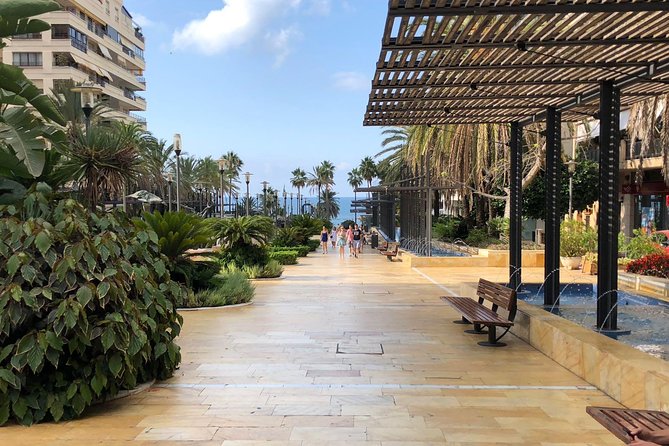
Your meet-up is in the center of Alameda Park, by the fountain Virgen del Rocio. This is a smart starting choice because it gets you out of the “where do we even start?” problem. If you’re already wandering around Marbella, you can likely build the rest of your day around this area.
From there, the tour follows a path that moves you through the main approaches into the old town. Alameda Park is where you’ll get your bearings, and it sets a relaxed tone for what comes next: short guided segments, then walking.
Practical tip: wear shoes you’d be comfortable in for city walking that doesn’t always feel perfectly level. Even a “short” 1.5-hour tour can feel longer if your feet are unhappy.
Avenida del Mar: the transition from modern Marbella to old-town thinking
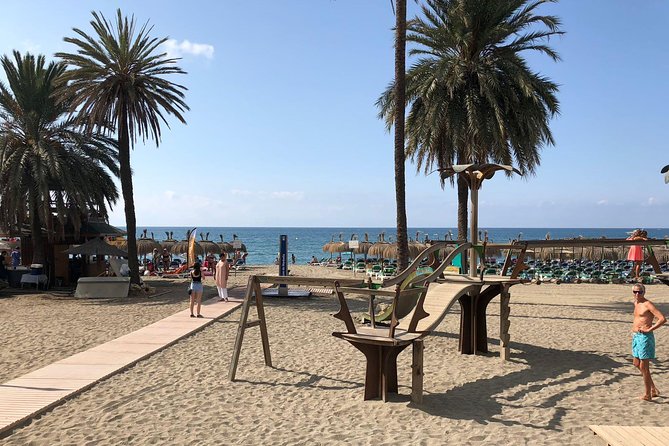
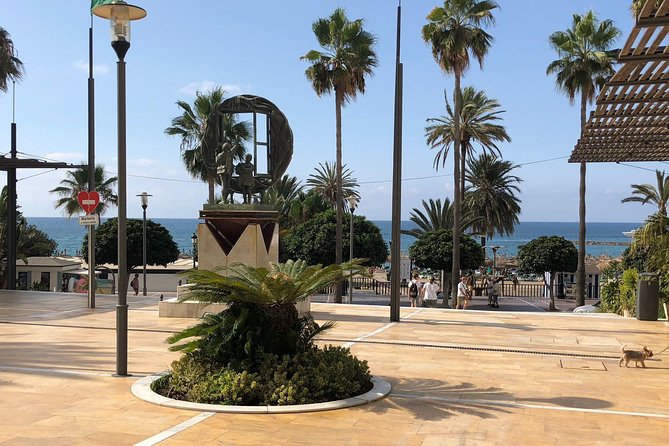
After Alameda Park, you’ll move along Avenida del Mar for a guided segment. This stretch helps you understand Marbella as a living town rather than a museum piece. You’ll go from a more open, park-and-boulevard feel into tighter old-town geometry, where details matter more.
The guide’s job here is important: they’re setting up the theme for the rest of the walk—Marbella’s development through different eras. That’s how you end up noticing things you’d normally rush past: street alignments, the way plazas open up, and why certain buildings feel like “anchors.”
If you like travel where history is tied to real streets (not just facts spoken at a distance), this transition is a big part of the experience.
Capilla San Juan de Dios: a short stop that adds meaning
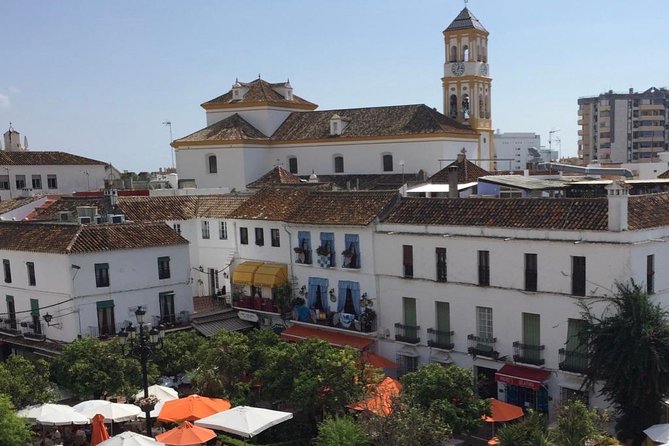
Next comes Capilla San Juan de Dios. It’s brief—just a short guided segment—but chapel stops like this are useful because they add a human scale to the story of the city. You’re not only looking at exterior landmarks; you’re getting some context for what those spaces have meant over time.
Because the time here is short, don’t expect this to replace a full church visit on a separate day. Instead, treat it like a “zoom in.” The guide’s explanations are what make it worth your time, especially for understanding how different cultural periods left their marks.
Plaza Altamirano: where the guide helps you read the city
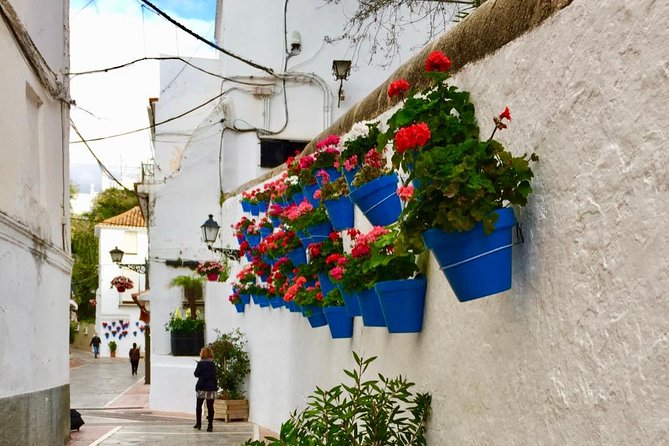
Plaza Altamirano gets a guided segment, and plazas are where walking tours tend to become memorable—because they give you room to pause. This is where you can see how the town’s paths funnel people toward key points, and you can match what you’re hearing to what you’re actually seeing.
This also tends to be the part of the walk where you start thinking: okay, this tour isn’t just pointing at buildings. It’s showing cause and effect—how Marbella’s layout and landmarks connect to historical changes after 1485.
If you’re the type who takes photos but usually forgets to look closely at what’s around them, this is where your attention gets “trained” by the guide.



Torre de la Pólvora: one of those stops that clicks later
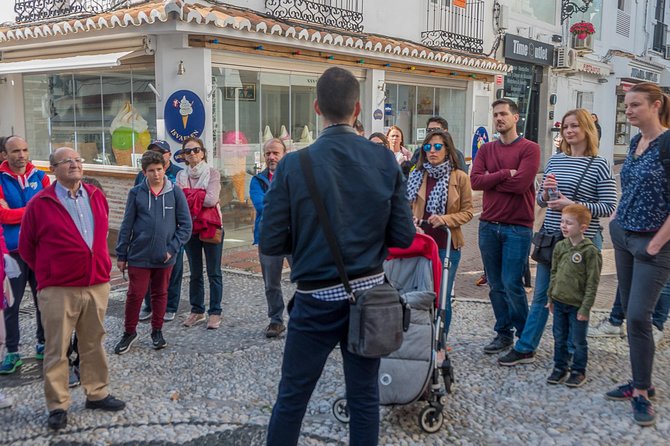
The Torre de la Pólvora is another guided segment on the route. Towers like this are perfect for short tours because they create a visual reference point. You walk, you learn what the tower represents in the city’s story, and later—when you’re back on your own—you can still picture where you were.
Even in 10 minutes, a good guide can help you understand why it exists and what role defensive architecture played in a city shaped by earlier cultures and later changes. The result is that Marbella starts to feel navigable without you constantly checking your phone.
The 1502 palace stop: the “wow” moment you can build around
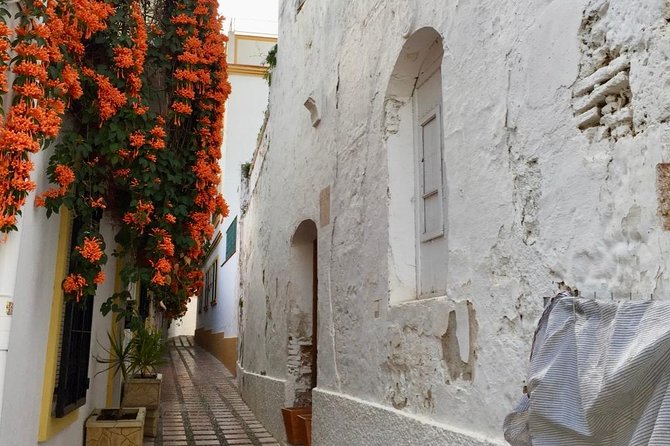
One of the highlights is visiting a palace dating back to 1502. Even if you don’t know Marbella’s deep timeline, a 1502 date gives you immediate context: this isn’t just old-town scenery; it’s old-town survival.
This kind of stop is valuable because it anchors the tour in something concrete. Instead of hearing history as a list of dates, you get to stand in front of a physical reminder that time passed here slowly, not instantly. That’s what makes a short guided walk feel longer in the best way.
If you like architecture or you’ve ever wondered how a place can look “medieval” in some corners and modern everywhere else, this is the stop that usually makes it click.
Plaza de los Naranjos: the finish point that doubles as your next plan
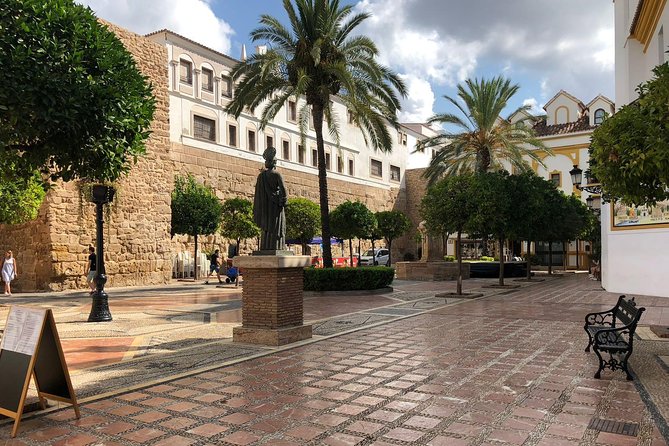
The walk ends at Plaza de los Naranjos, and that’s a smart finish. By the time you reach it, you’ve learned enough context to start noticing details on your own: how cafés and pedestrian lanes work around open space, and why this plaza feels like a center of gravity for the old town.
Because it’s the last stop, it’s also the best spot to pivot to free time. Use it to grab a drink or plan an independent wander. You’ll understand the layout more quickly than if you just arrived cold.
Practical tip: this finish point is also a good place to regroup if your group (or your own plans) include a later dinner reservation.
Olive oil tasting: why this stop is more useful than it sounds
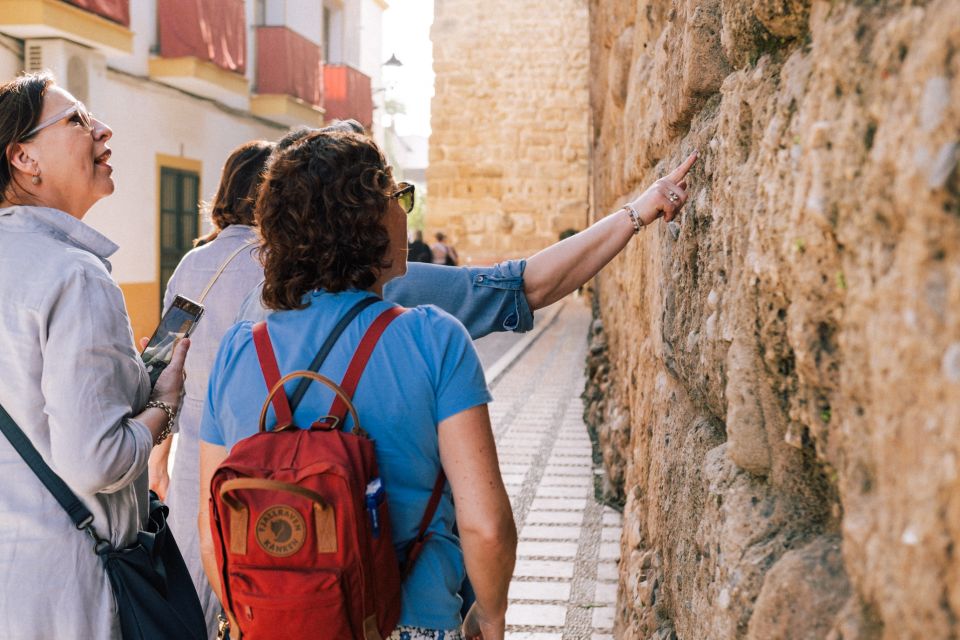
The olive oil tasting is one of the strongest parts of the experience, and it’s free of charge when available. You’ll have a chance to taste extra virgin olive oil, and the guide explains the product in a way that helps you connect it to the region rather than treating it like a random “food moment.”
Here’s why that’s worth your attention: olive oil is one of those things people buy without learning what they’re paying for. A tasting, especially with a guide who can explain what to look for in flavor and quality, can make your purchase decision far easier.
Also, the tasting gives you a sense of place. Marbella isn’t only about pretty squares—it’s about what people grow, make, and sell. After the walk, you’ll know what to look for if you spot olive oil shops around town.
One more practical note: the tasting is subject to availability, so don’t assume it’s guaranteed every single day. But when it is offered, it’s a memorable finale that most people leave feeling satisfied about, not just “fed.”
Pace and group size: small-group comfort for tight streets
This is a group tour designed for a relaxed walking pace. The duration is 1.5 hours, which is ideal if you want history without committing to a half-day. Also, the route is packed with short guided stops rather than one long lecture—so you’re always moving and always switching from walking to looking.
Small group size matters here. Old Town streets can feel narrow and crowded, and a small group makes it easier to hear your guide and keep moving together without getting lost in a pile.
I’d also call out that a minimum number of people is required for the tour to operate. If you’re on tight schedule days, consider booking early enough that you can handle a possible rearrangement if the group minimum isn’t met.
Weather and what to pack for a comfortable walk
The tour runs rain or shine, so you’ll want to be ready to keep walking even if the sky changes its mind. Bring what helps you stay comfortable rather than what looks good in photos.
You’re advised to bring:
- Comfortable shoes
- Sun hat
- Sunscreen
- Water
If you’re visiting in hot weather, water is non-negotiable. In warm sun, 1.5 hours can feel longer, especially when you’re stopping for explanations and photos.
Who this tour is best for (and who might skip it)
This tour is a great match if you want:
- A quick, structured orientation to Marbella’s old town
- A guided explanation of how Marbella developed after 1485 and before that Arab medina period
- The convenience of a local licensed guide delivering the story as you walk
- A tasting experience that ties food to place
You might skip it if you already have a deep personal interest in Marbella architecture and plan to do long, independent museum-style visits. A 1.5-hour walk is intentionally short, so it won’t replace a slower day where you sit with exhibits or linger inside major interiors.
Also, if you can’t manage rain conditions well, consider that it runs in all weather. You’ll still be walking the full route; there’s no implied indoor-only alternative.
The short, honest “should you book” verdict
Yes, I’d book this tour if your goal is to understand Marbella quickly and taste something real at the end. The price is hard to argue with for a licensed guide, multiple meaningful stops, and a 1502 palace highlight plus an olive oil tasting when available.
If you’re flexible, wear good shoes, and show up ready to walk, you’ll come away with two big wins: better navigation in the old town and a clearer idea of what Marbella looked like across different historical eras.
FAQ
How long is the Marbella Old Town walking tour?
It’s listed as 1.5 hours.
Where do I meet the guide?
Meet your guide by the fountain Virgen del Rocio right in the center of Alameda Park.
Is the tour in English?
Yes, the live tour guide is English.
Does the tour run in bad weather?
Yes, it takes place rain or shine.
Is transportation included?
No, private transportation is not included.
What’s included in the price?
A local licensed tour guide is included.
What should I bring with me?
Bring comfortable shoes, a sun hat, sunscreen, and water.