REVIEW · LANZAROTE
Museo Atlantico for non-certified divers
Book on Viator →Operated by Dive College Lanzarote · Bookable on Viator
A first-time scuba day in a sculpture museum. The Museo Atlántico is a rare one-off in Europe, and you get there with real structure: pool skill practice, then a supervised ocean visit to the statues. Two big wins: you’re in a small group capped at seven, and the instructors are praised for patient, calm coaching for nervous first-timers.
One thing to weigh: this is still scuba, so a medical questionnaire is required and ear equalization can be a dealbreaker for some people. If you’re prone to sinus or ear problems, or you get stressed underwater, talk to your doctor before you book. Also, the museum time can feel short depending on the day and conditions.
In This Review
- Quick hits before you go
- Museo Atlántico: why this is more than a cool photo stop
- Price and value: what $192.29 buys you (and what to watch)
- The morning setup: pool skills, safety talk, and real confidence-building
- Boat transfer to the museum: part of the experience, not just transport
- Underwater at Museo Atlántico: what you’ll see and how you’ll stay comfortable
- Small group size (up to 7): why it changes everything for beginners
- Safety realities: health checks, ears, and the 18-hour flight rule
- Practical tips to make your day go smoother
- Who this trip fits best (and who should think twice)
- Should you book Museo Atlántico for non-certified scuba? My take
- FAQ
- FAQ
- Do I need a scuba license for this experience?
- How long is the experience?
- Is pickup and transportation included?
- What’s the minimum age?
- What training happens before going in the ocean?
- Do I need to pass a medical check?
- How soon can I fly after the program?
Quick hits before you go
- Museo Atlántico for beginners: you’ll go with supervision and a max depth that fits a first experience
- Small group (up to 7): easier pacing, more attention, less waiting around
- Transfers from Playa Blanca: the getting-there part is handled
- Pool training first: you practice core skills before you hit open water
- Highly rated for nerves: instructors are repeatedly described as patient and reassuring
- 18-hour flight rule: plan your schedule so you’re not flying the next day
Museo Atlántico: why this is more than a cool photo stop
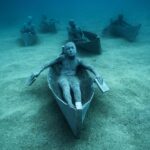
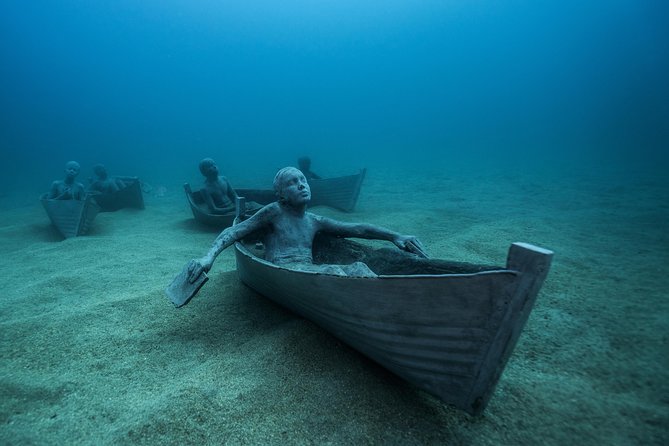
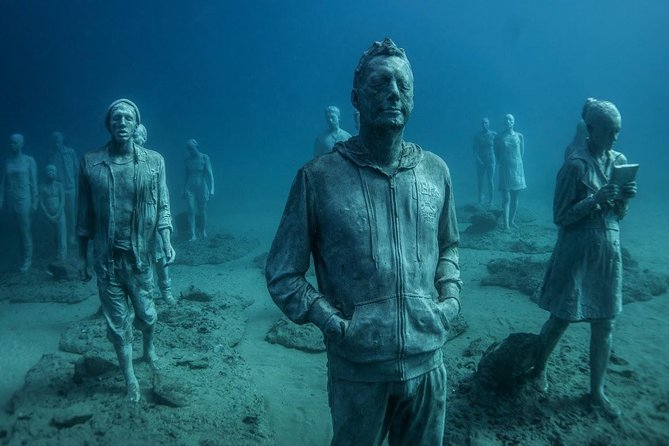
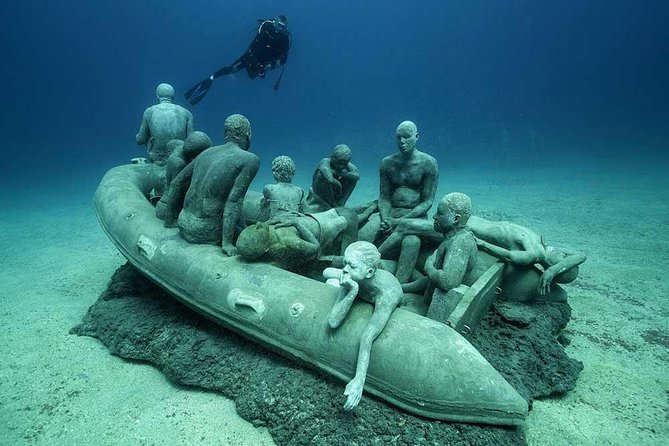
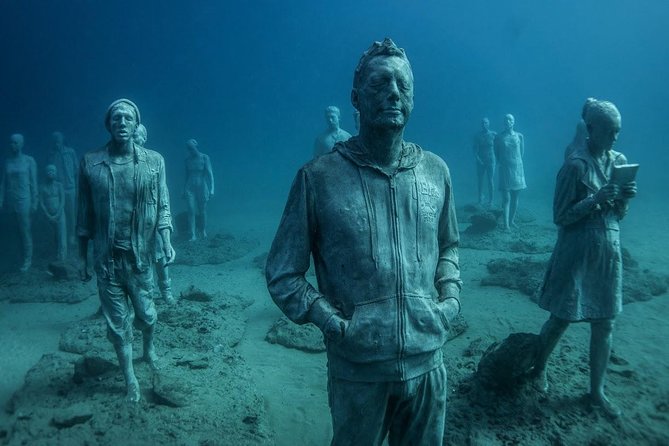
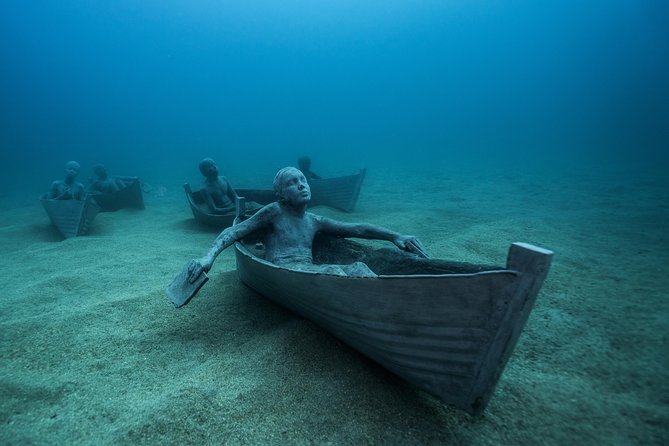
The Museo Atlántico is an underwater sculpture museum in Lanzarote, and it’s one of those places that feels both artistic and strangely alive. Instead of a quick “see the thing” moment, you’ll move slowly enough to notice the statues and the sea around them—fish, textures, and the eerie feeling of being surrounded by art that’s been shaped by the ocean for years.
For first-timers, the key is that this isn’t sold as a chaos-and-figure-it-out free-for-all. The experience is built for people without a license, with an introduction to scuba basics, followed by a pool session so you already understand what to do before you go under. That matters because the museum itself isn’t the only objective; you’re also there to learn how to manage breathing, buoyancy basics, and staying calm while underwater.
Also, the museum is famous for a reason: you don’t just see one statue. You get a guided route among multiple sculptures, which helps you avoid the common first-timer problem of swimming around aimlessly and missing the point. People describe the underwater sculptures as meaningful and even mysterious, and the overall effect tends to be memorable rather than “been there, done that.”
You can also read our reviews of more tours and experiences in Lanzarote.



Price and value: what $192.29 buys you (and what to watch)
At $192.29 per person for about a 3-hour outing, you’re paying for more than the museum ticket. You’re getting an instructor-led “try scuba” structure: welcome and briefing, training in a pool, equipment, and then the supervised underwater experience at the museum, plus boat travel.
The value is strongest if you meet the trip on its own terms:
- You want a true first-time format (not a last-minute random water entry).
- You appreciate small-group attention (up to seven people).
- You want the convenience of transfers from Playa Blanca so you’re not scrambling to coordinate transport.
What you should be mindful of is the “time-per-point” reality. The museum segment is part of a tight schedule, and some people can feel rushed if they’re still getting used to breathing and movement underwater. If you’re the type who needs lots of decompression time (mentally and physically), you might prefer adding a second day of practice later in your trip—so your first museum look doesn’t feel like a sprint.
The morning setup: pool skills, safety talk, and real confidence-building
Your day starts at 10:00 with a warm welcome, a safety briefing, and an easy-to-follow introduction to the basics of scuba. You’re not expected to know the gear or the signals. You’ll get taught the steps in plain language, and that’s a big deal for first-timers who feel nervous before they even reach the water.
Then comes the pool training session. This is where your brain learns the “why” behind what you’ll do in open water. In a controlled environment, you practice essential skills so when you’re in the sea you aren’t guessing. A first-timer who’s anxious often needs repetition more than heroics—and this format is built for that.
The coaching style seems to be one of the main reasons people rate this so highly. In the feedback, names pop up repeatedly: Martha is praised for extra patience, Maliny is noted for being supportive and calm, and Marco is described as on point. There’s also mention of Steve doing great photo support. You may not have the same instructors, but the pattern is consistent: staff spend time making sure you understand what’s happening and what to do next.
Practical note for you: if you’re nervous, arrive with your body rested. This experience has a “learn first, then perform” rhythm. Hunger and exhaustion show up fast underwater.
Boat transfer to the museum: part of the experience, not just transport
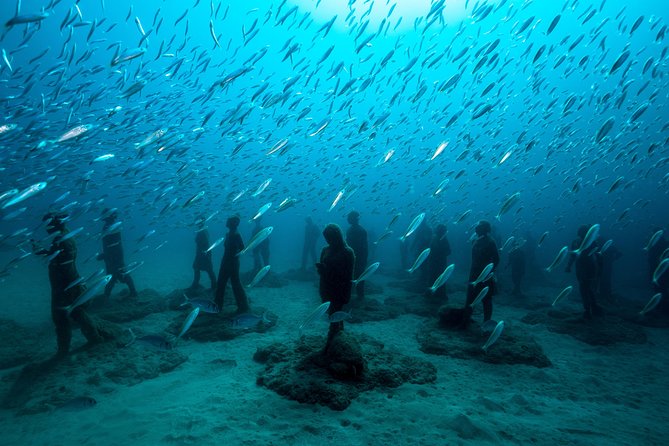
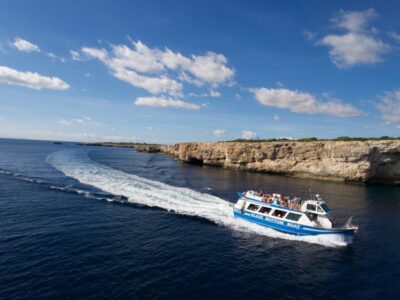
At around 12:00, you head out by boat toward the Museo Atlántico. The boat ride is often treated as part of the day, not an awkward wait. You’ll be on the water with other participants and staff close by, which helps first-timers feel like they’re in a guided “bubble” rather than dropped into an unfamiliar setting.
For many people, the boat portion eases the mental load. You can settle in, ask questions, and confirm what’s next. It also helps you get used to the rhythm of the day: briefing, practice, then the shift to open water. If you’re prone to feeling queasy on boats, try to eat lightly beforehand and keep your eyes on the horizon.
Underwater at Museo Atlántico: what you’ll see and how you’ll stay comfortable
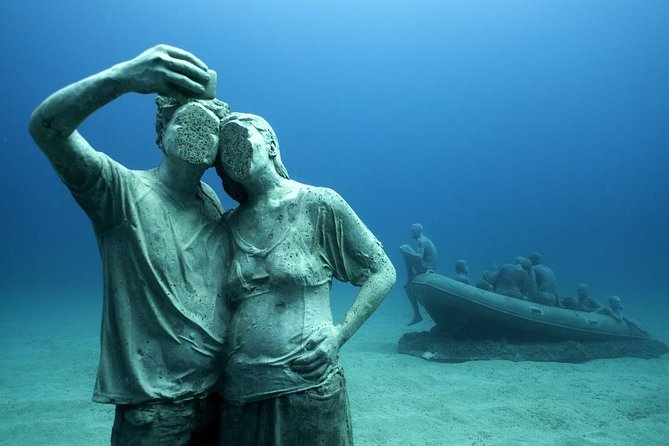
Once you’re in, you’re under direct instructor supervision. That’s one of the most reassuring parts of this trip. You’re not managing everything solo. Your instructors are watching, controlling the pace, and guiding your movements so you can focus on the statues and the marine life.
Depth is managed for beginners. Some participants have reported reaching around 12–14 meters when they felt ready, while others stayed shallower, around 6 meters, depending on the day and how equalization and comfort went. The important takeaway for you is not the exact number—it’s that the program adjusts to first-timer needs rather than forcing the same experience on everyone.
Equalizing your ears is the biggest practical challenge for many new scuba learners. You’ll learn how to handle it, and you’ll have a chance to tell the team if something feels off. Instructors tend to respond to discomfort with the message that you can’t “push through” problems underwater. If you can’t equalize, it’s safer to stop the experience early than to keep going.
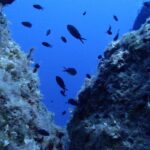
What about the museum itself? You’ll get a guided look among the sculptures, with time to notice them before you’re moved along. People describe the museum as mysterious and breathtaking, and they also mention wildlife like fish—and even an octopus sighting. You shouldn’t count on specific animals, but you should expect a living layer of sea life around the art.


Small group size (up to 7): why it changes everything for beginners
Up to seven participants is a meaningful constraint. With larger groups, first-timers get less individual attention, and instructors spend more time herding than teaching. Here, the smaller size helps you get clearer instruction and more reassurance.
It shows up in how people describe the day:
- They felt looked after from start to finish.
- They weren’t left guessing about signs or procedures.
- Even when someone was anxious, staff kept the pace calm and stayed close.
That’s exactly what you want when your goal is both to learn and to enjoy. A first underwater outing is already intense. The better the instruction and supervision, the more likely you’ll actually notice the sculptures instead of your brain stuck on breathing mechanics.
If you’re coming with a parent/child or a friend who’s also new, a small-group setup tends to make the day smoother for everyone. You won’t have long waits between instruction moments.
Safety realities: health checks, ears, and the 18-hour flight rule
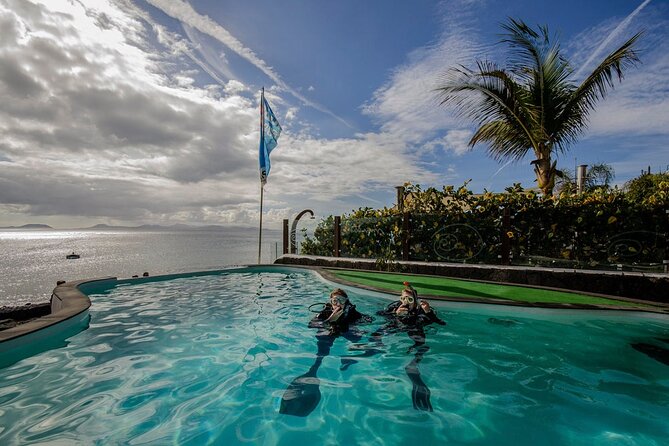
This is beginner-friendly, but it’s not casual. The experience requires you to complete a health questionnaire. Some medical conditions may prevent you from diving, with examples including asthma and heart conditions. The real message for you is simple: don’t ignore the form. If your doctor has already warned you about pressure changes, or you have recurring ear or sinus issues, ask first.
You’ll also be told to wait at least 18 hours before you take a flight after the program. That affects trip planning. If your Lanzarote schedule is tight and you’re flying soon after, build in that buffer now rather than hoping for the best.
Service animals are allowed, and the activity is described as near public transportation, with a requirement for moderate physical fitness. In plain terms: you’ll be moving between meeting point, gear setup, and water access. Comfortable walking helps.
Practical tips to make your day go smoother
A few things I’d do before you show up, based on what repeatedly shows up in the way people talk about the experience.
- Eat and sleep like it matters. Several comments point out that the day goes best when you’re rested and fueled.
- Wear footwear that’s easy to slip on and off. One person specifically suggested bringing something simple for walking toward the water.
- Tell the team early if you feel stressed. First-timers get the best results when they communicate early instead of trying to hide nerves.
- Practice your ear equalizing at home if you can. If you already know a technique from previous snorkeling or scuba friends, stick to it—then follow instructor cues on the day.
- Plan for a short museum route. This isn’t set up as a slow, one-statue-at-a-time gallery. It’s a guided look in a limited window, while you also manage your breathing and comfort.
And if you care about photos: one guide name you may hear is Steve, praised for taking good pictures. If photo options are available on your day, ask about timing before you go in.
Who this trip fits best (and who should think twice)
This is a strong choice if:
- You’re new to scuba and you want a structured try-out with pool training first.
- You’re traveling from Playa Blanca and want pickup/transfer included.
- You want a unique attraction that’s genuinely different from the usual snorkel-and-sun routine.
- You benefit from calm, step-by-step coaching. Many first-timers specifically mention feeling reassured.
You should think twice if:
- You know you struggle with ear equalizing.
- You have medical conditions that could conflict with scuba safety (use your questionnaire and talk to your doctor).
- You expect the museum experience to feel like a long, leisurely underwater gallery. The underwater portion is planned around safety and first-timer limits.
If you’re a confident swimmer but anxious about equipment and pressure, this still might work well—because the training part is designed for confidence, not bravado.
Should you book Museo Atlántico for non-certified scuba? My take
Book it if your top priority is a first supervised scuba experience tied to a truly unusual place underwater. The combination of small-group size, pool training, and guided time at a world-famous sculpture museum is a clean formula for beginners.
Skip it (or at least delay) if your ears are a frequent problem or if you’re likely to feel overwhelmed by the idea of being underwater with pressure. That’s not a failure on your side—it’s just the reality of scuba physiology.
If you do book, go in with the right mindset: this is learning plus seeing art, not a full-blown training course. Plan your day around rest, bring easy water shoes, and give the instructors the honest signal early if you’re not feeling right.
FAQ
FAQ
Do I need a scuba license for this experience?
No. The experience is described as suitable for beginners, and no diving license is required.
How long is the experience?
It runs about 3 hours (approx.).
Is pickup and transportation included?
Yes. Transfers to and from Playa Blanca are included, and pickup timing depends on where you’re staying.
What’s the minimum age?
The minimum age is 10 years.
What training happens before going in the ocean?
You start with a safety briefing and scuba basics introduction, then you do pool training to practice essential skills before the guided ocean visit.
Do I need to pass a medical check?
Yes. You’ll complete a health questionnaire before diving, and some pre-existing conditions (such as asthma or heart conditions) may prevent you from diving. If you have concerns, consult your doctor.
How soon can I fly after the program?
You should wait at least 18 hours before taking a flight after this program.