REVIEW · SANTIAGO DE COMPOSTELA
From Santiago: Rías Baixas Galicia Seafood & Wine Day Tour
Book on GetYourGuide →Operated by Santiago Excursiones · Bookable on GetYourGuide
Follow the wine to Galicia’s mussel farms. This guided day trip strings together Albariño cellar time, coastal scenery, and the Arousa Estuary “bateas” world—so your day feels more like a story than a bus ride.
Two things I love: the Albariño stop is hands-on and specific, and the big highlight is the mussel boat cruise where fresh mussels keep coming and the wine flows. The potential drawback is that this is a full, structured day—so if you want slower pacing or minimal food time, the set schedule can feel a bit long.
In This Review
- Key highlights you’ll actually care about
- Santiago to Rías Baixas: why this day trip feels worth $50
- The Albariño cellar stop: what you’re really learning
- La Lanzada beach and the 10th-century time jump
- Illa da Toxa (La Toja): thermal history and the soap connection
- The Arousa Estuary mussel cruise: the part people remember
- Rías Baixas break time and lunch in O Grove (and how to choose your vibe)
- Combarro: cobblestones, fishermen culture, and an easy guided walk
- Price and logistics for a tight 9.5-hour loop
- Who this tour suits best (and who should think twice)
- Should you book the Santiago to Rías Baixas Seafood & Wine Day Tour?
- FAQ
- How long is the day trip?
- What time and where do I meet in Santiago?
- Is hotel pickup included?
- What’s included in the Albariño wine cellar visit?
- Does the tour include a boat cruise and mussel buffet?
- Is lunch in O Grove included?
- How much walking is involved, and what should I wear?
- Does the tour run in bad weather, and what languages are offered?
Key highlights you’ll actually care about
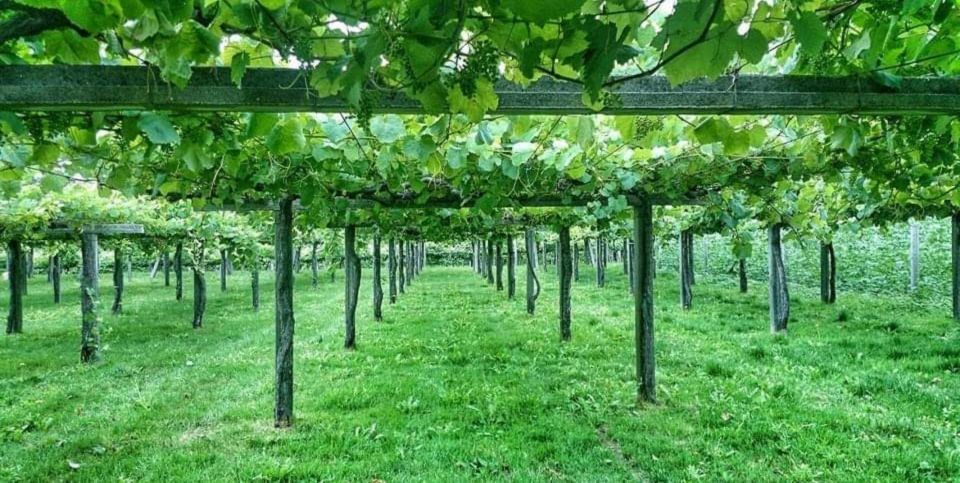
- Albariño cellar tasting: not just a sip—vineyard walks plus a premium tasting tied to how the wine is made
- La Toja (Illa da Toxa) on the island: thermal past and soap-making history in one stop
- Cruise through the bateas: you learn how mussels, oysters, and scallops are farmed from the water
- Mussels boiled in Albariño wine: fresh-from-the-sea style, served on board with “as many as you want” helpings
- Combarro’s cobbled fishermen vibe: cobblestone streets, small shops, and bars for an easy stroll after the cruise
- Two smaller walking stretches: plan for light walking (around 400 yards/meters at two stops), even if it’s quick
Santiago to Rías Baixas: why this day trip feels worth $50
This tour is built for people who want real regional flavor without planning anything. You leave Santiago in the morning, get transported in a modern air-conditioned coach, and spend the day with a guide who keeps the stops connected—wine, seafood, and coastal towns in one sweep.
At about 9.5 hours, the pace is “do a lot, taste a lot.” The tradeoff is that you don’t control the timeline. Still, that structure is part of the value here: you’re getting a wine cellar visit, a beach stop, an island stop, a boat cruise, and a village walk in one ticket.
What makes it especially good value for me is the cruise portion—mussels plus wine plus shots on board. That alone would be hard to replicate cheaply if you were booking pieces separately.
You can also read our reviews of more wine tours in Santiago De Compostela

The Albariño cellar stop: what you’re really learning
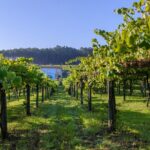
The day starts with a first stop tied to Albariño—vine rows, local production talk, and then a tasting at an exclusive cellar. It’s not presented as a generic “here’s some white wine.” You get a guided explanation of how the grapes are produced and why Albariño tastes the way it does.
Then comes the tasting. The key detail is that you’re tasting Albariño that’s described as premium and not commonly found in typical markets or everyday restaurant pours. Even if you don’t geek out on wine, you can still pick up what to look for: the balance and character that make Albariño such a food-first wine.
Guide quality matters a lot on this part. In the feedback I saw, people praised guides like Noel, Ana, Lucia, and Noelle for being fun and genuinely informative—so the cellar stop doesn’t feel like a scripted showroom visit.
Practical tip: wear layers. Cellar visits can be cooler than you expect, and you’ll likely walk a bit among vines before you taste.
La Lanzada beach and the 10th-century time jump
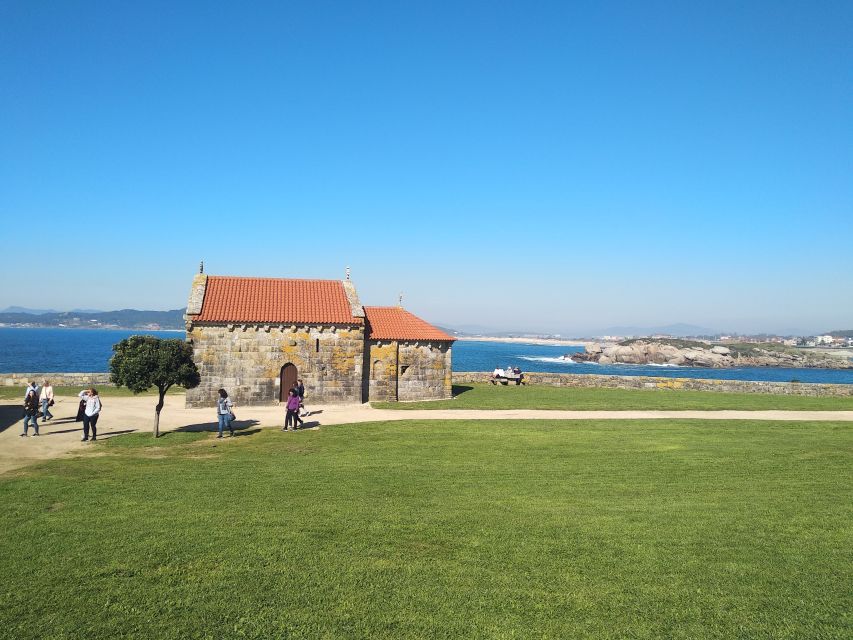
After the wine stop, you head to the beach area of La Lanzada, one of the most spectacular beach stops in Galicia. This isn’t a “sit and snack” kind of stop. You get a history-and-legends layer—an easy way to understand why this coastline matters beyond the views.
This is also where the day starts to broaden from food into place: coastline, old stories, and the sense that the Rías Baixas have been shaped by the sea for a long time.
If the weather’s gray, you might think this beach stop is a bust. It usually isn’t. Galicia weather can be dramatic. The ocean still does its thing, and the guide’s story helps keep the stop from feeling empty.
Illa da Toxa (La Toja): thermal history and the soap connection
Next is Illa da Toxa, also known as La Toja—an island stop with thermal history and an industrial past tied to making Spain’s best soap. That soap detail sounds random until you connect it to local industry and daily life. It’s a reminder that Galicia isn’t just scenery; it’s work, trade, and craft.
You’ll get a short visit (not a full day) but enough to understand why the island became well known. Then the day shifts again from land to water, setting up the cruise portion.
This is a good stop to reset your energy. You’ve already done the wine portion, and soon you’ll be on a boat with food and drink. If you can, use this time to grab a bottle of water before the cruise—water is included on board, but it’s still smart to stay ahead of thirst.
The Arousa Estuary mussel cruise: the part people remember
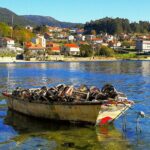
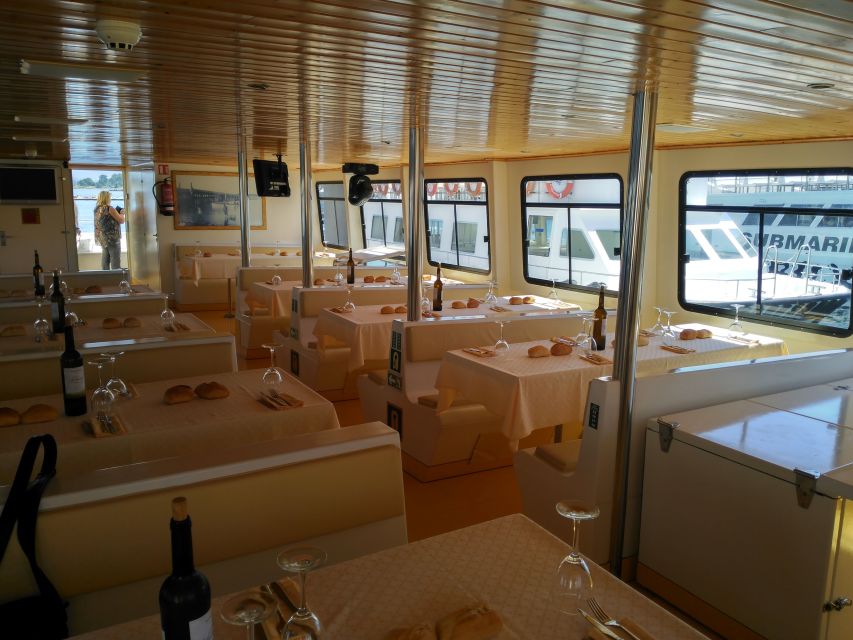
This is the centerpiece. From Illa da Toxa, you take a boat cruise along the Arousa Estuary, passing countless floating farms called bateas—where mussels, oysters, and scallops are grown. You learn how shellfish farming works from the water, which makes the food part feel more grounded than “just eat seafood.”
Then comes the best bit: during the cruise, you can eat as many mussels as you want. The mussels are freshly picked from the water and boiled in Albariño wine. That cooking detail is the kind of thing that makes the meal feel more local than typical “tourist seafood” offerings.
And the drink flow is part of the experience. You get local white wine, soft drinks, water, and liquor shots during the cruise. In one of the standout comments, people described how music started and the mood turned into dancing on the boat. Even if yours is quieter, you can expect a festive crew energy—this isn’t a hushed nature cruise.
Two things to keep expectations realistic:
- You’re on a scheduled tour, so you won’t control how long you spend at sea.
- If you’re not interested in “all-you-can-eat” pacing, this portion can feel like a food-and-drink bubble.
Still, for most people, this is the highlight because it’s fun and it’s tied to how the region actually produces seafood.


Rías Baixas break time and lunch in O Grove (and how to choose your vibe)
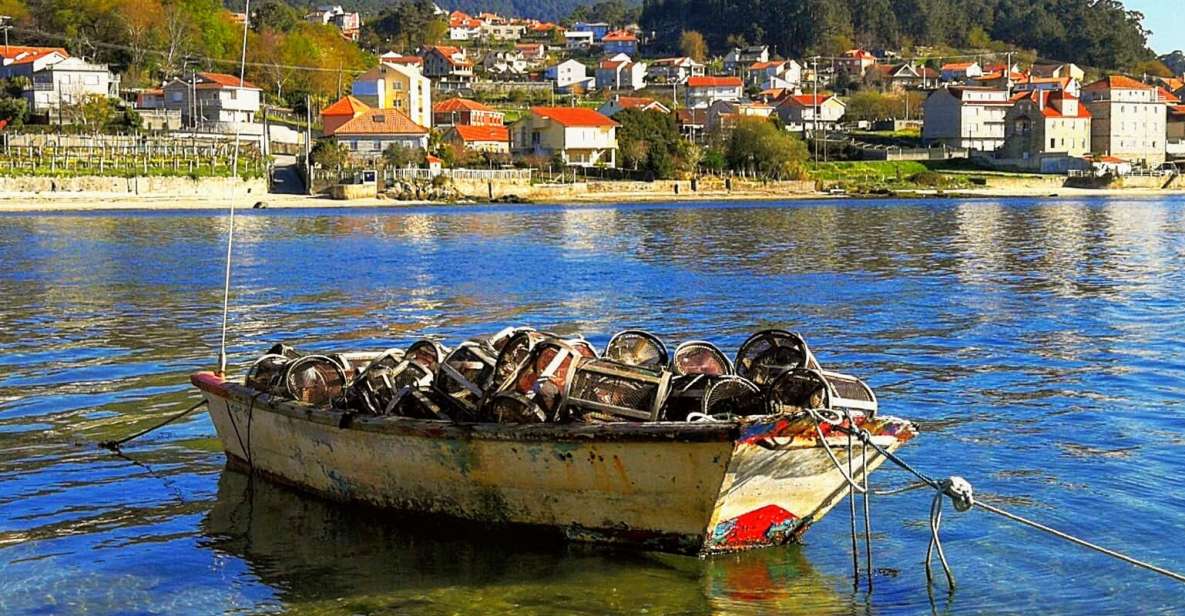
After the cruise, you’re dropped in O Grove, described as the seafood paradise of Galicia. You get about 90 minutes of free time for lunch. Your guide can recommend restaurant options depending on what you’re after, and you choose where and what to eat.
This “guided suggestion + freedom to pick” is a smart balance. The group isn’t stuck in one dining room, but you still benefit from local knowledge.
A quick reality check: because lunch is not included, you’re paying for your meal. The lunch break is there to let you eat what you actually want after the cruise’s heavy mussel portion. If you’re planning to spend time and money on lunch, you can treat it as a chance to try something besides mussels—fish, salads, or local sides—based on what looks best on the day.
If you prefer a slower post-cruise rhythm, don’t rush your 90 minutes. Get out of the lunch stampede mentality. Walk a bit, take in the salt-air mood, then sit down.
Combarro: cobblestones, fishermen culture, and an easy guided walk
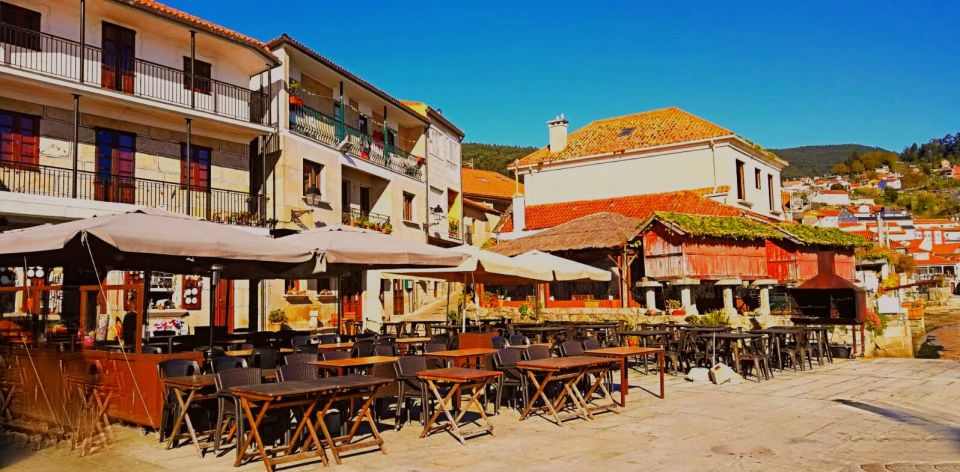
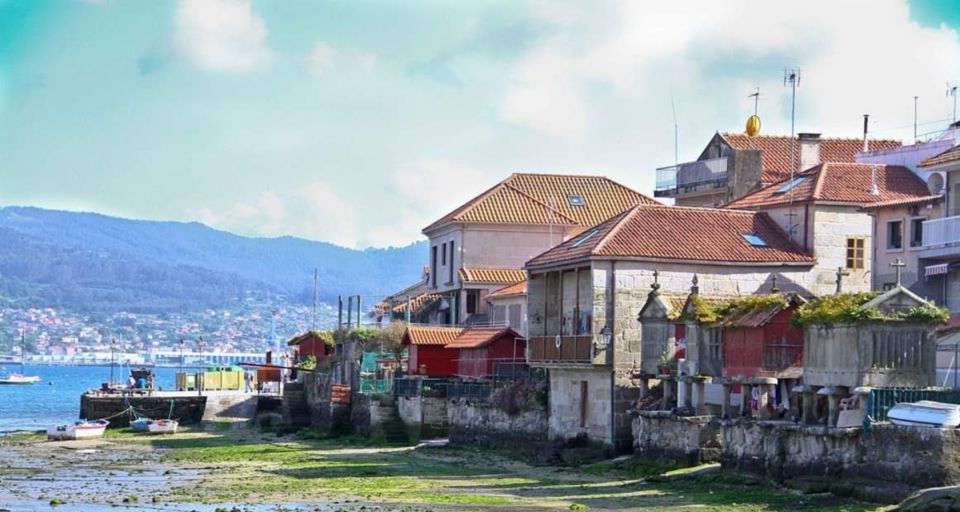
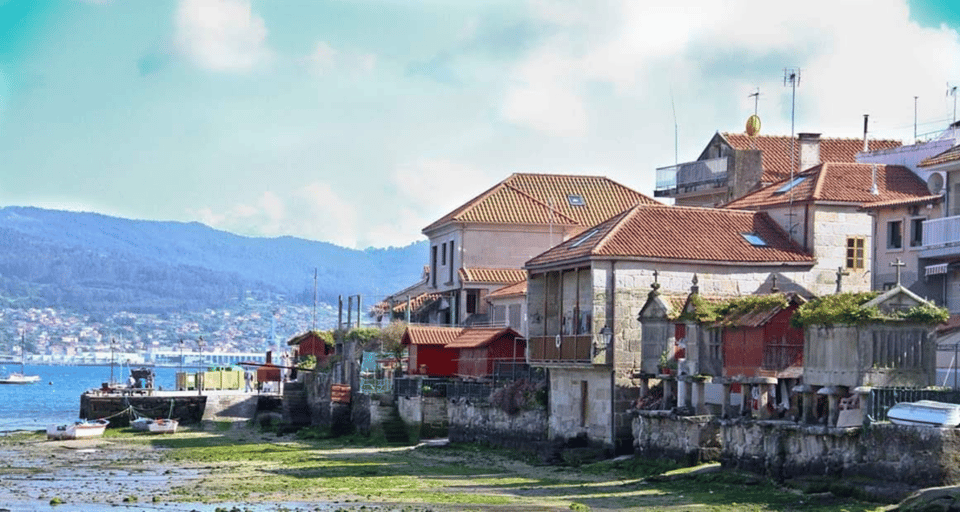
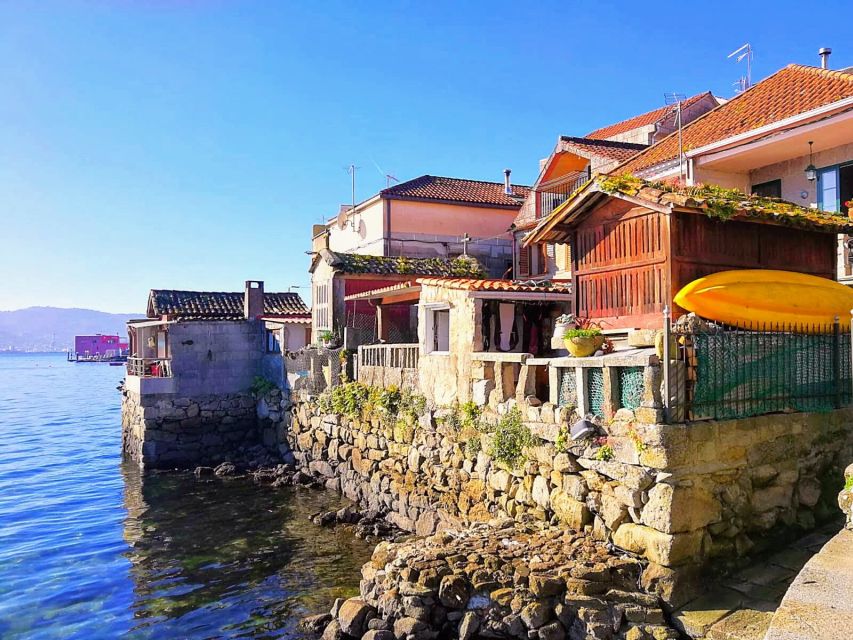
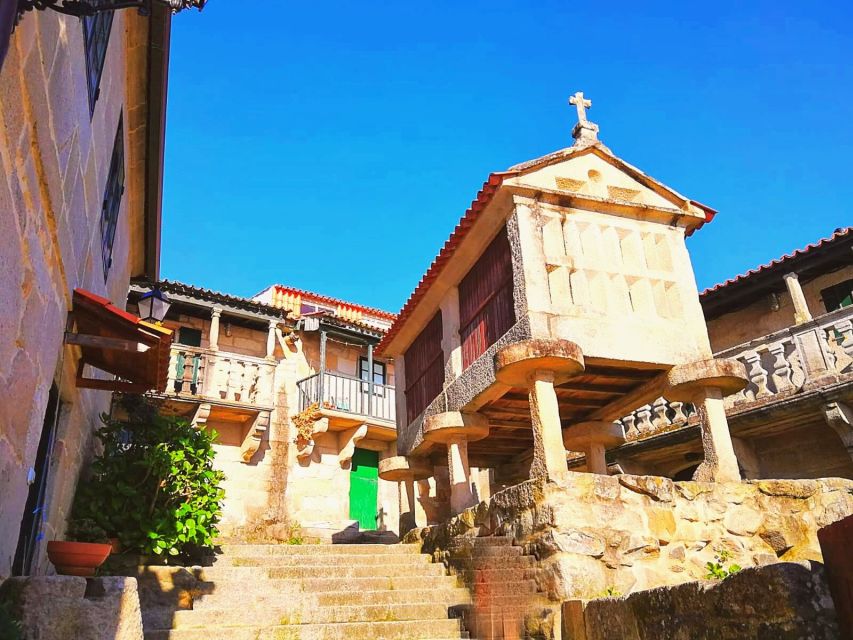
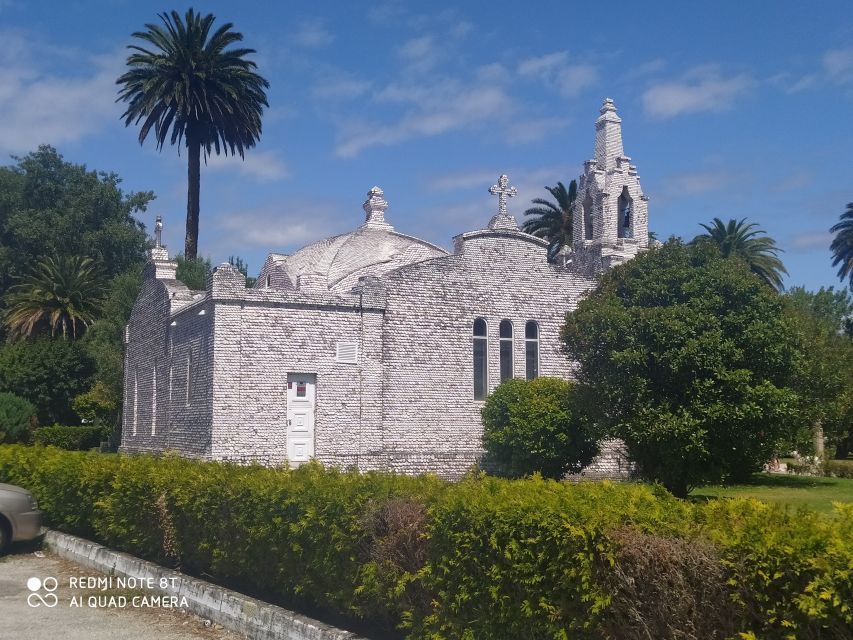
After lunch time, the tour heads back toward the Rías Baixas area and includes a visit to Combarro, with a guided tour of about an hour. Combarro is known for cobbled stone streets, small shops, and bars/restaurants with that classic fishermen-village feel.
This is your calmer cultural stop. No heavy tastings here. Just time to walk, look, and absorb details: how the village is arranged, how the waterfront culture shows up in everyday spaces, and why Galicia feels different village-to-village.
One note from the way people talk about this stop: it’s a good counterbalance to the more “food event” energy of the boat. If you want photos, this is the part where they come easily.
Price and logistics for a tight 9.5-hour loop
The price is listed at about $50 per person, which is fair when you look at what you get: transport in an air-conditioned coach, a guided program, an Albariño cellar tasting, and (in the version with cruise) the boat ride plus a substantial mussel and wine setup.
What you’re paying for isn’t just access. You’re paying for organization. In one day, you’re covering multiple coastal zones that would take work to stitch together on your own.
Logistics you should know:
- The tour runs rain or shine.
- Two stops include light walking (around 400 yards/meters). Comfortable shoes are a must.
- Drinks are not allowed on the vehicle, and food isn’t allowed either. (The boat covers food, and lunch is your call later.)
One small caution from the feedback: audio on the bus can be hard to hear on some days. If you’re sensitive to audio quality, bring a calm mindset and use the guide’s highlights rather than trying to catch every word from your seat.
Who this tour suits best (and who should think twice)
This day trip is a strong match if you want:
- Albariño wine and not just a casual taste
- A guided introduction to Galicia’s seafood farming world
- A fun, food-forward cruise experience with lots of energy on board
- A one-day way to see multiple Rías Baixas towns without planning
It may be less ideal if:
- You get tired from long scheduled days.
- You hate the idea of “unlimited” food and drink pacing.
- You prefer independent travel where you linger more at fewer places.
If you’re the type who likes structure but also enjoys small breaks, you’ll probably enjoy it. You get enough stops to feel variety, plus free time in O Grove to breathe.
Should you book the Santiago to Rías Baixas Seafood & Wine Day Tour?
I’d book it if you’re chasing a true regional combo: Albariño wine + estuary mussels + classic coastal villages. The value is strongest when you want the boat cruise portion, because that’s the part that turns learning into a sensory experience.
I’d pause before booking only if your ideal day is slow and quiet. This tour is not that. It’s a full loop, rain or shine, with a set flow from winery to coast to island to cruise to lunch break and village walk.
If you want my simplest decision rule: book if you’re excited to eat mussels served in Albariño wine while learning how the farms work. Skip it if you’d rather pick one town, one meal, and one view—without the “everything in one day” schedule.
FAQ
How long is the day trip?
The tour lasts about 9.5 hours.
What time and where do I meet in Santiago?
It typically meets at 10 AM at Plaza de Galicia. Some options list Capela do Pilar as a starting location, so confirm your exact meeting point when you book.
Is hotel pickup included?
No. Hotel pickup is not included.
What’s included in the Albariño wine cellar visit?
You’ll visit an Albariño wine cellar and have an Albariño wine tasting there.
Does the tour include a boat cruise and mussel buffet?
A boat cruise along the Arousa Estuary is included in the option that has the cruise. During the cruise, you’ll have mussels and a buffet-style setup with local wine, soft drinks, water, and liquor shots.
Is lunch in O Grove included?
Lunch in O Grove is not included. You do get free time in O Grove (about 90 minutes) to eat.
How much walking is involved, and what should I wear?
Two stops require a little walking, around 400 yards/meters. Wear comfortable shoes and clothes.
Does the tour run in bad weather, and what languages are offered?
The tour runs rain or shine. Guides are available in Spanish and English, and optional audio guides are available in French, Italian, and Portuguese.