REVIEW · SANTIAGO DE COMPOSTELA
Finisterre Express: the route to the end of the world
Book on GetYourGuide →Operated by OptimusTours · Bookable on GetYourGuide
This day trip turns Galicia from map facts into end-of-the-world coastal drama. You ride along the Costa da Morte with a local guide, then spend real time at Fisterra and Cape Finisterre Lighthouse, plus stops like Muros and Muxía tied to shipwreck lore and Celtic-era stories.
Two things I really like: you get a guided narrative (legends, history, and why this coast feels so dangerous), and you also get breathing room—multiple free-time windows so you can linger where the views pull you in. One thing to consider: lunch is not included, and some of the stops involve getting in and out of the bus with only limited walking time overall.
In This Review
- Key takeaways before you go
- Why the Costa da Morte feels like a plot twist
- The route, timing, and what 9 hours covers
- Muros: a charming pause with local time
- Fervenza do Xallas: waterfall time with photo flexibility
- Fisterra (the town): where the day’s mood shifts
- Lunch reality check
- Cape Finisterre Lighthouse: the end-of-the-world photo moment
- The bilingual angle (English and Spanish)
- Muxía: legends by the water, plus real breathing room
- Guides and drivers: what actually makes the day work
- Price and value: what $57 buys you (and what it doesn’t)
- What to bring, what to skip, and what to expect walking-wise
- Who should book this tour, and who might not love it
- Should you book Finisterre Express from Santiago?
- FAQ
- How long is the Finisterre Express tour?
- Where does the tour start?
- What languages are spoken by the live guide?
- Is lunch included?
- Does the tour run in bad weather?
- Is this tour suitable for people with mobility impairments?
Key takeaways before you go
- Costa da Morte, with stories attached: shipwreck history and legend come with the scenery, not just afterward.
- Bilingual live guide (English and Spanish): you’ll hear explanations in both languages, though timing can vary by departure.
- Real free time at key points: you’re not trapped in a rigid “stop, pose, leave” loop.
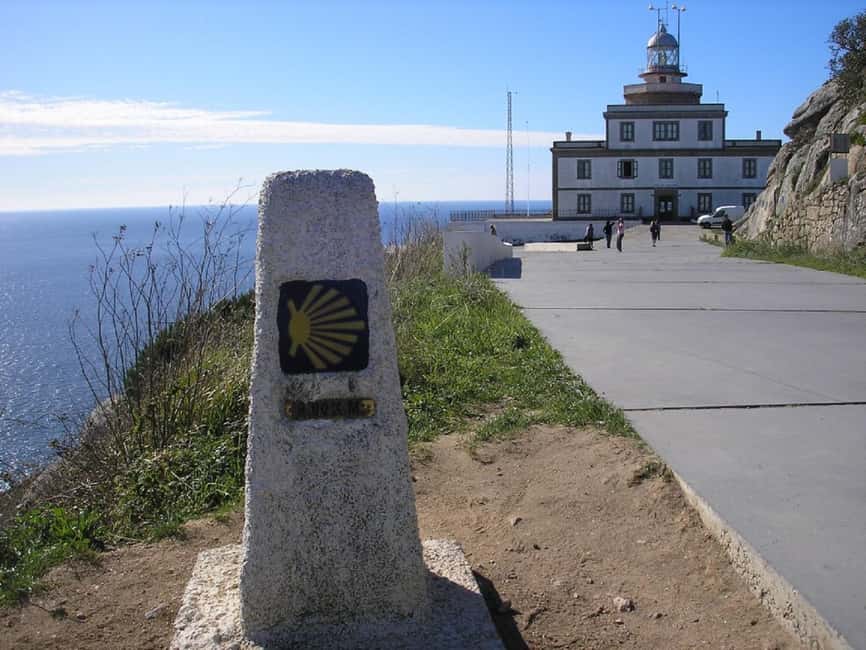
- Faro de Fisterra and the lighthouse area: the “end of the world” vibe is built around a proper visit and photo time.
- Muros + Muxía give balance: fishing-town atmosphere on two different coasts of the same region.
- Rain or shine: plan for weather, bring shoes that work, and expect the day to run as scheduled.
Why the Costa da Morte feels like a plot twist
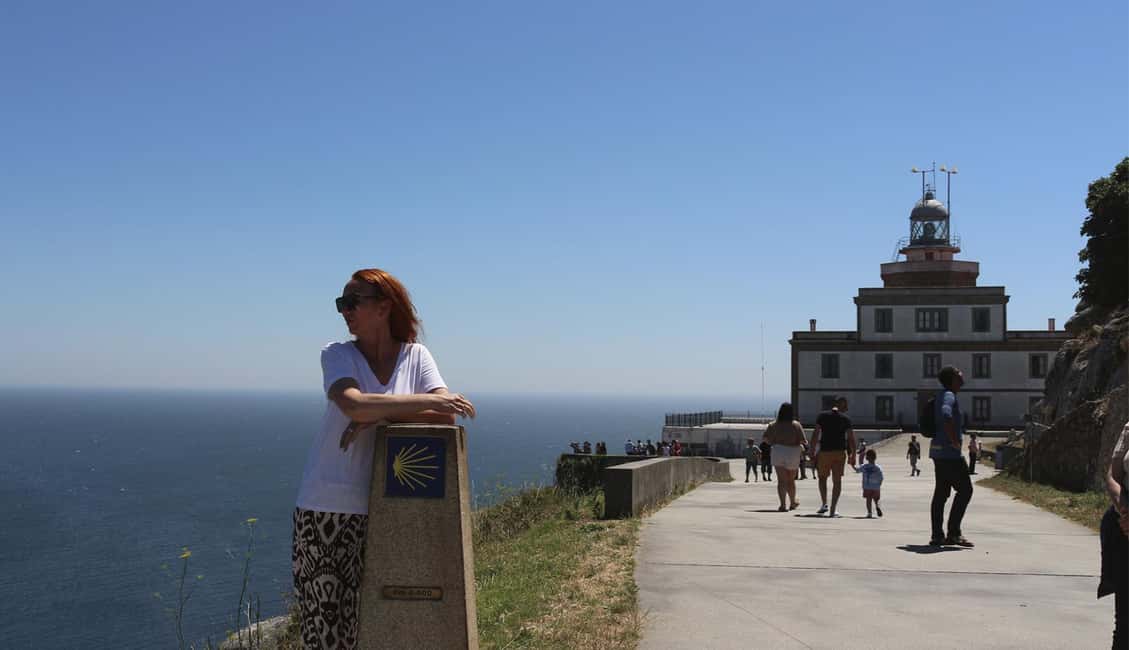
The Costa da Morte is the kind of coast that makes sense only when you see it—sharp angles, exposed headlands, and stretches that look like they were made for warnings. On this tour, you’re not just passing through; you’re being guided through the “why” behind the drama, including references to shipwrecks and the legends that grew up around them.
I also like the way the day is paced. It’s long enough to feel like an excursion from Santiago, but it’s not a grind. The tour is designed for a low-effort day with comfort in mind, and you get enough time to stop taking photos long enough to actually look.
You can also read our reviews of more tours and experiences in Santiago De Compostela.
The route, timing, and what 9 hours covers
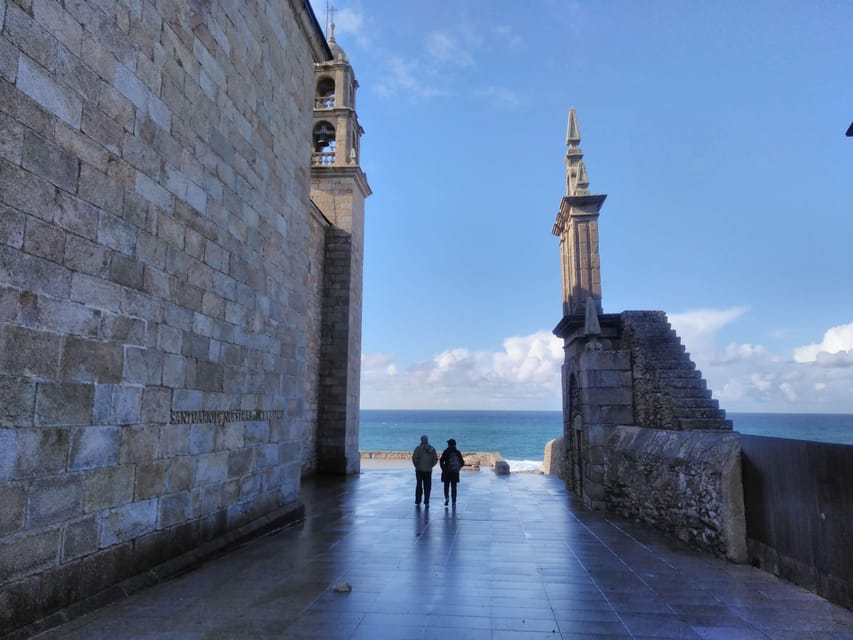
This is a full-day loop out of Santiago de Compostela’s area and back—about 9 hours total. You start at the Capilla del Pilar, and the guide waits in front of the church so you can check your name and get moving.
Along the way, you’ll have a handful of short bus transfers between stops and several guided segments paired with free time. That balance matters. If you only want viewpoints, you’ll get them. If you want context too, the guide gives it—without turning the whole day into a lecture.
One practical heads-up: you’ll want to plan for limited walking, but still wear comfortable shoes, since coastal weather and uneven ground happen fast.
Muros: a charming pause with local time
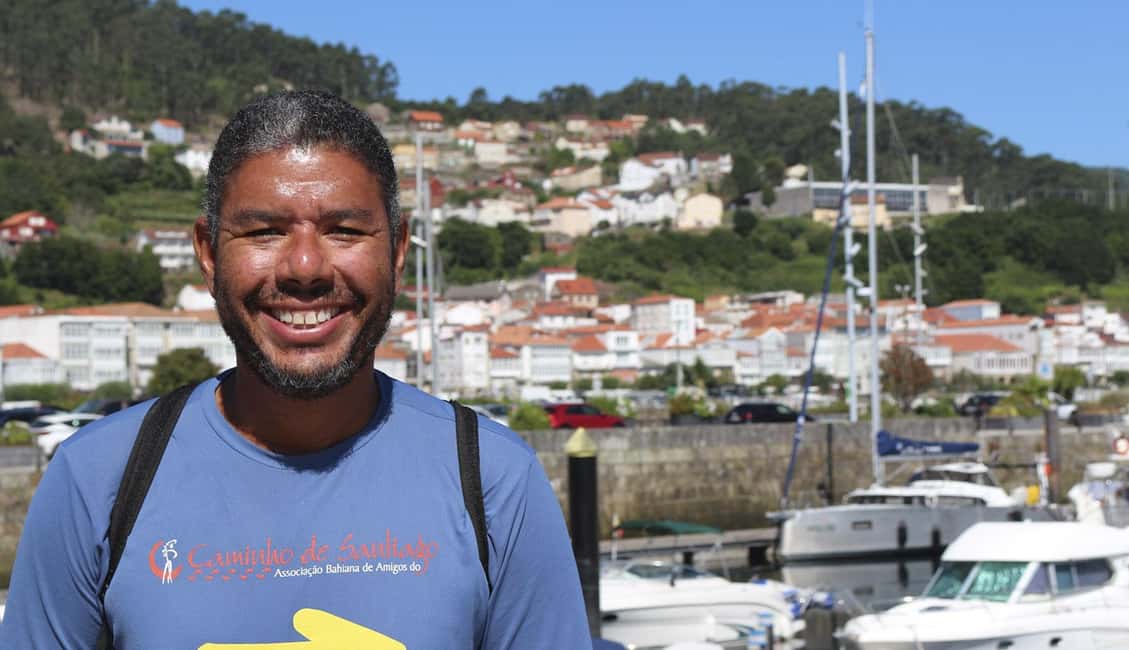
Your first real stop is Muros, a coastal town where the pace feels more human than scenic. You’ll get a guided tour and then free time to wander and reset—about 45 minutes total for this stop.
The value here is balance. After a coach ride, it helps to stretch your legs in a place that isn’t just a viewpoint. Muros gives you a calmer slice of coastal Galicia, so the wilder coastline later feels even more intense.
If your travel style is “look, sip, and breathe,” this is the stop that supports it. If you’re rushing, you can still catch key sights, but you’ll feel the time squeeze.
Fervenza do Xallas: waterfall time with photo flexibility
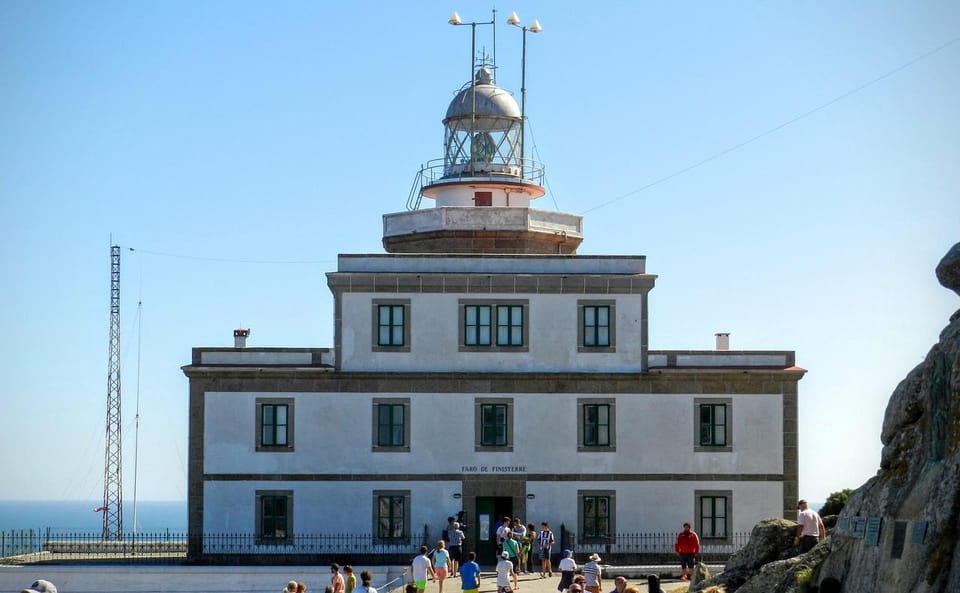
Next comes Fervenza do Xallas—a waterfall stop built around photos and a guided explanation. You’ll have another about 45 minutes here, mixing guided commentary with free time.
This is one of those stops where conditions matter. If it’s windy or rainy, the waterfall experience can be more dramatic (and a little muddy around edges). If it’s clear, you’ll likely get better sightlines. Either way, this stop works well because you’re not forced to “hurry through.” You get time to see it your way.
Tip: aim to do the photo run early, then use the remaining minutes to slow down and actually watch the water rather than just frame it.
Fisterra (the town): where the day’s mood shifts
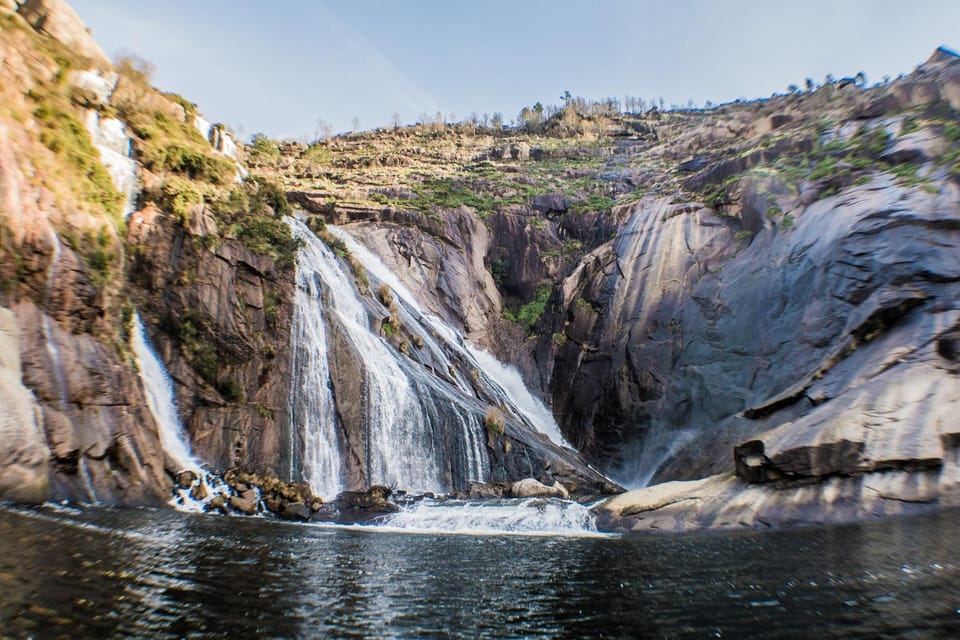
Then you reach Fisterra—often the anchor point for the whole trip. You’ll have around 2 hours here, with break time and free time for sightseeing.
This is where the day starts to feel like the reason people take the tour. The coast’s mood thickens. The air changes. You’re surrounded by the idea that you’re heading toward the end—whether you take on the legend spiritually or just enjoy the cinematic setting.
Lunch reality check
Lunch is not included. That sounds like a hassle until you realize what it buys you: flexibility. In one departure, people even managed a great lunch in Fisterra despite being out of season—so it’s not a lost cause when the calendar is quiet. Still, you’ll want to budget time and money and be ready to eat based on what’s open that day.
If you’re picky about timing, use your 2-hour window wisely: eat after you’ve walked a bit, not before. That way you don’t spend your best viewing minutes staring at a menu.
Cape Finisterre Lighthouse: the end-of-the-world photo moment
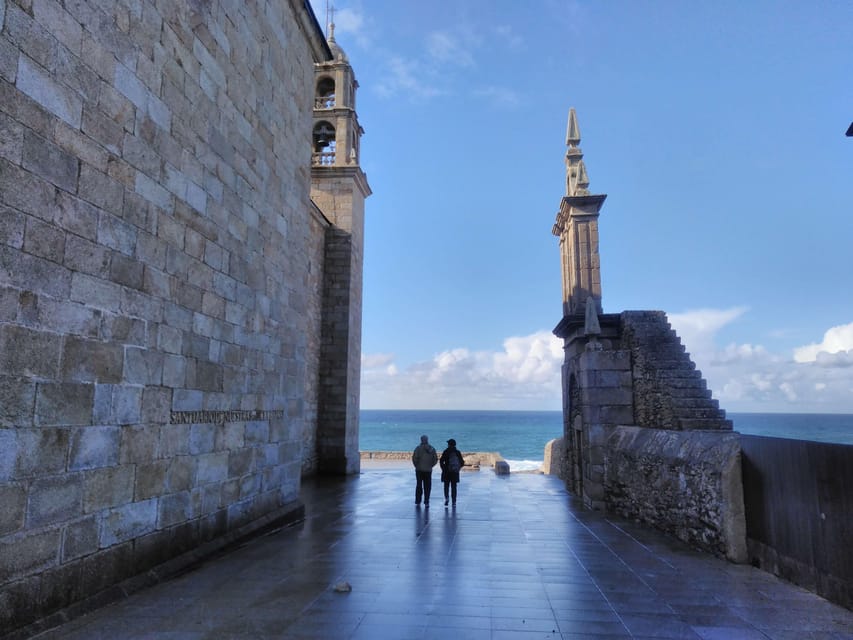
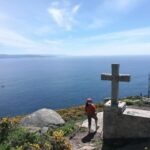
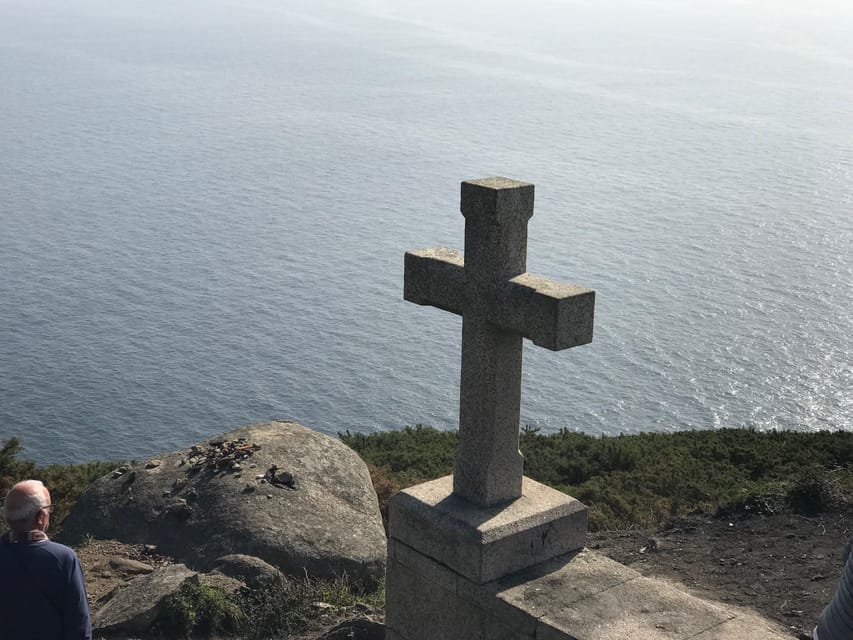
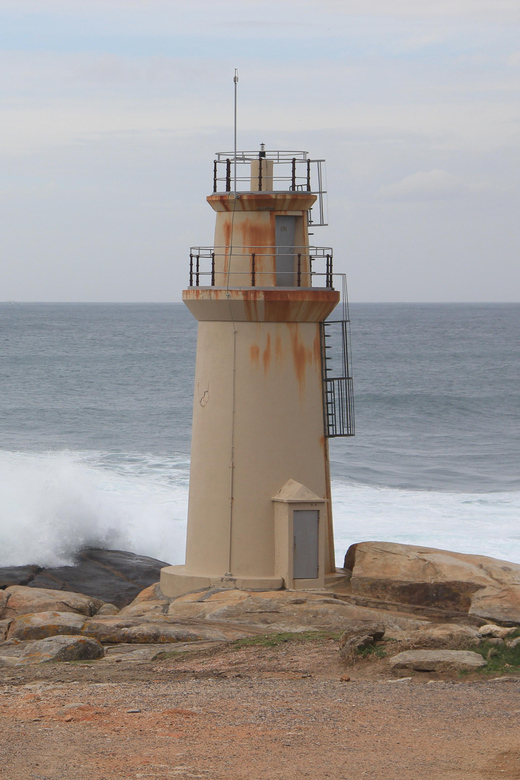
After Fisterra, the tour pushes you toward the Cape Finisterre Lighthouse area. You’ll get photo stop time, a guided segment, and then about 1 hour of free time.
This is the part people remember: the lighthouse visit ties the place to the coast’s history and gives the day its big finish. You’re also likely to see how the legend of “end of the world” fits into real geography—rocks, wind, long sightlines, and the sense that the sea has the final word.
One review note that’s worth paying attention to: a person wished they had a few more minutes at the main attraction area at Faro de Fisterra. That doesn’t mean the day is rushed, but it does suggest the area is easy to lose time in. If you know you’ll want extra minutes, do your movement early so you’re not sprinting at the end.
The bilingual angle (English and Spanish)
A practical detail: while the live guide offers English and Spanish, one departure leaned more heavily toward Spanish. If your comfort level is limited in Spanish, it may help to arrive with a few basic topic expectations in mind—shipwreck stories, Celtic cultural references, and the practical “why this place matters” explanations.
Muxía: legends by the water, plus real breathing room
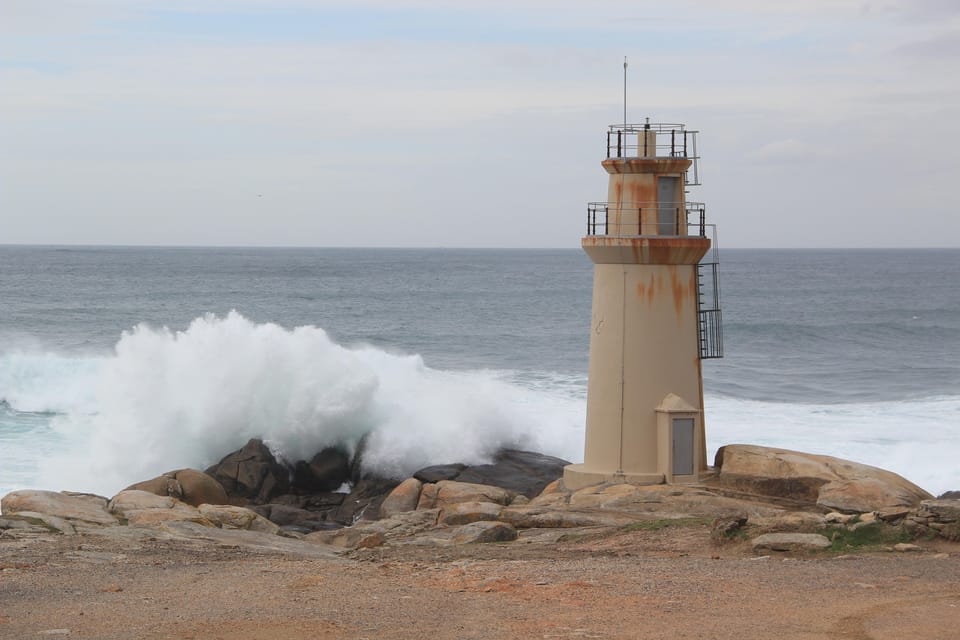
Finally, you head to Muxía for a photo stop plus visit and guided tour, ending with free time of about 45 minutes. This stop is a key part of the “legends and history” promise, especially the mythology tied to this coast.
I like that the last big stop isn’t only about dramatic cliffs. Muxía adds a different kind of coastal feeling—fishermen-town atmosphere and lingering myth tied to the sea. It rounds out the day so it doesn’t feel like a single long chase for scenic points.
There’s also a small but meaningful flexibility here. One review described choosing to stay longer at the Faro area and coordinating meeting back up later without it becoming a problem. So if you like a little independence, this style of tour can support it—as long as you respect the group’s rejoin time.
Guides and drivers: what actually makes the day work
The tour runs on two engines: the coach driver and the guide. The driving matters here because you’re covering a full day and multiple stretches of coastal road—one smooth, confident driver can make the whole day feel easier.
On the guide side, you may hear different voices depending on your departure. Past days included guides such as Cristian and David, both noted as excellent and engaging. That’s the sweet spot: someone who can explain legends clearly, but also keep the day moving so you still get your free time.
Price and value: what $57 buys you (and what it doesn’t)
The price is $57 per person for a 9-hour guided day with bus transport and a live bilingual guide, plus travel insurance. You’re also covered for the big-ticket items you’d otherwise pay for separately—local guiding and coordinated transport.
What’s not included: lunch. So you’ll want to plan a meal budget, and you’ll need to be comfortable finding food on the route timing. If you already know you’ll eat a proper meal late in the day, you’ll be fine. If you hate decision-making while hungry, consider bringing a small snack and then using lunch time just for the main meal.
Compared to booking multiple independent transport pieces, this is a strong deal if your priority is “see the highlights of Costa da Morte with context” without renting a car.
What to bring, what to skip, and what to expect walking-wise
Keep it simple. Comfortable shoes are the main gear need.
A few limitations to be aware of:
- No pets
- No electric wheelchairs
- Not suitable for people with mobility impairments
Good news: the day is described as not requiring much physical effort and not including large amounts of walking. Still, you should expect coastal paths, steps, and the kind of uneven ground where you’ll want steady footing—especially around the waterfall and lighthouse areas.
And yes, it runs rain or shine. That means you should be mentally ready for weather, not just sunny postcards.
Who should book this tour, and who might not love it
This tour is a great fit if you:
- Want a single day that covers Muros, Fervenza do Xallas, Fisterra, Cape Finisterre, and Muxía
- Like coastal legends with real historical context
- Prefer a guided structure but still want freedom to linger
- Don’t want to figure out public transport between scattered coastal stops
You might skip it if:
- You need accessible accommodations beyond the stated limitations
- You want a fully English-first commentary every minute (there can be Spanish-heavy moments depending on the departure)
- You’d rather design your own route and stop longer at fewer sites
Should you book Finisterre Express from Santiago?
If your goal is to see Galicia’s “end of the world” coast in one efficient day, I think this is a smart booking. The combination of guided storytelling plus real free time at Fisterra and the lighthouse area is the winning formula. You’ll come away with both the visuals and the reasons behind them.
Book it if you want a guided day that still lets you breathe—especially if Costa da Morte is new to you. If you’re a super slow traveler or need fully predictable language delivery, you might want to compare options. But for most people doing Santiago-based travel, this is one of the most satisfying “big excursion” choices in the region.
FAQ
How long is the Finisterre Express tour?
The tour lasts about 9 hours.
Where does the tour start?
The meeting point is in front of the Pilar Church, and your guide waits there to check your name.
What languages are spoken by the live guide?
The live guide provides commentary in English and Spanish.
Is lunch included?
No, lunch is not included.
Does the tour run in bad weather?
Yes. The tour takes place rain or shine.
Is this tour suitable for people with mobility impairments?
No. It is listed as not suitable for people with mobility impairments, and electric wheelchairs are not allowed.