REVIEW · SANTIAGO DE COMPOSTELA
From Santiago: Finisterre, Muxía & Costa da Morte Tour
Book on GetYourGuide →Operated by Tour Galicia · Bookable on GetYourGuide
Galicia’s coast starts feeling mythical fast. This full-day trip from Santiago de Compostela strings together Pontemaceira’s Camino bridge, Muxía, Ézaro Waterfall, and the Finisterre cliffs in one efficient loop. You get guided context all the way, so the day feels more than just photo stops.
I love the first, symbolic stretch: walking the Camino across Pontemaceira’s medieval stone bridge over the Tambre River. I also really like the natural show at Ézaro, where the Xallas River drops straight into the Atlantic—one of those rare moments that makes the whole region’s nickname Costa da Morte feel real.
One consideration: it’s a long, rain-or-shine day, and food and drinks aren’t included, so plan on budgeting for lunch (or snacks) once you reach Finisterre.
In This Review
- Key things I’d circle on this Costa da Morte day trip
- Why this Costa da Morte day trip feels like more than a drive
- Pontemaceira: the medieval Camino bridge that sets the tone
- Muxía and the Sanctuary of the Virgin of the Boat
- Ézaro Waterfall: the rare river-cascade-into-the-ocean moment
- Carnota’s hórreo: an agricultural stop with real scale
- Finisterre: lighthouse views plus real harbor time (1.5 hours)
- Muros and the scenic ride back along the rías
- How the guide and driver shape the day
- Value check: is $58 a fair deal for 9.5 hours?
- What to pack for wind, rain, and cliff air
- Should you book this Finisterre, Muxía & Costa da Morte day trip?
- FAQ
- Where are the pickup and drop-off points in Santiago?
- How long is the tour?
- Is food included?
- What languages are offered?
- Does the tour run in bad weather?
- How much free time do you get in Finisterre?
- What should I bring?
- Can I cancel for a full refund?
Key things I’d circle on this Costa da Morte day trip
- Pontemaceira Camino bridge walk over the Tambre River, a gentle but meaningful start
- Sanctuary of the Virgin of the Boat in Muxía, tied to local legend and ocean drama
- Ézaro Waterfall viewing boardwalks, including the rare river-into-sea effect
- Hórreo de Carnota stop, a big, impressive look at Galicia’s traditional grain storage
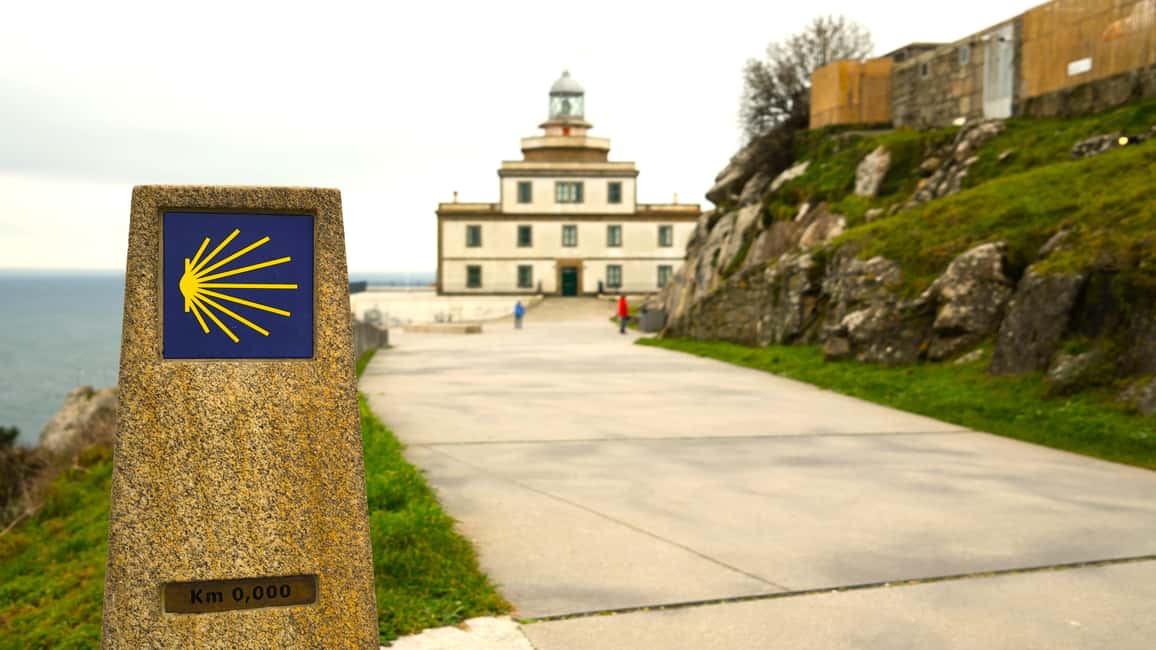
- Finisterre free time (1.5 hours), built for lighthouse views and harbor seafood time
- Muros scenic drive finish, a calmer seaside send-off along the ría
Why this Costa da Morte day trip feels like more than a drive
Costa da Morte is the kind of coast that has stories built into it. Even if you don’t chase legends, the setting does half the work: rugged shoreline, salt air, and small villages that still move to a working timetable. This tour is designed for one thing—packing the most famous parts of the coast into a single 9.5-hour day without you having to sort routes, buses, and connections.
You’ll travel by air-conditioned coach with a local guide who handles the big-picture meaning of each stop. In practice, that means you’re not just standing at cliffs wondering what you’re supposed to notice. Guides named Alba, Lucia, Pilar, Maria, Alexis, and Noelle have been praised for clear explanations and for switching effectively between languages. That matters when you’re bouncing from myth sites to rural agriculture to a lighthouse at the end of the known world.
The value angle is simple: you’re paying for a full-day structure. For $58, you’re buying transportation, guiding, and time at the places that would take you longer to reach on your own—especially if you’re only in Santiago for a short window.
You can also read our reviews of more tours and experiences in Santiago De Compostela.

Pontemaceira: the medieval Camino bridge that sets the tone
The day starts with pickup options in Santiago, then you move quickly toward the coast. Early on, you get to walk Pontemaceira’s medieval stone bridge over the Tambre River. It’s not a long walk, but it hits a sweet spot: it’s easy enough for almost everyone, and it carries that pilgrim symbolism that Costa da Morte travelers love.
What I like about this stop is how it frames the rest of the day. You’re not starting at random scenic points. You start with a Camino landmark—stonework, river, and a sense of continuity with the journey that brings many people to Galicia in the first place.
Practical tip: wear shoes you trust on uneven stone. Even on a short walk, coastal days often come with wind, wet patches, and slick spots near rivers.
Muxía and the Sanctuary of the Virgin of the Boat
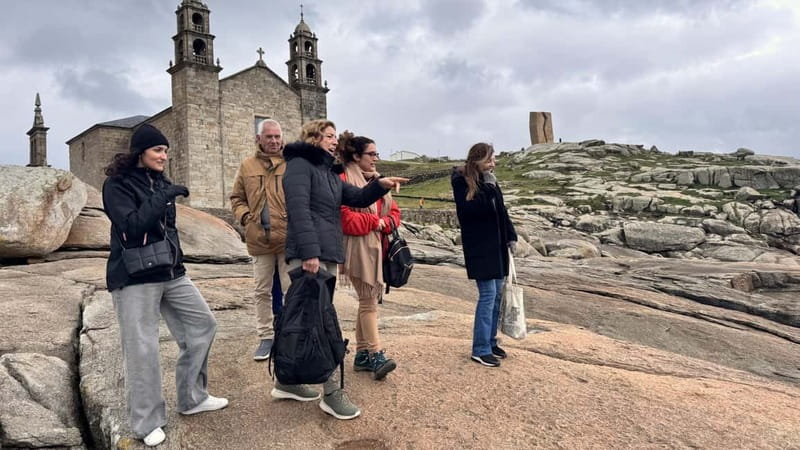
From Pontemaceira, the route heads toward Muxía, a coastal town tied to myth and ritual. The highlight here is the Sanctuary of the Virgin of the Boat—a site where local stories and the sea’s mood overlap. You’ll spend time at the sanctuary area with your guide, learning why this location has become part of the region’s spiritual map.
This is one of those stops where the “why” matters as much as the “what.” Muxía isn’t just pretty coastline. It’s a place where people come to connect faith, legend, and the Atlantic’s power in the same breath.
Timing-wise, you’ll have about 45 minutes there. That’s long enough to see the main points without turning it into a rushed checklist.
If you’re traveling in cooler months or right after rain, bundle a layer. Places by the water can feel warmer in the sun and colder in the shade.
Ézaro Waterfall: the rare river-cascade-into-the-ocean moment
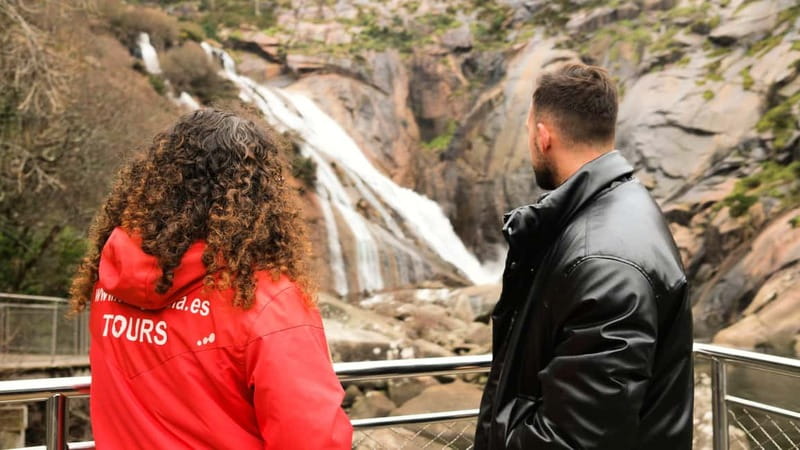
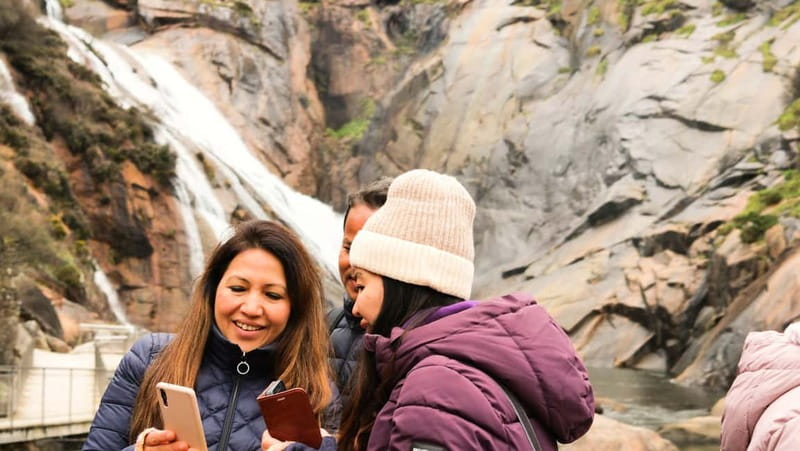
Then comes the headliner for many people: Ézaro Waterfall. This is where the Xallas River plunges directly into the Atlantic. The effect is unusual enough that it instantly changes how you perceive the coastline. You’re not just looking at waves crashing. You’re watching a freshwater body meet the sea in a dramatic, immediate way.
The tour gives you about 45 minutes at Ézaro, which is enough to walk the viewing areas and take photos without feeling stuck in a single spot. If the weather cooperates, this is also where the day can feel most “Galicia” in a raw, physical way—water, cliff edges, and wind off the Atlantic.
Photo tip: if it’s windy, keep your hands warm and your phone secure. Coastal gusts can make standing still tough, and you want to spend that time looking, not fighting your gear.
Carnota’s hórreo: an agricultural stop with real scale
Most coast trips skip agriculture. This one doesn’t, and that’s a good thing. You’ll stop at the Hórreo de Carnota, one of the largest traditional stone grain storage structures in the region.
A hórreo is practical architecture—raised so air can circulate and pests can’t easily get in. The guide explains what you’re looking at, but even without a lecture, you can feel the “how people lived” message. It’s a reminder that Galicia’s coast isn’t only fishing and storms. It’s also land, farming patterns, and storage systems shaped by local weather.
You’ll have about 30 minutes here. That’s plenty to walk around, take in the details, and understand the purpose. Bring a little patience for this stop if you’re mainly there for water and cliffs, because this is a more grounded, slower moment.
Finisterre: lighthouse views plus real harbor time (1.5 hours)
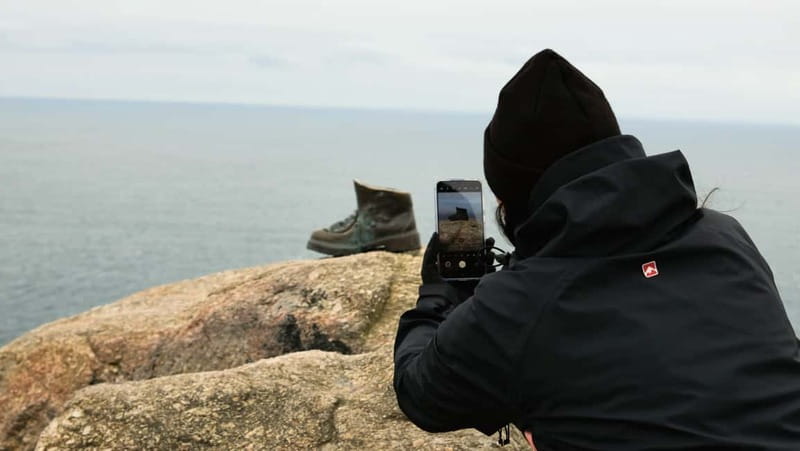
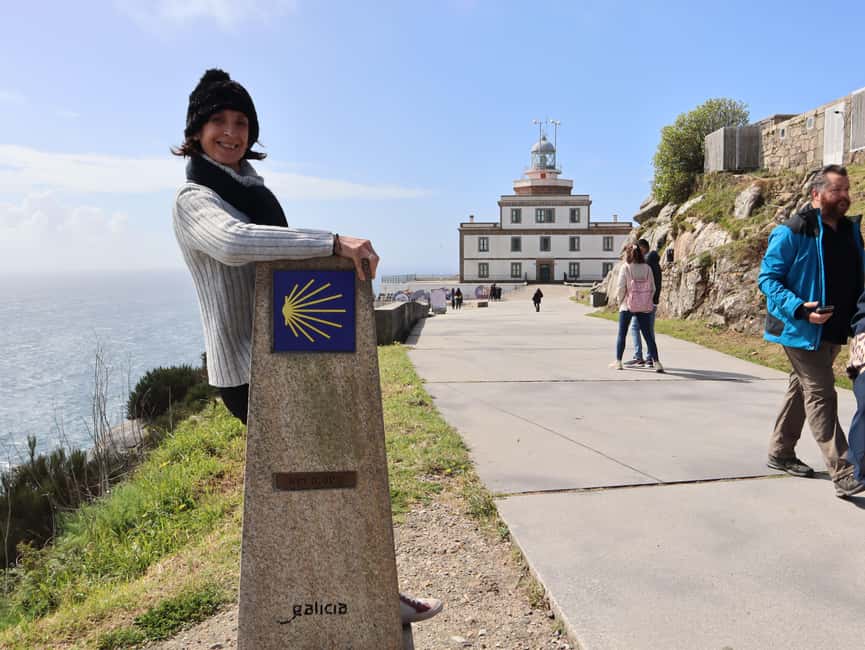
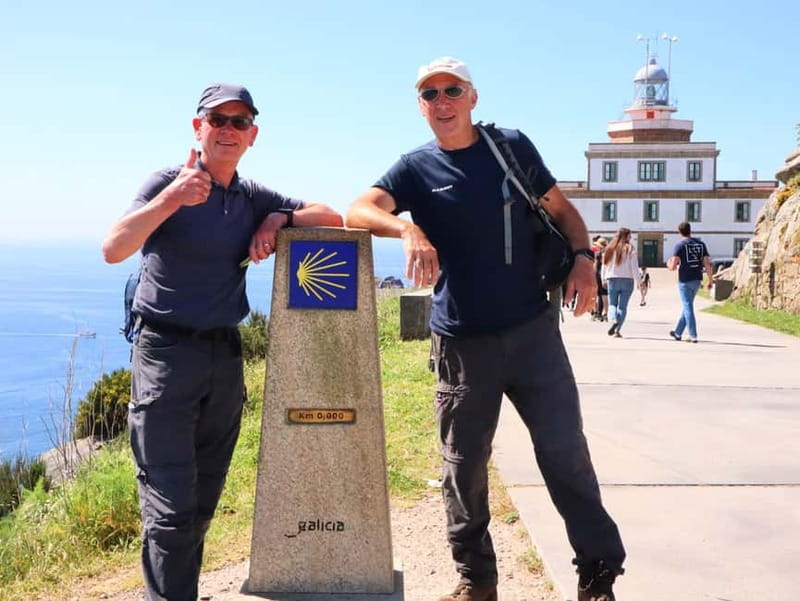
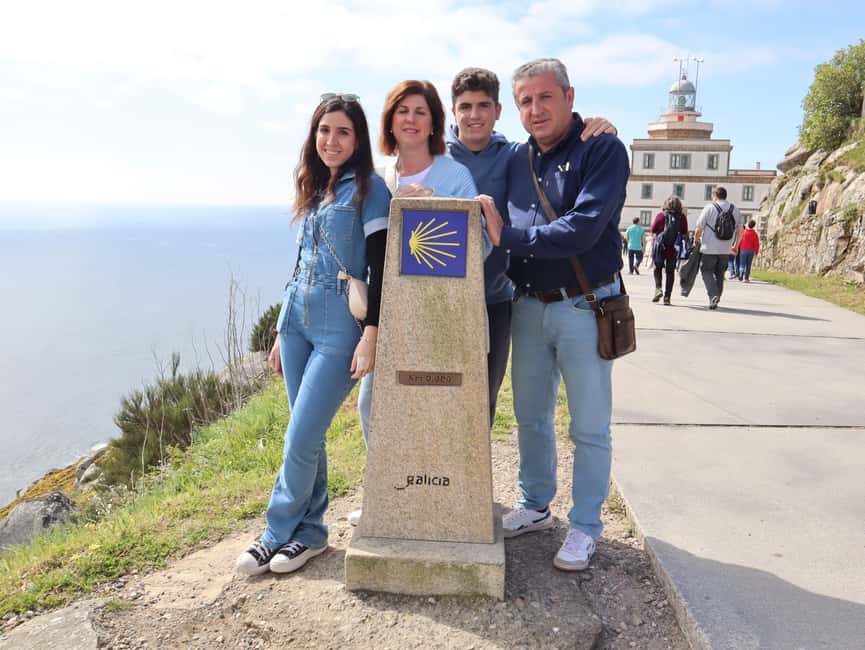
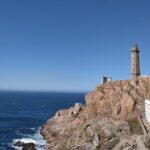
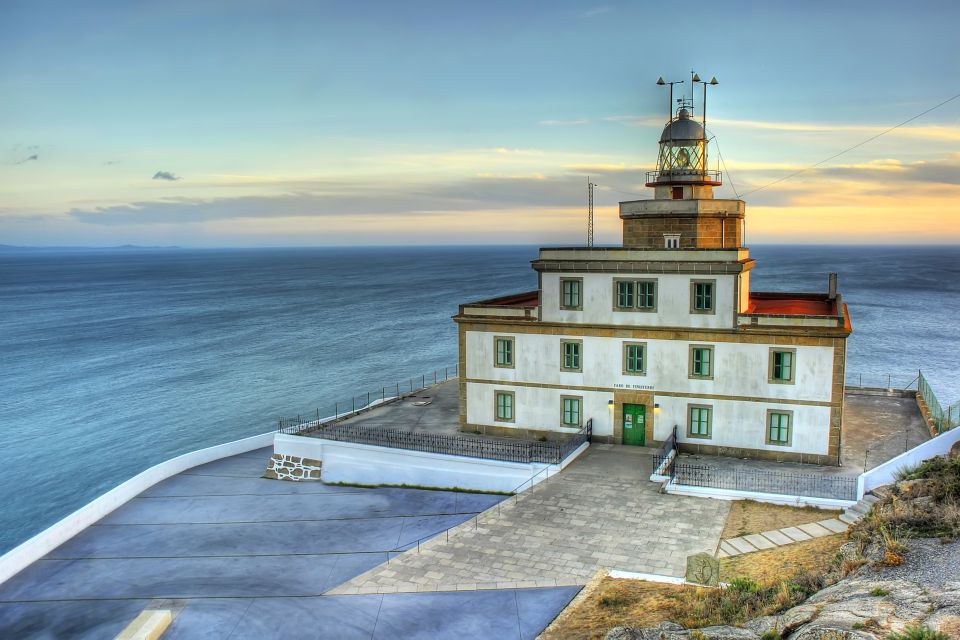
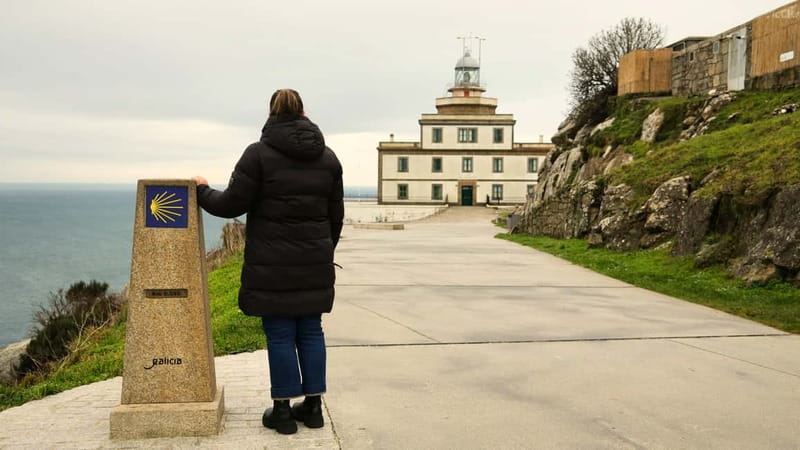
Eventually you reach Cape Finisterre, the iconic end-of-the-world feeling many pilgrims chase after Santiago. You’ll visit the cape area and its lighthouse views for about 50 minutes, where the cliffs and Atlantic air do the talking. This is the part of the day that makes the region’s mythology feel literal—wind, rock, and an almost theatrical sense of distance.
Then you get Fisterra free time for 1.5 hours. This matters. It turns the day from sightseeing into a chance to breathe and eat like a person, not a schedule.
Finisterre is a fishing town, so this is where you can look for seafood options and stroll through harbor streets. Even if you don’t sit down for a full meal, you’ll want to use some of that time for a relaxed walk, not just photos.
One more detail to plan around: food and drinks aren’t included, so your lunch budget should be part of your “is this worth it?” math. The upside is choice. If you want a sit-down lunch by the port, you can. If you’d rather snack and keep moving, you can do that too.
Muros and the scenic ride back along the rías
After the big emotional payoff at Finisterre, the tour closes with a calmer coastal chapter: a stop in Muros and a scenic drive along the Ría de Muros.
Muros is where you get that Galician seaside vibe—old town texture, water close by, and a sense that people actually live their daily life here. You’ll also get a 30-minute visit time in Muros. It’s enough to enjoy the feel without turning it into another long scramble.
This ending is smart. The day is heavy on sea drama earlier (Pontemaceira, Muxía, Ézaro, Finisterre). Muros helps you come down from the cliffs.
How the guide and driver shape the day
This tour’s rhythm relies on two people: the guide and the driver. The reviews for this experience consistently praise organization, timing, and clarity. People mention that guides gave instructions on when to return to the bus after each stop, and that the group stayed on schedule.
Several guide names came up across bookings—Alba, Lucia, Pilar, Maria, Alexis, Noelle, and Alevis—with compliments on bilingual switching and easy explanations. Drivers are also mentioned by name, including Jose, Fran, and Suso, often in the context of safe, smooth driving and clean coach conditions.
So what does that mean for you? It means you can trust the day’s flow. You won’t be stuck trying to figure out where you’re going next. And if you’re coming right off the Camino (or you just love pilgrim context), the guide narration helps you connect the dots faster.
Value check: is $58 a fair deal for 9.5 hours?
Let’s do the practical math in travel terms.
For $58 per person, you’re getting:
- Full-day transport by coach from Santiago
- A live guide during the day
- A free audioguide (languages listed include Korean, Italian, French, German, Chinese, and Polish)
- Insurance
- Time in multiple key places along Costa da Morte, including 1.5 hours of free time in Fisterra
What you’re not getting: food and drinks. That’s not a deal-breaker, but it does mean you should plan to pay extra for lunch.
In my view, this is good value if you want a structured “greatest hits” day without driving yourself. It’s especially worth it if you’re limited on time in Santiago or you’d rather spend energy watching the coast than managing transportation.
It’s less “worth it” if you already have a tight plan for exploring independently. If you’re the type who loves self-guided driving and you have more than one day to spread things out, your costs and time might work out differently.
What to pack for wind, rain, and cliff air
This tour runs rain or shine, so you should treat Galicia weather as changeable. Coastal wind can surprise you, even when the day starts mild.
Bring:
- Comfortable shoes
- Sunglasses (Atlantic brightness can be real)
- A sun hat
- A jacket and a raincoat, just in case
Also, remember the practical rules: no alcohol or drugs, and no alcoholic drinks in the vehicle. It’s a tour day, not a picnic bus.
And if you’re a solo traveler: on days like this, groups are often friendly. Still, it helps to introduce yourself early—especially at pickup—so you don’t spend the whole day eating lunch in your head.
Should you book this Finisterre, Muxía & Costa da Morte day trip?
Book it if you want a single-day path through Galicia’s big coastal icons, and you like having a guide explain the meaning behind each stop—not just where to stand.
I’d especially recommend it if:
- You’re short on time in Santiago
- You want a Camino-linked start with Pontemaceira
- You care about both myth sites (Muxía) and physical nature (Ézaro)
- You want actual breathing room at the end with 1.5 hours in Fisterra
Skip it or reconsider if:
- You hate long day trips and tight return-to-bus timing
- You prefer completely free-form travel with no schedule
- You’re not interested in one or two stops that are less about cliffs and more about local culture and rural architecture (like Carnota’s hórreo)
If you’re trying to wrap up your Santiago chapter with a coastline that feels legendary, this one is a strong, efficient choice. Just come prepared for weather, bring a lunch budget, and enjoy the day at your own pace during the free time.
FAQ
Where are the pickup and drop-off points in Santiago?
You can choose from three pickup locations in Santiago: Capela do Pilar, Av. de Rosalía de Castro (Continental Aparcadoiro La Salle), and a second option listed at Av. de Rosalía de Castro, 158. Drop-off returns to the same three locations.
How long is the tour?
The tour duration is listed as about 9.5 hours.
Is food included?
No. Food and drinks are not included, so you’ll want to plan for lunch on your own at stops such as Finisterre.
What languages are offered?
The live guide operates in Spanish and English. A free audioguide is included in multiple languages, including Korean, Italian, French, German, Chinese, and Polish.
Does the tour run in bad weather?
Yes. The tour runs rain or shine, and you’re advised to bring a raincoat just in case.
How much free time do you get in Finisterre?
You get about 1.5 hours of free time in Fisterra (Finisterre) after visiting the cape and lighthouse area.
What should I bring?
Wear comfortable shoes and bring sunglasses and a sun hat. A jacket is recommended for coastal winds, and a raincoat is suggested because weather can change.
Can I cancel for a full refund?
Yes. Free cancellation is available up to 24 hours in advance for a full refund.