REVIEW · SANTIAGO DE COMPOSTELA
Santiago de Compostela: Finisterre, Muxia & Costa da Morte
Book on GetYourGuide →Operated by Toxo Travel · Bookable on GetYourGuide
The Camino’s end feels close here. You’ll ride out of Santiago to Finisterre and Muxía, following the myths and seaside drama of Galicia’s Costa da Morte.
I especially love the Ponte Maceira stop, with its 14th-century bridge over the Tambre River and medieval mill surroundings. I also like how the day builds toward Cape Finisterre, then gives you real time in Fisterra for lunch and wandering the fishing port.
One drawback to consider: it’s a long 9-hour day, and some stops feel tight if you want extra minutes at Cape Finisterre or prefer fewer transfers.
In This Review
- Key Things You’ll Really Notice on This Day Trip
- Costa da Morte in a Single 9-Hour Coach Day
- Meeting Up in Santiago: Where the Day Starts
- Ponte Maceira and Muros: Pilgrim Rhythm Meets Real Town Stops
- Carnota, Lira, Boca do Río, Mount Pindo, Cape Viewpoints
- Ézaro Waterfall at Fervenza do Xallas: A Short Walk, Big Effect
- Cape Finisterre and Fisterra: Kilometer Zero and Port-Wandering Time
- Muxía and the Sanctuary: Sacred Stones by the Atlantic
- Pace, Timing, and Comfort: What the 9 Hours Feel Like
- Price and Value: Is $58 Worth It?
- Should You Book This Finisterre, Muxía and Costa da Morte Tour?
- FAQ
- How long is the Santiago de Compostela to Finisterre and Muxía tour?
- What is included in the price?
- Is food or drinks included?
- Where do I meet for the tour?
- What are the main stops on the route?
- What languages does the guide speak?
- Is there a cancellation option?
- What should I wear or bring?
- Is there a plan for where lunch happens?
Key Things You’ll Really Notice on This Day Trip
- Ponte Maceira and the Tambre River: a pilgrim-friendly bridge stop with medieval mill scenery.
- Ézaro waterfall, the Xallas meets the sea: one of the most famous waterfall moments in Galicia.
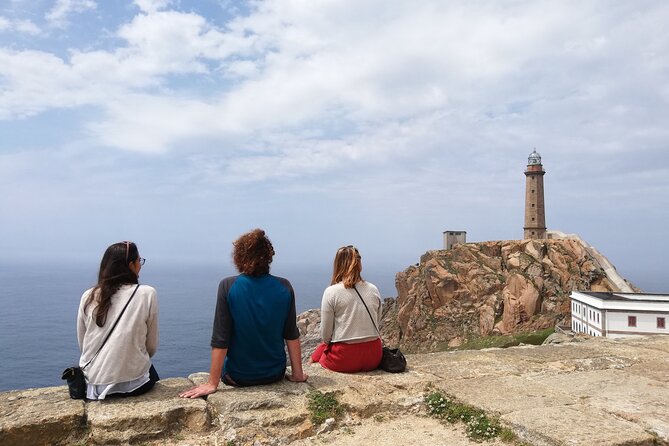
- Cape Finisterre (Fisterra) kilometer zero energy: lighthouse area plus a guided sense of why this place matters.
- Muxía Sanctuary by the Atlantic: a short guided visit plus time to explore the sacred stone legends.
- Professional guide in multiple languages: live narration in Spanish, English, and Galician (with extra audio options).
- A full-day route that keeps you comfortable: air-conditioned vehicle and steady pacing for people who want coast views without long walks.
Costa da Morte in a Single 9-Hour Coach Day
This is one of those day trips that feels bigger than its hours. In about 9 hours, you go from pilgrimage town rhythm to rugged Atlantic coastline, hitting the coast points that define Costa da Morte and the Camino’s end-of-the-world story.
At $58 per person, the value comes from two things: you get transport plus live guiding, and you don’t have to stitch together multiple bus or car legs on your own. You do give up flexibility, though. Once you’re on the itinerary, your time is managed by the route and the number of stops.
Also, this is not a “bring a picnic and roam all day” plan. Food isn’t included, so you’re counting on meal time being built into the schedule (more on that in a bit).
You can also read our reviews of more tours and experiences in Santiago De Compostela.
Meeting Up in Santiago: Where the Day Starts
You meet at the TOXO TRAVEL office on Rúa dos Bautizados, 12 in Santiago de Compostela. From there, the day turns into a guided coast sprint across Galicia, with the guide keeping you oriented and moving at a pace that fits multiple viewpoints and towns.
The vehicle is air-conditioned, and the tour includes transportation plus a live guide. Language coverage is a plus here: the live guide speaks Spanish, English, and Galician, and there’s also an audio guide available in French, Korean, and German. In other words, you should be able to follow the story even if your Spanish is rusty.
Ponte Maceira and Muros: Pilgrim Rhythm Meets Real Town Stops
The first big “why this place matters” moment is Ponte Maceira. You’ll stop in the little area where pilgrims traditionally pause while traveling toward the end-of-the-world concept. The highlight here is the 14th-century bridge over the Tambre River, plus the nearby medieval mills setting that makes it feel less like a random photo stop and more like a living piece of Camino geography.
From there, you head toward the Muros e Noia estuary region and the historic town of Muros. You get a short visit for scenic surroundings and a bit of breathing space, plus a coffee tasting segment (30 minutes). If you’ve been walking a lot, I like that this kind of stop breaks the day into digestible chunks instead of throwing you from one long road stretch into another.
Muros is also a useful palate cleanser. After the pilgrim-bridge mood, you get something calmer: town views, a quick reset, and time to look around without feeling locked to the bus schedule.
Carnota, Lira, Boca do Río, Mount Pindo, Cape Viewpoints
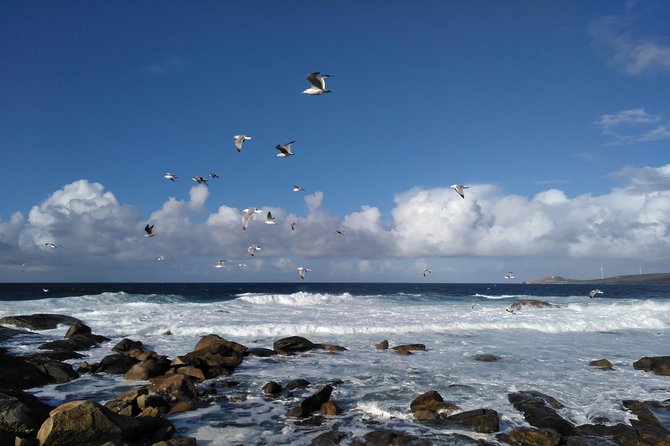
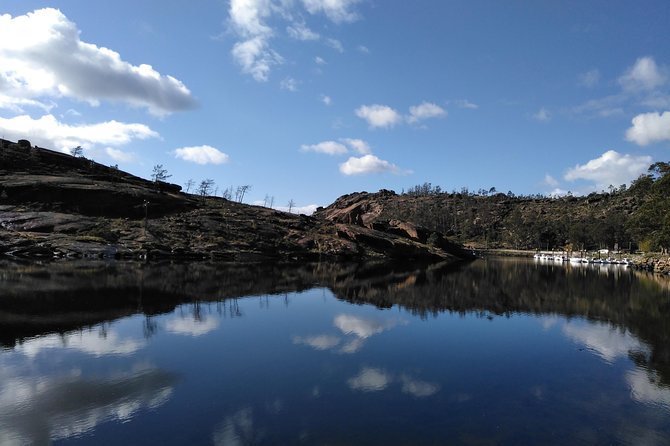
Between the towns and the major anchors, you’ll ride past a string of coastal landmarks that work like a soundtrack for your day. You’ll see (from the road) the coast area around Carnota, Lira, Boca do Río, Mount Pindo, and reach the Cape Fisterra area.
This section matters because Costa da Morte isn’t just one famous overlook. The whole coastline is dramatic in layers. Even when you’re not stepping out for long, the repeated coastal framing helps the guide connect the geology and the legends to what you’re seeing.
One practical note: these are mostly sightseeing moments while the bus rolls. So if you’re the type who wants to linger forever at viewpoints, you may wish for more walking time on this stretch. If you like snapshots and then a deeper stop later, this pacing fits well.
Ézaro Waterfall at Fervenza do Xallas: A Short Walk, Big Effect
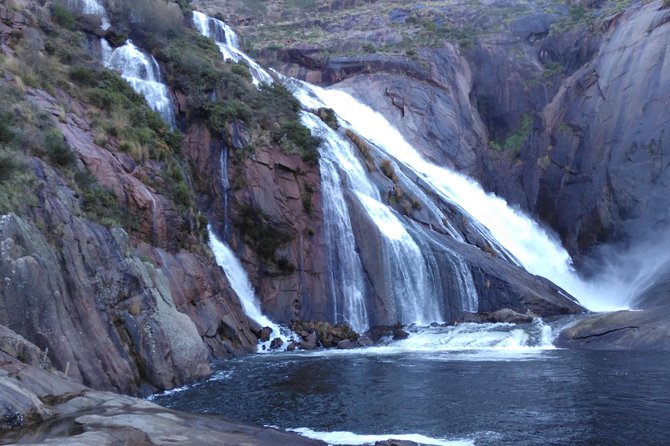
Then comes Ézaro via Fervenza do Xallas. This is the moment people tend to remember: the river Xallas falls into the sea, creating the Ézaro waterfall. The tour frames it as one of the most famous waterfall sights in Galicia, and that makes sense. You get the feeling of a waterfall that’s not staged behind a lookout, but actively working its way toward the Atlantic.
The stop includes time for sightseeing and free roaming (35 minutes). It’s enough time to watch, take photos, and get a sense of how the coastline and water energy meet in one place. On misty or rainy days, you may not get the crispest view, but the coach still keeps the experience comfortable while you catch the main attraction.
Cape Finisterre and Fisterra: Kilometer Zero and Port-Wandering Time
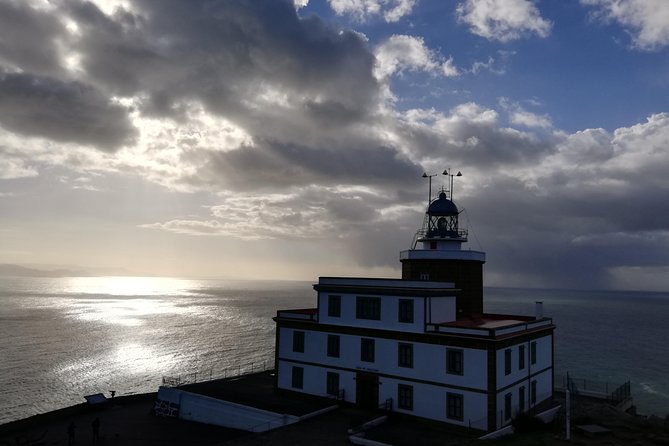
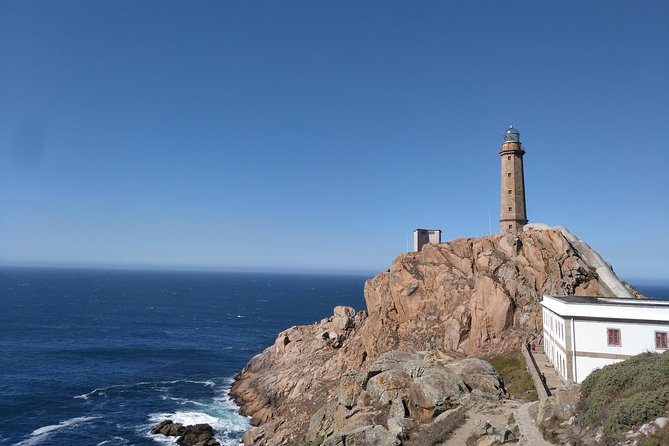
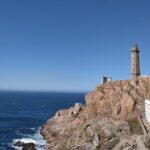
Now you reach the part that hits most pilgrims in the heart: Cape Finisterre and Fisterra (with the lighthouse area and the Camino de Santiago kilometer zero concept).
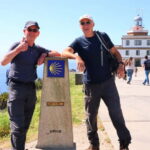
You’ll get time at Cape Finisterre (45 minutes). This is where the lighthouse zone and the broader end-of-the-world symbolism take over. It’s also where you get the strongest “I understand why this is a thing” feeling, because the guide’s explanations make the mythology and the geography click together.
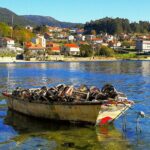
After that, you move to Fisterra itself for more real wandering time (1.5 hours). This is where you can do what I always recommend on trips like this: slow down. Walk around the town and the fishing port, let your photos capture the smaller details, and reset before heading to your next anchor.
Lunch is planned during this longer stop, but here’s the key value point: food isn’t included. So you’re paying for your own meal. The upside is flexibility. You’re not stuck with a set menu, and you can choose what feels right in that moment.
Muxía and the Sanctuary: Sacred Stones by the Atlantic
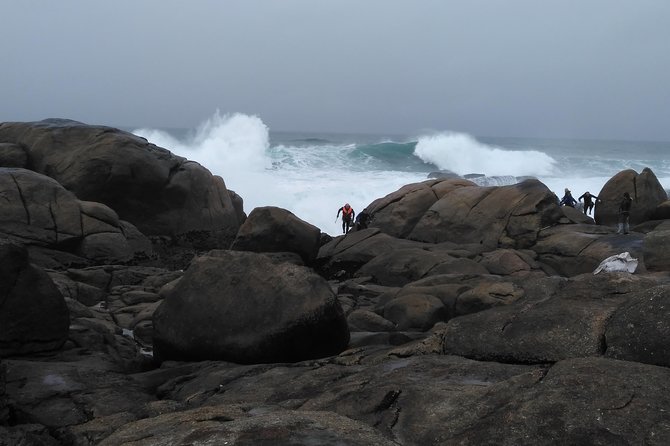
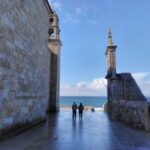
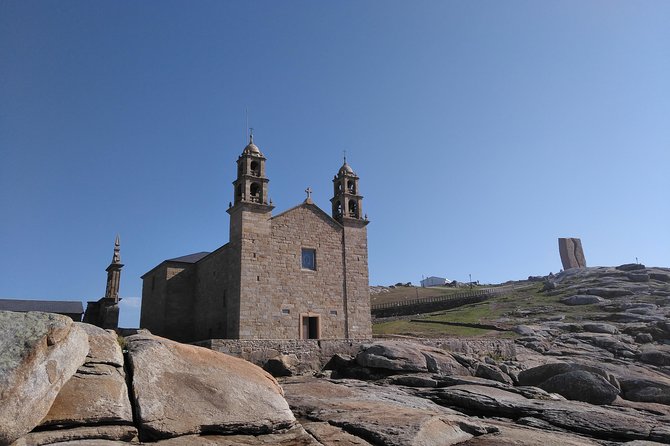
If Cape Finisterre is the symbolism of an ending, Muxía is the symbolism of continuation. You’ll arrive at Muxía with a visit to the Sanctuary at the foot of the Atlantic. You’ll also get the guided story that ties the place to local belief: there are three stones considered sacred by Galicians, and the tour gives you context for why they matter.
The visit includes a guided tour (40 minutes), plus free time to explore the area on your own. I like that this stop gives you both structure and choice. The guide handles the meaning; you decide how long you want to linger by the sea.
This is also a good place to pay attention to the atmosphere. Even without extra planned activities, the combination of the sanctuary setting, Atlantic wind, and the legends surrounding those stones makes it feel like more than a checklist stop.
Pace, Timing, and Comfort: What the 9 Hours Feel Like
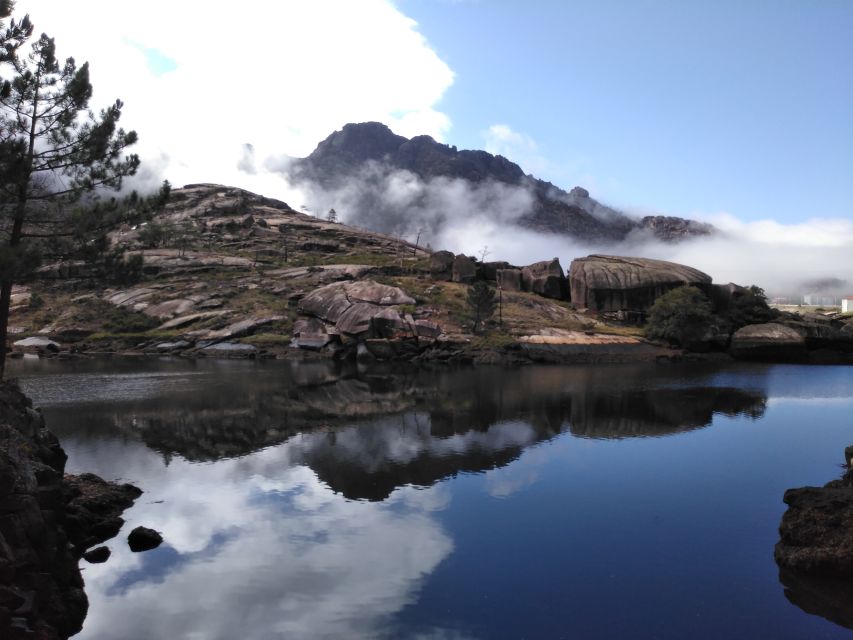
This day trip is packed, but it’s not chaotic. The best sign of good pacing is that you get enough time to actually look at things rather than rush through everything. Here, the stops are varied in length: shorter stretches for orientation and sightseeing, then longer windows at Cape Finisterre and especially Fisterra for lunch and walking.
That said, it is still a long ride. One consideration: if you’re hoping for more time at Cape Finisterre, you may feel the schedule is a bit tight. The day is designed to hit multiple “must-see” anchors, so you’re making tradeoffs.
Comfort-wise, the repeated positive feedback points to how well the guide and driver manage the group. People get back on board promptly, and the guide checks everyone is accounted for. There’s even room for a bathroom break if you need one, which matters on a coast day where stretches can feel long.
What to bring is simple: comfortable shoes. You’ll be standing and walking around towns and viewpoints often enough that blister-proof shoes earn their keep.
Price and Value: Is $58 Worth It?
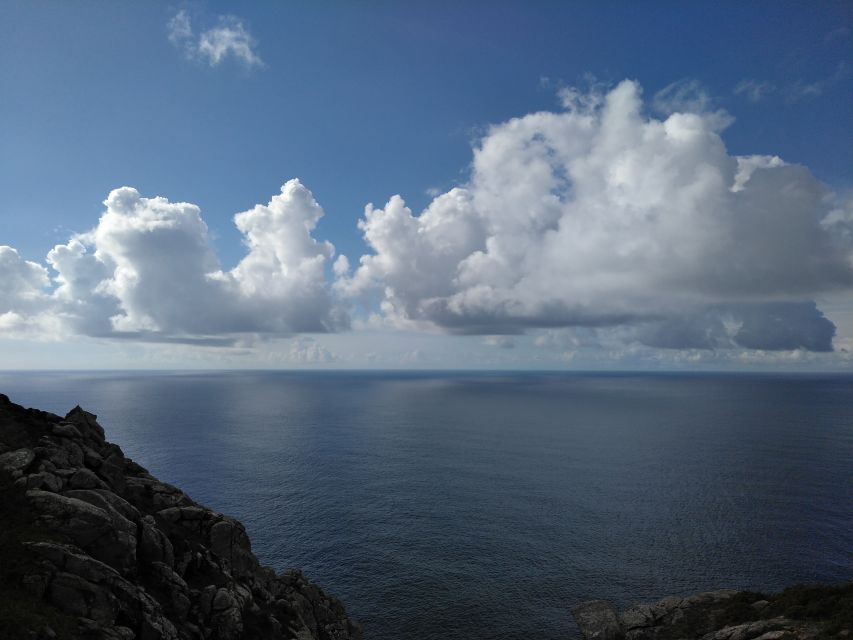
At $58 per person, this is priced like a budget-to-midrange guided day trip. I think it’s good value if you’re arriving in Santiago and want Costa da Morte highlights without planning transport.
Here’s the honest math:
- You pay for transport + guide.
- You pay separately for food or drinks (the tour has a lunch stop at Fisterra, but meals aren’t included).
So the biggest question isn’t just the dollar amount. It’s whether you value guided context and a one-day “greatest hits” route over doing it independently. If you want the myths, the geography connections, and the convenience of someone else handling the route, this is a solid deal. If you’re the type who wants to camp on one viewpoint for hours, you might want a slower plan instead.
Should You Book This Finisterre, Muxía and Costa da Morte Tour?
Book it if:
- You’re short on time in Santiago de Compostela but still want the real Costa da Morte anchors.
- You want live guidance to connect legends to what you’re seeing.
- You prefer a day with set stops over figuring out intercity routes.
Consider passing if:
- You’re extremely time-hungry for one location and want long lingering sessions with zero schedule pressure.
- You know you’ll be frustrated by a full-day drive with multiple stop-and-go moments.
If you’re coming from the Camino and want a powerful coast finale, this itinerary makes sense. It keeps you warm and moving on a coach while still delivering the dramatic Atlantic-feeling destinations that pilgrims talk about when they reach the western edge of their journey.
FAQ
How long is the Santiago de Compostela to Finisterre and Muxía tour?
The tour lasts 9 hours.
What is included in the price?
The tour includes transportation by air-conditioned vehicle and a live guide.
Is food or drinks included?
No. Food or drinks are not included. Lunch time is built into the schedule at Fisterra.
Where do I meet for the tour?
You meet at the TOXO TRAVEL office at Rúa dos Bautizados, 12 in Santiago de Compostela.
What are the main stops on the route?
You’ll visit Ponte Maceira, Muros, Fervenza do Xallas (Ézaro waterfall), Cape Finisterre, Fisterra, and Muxía.
What languages does the guide speak?
The live guide speaks Spanish, English, and Galician. Audio guide languages include French, Korean, and German.
Is there a cancellation option?
Yes. You can cancel up to 24 hours in advance for a full refund.
What should I wear or bring?
Bring comfortable shoes.
Is there a plan for where lunch happens?
Lunch is scheduled during the Fisterra stop (it’s listed as a lunch block there), but since meals aren’t included, you’ll buy what you choose.