REVIEW · GRAN CANARIA
PADI Open Water Course in Gran Canaria
Book on Viator →Operated by Blue Water Diving · Bookable on Viator
In three days, you can earn scuba certification. The PADI Open Water Course in Gran Canaria turns beginner nerves into a step-by-step plan, starting with confined-water skills before you head to the coast. It’s structured, friendly, and taught in English.
I like the way the training builds confidence without rushing you. You spend the first day learning the basics in a controlled setting, then you shift to local beaches for gradual underwater work. That “learn safely, then practice naturally” approach is what makes this course feel like a real holiday activity, not a stressful challenge.
I also like the free hotel pickup for selected hotels and the small group size of up to 6. The schedule is tight, though: each day runs roughly 8:30am to 2:00pm, and food and drinks aren’t included, so you’ll need to plan lunch and snacks.
In This Review
- Key highlights worth your attention
- Three days of PADI Open Water training in Gran Canaria
- Day-by-day: pool skills to beach confidence
- Day 1: confined-water sessions (learning your gear and basics)
- Day 2: first open-water beach work (wading in, then going gradually)
- Day 3: more beach sessions (putting it together)
- What’s included (and what that means for your time and budget)
- Manuals: printed or digital
- Pickup, timing, and group size (why it matters)
- Food, fitness, and health checks: the practical realities
- Lunch planning tip
- Fitness and comfort
- Who should book this course in Gran Canaria?
- Price and value: is $549.09 worth it?
- Should you book it?
- FAQ
- FAQ
- How long is the PADI Open Water Course?
- What time does each day run?
- Is the course offered in English?
- What’s the minimum age to join?
- Is hotel pickup included?
- What does the price include?
- Do I need to bring scuba equipment?
- Do I need a medical check before participating?
- What’s the cancellation policy?
Key highlights worth your attention
- Confined-to-open-water progression with practical skills first, then beach sessions
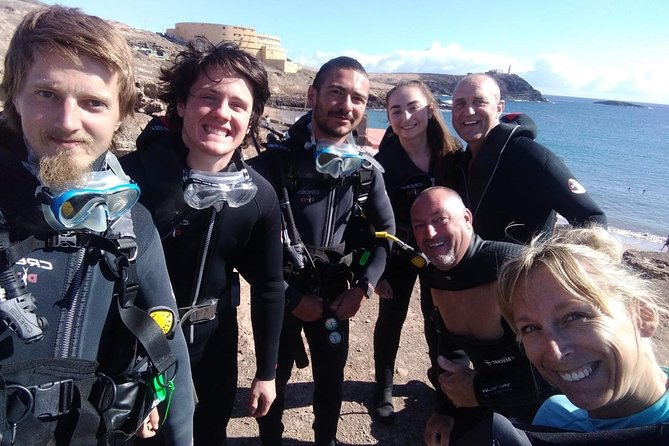
- Small groups (max 6) so instructors can watch and coach you directly
- All necessary equipment included so you’re not scrambling on day one
- PADI certification and insurance included in the package price
- English instruction plus hotel pickup/drop-off (selected hotels) for easier logistics
Three days of PADI Open Water training in Gran Canaria
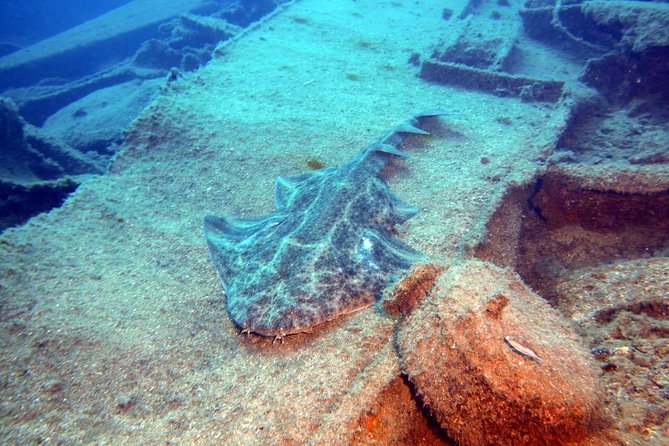
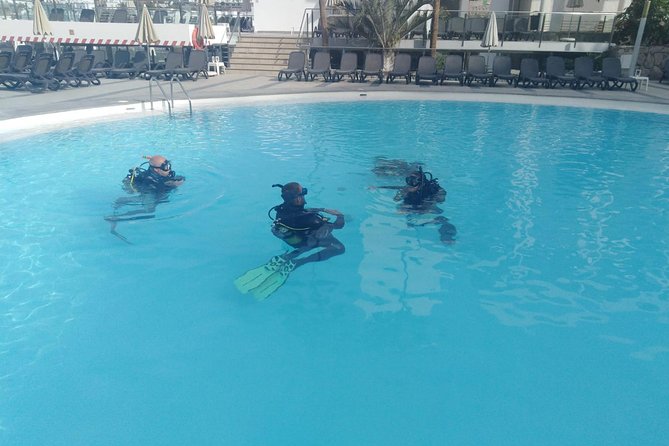
Gran Canaria is a smart setting for a beginner course because you get both controlled practice and real ocean confidence. The course runs for about three days, with each day starting around 8:30am and ending around 2:00pm. That matters because it keeps the training focused and prevents you from dragging your energy all day long.
The training itself follows the classic PADI arc: start with skills you can repeat, then transfer those skills into open-water conditions. You’re not expected to “figure it out” underwater. Instead, you learn the basic gear handling, breathing control, buoyancy basics, and safety routines, and the instructors check that you’re comfortable before moving on.
One detail I especially appreciate: the course includes review of skills you learned earlier, so you don’t just move forward—you actually get to feel how the steps connect. For first-timers, that repetition is how confidence clicks into place.
You can also read our reviews of more tours and experiences in Gran Canaria.


Day-by-day: pool skills to beach confidence
The schedule is pretty straightforward, but the order is what makes it work.
Day 1: confined-water sessions (learning your gear and basics)
Day one happens in confined water—think a pool—where everything is predictable. You’ll wear your wetsuit and get set up with the scuba gear used for training, plus goggles so you can see clearly while you practice. A good real-life detail from past students: you’ll learn to handle the equipment like the Aqualung underwater while your instructor stays close and explains what you should feel and what you should do if something feels off.
There’s also theory. You’ll go through the background you need for safe scuba habits, and instructors typically make this part more approachable by pairing explanations with hands-on practice. The pacing is important here. This is where beginners often feel nervous, and a patient, engaged coach can change the whole experience.
What you’ll do most on day one:
- Gear handling and underwater communication routines
- Core scuba basics you can practice repeatedly in a controlled setting
- Confidence-building through repetition and instructor feedback
Possible drawback on day one: if you’re anxious about putting on the gear or water time, you may feel a little overwhelmed at first. The good news is that the setting is controlled, so your “body learns first” without big variables.
Day 2: first open-water beach work (wading in, then going gradually)
On day two you move to a local beach for open-water sessions. You start more gently—wading in—and then you work your way down step-by-step. In one detailed experience shared by a student, the plan included gradually getting down to around 12m depth. Along the way, you practice the skills from day one, but now in a real water environment where you can also look around and notice what’s around you.
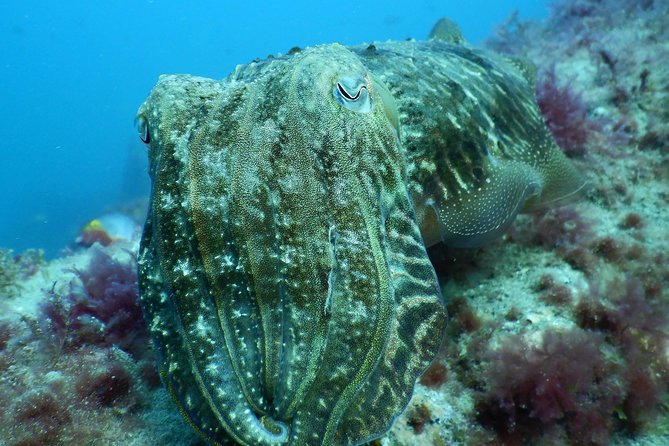
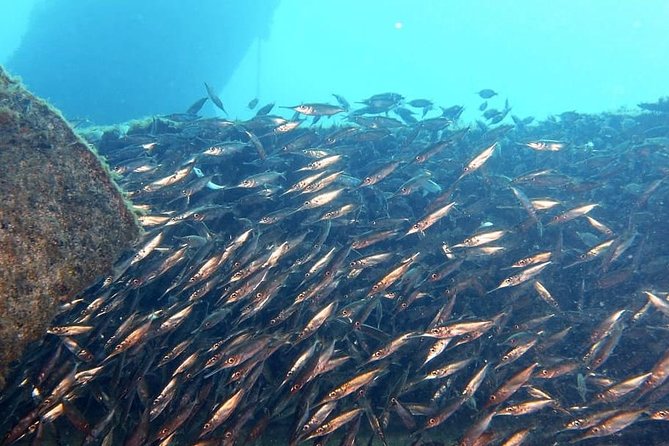
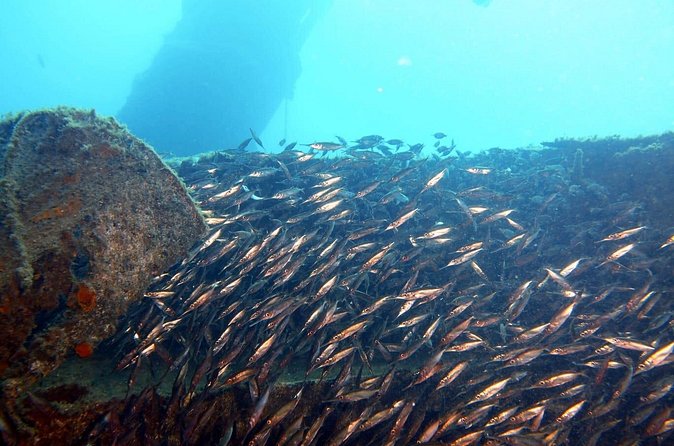
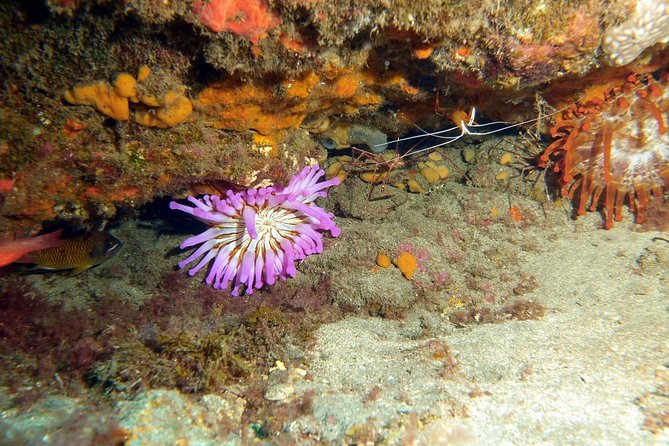
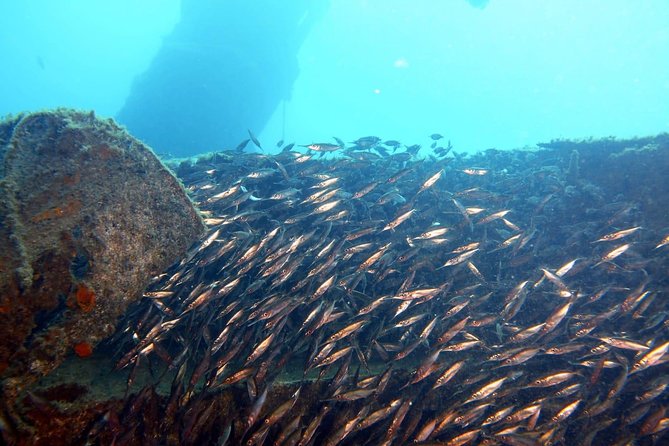
This is also where you start seeing life. In past experiences, students reported colorful creatures and fish, plus rock formations. That’s not just sightseeing—it’s motivation. When your brain is engaged by what you’re seeing, the training usually feels more natural.
What makes day two valuable:
- You transfer skills from pool conditions to open water
- You build comfort at a real depth in controlled steps
- You learn to focus on technique while still enjoying the surroundings
A practical consideration: you’ll want to pay attention to how your body feels during the transition from pool-to-beach conditions. Temperature, entry style, and buoyancy cues can feel different on open water, even for confident swimmers.
Day 3: more beach sessions (putting it together)
Day three is another beach day, with more work from shore and continued skill practice. This is where things usually start to feel less mechanical. Instead of just learning one skill at a time, you’re combining them and proving you can handle the overall flow of the course.
In at least one experience described, the student felt they were gaining confidence fast enough that the instructor seemed impressed. That’s exactly the point of day three: you should feel like the earlier training “sticks,” not like you’re starting over.
By the end of day three, you’re ready to move toward certification. The course includes the certification itself, and the instruction style is designed to get you ready for the required PADI steps.


What’s included (and what that means for your time and budget)
This course is sold as an all-in package, which is a big deal for value. Here’s what’s included:
- Hotel pickup and drop-off (selected hotels only)
- PADI Open Water Course
- Printed PADI Open Water Manual (if you selected that option)
- Digital PADI Open Water Manual (if you selected that option)
- Certification
- Insurance
Two value takeaways:
- Insurance included: you’re not piecing together extra protection for the training portion.
- Certification included: you’re paying for the full training path, not just lessons.
Equipment is included too (it’s listed as part of what you get). That removes a common beginner headache: figuring out what gear to rent, what fits, and what will work on the first day.
Manuals: printed or digital
You may be offered the option of a printed manual or a digital manual. Either way, it’s designed to support the theory and exam preparation part of the course. My practical advice: choose the format you’ll actually open and read before you arrive.
If you like studying on paper, take the printed version. If you travel light and prefer offline access on a phone or tablet, go digital.
Pickup, timing, and group size (why it matters)
Training days run roughly 8:30am to 2:00pm. That’s a compact block, and it helps you keep your attention on the key skills. You don’t waste time in a long day that leaves you tired before the water sessions.
You’ll also start and end at the meeting point:
- Blue Water Diving, Calle Olimpicos, C. Doreste y Molina, s/n, 35130 Gran Canaria, Las Palmas, Spain
- The activity ends back at the meeting point.
If your hotel is in the pickup list, you get free pickup and drop-off. That’s a meaningful convenience on Gran Canaria, because it reduces the “what time do we meet and how do we get there” stress before you’re even suited up.
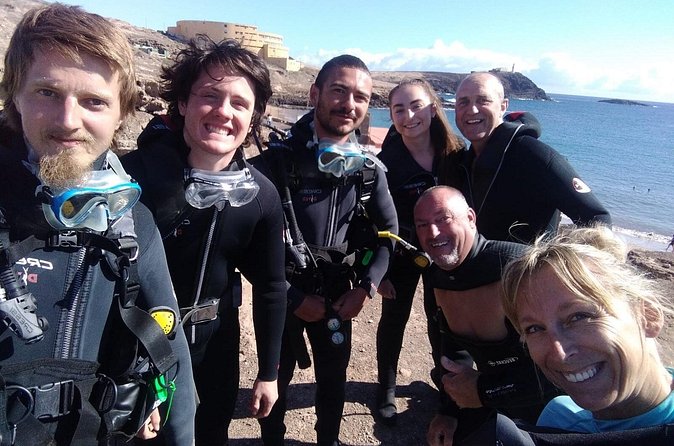
Small group size is capped at 6 travelers. In real training, that means you get closer instructor attention. It also tends to reduce wait time between skills and makes the session feel more personal.
Food, fitness, and health checks: the practical realities
Two basics to know up front:
- Food and drinks are not included
- You should have a moderate physical fitness level
Also plan around health and travel timing:
- You’ll complete a health questionnaire before you do any underwater training.
- Some conditions (like asthma or heart conditions) may mean you can’t participate, so talk to your doctor if you have any concerns.
- You shouldn’t do scuba training within 48 hours of flying.
Lunch planning tip
Since meals aren’t included, plan to bring snacks or plan a lunch stop around the end time (around 2pm). If you’re traveling with a family member or teen, this is the simplest way to avoid turning a great day into a grumpy day.
Fitness and comfort
You don’t need to be an athlete, but you do need enough stamina to handle suit-up, repeated practice, and time in the water. If you’re comfortable in open water and you can follow instructions calmly, you’re usually well positioned.
Who should book this course in Gran Canaria?
This course fits well if you want a structured beginner experience in a supportive environment. The course is described as family friendly, and the minimum age is 10 years. Past experiences include a parent and their 16-year-old son both completing the course, so it clearly works for teens too.
You’ll probably enjoy this most if:
- You’re new to scuba and want step-by-step coaching
- You like a small group and hands-on feedback
- You want a real certification path, not just “try scuba for fun”
- You’re traveling with family and want one activity that’s both educational and memorable
Think twice if:
- You have a medical condition that might restrict scuba participation and you don’t yet have medical clearance or plan to check with your doctor
- You’re arriving and flying on a tight schedule and can’t meet the 48-hour rule
- You need full meal coverage included in the package
Price and value: is $549.09 worth it?
At $549.09 per person, you’re paying for a complete PADI Open Water training experience over three days, with more than just instruction.
The value comes from what’s bundled:
- Course instruction over multiple sessions (pool + beach)
- Certification included
- Insurance included
- Manual option (printed or digital, depending on what you choose)
- Hotel pickup and drop-off (selected hotels)
- Equipment included (as part of the course setup)
If you compare this kind of training to piecing together lesson-only services plus separate admin costs, the package format is usually what makes the price feel fair. You’re buying a guided, coached pathway that leads to certification, with practical support handled by the team.
Also, the small group cap helps justify the cost. When there are fewer students per instructor, it’s easier to get feedback quickly. For beginners, that accelerates learning and reduces anxiety.
Should you book it?
Yes, I’d book this if you want a beginner-friendly scuba certification experience in Gran Canaria with a clear structure: confined-water skills first, then beach sessions for real ocean practice. The combination of patient coaching, small group size, and included certification and insurance makes it a strong fit for first-timers, families, and teens who can handle a few focused mornings.
Only hesitate if food planning is a dealbreaker for you, or if your health situation needs extra caution. If you’re healthy enough to participate and you can follow the schedule, this course is exactly the kind of “learn the skill properly” activity that pays off long after the vacation ends.
FAQ
FAQ
How long is the PADI Open Water Course?
The course takes 3 days to complete.
What time does each day run?
Each day starts at about 8:30am and finishes at about 2pm.
Is the course offered in English?
Yes, it is offered in English.
What’s the minimum age to join?
The minimum age is 10 years.
Is hotel pickup included?
Hotel pickup and drop-off are included for selected hotels only.
What does the price include?
It includes the PADI Open Water Course, certification, insurance, and hotel pickup/drop-off (selected hotels). You also get a PADI Open Water Manual if you select the printed or digital option.
Do I need to bring scuba equipment?
The course includes all necessary equipment.
Do I need a medical check before participating?
Yes. You must complete a health questionnaire prior to scuba training, and some medical conditions may prevent you from diving. You should consult your doctor if needed.
What’s the cancellation policy?
You can cancel for a full refund up to 24 hours in advance. Free cancellation is available.