REVIEW · TENERIFE
PADI Open Water Diver Course (OWD) – 2.5 days
Book on Viator →Operated by Scubanana Dive Center · Bookable on Viator
Curiosity plus calm instruction makes scuba real. This PADI Open Water Diver course in Tenerife is a friendly way to go from unsure to certified, with small-group attention and hands-on coaching.
I especially like the safety-first explanations from instructors who stay patient no matter how many times you need to repeat a skill. I also like that you leave with a globally recognized PADI certification, not just a one-off experience.
One thing to consider: the pace can feel intense, with theory and practice moving fast, so come ready for a busy couple of days.
In This Review
- Key highlights at a glance
- Why PADI Open Water Diver in Tenerife feels like a smart first step
- Scubanana in Radazul: the no-fuss starting point
- What happens across the 2.5 days (2 days plus change)
- Classroom-to-surface coaching: where confidence is built
- Your underwater skill sessions: repetition, safety, and real feedback
- Learning equipment you don’t have to chase down
- Tenerife underwater moments: the sea life adds motivation
- Who this course is best for (and who should think twice)
- Practical timing rules that can affect your trip
- Is the $724.41 price a good deal?
- Should you book this PADI Open Water Diver course in Tenerife?
- FAQ
- How long is the PADI Open Water Diver (OWD) course?
- Where does the course start?
- What language is the course taught in?
- Is this course suitable for beginners?
- How old do you need to be?
- How many people are in the group?
- Is gear and learning material included?
- Are there any rules if I’m flying soon?
- Is mobile ticketing available?
- What’s the cancellation policy?
Key highlights at a glance
- Small group size (max 8) so you get real help, not just a quick once-over
- English instruction with clear surface briefings before you start underwater skills
- Instructors you can name (Cedric, Sergio, Marc, Paulina, Saskia) and the consistent calm they bring
- Gear and learning materials included, which saves time and planning
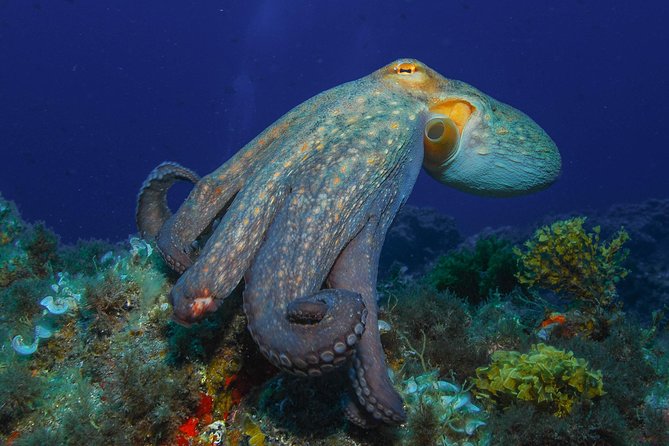
- Marine life on your first training moments, including trumpet fish, cuttlefish, starfish, and even octopus
- Practice repetition when needed, so skills click at your pace
Why PADI Open Water Diver in Tenerife feels like a smart first step
If you’re a beginner, you don’t just want to see fish. You want to learn a system—how to breathe through your gear, how to control your body in the water, and how to handle the basics with confidence. That’s exactly what the PADI Open Water Diver course is built for, and it works well in Tenerife because the training environment supports gradual progress.
This course is also set up to be approachable. You don’t need prior scuba experience. You do need adequate swimming skills and you should be in good physical health, which matters because you’ll be doing hands-on exercises and spending meaningful time in the water.
And then there’s the practical part: this is not a random local “try scuba” session. It’s the PADI Open Water Diver qualification, one of the most widely recognized scuba credentials worldwide—useful if you plan to keep diving elsewhere later. Even if you’re just curious right now, the structure helps you feel like you truly earned the skills.
You can also read our reviews of more tours and experiences in Tenerife.
Scubanana in Radazul: the no-fuss starting point
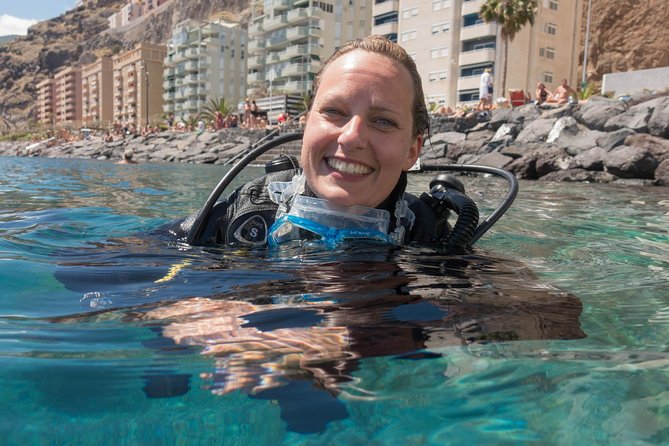
The meeting point is at Scubanana in Puerto Deportivo, Av. Colón, nº1, 38109 Radazul, Santa Cruz de Tenerife. It ends back here too, which is convenient when you’re on a holiday schedule.
I like the setup because it feels like a real school, not an afterthought. People describe the shop as clean and well cared for, with equipment ready and a calm vibe that helps you settle in. There’s also a friendly social atmosphere in the shop—other instructors working, staff around, and a warm welcome that makes the whole experience less intimidating.
A small detail I love from the feedback: the shop has dogs. It sounds silly, but it adds to that human, relaxed feeling—especially if you’re nervous.
The group limit is up to 8 travelers, which you’ll feel during training. In a smaller group, instructors can watch your breathing, your positioning, and your comfort level more closely, and that’s exactly what you want for an early certification.
What happens across the 2.5 days (2 days plus change)
The course runs for about 2 days and 3 hours (approx.). Think of it as a focused sprint: you’re not spending weeks learning a few basics. You’re practicing, refining, and moving forward.
From the way training is described, the learning rhythm alternates between theory and in-water skills. That’s valuable because it prevents you from memorizing concepts that never get tied to real actions. If you learn something about equipment or how buoyancy behaves, you then get to test it right away.
One honest note: the pace can feel intense. People mention that the day includes quick switching between surface learning and practical work. If you’re the type who needs extra time to reset between tasks, build in patience—ask questions early, and don’t try to “push through” when you’re stuck. The good news is that the instructors repeatedly show they’ll slow down and repeat exercises until you’re comfortable.
Classroom-to-surface coaching: where confidence is built
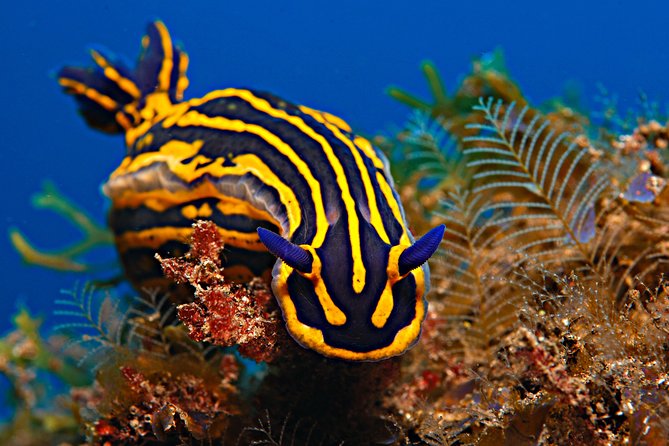
Before you start doing underwater skills, you get surface briefings and guidance. This matters more than most people realize. The first time you put the mask on and breathe through scuba gear, you’re also learning a whole new set of sensations. If instruction is clear and structured, you stop fighting your own body and start following the plan.
Instructors at this school are praised for staying calm and collected, and for knowing the course inside out. Multiple names come up across experiences, including Cedric and Sergio, as well as Marc, and later Paulina and Saskia. The pattern is consistent: you get step-by-step explanation, and you’re given time to understand the kit and the exercises on the surface before anyone expects you to perform underwater.
That calm teaching style makes a difference if you’re anxious. One account mentions starting tense because of a childhood water fear—yet the instruction was slow enough and reassuring enough that the person finished feeling genuine underwater joy. That’s the goal of a quality training team: you should finish with skills and a sense that you were looked after.
Your underwater skill sessions: repetition, safety, and real feedback
Your first certification depends on muscle memory and comfort. You’ll practice core skills that can feel unnatural at first. For example, learning how to remove and replace the mask underwater, switch airflow, and breathe properly underwater is not something your body does naturally on its own.
What stands out in the feedback is that instructors don’t just give one try. They guide you, watch what’s happening, and repeat exercises until you can do them satisfactorily. You should expect a teaching style that focuses on safety and control, not speed.
People also mention that instructors tailor training to individual needs. That means if you’re slightly slower to gain comfort, you’re not forced to race to the finish line. In a small group of up to 8, that flexibility is easier to deliver.
Safety is another recurring theme. One course participant emphasizes feeling safe throughout the training, helped by clear explanations and patient instruction. That’s not just a nice-to-have—when you’re learning new equipment and new water sensations, feeling secure makes learning possible.

Learning equipment you don’t have to chase down
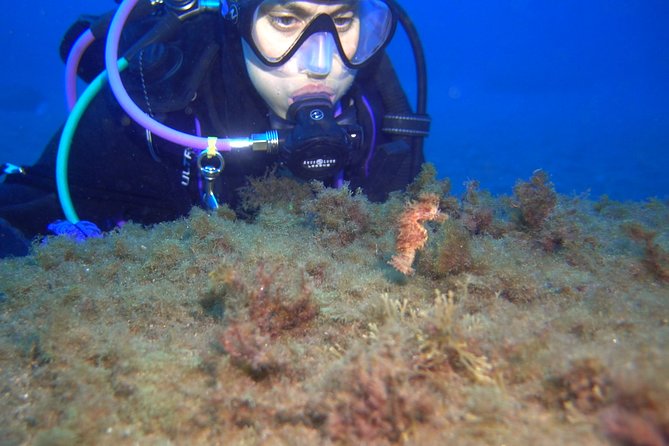
A big part of the value here is that diving gear and learning materials are included. That’s practical on vacation. You don’t want to spend your Tenerife holiday tracking down rental gear, testing fit, or worrying whether you have the right setup.
Instead, you show up, get geared up by the team, and focus on the skills. Included gear also tends to reduce friction between students, because the instructor can standardize training and adjust more quickly.
If you’re also planning additional scuba certifications later, starting with a reputable equipment setup helps. You’re less likely to have confusing differences between rentals on different trips.
Tenerife underwater moments: the sea life adds motivation
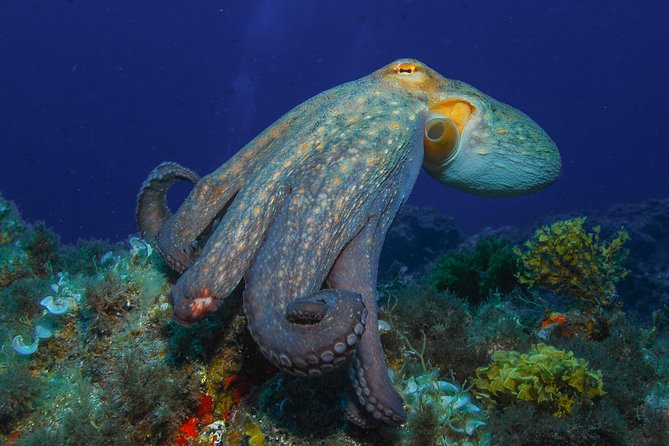
You’re learning skills, but you’re still underwater in a real marine environment. And Tenerife delivers plenty to look at—even while you’re doing training tasks.
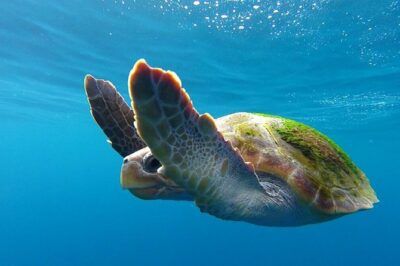
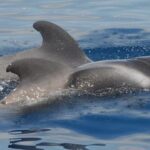
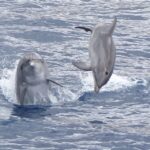
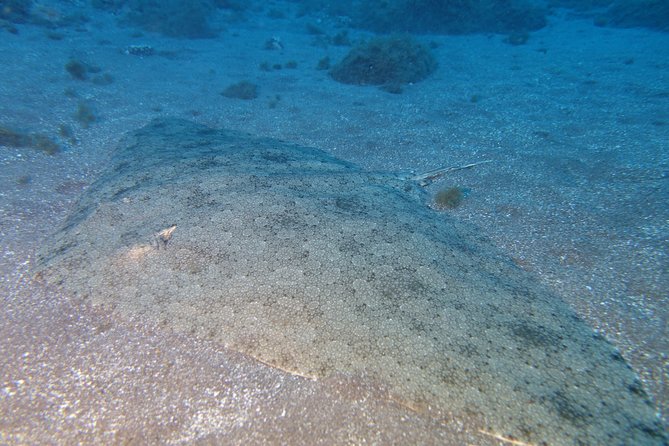
In the feedback, you’ll see repeated mention of sea life like trumpet fish, cuttlefish, starfish, and octopus. One person even described an octopus with a head size they compared to a basketball—so yes, you can get memorable sightings early.
Another account references multiple fish types like barracuda, dorada, and more. Even if you can’t count on every sighting every day, what matters is that the marine life is varied enough that your brain gets a break from training drills. That keeps the experience fun instead of purely mechanical.
Who this course is best for (and who should think twice)
This PADI Open Water Diver course is ideal if:
- You’re a beginner with no prior scuba experience
- You want a structured, internationally recognized certification
- You prefer a small group (max 8) and lots of instructor attention
- You’re okay with an intense couple of days, where theory and skills happen back to back
You should slow down and check suitability if:
- You’re not sure about your physical readiness for the water
- You have medical concerns—health guidance is emphasized, so you should talk to a doctor if you’re unsure
- You’re planning a flight soon after training (there’s a safety rule below)
Practical timing rules that can affect your trip
Two practical notes matter for planning:
First, don’t scuba training 12 hours before a flight. This is a common safety consideration tied to how bodies respond after underwater activities, and the rule is clearly stated.
Second, confirmation happens at the time of booking. That helps you plan confidently, especially if you’re juggling hotel check-in, day trips, or rental cars.
Because the experience returns to the same meeting point, it’s also easier to organize the rest of your day. You don’t need a complicated second pickup or a new location for the end.
Is the $724.41 price a good deal?
At $724.41 per person, the price isn’t cheap—but it also isn’t just a scenic activity. You’re paying for a full beginner certification framework with a certified PADI instructor, included gear, and learning materials, plus the small-group teaching structure.
Here’s the value equation I’d use:
- Included equipment and materials reduce your extra costs on vacation
- Hands-on instructor time matters because certification requires safety and skill checks
- A real qualification (PADI Open Water Diver) is more useful than a one-day trial if you’ll keep scuba going
- Small group cap increases the likelihood you get help when you’re stuck, which can be the difference between feeling okay and feeling overwhelmed
If you’re set on getting certified during your Tenerife trip, this looks like a fair package—especially given the high satisfaction signals (98 reviews with a very strong recommendation rate) and the consistent theme of patient coaching.
Should you book this PADI Open Water Diver course in Tenerife?
If you want beginner-friendly scuba certification in Tenerife, I’d book this course if you match the basics: you can swim adequately, you’re in good health, and you’re ready for a fast, active learning schedule.
I’d especially choose it if you value a calm, supportive instructor team and you want help from people who stay patient while you repeat exercises until they make sense. The feedback around instructors like Cedric, Sergio, Marc, Paulina, and Saskia points to the kind of teaching style that reduces anxiety and improves learning.
Skip it or at least get medical advice first if you’re uncertain about your ability to handle the water activity or you’re landing near a flight timing window. Also be honest with yourself about energy: this course can feel intense because theory and practice alternate quickly.
If your goal is genuine certification—not just a quick taste—this is the kind of course that turns that goal into a finish line.
FAQ
How long is the PADI Open Water Diver (OWD) course?
It’s listed as about 2 days and 3 hours (approx.).
Where does the course start?
You meet at Scubanana at Puerto Deportivo, Av. Colón, nº1, 38109 Radazul, Santa Cruz de Tenerife, Spain. It ends back at the meeting point.
What language is the course taught in?
The course is offered in English.
Is this course suitable for beginners?
Yes. It’s described as suitable for beginners, and it notes that no prior scuba diving experience is required.
How old do you need to be?
To enroll, you must be 10 years old or older (Junior Open Water Diver also exists, but the course here is the OWD).
How many people are in the group?
The experience has a maximum of 8 travelers.
Is gear and learning material included?
Yes. Diving gear and learning materials are included.
Are there any rules if I’m flying soon?
You should not do scuba activity 12 hours before a flight.
Is mobile ticketing available?
Yes, the booking includes a mobile ticket.
What’s the cancellation policy?
There is free cancellation. You can cancel up to 24 hours in advance for a full refund; canceling less than 24 hours before the start time is not refunded.