REVIEW · VALENCIA
Real Paella Cooking Class – Market Visit & Sangría Workshop
Book on GetYourGuide →Operated by My First Paella · Bookable on GetYourGuide
Paella tastes better when you cook the rice. This hands-on class in Valencia pairs a Ruzafa Market ingredient hunt with real instruction from chefs who grew up making it. You learn the Valencian approach, not a script—then you sit down and eat what you made.
I love the focus on the socarrat, the crispy rice crust Valencians consider the best part. The team walks you through the rice choice, saffron limits, and the method that turns plain cooking into that golden bottom layer.
One consideration: the included bottomless sangria is plentiful, so eat and pace yourself if you want a clear head.
In This Review
- Key Points You Should Know Before You Go
- Ruzafa Market First: Shop Like a Valencian, Not Like a Tourist
- How the 3.5 Hours Really Flow (And Why That Timing Works)
- Tapas + Sangria While You Learn the Valencian Pace
- Paella Workshop: Hands-On Cooking With the Rice, the Saffron, and the Method
- Mastering the Socarrat: The Crispy Rice Crust That Defines the Dish
- Meat vs Seafood Paella: Pick Your Version and Learn Its Traditions
- The Lunch After Cooking: Tomato Salad, Coca de Llanda, Coffee, Mistela
- Value for $77: What You’re Actually Buying
- Who This Class Is Best For (And Who Might Skip It)
- Should You Book This Valencia Paella Class?
- FAQ
- How long is the paella cooking class?
- Where do I meet the guide?
- Do we cook Valencian meat paella or seafood paella?
- Is there a market visit?
- What drinks are included?
- What food is included besides paella?
- Do you learn how to make socarrat?
- Do you get a recipe to take home?
- Is the tour in English?
- What if my plans change?
Key Points You Should Know Before You Go
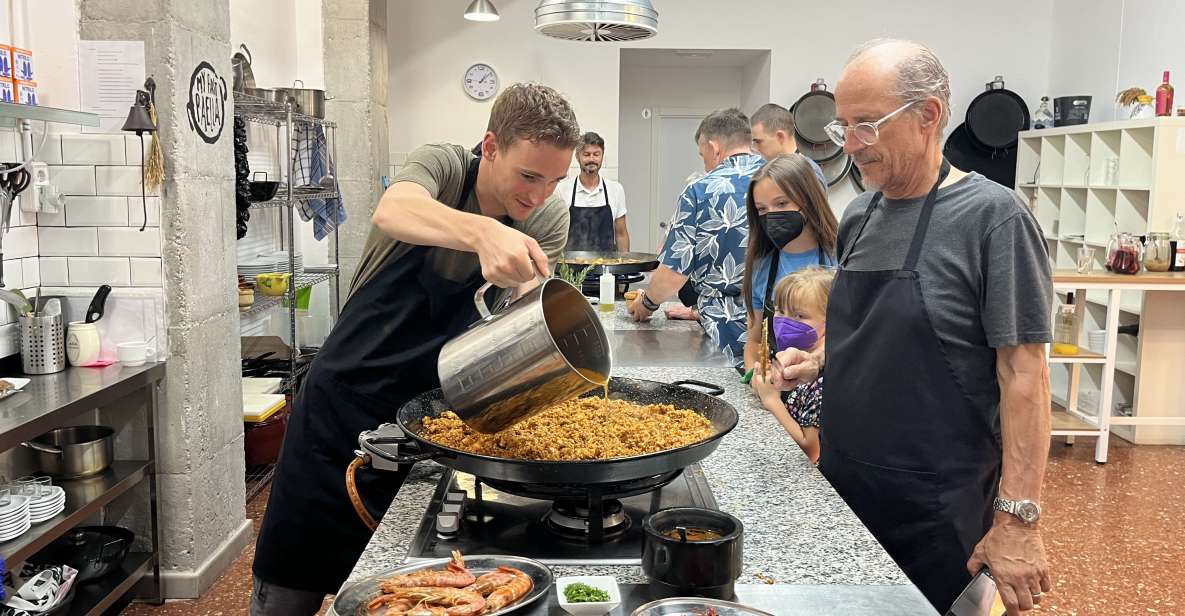
- Ruzafa Market beats the tourist crowd: you shop like locals, then carry those ingredients straight into the kitchen.
- Hands-on paella coaching: you’re not watching. You’re doing, with corrections in the moment.
- Socarrat is taught as a skill, not luck: you’ll learn how to get that crispy layer on purpose.
- Sangria, wine, beer, and tapas are part of the workflow: drinks aren’t just pregame; they come while you cook.
- The meal finishes like a Valencian lunch: tomato salad, coca de llanda sponge cake, coffee, and a mistela shot.
Ruzafa Market First: Shop Like a Valencian, Not Like a Tourist
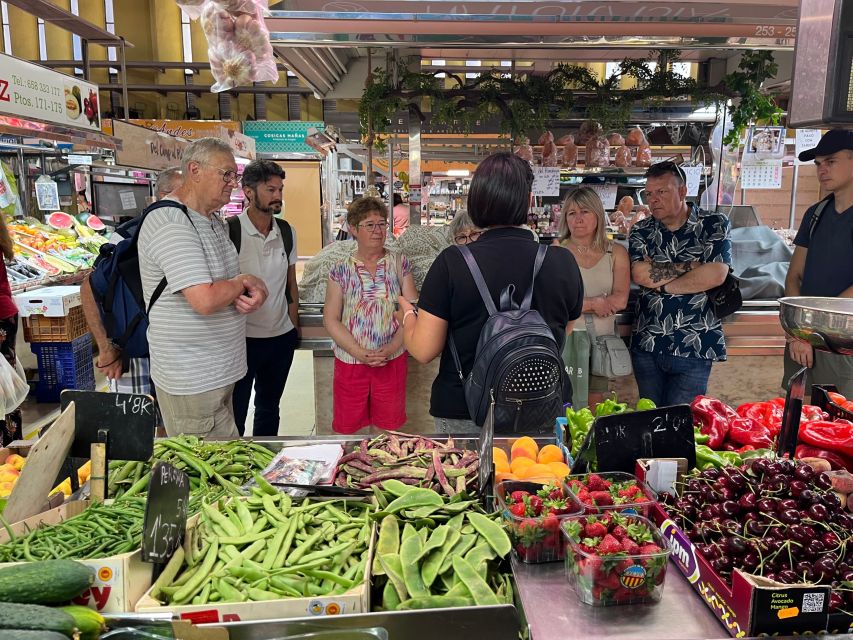
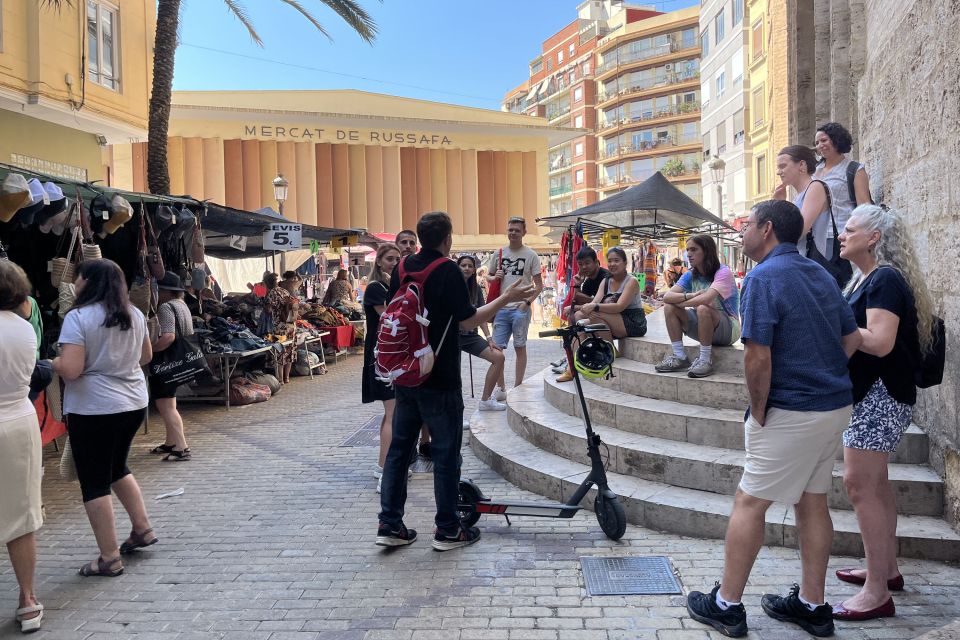
You start in the neighborhood of Ruzafa, at the real day-to-day market where locals pick up what they need. This matters because paella isn’t a single ingredient dish. It’s a system. Start with the right ingredients, and the cooking lesson makes instant sense.
You’ll meet your guide at the door of the Church of San Valero. From there, you head into Ruzafa Market and learn what fresh shopping looks like when nobody is chasing a photo. Your chef helps you select the ingredients that will land in your tapas and paella, and that gives you something useful to remember when you’re back home.
The other big win here is momentum. You’re hungry, you’re curious, and you’re already learning how Valencian cooking thinks. By the time you step into the kitchen, you’re not wondering what saffron and rice are for. You’ve just seen how the process starts.
You can also read our reviews of more shopping tours in Valencia
How the 3.5 Hours Really Flow (And Why That Timing Works)
This is a tight 3.5-hour experience, which is ideal for a travel schedule. You get enough time for a market visit, hands-on cooking, and a full sit-down meal, without turning into an all-day ordeal.
The rhythm is simple:
- Market first for ingredient context
- Tapas and sangria while you get your bearings
- Paella cooking with step-by-step guidance
- Everyone eats together when it’s ready
Because it’s structured like that, you don’t end up standing around waiting for someone else’s lunch. The schedule keeps your attention on the cooking task, especially when it comes time to nail the socarrat.
Also, this is an English-led class. That matters if you want to ask questions during the cooking process rather than just smile and hope.
Tapas + Sangria While You Learn the Valencian Pace
Before you touch the paella, you get homemade tapas and drinks to set the mood. The tapas can include manchego cheese, jamón, steamed mussels, patatas bravas, and olives. It’s a great mix because it gives you a feel for the salty, savory balance that paella needs.
You’ll also learn how to make sangria. And yes, you’ll drink it. Wine (including DO Valencia wine), beer, sangria, and soft drink options are part of the included experience, and the class keeps the drinks coming while the cooking gets underway.
In practice, this is more than party fuel. It changes your pacing. You’ll be tasting as you learn, so you start thinking like a cook: seasoning, timing, and balance instead of just following steps.
Paella Workshop: Hands-On Cooking With the Rice, the Saffron, and the Method
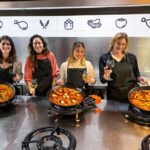
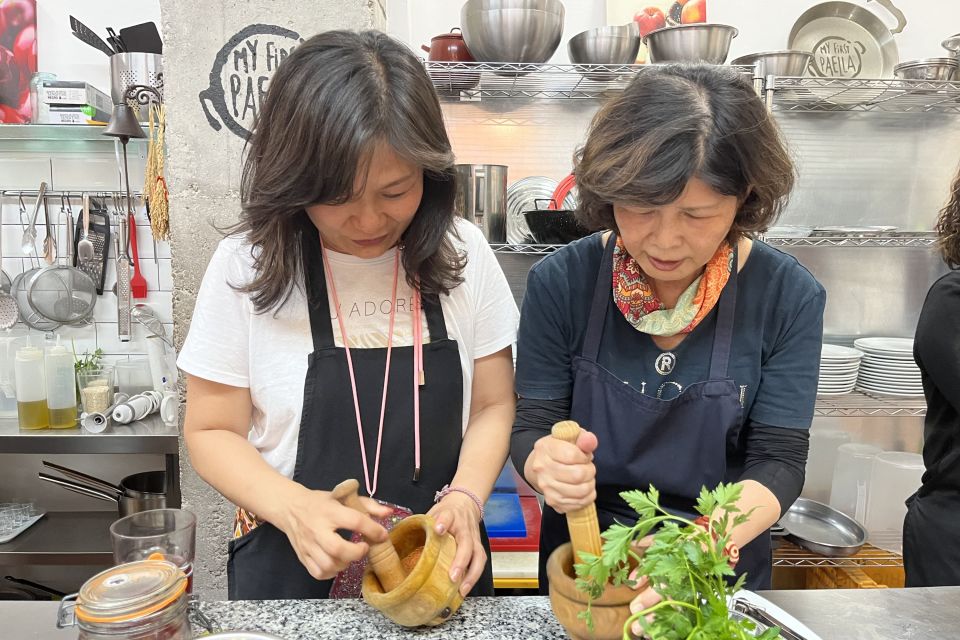
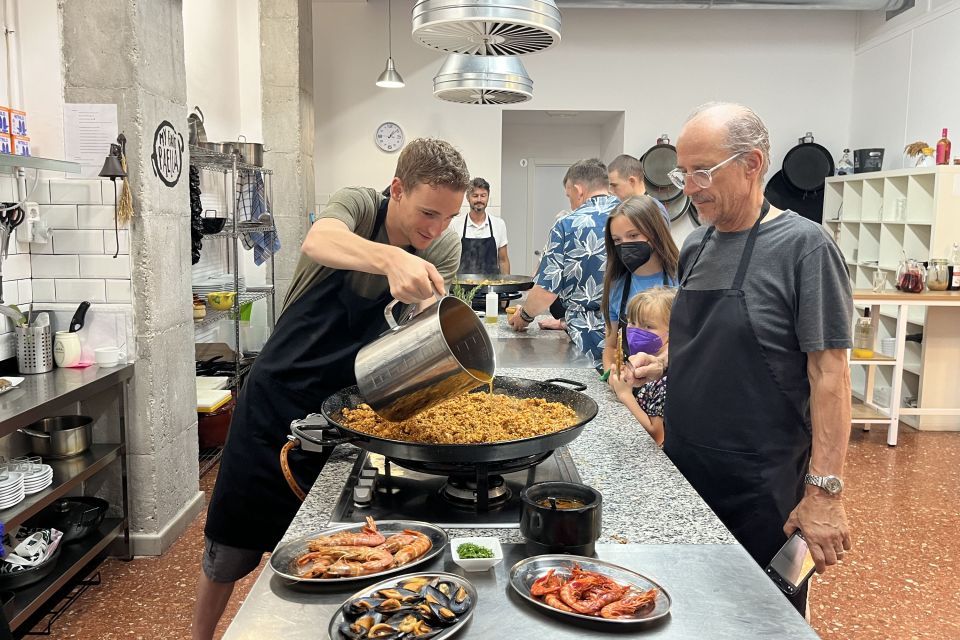
Back in the kitchen, the instruction is practical. The chefs guide you step by step, and you’re expected to do the work—hands in the rice, with corrections along the way. This is the kind of class where you learn because someone notices what you do and helps you adjust it.
You’ll cook authentic Valencian paella with either:
- a meat and vegetables version, or
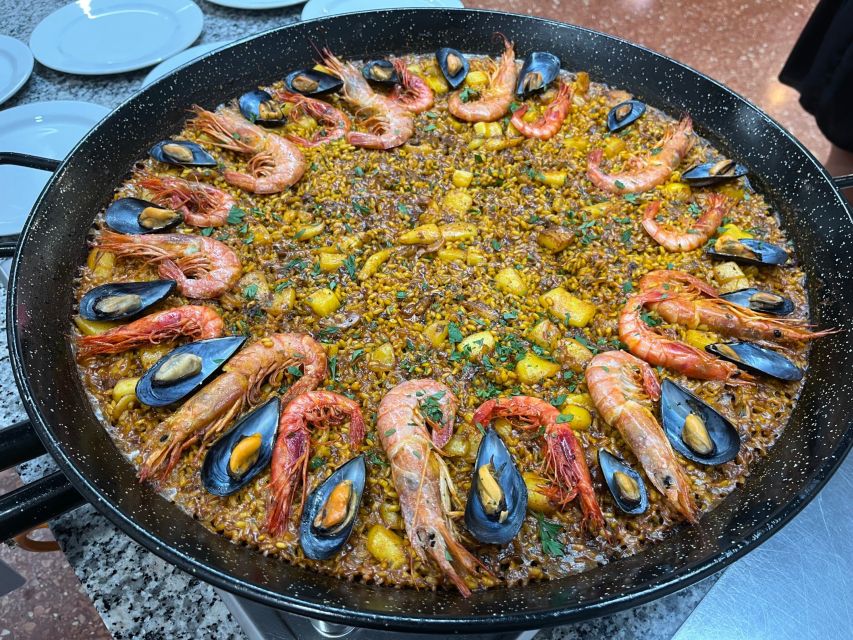
- a seafood version made with traditional salmorreta sofrito
You’ll also learn why they stress specific choices. The class covers J.Sendra rice (and why that matters), plus the saffron rule of thumb—how much is too much. That’s useful knowledge, because paella goes from great to weird fast if you get the balance wrong.
One detail I like: you’re not just copying a recipe. You’re being taught the logic behind the technique. That’s what makes it repeatable later, not just impressive in the moment.
And you’ll get a recipe to take home. The point isn’t to recreate everything perfectly on day one. It’s to give you a clear starting plan for your next paella attempt, once you’ve absorbed what “correct” should feel like.
Mastering the Socarrat: The Crispy Rice Crust That Defines the Dish
If you’re curious about paella, the socarrat is the reason to care. This class treats it like the main lesson.
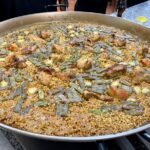
Socarrat is the crispy, golden layer at the bottom of the rice. Valencians consider it the best part, and this workshop focuses on how to achieve it. You’ll learn the secret to getting that crisp without turning the rest of the rice into dry crumbs.
What you’ll do differently after this:
- You’ll pay attention to the finish stage, not just the boil-and-stir phase.
- You’ll understand how rice behavior changes during cooking.
- You’ll stop treating crisping as luck and start treating it as method.
This is also where hands-on coaching is most valuable. Small changes in heat, timing, and handling can be the difference between crisp and burnt. Here, the chefs explain what they’re looking for so you’re not guessing.
A few more Valencia tours and experiences worth a look
Meat vs Seafood Paella: Pick Your Version and Learn Its Traditions
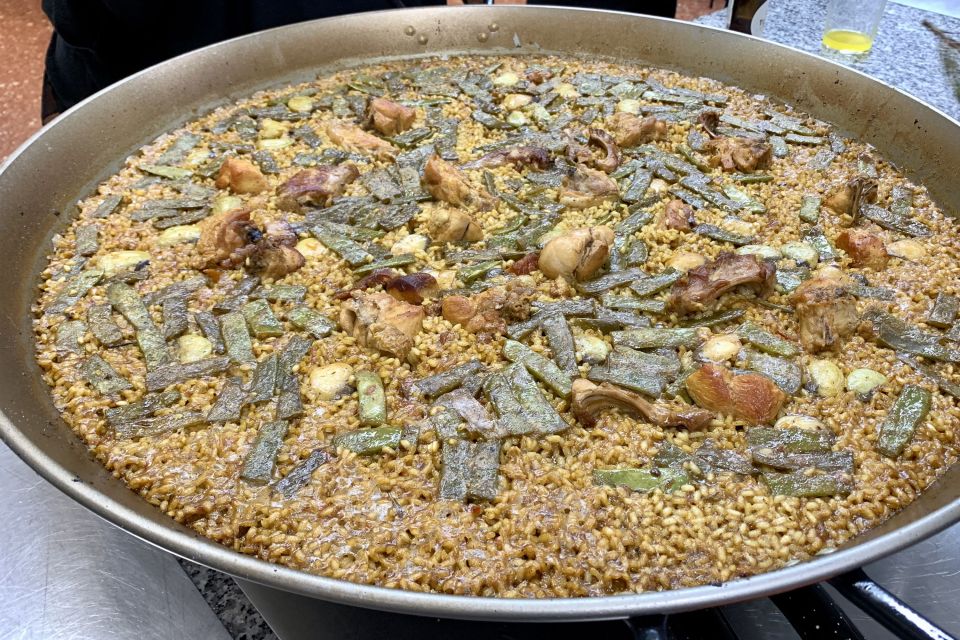
The class makes it clear that you’ll cook either the Valencian-style meat and vegetable paella or the seafood paella. And that’s a good setup. Trying to do both at once would turn into a rushed mess. With one focus, you learn a complete process.
For the seafood version, you’ll use traditional salmorreta sofrito, which is part of the local tradition for how the flavors build before and during cooking. For the meat version, you’ll work with the classic meat-and-vegetable direction of Valencian paella.
Either way, you’re not just cooking a generic rice dish. You’re learning how locals distinguish versions and why the differences matter.
The Lunch After Cooking: Tomato Salad, Coca de Llanda, Coffee, Mistela
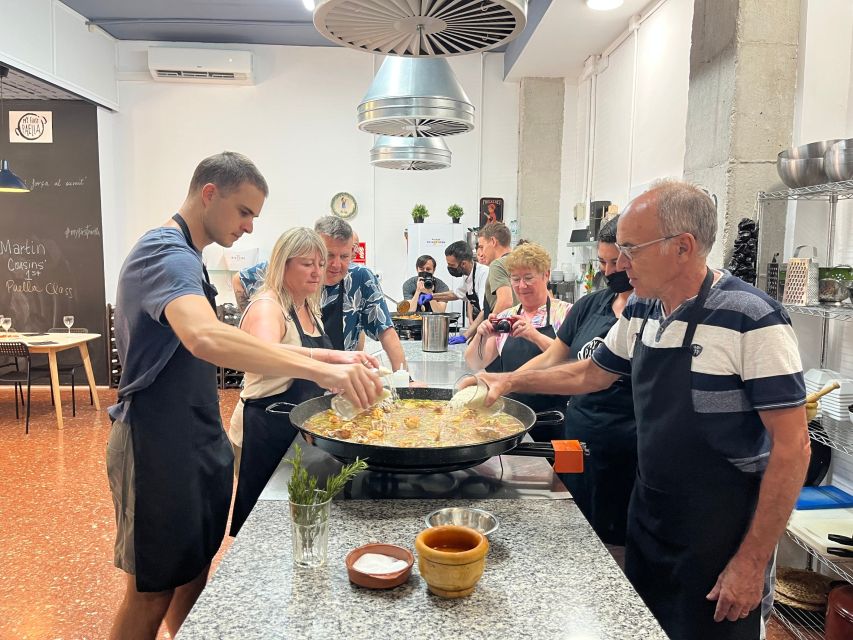
When your paella is ready, you all sit down together and eat the result. That shared meal is where the class clicks. You’ve done the work, so the meal lands as a real lunch, not a tasting plate.
The spread includes:
- Valencian tomato salad
- seasonal fruit
- coca de llanda (the traditional sponge cake from here)
- coffee
- a shot of mistela to finish like a local
Dessert and coffee are included, and mistela is part of the final ritual. It’s a nice touch because it reminds you that Valencian dining is paced. You don’t just eat and run; you finish the meal properly.
Value for $77: What You’re Actually Buying
At $77 per person for about 3.5 hours, you’re paying for a full experience, not just a cooking lesson.
You get:
- the paella workshop and chef instruction
- the guided visit to Ruzafa Market
- all ingredients for the class
- tapas at the start
- bottomless sangria
- beer and DO Valencia wine
- dessert, coffee, and a mistela shot
That combination is the value. If you were to price this out separately—market guide time, chefs, ingredients, drinks, and a proper lunch—you’d likely feel the total cost adds up fast. Here, you get it packaged into one evening-friendly block of time.
One more practical point: the class notes that extra purchases at the market aren’t included. That’s fair. If you want to shop beyond what you need for the class, budget for it.
Who This Class Is Best For (And Who Might Skip It)
This is a strong fit if you want:
- a hands-on Valencia food experience
- a local-market stop without the Central Market crush
- a real socarrat lesson you can repeat at home
- a fun group meal with lots of included food and drinks
The class is also popular because it feels like teamwork. Many people highlight the warm, family-style atmosphere created by the chefs, including instructors such as Anna, Jose, Guillermo, Christina, and others named in the program’s history.
Who might think twice:
- If you strongly prefer low-alcohol experiences, the bottomless sangria can be too much. You can still enjoy the cooking, but the pace of drinks is part of the overall format.
- If you want a super quiet, museum-style tour, this isn’t that. The kitchen is interactive by design.
Should You Book This Valencia Paella Class?
I’d book it if you want your Valencia food day to result in both a great meal and something you can recreate. The market start at Ruzafa, the hands-on paella work, and the socarrat focus make it more than a one-time lunch.
I’d think twice only if you don’t want alcohol included in the experience format. Otherwise, this is the kind of class that gives you a real skill, not just a photo of a pan.
If you’ve got one free afternoon in Valencia, this is a smart bet.
FAQ
How long is the paella cooking class?
It lasts about 3.5 hours.
Where do I meet the guide?
You meet your guide at the door of the Church of San Valero.
Do we cook Valencian meat paella or seafood paella?
You cook an authentic Valencian paella either in a meat-and-vegetables version or a seafood version with traditional salmorreta sofrito.
Is there a market visit?
Yes. You visit Ruzafa Market with a guided tour to select ingredients.
What drinks are included?
You get bottomless sangria, plus beer and DO Valencia wine during the experience.
What food is included besides paella?
You start with a selection of tapas, and your meal includes salad, seasonal fruit, coca de llanda, coffee, and a shot of mistela to finish.
Do you learn how to make socarrat?
Yes. The class teaches the secret to getting the socarrat, the crispy rice crust Valencians consider the best part.
Do you get a recipe to take home?
Yes, you take home a paella recipe you can actually use.
Is the tour in English?
Yes, the live tour guide is in English.
What if my plans change?
The experience offers free cancellation up to 24 hours in advance for a full refund, and you can reserve now and pay later.