REVIEW · SAN SEBASTIAN
San Sebastián: Traditional Cider House Tour with Lunch
Book on GetYourGuide →Operated by Asociación de Sidrerías de Gipuzkoa · Bookable on GetYourGuide
Basque cider pours straight from the barrel. On this San Sebastián tour, you head into Gipuzkoa cider country, walk among apple orchards, and take part in the Txotx ritual. I love how the day stays intimate with a small group feel, so it’s not just watching from the sidelines.
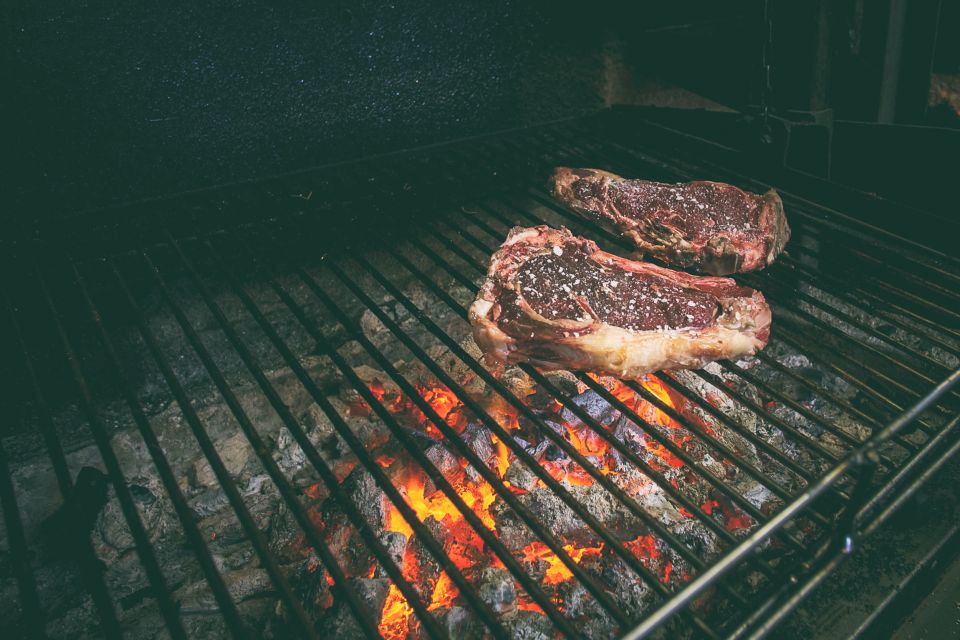
I also really like the food setup: the lunch is actually part of the experience, not an afterthought. You’ll sit down to a Basque farmhouse meal that includes cod omelet and grilled T-bone steak, paired with cider and the typical sweet-savory sides.
One thing to keep in mind: the orchard portion can be seasonal. If you go outside the orchard window, you may see less outdoor apple-growing than you hoped for, even though you’ll still tour the cider house and cellar.
In This Review
- Key highlights I’d circle first
- Meeting the Sagardoa Route Van: Getting Out of San Sebastián Fast
- Why Gipuzkoa’s Cider Country Still Matters
- Orchard Walks That Explain What’s Really in Your Glass
- Inside the Cider House and Cellar: The Craft in Real Spaces
- The Txotx Ritual: Why the Barrel Pour Is the Whole Point
- Cider + Pintxo Tasting: Turning Sips Into a Skill
- Lunch at a Basque Farmhouse: Cod Omelet and T-Bone Steak Done Properly
- Time, Group Size, and Language in a 4-Hour Window
- Price and Value at $98: What You’re Really Paying For
- Who Should Book This (and Who Might Skip It)
- Should You Book This San Sebastián Cider House Tour?
- FAQ
- How long is the cider house tour with lunch?
- Where do I meet the guide in San Sebastián?
- Is transportation included?
- What’s included in the lunch?
- Is Txotx included, and what happens during it?
- What languages are available for the live guide?
- How big is the group?
- What tastings are included besides lunch?
- Is there free cancellation?
Key highlights I’d circle first
- Txotx ritual with the call-to-taste moment from the barrels
- Apple orchards + production story that connects the fruit to what ends up in your glass
- Barrel access for tasting so each pour is part of the lesson
- Farmhouse lunch including cod omelet and grilled T-bone steak
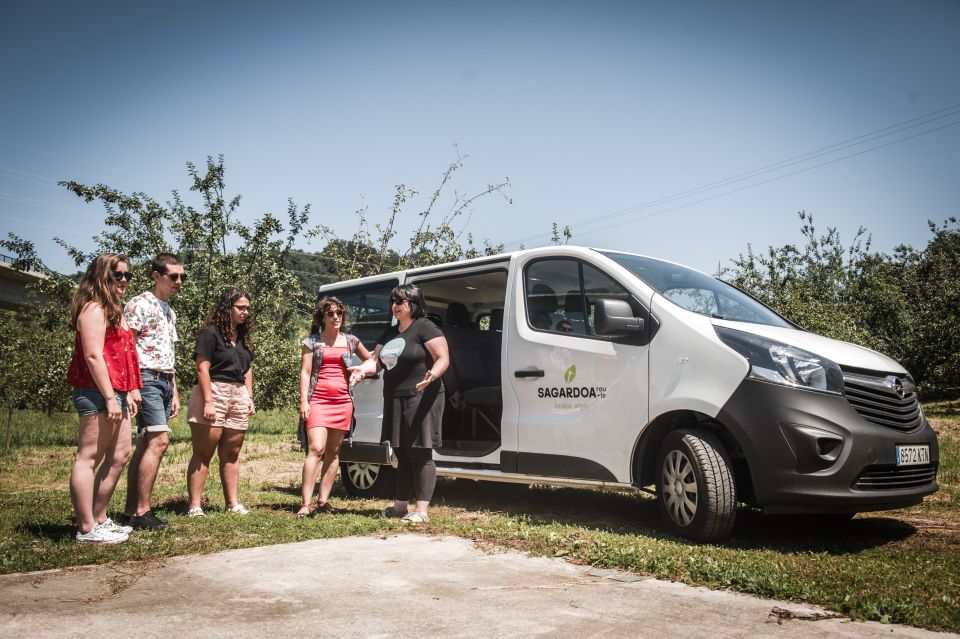
- Transportation from San Sebastián via a van marked Sagardoa Route
- Multilingual guide support (Spanish, English, French, Basque) in a group capped at 8
Meeting the Sagardoa Route Van: Getting Out of San Sebastián Fast
The start is simple. You meet your guide at a van labeled Sagardoa Route. From there, you’re not figuring out rural transit or trying to read bus schedules that assume you speak the local language. You just hop in and go.
The ride usually stays short enough to keep the day feeling efficient. Even when the countryside is the whole point, it doesn’t eat the clock. You’ll arrive ready for a proper farm experience rather than spending the afternoon stuck in transit.
The tour also keeps things clear about what’s allowed on the way. Alcoholic drinks aren’t permitted in the vehicle, and you won’t be expected to bring snacks or beverages to “save time.” That matters because it keeps the mood focused: you’re going for cider, lunch, and the cider-house routine, not a car picnic.
One practical note: hotel pickup and drop-off are not included. You’ll meet at the designated point, then return to San Sebastián after the tour.
A few more San Sebastian tours and experiences worth a look

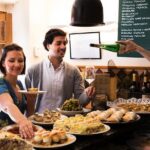

Why Gipuzkoa’s Cider Country Still Matters
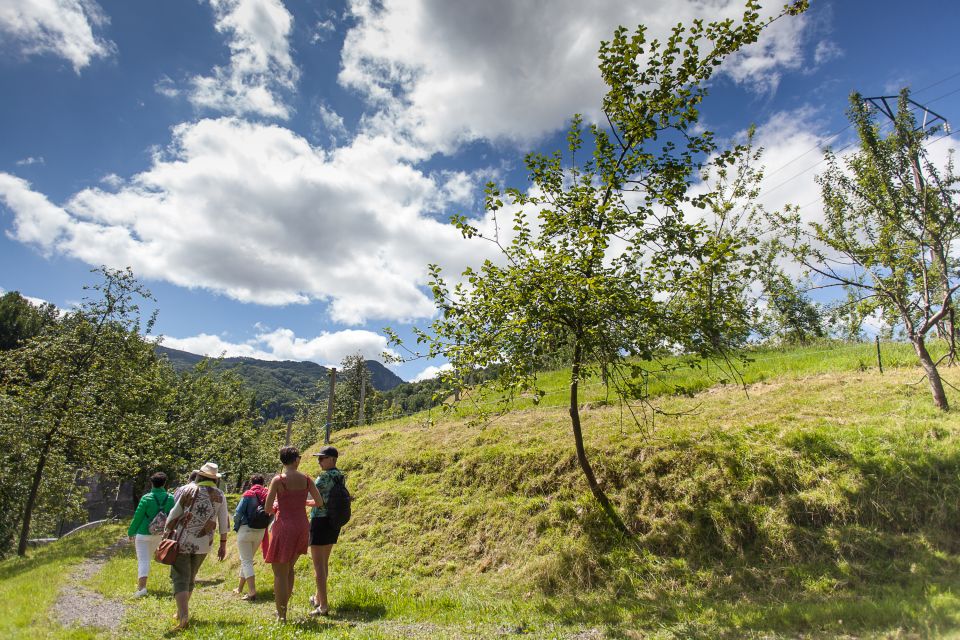
This isn’t just cider as a drink. It’s cider as a local rhythm—apples in the fall, cellars through the season, and a tradition built around sharing. In the Basque Country, cider houses are social spaces, not sterile tasting rooms.
You’ll learn that Basque cider culture has its own language and habits, with Txotx sitting at the center. Txotx is the moment when the barrels become the stage. That call-and-pour ritual is part celebration, part tasting lesson. It’s how people compare batches, how they notice differences, and how they keep the craft from turning into a souvenir.
Also, this tour is run in a way that fits the region. The provider is the Asociación de Sidrerías de Gipuzkoa, which is a clue that the focus stays on traditional methods and local cider-house practice rather than turning the day into a generic countryside stop.
Orchard Walks That Explain What’s Really in Your Glass

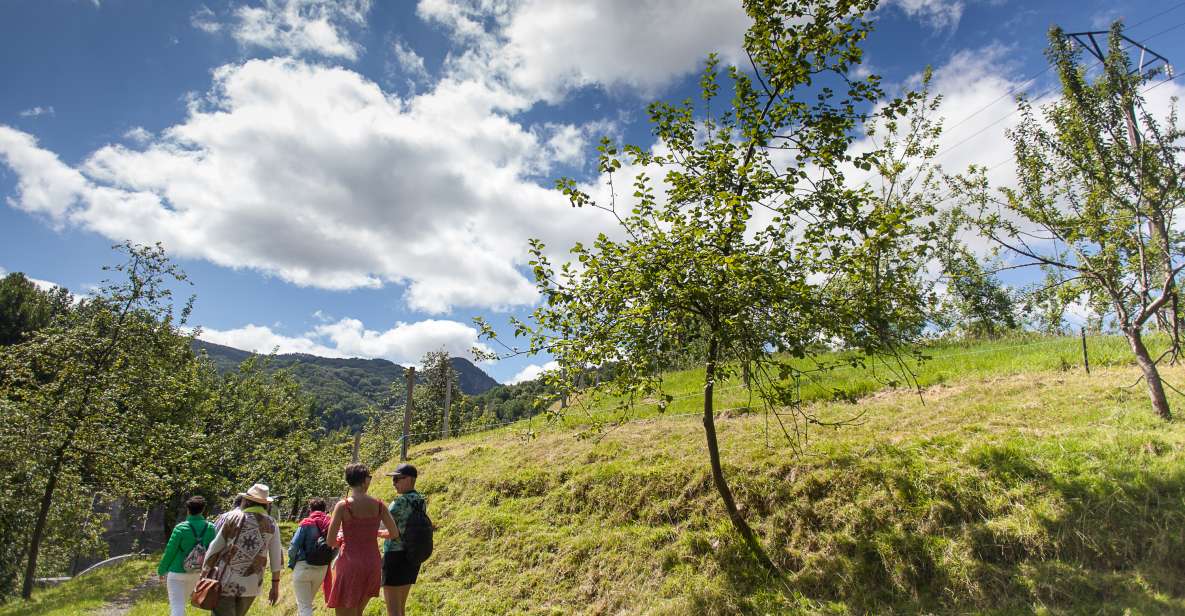
Once you’re out of town, you move through the world that feeds the cellar: apple orchards and the farm setting around the cider house. For many people, cider is just something you drink. On this tour, you’ll connect the taste to the ingredients and the choices growers and makers make.
You’ll stroll through the orchards and hear how the production chain works—how apples become cider, and how the farm environment shapes what’s possible. It’s the kind of practical explanation that helps you understand why a glass from one barrel can taste different from the next.
One caution: apple orchard access can be seasonal. In some months, you may not get a full outdoor orchard walk. If your dates are tied to a particular month, this is worth checking before you expect a lot of outdoor apple-row time. You’ll still do the cider-house and cellar parts, though, so the core of the experience remains.
Inside the Cider House and Cellar: The Craft in Real Spaces
The heart of the day is a visit to a traditional cider house with access to production areas and cellars. This is where you see how old practices stay alive—barrels, stone-and-wood spaces, and the working logic of a place built for fermentation and storage.
You’ll follow your guide through the key areas tied to making and aging cider. The tour isn’t written as a lab tour with technical jargon for its own sake. Instead, it connects the process to what you’ll taste later, so you’re not walking blind.
The cellar portion is particularly useful because it gives you context for why natural cider can vary. Even without getting overly scientific, you’ll understand that different barrels can express different flavors. That becomes obvious during the tasting, when you’re not just sipping one sample—you’re comparing as you go.
The Txotx Ritual: Why the Barrel Pour Is the Whole Point
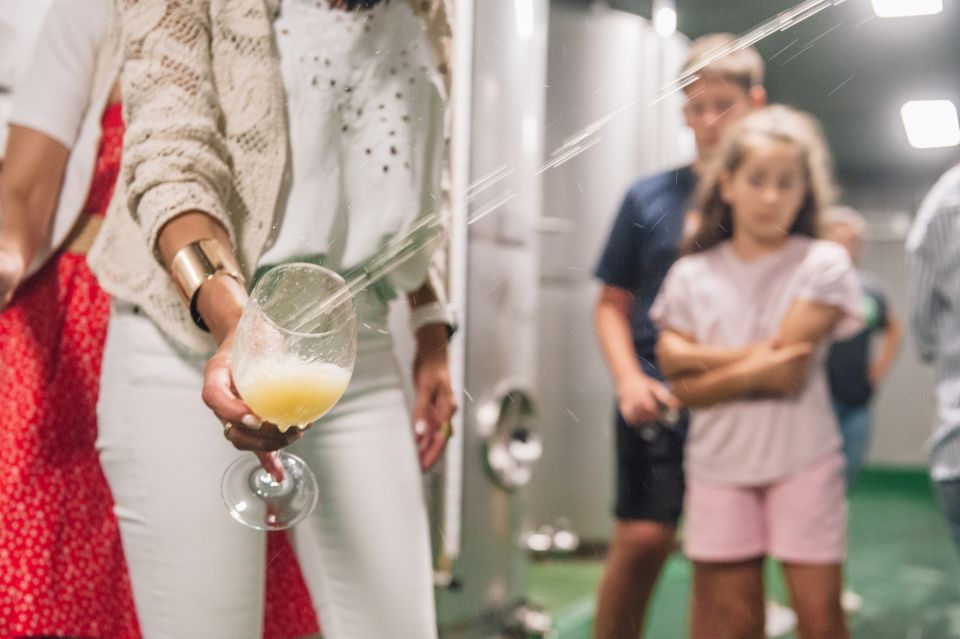
This is the moment you came for: the Txotx ritual. Your guide will explain what the ritual is, then you taste cider directly from the barrels when the call happens.
What makes this special is that it’s participatory. You’re not handed a tiny pre-poured glass and told to move on. You’re standing in the cider house environment, seeing how the tradition works in practice, and tasting in a way that feels closer to how locals do it.
The experience also trains your palate. When you keep returning to the barrels, you start noticing differences that you’d miss with a single pour. One of the big thrills here is that you can keep sampling during the tasting and often during lunch as well, depending on how the meal flow is set up that day.
If you’re trying to understand Basque natural cider, the Txotx setup is a shortcut. It’s basically a live comparison tool built into a cultural ritual.
If your visit lands around a festive period, like Carnival, the atmosphere can feel louder and more social. The cider house vibe can turn into a small local event, not just a scheduled tour moment.





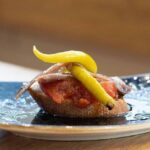
Cider + Pintxo Tasting: Turning Sips Into a Skill
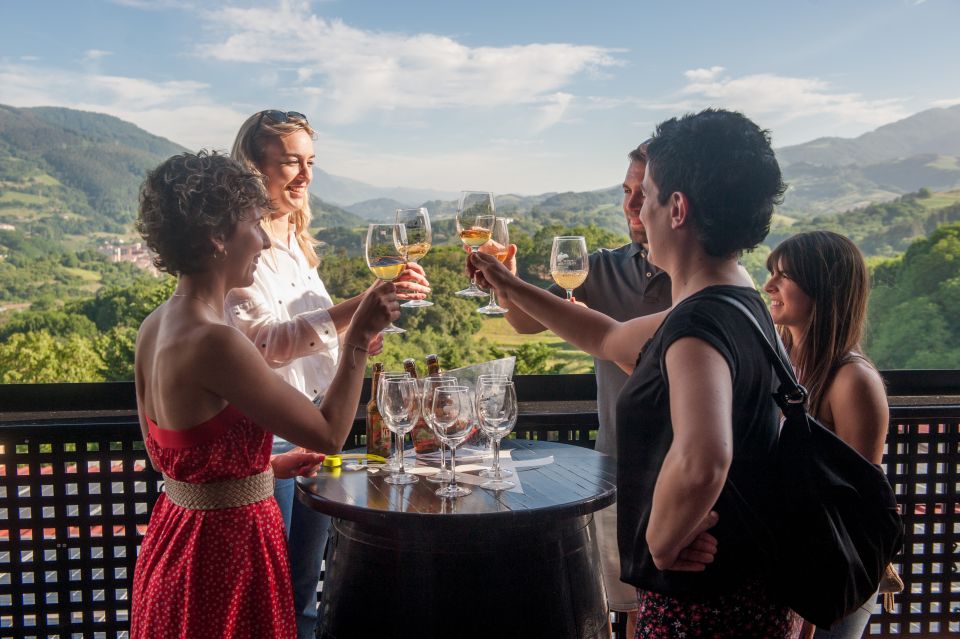
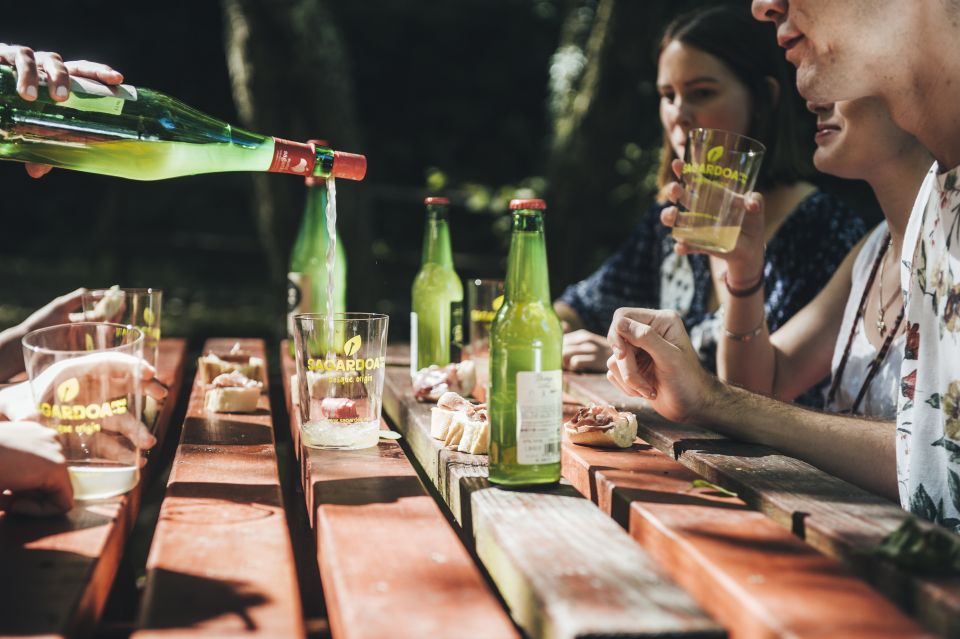
After you learn the basics of the process, you’ll get cider and pintxo tasting. This matters because it gives you pairing context. Pintxos (small bites) are a Basque specialty, and matching them with cider helps you taste in a more food-aware way.
The tasting also changes how you think about “natural cider.” Instead of treating it as one flat flavor, you start thinking in terms of batches and barrel variation. You’ll taste what happens when fermentation and storage conditions meet the specific character of each cider house’s output.
A fun part: the flow often encourages a hands-on rhythm. People can end up comparing their glasses, asking questions, and learning what to notice next. That’s why the guide’s role is more than explanation. Good guides keep things moving, answer practical questions, and help you get the most out of the tasting time.
Lunch at a Basque Farmhouse: Cod Omelet and T-Bone Steak Done Properly
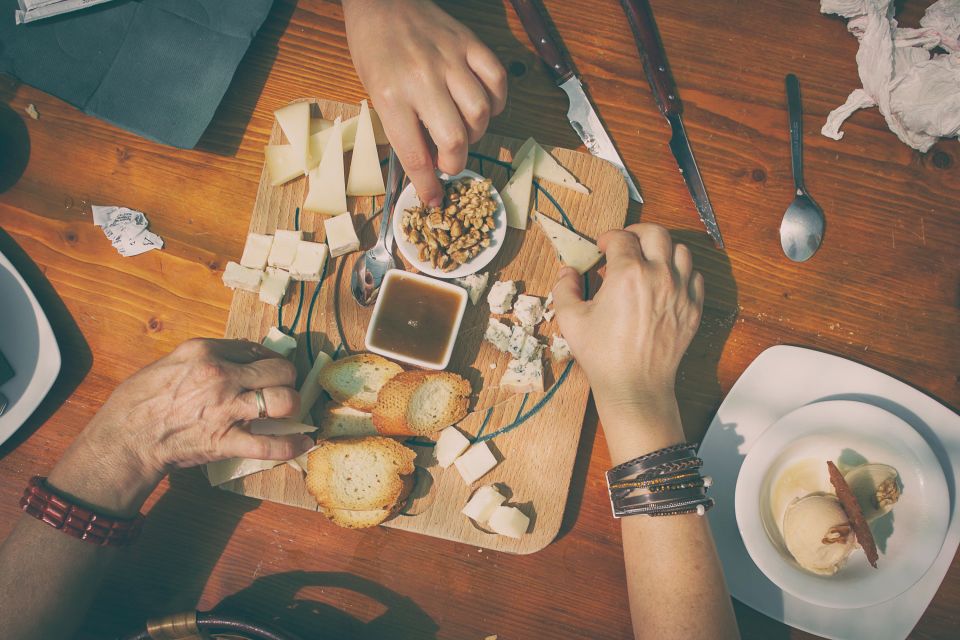
Lunch is a major part of the value. The meal isn’t a snack plate. It’s a real sit-down farmhouse spread that includes grilled T-bone steak and a cod omelet, plus cheese with jelly and walnuts, bread, and cider.
I like that the cider is woven into the meal, not served in a separate “now drink” moment. It keeps the lunch tasting experience connected to what you learned earlier—apples, fermentation, barrels, then the practical reality of enjoying cider with food.
The cheese side with jelly and walnuts is a very Basque-style combination: salty, sweet, crunchy, and not trying to be “international.” It’s exactly the kind of side dish that makes the lunch feel like a place’s routine, not a curated menu designed for photos.
Also, the portions tend to feel filling. More than one person highlights how the lunch quality and quantity justify the price even if you weren’t chasing the cider lesson as hard.
One more real-life detail: cider houses can be busy with locals during meal times. On some days the dining room can feel like a happening place, with lots of people sharing the same meal routine. That adds energy, and it helps the experience feel authentic.
Time, Group Size, and Language in a 4-Hour Window
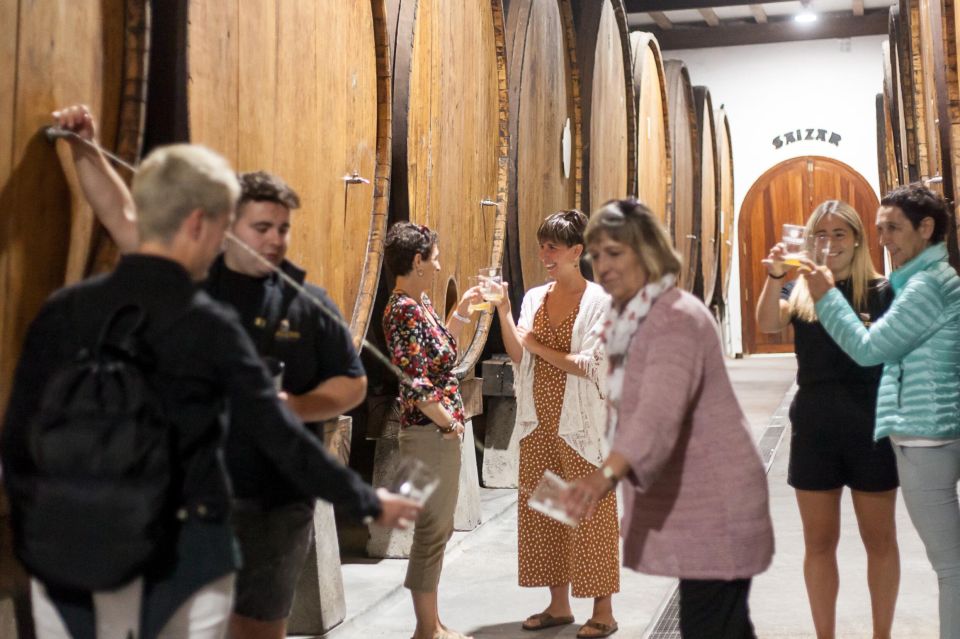
The tour runs about 4 hours, which is a sweet spot for a day trip. You get enough time to travel, tour, taste, and eat without ending up exhausted back in San Sebastián.
Group size is listed as small—limited to 8 participants—and that’s important. Smaller groups typically mean you can ask questions without feeling rushed and you get more personal attention during the tasting.
One complication: on at least one departure, the group was larger than that cap. If you’re sensitive to slower pacing or doubled explanations, it’s smart to confirm what your actual group size will be. Language also affects timing, because multilingual tours can involve repeating key parts so everyone catches the story.
Good guides handle this with smooth timing. Names mentioned in past departures include Maialen, Maya, Telmo, and Mia/Mialin. If you’re lucky with the guide, you’ll get both the craft details and helpful local tips for what to eat and drink around San Sebastián afterward.
Price and Value at $98: What You’re Really Paying For
At $98 per person, this isn’t a throwaway add-on. But the price makes sense when you break it down.
You’re paying for:
- guided access to a cider house, cellar, and production areas
- the Txotx tasting experience from barrels
- included lunch with multiple components (including cod omelet and steak)
- cider tasting as part of the meal experience
- transportation from a meeting point in San Sebastián
If you tried to recreate that alone, you’d quickly spend money on transport plus a tour plus a proper lunch in a local setting. The big value here is that cider and lunch are bundled, which is where most cooking-time and hospitality value lives.
So the question isn’t only whether the cider is good—it’s whether the meal and access make it a full cultural afternoon. For most people, it does.
Who Should Book This (and Who Might Skip It)
Book it if you want a hands-on Basque food-and-drink experience tied to tradition. This tour is ideal for:
- cider lovers who want more than one sip and want barrel comparisons
- people who like farm settings and don’t mind a country drive
- foodies who care about how lunch fits into regional culture
- travelers who want to learn the Txotx ritual without jumping through logistics
Skip it if you only want a quick tasting with minimal time commitment. The day moves at the pace of a cider house lunch, so it’s not a short stop between bigger sights. And if you’re aiming specifically for apple orchard walking, remember that orchard access can vary by season.
Also, if you’re going strictly for San Sebastián city sights, this tour is a side trip. It’s worth doing when you want countryside and cider as the main event.
Should You Book This San Sebastián Cider House Tour?
Yes—if you want real Basque cider culture with a proper included lunch. The Txotx barrel ritual plus the cod omelet and T-bone steak combo is hard to beat for a 4-hour outing from the city.
If your travel dates land in a month when orchard walking may be limited, adjust expectations and focus on the cellar, barrel tastings, and the lunch experience. If you care about that orchard stroll, check your timing before you commit.
FAQ
How long is the cider house tour with lunch?
The duration is 4 hours.
Where do I meet the guide in San Sebastián?
The guide meets you at the meeting point in a van that says Sagardoa Route.
Is transportation included?
Yes. Transportation from the meeting point is included, but hotel pickup and drop-off are not.
What’s included in the lunch?
Lunch includes cod omelet, grilled T-bone steak, cheese with jelly and walnuts, bread, and cider.
Is Txotx included, and what happens during it?
Txotx is part of the tour. You’ll learn the ritual and taste natural cider directly from the barrels.
What languages are available for the live guide?
Spanish, English, French, and Basque.
How big is the group?
It’s listed as a small group limited to 8 participants.
What tastings are included besides lunch?
You’ll have a cider tasting, and the experience also includes pintxo tasting.
Is there free cancellation?
Yes. You can cancel up to 24 hours in advance for a full refund.