REVIEW · SEVILLE
Flamenco Evening Show at Casa de la Memoria Ticket
Book on Viator →Operated by Centro Cultural Flamenco - Casa de la Memoria · Bookable on Viator
Flamenco feels different when the room is small. At Casa de la Memoria in central Seville, you’ll watch an intense one-hour performance by four artists in an intimate setting on Cuna Street. It’s scheduled twice nightly (18:00 and 22:30), so you can match it to your evening plans without scrambling.
I love two things most: the no-microphones setup, which keeps the guitar, singing, and heelwork sharp and clear, and the close-up theatre atmosphere, where you can read every change in mood and timing.
One drawback to plan for: seating is assigned at the box office and not shown in advance, so if you end up higher up (like on a balcony), you might not see dancers’ faces as clearly.
In This Review
- Key things to know
- Casa de la Memoria: Why This Flamenco Feels Intimate
- The Two Nightly Show Times (18:00 and 22:30) and How to Pick
- What You Actually See: Four Artists, One-Hour, No Microphones
- Inside the Theatre: Seating, Visibility, and Timing That Pays Off
- The Experience as Living Heritage, Not a Theme Park
- Value for Money: Why About $29 Can Make Sense
- Who This Fits Best (and Who Might Want a Different Plan)
- Small Extras: Photos at the End and What’s Not Included
- Booking and Getting There Without Stress
- Should You Book Casa de la Memoria Tonight?
Key things to know
- Four artists for a full hour: dancers, a singer, and a guitarist work as a tight unit
- No microphones: the sound comes straight from guitar, voice, and flamenco feet
- Two start times nightly: 18:00 and 22:30 in the same venue
- Arrive early for better sightlines: seats are assigned, and early arrivals tend to do better
- Not for very young kids: under 6 isn’t recommended, and older kids need an adult
- Mobile ticket: you’ll use it at the venue, no paper hunt required
Casa de la Memoria: Why This Flamenco Feels Intimate
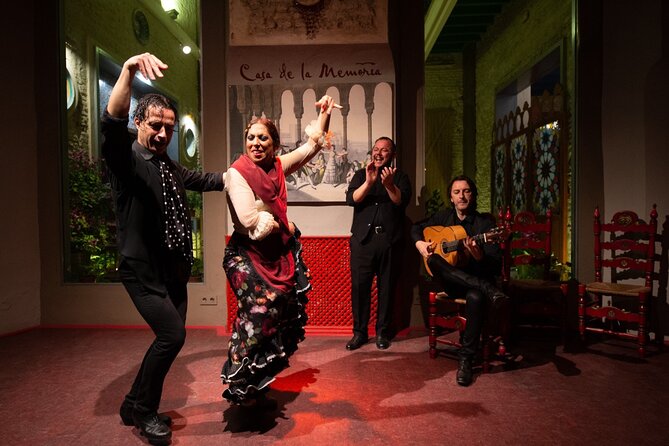
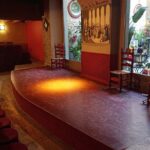
If you’ve ever watched flamenco in a big theatre, you know it can feel a bit distant. This show is built for the opposite effect. Casa de la Memoria is a smaller, central room where the performers don’t rely on amplification. That matters because flamenco is physical. The rhythm of the feet, the bite of the guitar, and the emotion in the singing all land more directly when the space is tight.
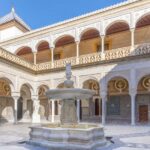
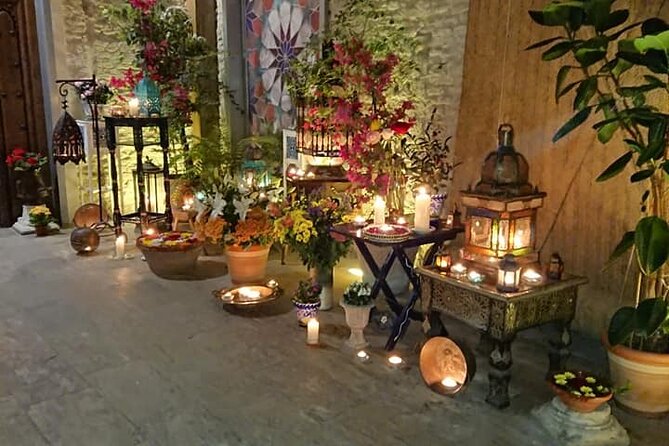
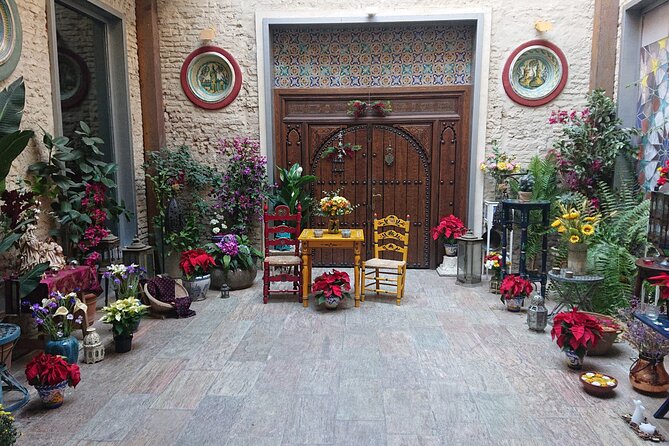
The venue also leans into atmosphere. The experience takes place in a place that feels historic, and you’ll notice details like the presence of flowers and their smell while you wait. It’s not just a “show and leave” setup. It’s the kind of theatre experience where the setting helps you get in the mood before the first clap.
A few more Seville tours and experiences worth a look
The Two Nightly Show Times (18:00 and 22:30) and How to Pick
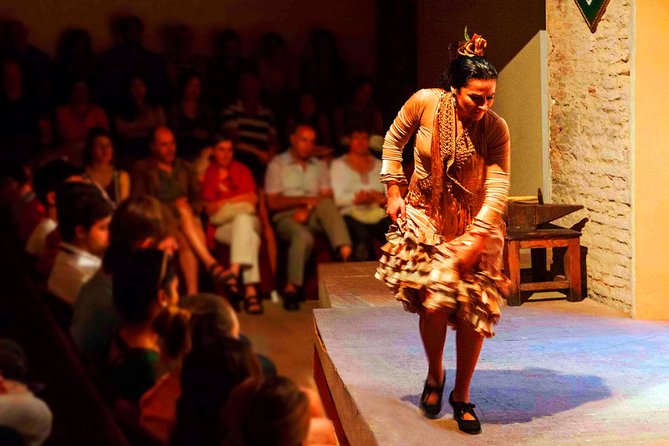
This flamenco evening runs all days with two performances: 18:00 and 22:30. For me, the choice is simple: pick the time that fits your energy, not the time that sounds trendy.
If you’re the type who likes an early start (dinner, then culture, then sleep), the 18:00 show slots nicely into an evening routine. If you’re already walking Seville late, the 22:30 performance can feel like a nighttime ritual, especially after you’ve had time to explore the streets.
A practical tip: because seating is assigned at the box office and you don’t know your exact view ahead of time, the sooner you arrive for your specific slot, the better your chances for comfortable sightlines.
What You Actually See: Four Artists, One-Hour, No Microphones
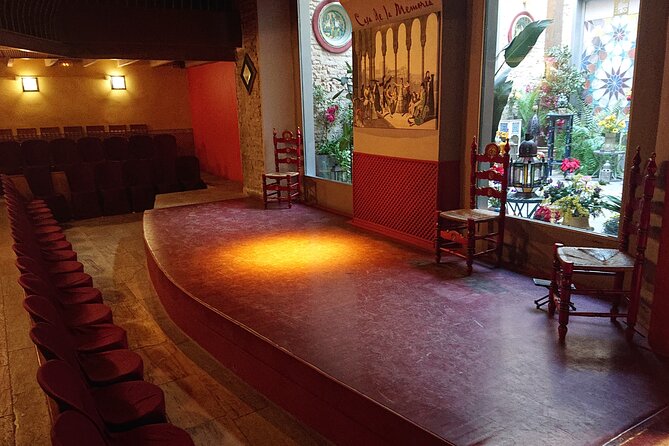
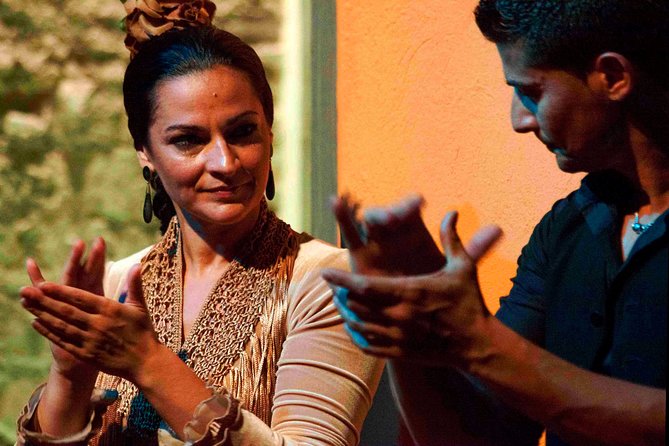
The show stays focused: 1 hour with four artists performing live—typically two flamenco dancers, one singer, and one guitarist. The pacing is all about momentum. There’s no long switching between acts or stage “setup drama.” Instead, the performance moves forward as one continuous piece of live art.
The best part is the sound design, or rather the lack of it. This is a show done without microphones, so you hear the flamenco how it’s meant to be heard: guitar voice and footwork as the main protagonists. That can feel more raw than performances that lean on speakers, and it’s one reason people call this the best flamenco they’ve seen.
Also pay attention to the singing. You’ll often hear canto jondo, the deep, soulful side of flamenco song. It’s not background music. In this setting, it reads as storytelling, with the singer’s tone pushing the emotion from one section to the next.
Inside the Theatre: Seating, Visibility, and Timing That Pays Off
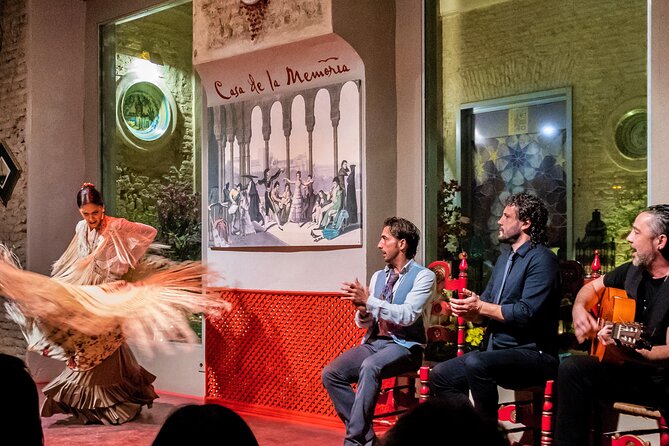
Your biggest “watch out” here is the viewing angle. Seats are assigned by the theatre box office and you won’t know in advance where you’ll end up. That means you should plan to treat your arrival like part of the show.
The venue recommends arriving at least 20 minutes early. I also recommend stretching that to 30 minutes if you can. People consistently emphasize that the best seats go fast, and earlier arrivals tend to get better options when the box office assigns seating.
If you get placed on a balcony or higher tier, you might not catch dancers’ faces as clearly. You’ll still enjoy the dancing and the sound, but your best chance at full face-and-foot detail is being closer to the stage at ground level. In other words: arrive early and you’ll likely make your future self very happy.
The Experience as Living Heritage, Not a Theme Park
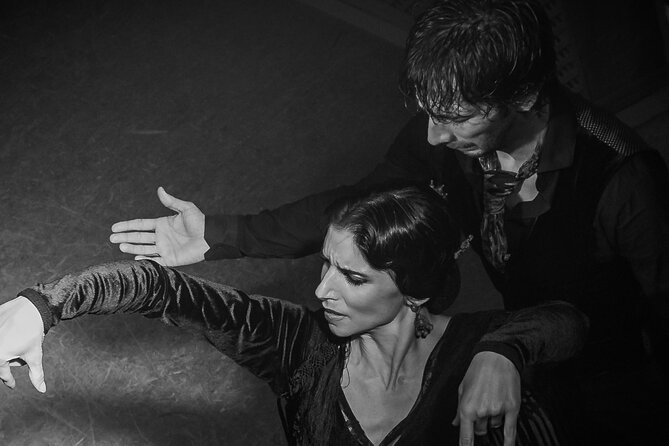
Flamenco is often sold as a “show,” but the good version is closer to a living conversation between artists. Here, you can feel the tradition in the structure—dancing, guitar, and singing working together as one system. The performance connects to Spanish gypsy heritage, but it’s presented in a way that still feels real, not staged for tourists.
What helps is the size and setup. In a small room, you’re not separated from the artists by distance. You’re also not drowned out by background effects. Instead, you get a clearer sense of technique: the dancers’ precise work, the singer’s emotional turns, and the guitarist’s lively rhythm.
And because the show is only an hour, it doesn’t overstay. You leave feeling like you’ve witnessed something concentrated and powerful, not just watched a performance that outlived its impact.
You can also read our reviews of more evening experiences in Seville




Value for Money: Why About $29 Can Make Sense
At around $29.04 per person, this isn’t a budget “throwaway” activity, but it also isn’t priced like a luxury spectacle. The value comes from what’s included: the flamenco show itself, with professional performers doing a full hour of live work.
For a fair comparison, think about what you’d pay for a one-hour performance elsewhere in Seville, especially one with:
- a small, intimate theatre setting
- four live artists
- a no-microphones approach
That combination is the selling point. If you care about authenticity and sound quality, this price starts to look pretty reasonable. If you’re expecting a huge production with lots of staging effects, you might feel it’s simpler than you hoped. But if your goal is to experience flamenco at close range, the cost-to-experience ratio is strong.
Who This Fits Best (and Who Might Want a Different Plan)
This show works especially well for:
- couples and friends who want a shared night of intense art
- people who prefer smaller venues to big-audience productions
- first-timers who want the flamenco basics explained through performance rather than lecture
- anyone who likes being close enough to notice footwork timing and emotional shifts
It’s also family-friendly in the practical sense that many people go with kids, but there’s a clear rule: it’s not recommended for children under 6. Children over 6 must be accompanied by an adult. If you’re traveling with younger kids, skip this one and look for a shorter, more kid-tolerant performance.
Accessibility note from the venue: service animals are allowed, it’s near public transportation, and most travelers can participate. If you have specific mobility or sensory needs, check with the operator directly before committing, since you’re dealing with a theatre seating layout that isn’t described in detail here.
Small Extras: Photos at the End and What’s Not Included
The show includes the performance, and that’s the core. After the performance, you’ll have a chance to take photos. There are also souvenir photo options available for purchase, but they’re not included in your ticket.
So if you’re photo-focused, plan for a quick capture at the end rather than assuming you’ll be taking great shots throughout. In a close theatre with a live, loud performance, the lighting and movement can change fast.
Booking and Getting There Without Stress
This is sold with a mobile ticket, which is convenient. The venue is also described as being near public transportation, so you shouldn’t need a car or complicated planning to reach it.
Because seating is assigned at the box office and early arrival helps, don’t treat this like a casual stroll-in. Give yourself enough time to find the right entrance, settle in, and get comfortable. If you’re running late, you risk a worse view—especially if your slot is popular.
Finally, remember there’s a max group size of 90 travelers, so it’s not cramped like a packed bus experience, but it’s also not empty. Plan on a lively, shared atmosphere.
Should You Book Casa de la Memoria Tonight?
You should book if you want flamenco that feels close, focused, and live—especially if you care about the sound of guitar, the intensity of singing (often canto jondo), and dancers’ footwork in a small room. The no-microphones setup and the one-hour format are the big reasons this stands out.
Skip it if you need a kid-friendly show for under-6s, or if you’re extremely sensitive to the risk of uncertain seating. Since you won’t know where you’ll sit, your best “insurance” is arriving early enough to choose better sightlines when the box office assigns seats.
If you want one confident flamenco night in Seville without chasing the largest, most generic production, Casa de la Memoria is an easy yes.