REVIEW · TENERIFE
Santa Cruz de Tenerife Palmetum Entry Ticket
Book on GetYourGuide →Operated by PARQUE MARITIMO SANTA CRUZ S.A. · Bookable on GetYourGuide
The Palmetum in Santa Cruz de Tenerife is an eye-opener in a good way. What starts as a walk in the city turns into a peaceful garden with ocean views and the best palm collecting you’ll find in Europe. I especially love the sheer palm collection and the fact that it’s home to about 3,000 plant species from tropical and subtropical climates.
One heads-up: the paths are not always dead-flat, so if you use walking sticks or have mobility limits, plan for slower going and extra time to enjoy everything instead of racing through.
In This Review
- Key Takeaways Before You Go
- Entering the Palmetum: Where the Ticket Gets You Started
- The Big Story: A Landfill Rebuilt Into a Botanical Park
- Water, Rocks, and the Garden’s Built-in Relaxation
- Why the Palm Collection Feels So Huge
- Ocean and City Views: The Benches Are the Real Attraction
- How Long You’ll Need (And How to Pace It)
- What You Can Expect to See Along the Route
- Price and Value: Is $7 a Good Deal?
- Small Food Notes: What’s Available Inside
- Getting Around With Kids, Solo Time, or Slower Travel
- Languages and On-site Help
- Should You Book the Santa Cruz de Tenerife Palmetum Ticket?
- FAQ
- How much time should I plan for at the Palmetum?
- What’s included in the ticket price?
- Where do I meet for the experience?
- Is it wheelchair accessible?
- Are pets allowed inside?
- What’s the cancellation policy?
Key Takeaways Before You Go
- Former landfill, now garden: a real municipal rubbish-dump transformation you can walk and see
- Europe’s biggest palm collection: hundreds of palm types spread across the park
- Island-by-island sections: palms grouped by places like Madagascar, the Caribbean, and Polynesia
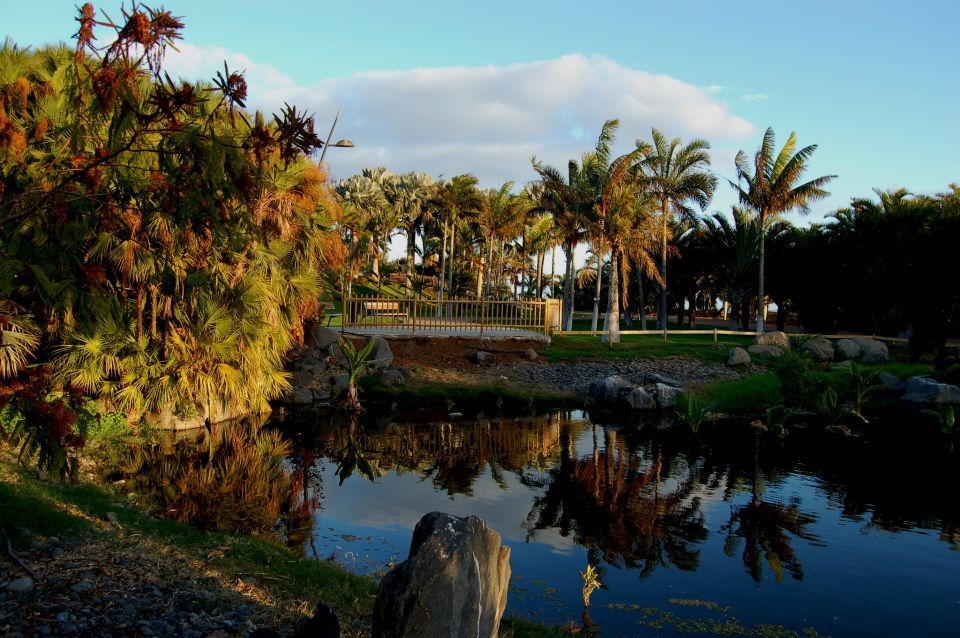
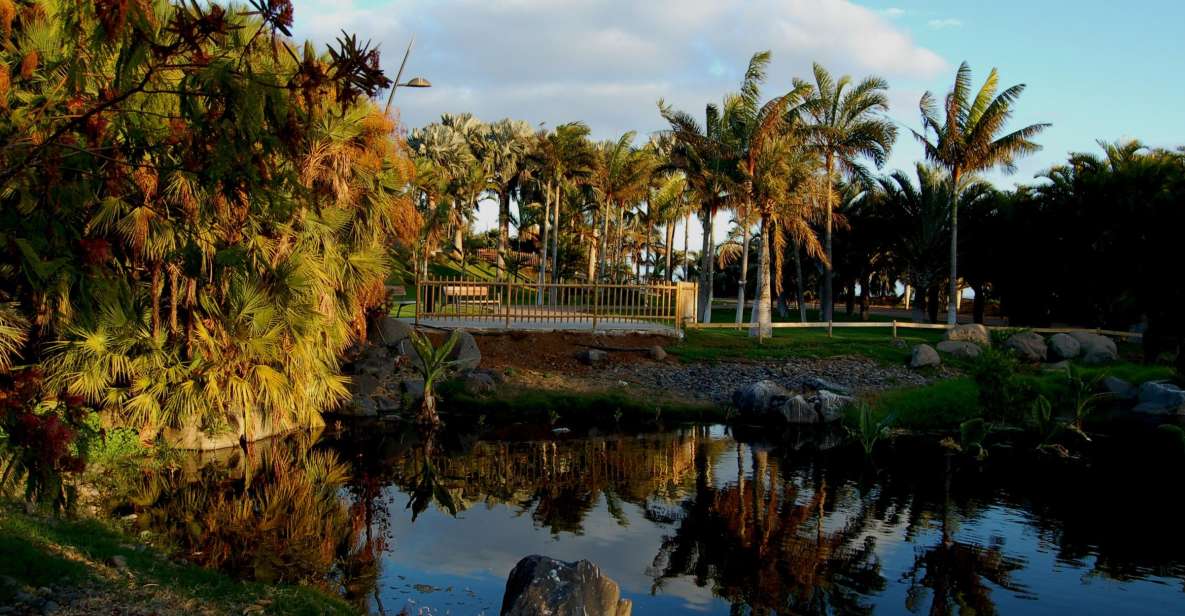
- Water features with volcanic rocks: lakes, a stream, waterfalls, and big volcanic stones
- Viewpoints over sea and city: benches make it easy to pause, not just snap photos
Entering the Palmetum: Where the Ticket Gets You Started

Your meeting point is simply the entrance of the Palmetum park. No big choreography, just show up with your entry ticket and step into a garden that feels bigger than its 12 hectares on first glance.
This is a self-paced visit. You’ll be walking on your own schedule, and that’s part of the value. You can do a quick loop if you’re short on time, or you can slow down and treat it like a long nature stroll—especially because the park gives you plenty of reasons to stop: signs, themed sections, benches, birdsong, and ocean views.
One practical thing: you’ll want comfortable shoes. The Palmetum is built like a garden terrain, not a shopping-mall hallway. It’s still very doable, but your pace will matter if you’re trying to cover “everything” in a single day.
Also, note the rules are strict in the way that keeps the space pleasant: no drones, no bikes, no pets (assistance dogs allowed), and no littering or feeding animals. That means fewer distractions and a calmer atmosphere while you wander.
A few more Tenerife tours and experiences worth a look



The Big Story: A Landfill Rebuilt Into a Botanical Park
The main reason I think this visit is worth your time is the mission behind it. The Palmetum is a reconstituted landfill site that has become a botanical project. It’s not just a collection of plants behind a fence; you can see how the landscape has been improved over years with careful garden design.
That matters because it changes how you experience the place. Instead of thinking only about plants, you start thinking about persistence—how a degraded municipal area can be turned into something people visit for relaxation and learning. If you care even a little about sustainability or how cities reclaim space, this park gives you a concrete example you can walk through.
Water, Rocks, and the Garden’s Built-in Relaxation
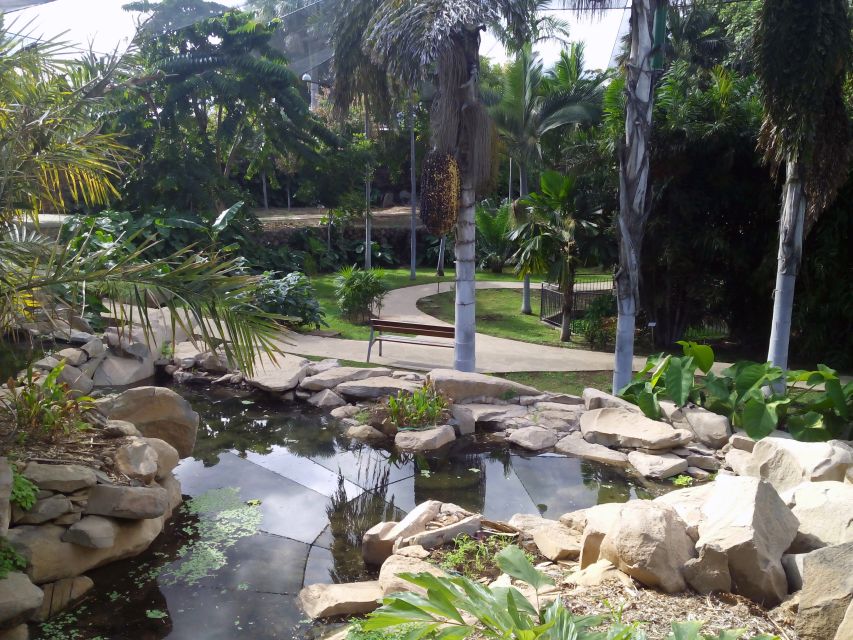
Inside, the park isn’t just palms standing in rows. You’ll move past two lakes, a stream, and three waterfalls, plus corners decorated with immense volcanic rocks. Those water-and-rock features act like natural “chapters” in your walk.
What I like about this setup is that it gives you variety even if you’re not a hard-core plant person. You’ll get moments where the air feels cooler near water, then a quick visual shift to dramatic stones, then back to green pathways.
There’s also a chance you’ll spot wildlife as you slow down. One of the best little surprises is birdwatching. You might see butterflies and birds, and even if you’re not looking for rare species, the park feels alive. On a few visits, people even mention seeing a kestrel hunting and hoopoes up close. That’s the kind of bonus you can’t buy at a gift shop.
One caution: not every pond is kept looking perfect. At least once, people flagged that some water areas can look dirty. It doesn’t ruin the visit, but it’s worth keeping in mind if you’re picky about photo conditions.
Why the Palm Collection Feels So Huge
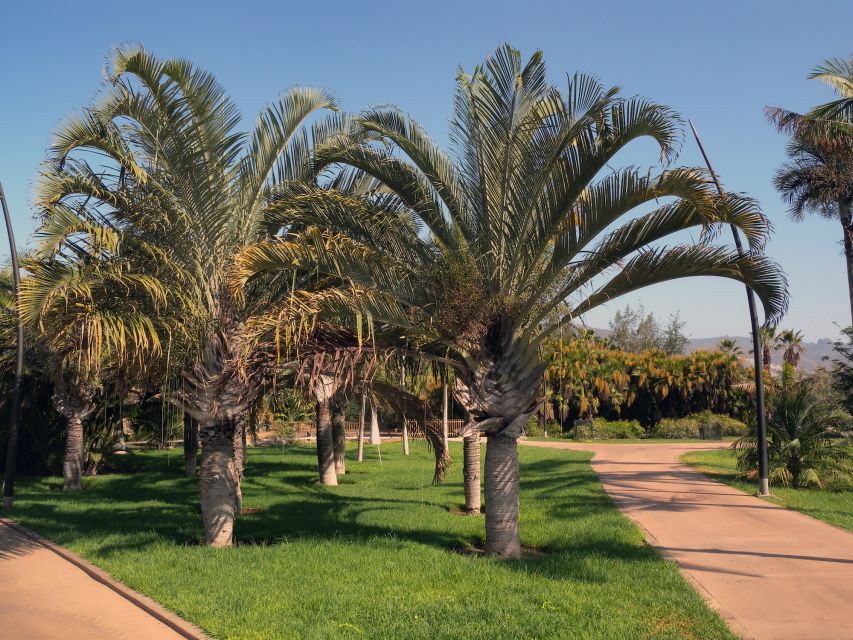
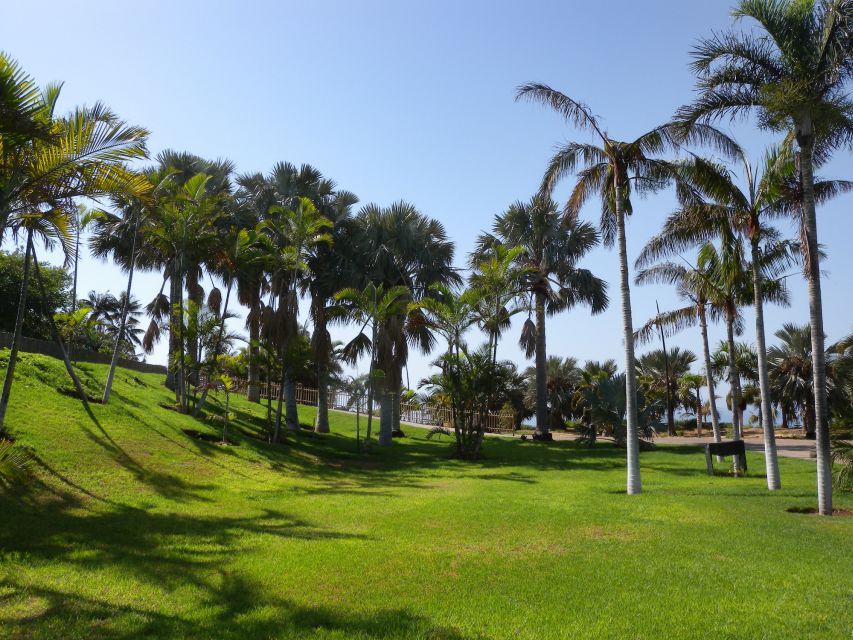
Let’s talk palms, because that’s the point. The botanical family of palms—Arecaceae (Palmae)—is the best represented in the collection, with more than 600 species distributed across the park. And the park divides the experience by geography, which makes your walk feel like a journey rather than just a loop of similar trees.
What you’ll notice is that the palms aren’t planted randomly. Much of the park is dedicated to island territories, so you get clusters of palms from places like Madagascar, the Caribbean, and Polynesia. That grouping helps you compare shapes and adaptations. Even if you don’t know plant names, you’ll start to see patterns: leaf forms, height differences, and textures that relate to their origins.
This is also where the park’s “about 3,000 species” number feels real. You’re not just seeing a few big showpieces. You’ll walk past small specimens, larger trees, and mixed plantings that support the idea of a living museum for tropical and subtropical islands.
Ocean and City Views: The Benches Are the Real Attraction
I love when a garden makes it easy to pause without feeling guilty about stopping. The Palmetum does that with viewpoints and seating.
From a mountain area, you get views over the ocean and Santa Cruz de Tenerife below. The best strategy is to plan for photo time but also sit for a few minutes. Benches appear in areas where you can look out and watch the sea. Some visitors specifically mention how you can see changes in the water from shallow to deeper areas—an easy visual reminder that the coastline isn’t just scenery; it’s a whole system.
If you’re traveling with anyone who doesn’t want to spend all day reading plant labels, this part wins them over. You’ll get a break from close-up studying, and the view does the storytelling for you.






How Long You’ll Need (And How to Pace It)
This is listed as a 1-day ticket, and that’s realistic. In practice, plan on roughly 2 to 4 hours depending on your pace and how often you stop for photos.
If you’re in a hurry—say you’re doing this as a port stop—focus on:
- the main palm sections
- the water features (lakes and waterfalls)
- one good viewpoint loop with benches
If you want a calmer experience, give yourself extra time to wander slowly between themed areas. The park’s design rewards repetition; you’ll notice new details the second or third time you pass a cluster, especially when your eye catches different leaf shapes.
One timing note from how people describe their visits: it can get busier later in the day. Mornings tend to feel more relaxed, so if you have the choice, start earlier.
What You Can Expect to See Along the Route
Here’s what your walk is likely to include, in a rough sense:
- Dense palm areas where you can compare species by origin
- Thematic corners that change the feel of the stroll—more water here, volcanic rock there
- Water features where the sound and cool air give your brain a break
- Viewpoints with seating for a long look at sea and city
- Plant information that helps you understand what you’re looking at, even if you only skim
Plant labels can vary in condition. At least one person noted some signs looked worn and could be replaced. That’s not a deal-breaker, but it means you should keep expectations realistic: this is a working garden project, not a polished museum every inch of the way.
Price and Value: Is $7 a Good Deal?
At about $7 per person, this ticket is a bargain if you like gardens, views, or both. The Palmetum gives you a full walking experience—plants, water features, benches, and big sky views—without needing to spend extra on guided add-ons.
You’ll also see that prices can vary day to day depending on booking timing. People have mentioned paying a bit more when booking last-minute, but even then it’s still positioned as low-cost for the amount of time you can spend on foot.
For value, the bigger question is this: do you enjoy slow travel? If you do, the Palmetum can easily fill a half day to a full afternoon. The people who end up staying longer are usually the ones who enjoy wandering and stopping often—not people rushing to collect “must-sees.”
Small Food Notes: What’s Available Inside
The ticket includes entry only—no food and drinks. That means you should plan ahead if you expect a proper meal.
That said, there seems to be at least some kind of coffee/snack setup inside. One review mentions a small coffee area, and another describes a mobile snack bar near a pond with seating. Another person looked for a café and didn’t find one, so I’d treat food options as limited rather than guaranteed.
My practical advice: bring water and a light snack if you’re staying for several hours, then treat any stand you find as a bonus.
Getting Around With Kids, Solo Time, or Slower Travel
This is a good outing for families. Several descriptions frame it as a nice break at low cost, with enough outdoor space to keep kids interested while adults focus on plants and views.
For solo travelers, it’s also good because you don’t need group logistics. You can stop as long as you want at the ocean viewpoint and then keep walking without worrying about where everyone else is.
For mobility limits, it can be a mixed bag. The park is wheelchair accessible, which is a big plus. But at least one person with walking sticks found the experience quite difficult, which suggests the routes may still include uneven spots or slopes. If you need an easier surface, consider going earlier and moving slowly, and don’t expect perfectly flat paths everywhere.
Languages and On-site Help
The host or greeter language options listed are Spanish and English. That’s enough to answer basic questions at the entrance, and you can rely mostly on your own pace once you’re inside.
Since signs can be uneven in condition, basic language support helps you get oriented quickly—then you’re set to wander.
Should You Book the Santa Cruz de Tenerife Palmetum Ticket?
Yes—if you want a low-cost garden walk with real atmosphere and serious palm variety. This ticket is best for:
- people who like plants and photos
- travelers who want city-and-ocean views without a big tour bus day
- anyone who enjoys meaningful places where the story is part of the experience
Skip it or rethink it if:
- you expected a full-service café for meals
- you need completely flat walking surfaces for comfort
- you’re only interested in guided interpretation (this is mostly self-paced)
If you’re coming from a cruise port, you’ll also be pleased to hear it’s described as a walkable option via a pleasant pathway, making it a handy stop when you want time outdoors.
Overall: for $7, you’re buying a lot—space, views, water features, and a garden project with an actual “how did this happen?” factor.
FAQ
How much time should I plan for at the Palmetum?
It’s a 1-day entry ticket, and most people treat it as a half-day to a few hours of wandering depending on pace and photo stops.
What’s included in the ticket price?
The ticket includes entry to the Palmetum. Food and drinks are not included.
Where do I meet for the experience?
The meeting point is the entrance of the Palmetum park.
Is it wheelchair accessible?
Yes, the Palmetum is listed as wheelchair accessible.
Are pets allowed inside?
Pets are not allowed. Assistance dogs are allowed.
What’s the cancellation policy?
You can cancel up to 24 hours in advance for a full refund.