REVIEW · SEVILLE
Seville Bullring: Guided Tour with Direct Entry
Book on Viator →Operated by SEVILLA ÚNICA · Bookable on Viator
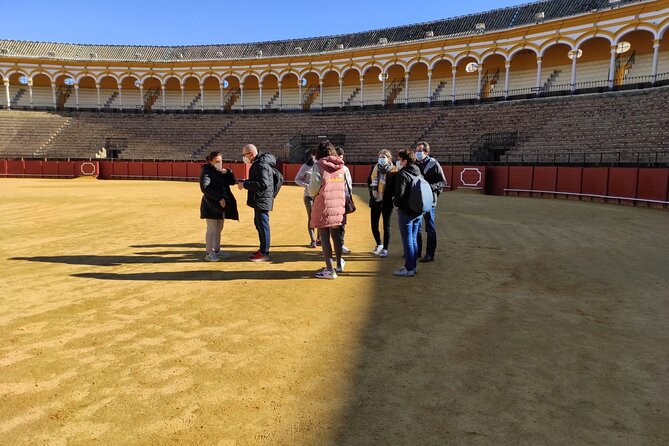
The bullring tells its story in an hour. I like the fact that direct entry gets you inside fast, and the official guide turns the Plaza de Toros de la Real Maestranza de Caballería de Sevilla into something you can actually picture, not just look at. Two standouts for me are the guided walk through the corridors/museum and the moment you’re guided into the ring setup and key viewpoints like the Prince’s Gate. One thing to consider: the tour is short, and if you drift away from the guide during audio parts (or if English isn’t always crystal clear for you), it can feel a bit rushed.
This is a small-group tour capped at 19 people, and the structure matters. You get an instant-confirmation mobile ticket, plus a radio system if needed, which helps when the building is full of footsteps and echoes. It’s also a good pick if you want context on a controversial tradition without getting stuck on your own reading or guessing what you’re seeing.
In This Review
- Key Things I’d Mark on Your Map
- Seville Bullring: What Makes This Plaza de Toros Different
- Price and Timing: Is $34.84 Worth One Hour?
- Getting In Fast With Direct Entry and a Mobile Ticket
- Inside the Bullring: Corridors, Chapel, and Museum Stops
- The Courtyard Moment and the Prince’s Gate Walk
- Audio Setup: Radio Earbuds and Hearing the Guide Clearly
- How the Tour Handles the Controversy
- Who Should Book This (and Who Might Skip It)
- Should You Book the Seville Bullring Guided Tour?
- FAQ
- FAQ
- How long is the guided tour?
- What does the tour price include?
- Is the tour in English?
- Do I need to print anything?
- Where do I meet for the tour?
- How large is the group?
- Will I be able to hear the guide?
- Is free cancellation available?
- Is the bullring accessible by public transport?
Key Things I’d Mark on Your Map
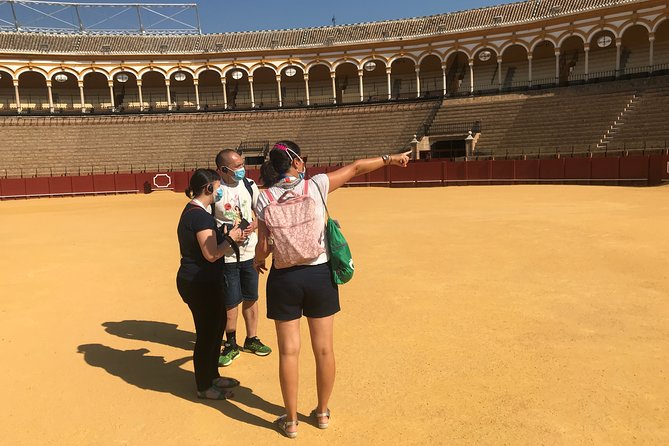
- Direct entry with a mobile ticket so you spend less time figuring out lines and entrances.
- Official guides from Sevilla Única with a guided route focused on architecture, ritual, and history.
- Radio/audio support can help you hear clearly even in a noisy, echoing arena.
- A guided walk that matches the bullfighting workflow (viewing ring lines and where the bull comes in).
- The museum’s art and set pieces, including paintings tied to the 1700s tradition of narration and storytelling.
Seville Bullring: What Makes This Plaza de Toros Different
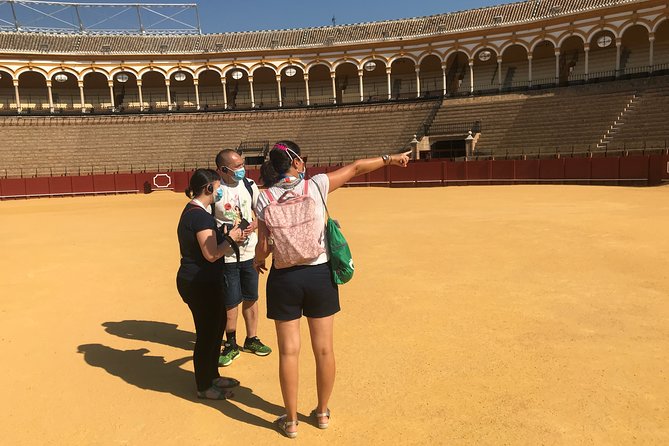
Seville’s bullring is not a random tourist stop. It’s a working landmark of tauromaquia (bullfighting culture) and, as the tour frames it, a place where the city’s identity is written into stone and ritual.
First, you’re dealing with the Plaza de Toros de la Real Maestranza de Caballería de Sevilla, and the guide puts it in context as the second-oldest bullring in use in Spain. That matters because the building feels old even when you’re standing in the middle of the ring looking around. The stonework, the layout, and the way people move through different spaces all make more sense when someone explains the “why” behind the design.
Second, this tour leans into stories connected to the full experience, not only the arena. You’re taken through corridors and museum spaces, and the route is paced so you’re not just staring at plaques. The guide also references the nervous moments before action—like what crews do right before they enter the courtyard area—so the building stops being abstract.
Now, here’s the balance point: bullfighting is controversial. This tour doesn’t ask you to cheer for it. It offers cultural context—what people believe this tradition represents and how the welfare of both animals and humans is discussed within the framing of the practice. If you already feel strongly against bullfighting, you might still find value in understanding the history and the architecture, but keep your expectations aligned with explanation, not celebration.
You can also read our reviews of more guided tours in Seville

Price and Timing: Is $34.84 Worth One Hour?
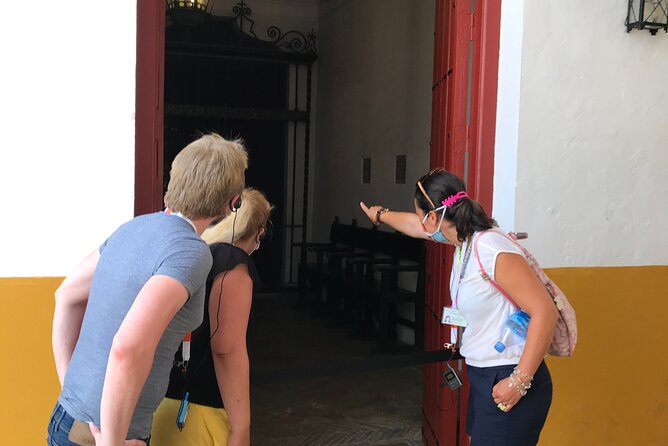
At about $34.84 per person for roughly one hour, the value comes from how the time is structured. A self-guided visit can cover the museum at your own pace, but it won’t automatically connect the dots between the building’s sections, the route through the arena, and the cultural meaning the guide brings.
This tour is built around “do you understand what you’re looking at yet?” moments. The one-hour format is ideal if you’re visiting Seville for a short window and want a focused hit of history and architecture. It also works well because the group size stays small (maximum 19), so you’re less likely to be swallowed by the crowd.
Where the price can feel less satisfying is if you’re expecting a super long, museum-only deep session. Some visitors find it a bit short or moving faster than they’d like, especially if they want more time reading displays or taking their own photos without interruptions. If that’s you, plan to add a little extra time on your own after the tour—if the site is open and you have energy.
Also, one practical note: the building can be hot. Even with indoor stops, you might find certain rooms without great airflow. If you’re traveling in summer, wear light layers and don’t schedule this as your only midday activity. A little shade and water planning goes a long way.
Getting In Fast With Direct Entry and a Mobile Ticket
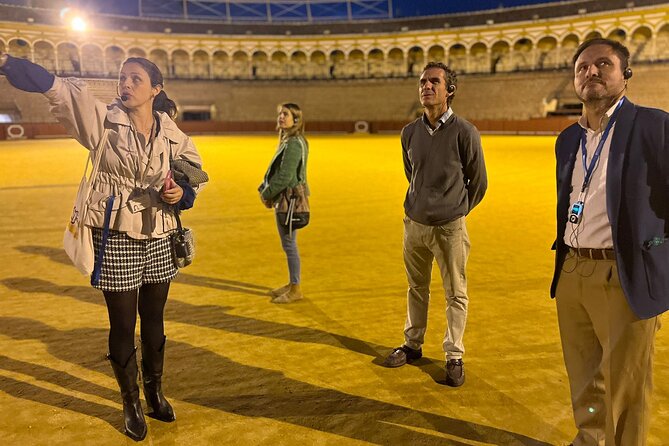
The biggest practical win here is that you’re not rolling the dice on finding the right line. You book ahead and receive instant confirmation, and you show a mobile ticket for entry.
For you, that means:
- less uncertainty when you arrive,
- less time spent scanning for staff,
- fewer “did we mess up the meeting point?” moments.
The meeting point is right at the bullring: Plaza de Toros de la Real Maestranza de Caballería de Sevilla, P.º de Cristóbal Colón, 12, in the Casco Antiguo area of Seville. It ends back there too, so you don’t have to figure out a second drop-off point.
One caution from past experiences with this kind of operation: if there’s an event day, schedules can get messy. The tour format is designed to handle normal operations, but real life happens—concert setup, timing changes, and staff lists can cause confusion in rare cases. If you’re on a tight itinerary, I’d treat this as one of those “arrive early and stay alert” plans. Bring your confirmation on your phone, and keep an eye on the day-of communications you receive.
Inside the Bullring: Corridors, Chapel, and Museum Stops
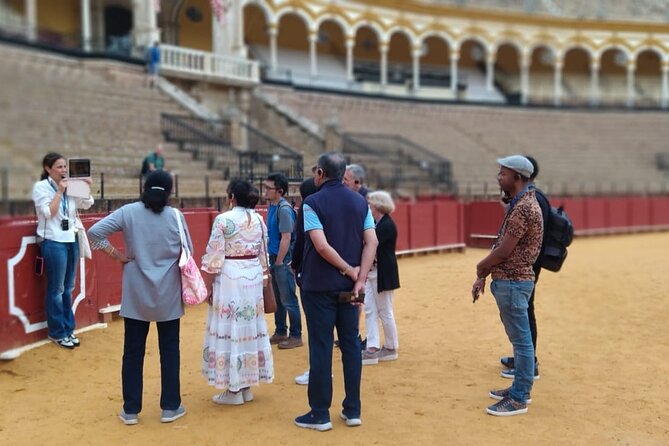
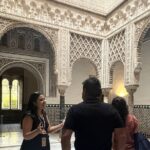
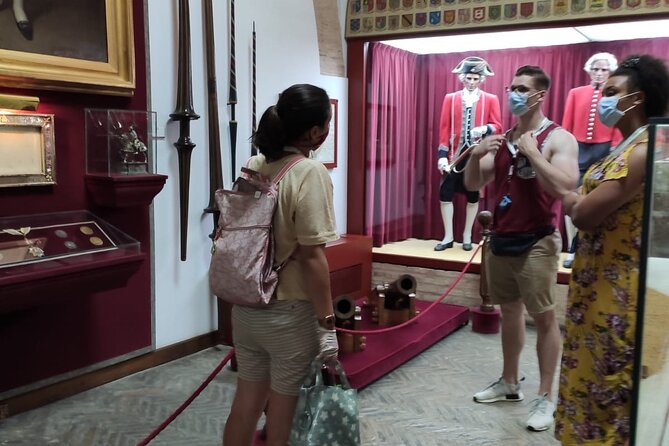
This tour isn’t only about the ring. It begins with the bullring itself: walking corridors and learning how the space is designed for the bullfight flow. The guide also points out art and museum pieces that help you picture the tradition as it evolved.
One especially memorable angle is the museum storytelling tied to the 1700s era—paintings described as narrating bullfights in that period. Even if you’re not into art history, seeing those visuals with an explanation helps you understand how bullfighting was portrayed and discussed, not just performed.
You also get a guided look at a chapel space where they’re said to implore for a good afternoon. It’s a small detail, but it fits the theme: bullfighting wasn’t treated as random entertainment. It carried ritual and formal language. When a guide points that out, the chapel becomes more than a photo stop—it becomes a clue about how the tradition organized belief around the event.
The museum pieces are also practical for your brain. Without context, a lot of objects in a display can look like costume props. With a guide, you learn how those pieces relate to roles, timing, and the work of matadors and crews.
If you’re sensitive to the animal-rights side, this is the moment to decide your comfort level. You don’t see an actual fight here, but the symbolism is present through the objects, stories, and explanations. Some people find this a helpful way to learn without getting pulled into spectacle; others may prefer to focus only on architecture and history.
The Courtyard Moment and the Prince’s Gate Walk
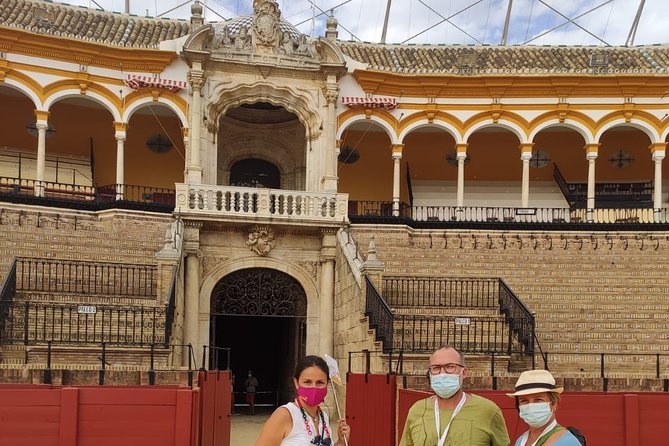
This is where the tour gets cinematic—in a good, educational way.
The guide takes you through a narrative of the moments before action: the courtyard area where crews take their last sip of water and where you can feel the chill in the body before the front door opens. The guide even describes the sound of iron mixed with wood as part of what crews experience right before the ring sequence starts.
Then you move into ring viewpoints where you can understand the layout. The tour includes seeing:
- how the lines inside the arena are set up,
- where the bull is introduced into the space,
- what it means to be in the ring center, guided by perspective rather than guesswork.
Finally, there’s the Prince’s Gate. That detail matters because it’s one of those features you might walk past if you’re self-guided. With the guide, it turns into a story beat. You’re shown the significance of moving through that gateway and what it represented in the flow of the event.
One drawback to keep in mind: part of the “feel” of these moments is tied to hearing the guide clearly. If you’re wearing earbuds and drifting too far, you might lose some audio. If you want the full experience, stay near the group focal point and don’t hang back for photos until the guide pauses.



Audio Setup: Radio Earbuds and Hearing the Guide Clearly
This tour includes audio support, and that’s a real quality-of-life factor in Seville’s loud, echo-friendly spaces.
The format described is simple: your guide uses a microphone, and if necessary, you get a radio device with earbuds. I love this approach because it reduces the usual problem of trying to hear an English explanation while other visitors shuffle around and the building amplifies noise.
Still, there are a couple practical considerations:
- If your English listening comfort is already challenged, plan for the fact that some guides may speak in a way that takes a moment to adapt to.
- If you wander too far from where your audio signal is strongest, you can experience cutouts.
My advice for you: keep your radio device secure and in place, and don’t treat it like background audio. Lean in when the guide is describing a specific part of the ring. You’ll get more out of the hour, and you won’t feel like you paid for silence.
How the Tour Handles the Controversy
Bullfighting is one of those topics where people arrive with very different feelings. This tour tries to meet you in the middle: it explains the tradition’s history and structure and also acknowledges that many people see it as controversial.
Some visitors come specifically to understand why the tradition is defended, what it represents to its supporters, and how the practice is structured around roles and ritual. Others come to see the arena and learn the history without endorsing the event.
The key is that the tour positions bullfighting as an art and tradition, not a simple sports match. That framing can be useful because it helps you interpret what you see in the architecture and museum displays. When the guide explains the methodology and the matador’s job to bring out the bull’s best attributes, you’re getting the logic supporters use—so you can then decide what you think.
If you’re firmly against bullfighting and only want the building as architecture, you can still get value: the ring design, the historical use, and the way the spaces function are impressive on their own.
Who Should Book This (and Who Might Skip It)
Book it if:
- you want a guided look at the Plaza de Toros de la Real Maestranza de Caballería de Sevilla with direct entry,
- you enjoy history tied to buildings and public rituals,
- you’re curious about tauromaquia but prefer explanation over guesswork,
- you want something that fits into a packed Seville itinerary.
Skip or reconsider if:
- you need a long museum session and hate timed formats,
- you struggle with hearing guides through audio setups,
- you’re looking for a hands-on or behind-the-scenes experience rather than a structured walk-through and museum explanation.
Also, if you’re visiting during very hot weather, go early in the day and bring water. One part of the experience may feel stuffy depending on where the group spends time.
Should You Book the Seville Bullring Guided Tour?
I’d book this tour if you want a fast, guided way to understand Seville’s bullring—its layout, the museum story, and the cultural logic behind bullfighting traditions—without spending your whole day reading on your own.
It’s best value as a one-hour introduction. If you’re the type who likes to linger, plan a little extra time afterward to wander more slowly. And if you’re sensitive to the topic, you’ll still get architectural and historical context, just don’t expect a light, casual outing.
FAQ
FAQ
How long is the guided tour?
It’s about 1 hour.
What does the tour price include?
Admission to the bullring is included.
Is the tour in English?
Yes, it’s offered in English.
Do I need to print anything?
No. You’ll get a mobile ticket.
Where do I meet for the tour?
Meet at Plaza de Toros de la Real Maestranza de Caballería de Sevilla, P.º de Cristóbal Colón, 12, Casco Antiguo, 41001 Sevilla, Spain.
How large is the group?
The tour has a maximum of 19 travelers.
Will I be able to hear the guide?
The guide uses a microphone, and a radio device may be used so you can hear clearly.
Is free cancellation available?
Yes, you can cancel for a full refund up to 24 hours before the experience starts.
Is the bullring accessible by public transport?
It’s near public transportation, and service animals are allowed.