REVIEW · SEVILLE
Seville Jewish Quarter Small Group Tour with Tapas and Drinks
Book on Viator →Operated by Seville Unique Experiences · Bookable on Viator
Seville’s old streets hide stories in plain sight. This small-group walk through the Jewish Quarter connects Alcázar origins to medieval legends like Susona and the Street of Death, and it ends with a proper tapas dinner.
What I really like is the story-led pacing—you’re not just passing sights; you’re learning why the neighborhood looks the way it does. I also love that the meal is built in: you get traditional tapas plus Spanish wine and drinks without hunting for a restaurant afterward.
One thing to consider: it’s a walking tour in narrow historic lanes, so comfortable shoes matter—especially if you hit Seville rain, wind, or both.
In This Review
- Key Highlights
- Walking the Santa Cruz Layers: Why This Jewish Quarter Tour Works
- Small Group, Real Stories, Practical Timing
- From Alcázar Origins to the Cemetery: Stop-by-Stop in the Jewish Quarter
- Plaza del Triunfo to the Jewish Quarter: Getting Your Bearings
- Urbanistic Changes: How the Neighborhood Became the Neighborhood
- Susona and the Street of Death: Legend With a Location
- The Fortified Area Around the Jewish Quarter and Alcázar
- The Medieval Jewish Cemetery: A Preserved Memory
- Worship Through Three Cultures
- Houses and a Hidden Secret Preserved at a Hotel
- The Square That Names the Neighborhood: Church Origins Over Centuries
- Tapas and Spanish Wine: Dinner as a Cultural Finish
- Drinks and Dietary Needs
- Price and Value: What $71.35 Buys You in Seville
- Who This Tour Fits Best (And When It Might Not)
- Should You Book This Seville Jewish Quarter and Tapas Tour?
- FAQ
- How long is the Seville Jewish Quarter Small Group Tour with Tapas and Drinks?
- What language is the tour in?
- How many people are in the group?
- What food and drinks are included?
- Can the restaurant accommodate dietary allergies or intolerances?
- Where do we meet and where does the tour end?
Key Highlights
- Susona and the Street of Death: a medieval tale that makes the map feel real
- Urban changes through the centuries: learn how the 21st-century city formed
- Old Jewish cemetery in a preserved structure: one of the most haunting stops
- Three cultures of the Mediterranean using the same worship space
- Tapas bar dinner included: 3 courses of Andalusian classics with two drinks
- Max 10 travelers: easier questions and a smoother group pace
Walking the Santa Cruz Layers: Why This Jewish Quarter Tour Works
Seville’s Jewish Quarter—often tied to the Santa Cruz area—can feel like it’s all postcard charm. This tour gives it weight. You walk through narrow streets and small squares, but the guide keeps pointing out what you’re actually looking at: how power, faith, and everyday life shaped the layout.
You also get built-in photo moments. The city’s older corners show up at street level here—quiet plazas, tucked-in alleys, and spots where the stones look like they remember everything. The best part is that the photos aren’t random. You’re snapping because the guide explains what each turn meant over time.
And yes, you finish with food. That matters in Seville. Tapas isn’t just a reward; it’s part of how locals keep conversations going after the walking ends.
You can also read our reviews of more tours and experiences in Seville.



Small Group, Real Stories, Practical Timing
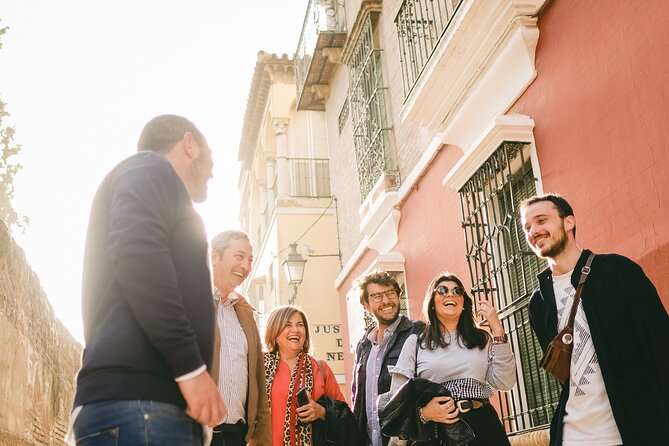
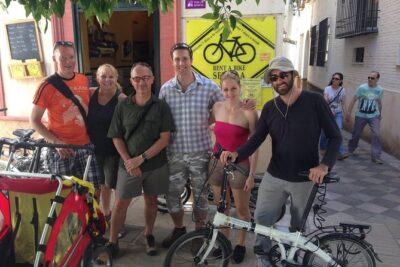
This is listed as a 3-hour experience for a maximum of 10 travelers, and that small group size is a big deal. With fewer people, the guide can adjust the pace, answer questions on the spot, and slow down when you’re staring at something you didn’t know to look for. If you like history but also like staying comfortable, this setup is the sweet spot.
The tour runs in English, and you start at Plaza del Triunfo (Casco Antiguo). You’ll end at Calle Lope de Rueda. That finish point is handy because it drops you back into the older-center flow near major sights, so you can keep exploring afterward without a big transfer.
One more practical point: the itinerary is packed with stops, but the walking is described as manageable for most people. Still, don’t wear shoes that hate cobblestones or tight turns.
From Alcázar Origins to the Cemetery: Stop-by-Stop in the Jewish Quarter
Here’s what you can expect on the walk, in the same logical sequence you’ll experience in the streets.
Plaza del Triunfo to the Jewish Quarter: Getting Your Bearings
You begin with a warm historical introduction to Seville and the Jewish Quarter. The guide also explains the origin of the Alcázar as you head toward Santa Cruz. It’s a smart opener because it connects two parts of the city that many visitors treat separately. You’ll start to see the bigger picture: borders, fortifications, and why power sat so close to community life.
Urbanistic Changes: How the Neighborhood Became the Neighborhood
Next comes a stop focused on urbanistic changes—how historical events changed the streets, buildings, and layout. This is the part that helps you stop saying the neighborhood is just pretty and start noticing why it feels like it does. You’ll come away with a mental “layer” system: older elements, altered elements, and what’s visible today because of those shifts.
If you’ve only seen the area from a quick stroll, this step makes you understand why. It turns the neighborhood into a readable map.


Susona and the Street of Death: Legend With a Location
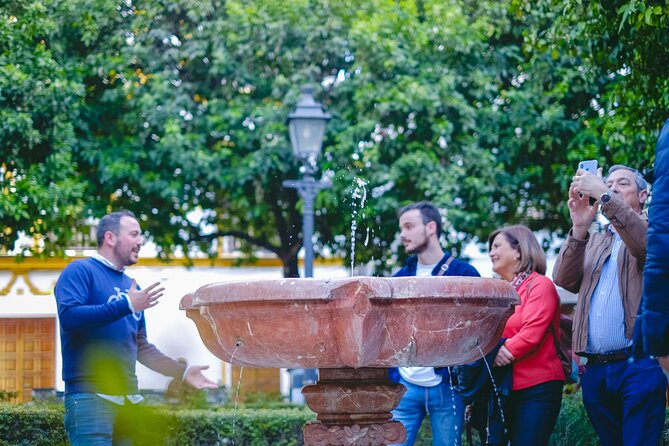
Then you hit one of the most intriguing medieval stories connected to the former Jewish Quarter: the legend of Susona and the Street of Death. What makes this kind of tale worth your time is the grounding. You’re not just hearing a story; you’re seeing where it belongs in the streets and what atmosphere the guide is trying to pull out of the architecture.
This is also where the group usually tightens up for photos, because the streets feel charged once you know the story.
The Fortified Area Around the Jewish Quarter and Alcázar
After that, the tour shifts to defenses and boundaries—specifically the importance of the fortified area around the Jewish Quarter and the Alcázar. This is a key theme in Seville. People didn’t live in zones by accident. The guide helps you understand what fortifications meant in daily life, and why the proximity of the Alcázar mattered.
When you understand the “why,” the “what” becomes clearer on the next turns.
The Medieval Jewish Cemetery: A Preserved Memory
One stop centers on the old medieval Jewish cemetery, preserved at a structure that’s described as curious. This is one of the most emotional moments on the route because it’s a tangible reminder of a community that left deep traces even when physical remains are limited.
If you tend to get quiet at cemeteries or memorial spaces, this one can land hard—in a respectful way.
Worship Through Three Cultures
Another stop explains a place that was used by the three cultures of the Mediterranean as a worship space. Even without getting into every theological detail, this kind of stop teaches you how buildings can outlive the specific groups that first used them.
You’ll start noticing how religious space can be repurposed and reinterpreted—often without losing its physical identity.
Houses and a Hidden Secret Preserved at a Hotel
You’ll also see how houses in the area hold one of the neighborhood’s hidden secrets, now preserved at a hotel. This is the fun one because it shows how old history doesn’t always sit behind glass. Sometimes it’s built into what people still use today.
It’s also a great reality check: the Jewish Quarter isn’t only museums and plaques. Parts of it are woven into everyday life—just with a better backstory now.
The Square That Names the Neighborhood: Church Origins Over Centuries
Near the end, you reach the square that gives the neighborhood its name, and you learn about the origin of the first church there, including how it was transformed through centuries. This stop pulls the earlier themes together—community, faith, and the city’s habit of rewriting its own surfaces over time.
By the time you leave this area, the Jewish Quarter starts to feel less like a single attraction and more like a living archive.
Tapas and Spanish Wine: Dinner as a Cultural Finish
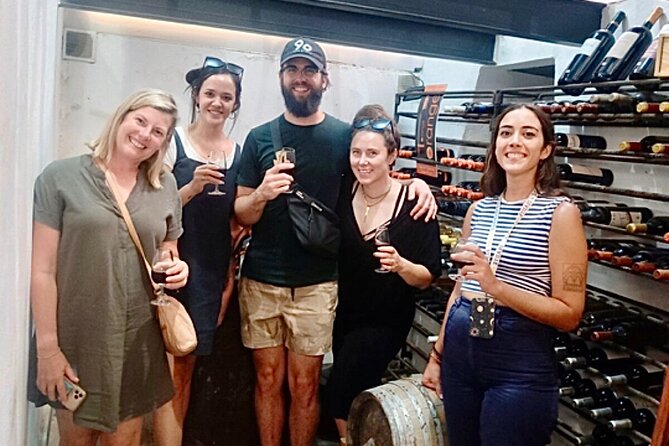
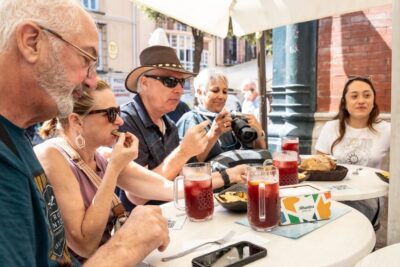
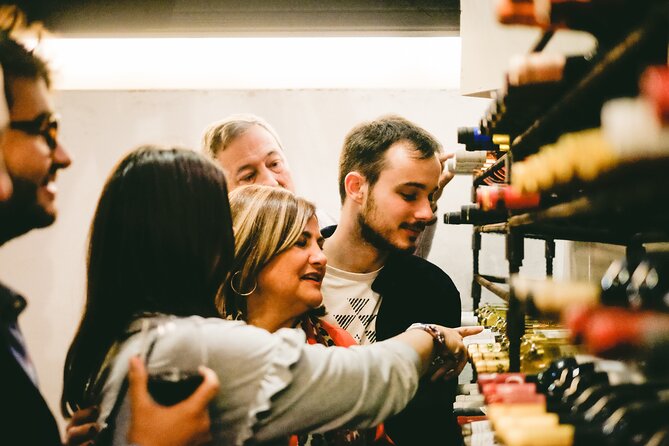
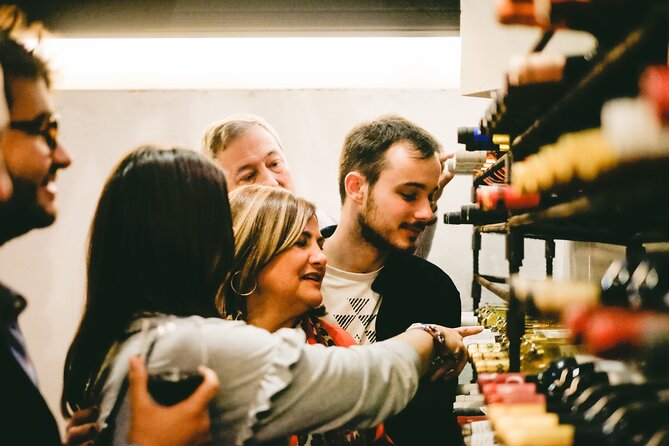
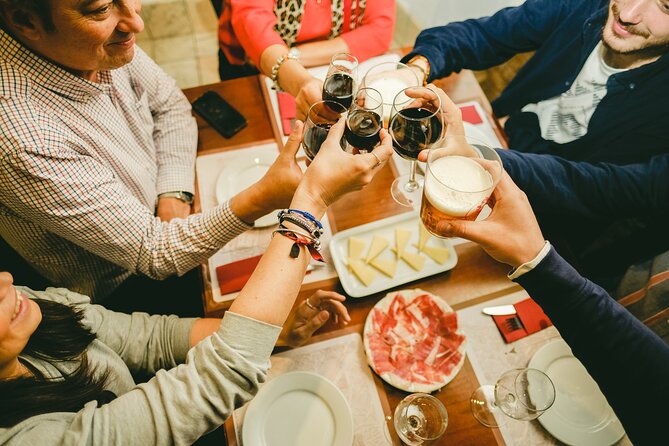
After the walking, it’s dinner time. You’ll head to a local tapas bar, where each guest gets a meal made of three tapas with two drinks included. The wording also describes this as a three-course experience, with the menu varying by session.
This is good value if you’ve ever tried to do tapas the “freewheeling” way in Seville. You can end up paying for a lot of random plates. Here, you get a planned sequence of typical Andalusian dishes, usually mixing vegetables with meat and/or fish.
Examples of dishes listed include:
- salmorejo
- croquetas
- oxtail
- spinach with chickpeas
- pisto
- pork cheeks
- aubergines
- anchovies
- calamari
- gazpacho
- mushrooms
The vegetarian angle is handled too. One of the strongest pieces of feedback is that vegetarian diners still felt the menu made sense, not like they were being offered a sad substitute.
Drinks and Dietary Needs
You also get two drinks included (Spanish wines are part of the experience). If you have allergies or intolerances, you’ll be asked to advise at booking, and the restaurant will be informed accordingly. That’s the practical difference between “we can try” and “it’s actually handled.”
If you’re traveling with mixed diets—picky eaters, gluten issues, pork avoidance—this is the kind of built-in care that keeps the evening smooth.
Price and Value: What $71.35 Buys You in Seville
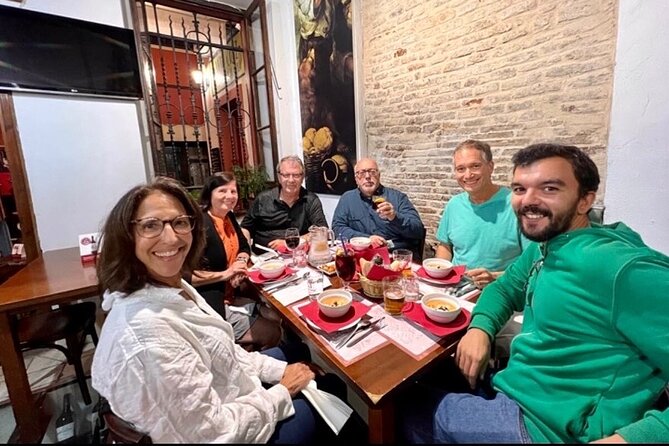
At $71.35 per person, you’re paying for three things at once: a guided walk (with multiple themed stops), a structured meal, and drinks. In Seville, tapas can add up quickly once you’re buying each round à la carte. So the value here is that the cost bundles together experiences you’d likely pay for separately.
Also, the small group cap (10 people) matters. You’re not paying for a big crowd where questions vanish into the air. You’re paying for time with a guide who keeps the story connected to the streets you’re standing in.
Finally, the booking trend—typically about a month in advance—makes sense for a tour that mixes history and food in one evening. If you’re visiting during high season, I’d treat it as something to lock in early rather than “maybe later.”
Who This Tour Fits Best (And When It Might Not)
This is a great match if you want more than walking through pretty streets. If you like history, legends, and “how did this become this?” questions, you’ll get a lot out of it. The stops cover medieval stories, fortifications, religious reuse, and the preserved cemetery—so you’ll feel like you learned the neighborhood, not just toured it.
It’s also a strong choice for food lovers who don’t want to plan dinner. You get a reliable tapas format with drinks, and you’ll likely leave feeling satisfied, not stuck hunting.
Families can do it too. Feedback includes that guides handled kids well, and the pace stays friendly for questions. Just bring the right shoes and set expectations: this isn’t a “sit down every few minutes” experience.
The main reason someone might hesitate is the walking intensity of the older lanes. It’s not described as extreme, but it’s still a walking route with narrow streets and turns. If you need frequent breaks or step-free routes, you might find a different format easier.
Should You Book This Seville Jewish Quarter and Tapas Tour?
I’d book it if you want a focused evening that mixes Seville’s layered past with a real dinner plan. The best reasons are simple: you get the neighborhood story in the exact streets you’re seeing, and you end with three tapas courses plus drinks that don’t require extra decisions.
Skip it only if you already know the area deeply and you’re mainly looking for independent wandering with no structure. Otherwise, this tour is one of the most practical ways to turn Santa Cruz into something you actually understand—then seal the deal with tapas and Spanish wine.
FAQ

How long is the Seville Jewish Quarter Small Group Tour with Tapas and Drinks?
The tour lasts about 3 hours.
What language is the tour in?
The tour is offered in English.
How many people are in the group?
The experience has a maximum of 10 travelers.
What food and drinks are included?
You’ll have a tapas bar meal with three tapas (described as three courses) and two drinks included.
Can the restaurant accommodate dietary allergies or intolerances?
Yes. If you have allergies or intolerances, you should advise at booking, and the restaurant will be informed.
Where do we meet and where does the tour end?
You start at Plaza del Triunfo and end at Calle Lope de Rueda.
If you want, tell me your travel dates and whether you’re vegetarian or have any allergies, and I’ll help you decide if this timing and dinner format fits your Seville plan.