REVIEW · GRAN CANARIA
Spirit of the Sea: Cetacean sighting in Gran Canaria
Book on Viator →Operated by Dolphin and Whales · Bookable on Viator
Dolphins have a way of stealing your attention fast. This Gran Canaria catamaran outing is built for cetacean watching, with glass-bottom viewing so you can track dolphins and whales above and below the surface. You’ll also get a small brochure with simple explanations timed for what you’re looking at.
I like that the crew keeps the search practical and active, and they’re set up to keep everyone comfortable on a ride made for this kind of wildlife time. The main downside to think about is that there’s no 100% animal guarantee and the sea can be bumpy, so plan for motion (and don’t assume the underwater viewing areas will always be open).
In This Review
- Spirit of the Sea Key Highlights (Why This Trip Works)
- Catamaran With Glass Bottoms: How You Actually See the Sea Life
- Meeting at Puerto Rico: Getting Set for a 2.5-Hour Hunt
- Boarding Briefing: The Little Paper That Makes Watching Click
- What You’re Searching For: Dolphins, Whales, and Other Marine Surprises
- Respect at Sea: Watching Without Chasing the Animals
- When the Sea Gets Rough: Seasickness and Viewing Conditions
- Price and Value: Why $48.27 Can Be a Good Deal
- Who Should Book Spirit of the Sea (and Who Might Skip)
- Should You Book It? My Decision Guide
- FAQ
- How long is the Spirit of the Sea tour?
- What does it cost?
- Is the tour offered in English?
- What’s included on board?
- Where do I meet for the tour?
- Will I definitely see whales or dolphins?
- What happens if weather is bad?
Spirit of the Sea Key Highlights (Why This Trip Works)
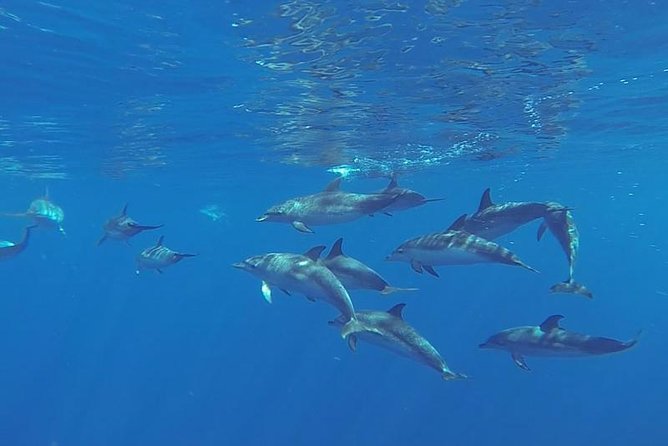
- Glass-bottom windows help you spot animals underwater when they swim alongside the boat
- A cetacean-focused search aims to maximize your chances during the 2.5-hour outing
- Onboard whale and dolphin info comes as an illustrated brochure at boarding
- Refreshments included with soft drinks and water on board
- Respectful distance rules mean dolphins aren’t chased, and you watch how they behave
- If no whales or dolphins appear, they offer a bonus day to return free (on rare occasions)
Catamaran With Glass Bottoms: How You Actually See the Sea Life
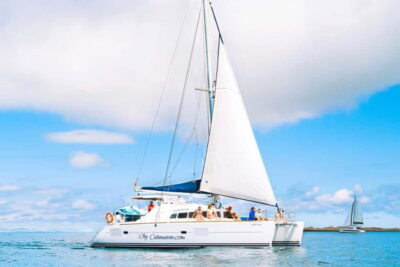
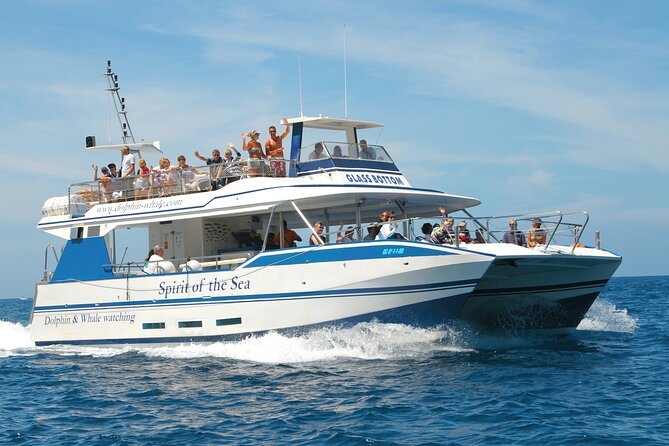
This isn’t just a boat tour where you stand on deck and hope. The ship is a catamaran designed for watching cetaceans, and the standout feature is its glass-bottom section. When dolphins or whales come near, you can watch them at the same time from above and from below, which makes the experience feel more real and less like a distant point on the horizon.
The catamaran layout also matters because it supports comfort and viewing. With up to 75 travelers, it’s not a tiny private boat, but it’s also not the kind of massive crowd that can turn wildlife watching into a traffic jam. You’ll get the best results if you mix deck time with windows time, then adjust as the crew signals where activity is most likely.
One small practical consideration: if conditions are rough or safety procedures kick in, parts of the underwater viewing area can be affected. You should still plan on a great trip even if you can’t use every window the whole time—because dolphins and whales can also be spotted from the surface.
You can also read our reviews of more tours and experiences in Gran Canaria.


Meeting at Puerto Rico: Getting Set for a 2.5-Hour Hunt
Your tour starts and ends right at the same point: Calle Puerto Base, C. Puerto Base, 35130 Puerto Rico, Las Palmas, Spain. The activity runs about 2 hours 30 minutes (approx.), so it’s long enough to get out and make a real effort, but short enough that you won’t feel trapped on the water all day.
This is a practical “show up and go” format. You’ll receive a mobile ticket, and service animals are allowed. It’s also listed as near public transportation, which is handy if you’re staying in Puerto Rico or using buses/taxis to get around.
Because the trip depends on marine conditions, build in a little buffer. If you arrive early, you can settle your seasickness plan (if you use one) and get oriented before you’re stuck wearing a windproof jacket while trying to read the brochure.
Boarding Briefing: The Little Paper That Makes Watching Click
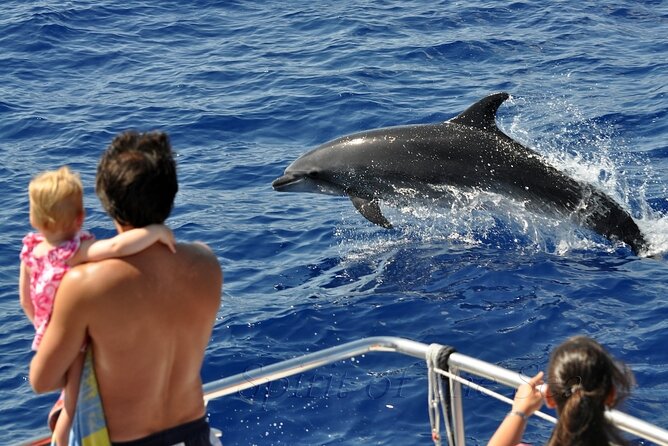
At boarding, you get a small brochure with explanations about dolphins and whales, illustrated with photos taken from the ship. That sounds basic, but it’s smart. When you know the difference between what you’re seeing—movement patterns, body shape cues, and typical behaviors—you don’t just spot animals. You understand what you’re looking at.
You’ll also have soft drinks and water included during the excursion, which is a small comfort win when you’re standing outside watching for signs that a pod might surface. The timing is good: you get the info up front, then you can connect it to whatever the crew finds.
This is the kind of onboard “prep” that helps both first-timers and repeat visitors. If you’ve never watched cetaceans before, you’ll feel less lost. If you’ve watched before, you’ll likely notice you’re paying attention to more than just the moment of a splash.
What You’re Searching For: Dolphins, Whales, and Other Marine Surprises
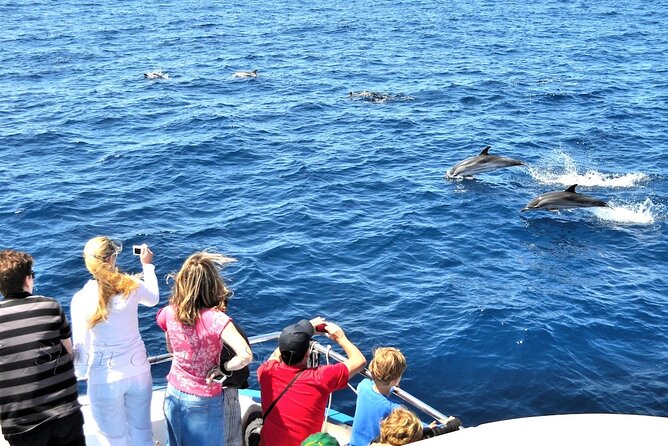
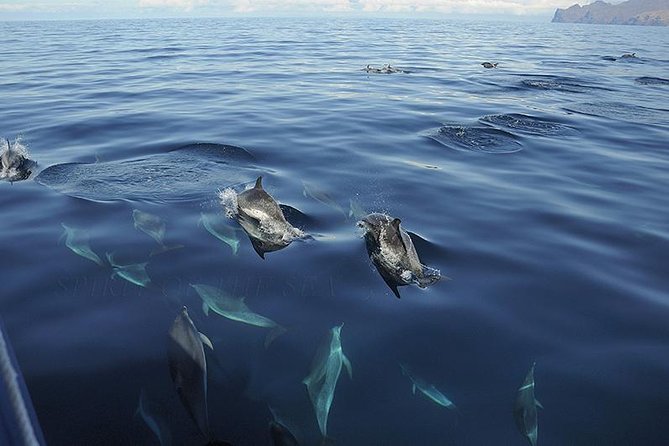
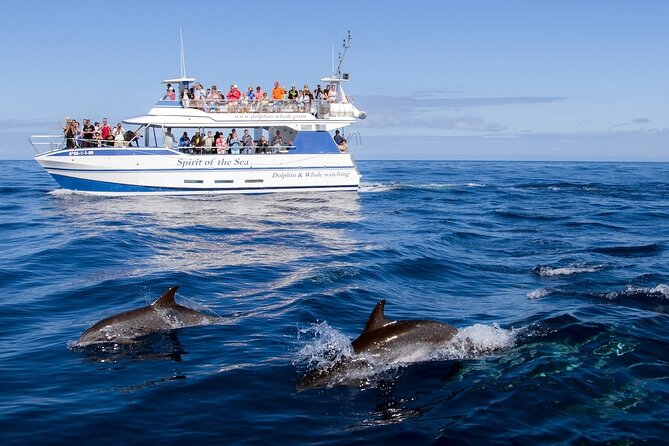
The main target is clear: dolphins and whales in their natural environment. The description also points to other marine fauna you might spot, including turtles and flying fish. That broader mix matters because it keeps the experience moving even if the cetaceans aren’t immediately cooperative.
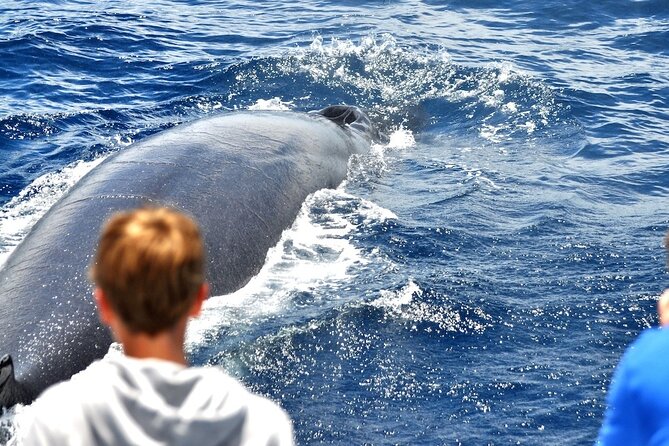
The crew’s approach is active and informed. They explain that they’ve built years of knowledge from running this activity on the island, and that they use that experience to search effectively. In most cases, you’re out there to find cetaceans and then watch them perform their own behaviors—jumping out of the water, playing, and moving around the boat.
What I like about this style is that it doesn’t reduce wildlife to a checklist. Even when dolphins show up repeatedly, watching how a pod travels, how they react to the boat’s presence, and how they group together is the real story. Other sightings—like turtles or flying fish—add texture and make the trip feel like an ecosystem moment, not a single event.
And if you’re unlucky? They acknowledge it can happen on very rare occasions that you might not see whales or dolphins. The built-in response is important: they offer a bonus so you can come back free another day on the boat.
Respect at Sea: Watching Without Chasing the Animals
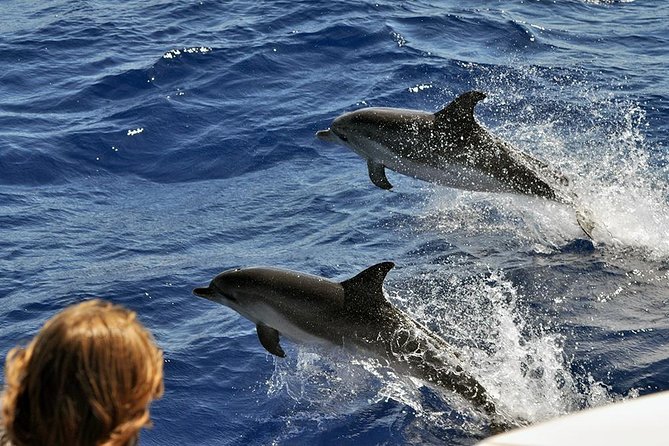
One reason people come back to this kind of excursion is simple: how the crew behaves. The best moments tend to come when the boat doesn’t treat cetaceans like a target. The operation here emphasizes respectful distance—letting dolphins approach rather than forcing contact.
You’ll see this in how the crew manages the watch time. The goal isn’t to swarm an animal. It’s to give you time and give the animals space. That approach also tends to produce better viewing because dolphins and whales behave differently when they feel calm and not pressured.
There’s also a strong care ethic in their operation. On one outing, the crew reported rescuing two young birds that had gotten stuck after an oil spill, taking them to a rescue centre for rehab and release. That’s not something you should assume will happen on every trip, but it does align with the broader message: this crew sees the ocean as living territory, not a stage for human spectacle.




When the Sea Gets Rough: Seasickness and Viewing Conditions
This is a practical point: on open water, you can still feel motion even if the boat is designed to be comfortable. One review described the ride as very “schaukelig” (bumpy), and another noted seasickness for some people on board. If you’re prone to motion sickness, don’t wait until you’re already feeling it.
Also keep expectations realistic about underwater visibility. The glass-bottom section is a highlight, but safety or conditions can affect whether parts of the window area are accessible. That’s not the end of the world—surface sightings still happen—but it’s wise to know you may not always have the same viewing setup the entire time.
The good news: the trip is long enough for the crew to reposition if needed, and the best sightings often come when the sea and the animals cooperate. If you feel confident about the trip’s value and you prep for motion, you’re more likely to come away happy even if conditions aren’t perfect.
Price and Value: Why $48.27 Can Be a Good Deal
At $48.27 per person, this falls into the “reasonable for a focused wildlife outing” category. What makes it better value than you might expect is that you’re paying for more than transportation. You’re paying for:
- a cetacean-focused search rather than a casual cruise,
- glass-bottom viewing designed for this purpose,
- onboard info that helps you understand the sightings,
- and soft drinks and water included.
On top of that, the company indicates that when they don’t find whales or dolphins on a rare occasion, you get a bonus free return day. That matters because wildlife watching is inherently unpredictable. You’re not just buying hope; you’re buying an operation that builds a safety net into the experience.
A final value tip: this tends to be booked about 9 days in advance on average. If you’re traveling during a busy season or want a specific day, don’t wait until the last minute.
Who Should Book Spirit of the Sea (and Who Might Skip)
You’ll probably love this trip if you:
- want a structured cetacean outing (not just a quick harbor cruise),
- care about understanding what you’re seeing via the onboard brochure,
- enjoy nature with a crew that tries to reduce disturbance,
- and appreciate the added viewing angle of glass-bottom windows.
You might want to think twice if:
- you’re extremely sensitive to motion and haven’t handled seasickness before,
- you need guaranteed underwater window access every minute (conditions can change),
- or you’re expecting a private, silent, ultra-custom experience. This boat can carry up to 75 travelers.
One more note from real-world experience: some people reported a less friendly moment during check-in when a trip was rescheduled. That doesn’t change the core trip, but it’s worth knowing that customer service can vary by day and staff situation.
Should You Book It? My Decision Guide
If your goal is a meaningful wildlife sighting experience from Gran Canaria, I’d book this kind of dolphin and whale excursion—especially if the glass-bottom viewing matters to you. The combination of a dedicated catamaran, onboard whale/dolphin explanations, and included drinks makes the outing feel complete for the price.
I’d only hesitate if you’re highly prone to seasickness or you’re the kind of person who needs guaranteed animals and perfectly controlled conditions. Here, you’re buying a thoughtful process and a good chance at cetaceans, plus a bonus plan if the main sightings don’t happen on your trip.
If you do go, go prepared: dress for wind, bring your seasickness method if you need one, and spend time switching between deck watching and the glass-bottom area. When dolphins show up, that change in viewpoint is the whole point.
FAQ
How long is the Spirit of the Sea tour?
The experience lasts about 2 hours 30 minutes (approx.).
What does it cost?
The price listed is $48.27 per person.
Is the tour offered in English?
Yes. The tour is offered in English.
What’s included on board?
You get soft drinks and water during the excursion.
Where do I meet for the tour?
Meet at Calle Puerto Base, C. Puerto Base, 35130 Puerto Rico, Las Palmas, Spain. The tour also ends back at this meeting point.
Will I definitely see whales or dolphins?
They aim to find dolphins and whales, but there’s a chance you might not see them on a rare occasion. If that happens, they say you’ll get a bonus to return free another day on the boat.
What happens if weather is bad?
The experience requires good weather. If it’s canceled due to poor weather, you’ll be offered a different date or a full refund. It also depends on a minimum number of travelers.