REVIEW · TOLEDO
Tour Toledo Subterráneo: Descubre la Historia Oculta
Book on GetYourGuide →Operated by FOLLOW ME TOLEDO · Bookable on GetYourGuide
Toledo is famous for what you can see above ground, but the real plot twist lives below your feet. This tour takes you into Toledo Subterráneo, where the city’s layers—Muslim, Roman, and Jewish—show up as real spaces you can stand in. It’s a compact 2-hour experience that turns familiar Toledo streets into a story you can follow.
What I like most is the exclusive access to subterráneos with included entry tickets, so you’re not just peeking through walls. I also love how the guide uses the underground sites to explain how Toledo changed over time, not just what they are. Some guides I’ve seen mentioned by name—like Adrián and Juan Pedro/“Juanpe”—sound like the kind of instructors who keep the facts moving.
One thing to consider: the route can feel tight and harder to move through if there’s a big crowd, so it’s best when you’re comfortable with close quarters and short stair-and-walk segments. Also, this is not a fit for mobility impairments, since you’re going into underground areas.
In This Review
- Key highlights worth choosing this tour for
- Toledo Subterráneo: why the underground matters in Toledo
- Meeting at Plaza del Ayuntamiento and the easy “find us” tip
- Route overview: 2 hours of short stops (and how to pace yourself)
- Baños Árabes del Cenizal: the Muslim water world you can see
- Plaza Colegio Infantes, 13 and the 15th-century palace layer
- Casa del Judío and the Ancient Jewish Quarter context
- Pozo del Salvador: why wells matter in the city’s timeline
- Termas Romanas: Roman bathing culture, explained in place
- What you get for $12: value, audio, and guide energy
- Who should book Toledo Subterráneo (and who should skip it)
- FAQ
- FAQ
- Where do I meet for Toledo Subterráneo?
- How long is the tour?
- What language is the tour guide?
- Is there an audio system?
- What’s included in the price?
- Is it accessible for people with mobility impairments?
- Are pets allowed?
Key highlights worth choosing this tour for
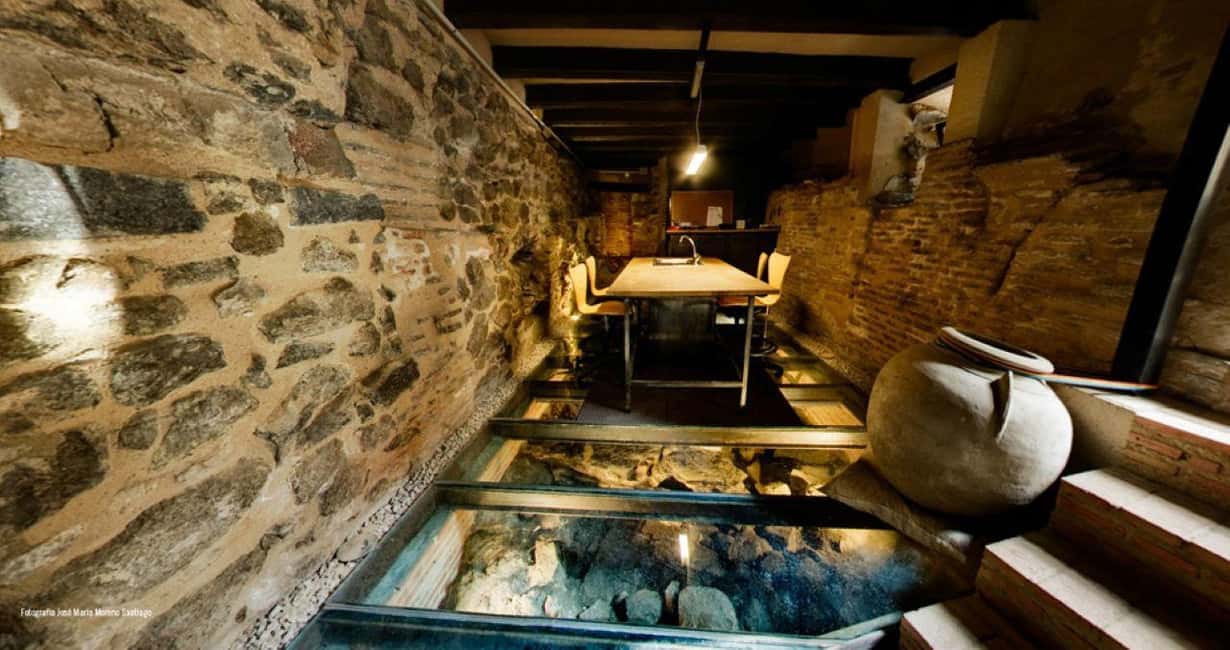
- Arab baths at Baños Árabes del Cenizal: you’ll see a Muslim-era water world up close.
- A 15th-century palace stop: part of the route is tied to later Toledo life, not only ancient layers.
- Casa del Judío and the old Jewish Quarter context: the underground helps you understand how communities lived and shifted.
- Pozo del Salvador: the tour uses a well as a key piece in the city’s water story.
- Termas Romanas: Roman bathing culture shows up as a physical space, not just a museum idea.
- Audio system for groups over 6: makes the guide’s narration easier to catch during the underground stretches.
Toledo Subterráneo: why the underground matters in Toledo
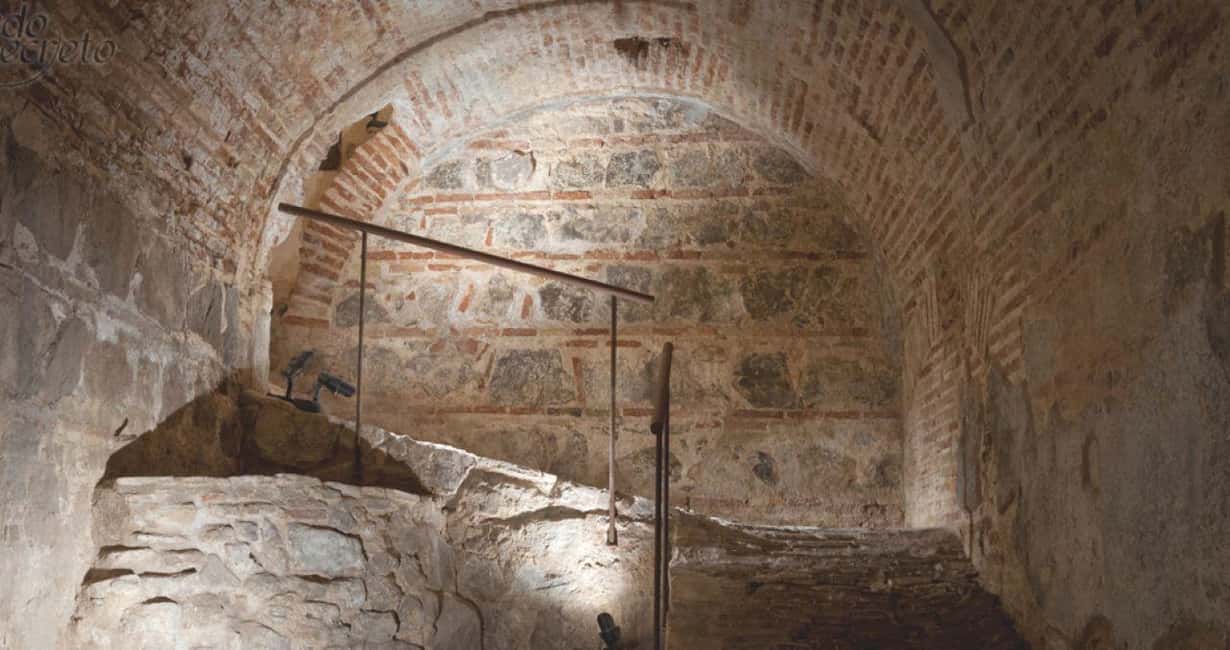
Toledo’s above-ground highlights are stunning, but they don’t explain how the city functioned day to day. The underground is where you start to see the plumbing logic, the reuse of space across centuries, and the way different cultures shaped daily life. This tour is built around that idea: you’re not just sightseeing; you’re learning how the city’s layers connect.
You get a guided path through places linked to Muslim conquest-era Toledo, later transformations, and the way communities (including the Jewish Quarter) fit into the city’s geography. If you’ve visited Toledo before and still felt like the city’s timeline was stuck in plaques and monuments, this format can help you picture the sequence in a more physical way.
And yes, the underground can be a little disorienting at first. That’s actually part of the value: you’re forced to slow down and let the guide connect the dots.
You can also read our reviews of more tours and experiences in Toledo.



Meeting at Plaza del Ayuntamiento and the easy “find us” tip
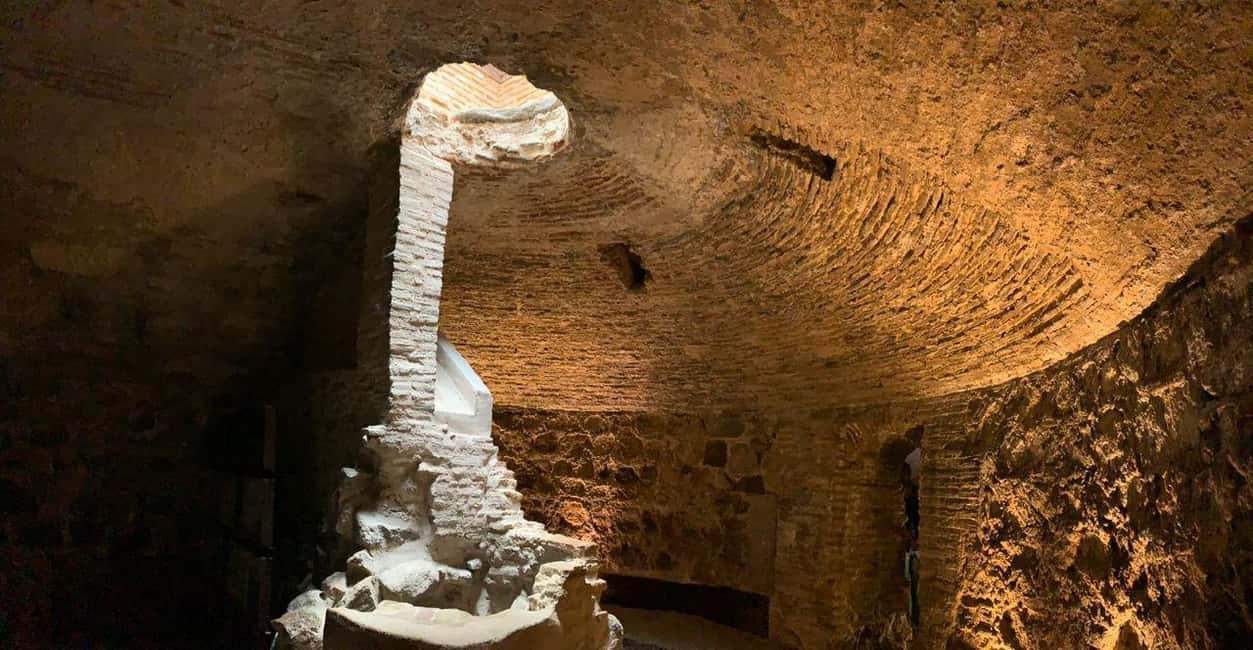
You’ll meet in Plaza del Ayuntamiento, right in front of the cathedral area and next to a semaphore (traffic light). Look for the guide holding a blue umbrella with yellow.
This matters because the tour starts fast, and the whole experience is timed around short visits at each stop. If you arrive early, you’ll have time to orient yourself in the plaza instead of joining the group while everyone’s already moving.
The tour finishes at Pl. Zocodover, 5, so you can plan your next meal or stroll around that central end point.
Route overview: 2 hours of short stops (and how to pace yourself)
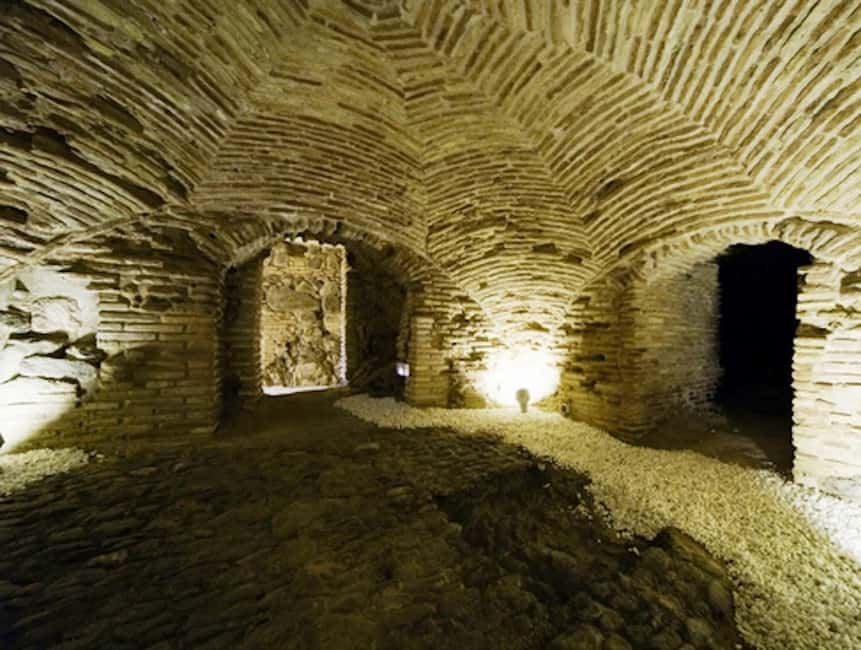
The tour runs about 2 hours and uses a steady rhythm of short visits (roughly 15 minutes each). That pacing is smart for underground spaces. You get enough time to listen, look carefully, and absorb the story without getting stuck in one cramped spot too long.
If you’re the type who likes to move at a quick but not rushed pace, this schedule will feel natural. If you prefer long photo sessions and plenty of wandering time, you might feel slightly limited by the group structure—especially in busier moments.
A practical heads-up: you’ll be going into underground areas, so expect some stairs and enclosed space. Dress for comfort. If you tend to feel warm easily, consider layers you can adjust, since underground interiors can feel cooler than the street.
Baños Árabes del Cenizal: the Muslim water world you can see
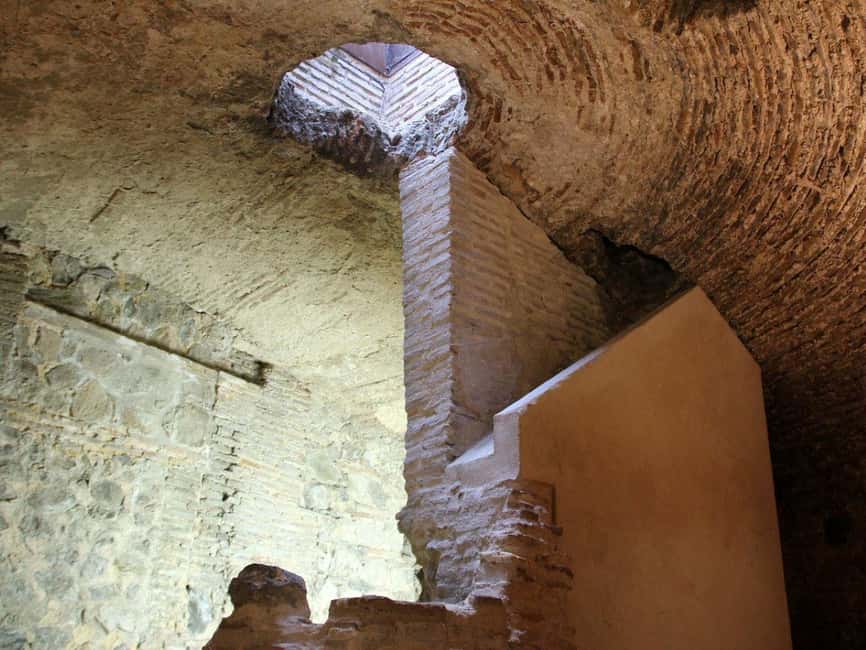
The tour’s first major site is Baños Árabes del Cenizal. This is one of the most compelling stops because baths were about more than hygiene. They were social spaces and part of how daily routines worked in city life.
What makes it satisfying is that the explanation isn’t abstract. You’re shown the setting that shaped bathing culture—then the guide ties it back to the broader story of Toledo. It’s the kind of stop where you start to understand why later Toledo history keeps referencing earlier infrastructure and water management.
If you’re into architecture or urban planning, you’ll probably appreciate how the underground spaces communicate function. If your interest is more human—who lived where and how—this stop can still land, because baths are about routines and community.
Plaza Colegio Infantes, 13 and the 15th-century palace layer
Next you visit Pl. Colegio Infantes, 13, a stop that connects to the tour’s highlight of entering a 15th-century palace area. This is where the underground route stops feeling like a single historical period and starts feeling like a timeline.
The value here is perspective: you’re not only seeing “ancient” spaces. You’re seeing how later Toledo used (and reinterpreted) older under-city infrastructure. It’s a reminder that underground systems don’t stay frozen in time; they keep serving needs until they’re replaced, adapted, or recontextualized.
One possible drawback: some people find it hard to imagine the spaces in their full splendor, especially if the site feels small or the group flow is fast. If that’s your worry, go in expecting explanation—this tour is really about what the guide helps you visualize.




Casa del Judío and the Ancient Jewish Quarter context
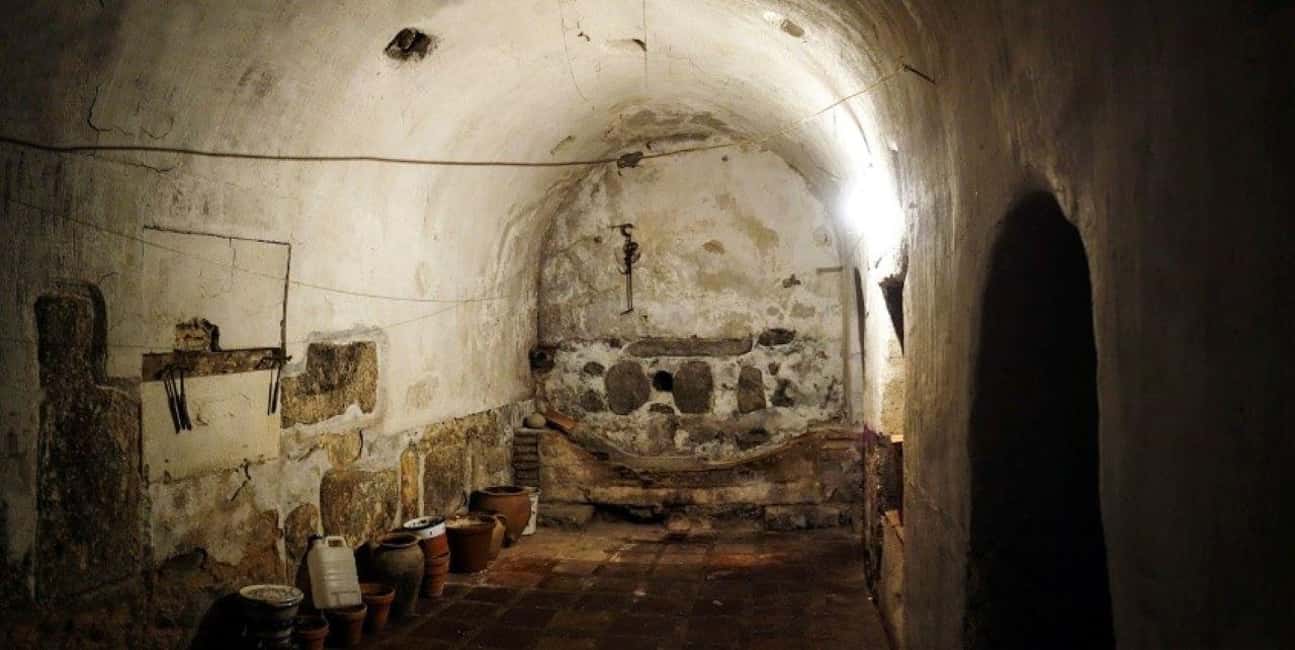
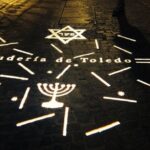
Then you reach Casa del Judío, a stop tied to the story of the Ancient Jewish Quarter. This is one of the tour elements that can feel especially meaningful because the guide can anchor the idea of “a community” to a physical location rather than treating it like a chapter title.
What you’ll likely appreciate most is the way the tour connects the underground environment with cultural shifts. Toledo’s layered identity includes Jewish history, and the underground route gives that story a sense of place—something you can’t always get from viewpoints above ground.
If you’re visiting with someone who loves history but gets impatient with long lectures, this stop may work well. It’s one of the more story-driven pieces of the route, and it gives the tour emotional momentum.
Pozo del Salvador: why wells matter in the city’s timeline
The tour includes Pozo del Salvador, a well that becomes more than a name on a map. Wells are practical, and that practicality is exactly why they’re useful teaching tools. Underground water systems explain why certain spaces remain important across centuries.
This stop also helps you understand the city as an engineered system. You start to see Toledo as a place that solved water needs repeatedly, using structures that could outlast political change.
If you like “how did they do it?” history, this part tends to click. You’re not only hearing dates—you’re connecting infrastructure to daily survival.
Termas Romanas: Roman bathing culture, explained in place
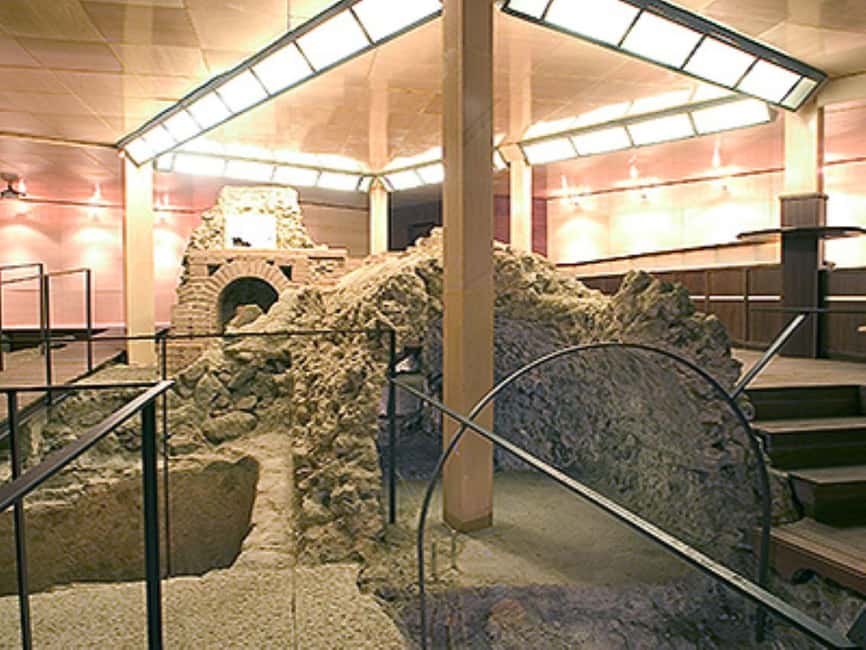
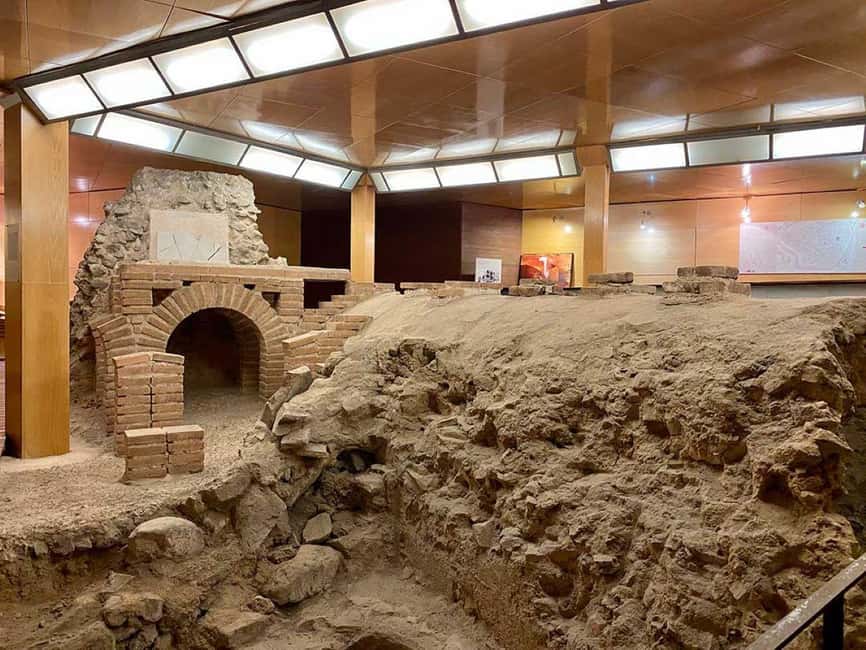
Finally, the tour takes you to Termas Romanas (Roman Baths). This is where the underground feels like a direct link to an earlier urban world, with bathing culture as the centerpiece.
Roman therms aren’t just “old buildings.” They represent habits: how people gathered, cleaned, and socialized. Seeing these spaces with a guide’s commentary helps you connect the Roman layer to what you’ve already seen—Arab baths, wells, and the palace period—so the whole tour starts feeling like one continuous urban story.
This stop can also be a good mental reset if you started the tour more focused on one historical era. It gives you a broader timeline feeling by showing how different periods left their mark in the same under-city geography.
What you get for $12: value, audio, and guide energy
For $12 per person (2 hours), this tour is priced like a local, not like a high-priced museum ticket. The biggest value lever is that you get included entries into the subterráneos and an official guide in Castellano (Spanish). You’re paying for access plus interpretation, not just walking around streets.
The other practical win is the audio system. For groups of more than 6 participants, headphones are used, and that makes a noticeable difference underground where voices can get swallowed. The tour also notes a child rule: children under 12 don’t have audio, and audio for children starts from age 12. If you’re traveling with kids, that affects how well the tour experience will land.
From the reviews you can infer a pattern: guide quality seems to matter a lot here. Names like Juan Pedro and Juanpe come up with praise, and the most satisfied experiences often mention that the guide helps connect the why behind the underground. On the flip side, a couple of people felt the underground stops were a bit hard to picture at full scale, which is a good reminder to lean on the guide’s explanations.
One language note: the tour is Spanish only. If you’re hoping for English or Italian, plan ahead. I’ve seen people disappointed by that mismatch, so it’s worth taking seriously before you book.
Who should book Toledo Subterráneo (and who should skip it)
Book this tour if you want Toledo to feel chronological and logical. You’ll likely enjoy it if you like places that explain systems—water, baths, neighborhoods—and you appreciate guides who connect different eras into one story.
You should also consider it if you’ve already seen Toledo above ground and felt like you had the monuments down but not the city’s inner workings. The underground format helps you “see” Toledo as more than architecture.
Skip it if you have mobility impairments, since it’s not suitable for that. Also, if you know you dislike tight underground spaces or you get stressed in crowds, it may feel more demanding on busier days. Finally, if you’re traveling with kids who are under 12, the lack of audio for that age group could reduce how much they catch during the tour.
FAQ
FAQ
Where do I meet for Toledo Subterráneo?
You meet in Plaza del Ayuntamiento, in front of the cathedral area and next to the semaphore. The guide carries a blue umbrella with yellow.
How long is the tour?
The tour lasts about 2 hours.
What language is the tour guide?
The guide is an official guide in Castellano (Spanish).
Is there an audio system?
Yes. A system of audios is included, and for groups of more than 6 participants the tour uses headphones. Children under 12 do not have headphones.
What’s included in the price?
You get an official Spanish guide, entries to the subterráneos at no extra cost, and the audio system.
Is it accessible for people with mobility impairments?
No. The tour is not suitable for people with mobility impairments.
Are pets allowed?
No. Pets are not allowed.
Should you book? If you want Toledo in layers—bath culture, Jewish Quarter context, Roman therms, and water infrastructure—this tour is a solid value for $12. Just make sure Spanish works for you and that you’re comfortable with an underground route where moving can get tight when crowds build.