REVIEW · BARCELONA
Barcelona Architecture Walking Tour With Casa Batlló Upgrade
Book on Viator →Operated by ExperienceFirst · Bookable on Viator
Gaudí in two hours? It’s a fast, focused eye-opener. You’ll start at the Recinte Modernista de Sant Pau and end in the concentrated modernist showpiece of Passeig de Gràcia, with an optional Casa Batlló upgrade if you want to go inside. I love that the tour mixes big-name icons with lesser-known corners, so you don’t just get a highlight reel. One possible drawback: it’s a lot of walking on busy streets, and the tour info doesn’t promise listening devices, so noise can matter.
What makes this outing work is the pacing and the guide angle. You’re not just looking at facades—you’re learning what architects were trying to do with symbolism, materials, and Catalan modernism. The group stays small (up to 20), but in a few cases pace and street sound can feel like the limiting factor, especially if you prefer slower stops or crystal-clear audio.
In This Review
- Key things to know before you go
- From Sant Pau to Passeig de Gràcia: the smart route logic
- Stop 1: Recinte Modernista de Sant Pau in 15 minutes
- Stop 2: Sagrada Familia from multiple angles, with symbolism
- Stop 3 and 4: CaixaForum Macaya and Casa de les Punxes
- Passeig de Gràcia: your architecture walking showcase (and photo line-up)
- Casa Amatller: the chocolate break that actually belongs in the plan
- Casa Batlló upgrade: what changes, and why it’s worth considering
- Guide style, pace, and audio: the real-world stuff that matters
- The price and value math: standard vs upgrades
- Practical tips for your day on the sidewalk
- Who this tour fits (and who should rethink it)
- Should you book this Barcelona architecture walking tour?
- FAQ
- How long is the Barcelona Architecture Walking Tour with the Casa Batlló upgrade?
- How much does the tour cost?
- Where does the tour start and end?
- Is the tour offered in English?
- Do you get a mobile ticket?
- Are building tickets included?
- Do you get a chocolate sample?
- How big is the group?
- What’s the main difference with the Casa Batlló upgrade?
- What is the cancellation policy?
- Final call: book or skip?
Key things to know before you go
- Sant Pau sets the modernism tone with Catalan Art Nouveau and a hospital site that worked until the late 1990s
- Sagrada Familia is about symbols from the street so you can spot meaning on both facades without buying entry
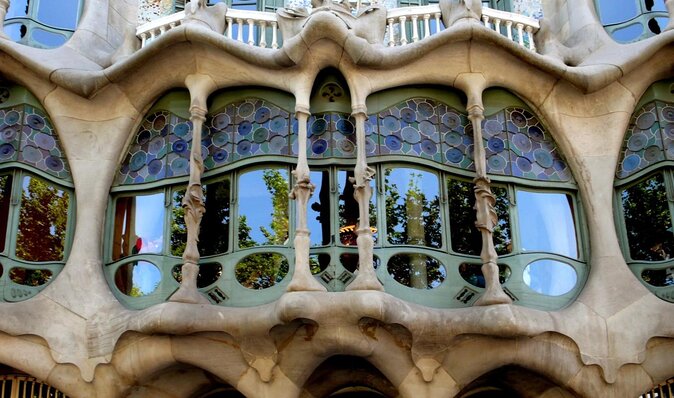
- Passeig de Gràcia is your architecture sampler across several famous houses in a short stretch
- You get a real food moment at Casa Amatller with a chocolate sample at ground level
- Casa Batlló upgrade changes the experience by moving from exterior spotting to interior access
From Sant Pau to Passeig de Gràcia: the smart route logic
This tour is built like an architecture “ladder,” where each stop helps you understand the next. You begin with Sant Pau, one of the clearest places to grasp Catalan modernism’s look and ambition. Then you move to the city’s most famous church, Sagrada Familia, where you can read the building like a symbol board—even from street level.
By the time you reach Passeig de Gràcia and the area known for La Mansana de la Discordia (the block of disagreement), you’re primed. You’re not wandering through famous buildings randomly. You’re learning a pattern: how architects reused ideas, changed styles, and pushed materials and shapes until they became unmistakable.
You can also read our reviews of more walking tours in Barcelona



Stop 1: Recinte Modernista de Sant Pau in 15 minutes
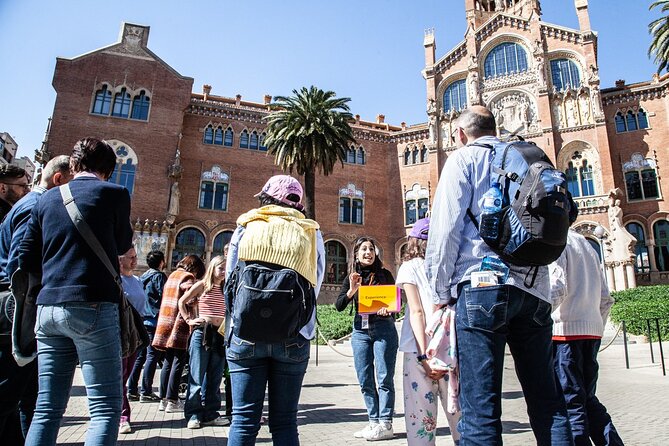
You start at the Recinte Modernista de Sant Pau, designed by Lluís Domènech i Montaner—one of the fathers of Catalan modernism. This matters because it gives context before Gaudí steals the spotlight. You’re looking at the largest Art Nouveau site of its kind in the world, and it used to be a major hospital complex in Barcelona, operating until the late 1990s.
In a short time, you’ll get enough to notice the building logic: how the complex is organized and how modernism showed up in real civic architecture, not just private houses. Admission isn’t included for this stop, so you’re mostly getting exterior views and interpretation rather than full museum-style wandering.
My take on value here: even without entry, it’s a strong start because it teaches you what to look for later—shape, ornament, and the way architecture can feel like a system instead of decoration.
Stop 2: Sagrada Familia from multiple angles, with symbolism
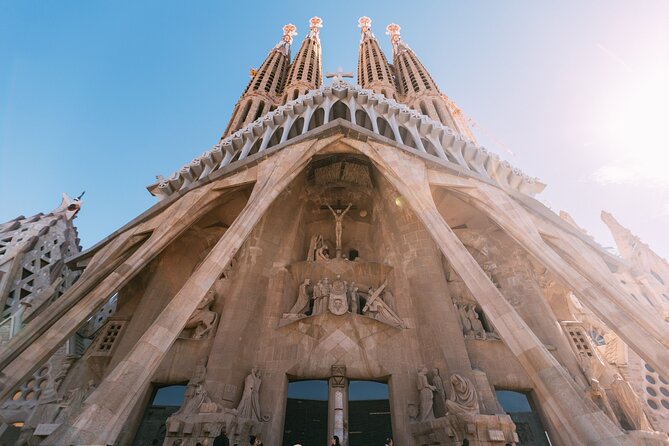
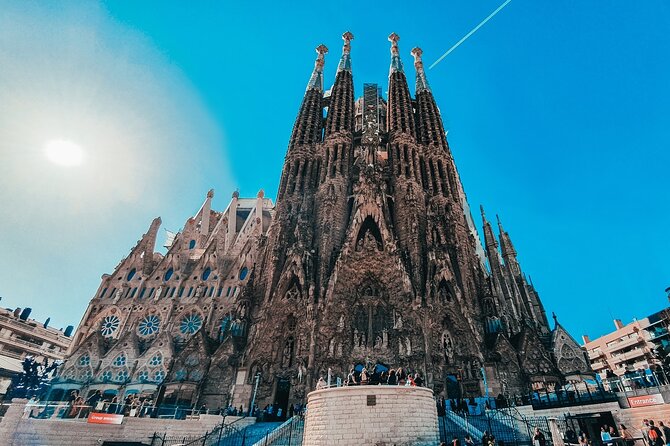
Next comes the classic “wow,” but with a guided twist. You’ll stroll along Avinguda Gaudí toward La Sagrada Familia, the symbol of Barcelona and Antonio Gaudí’s most famous church. This portion is designed for orientation: you see the church from different viewpoints as you walk and you focus on the two facades.
The guide points out secrets embedded in the facades—so instead of just thinking, That’s strange and beautiful, you’re learning what those details are communicating. That symbolic reading is one of the best reasons to do this as a guided walk rather than trying to wing it before your first Sagrada stop.
Admission is not included here, so if you want to go inside, you’ll need a separate ticket for another day or another plan. Still, if you’re only doing one “Sagrada Familia experience,” this exterior-focused version is a good way to get your bearings fast.
Stop 3 and 4: CaixaForum Macaya and Casa de les Punxes
After the big headline church, the itinerary shifts to smaller palate cleansers.
At CaixaForum Macaya, you’ll get the story behind this less-expected stop. The tour timing suggests you’ll be there briefly, which means the value comes from the guide’s explanation rather than long lingering. In other words: you won’t come away feeling like you toured a museum. You’ll come away with a clearer sense of what the building is and why it fits Barcelona’s modernist evolution.
Then you’ll reach Casa de les Punxes, often described as the fairy-house side of Barcelona architecture. You’ll hear the story behind the place and get a feel for how modernism could be playful while still looking engineered and intentional. Again, you’re mostly taking in exterior character, which can be perfect if you want energy and variety without stacking more ticket lines.
Passeig de Gràcia: your architecture walking showcase (and photo line-up)
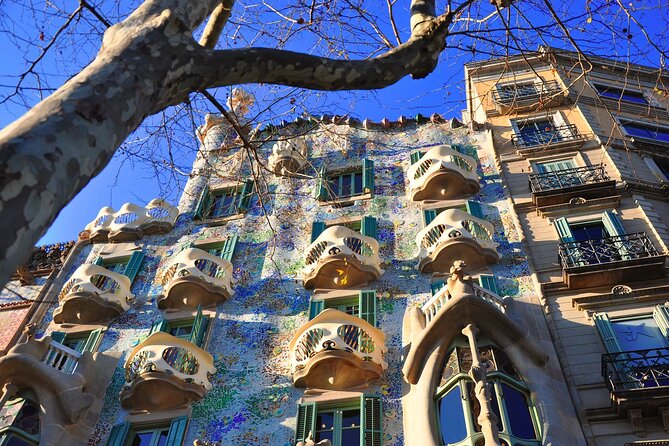
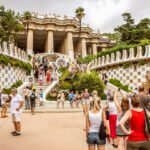
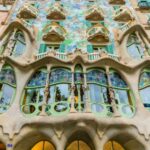
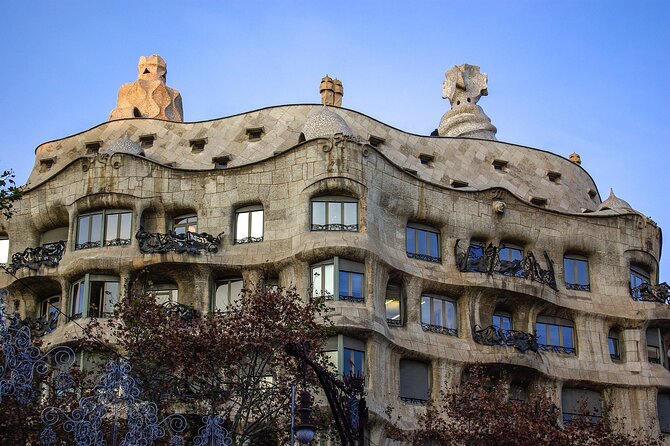
This is where your eyes start comparing automatically. Passeig de Gràcia is the corridor that concentrates famous modernist houses close together. Your guide connects the dots between Casa Milà, Casa Batlló, Casa Amatller, and Casa Lleó Morera, and you’ll learn what to focus on while you look—window shapes, color clues, and how each building communicates its identity.
The tour time at this stretch is long enough to notice patterns but short enough to stay fun. You’re not stuck in one spot waiting for the next speech. You’re moving, seeing details, and then turning those details into context.
Also, this portion has free admission listed for the houses you’ll view, so you’re not paying for entry at every stop. It’s a smart way to spend your time if you’re trying to balance “see it all” with “don’t blow your budget before the real upgrades.”



Casa Amatller: the chocolate break that actually belongs in the plan
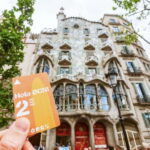
One of the best moments on this walk is at Casa Amatller. You enter the ground-level shop, learn about the chocolate connection, and you get to sample Barcelona chocolate.
This stop matters because it breaks the architecture-only rhythm. It turns the walk into a Barcelona experience—food as culture, not a random detour. And it’s practical: you get a short break while still staying on message with modernist identity. The building isn’t just an exterior object; it’s tied to local life.
Admission is listed as free for this stop, so you’re paying for the guide experience, not adding another paid entry just to enjoy a snack and a quick interior look.
Casa Batlló upgrade: what changes, and why it’s worth considering
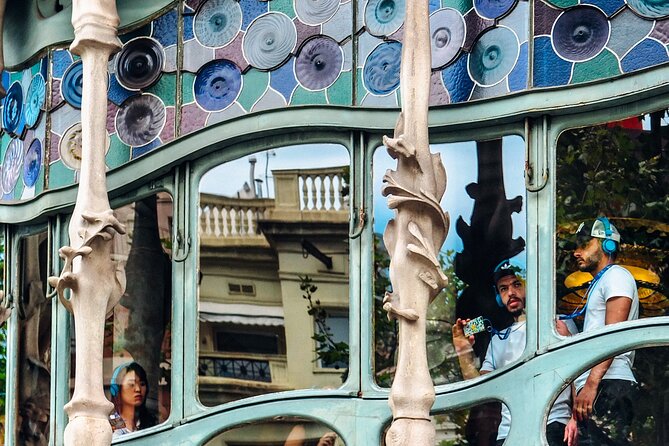
The big decision point is the optional Casa Batlló admission upgrade. Without it, you’ll still learn a lot about Casa Batlló’s place in the modernist story as you walk past it. But with the upgrade, you can move beyond the exterior wow into the interior details—where Gaudí’s “elaborate creation” energy becomes more than an interesting facade.
This is also where an optional expert architect guide upgrade can shift the feel of the tour. If you’re the type who likes understanding the why behind the what, that extra depth can make the time feel more like learning and less like sightseeing.
Who should upgrade:
- You’re strongly interested in Gaudí and want at least one interior experience
- You hate wasting time: you’d rather pay once for a key building than chase multiple interiors elsewhere
- You want a smoother “story arc” from exterior to interior instead of splitting your trip plans
Guide style, pace, and audio: the real-world stuff that matters
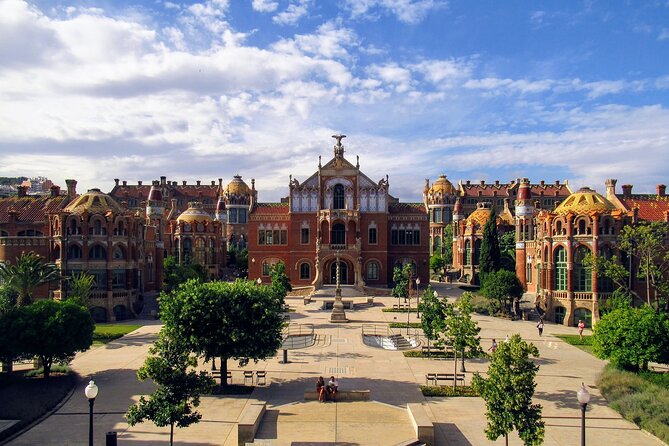
This is a walking tour, and street noise is part of the setting. The tour details here don’t mention listening devices, and one past group found that hard to manage on loud streets. That doesn’t mean your tour will be the same, but it’s a smart consideration if you’re sensitive to audio.
Pace is another variable. Even with a max group size of 20, a guide can move fast and still be doing their job well. In one case, a group felt the walking pace was a bit too quick, and there was limited general info during transitions—questions were answered, but only for the people who asked.
On the upside, the experience can be excellent when the guide clicks. I’ve seen guides like Perrine praised for mixing architecture with cultural, political, and economic context. Others like Cal have been described as engaging and fun, and Patricio has been noted for being very knowledgeable and enthusiastic about Gaudí.
My practical advice: if you’re traveling with someone who needs slower pacing or clearer audio, arrive with that in mind. Comfortable shoes help a lot, but good listening matters more than people expect on busy avenues.
The price and value math: standard vs upgrades
The base price is $35.07 per person. For that, you get a local guide, a walking architecture tour, and the chocolate sample at Casa Amatller. You’re also getting the structure that keeps you from “just walking by buildings.”
The key value question is what’s included and what’s not:
- Not included: entry to buildings (for most stops)
- Included with upgrades: Casa Batlló admission (optional) and an expert architect guide (optional)
So, the base cost is best if you want to see and understand a lot from the street and at key stop points. If you plan to visit interiors anyway, the upgrade can reduce friction, because you’re bundling the most important interior visit into your tour day.
When it’s extra good value:
- You’re short on time and want the “maximum modernism per hour” approach
- You’re excited about the major Gaudí stops and want at least one interior access
- You like having someone explain symbolism instead of just taking photos
Practical tips for your day on the sidewalk
A few things will make or break the experience:
- Wear walking shoes. This is 2 to 2.5 hours of moving and looking.
- Bring a charged phone. You’ll use a mobile ticket, and it’s always easier when your screen battery isn’t panicking.
- Don’t plan heavy extras right before or after. Your end point is near Passeig de Gràcia, so plan an easy post-tour break or meal.
- Expect crowds near Sagrada Familia and Passeig de Gràcia. That’s normal. Build in extra time for photos.
- If you want interior time at more than one building, be realistic. This tour is mainly an expert-guided street view with focused stop time.
If you’re aiming for the best day flow, I’d schedule this as your modernist orientation. Then, if you want more time inside, you can choose one or two buildings on another day without feeling rushed.
Who this tour fits (and who should rethink it)
This tour is a strong match if you love architecture, history themes, and “reading” buildings like a puzzle. It also works well if you want an expert’s structure so you don’t feel lost between sites.
It may be less ideal if:
- You get worn down by walking and prefer slower pacing with fewer stops
- You’re expecting lots of interior entrances in every building (many entries are not included unless you upgrade)
- You struggle with street noise and need audio support (the tour info doesn’t guarantee listening devices)
Should you book this Barcelona architecture walking tour?
Yes—especially if you’re doing Barcelona for the first time and want a guided spine for modernism. I like that you start with Sant Pau (so you understand the style roots), then you go to Sagrada Familia (so you understand the big Gaudí idea), and you finish in the Passeig de Gràcia concentration where comparison becomes effortless.
Book the Casa Batlló upgrade if Gaudí interiors are a priority for you. If you mostly want exterior character and symbolism without adding extra admissions, the standard version is still a solid value because you get the guide brain, the street viewpoints, and the chocolate stop.
If you’re the “I need to hear every word” type, consider asking ahead about audio support, since the tour details here don’t confirm listening devices.
FAQ
How long is the Barcelona Architecture Walking Tour with the Casa Batlló upgrade?
The tour runs about 2 hours to 2 hours 30 minutes.
How much does the tour cost?
It costs $35.07 per person.
Where does the tour start and end?
It starts at Recinte Modernista de Sant Pau (Carrer de Sant Antoni Maria Claret, 167) and ends on Pg. de Gràcia, 35 near Casa Lleó i Morera.
Is the tour offered in English?
Yes, it is offered in English.
Do you get a mobile ticket?
Yes, the tour uses a mobile ticket.
Are building tickets included?
Entry to buildings is generally not included. The Casa Batlló admission is included only with the optional upgrade.
Do you get a chocolate sample?
Yes, there is a chocolate sample at Casa Amatller included.
How big is the group?
The tour has a maximum of 20 travelers.
What’s the main difference with the Casa Batlló upgrade?
The upgrade adds Casa Batlló admission (and an expert architect guide is listed as an optional upgrade as well).
What is the cancellation policy?
You can cancel for a full refund up to 24 hours before the experience start time.
Final call: book or skip?
If your goal is to understand Barcelona architecture in a tight, guided walk—this is a good bet. I’d book it, and I’d lean toward the Casa Batlló upgrade if you want at least one interior Gaudí experience that ties the whole day together. If you’re sensitive to noise or pacing, consider that the stops are mostly outdoors and the tour info doesn’t guarantee listening devices.