REVIEW · SEVILLE
Triana La Flamenca Tour. Includes a visit to the Corrales
Book on GetYourGuide →Operated by Sevilla&ME · Bookable on GetYourGuide
Triana doesn’t feel like an add-on to Seville. It feels like its own neighborhood universe, built around flamenco and shared courtyards, with a smart 2-hour route that keeps you from wandering in circles. I like how the tour frames Triana as a living place, not a museum—music, ceramics, devotion, and everyday life all show up in the same walk.
What I especially like is the chance to step into the corrales de vecinos (community courtyards where daily life and song happen), and the way the local guide stitches history to specific corners, buildings, and even tiles you’d otherwise pass. One possible drawback: a few departures have been reported as having audio that’s hard to hear, so aim to stand where you can get the guide’s voice clearly.
In This Review
- Key things that make this tour worth it
- Triana feels like its own place, because it is
- Where you start: Plaza del Altozano and the Flamenco Monument
- Torre del Oro to the river crossings: bridges that define Triana
- Santa Ana, Triana’s devotion, and why churches matter on this walk
- Corrales de vecinos: the courtyard experience you’ll remember
- Juan Belmonte and the local landmarks that keep Triana personal
- San Jacinto Convent: the calm breath in the middle of the walk
- Santa Ana Ceramics Factory and the craft behind the look
- Reales Almonas Almohades tunnels: Triana underground
- Castillo de San Jorge: Triana’s darker past, explained on site
- Capillita del Carmen and Calle San Jorge: small devotion stops that add texture
- Triana Market, Betis, and San Jacinto: where the walk meets lunch plans
- Price and value: why $11 can be a good deal here
- How to choose the right departure (based on real guide strengths)
- Who this tour suits best
- Should you book the Triana La Flamenca Tour?
- FAQ
- How long is the Triana La Flamenca Tour?
- Where do I meet the group?
- Is the corrales de vecinos visit included?
- What will the walking be like?
- What languages is the tour offered in?
- Is the tour wheelchair accessible?
- What should I bring or plan for during the walk?
Key things that make this tour worth it
- Corrales de vecinos access: you go into the courtyards, not just look at them from the street.
- A guide who connects details: history, ceramics, churches, and street life are explained in context.
- Flamenco roots with real place-names: Puente de Isabel II and Triana’s key landmarks make the story physical.
- Courtyard-to-church rhythm: Santa Ana and the Chapel of Sailors balance art and devotion.
- San Jorge + Reales Almonas tunnels: Triana’s layers go underground as well as up on rooftops.
Triana feels like its own place, because it is
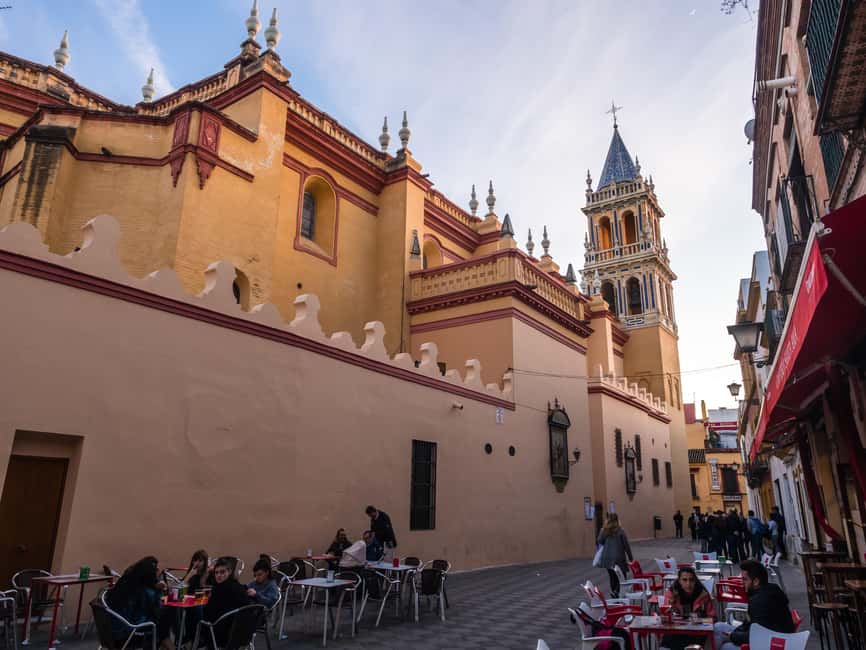
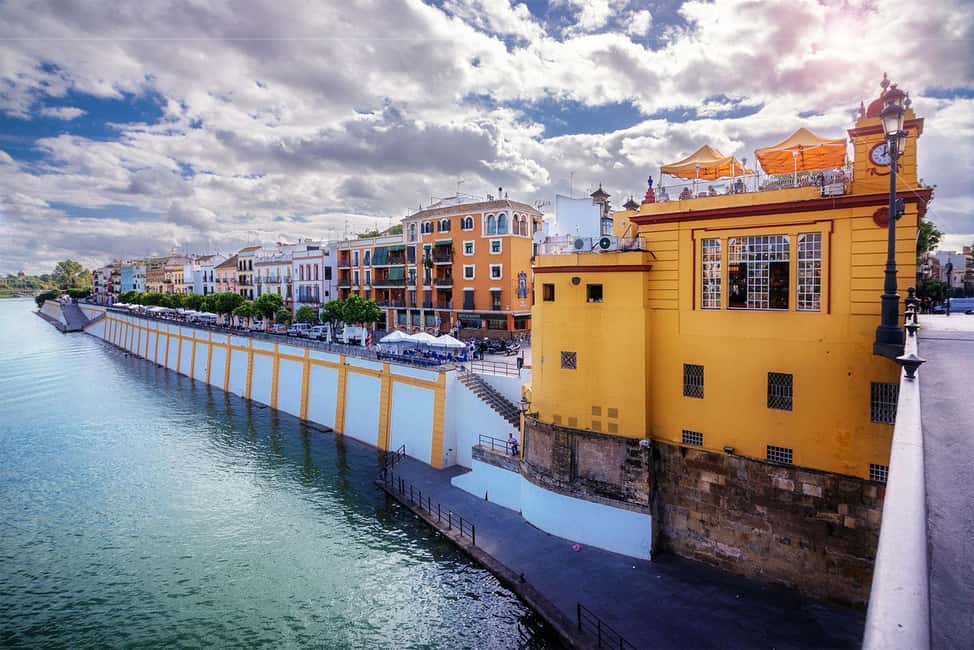
Triana sits on the far side of the Guadalquivir, linked to Seville by the Puente de Isabel II. That’s not just geography. On this tour, you feel how the neighborhood built its identity on music, crafts, and community spaces—especially the courtyards shared by families in older homes.
If you’ve walked Seville’s historic center before and thought it was beautiful but scripted, Triana often hits differently. Here you see the relationship between street life and cultural life: bars and churches exist close together, and the old port and ceramic workshops sit in the same mental map as flamenco.
The tour is flat and made for comfort. That matters because Triana’s charm is in small details—street texture, balconies, and corners. When the route is easy, you can actually look around instead of power-walking through it.
You can also read our reviews of more tours and experiences in Seville.


Where you start: Plaza del Altozano and the Flamenco Monument
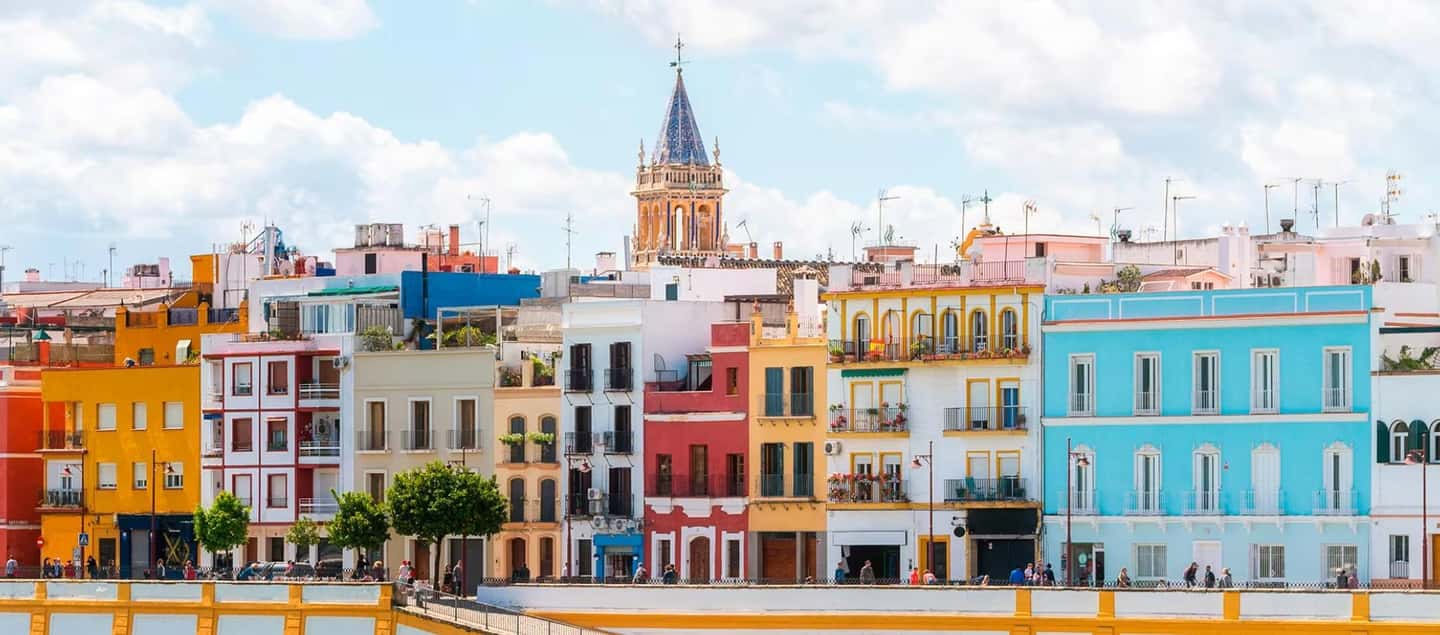
You meet at Plaza del Altozano in Triana, waiting by the Flamenco Monument. This is a good start point because it pulls you into the neighborhood’s vibe right away. You’re not introduced with a generic lecture. You begin in the place that signals what Triana is about.
Tip I’d use: before the group starts moving, take ten minutes to orient yourself visually—main streets, the direction of the river, and where Calle Betis sits for the finish. Once you know that, the rest of the walk feels like a guided “read” of one neighborhood page after another.
Torre del Oro to the river crossings: bridges that define Triana
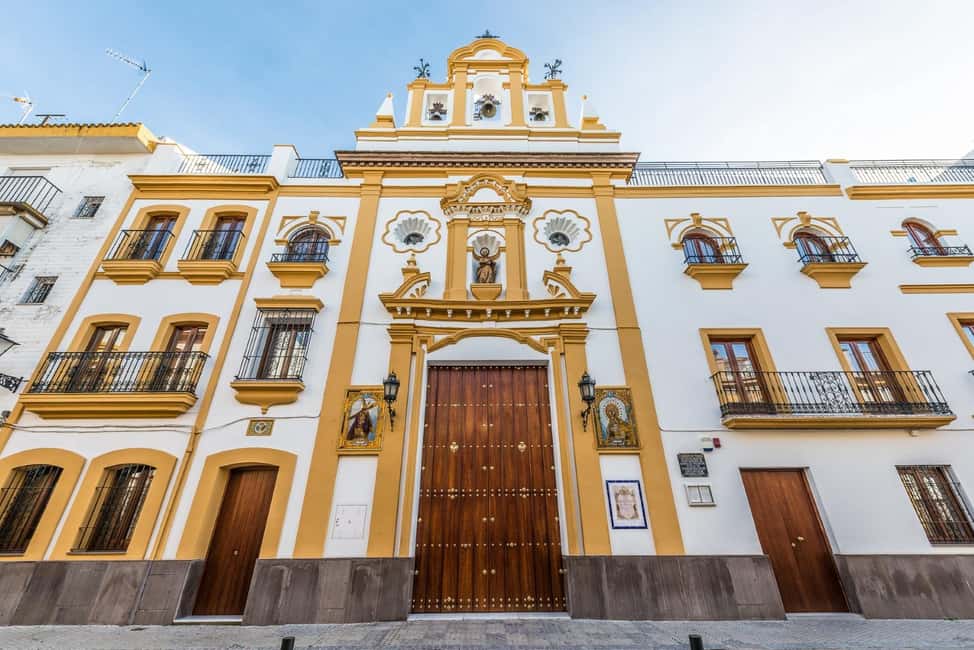
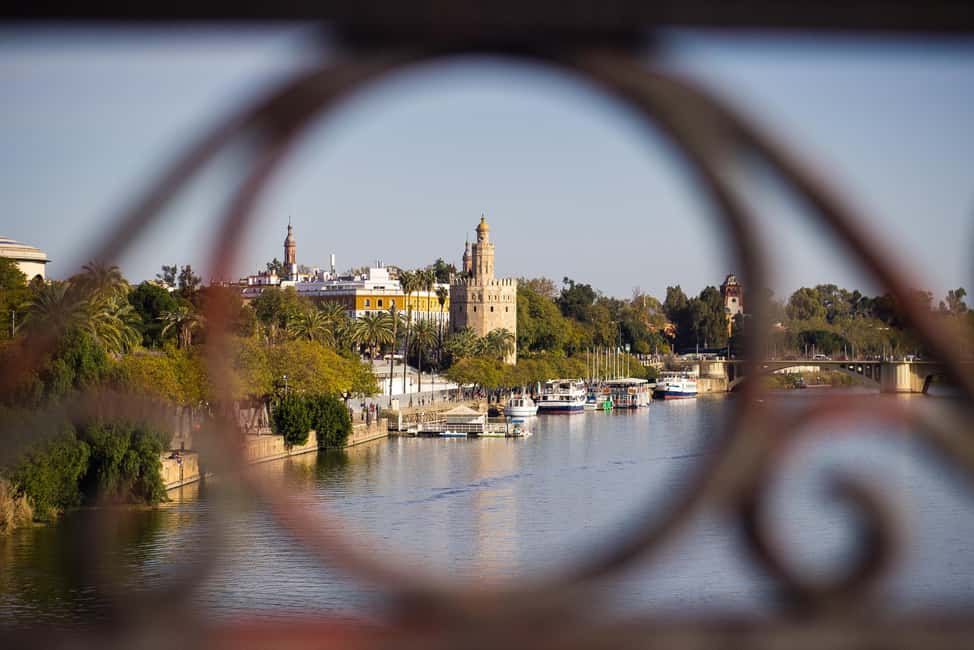
Early on, you get a guided look at the Torre del Oro and then head toward the bridges—Puente de San Telmo and especially the Puente de Isabel II. The Puente de Triana (Puente de Isabel II) is a key connection point, and the tour uses that connection to explain why Triana developed its own voice while still staying tied to Seville.
This section also helps you understand sightlines. The river isn’t just a pretty backdrop here—it’s part of the story. Triana’s past includes a seafaring port, so water and movement are woven into the neighborhood’s identity.
If you like “context walking” where landmarks are explained in plain language, you’ll appreciate how the guide keeps linking what you see to what people did there.
Santa Ana, Triana’s devotion, and why churches matter on this walk
One of the best moves of the tour is how it anchors Triana’s art and everyday life with religious places you can actually visit.
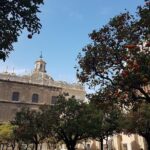
You stop at Plazuela de Santa Ana and then enter the Real Parroquia de Señora Santa Ana. Santa Ana is often described as the cathedral of Triana in the neighborhood story, and the tour treats it that way: not as a quick photo stop, but as a meaningful reference point for identity.
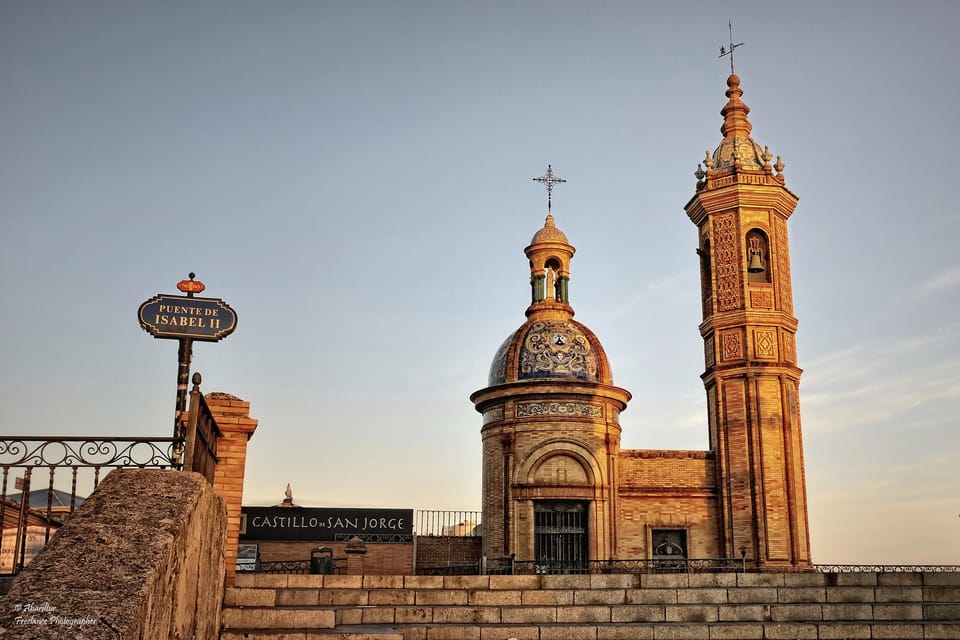
Next you visit Hermandad de la Estrella (Triana) and then head to the Chapel of Sailors (Los Marineros), a place tied to devotion in the neighborhood.
Why this works for you: flamenco in Triana isn’t only about entertainment. It’s part of how people express devotion, emotion, and belonging. When you pair the music culture with chapels and church traditions, Triana makes more sense.
Corrales de vecinos: the courtyard experience you’ll remember
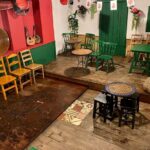
This is the centerpiece. The tour includes entry into the corrales de vecinos, the community courtyards inside older houses. These are shared spaces open to the sky, where daily life happened side-by-side—friendships, parties, and the kind of intimate music-making that doesn’t feel staged.
You can walk past courtyard doors in Seville and never realize what a courtyard meant to the people inside. Here, you get access, so you can stand in the space and understand why it mattered acoustically, socially, and emotionally. Courtyards are where neighbors saw each other, where kids played, where celebrations gathered, and where flamenco-style singing could feel natural instead of performed.
This also ties to the tour’s central idea: flamenco as lived expression, not only a show. In a place like this, you get why duende and cante weren’t abstract concepts—they were built into everyday gathering.


Juan Belmonte and the local landmarks that keep Triana personal
Between bigger cultural stops, the tour threads in landmark names that keep Triana from feeling generic. One example is Juan Belmonte—a stop that reminds you the neighborhood’s story includes public figures and local pride, not only architecture and crafts.
I like how these “name stops” prevent the walk from turning into a checklist of sights. They give you anchor points to remember Triana as a community with personality.
San Jacinto Convent: the calm breath in the middle of the walk
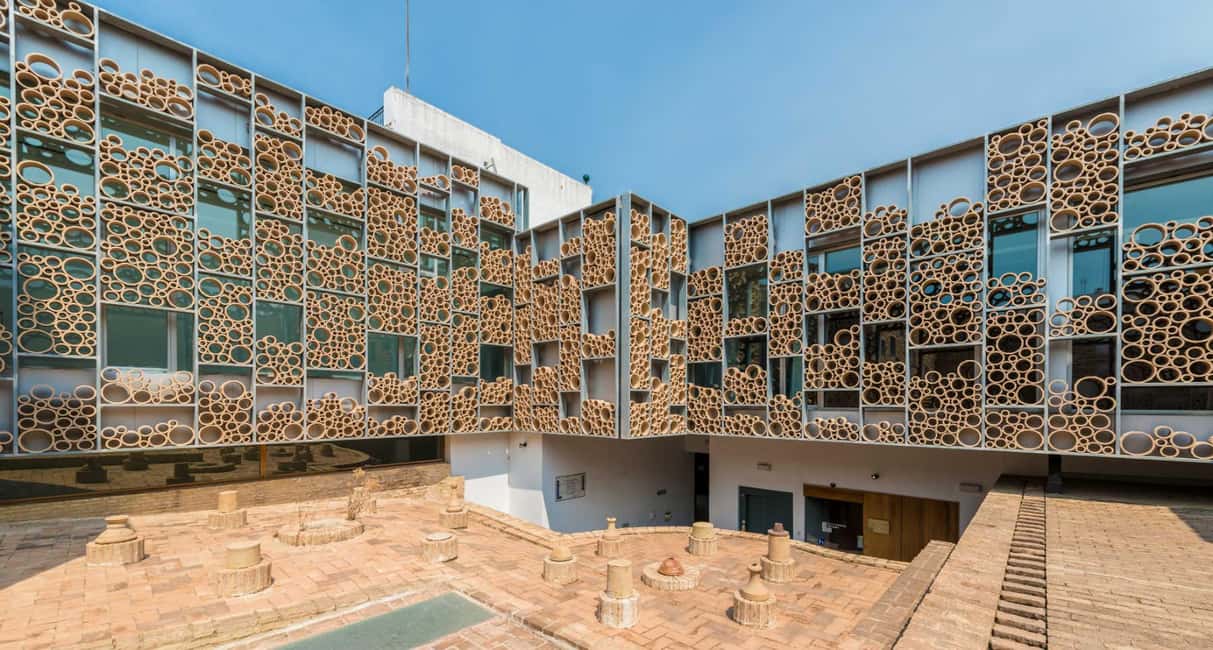
You also visit the Dominican Convent of San Jacinto. This is a strong contrast stop after the louder street energy. The tour describes it as full of serenity and history, and it functions that way in practice: it slows your pace and resets your head.
If you’re traveling with a museum-fatigue mindset, this kind of break is valuable. You’re not rushing from one photo point to the next. Instead, you’re getting a quieter chapter of Triana’s identity.
Santa Ana Ceramics Factory and the craft behind the look
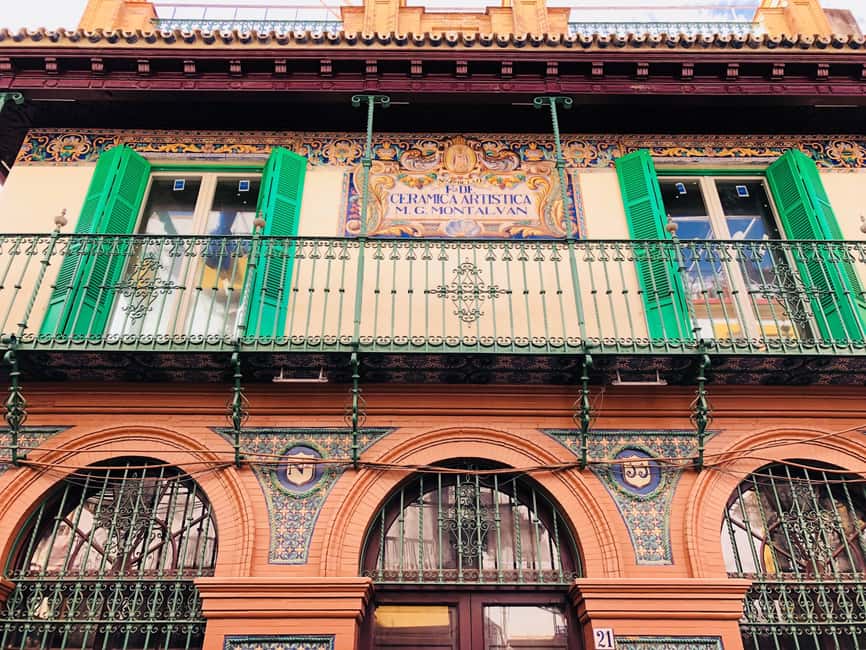
Triana’s visual style isn’t luck. It’s craft work—tile, ceramics, and the long tradition of making art useful enough to live with.
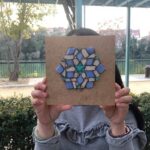
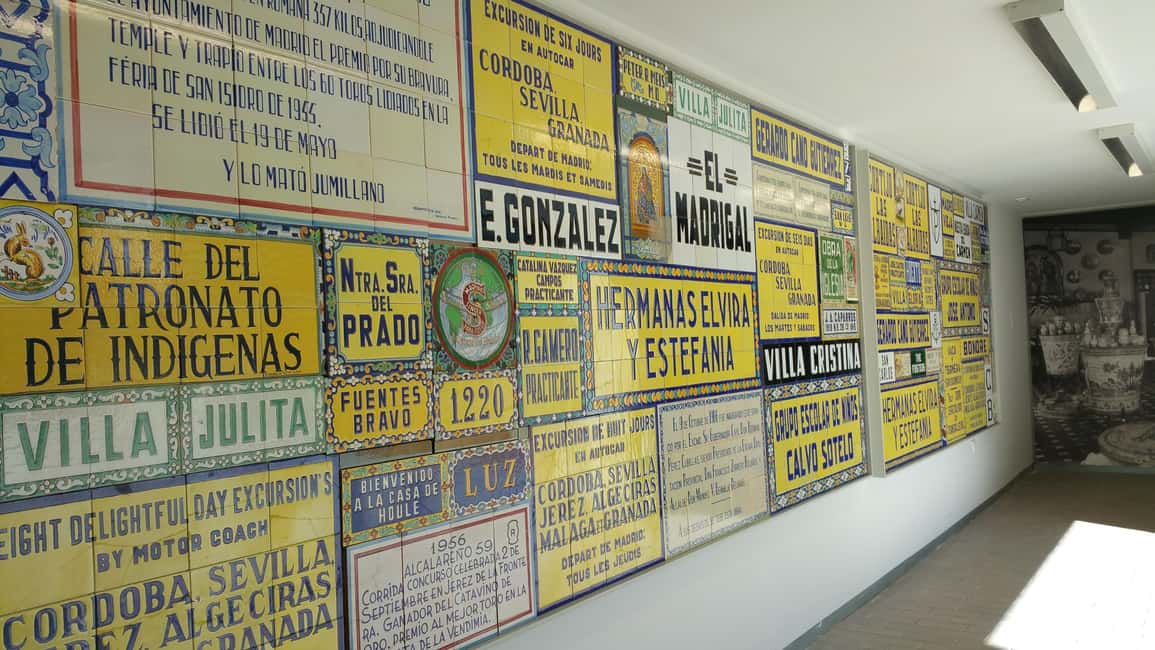
The tour includes a visit to the San Ana Ceramics Factory, where tradition is still alive. Even if you’re not a ceramics person, the value here is the connection: you learn how those decorative pieces weren’t made for display alone. They were part of how the neighborhood built its daily beauty.
There’s a nearby stop that also speaks to architecture and interior design: the Patio de la Espartería. It’s the kind of space where you start noticing details—how stone and structure shape how people move and gather.
This is one place where the guide’s quality really shows. A strong guide points out what to notice and why those details exist, instead of just letting you wander with no context.
Reales Almonas Almohades tunnels: Triana underground
Then the tour shifts under your feet. You get access to tunnels connected to the Reales Almonas Almohades, tied to the production of soap (described as the most famous soap in Europe and America in the neighborhood story).
Walking through an underground portion changes your sense of time. Suddenly Triana isn’t only “pretty neighborhood with courtyards.” It’s a working past, industry, and infrastructure—hidden layers you wouldn’t guess from street-level views.
If you like history you can physically feel—stone, temperature shifts, and the sense of space—you’ll enjoy this segment. It’s also a good break if the weather is warm, since underground spaces often feel cooler.
Castillo de San Jorge: Triana’s darker past, explained on site
Next comes the Castillo San Jorge. The tour includes access to this historic gem and uses it to tell a darker chapter involving the Inquisition established there, which leaves a complicated part of Triana’s history in the open.
This stop isn’t meant to scare you. It adds weight to the neighborhood. Triana’s identity isn’t only joy and music—it also includes pressure, control, and the kind of institutions that changed lives.
I think this makes the rest of the tour land better. When you understand the neighborhood went through real hardship, you can appreciate why community spaces and local expression became so important.
Capillita del Carmen and Calle San Jorge: small devotion stops that add texture
You’ll also see the Capillita del Carmen, an emblem of local devotion, and walk through Calle San Jorge and adjacent areas tied to the castle.
These smaller stops matter because Triana’s story doesn’t only live in big monuments. It lives in the way people mark places, how devotion shows up in street corners, and how the neighborhood honors memory at human scale.
If your travel style is “I want to understand how people lived,” these segments give you that. They also help the tour avoid becoming a rushed circuit.
Triana Market, Betis, and San Jacinto: where the walk meets lunch plans
The tour ends on Calle Betis, after a guided walk through Triana Market and the surrounding street energy.
Triana Market is one of the places where I always tell people to slow down—because you’ll see what locals actually buy and where the neighborhood’s daily rhythm continues. Even if you don’t eat on the spot, it’s a helpful viewpoint into Triana’s present-day life.
You also pass through the street area around Betis and San Jacinto, known for bars and stories. The finish on Calle Betis is smart because it puts you where you can keep the evening going. After two hours of guided context, you’re ready to eat with a better sense of what you’re seeing.
Practical move: if you’re hungry, plan to treat the market and Calle Betis as your next step. You’ll likely enjoy food more when you’ve just learned the cultural map behind the neighborhood.
Price and value: why $11 can be a good deal here
At around $11 per person for a 2-hour guided tour, the value is in the number of meaningful stops you get. Many short tours in Seville give you a scenic walk and a couple of viewpoints. This one includes entry elements that cost time and effort—like stepping into the corrales de vecinos, seeing major churches, and accessing the castle and underground tunnels.
You’re also paying for something harder to quantify: a guide who can explain why Triana’s arts and traditions developed in the exact places you’re standing. That’s the difference between seeing buildings and understanding them.
One more reason this value holds: the route is flat, and the guide builds in strategic stops if the weather changes. That means you can actually enjoy the walk without being constantly stuck or exhausted.
How to choose the right departure (based on real guide strengths)
The experience overall scores 4.4 with 75 reviews, which is a solid sign that the format works. The most praised element is the guide’s passion and clarity. People specifically highlighted how well guides explained the history of the barrio—down to details like the story behind buildings and even ceramics.
Names mentioned include guides such as Concha and Martha, praised for strong explanation and engagement. One comment also noted that a guide might even sing flamenco if the mood hits—so if you want that extra spark, you’ll be looking in the right direction.
The main caution comes from a couple of remarks about audibility and pace—basically, sometimes the group doesn’t hear as clearly as you’d hope. My advice: choose a spot near the front early, and if you’re near the middle/back and audio seems low, let the guide know calmly once you can. It’s not about being picky—it’s about making sure you get your money’s worth in explanations.
Who this tour suits best
This tour fits you if:
- you like flamenco as culture, not only as a night show
- you enjoy craft and local materials, especially ceramics
- you want a short, well-paced overview of Triana’s biggest storylines in one walk
- you like mixing churches, courtyards, and street life (not only monuments)
It might be less ideal if you want a totally flexible, self-paced wander. This is guided and structured, and the value depends on following the route and listening to explanations.
Should you book the Triana La Flamenca Tour?
If you have only a couple hours and want Triana to make sense fast, I’d book it. The standout reason is simple: you get into the corrales de vecinos, and you pair that with churches, the castle, and underground tunnels—so you walk away with a real feel for how Triana’s identity formed.
Book it especially if you plan to eat afterward. Finishing on Calle Betis and passing through Triana Market gives you a natural bridge from learning to enjoying.
Just pick a departure where you’ll be able to hear the guide well, wear comfortable shoes, and bring water on warm days. Do that, and this 2-hour walk turns into one of the more memorable chapters of Seville.
FAQ
How long is the Triana La Flamenca Tour?
The tour lasts 2 hours.
Where do I meet the group?
Meet at Plaza del Altozano in Triana, by the Flamenco Monument. The meeting is after crossing the Triana/Isabel II Bridge.
Is the corrales de vecinos visit included?
Yes. The tour includes entry into the corrales de vecinos and visits to traditional open-to-the-sky courtyards.
What will the walking be like?
The route is flat with no hills. Comfortable shoes are recommended.
What languages is the tour offered in?
The live guide speaks Spanish.
Is the tour wheelchair accessible?
Yes, the tour is listed as wheelchair accessible.
What should I bring or plan for during the walk?
Bring water and comfortable shoes. In summer you’ll walk through shaded areas; in winter you’ll take advantage of the sun. If it rains, the guide will make strategic stops under roofs so you don’t lose your way. Having a phone with WhatsApp can be practical.