REVIEW · ARAGON
Visit and wine tasting with sausage and BODEGA PIRINEOS cheese
Book on Viator →Operated by Bodega Pirineos · Bookable on Viator
Wine plus real food in one neat hour and a half. This visit at Bodega Pirineos turns a simple stop into a guided walk through the winemaking process, from grape entry to the bottling line, then finishes with a commented tasting of four wines paired with local cheese and sausage. What I love most is how clearly the team explains each part of the production, and how the tasting feels practical instead of formal. One possible drawback: the format is compact, so if you want a longer, deeper wine session, you may want to plan more time for your next stop.
You’ll be in good company here too. The group stays small (up to 20), and the tour runs in English, which makes it easy to follow along without guessing. If you’re the type who likes to ask questions while you’re walking through the facilities, this set-up is a good fit.
Plan to spend your time efficiently at one place. You start at the winery in Barbastro (Huesca, Aragón), and the activity ends right back at the meeting point, so it’s an easy add-on to a day already spent exploring nearby.
In This Review
- Key highlights you’ll actually use
- Your quick wine-and-food plan in Aragón (without the fluff)
- A practical note on the pace
- What you see at Bodega Pirineos: from grape entrance to bottling
- Grape entrance area: where the story starts
- Processing area: turning fruit into wine in motion
- Old cellar: aging, restraint, and time
- Barrel room: why wood affects the glass
- Underground bottle rack: keeping bottles ready
- Bottling machine: production at full speed
- The guides make the difference
- The tasting: rosé, white, and two reds with cheese and sausage
- Four wines, one logical progression
- Cheese and sausage pairing: the smart way to taste
- A helpful tip: ask for the wine you want more of
- Why the small group matters (and what to do with it)
- Price and what you’re really paying for ($24.14)
- Who this is best for (and who should skip it)
- Booking, timing, and the on-the-ground reality
- Should you book Bodega Pirineos for wine tasting and local sausage-cheese pairings?
- FAQ
- How long is the Bodega Pirineos visit and wine tasting?
- What does the tasting include?
- How much does it cost?
- Where does the tour start and end?
- Is the tour offered in English?
- What’s the group size?
- What is the cancellation policy?
Key highlights you’ll actually use
- A guided winery circuit through grape entrance, processing, old cellar, barrel room, underground bottle rack, and bottling machine
- 4 wines with commentary: rosé, white, and two reds
- Cheese and sausage pairing that matches what you’re tasting
- Small group size with a maximum of 20 people
- English-speaking guide plus a mobile ticket for a smooth check-in
Your quick wine-and-food plan in Aragón (without the fluff)
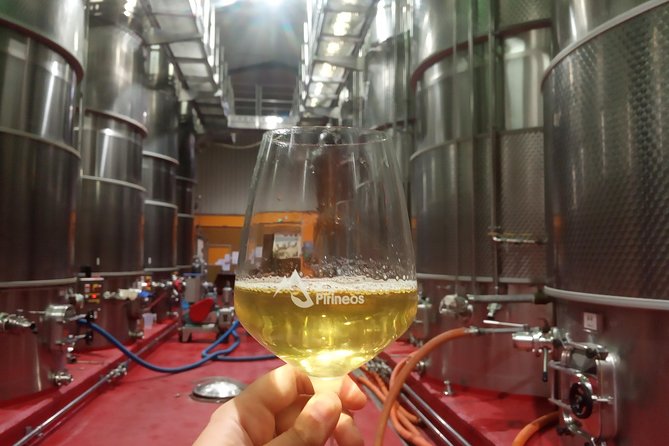
This is the kind of winery visit that works even if you do not want to spend your whole day drinking wine. In about 1 hour 30 minutes, you get a complete, chronological view of how wine goes from grapes to the bottle. That alone is a big value-add: you leave understanding what you just tasted, not just remembering flavors.
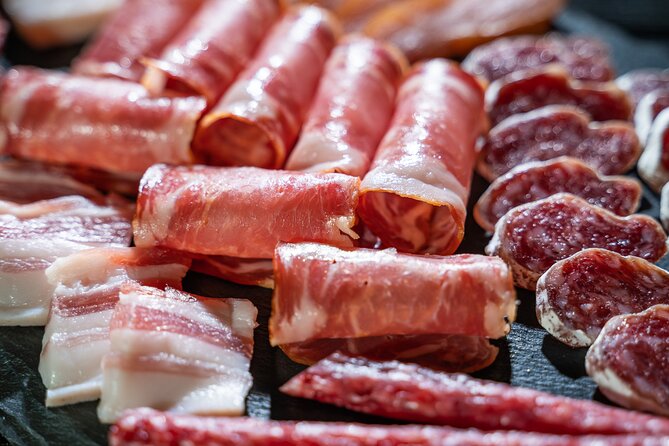
Then comes the part most people book for. You get a commented tasting of four wines—a rosé, a white, and two reds—and the pour is paired with cheeses and sausages from the area. The pairing matters because it shifts the tasting from a solo activity into something more like a local meal. It also helps if you’re new to wine. You can taste structure and balance while the food gives you an instant reference point.
You can also read our reviews of more tours and experiences in Aragon.
A practical note on the pace
The time is tight by design. That’s great if you want a focused experience, but it means you likely won’t get a long back-and-forth about viticulture or the deep technical side of each wine. If you want maximum time in the barrel room, you might prefer a longer tasting elsewhere. Here, the tradeoff is clarity and variety within a short window.
What you see at Bodega Pirineos: from grape entrance to bottling
The winery walk is built like a tour through the production timeline. Instead of watching a slideshow, you move through the working spaces. That makes the explanations easier to picture, and it’s the best way to understand why a wine tastes the way it does.
Here’s what you can expect as you go step by step:
Grape entrance area: where the story starts
This is the first stop where you’ll get the basics of how grapes are handled before they become wine. Even without going super technical, it helps you understand that the process isn’t just about flavor at the end—it’s about choices made earlier. Think of it like context: once you know what comes first, the later aromas make more sense.
Processing area: turning fruit into wine in motion
Next you’ll visit the processing area. This is where things become real. The guide explains what happens after grapes enter the system, and you’ll get a clearer picture of the transformation from fruit to must (and eventually to wine). If you’ve ever wondered why two wines can taste so different even when they come from the same region, this part is where the explanation starts to click.
Old cellar: aging, restraint, and time
Then you move to the old cellar. This stop usually changes the mood because it’s about aging and storage. You’ll hear how wineries manage wine after the main production steps. Even if you don’t memorize every detail, you’ll pick up the idea that aging conditions influence aroma development and texture.
Barrel room: why wood affects the glass
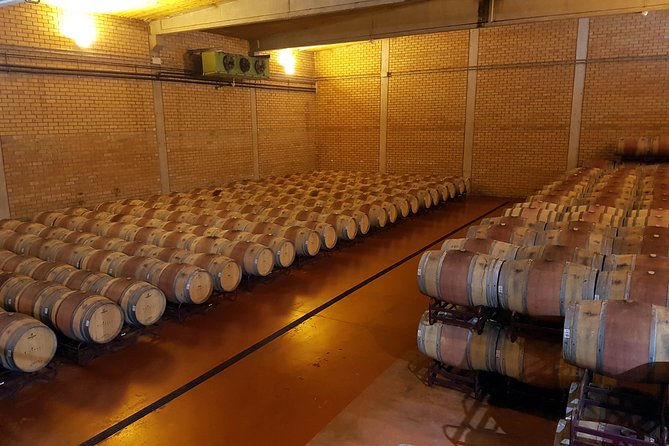
The barrel room is the next big visual clue. Here, you’re in the part of the tour that makes barrel aging tangible. You’ll learn how barrels can shape the final wine—through contact, oxygen exchange, and the flavors/texture that come from time in wood. This is one of the spots that makes your tasting more thoughtful, because it gives you a reason to notice specific red-wine characteristics later.
Underground bottle rack: keeping bottles ready
The underground bottle rack is a cool, practical place in the operation. It shows how the winery stores finished bottles and manages temperature stability. It’s one of those spaces people often overlook in winery tours, but it’s exactly the kind of detail that helps you see the winery as a working system, not just a tasting room.
Bottling machine: production at full speed
Finally, you’ll end at the bottling machine. This is where the visit gets a little more energetic because it’s the end of the line. You get to see how the winery prepares wine for distribution and why the last steps matter. After this, the tasting feels less abstract. You’re tasting something that’s been through a chain you just walked.
The guides make the difference
Two names came up for me as particularly strong: Jorge and Álvaro. The common thread in the way they’re described is that they explain the full process in a detailed, friendly way. That matters because it keeps you from feeling lost when someone talks wine jargon. If you’re worried you won’t follow, this tour is designed to be understandable.
The tasting: rosé, white, and two reds with cheese and sausage
The tasting is commented, not silent. That’s a big deal. You’re guided through what to look for—color, aroma, and the way the flavors change from start to finish—so you’ll have something concrete to pay attention to beyond just liking or disliking.
Four wines, one logical progression
You’ll taste four wines in this order:
- Rosé
- White
- Two reds
That progression helps you reset your palate as you go. Rosé and white usually read as lighter and more aromatic, which makes them a natural entry point. Then the reds give you the contrast—more depth, more weight, and usually more tannin or body to notice.
Cheese and sausage pairing: the smart way to taste
Food is served alongside the tasting: cheeses and sausages from the area. This is where the experience turns from a drink lesson into a real local bite.
Cheese helps with texture and salinity. Sausage helps with salt, fat, and spices. Together, they do a practical job: they show you how each wine handles savory flavors. You learn faster that way, especially if you’re not a wine expert.
A helpful tip: ask for the wine you want more of
One detail worth knowing: at the end, the team lets you ask to try the wine you prefer. So if one pour really hits your taste, you can nudge things toward your favorites instead of just moving on. That makes the tasting feel less rigid and more like a conversation.
Why the small group matters (and what to do with it)
This tour caps at 20 travelers, which is small enough for the guide to keep the pace friendly. You’re not shouting over a crowd, and you’re more likely to get direct explanations if something isn’t clear.
If you want to get the most out of it, ask questions as you walk through the facilities. Good options are simple and grounded:
- What should I notice in the barrel room wines?
- Why does the processing step matter for the final style?
- How should I think about the pairing with sausage?
You don’t need to be a wine nerd to ask. The best questions are the ones you’re genuinely curious about in the moment.
Price and what you’re really paying for ($24.14)
At about $24.14 per person, this is priced for a solid, all-in winery stop—especially because the tasting and visit are included in a 1 hour 30 minutes experience.
Here’s why it can be good value:
- You’re not just buying a pour. You’re paying for a guided walk through multiple production areas.
- You get a tasting of four wines, plus cheese and sausage to go with them.
- The group size stays reasonable, which can make the explanation feel more personal.
If you’re comparing it to doing a standalone tasting elsewhere, the “included food + multi-wine tasting + production tour” combination is the key reason this works at the price point.
Who this is best for (and who should skip it)
This experience is a strong choice if you:
- Want a clear overview of how wine is made without booking a half-day tour
- Like food pairings with your tastings
- Appreciate a guided format in English
- Prefer small groups and a friendly explanation style
It’s also a smart pick for a “one-winery day.” You’ll get enough context to make your next wine stop easier to enjoy.
You might want to pass or pair it with something longer if you:
- Want deep technical detail for hours
- Are planning a full wine day and need more time per winery
Booking, timing, and the on-the-ground reality
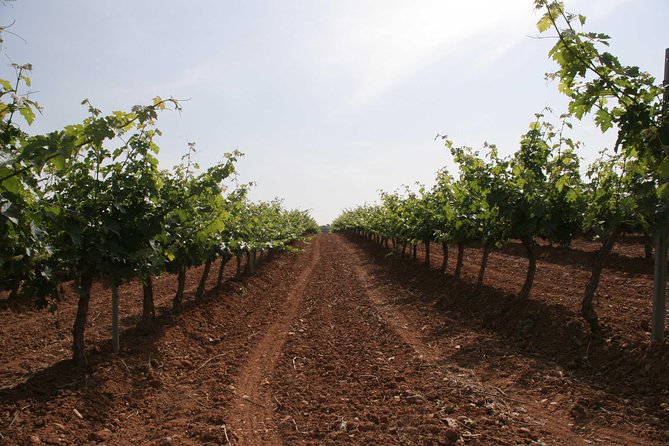
The timing is straightforward: about 1 hour 30 minutes. The confirmation happens within 48 hours of booking, depending on availability, so you can plan without stressing too much. You also get a mobile ticket, which makes check-in simpler when you’re trying to keep your day moving.
The start point is at Bodega Pyrenees, S.A., A-1232 Naval, km 3,5, Carretera Barbastro-Naval, 22300 Barbastro, Huesca, Spain, and the tour ends back there. That means you’ll want to build in enough time to reach the winery before it starts, then just enjoy the stop without worrying about a long end transfer.
Service animals are allowed, and most people can participate, so it’s broadly welcoming.
Should you book Bodega Pirineos for wine tasting and local sausage-cheese pairings?
If you want a winery visit in Aragón that stays practical and easy to fit into a day, I’d book this. The biggest reasons are the combination of a guided walkthrough through the actual production spaces and the tasting format: four wines with cheese and sausage pairings, guided with commentary. The small group size also helps you feel part of the experience instead of like a spectator.
Book it if you enjoy being shown how wine gets made, and you like tastings that feel like a local food moment. I’d skip it only if you’re looking for a long, slow, deep dive session or you want a huge variety of wines beyond four.
If your ideal day is simple: learn a bit, taste a bit, eat something good, and move on feeling satisfied, this one checks those boxes.
FAQ
How long is the Bodega Pirineos visit and wine tasting?
It lasts about 1 hour 30 minutes.
What does the tasting include?
You’ll do a commented tasting of 4 wines: rosé, white, and two reds, paired with cheeses and sausages from the area.
How much does it cost?
The price is $24.14 per person.
Where does the tour start and end?
The meeting point is Bodega Pyrenees, S.A., A-1232 Naval, km 3,5, Carretera Barbastro-Naval, 22300 Barbastro, Huesca, Spain, and the tour ends back at the meeting point.
Is the tour offered in English?
Yes, it’s offered in English.
What’s the group size?
The experience has a maximum of 20 travelers.
What is the cancellation policy?
You can cancel for a full refund if you cancel at least 24 hours before the experience starts (local time). If you cancel less than 24 hours before, you won’t get a refund.