REVIEW · LANZAROTE
Volcano Trekking Tour (Timanfaya eruptions)
Book on Viator →Operated by Geotrekking Lanzarote · Bookable on Viator
Walking a living volcano beats postcards. This guided Timanfaya National Park hike takes you right to volcanic craters and lava fields, with a story behind the colors and shapes. You’ll climb La Rilla, then loop through dramatic geology formed about 300 years ago.
I love how the tour removes the stress of getting into the park. With hotel pickup (from spots like Costa Teguise, Arrecife, Puerto del Carmen, and Playa Blanca) and a small group capped at 10, you start the hike ready to go. I also like the practical touch: you’re provided with walking poles and rain jackets, so you’re not stuck improvising gear on a windy volcanic morning.
One thing to consider: even though it’s rated low difficulty, there’s some uphill and you’ll be walking about 7 km. If you’re very mobility-limited, you’ll want to check that your pace can handle uneven volcanic paths for the full loop.
In This Review
- Key things you’ll notice on this Timanfaya volcano trek
- Timanfaya National Park: what you’re really walking through
- Pickup, meeting point, and the 9:30 am morning rhythm
- The trail plan: La Rilla climb, crater rim moments, and lava fields
- Start moving into the volcanic zone
- Up to La Rilla for craters and big views
- Through lava fields to more volcanic shapes
- Back to the meeting point
- How the guide turns rocks into a story (and slows down for you)
- Gear and comfort: provided poles, rain jackets, and the pace that fits most people
- Photo opportunities: craters, rim angles, and those gray volcanic colors
- Price and value: is $50.81 for 3 hours a fair deal?
- Who should book this Lanzarote volcano trek (and who might skip it)
- Should you book? My practical take
- FAQ
- How long is the Timanfaya volcano trekking tour?
- How far is the hike and what’s the difficulty level?
- Is hotel pickup included, and where does it pick up from?
- What time does the tour start?
- What equipment do I get during the hike?
- What group size and language should I expect?
- What happens if weather is poor?
Key things you’ll notice on this Timanfaya volcano trek
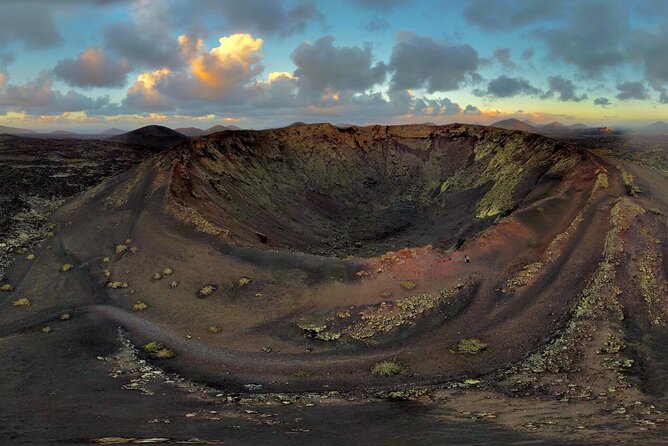
- La Rilla crater views: You climb up and see impressive craters from a close, walkable vantage point
- 7 km circular loop, low elevation gain: Around 50 m of altitude difference over roughly 3 hours
- Pickup for much of the island’s center and south: Makes a big difference when you don’t have a rental car
- Provided poles and rain jackets: Practical gear that fits real Lanzarote weather
- Guide-led footpaths you may not find alone: Better routes and fewer dead ends on protected terrain
- Small group energy: Max 10 travelers, with pacing that can slow down when needed
Timanfaya National Park: what you’re really walking through
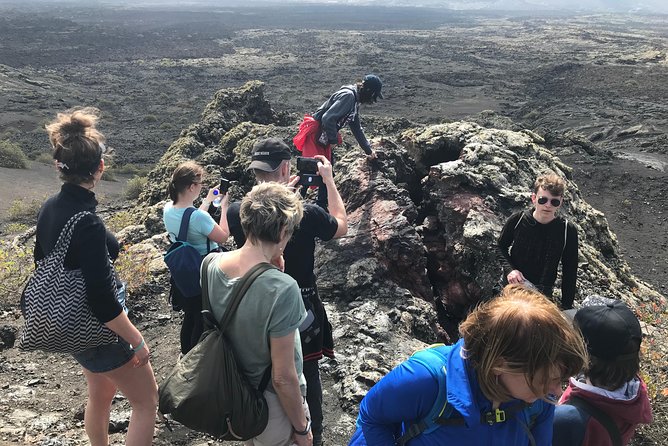
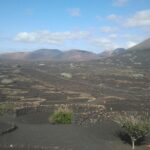
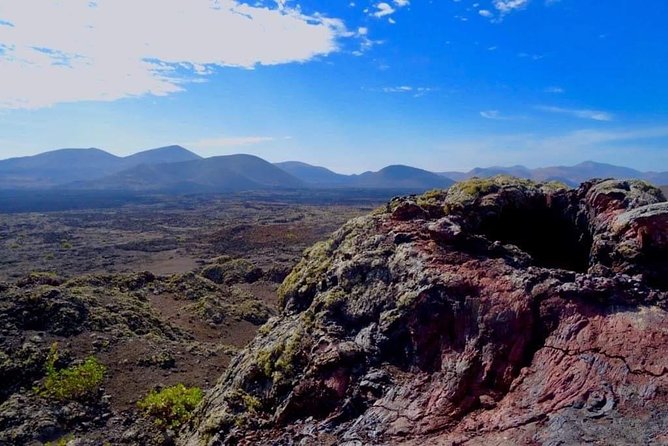
Timanfaya is famous for a reason: you’re not just looking at rocks, you’re seeing the results of eruptions that shaped this part of Lanzarote a few centuries back. On this hike, the big payoff is how physical it feels. Lava fields and volcanic geo-forms aren’t background scenery here; they’re the ground beneath your boots, with colors and textures that look almost unnatural up close.
The walk goes into Timanfaya National Park along footpaths that can be hard to locate on your own. That matters because volcanic terrain can be confusing. Without guidance, it’s easy to miss the best angles or choose routes that don’t follow the intended walking areas.
You can also read our reviews of more hiking tours in Lanzarote
Pickup, meeting point, and the 9:30 am morning rhythm
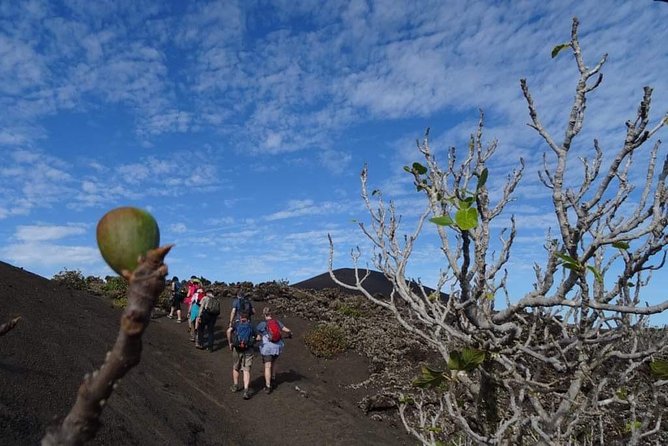
This tour is designed to start clean and simple. It begins at LZ-56, 48, 35560 Tinajo, Las Palmas, Spain with a 9:30 am start, and the experience ends back at the same meeting point. If you’re staying in the main tourist zones, pickup is offered for Costa Teguise, Arrecife, Puerto del Carmen, and Playa Blanca, plus it covers the island’s center and south.
Why I think the pickup is a big deal: Timanfaya day-trips can eat your energy before the hike even starts. With pickup, you’re not trying to time buses, hunt parking, or fight navigation on roads that aren’t built for casual wandering.
Also, you’ll use a mobile ticket, and you’ll receive confirmation at booking time. Service animals are allowed, which is worth noting if you travel with one.
The trail plan: La Rilla climb, crater rim moments, and lava fields
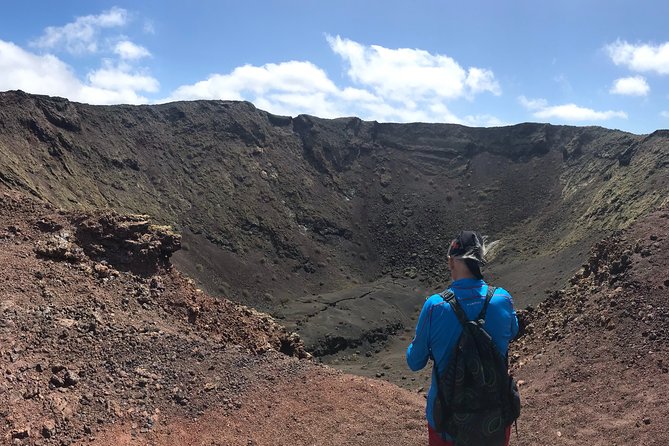
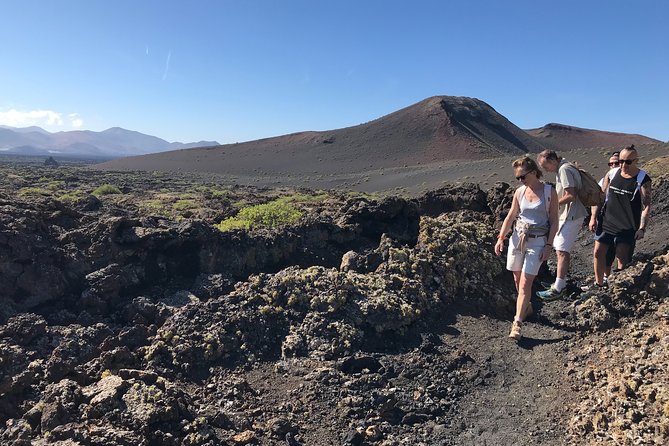
The hike is a circular route lasting about 3 hours, covering 7 km with an altitude difference of around 50 m. Low difficulty doesn’t mean flat. It means you don’t need technical climbing gear, but you will have some uphill sections and uneven ground typical of volcanic parks.
Here’s the flow you should expect:
Start moving into the volcanic zone
You’ll begin the hike on park footpaths, with a guide who sets the pace and context early. This is when you get your bearings. You’ll also be using the provided gear right away—especially the walking poles, which help on rocky footing.
Up to La Rilla for craters and big views
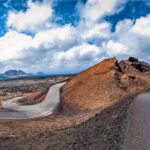
A key highlight is climbing La Rilla Volcano. This is where the tour earns its reputation for being worth it. You’ll see impressive craters and take in views from a higher point than most visitors manage on their own.
From a practical standpoint, the crater rim portion is where your timing matters. Go slowly, keep your footing sure, and use stops for photos without rushing your breathing.

Through lava fields to more volcanic shapes
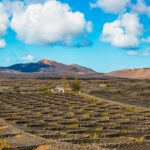
After the climb, the route continues across lava fields, then toward other volcanic geo-forms. This is where you start noticing patterns—how different eruptions left different textures, and how erosion and time changed what once looked fresh.
Even if you’re not a geology nerd, the walk stays engaging because the guide is talking while you walk. You don’t feel like you’re touring a museum with shoes; you feel like you’re moving through the story.
Back to the meeting point
The tour returns to the meeting point, so you don’t have to worry about arranging transport at the end of the hike. It’s a clean loop that keeps the day from turning into logistics.
How the guide turns rocks into a story (and slows down for you)
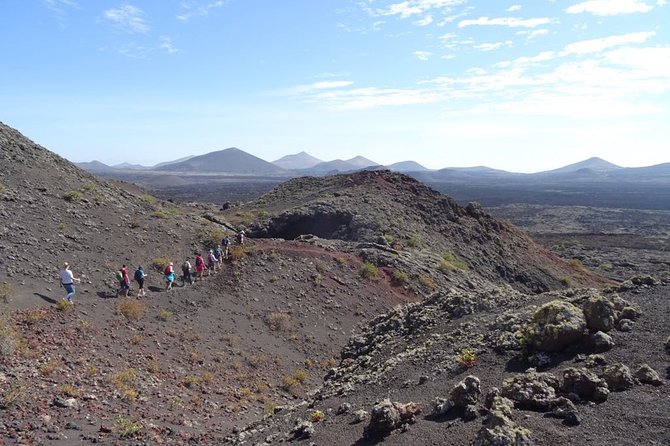
What really drives the experience is the guide’s explanations paired with the stops along the way. In the many reports I’ve seen for this tour, guides like Alejandro, Ula, and Sabrina come up again and again. The common thread is how they explain what you’re seeing—colors, formations, and what the volcanic activity left behind.
You’ll learn about the volcanic history of Lanzarote as you walk. That’s not just trivia. It changes how you look at the terrain. Instead of seeing gray-brown rock everywhere, you start connecting shapes and tones to the way eruptions built the park.
You’ll also get a rhythm of occasional stops—enough to take photos and listen, not so many that the hike feels chopped up. Several guides are noted for adjusting the walking pace to the group, and if someone needs a breather, the stops happen naturally. That’s a comfort when your legs want to work, but your attention also wants to wander.
Gear and comfort: provided poles, rain jackets, and the pace that fits most people
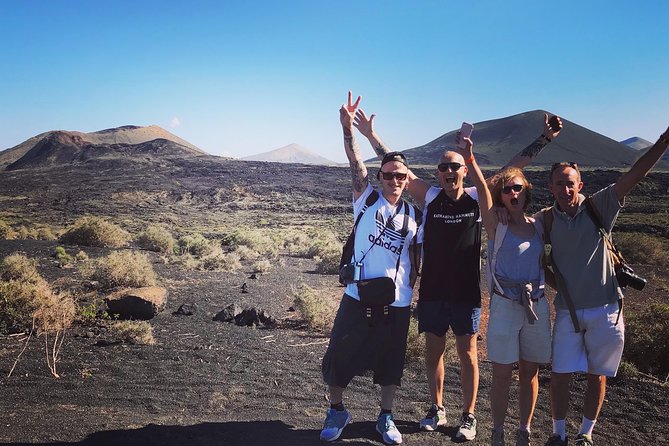
You’re not sent out empty-handed. The tour provides walking poles and rain jackets, which is smart in Lanzarote where weather can change quickly. Even in fair conditions, volcanic parks can be windy, and a light waterproof layer can save your mood.
The walk is rated low difficulty with a 50 m elevation change and a moderate distance. Based on the way guides pace the hike, this is often a good fit for people who can handle 7 km on uneven ground. Expect some uphill effort. A little fitness helps, especially for the climb toward La Rilla.
Practical comfort tips you should consider (even with gear provided):
- Wear shoes with good grip for rocky volcanic surfaces.
- Dress in layers. Wind plus sun can be a weird mix.
- Keep a light, steady pace. It’s easier to appreciate the craters when you’re not sprinting.
Photo opportunities: craters, rim angles, and those gray volcanic colors
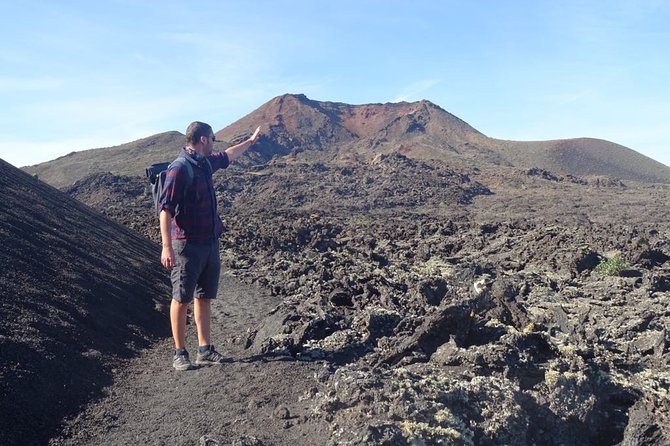
Timanfaya is the kind of place where photos look different depending on where you stand. The crater rim area gives you angles that are hard to get from flat viewpoints. And the lava fields offer textures that photograph well even when the palette is mostly gray and brown.
If you like photography, don’t just point your camera at the big view. Pause when the guide stops. The guide-led moments usually line up with the best angles—especially around crater edges and volcanic geo-forms.
Also, if you’re traveling with someone who wants time for pictures, the small group size helps. You’re less likely to feel rushed past the good spots.
Price and value: is $50.81 for 3 hours a fair deal?
The price is $50.81 per person, and the tour runs about 3 hours for a 7 km guided walk in Timanfaya National Park, including equipment like walking poles and rain jackets and hotel pickup for many popular areas.
For value, I look at three things: how much time you actually spend in the experience, how much effort the tour removes, and how much you learn during the walk. Here’s the balance this one seems to hit:
- Time in the park: You’re getting a full guided loop, not a short drive-by.
- Reduced friction: Pickup means you can arrive focused on the hike, not transport math.
- Meaningful guidance: The guide isn’t only pointing; they’re explaining volcanic history as you see it.
The maximum group size of 10 also matters. A smaller group tends to mean more attention, better pacing, and fewer awkward moments when you’re trying to ask questions while moving.
Who should book this Lanzarote volcano trek (and who might skip it)
This is a great choice if you want:
- A guided way into Timanfaya’s best walking routes
- Close-up crater and lava field time without needing to plan a self-guided path
- A low-difficulty hike that still feels like a real adventure
It may be less ideal if:
- You struggle with uneven volcanic ground and short uphill sections
- You need long, frequent rests beyond the natural pacing of a 3-hour walk
If you’re traveling with a partner, a friend group of two to four, or even solo, the small group format is a strong match. People also like it as a half-day plan that still feels like you did something substantial.
Should you book? My practical take
If you’re visiting Lanzarote and you want Timanfaya to feel real—not like a drive-and-look—you should book this. The combination of pickup, provided gear, and a small group makes the experience easier than going it alone. The big bonus is how the guide connects what you’re seeing to Lanzarote’s volcanic story while you walk through the terrain.
If you’re on the fence because of fitness, don’t ignore the uphill reality. But if you can comfortably handle 7 km on rocky, natural paths at a gentle pace, this is likely a satisfying way to spend your morning.
FAQ
How long is the Timanfaya volcano trekking tour?
It runs for about 3 hours.
How far is the hike and what’s the difficulty level?
The walk is about 7 km and rated low difficulty, with around 50 m of altitude difference. The route is circular.
Is hotel pickup included, and where does it pick up from?
Pickup is available for Costa Teguise, Arrecife, Puerto del Carmen, and Playa Blanca, covering the island’s center and south. The tour starts at LZ-56, 48, 35560 Tinajo, Las Palmas, Spain, and returns to the same meeting point.
What time does the tour start?
The start time is 9:30 am.
What equipment do I get during the hike?
The tour provides walking poles and rain jackets.
What group size and language should I expect?
The tour is offered in English and has a maximum of 10 travelers.
What happens if weather is poor?
The experience requires good weather. If it’s canceled due to poor weather, you’ll be offered a different date or a full refund.


More Hiking & Trekking Tours in Lanzarote

More Tours in Lanzarote
- Tour to Timanfaya, Jameos del Agua, Cueva de los Verdes and viewpoint from the cliff
★ 5.0 · 1,381 reviews