REVIEW · TENERIFE
Whale Watching Eco-Adventure from Costa Adeje
Book on Viator →Operated by Whale Watch Tenerife · Bookable on Viator
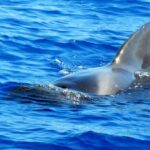
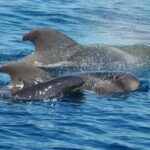
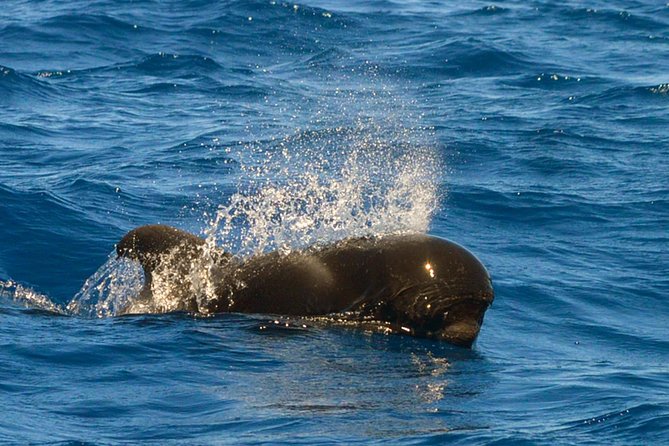
Ten people and a lot of whales. This 2-hour eco-adventure from Costa Adeje takes you by boat into the Teno-Rasca Marine Protected Area, where you can spot pilot whales and dolphins while a biologist team explains what you’re seeing. The boat is built for whale watching, and the vibe is calm and respectful rather than loud and pushy.
I especially like two things. I love the hydrophone listening, which helps you hear whale and dolphin calls instead of relying only on sight. I also like the small group setup (max 10) on an 8-meter rigid hull inflatable, which makes the experience feel personal and keeps the viewing pressure lower.
One thing to consider: this tour is weather-dependent, and it has firm participant limits. Infants and children under 3 aren’t allowed, and people who are pregnant or dealing with back/neck/mobility issues or recent surgeries may be turned away, with a weight limit too.
In This Review
- Quick take: what makes this whale watch different
- Teno-Rasca Marine Protected Area: what you’re really paying for
- The small RIB boat that changes your sightlines
- Hydrophone listening: the sound you can actually hear
- Biologist staff and guides: what you’ll learn on board
- The 2-hour loop: what the timing feels like
- Eco-friendly approach: respect that shows up in how they operate
- What’s included (and what you’ll want to plan yourself)
- Price and value: is $72.56 worth it
- Meeting point and getting there without stress
- Who should book this, and who should skip it
- Should you book Whale Watch Tenerife from Costa Adeje?
- FAQ
- How long is the whale watching tour?
- Where does the tour start, and where does it end?
- What’s included in the price?
- What language do the guides speak?
- What should I bring if food and drinks aren’t included?
- What happens if the weather is poor?
Quick take: what makes this whale watch different
- Teno-Rasca Marine Protected Area: you’re not just cruising; you’re going into a protected zone where marine life is the point of the trip
- 8-meter RIB + max 10 people: smaller boat, smaller group, better sightlines, and a calmer approach
- Hydrophone audio: live “listen as you look” whale and dolphin tracking
- Biologist-led live commentary: English and Spanish explanations from the team out on the water
- Free emailed photos: you get a souvenir set from the tour without paying extra
- Real-world wildlife rules: the goal is respectful distance and minimal stress, not getting super close
Teno-Rasca Marine Protected Area: what you’re really paying for
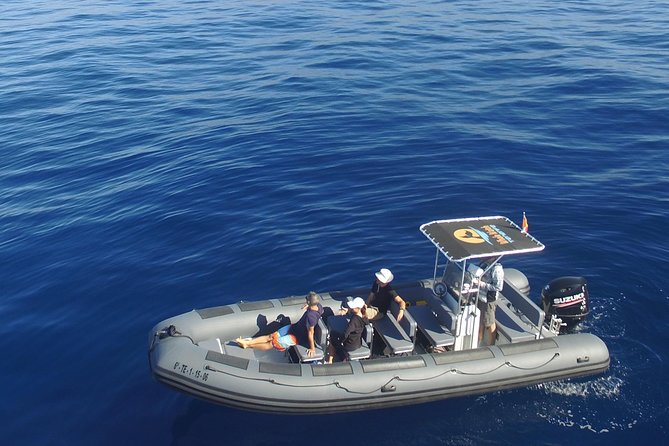
If you’re choosing whale watching in Tenerife, the area matters. This trip heads to the Teno-Rasca Marine Protected Area, and that’s where the “eco” part becomes more than marketing. In protected waters, wildlife tends to spend time feeding, moving through, and surfacing naturally. Your job is to watch well, not chase.
The tour is guided by specialists with a biologist staff focus, so you’re not left guessing. You get live commentary while you search, which helps you understand behavior you might otherwise miss—like how whales and dolphins show up, how groups move, and what different surfacing patterns can mean. Even when sightings are brief, the education layer makes the time feel productive.
One practical upside: because it’s a purpose-built whale-watching operation (not a general sightseeing cruise), you’re more likely to have the routine you want. That includes listening via hydrophone, plus frequent scanning by a team that knows where to look in the marine protected zone.
You can also read our reviews of more whale watching tours in Tenerife
The small RIB boat that changes your sightlines
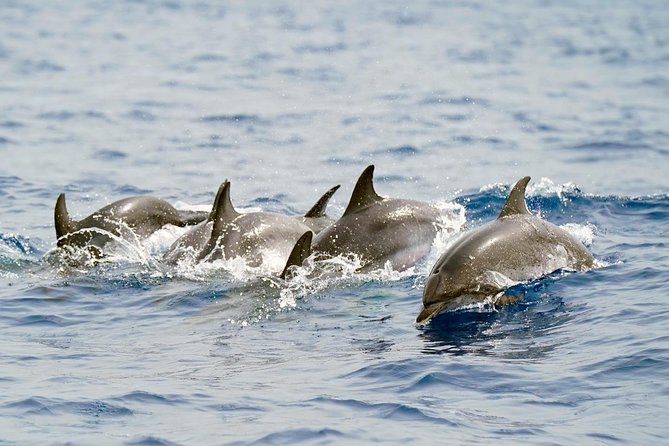
The boat is an 8-meter rigid hull inflatable, and the group is capped at 10. That size affects your entire trip. On a smaller RIB, you’re generally closer to what’s happening on the surface, and you also spread out differently—less crowding, fewer bodies blocking each other’s view.
This matters most for whale watching because you’re often reacting to sudden surface time: a blow, a fin breaking, a pod shifting direction. When the boat is compact and the group count is low, it’s easier to track those moments without constantly turning your head over someone else.
Speed and maneuverability also help in a practical way. When animals move, the guide needs to adjust quickly while still keeping things respectful. A smaller fast boat is built for that job, and it can be the difference between catching the start of a pod’s surfacing pattern and arriving just after they move on.
Hydrophone listening: the sound you can actually hear
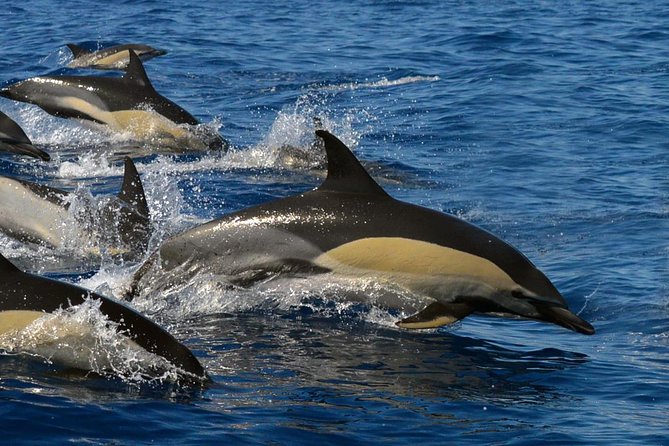
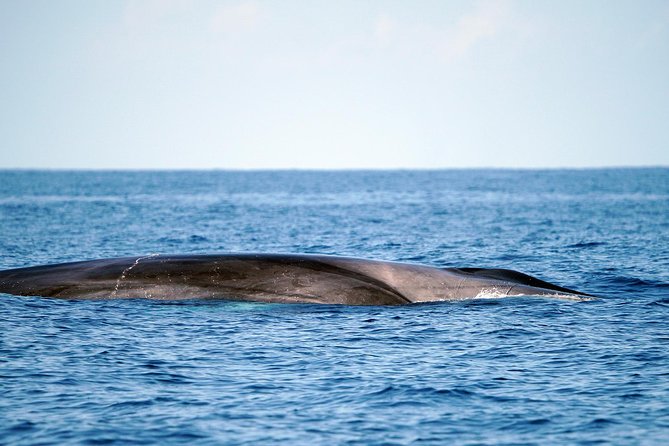
A key feature here is the hydrophone. You listen to whales and dolphins on an underwater microphone during the tour. For first-timers, it’s one of the most memorable additions because you stop relying only on visuals. You may still see plenty—pilot whales and dolphins are the headline—but hearing signals adds another layer of meaning.
It also tends to change how you wait. Instead of feeling stuck during the search, you’re collecting information while you scan. When the team calls out what they’re noticing and you get the hydrophone audio, the ocean stops being background noise and becomes part of the show.
For me, this is where the tour feels most “specialty.” You’re not just paying for wildlife. You’re paying for a way to understand wildlife in real time.
Biologist staff and guides: what you’ll learn on board
This is a biologist-led experience with live commentary on board. Guides speak English and Spanish, which is a big help if you want the explanations to land clearly rather than feel simplified.
From the guide names people mention, you’ll likely hear from people such as Ion and John (and in some cases Monie). What stands out in the way they’re described is not just enthusiasm—it’s practical marine-life focus. People repeatedly talk about learning a lot: which species you’re seeing, what to look for, and how the team approaches wildlife.
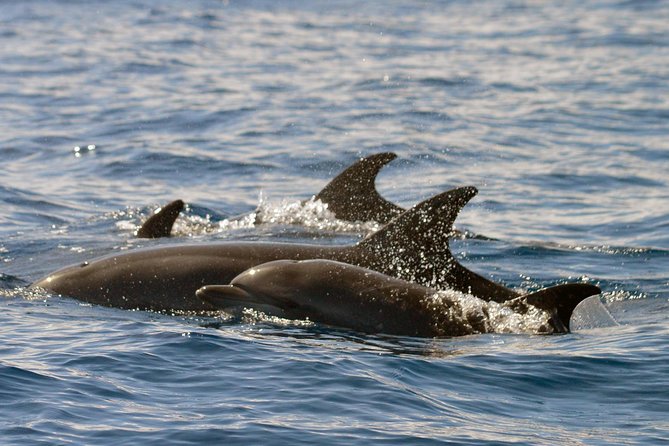
That education piece is valuable because it helps you interpret behavior you might otherwise miss. For example, you can start noticing differences between types of dolphins (people cite bottlenose dolphins and Atlantic spotted dolphins in different sightings) and you can recognize how pilot whales move in pods.
If you care about wildlife conservation or simply want to watch with more awareness, the on-board explanations make the 2 hours feel like more than a boat ride.
The 2-hour loop: what the timing feels like
The tour runs about 2 hours. It’s structured simply: you meet at the marina, head out, explore the protected waters, and return to the same meeting point.
Stop-wise, the heart of the itinerary is the whale watch itself—searching for whales and dolphins with the biologist team guiding you. In practice, the trip feels like a sequence of scanning and repositioning. You’re looking for surface activity, then staying attentive as animals approach the viewing area. When the hydrophone is in play, your attention becomes both visual and auditory.
Also note that this tour works with the reality of ocean time. Wildlife doesn’t follow a schedule. The team’s job is to respond to what’s happening nearby while keeping the interaction respectful and not overstaying in a way that stresses animals. The small group size helps here, because there are fewer people to manage and fewer opinions to juggle when the pod shifts.
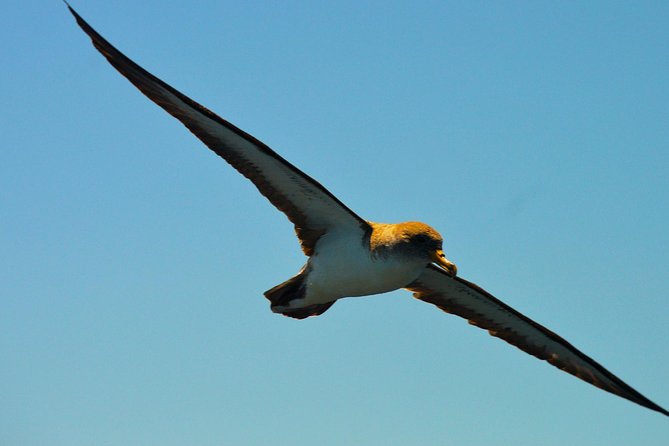
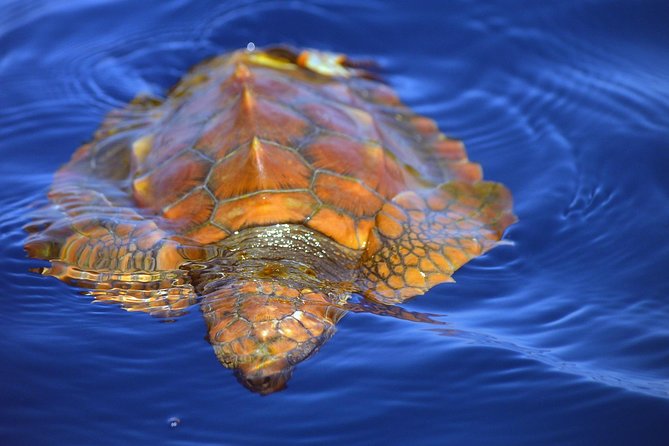
And yes, you can sometimes get bonus sightings. The types mentioned include sea turtles and even Portuguese man of war, plus an occasional surprise like flying fish. Those extras aren’t guaranteed, but they do show the benefit of being in the right waters with an attentive team.

Eco-friendly approach: respect that shows up in how they operate
The tour’s eco-friendly claim isn’t vague. It shows up in the boat choice and in the rules used during sightings: the goal is to avoid harming animals and to keep the encounter low-stress.
A quiet, smaller RIB helps, because it usually creates less pressure than larger, busier boats. But the bigger factor is how the team behaves when they find wildlife. People highlight that the guides work hard to ensure animals aren’t disturbed by getting too close, and that the viewing is done with space and restraint.
It’s also worth calling out the safety and ethics filters. The tour lists guest restrictions such as pregnancy, recent surgeries, and conditions that could be aggravated by a boat outing (back/neck problems, mobility problems). There’s also an infant/young child limit: no children under 3. And there’s a weight limit of over 130kg.
That may sound strict, but it’s part of why the experience stays controlled. Less chaos on board makes it easier for the guide to focus on wildlife handling and for everyone to follow safety rules that protect both people and the marine environment.
What’s included (and what you’ll want to plan yourself)
You’re getting a solid package for the price. Included:
- Live commentary from the biologist staff
- Hydrophone listening (whales and dolphins)
- Free photos of the cetaceans from the tour sent by email
- All local taxes included
Not included:
- Food and drinks (you can bring food and non-alcoholic drinks)
That last point is practical. Two hours on the water is short, but having water and a small snack you’re comfortable with can make you feel more at ease, especially if you’re sensitive to heat in Tenerife’s sun or if your meet time is earlier than expected.
The free photo aspect is also more valuable than it sounds. Whale watching often produces blurry “I saw something” shots on phones. Getting a set of tour photos afterward is a nice way to turn the memory into something you can actually share.
Price and value: is $72.56 worth it
At $72.56 per person for about 2 hours, you’re paying for a specialty operation: small-group RIB, hydrophone listening, and biologist-led interpretation, plus the photo delivery. It’s not the cheapest way to see whales, but it’s also not trying to be the mass-market choice.
Here’s how I’d judge the value:
- You’re not just buying a boat ride. Hydrophone listening and live biology commentary add real meaning.
- You’re buying group control. Max 10 people changes what you actually see and how it feels.
- You get a tangible souvenir. Free cetacean photos sent by email can offset the cost of trying to capture everything yourself.
- Protected-area context. Going into Teno-Rasca gives the trip a purpose beyond searching aimlessly.
Also, it’s typically booked around 14 days in advance on average. If you’re traveling during busier weeks, you may want to book soon to protect your preferred date and time.
Meeting point and getting there without stress
You start at Whale Watch Tenerife, Puerto Colón Marina, at Pantalán number 3 (Costa Adeje, Santa Cruz de Tenerife). The activity ends back at the same meeting point, so you’re not left figuring out what happens afterward.
The meeting point is noted as near public transportation, which is helpful if you’re staying in Costa Adeje without a car. You’ll also use a mobile ticket, which keeps things straightforward if you prefer to keep your plans in your phone.
If you’re coming from a cruise or another part of Tenerife, allow time to get to Costa Adeje and arrive a bit ahead. Whale watching is one of those activities where being late doesn’t help anyone, including the crew trying to keep the schedule aligned with marine conditions.
Who should book this, and who should skip it
This tour fits best if you want:
- A small-group whale watch with better sightlines
- Eco-minded wildlife viewing rather than a big loud chase
- Live education from biologist staff (English and Spanish)
- Hydrophone listening plus free photo memories
It’s also a good pick if you like the idea of learning while you wait, not just standing on deck hoping for luck.
Skip it if you fall under the listed restrictions: infants and children under 3, pregnancy, back or neck problems, mobility problems, recent surgeries, or if you exceed the 130kg limit. Also remember the tour depends on favorable weather conditions, so if you’re traveling on a tight schedule, build in some flexibility.
Should you book Whale Watch Tenerife from Costa Adeje?
Yes, if your top goal is to see pilot whales and dolphins with a calm, respectful approach—and you want more than just a sighting. The combination of hydrophone listening, biologist-led commentary, and a small RIB boat with a max of 10 people is what makes this feel like a specialty outing, not just another cruise.
If your priority is maximum flexibility no matter what, keep in mind the weather dependency. But if you’re okay with the idea that the sea decides the schedule, and you want a more thoughtful whale watching experience in Tenerife, this is the kind of tour you’ll likely feel good about choosing.
FAQ
How long is the whale watching tour?
The tour lasts about 2 hours.
Where does the tour start, and where does it end?
It starts at Whale Watch Tenerife, Puerto Colón Marina, Pantalán Number 3 in Costa Adeje, and it ends back at the same meeting point.
What’s included in the price?
The price includes local taxes, live commentary by biologist staff, hydrophone listening for whales and dolphins, and free cetacean tour photos sent by email.
What language do the guides speak?
Guides speak English and Spanish.
What should I bring if food and drinks aren’t included?
Food and drinks are not included, but you can bring food and non-alcoholic drinks.
What happens if the weather is poor?
The tour depends on favorable weather. If canceled due to poor weather, you’ll be offered an alternative date or a refund.