REVIEW · BARCELONA
Barcelona: Casa Amatller Priority Entry Ticket
Book on GetYourGuide →Operated by Cases Singulars · Bookable on GetYourGuide
Modernist chocolate life, kept in place. This Casa Amatller visit wins me over with its fully conserved interiors and the way the audio explains how the Amatller family and Chocolates Amatller shaped the building’s story. The only real catch: the museum is tightly managed (small groups and special protection rules like shoe covers), so it feels less spontaneous than big walk-in attractions.
What you get for the money is focused access to a standout Modernist home on Passeig de Gràcia, guided through audio and tablet-style interpretation. You’ll move through the lobby, main staircase, and the rooms where the noble family lived—then finish in the shop with an Amatller chocolate selection. If you want the loudest, most theatrical Casa-style spectacle, you may find this one more thoughtful than flashy.
In This Review
- Key things to love about Casa Amatller priority entry
- Casa Amatller on Passeig de Gràcia: why this house matters
- Priority entrance and the 20-person limit: how the visit flows
- Meeting in the Casa Amatller lobby: what to do before you start
- Audio guide with tablet + headphones: the best way to follow the rooms
- Lobby and the main staircase: the moment your eyes know where to go
- The Amatller family rooms: living-in details you’ll actually notice
- The building’s Modernist puzzle pieces: Puig i Cadafalch in context
- Chocolates Amatller: how the tour links industry to home life
- Small-group atmosphere: questions, pacing, and why it feels less rushed
- The chocolate shop finale: turning the visit into a real souvenir
- Price and value: is $21 per person worth it?
- Who should book this Casa Amatller priority ticket
- Should you book Casa Amatller priority entry?
- FAQ
- How long is the Casa Amatller priority entry experience?
- What time slots are available?
- Where do I meet for the tour?
- What’s included with the priority entry ticket?
- Which languages are available for the audio guide?
- Is Casa Amatller wheelchair accessible?
- Are there any dress or footwear rules?
- How many people are allowed per visit?
- Can I cancel and get a refund?
- Can I reserve and pay later?
Key things to love about Casa Amatller priority entry
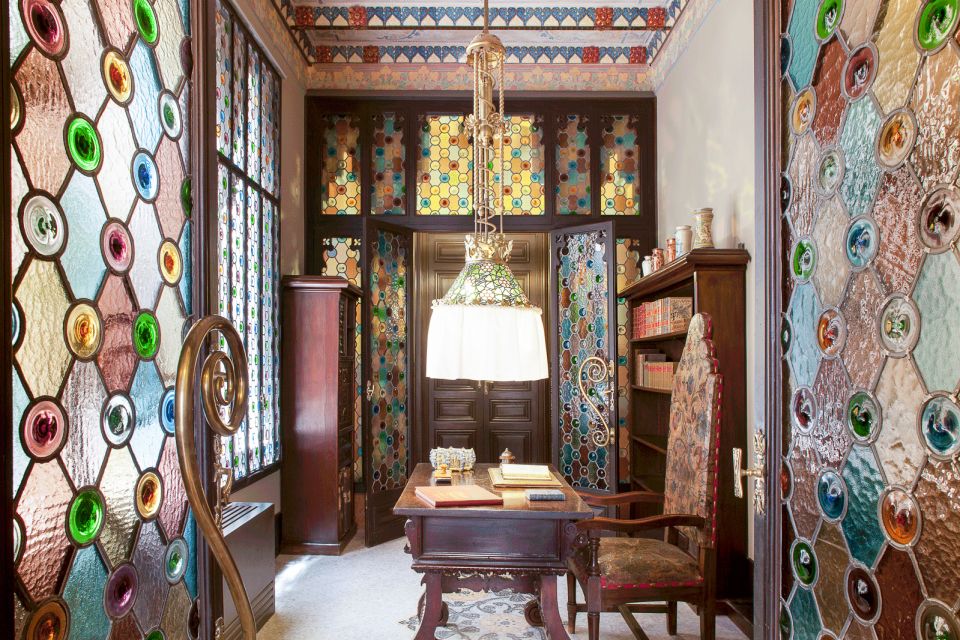
- Fully conserved Modernist house in Barcelona, not a reconstructed or re-themed version
- Priority entrance that saves you time at one of the city’s busiest sight streets
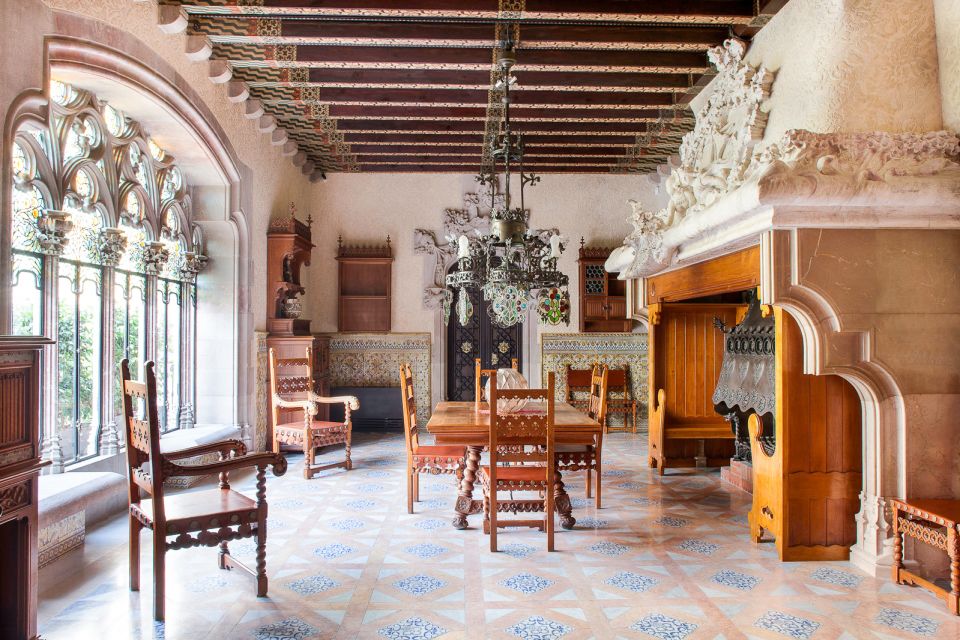
- Original interiors and furniture still in place, designed for the Amatller family’s life
- Chocolate-company context: how the building links to industrial chocolate production
- Small-group feel with a hard cap of 20 people per visit
- End in the chocolate shop for an easy finale (and a practical souvenir)
Casa Amatller on Passeig de Gràcia: why this house matters
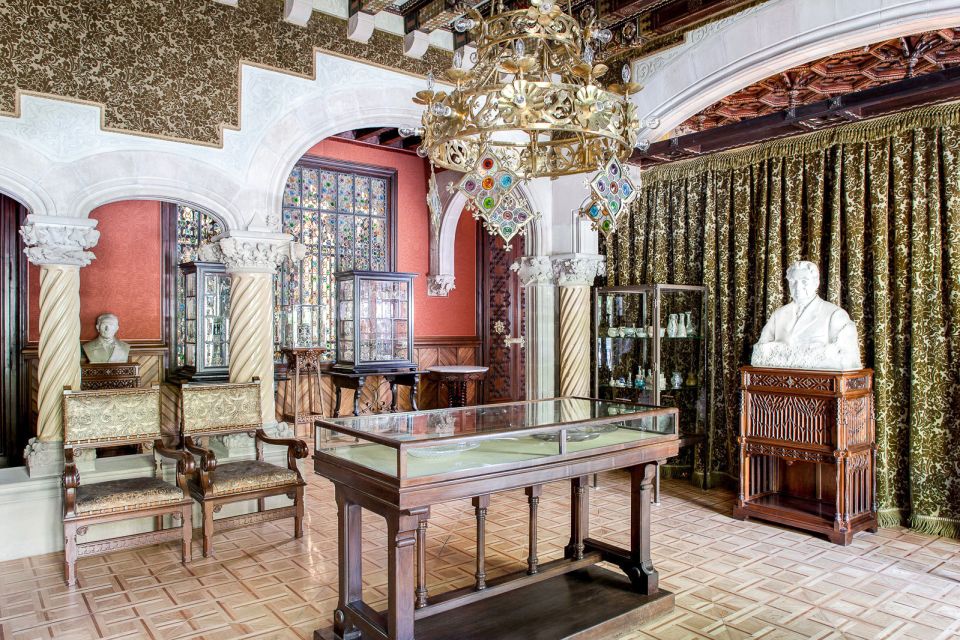
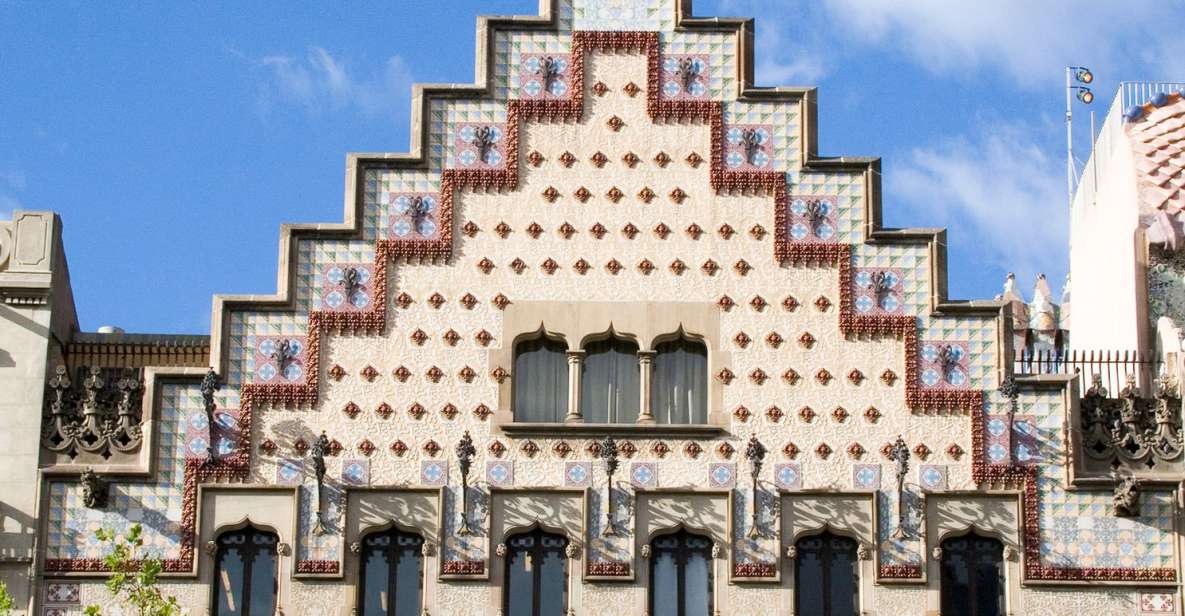
If you’ve been sweeping past Gaudí-style highlights, Casa Amatller is a refreshing change of pace. It’s Modernisme at a human scale: a home designed with personality, kept in good condition, and presented so you understand the owners—not just the façade.
This one is also tied to a specific person and industry. The house was designed in 1898 by architect Puig i Cadafalch for the industrialist chocolatier Amatller Antoni. That matters because the museum isn’t only about pretty rooms. It connects everyday life, status, and the chocolate business in a way that feels practical and easy to follow while you tour.
A few more Barcelona tours and experiences worth a look



Priority entrance and the 20-person limit: how the visit flows
A priority ticket is never just about being first. It usually means less stress when you’re trying to fit sights into Barcelona’s busy afternoons, especially around Passeig de Gràcia. Here, the whole experience is slotted into timed entry windows, with slots every 30 minutes, and entrance is capped at 20 people per visit.
That small limit changes the vibe. You can actually hear the audio, take your time with each room, and read the explanations without constantly dodging foot traffic. If you’ve ever done Modernist house tours where you’re rushed from room to room, this one generally feels more controlled and calmer.
One more practical note: you’ll want to show up for your time slot ready to move. Timed entry works best when you treat it like an appointment, not a casual stop.
Meeting in the Casa Amatller lobby: what to do before you start
You meet in the lobby of Casa Amatller, at Passeig de Gràcia, 41. From there, you’ll get your audio setup and start the house route through headphones.
Two house rules are important because they affect what you wear and how quickly you get inside:
- No entry in high-heel shoes
- You must wear shoe covers to protect the monument
These rules are easy to plan around. If you’re wearing comfortable shoes, you’re already halfway there. And if you’re traveling in dressy footwear, have a backup plan.
The visit is wheelchair accessible, and the info specifically notes lift access for people with reduced mobility. So you’re not forced into stair-only movement, which makes the whole experience more equal for different mobility needs.
Audio guide with tablet + headphones: the best way to follow the rooms
This ticket includes an audioguide with headphones plus added explanations through the on-site setup. The goal is simple: help you understand what you’re looking at, room by room, instead of treating it like a photo stop.
The language options are broad, including Spanish, Catalan, English, French, Italian, Chinese, and Dutch. That’s a big deal in Barcelona, where some sights can feel oddly hard to interpret if your Spanish or Catalan is limited.
You’ll also see photographs and videos showing what the house looked like in historical times. That kind of before-and-after support is one of the easiest ways to make a preserved interior feel alive. Instead of guessing how things once functioned, you get visual context that helps you read the space.
Lobby and the main staircase: the moment your eyes know where to go
The tour route begins with the house’s grand entrance experience: the main staircase in the lobby. This isn’t just a pretty feature. It’s a key to the whole idea of the home—status, movement, and design choices made for daily life and receiving guests.
When you’re standing there, follow the audio narration rather than rushing to the next room. The staircase works as a visual anchor. It tells you how the interior is organized and why certain areas mattered to the Amatller family.
This is where the house feels most “museum,” in a good way. You’re guided to look at the structure and then connect it back to the people and their industrial success.
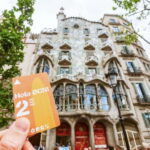

The Amatller family rooms: living-in details you’ll actually notice
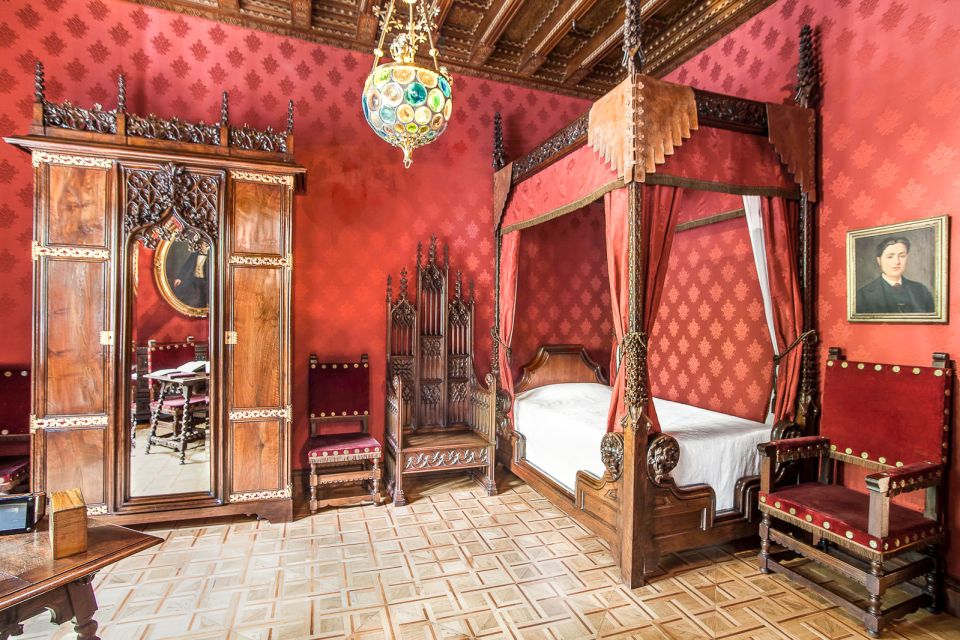
One of the best parts of this visit is that you’re not only touring decorative highlights. You’re shown rooms where the Amatller family lived, with the emphasis on original furniture and decoration.
That phrase—original—matters. Modernist homes sometimes get turned into theme parks, or you see interiors that are partially reworked. Here, the focus is on conserving the original beauty of the house, so the rooms feel like they’re telling you how the place functioned.
As you move through the different spaces, use the audio and tablet explanations like a checklist. The tour is designed to give you context for each section, so you know what to notice: how the room is laid out, what each area suggests about everyday life, and what connects the home to its owners.
The building’s Modernist puzzle pieces: Puig i Cadafalch in context
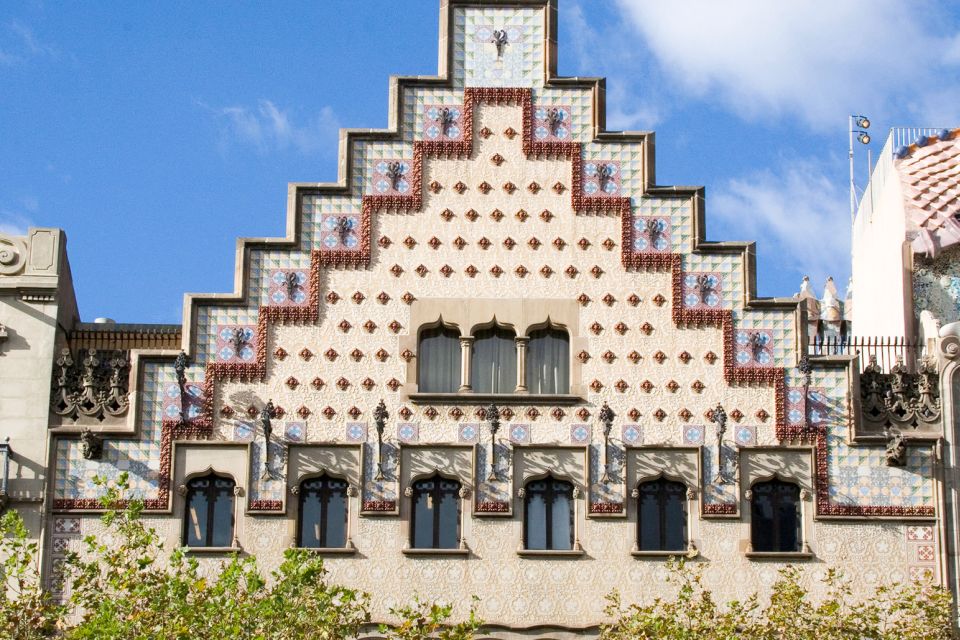
Casa Amatller is credited to architect Puig i Cadafalch, a name that may be familiar if you’ve been studying Barcelona’s Modernisme scene. But even if you don’t know much about him, the museum experience helps you place the house in its broader design era.
The tour’s structure is helpful here. Instead of listing architectural facts, it ties the building back to a real use: it was created for a specific family and tied directly to their chocolate business. That means the house isn’t just an artwork behind glass. It becomes a clue about an industry and a social world.
You’ll also get guided interpretation from an art historian guide. The museum-style explanations are part of what you’re paying for: they turn the house from scenery into understanding.
Chocolates Amatller: how the tour links industry to home life
Here’s where Casa Amatller shifts gears in a way I really like. The museum explains the industrial production methods of the Chocolates Amatller company, so you see how an industrial business influenced the home connected to it.
That connection is what makes this house different from many “pretty rooms only” attractions. You’re not just admiring design—you’re learning how the owners’ work shaped their status and, in turn, their environment at home.
If you like business history but don’t want a lecture, this part is a sweet spot. It explains production in a way that supports the story of the building, not in isolation. You end up with a fuller mental picture of why the house looks the way it does.
Small-group atmosphere: questions, pacing, and why it feels less rushed
The experience is kept intimate by design: entrance is limited to a maximum of 20 people per visit. That helps for reasons you’ll feel immediately: you get time to look at details and ask questions without feeling like you’re competing for space.
The tour includes opportunities to ask your guide questions, and the audio/interpretation setup supports those moments. If you’re curious about something you notice—materials, the layout, or what a particular room says about the Amatller family—this is the kind of place where asking pays off.
Also, the presence of historical photographs and videos means you’re not trapped in “guess mode.” You can compare past and present and then ask how the function of the house may have changed over time.
The chocolate shop finale: turning the visit into a real souvenir
Every Modernist house tour needs a payoff—and Casa Amatller gives you a practical one. The experience ends in the chocolate shop, where you can discover an exclusive selection of Amatller chocolates.
This is a smart finish. You can spend the last part of the visit turning the story into something you take home. It’s also an easy way to avoid the classic problem of leaving a tour and realizing you have no idea what to buy or where to go.
If you’re the kind of person who likes edible souvenirs, this ending is worth planning for. It turns the museum visit into an experience that keeps moving even after you leave the building.
Price and value: is $21 per person worth it?
At about $21 per person, this is not a “cheap add-on,” but it also doesn’t feel overpriced for what you’re getting.
You’re paying for:
- Priority entrance (time saved and less line stress)
- Audio guide + headphones
- A preserved house experience focused on original interiors
- Interpretation that connects the house to the Amatller family and chocolate production
- A small-group format (max 20)
The value is strongest if you care about understanding what you’re seeing. If you prefer fast sightseeing with minimal context, you might not use the audio as well. But if you like tours where the building connects to people and industries, this one is easy to justify.
Who should book this Casa Amatller priority ticket
This is a great match if you:
- Want a Modernist house with original interiors, not just a façade photo stop
- Enjoy explanations that connect art to real life and business (chocolate, production, family)
- Like smaller-group pacing and a calmer atmosphere
- Want a timed experience you can schedule around the rest of your day on Passeig de Gràcia
It’s also ideal if you’re traveling with someone who doesn’t want a marathon itinerary. This is focused and structured, so you can fit it without spending the whole day indoors.
Should you book Casa Amatller priority entry?
Book it if you want a thoughtful Modernist house visit that actually teaches you something. The priority entrance, the conserved interiors, and the chocolate-company context are a strong combo for the price, and the small-group limit helps the experience feel respectful rather than chaotic.
Skip it only if you’re chasing sheer spectacle over interpretation. Casa Amatller doesn’t aim to overwhelm. It aims to explain—through preserved rooms, audio guidance, and a story that links the Amatller family to the industrial side of chocolate.
If that sounds like your kind of visit, this ticket is a smart use of your time in Barcelona.
FAQ
How long is the Casa Amatller priority entry experience?
The ticket is valid for 1 day, and entry is scheduled in time slots.
What time slots are available?
Entrance slots run every 30 minutes, with the house open from 10:00 AM to 7:00 PM.
Where do I meet for the tour?
Meet in the lobby of Casa Amatller, Passeig de Gràcia, 41, Barcelona.
What’s included with the priority entry ticket?
The ticket includes priority entrance to the Casa Amatller house museum plus an audioguide with headphones.
Which languages are available for the audio guide?
The audio guide is available in Spanish, Catalan, English, French, Italian, Chinese, and Dutch.
Is Casa Amatller wheelchair accessible?
Yes. The experience is wheelchair accessible and includes lift access for people with reduced mobility.
Are there any dress or footwear rules?
Yes. Visitors are not allowed entry in high heel shoes, and shoe covers are required to protect the monument.
How many people are allowed per visit?
Entrance is limited to a maximum of 20 people per visit.
Can I cancel and get a refund?
Yes. Free cancellation is available up to 24 hours in advance for a full refund.
Can I reserve and pay later?
Yes. You can reserve now and pay later to keep travel plans flexible.