REVIEW · BARCELONA
Barcelona Gothic Quarter’s Deepest Secrets & Sangria
Book on Viator →Operated by Volarte Tours · Bookable on Viator
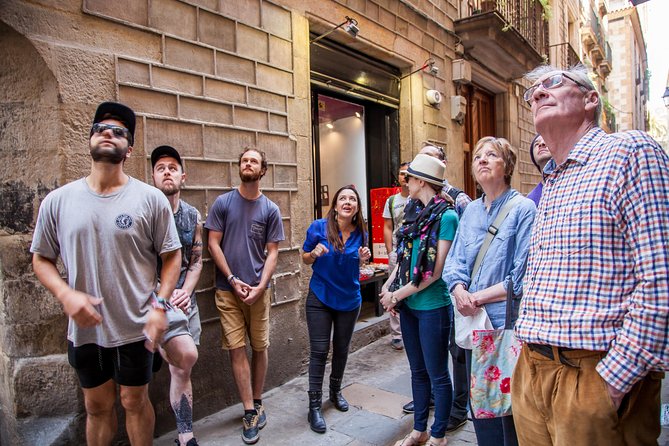
Gothic secrets start with a dark story. This 3-hour tour through Barcelona’s Barri Gòtic mixes big-name sights with lesser-seen corners, then closes with traditional sangria and time to chat. With a maximum of 15 people and an English-speaking guide, it’s built for moving fast and asking questions.
I really like the small group setup. You spend less time stuck behind other groups and more time getting pointed at the exact nooks that make this area feel alive. I also like how the tour doesn’t treat history like a PowerPoint—it connects places like the Barcelona Cathedral area, the Jewish quarter, and Civil War squares to the stories that shaped them.
One thing to consider: parts of the route involve churches/cathedrals where admission isn’t included, so you may need extra planning if you want to go inside. And it is a walking-focused experience, so comfortable shoes matter.
In This Review
- Key highlights worth your time
- Why the Gothic Quarter works best as a guided walk
- From Café Zurich to Port Vell: the route’s smart arc
- The heart of the tour: Barri Gòtic’s layers you can actually spot
- Church and cathedral stops: what’s included vs. what costs extra
- Stop-by-stop flow: the quick hits that help you orient fast
- “Small group” in real life: why it changes the experience
- Sangria at the end: the payoff after the stone-and-stories session
- Is it good value at $65.33 for 3 hours?
- Who this tour suits best (and who might want another plan)
- What you should do to get the most out of it
- Should you book this Gothic Quarter secrets and sangria tour?
- FAQ
- Where does the tour start and where does it end?
- How long is the tour?
- How much does the tour cost?
- What’s included in the price?
- Is the tour in English?
- How big is the group?
- Do I need tickets for the Basilica de Santa Maria del Pi or Barcelona Cathedral?
- Is a mobile ticket provided?
- What is the cancellation policy?
- What happens if the minimum number of travelers isn’t met?
Key highlights worth your time
- Barri Gòtic’s “deepest secrets” approach, with political and social history mixed into the sights
- Max 15 people, which usually means fewer delays and more guide interaction
- English guide with clear local navigation help, helpful in the maze of old streets
- Lots of landmark variety, from cathedral and Roman walls to Jewish quarter references
- Traditional sangria included at the end, so you get a calm finish after the walk
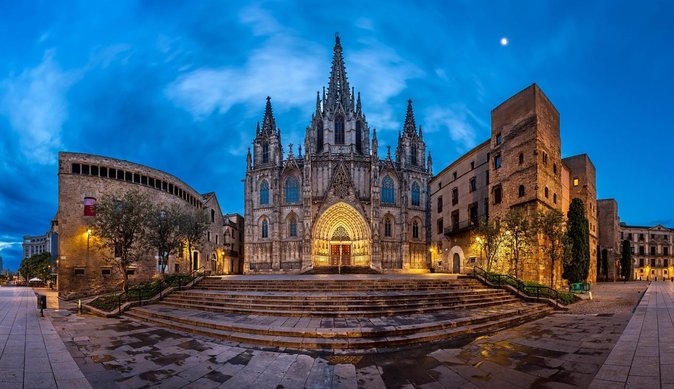
- Two main religious sights may require separate entry (Basilica Santa Maria del Pi and Barcelona Cathedral)
Why the Gothic Quarter works best as a guided walk
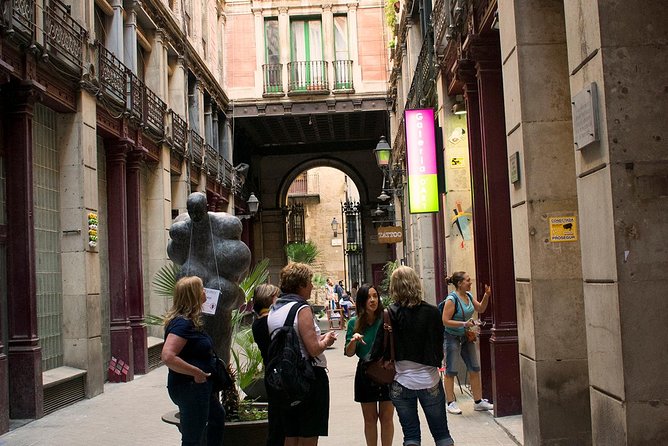
Barcelona’s Gothic Quarter can look like one long postcard. The problem is you can miss the details that make it feel real—street lines, tiny squares, and the hints of older layers under the stone. This tour is designed to help you read the neighborhood instead of just filming it.
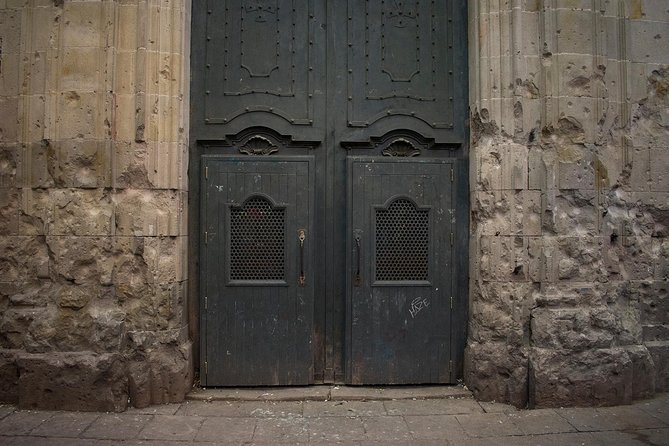
The “secrets” angle is mostly about storytelling. You’ll hear about the Civil War scars in public spaces, connections to Jewish history, and the way Roman and medieval Barcelona sit on top of each other. It’s the kind of talk that makes you slow down without feeling like you’re stuck in a classroom.
And the guide makes a difference. Multiple guides (including people named Juliana, Valentina, Sabrina, and Daniel) show up in strong reviews for energetic, clear narration—and for helping people not get turned around.
You can also read our reviews of more tours and experiences in Barcelona.

From Café Zurich to Port Vell: the route’s smart arc
The tour starts at Café Zurich in Plaça de Catalunya (L’Eixample) and ends near Port Vell in Ciutat Vella. That arc matters because it helps you do two things in one evening: get your bearings early in the Old City, then finish closer to the waterfront.
You also get an easy handoff into the rest of your night. Walking tours often end somewhere central; this one ends near Port Vell, which is a practical springboard for a dinner plan or a relaxed post-walk stroll. If you’re trying to see a lot without feeling rushed, that end point helps.
Because it’s near public transportation, you’re not stuck thinking about how to “escape” the Old City at the end. You can keep your plans flexible.
The heart of the tour: Barri Gòtic’s layers you can actually spot
The main part is a guided walk through the Gothic Quarter with a long, story-driven introduction. Even when you’re moving between landmarks, the guide’s job is to point out what you’re looking at and why it matters.
Here are some of the stops and themes you should expect to see during that core stretch:
Barcelona Cathedral area and nearby squares
You’ll be in the orbit of the cathedral zone and related old-city spaces. The point isn’t just to admire the façade—it’s to understand how the cathedral neighborhood fits into the broader story of the Gothic Quarter and its political shifts. If you’re the type who likes to connect art and architecture to dates and events, you’ll enjoy this pacing.
Roman walls and ancient remnants
Old Barcelona isn’t only medieval. The tour includes references to the Roman walls/ancient Roman ruins, so you can physically grasp the fact that later builders reused space instead of starting from nothing. It’s a good way to make the past feel layered rather than random.
Jewish quarter and synagogue references
You’ll walk through the area tied to the Jewish quarter, including synagogue-related context. This is one of the spots where the stories help you notice what’s easy to overlook when you’re just passing by.
Civil War places: Plaça Sant Felip Neri and George Orwell Square
Two stops in particular focus on the Spanish Civil War. Plaça Sant Felip Neri is explicitly named for its connection to that period, and George Orwell Square (Plaça George Orwell / Plaça Tripi) is tied to the same historical thread. If you’ve read Orwell or you’re curious why places get named and renamed, these are the moments that turn stone into context.
Miro and Picasso-related Barcelona beats
The tour includes references to Joan Miró—including the idea of his place of birth—and an art-school connection where Picasso, Miró, and Dali studied. One of the coolest parts of this section is that it connects the Gothic Quarter (which people often treat like “only old churches”) to modern creativity too. You’ll see how Barcelona’s identity keeps reinventing itself.
Boqueria area + Las Ramblas corridor
Even if you don’t plan to shop or eat there, the tour brings you near major pedestrian lanes like La Rambla and the Boqueria Market area. This helps you understand where the crowds flow and why the neighborhood is so compact. It’s also useful on practical level: you’ll know how to get in and out without turning your walk into a navigation puzzle.
Barceloneta and the port vibe at the end
The route also threads toward Barceloneta and the port. That’s not just scenery—it’s a change in mood after the heavy history stops. Ending nearer the water gives you a natural decompression zone.
Church and cathedral stops: what’s included vs. what costs extra
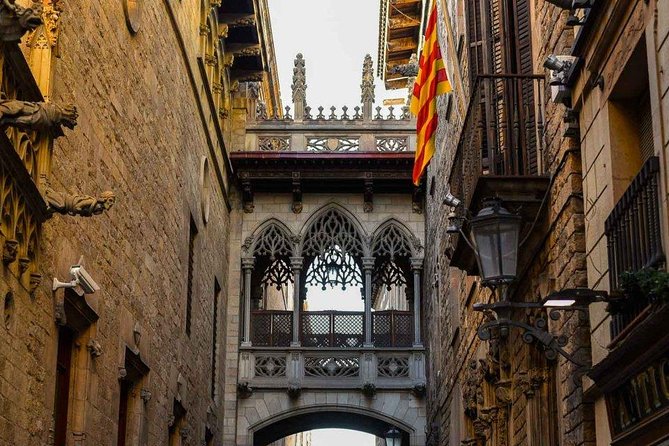
The tour clearly distinguishes between places you’ll pass by for free and two major sights where admission isn’t included:
- Basilica de Santa Maria del Pi (listed as admission not included)
- Barcelona Cathedral (also listed as admission not included)
Practically, this means you should think in two modes during the walk:
1) enjoy the guided route and the story stops without needing to buy a ticket, and
2) decide on the fly if you want to add entry to either of those churches/cathedrals.
If you care a lot about interiors, plan time for that decision before the day gets hectic. If you prefer just street-level atmosphere, you’ll still get plenty because the tour is packed with exterior landmarks and squares.
Stop-by-stop flow: the quick hits that help you orient fast
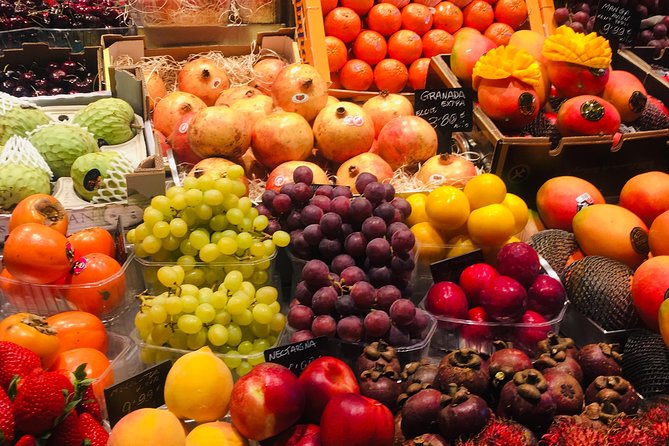
Not every point is a long stop. Some locations are brief, but they still do a job—help you orient and connect the dots as you move.
Here’s how those shorter segments help:
Plaça de Catalunya (meeting + intro)
Starting here gives you a calm base before the narrow streets begin. It’s also a strong choice because it’s easy to reach and easy to understand.
Las Ramblas (short orientation)
A quick stop on La Rambla helps you understand the main artery of the city. It’s useful if you plan to come back later for dining or shopping.
Carrer Petritxol (sweet street energy)
This street is singled out for being one of the sweeter-feeling lanes in Barcelona. It’s the kind of street that looks “just charming” until you notice how it links daily life to the Gothic Quarter’s tourist spine.
Archivo Histórico de la Ciudad de Barcelona + Plaça Sant Jaume
These places add official-city weight to the walk. Archivo Histórico (city archive) keeps the history grounded in records, while Plaça Sant Jaume is explicitly tied to government. Together, they help you see why Barcelona’s political history shows up in public space.
Pailebot Santa Eulàlia reference
You’ll also hear about Pailebot Santa Eulàlia, described in the tour as connected to the tortures of the patron saint. This is another example of the tour leaning into the darker side of local story—stuff you wouldn’t get from only looking at the architecture.

“Small group” in real life: why it changes the experience
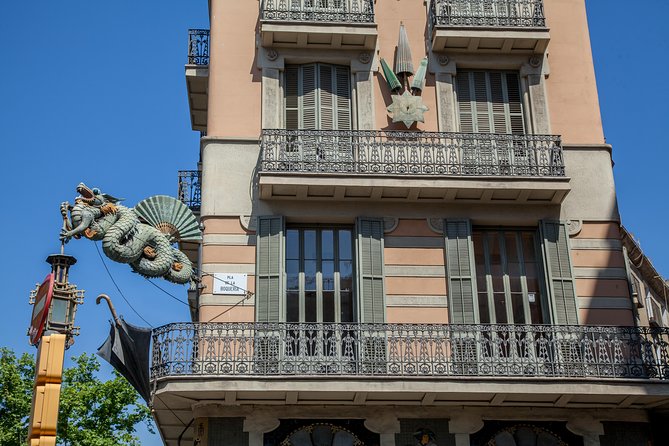
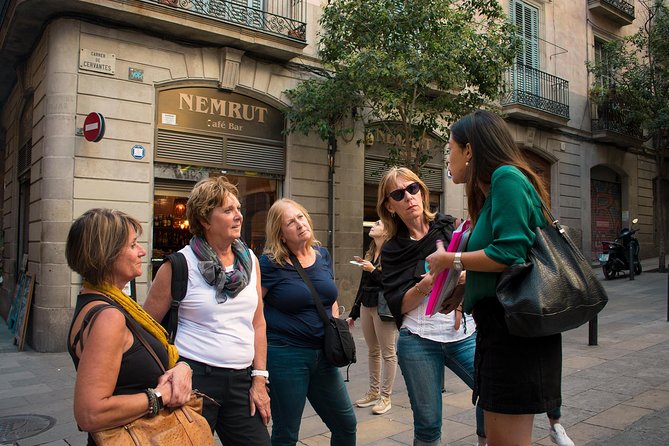
Max 15 people sounds like a number until you’re actually in a tight medieval neighborhood. The difference shows up in how often you can ask questions, how quickly the group can move, and how often you stop to look at something instead of sprinting past it.
Many reviews call out exactly this: a smaller group makes the walk feel more personal, and guides handle navigation better—especially in lanes where it’s easy to lose track of where you came from.
You’ll also likely notice a more relaxed rhythm. Instead of everyone disappearing to self-explore, the guide keeps the story line moving and gives you anchors. That’s ideal on a first visit, when your brain is still building a map.
Sangria at the end: the payoff after the stone-and-stories session
The tour includes traditional sangria as part of the experience wrap-up. That matters more than it sounds. After a walk through squares tied to war, religion, and political change, sangria is a straightforward decompression tool.
It also gives you a chance to ask follow-up questions in a more human setting. In reviews, this part gets praised as a favorite stop, with people mentioning it as one of the best sangria experiences during their stay.
And because it’s at the end near the port area, you get a natural transition. You can keep the conversation going, then drift into dinner plans, a waterfront walk, or just a calmer wander with your new bearings.
Is it good value at $65.33 for 3 hours?
Let’s be practical. At $65.33 per person for about 3 hours, you’re paying for three things:
1) a professional guide,
2) a small group size (max 15), and
3) included sangria.
If you’ve ever tried to replicate a guided route through the Gothic Quarter on your own, you know the real cost is time. With a guide, you’re not just visiting places—you’re getting the “why” fast, including Civil War context and references to Roman, Jewish quarter, and art-school connections.
The only financial wrinkle is entry. Two big religious sights—Basilica Santa Maria del Pi and Barcelona Cathedral—aren’t included. But you can still get a lot out of the walk without buying tickets. If you do want interiors, plan for the extra cost.
Booked about 52 days in advance on average, it’s clearly a popular slot. That usually means the guide quality and format are sticking, and the schedule fills.
Who this tour suits best (and who might want another plan)
This fits you well if you’re:
- visiting Barcelona for the first time and want fast orientation in one compact area
- the type who likes your sightseeing paired with real political and social context
- someone who prefers walking with guidance instead of wandering blind in narrow streets
- traveling as a couple or small group that wants conversation, not a silent museum pace
- bringing kids who enjoy stories (one review specifically notes a son fascinated by the political history)
You might choose a different option if you:
- want only cheerful, scenic stops and prefer to avoid heavy historical topics like the Civil War
- hate walking for long stretches (this is a walk-heavy format)
- only care about cathedral interiors and would rather buy a dedicated entry-focused tour
What you should do to get the most out of it
A few small moves can make this tour click:
- Wear comfortable shoes. The Gothic Quarter rewards slow walking, and this tour is designed for movement.
- Bring a light layer. Old-city evenings can shift in temperature, especially as you near the port.
- If you’re serious about seeing inside the cathedral or Basilica Santa Maria del Pi, decide ahead of time so you don’t feel rushed when the tour pauses near them.
And if the guide mentions smaller, odd details—like how one reviewer describes learning about items and even the presence of 13 geese in a church context—take it as a sign the tour isn’t just about the postcard version. Those are the “you’d miss this alone” moments.
Should you book this Gothic Quarter secrets and sangria tour?
Yes, if you want a smart first-night plan that turns Barcelona’s Gothic Quarter into a readable story instead of a maze of stones. The small group, the mix of Roman + medieval layers, and the explicit Civil War and Jewish-quarter threads make it feel more substantial than a basic highlights walk.
Maybe skip it if you’re only chasing interiors and don’t want to think about separate admission for the Basilica Santa Maria del Pi and Barcelona Cathedral. Also skip—or pair it with something lighter—if darker political history isn’t your thing.
If you’re open to walking, listening, and getting a relaxed sangria finish near the water, this is a solid use of an evening in Barcelona.
FAQ
Where does the tour start and where does it end?
It starts at Café Zurich, Plaça de Catalunya 1 (L’Eixample, 08002 Barcelona) and ends at Port Vell, Ciutat Vella (08039 Barcelona).
How long is the tour?
The duration is about 3 hours.
How much does the tour cost?
The price is $65.33 per person.
What’s included in the price?
A professional guide, small group tour format, and sangria are included.
Is the tour in English?
Yes, it’s offered in English.
How big is the group?
The tour has a maximum of 15 travelers.
Do I need tickets for the Basilica de Santa Maria del Pi or Barcelona Cathedral?
Admission is listed as not included for the Basilica de Santa Maria del Pi and for Barcelona Cathedral, so you may need to pay separately if you want entry.
Is a mobile ticket provided?
Yes, the tour uses a mobile ticket.
What is the cancellation policy?
You can cancel for free up to 24 hours before the experience starts for a full refund. If you cancel less than 24 hours before, you won’t be refunded.
What happens if the minimum number of travelers isn’t met?
If it’s canceled because the minimum isn’t met, you’ll be offered a different date/experience or receive a full refund.