REVIEW · BARCELONA
Barcelona: Olympic and Sport Museum – Sports Experience
Book on GetYourGuide →Operated by Touristcheck - Museu Olimpic · Bookable on GetYourGuide
A sprint against Bolt. A swim lesson from Phelps. All on Montjuïc, in a museum built for people who learn best by doing. I really like how hands-on sports simulators mix with Olympic history, so you get both fun and context.
Two things I especially liked: first, the chance to try athletic challenges like running, swimming technique, cycling practice, and even weightlifting-style sessions. Second, the museum connects sports to the big story of the Olympics, including a permanent look at host cities from Barcelona 1992 to London 2012.
One thing to consider: it is a museum experience that leans interactive, and the Olympic-specific content doesn’t feel equally deep in every corner—so if you’re expecting a massive, detailed Olympic archive, you may want to plan your time well.
In This Review
- Key things to know before you go
- Why the Olympic Museum feels like a sports day trip, not a lecture hall
- Simulator stations: running, swimming, cycling, and weightlifting
- Olympic Games history: host cities you can connect to real places
- Idols space: trophies, milestones, shoe comparisons, and the Samaranch collection
- Paralympic section: history you can feel, not just read
- Temporary exhibitions: included art-and-sport shows with real dates
- Pacing a full day on Montjuïc: what to do first
- Nearby add-on photo stop (if you catch it open)
- Price and value: why around $7 can still feel generous
- Who should go (and who might find it only partly satisfying)
- Should you book the Barcelona Olympic and Sport Museum?
- FAQ
- How long is the Olympic and Sport Museum experience?
- What does the ticket include?
- Is it wheelchair accessible?
- What sports can I expect to see or try?
- Is there a Paralympic section?
- Are unaccompanied minors allowed?
Key things to know before you go
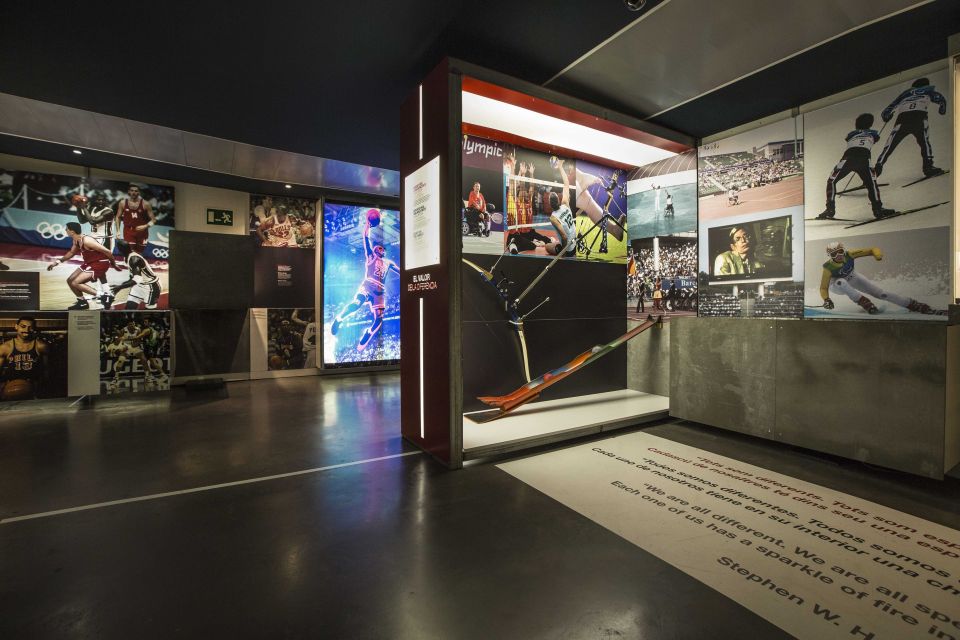
- Simulator challenges let you test skills like sprinting, swimming, cycling, and weightlifting
- Olympic Games context spans multiple host cities, including Barcelona 1992 through London 2012
- Idols space highlights athletes with trophies, milestones, and themed collections (including Samaranch)
- Paralympic history section covers sports like football for blind/visually impaired athletes and wheelchair basketball
- Temporary exhibitions included with your ticket can add a creative arts angle to the day
- Calm atmosphere can make it a more relaxing visit than you’d expect for an Olympic-themed museum
Why the Olympic Museum feels like a sports day trip, not a lecture hall
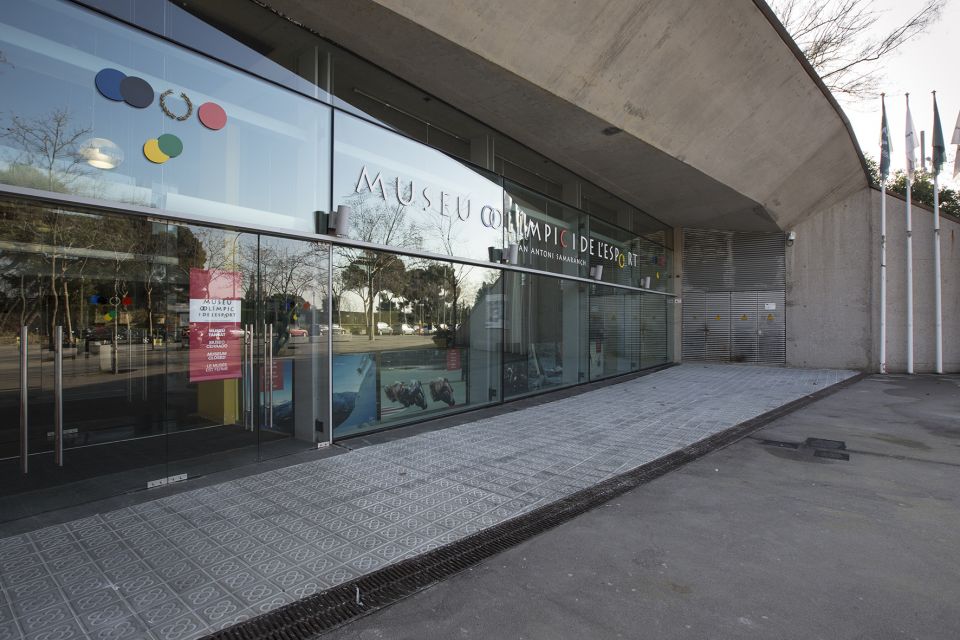
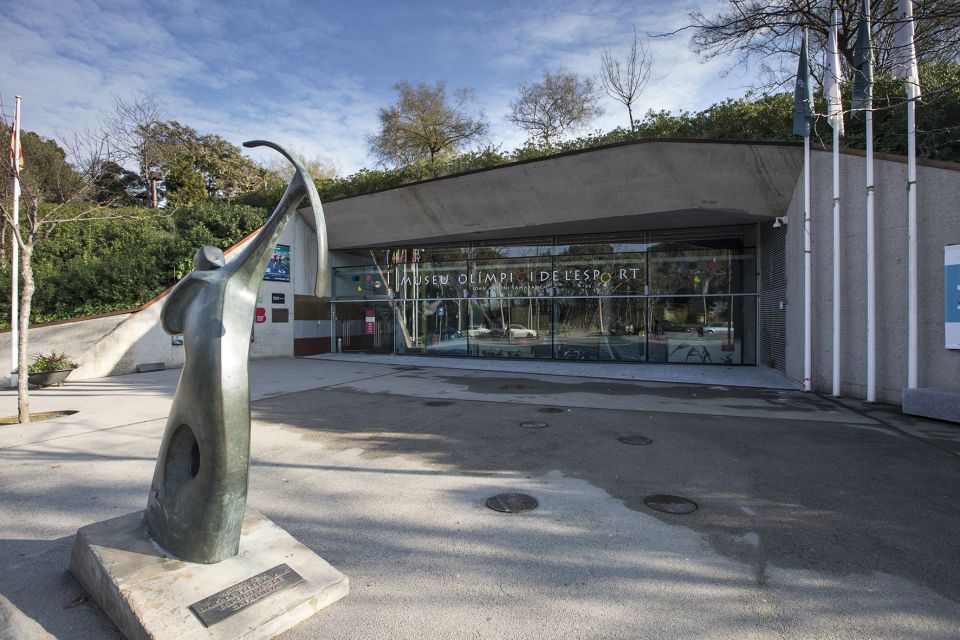
The Olympic and Sport Museum sits on Montjuïc, the hill area where Barcelona likes to store its big views and big institutions. What makes the visit work is the format: it doesn’t rely on walls of text. You move through themed spaces where technology and hands-on stations keep you engaged.
I like that you can come as a sports fan or as a family with mixed interests and still feel like you’re getting your money’s worth. Even if you’re not a die-hard Olympics person, the museum offers a way to connect sports you already know (like tennis or football) to the broader Olympic world.
And yes, it has that calm, not-chaotic feeling that makes it easier to actually try things at your own pace.
You can also read our reviews of more museum experiences in Barcelona


Simulator stations: running, swimming, cycling, and weightlifting
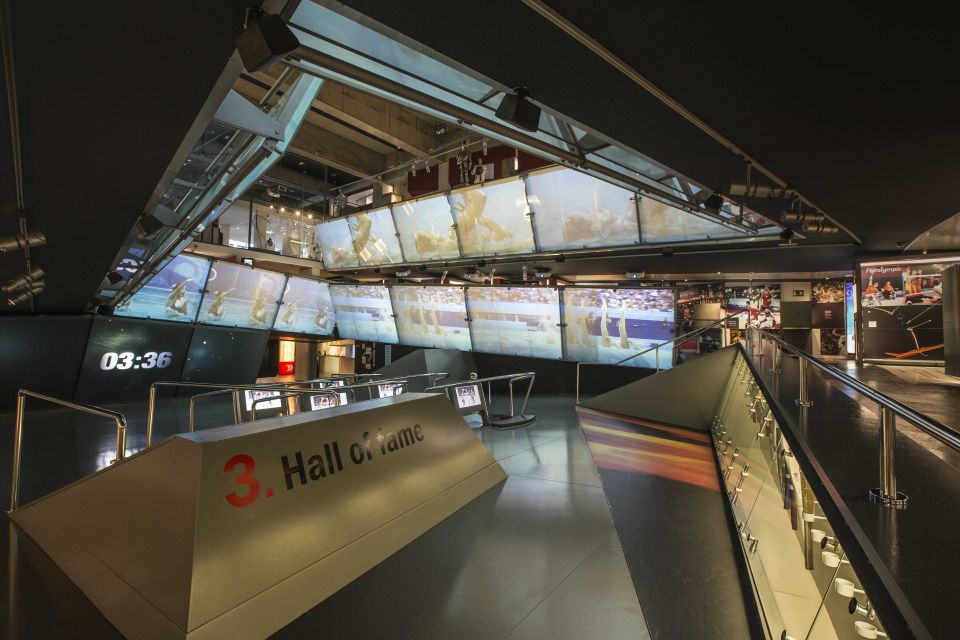
This is the part you’ll remember. The museum uses state-of-the-art technology and interactive exhibitions so you can participate instead of just watching.
You can:
- Run against Carl Lewis or Usain Bolt
- Check out Mark Spitz or Michael Phelps swimming techniques
- Improve your cycling skills through immersive simulator-style practice
- Get a taste of weightlifting using its interactive setup
Even if you’re not naturally “good at sports,” these stations are designed to feel like you’re learning. You’re not just pressing buttons. You’re seeing performance in a way that turns sports stats and technique into something you can experience in minutes, not hours.
Tip for getting the most out of this section: don’t rush. If you’re going with kids or friends, take turns at a few key stations instead of trying to “collect” every activity. The stations are meant to be tried, not speed-run.
Also, the museum doesn’t restrict itself only to Olympic events. It includes both Olympic and non-Olympic sports like football, Formula 1, skiing, cycling, canoeing, and tennis, so you can follow your interests rather than forcing yourself to care only about what’s in the official Olympic program.
Olympic Games history: host cities you can connect to real places
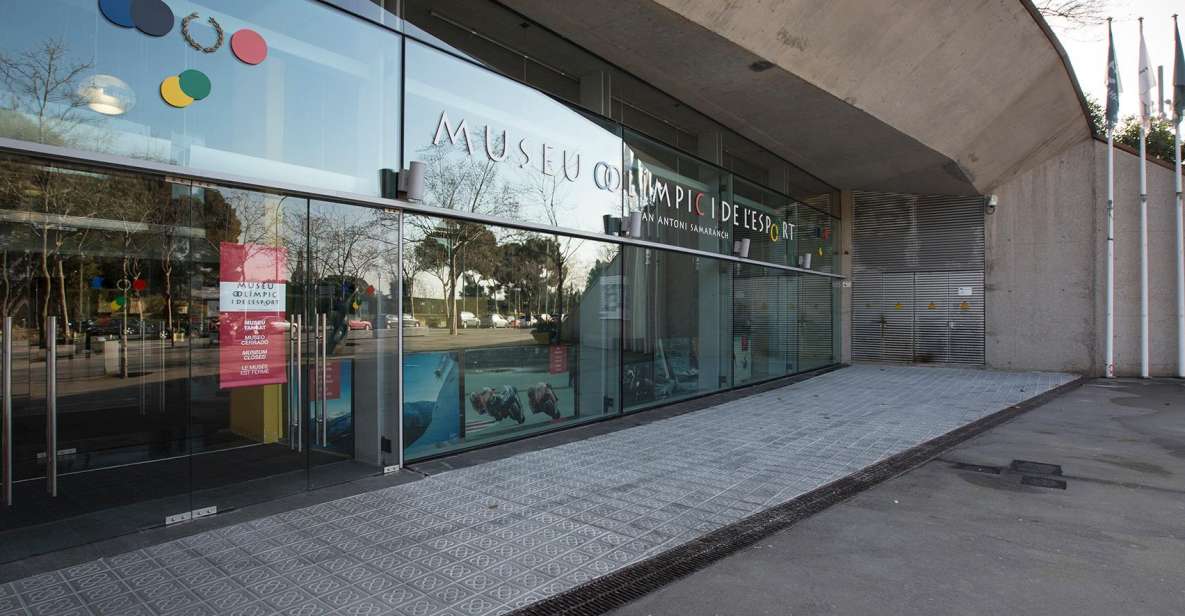
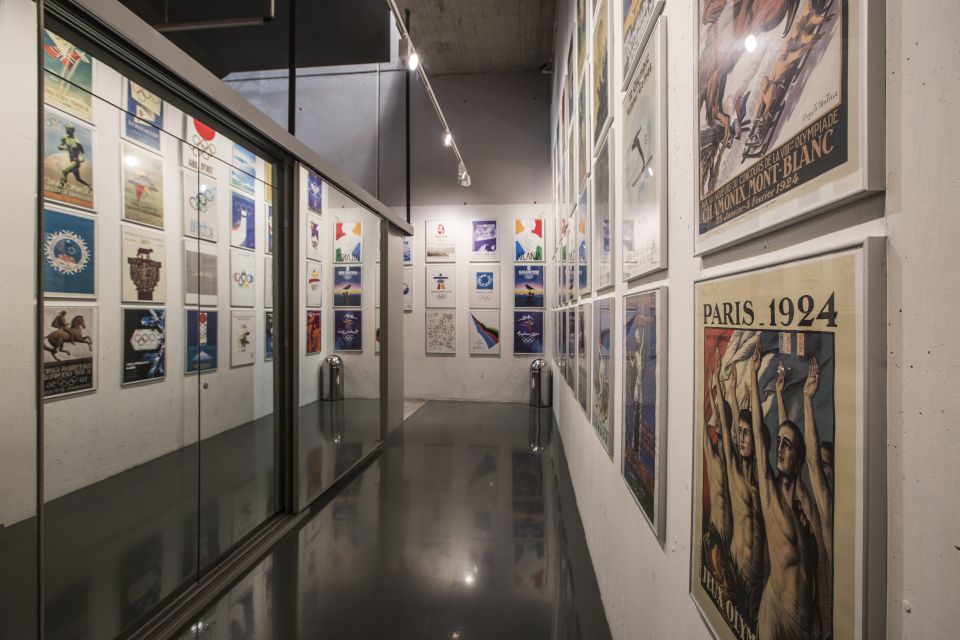
After the sports testing, the museum shifts into “how it all started and where it went.” There’s a permanent exhibition focused on the different host cities of the Olympic Games, from Barcelona 1992 to London 2012.
That range matters. Barcelona 1992 is the anchor point, so you can connect what you’re seeing on Montjuïc to a local Olympic story. Then London 2012 gives you an easy next step to compare how the Games changed over time—without making you sit through a giant timeline display.
What I like about this part is the pacing. It gives you context while you’re still in a sports mindset. You’re thinking about athletes, training, and competition already, so the history section feels like it belongs to the same conversation.
And there’s an added bonus: you can also discover paraphernalia from the Barcelona ’92 games. That kind of specific local material helps the museum feel less generic.
Idols space: trophies, milestones, shoe comparisons, and the Samaranch collection
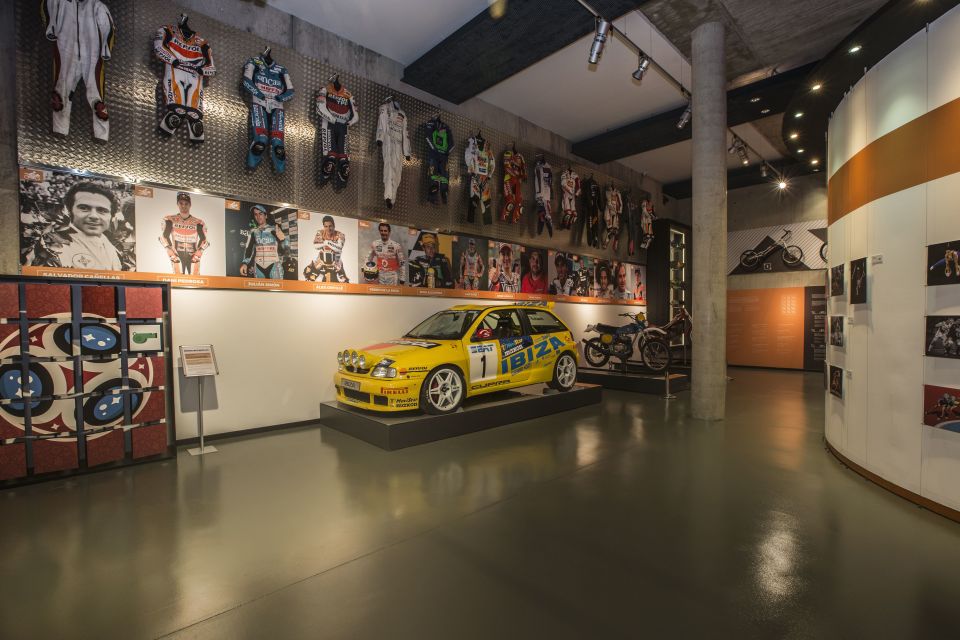
The museum’s Idols space is where sports fandom gets a boost. This is the area built around “the people and the moments” side of the Olympics—trophies, milestones, and elements tied to the best athletes in history.
Here are some highlights you can expect:
- Trophies and milestones connected to top Olympic moments
- A way to compare your shoes with those used by sports legends, including Michael Jordan, Pau Gasol, and Roberto Dueñas
- Time with the Samaranch collection
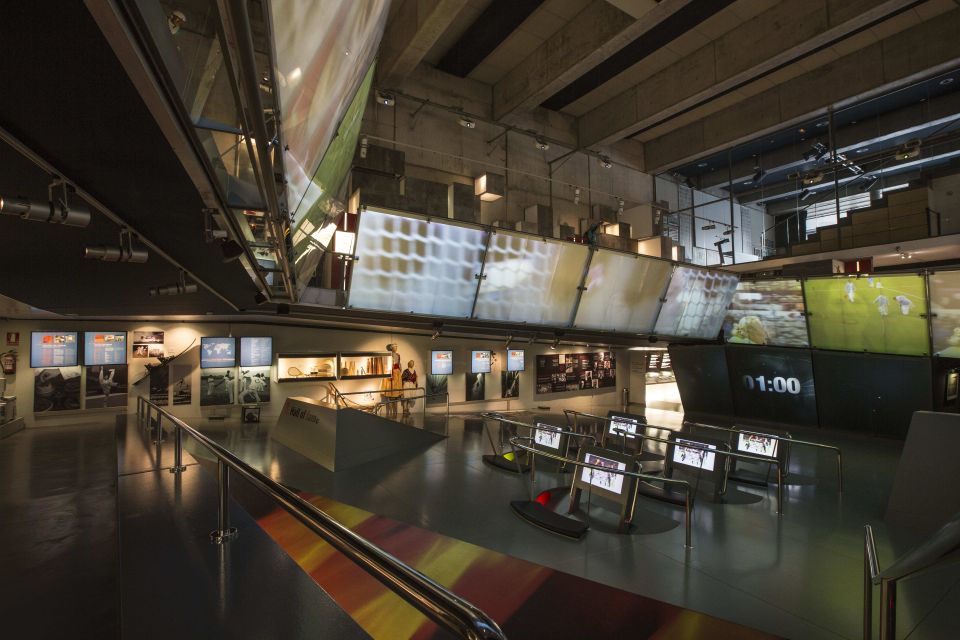
- The chance to enjoy a live sports match experience inside the museum
That shoe comparison detail is a small thing, but it’s smart. It turns athletes from distant icons into something you can imagine in your own everyday world. It’s also the kind of station that works well with families: adults get the nostalgia, kids get the novelty, and nobody has to pretend they’re reading an essay.
And the Samaranch collection adds official Olympic leadership context. If you want to understand the Olympics as an institution—not just the athletes on TV—that collection is the kind of stop that answers the “who runs this world” question.
Paralympic section: history you can feel, not just read
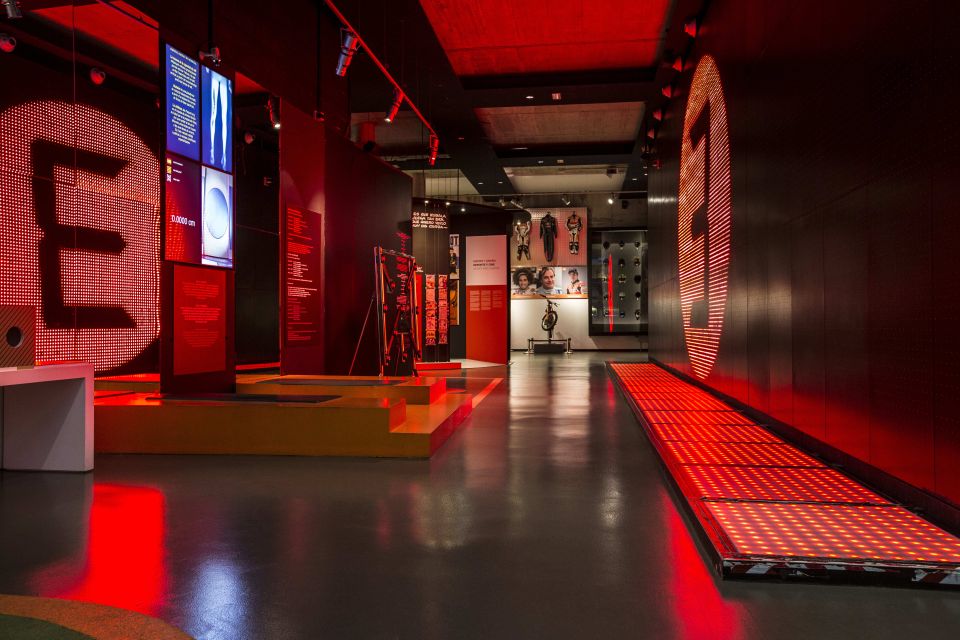
If you care about sport beyond the Olympics, the museum has a dedicated Paralympic section. It’s there to show that competition, innovation, and athletic excellence exist across a wide range of abilities and classifications.
The museum covers Paralympic history, including sports such as:
- Football for the blind and visually impaired
- Wheelchair basketball
This section feels valuable because it’s not treated like an afterthought. It’s part of the museum’s sports story, not tacked on as a side exhibit.
I’d recommend spending a little extra time here if your group includes anyone who’s less interested in the Olympic-only lens. The Paralympic content gives you a different way to measure what sport means: adaptation, skill, strategy, and opportunity.




Temporary exhibitions: included art-and-sport shows with real dates
Your ticket includes temporary exhibitions, so it’s worth checking what’s on during your visit. Two current inclusions are listed:
1) Values and Emotions of the COPLEFC Photography Contest (until January 25, 2026)
This photography contest has been running since 1999 through 26 editions, collecting hundreds of images that focus on values and emotions connected to physical activity and sport in all its forms.
2) XI Barcelona Olympic Foundation International Art on Paper Award (until November 09, 2025)
This one highlights the Barcelona Olympic Foundation’s long connection between art and sport, organized since 2010. The description emphasizes the foundation’s commitment and the number of entries.
If you’re thinking, “Why am I seeing art in a sports museum?”—this is actually a strong pairing. Sports and art share the same raw materials: human movement, emotion, and storytelling. The photography contest is especially likely to land well if you enjoy images that show athletes as people rather than just competitors.
Pacing a full day on Montjuïc: what to do first
This is a 1-day museum experience. That doesn’t mean you need to rush, though. It means you can shape the day around your energy level.
Here’s the order I’d use if you want a smooth visit:
1) Start with the interactive sports simulators while you’re fresh.
2) Then go to the Olympic history / host city section so everything you tried has a timeline context.
3) Move into Idols for athlete-focused collections and the shoe comparison moment.
4) Don’t skip Paralympics—plan it as a meaningful stop, not a quick scan.
5) Finish with the temporary exhibitions, especially if you want a slower, more reflective ending.
A practical tip: the museum experience can feel quiet and low-pressure, which is great for trying stations and watching demos without fighting a crowd. If you have a flexible schedule in Barcelona, aim to go when your group is least likely to feel rushed.
Nearby add-on photo stop (if you catch it open)
There’s a stadium nearby on Montjuïc that you can often use for photos and views if it happens to be open. It’s not described as a required part of the museum visit, but it can work as a natural “walk-out-and-look-around” add-on if your timing lines up.
Price and value: why around $7 can still feel generous
At about $7 per person, this museum is priced like a budget-friendly ticket, not a “splurge” attraction. For that money, you’re getting multiple layers:
- interactive sports stations (running, swimming technique, cycling, weightlifting)
- Olympic and non-Olympic sport coverage (including tennis, canoeing, and Formula 1)
- permanent Olympic context (host cities from Barcelona 1992 to London 2012, plus Barcelona ’92 items)
- Paralympic history
- included temporary exhibitions with arts and photography content
- Wi-Fi and toilets included, which sounds basic but matters for a smooth day
Value-wise, the big win is that you don’t have to “already be into everything.” The museum covers enough different sports and themes that you can build your own mini itinerary.
If you’re traveling in Barcelona with limited time and want something that doesn’t depend on weather, this fits well. It’s also a smart option when your group wants to do one “Barcelona culture” thing plus a “hands-on” thing.
Who should go (and who might find it only partly satisfying)
Go if you:
- want an interactive museum that works for kids and adults
- like sports and want a mix of competition plus Olympic context
- enjoy stations that let you try skills (even at a playful level)
- want Paralympic representation alongside the Olympic story
- also like art/photography when it connects to human stories
You might consider skipping or adjusting expectations if:
- you’re looking for a deep, highly detailed Olympic archive in every category
- you want a huge amount of Olympic-only video or documentation (the museum is built more around experiences than raw footage)
That said, even with that limitation, the combination of simulators, athletes, and the Paralympic and art elements gives you a lot to do for a modest ticket price.
Should you book the Barcelona Olympic and Sport Museum?
Yes, I’d book it if you want a practical, enjoyable stop on Montjuïc that feels active rather than passive. The simulators are the headline, but the museum’s real strength is balance: sports play plus Olympic context, then Paralympics, then temporary exhibitions that add an emotional and artistic layer.
If your group includes people who don’t all agree on what to do, this is one of those rare museums where the interests overlap naturally.
FAQ
How long is the Olympic and Sport Museum experience?
The ticket is valid for 1 day, and you can enter at a starting time shown when you check availability.
What does the ticket include?
The ticket includes entrance, Wi-Fi, and toilets. It also includes the temporary exhibitions currently listed.
Is it wheelchair accessible?
Yes, it is wheelchair accessible.
What sports can I expect to see or try?
The museum covers Olympic and non-Olympic sports, and you’ll find interactive stations tied to running, swimming technique, cycling skills, and weightlifting, plus other sports like football, Formula 1, skiing, canoeing, and tennis.
Is there a Paralympic section?
Yes. There is a special paralympic section covering sports including football for the blind/visually impaired and wheelchair basketball.
Are unaccompanied minors allowed?
No. Unaccompanied minors are not allowed.
If you want, tell me your travel dates and whether you’re going with kids. I’ll suggest an efficient “do-this-first” plan around the temporary exhibitions that match your visit.