REVIEW · BARCELONA
Barcelona: PADI Discover Scuba Diving
Book on GetYourGuide →Operated by iDive Barcelona Diving School · Bookable on GetYourGuide
Underwater calm starts with a patient instructor. This 2-hour PADI Discover Scuba try-out in Barcelona is built for first-timers, with step-by-step scuba coaching and plenty of time to get comfortable. I especially like that you learn the setup and communication before you go underwater, and that you leave with instructor-captured photo and video keepsakes.
You’ll also like the beginner pacing. The team breaks the experience down in small chunks, and you can spend extra time on each skill until you feel ready.
One consideration: your time underwater is typically about an hour, depending on your breathing and comfort level, so you may wish it lasted longer.
In This Review
- Key Points at a Glance
- What This Barcelona Scuba Try-Out Is Really Like
- The 35-Minute Briefing: Gear, Signals, and Ear-Pressure Reality
- Fitting Up: Wetsuit, Boots, and That First Contact With Gear
- Your Underwater Time: About an Hour, Air, and Breathing Speed
- Marine Life Near Barcelona: What You Might See (and When You Might Not)
- Photos and Video: The Souvenir Part You’ll Want to Plan For
- Price and Value: Why $81 Can Make Sense for First-Timers
- Scheduling, Arrival, and the Little Rules That Matter
- Who Should Book This (and Who Should Not)
- Quick Practical Tips to Make Your Session Easier
- Should You Book This in Barcelona?
- FAQ
- What is included in the Barcelona PADI Discover Scuba experience?
- What do I need to bring with me?
- How long does the experience last?
- How long will I be underwater?
- Are there medical conditions that make this activity unsuitable?
- Do I need to arrive early?
Key Points at a Glance
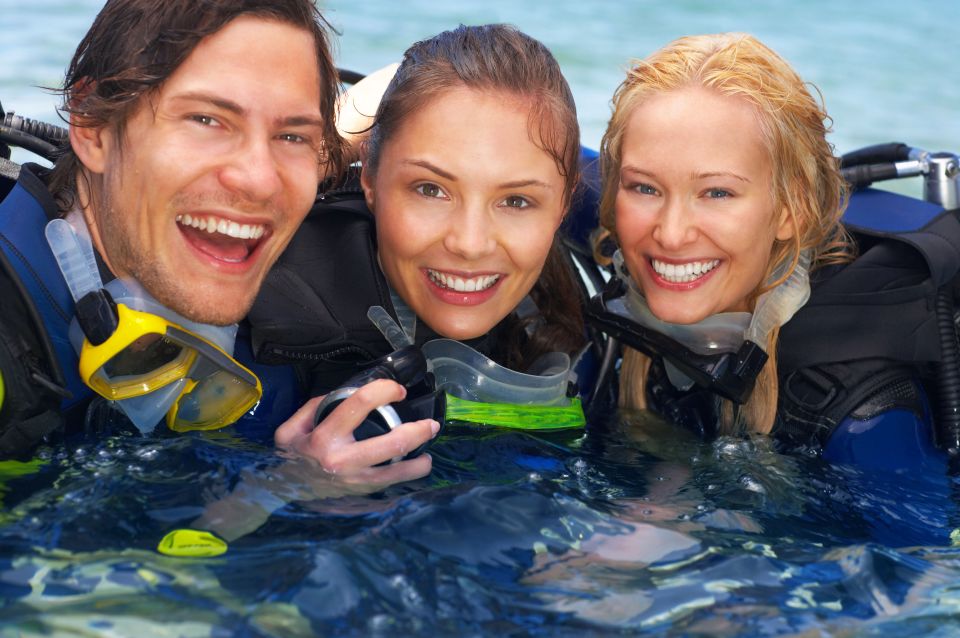
- Beginner-first structure: about 35 minutes of briefing before you enter the water
- Beach start helps your ears: you have more time to adjust to pressure
- Small group (max 6): more attention, less waiting around
- Multilingual instructors: Spanish, English, French, Italian, and Catalan
- You get souvenirs: video or photos captured during the experience
- Real safety limits: not suitable for various ear, lung, heart, and medical conditions
What This Barcelona Scuba Try-Out Is Really Like
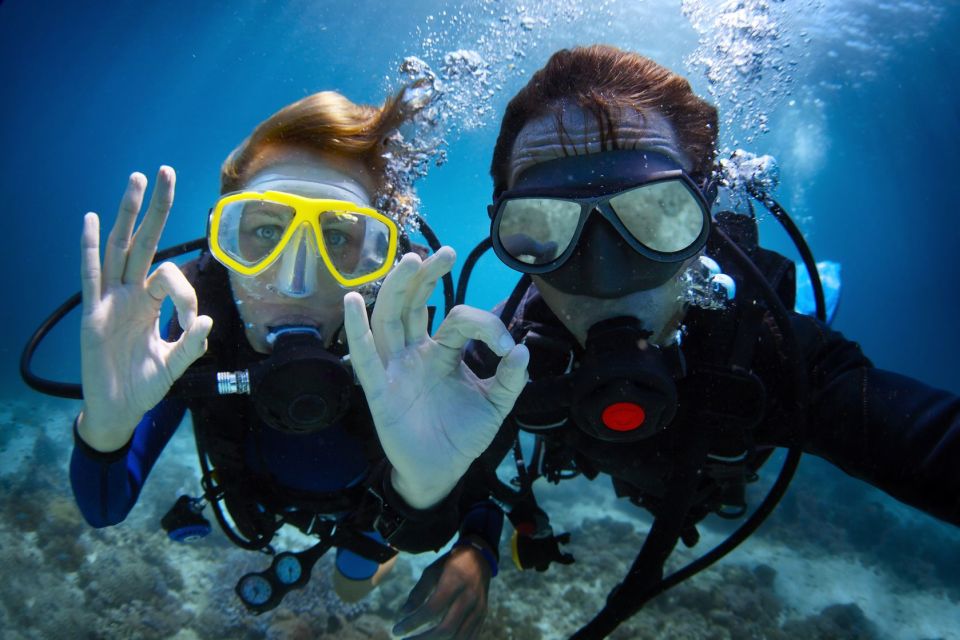
This is an honest first-timer experience, not a stunt. You’re learning how to use scuba gear, how to breathe with a regulator, and how to communicate with hand signals—under close instructor guidance. The whole point is to reduce the scary unknowns, so you can focus on what your body is doing in the water.
What makes it work (and why it scores well) is the calm tone and the way the team handles anxiety. Names that pop up in feedback include Pau, Lucas, Alex, Pol, Mitchell, Wanda, and Armando, and the common thread is that instructors stay reassuring and patient when something feels awkward.
If you’re the type who worries about messing up, this setup is a big deal. You’ll practice before your head goes underwater, and you’ll go at your own pace while the instructor stays close.
You can also read our reviews of more scuba diving tours in Barcelona
The 35-Minute Briefing: Gear, Signals, and Ear-Pressure Reality
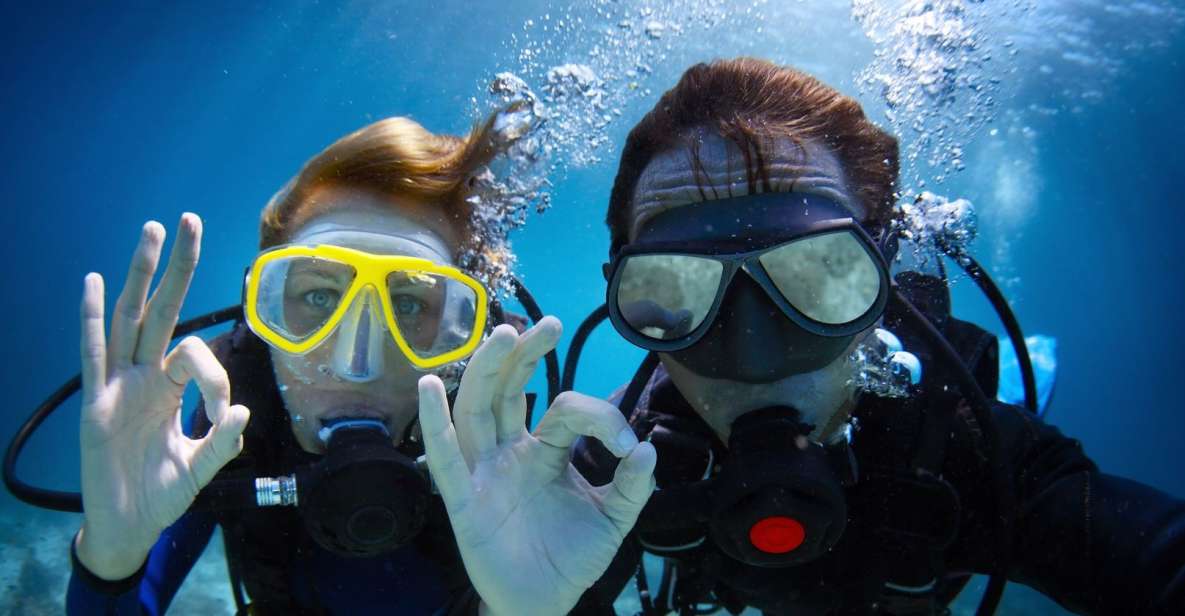
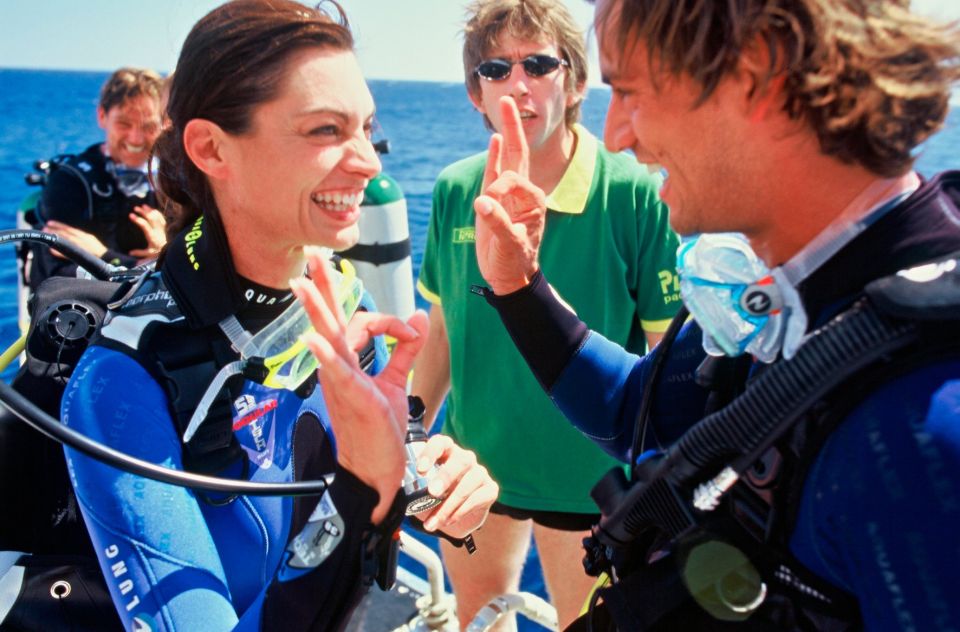
Plan for the first part to be mostly learning. The experience starts with roughly the first 35 minutes of briefing, where the instructor explains how the equipment works and what to do once you’re in the water. You’ll also practice underwater communication using hand signals, so there’s no guessing when you need to adjust or slow down.
This is where the experience feels most “worth it.” A lot of first-timer disappointment comes from people going in blind—then panicking when breathing or buoyancy feels unfamiliar. Here, you’re given a script before you’re asked to perform it.
They also factor in comfort for pressure in your ears. Starting from the beach gives you more time to get your body ready for pressure changes, which can make the whole process less stressful—especially if you’ve never equalized before.
Fitting Up: Wetsuit, Boots, and That First Contact With Gear
After the briefing, you’ll get fitted in the wetsuit and boots in the changing room. This part matters more than it sounds, because correct fit helps you control your buoyancy and move without fighting the gear.
Then you head to the water, where the instructor runs the experience step by step. You’re not just thrown in and told to swim around. Expect practice moments that let you feel the equipment, learn how to breathe comfortably, and understand what to do with your hands and body.
One smart detail: you get plenty of time to get used to each skill. That pacing shows up again and again in the kind of feedback people share—many mention feeling safe and relaxed as a beginner, and that the instruction helped them trust what their body is doing.
Your Underwater Time: About an Hour, Air, and Breathing Speed
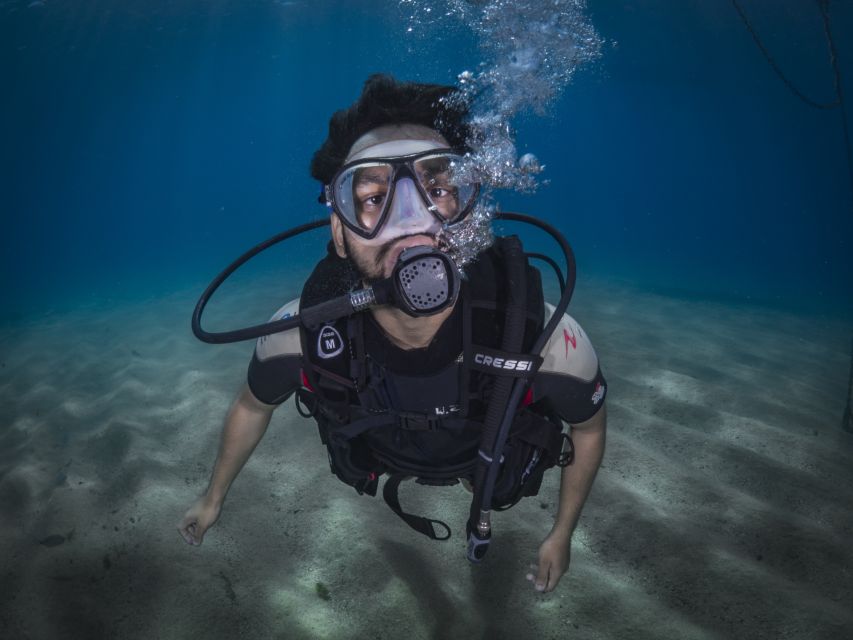
In general, you can stay underwater for about an hour. The catch is the obvious one: it depends on you. If you breathe faster, you’ll go through your tank air sooner—so the instructor’s job is also to help you slow your breathing and stay calm.
This is why the team’s nervous-system support shows up in reviews. People describe having trouble regulating at first, and the instructors staying with them to rebuild confidence. You don’t need to be fearless; you need to be teachable.
Also, expect your guides to capture photos and video during the experience. You don’t have to juggle a phone or worry about missing the view while you’re learning. Your job is to follow instruction and enjoy the moment.
Marine Life Near Barcelona: What You Might See (and When You Might Not)
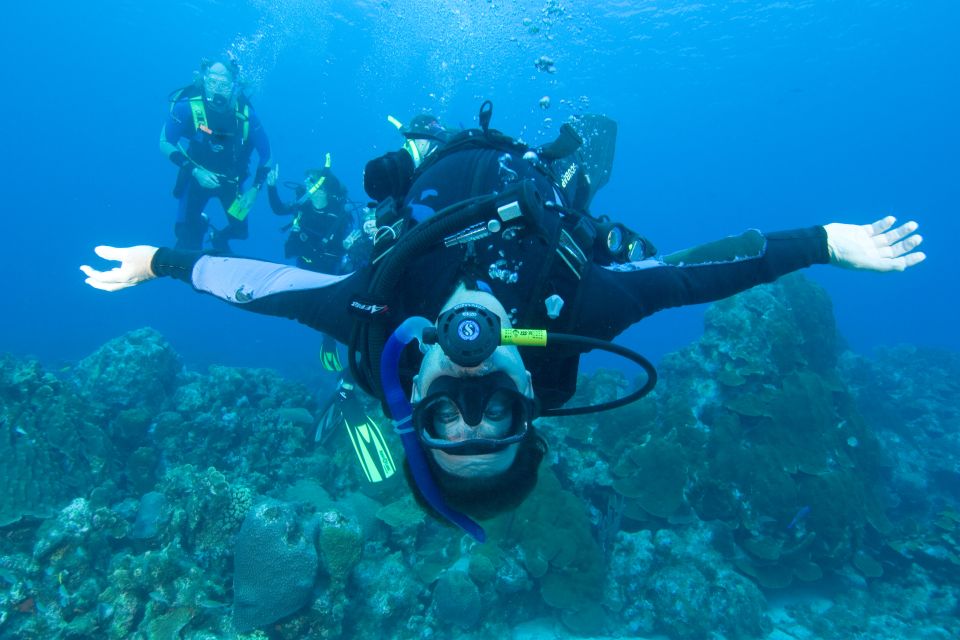
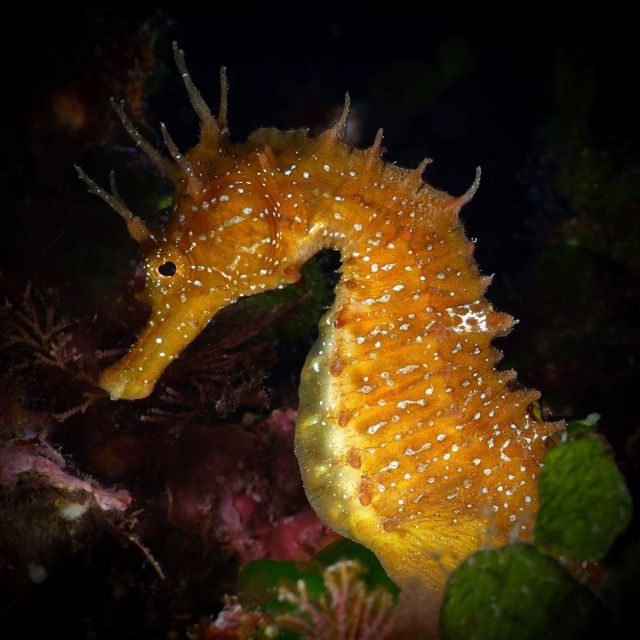
The underwater world you’ll see is part sightseeing, part science lesson, part “wow, so that’s how it works.” Many first-timers mention seeing octopus (including an octopus tentacle appearing from hiding), colorful fish, crustaceans, and even bigger sightings like a sting ray.
You may also notice that underwater visibility can vary. A couple of people mention it being murky at times, which is normal for many coastal spots. If visibility is less-than-perfect, you can still have a great time by focusing on close-range observation—hand signals, buoyancy control, and watching for movement near rocks and structures.
Think of it like this: you’re not guaranteed a specific animal every second. But you are guaranteed a guided experience where the instructor helps you notice what’s there, even if the view isn’t Instagram-clear.






Photos and Video: The Souvenir Part You’ll Want to Plan For
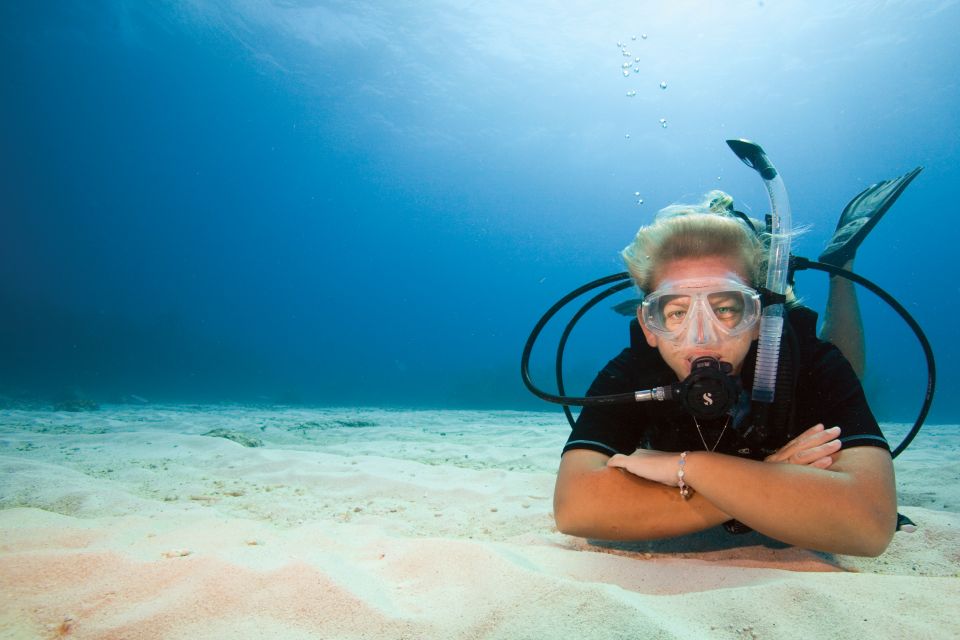
The included keepsakes are video or photos from your time underwater. This is one of the best value elements for beginners because you can enjoy the experience without trying to manage anything else.
That said, there’s one practical snag to be aware of. One review notes that photos and videos weren’t received, which suggests you should double-check delivery details on your end during or after your session. If media is a must-have for you, I’d be ready to follow up promptly if it doesn’t show up.
Also remember you’ll need a phone for digital registration. The activity requires that per-person digital step, and the team won’t be able to process everything without your device.
Price and Value: Why $81 Can Make Sense for First-Timers
At about $81 per person for a 2-hour experience, the best way to judge value is by what you avoid needing to buy or arrange yourself. You get scuba equipment, scuba insurance, an instructor, and the photo or video souvenir package.
For a first-timer, the “cost” isn’t just money. It’s also time, effort, and gear logistics. Here, the gear is provided, you get taught how to use it, and you’re guided through the learning curve in a controlled way. That’s often more valuable than people expect when they’re comparing prices.
You’re also getting a small group format with a limit of 6 participants, which usually means more attention when you need it. If you’re someone who learns better with steady coaching (or you get nervous), that smaller group can be worth a lot.
Scheduling, Arrival, and the Little Rules That Matter
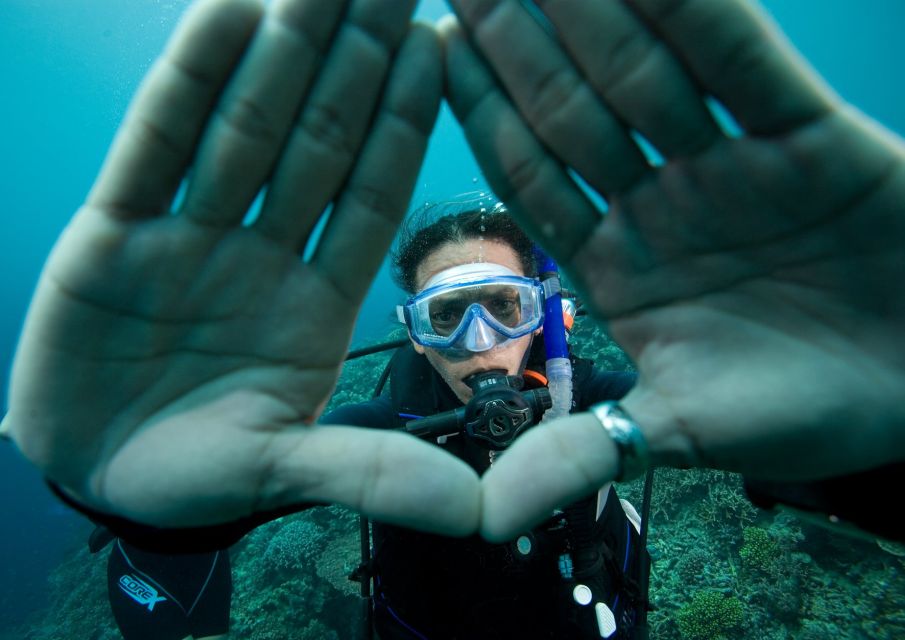
This session runs for 2 hours, but you should treat arrival time as part of the plan. You must arrive 15 minutes before the starting time. If you show up late, you won’t be allowed to participate, and there’s no refund or rescheduling due to late arrival.
The meeting point is in a private area. You’ll go until you reach the fence with the logo, then call the provided phone number or wait until a guide arrives to let you access the area.
One more rule you’ll want to follow: you must not fly within 12 hours after the tour. This is important for how your body responds after scuba exposure, and it’s a simple one to plan around if you’ve got a flight later the same day.
Who Should Book This (and Who Should Not)
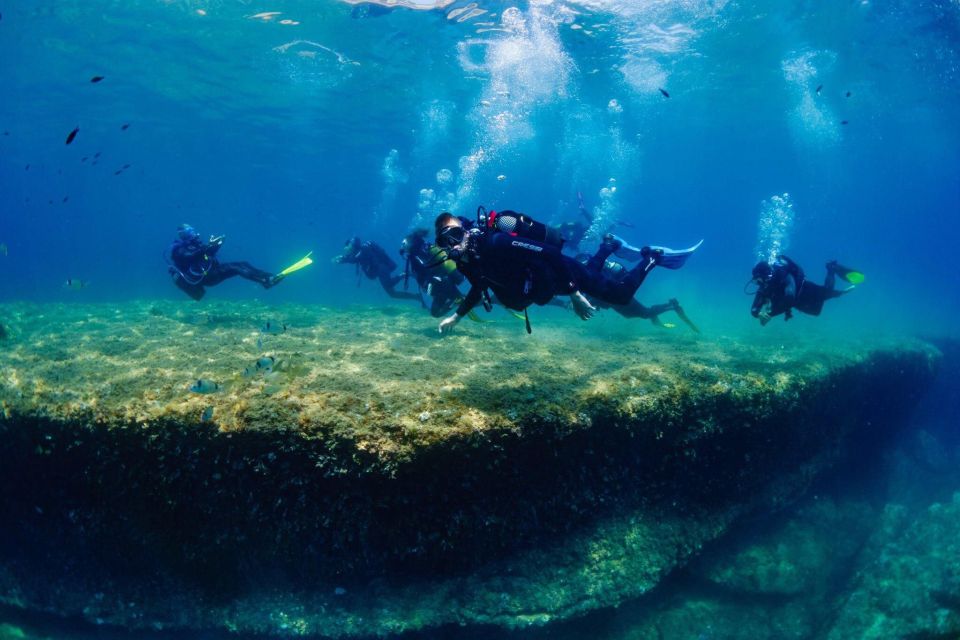
This experience is designed for scuba beginners, and many people in feedback describe it as calm, supportive, and confidence-building. If you’ve never worn scuba gear, if breathing feels intimidating, or if you want structured help from the first minute, this format is a strong fit.
But it’s not for everyone. You must be in good health and not taking prescription medications. It’s not suitable if you have ear or lung issues, heart problems, diabetes, asthma, stomach or intestine problems, back problems like hernia, or neurologic injury or disease. Pregnant women are also not suitable.
If you’re unsure, treat the medical restrictions as non-negotiable. For this kind of activity, it’s better to ask questions upfront than to hope it’ll be fine once you’re on-site.
Quick Practical Tips to Make Your Session Easier
- Bring swimwear and a towel as required. You’ll be changing into a wetsuit on site.
- Bring your phone for the digital registration step.
- Mentally plan for instruction to be a big part of the experience, not just the underwater time.
- If you get nervous, focus on slow breathing and listening for the instructor’s cues. The whole setup is built to help you manage that first wave of anxiety.
And if you’re hoping for a longer underwater stretch, know that the “about an hour” timing depends on air use. Staying calm and breathing steadily can help you enjoy the time you get.
Should You Book This in Barcelona?
If you want a beginner-friendly way to see marine life while learning scuba basics safely, this is a smart choice. The combination of a structured 35-minute briefing, step-by-step coaching, and small group size keeps the learning curve realistic. The included photo or video souvenirs are a nice bonus that helps you remember it without doing extra work underwater.
I’d skip it if you fall into the medical restrictions or if you can’t follow the no-flying-after rule. And if you’re the type who needs long underwater time to feel satisfied, be prepared that this is a try-out, not a long session.
If you fit the eligibility box and want a first contact with scuba in Barcelona done the calm way, book it. Then plan your next underwater step—because once the equipment stops feeling intimidating, that’s when people usually start wanting more.
FAQ
What is included in the Barcelona PADI Discover Scuba experience?
You get scuba equipment, scuba insurance, an instructor, and video or photos from your experience.
What do I need to bring with me?
You must bring swimwear and a towel. You also need a phone per person for digital registration.
How long does the experience last?
The total experience is about 2 hours.
How long will I be underwater?
In general, you can stay underwater for about an hour, depending on how you breathe and use your tank air.
Are there medical conditions that make this activity unsuitable?
Yes. It’s not suitable for people with ear or lung issues, people with heart problems, diabetes, asthma, stomach or intestine problems, back problems like hernia, neurologic injury or disease, or anyone taking prescription medications. Pregnant women are also not suitable.
Do I need to arrive early?
Yes. You must arrive at least 15 minutes before the starting time. Late arrivals won’t be allowed to participate, and there are no refunds or rescheduling for late arrival.