REVIEW · BARCELONA
Barcelona: Poble Espanyol Entry Ticket
Book on GetYourGuide →Operated by POBLE ESPANYOL BARCELONA · Bookable on GetYourGuide
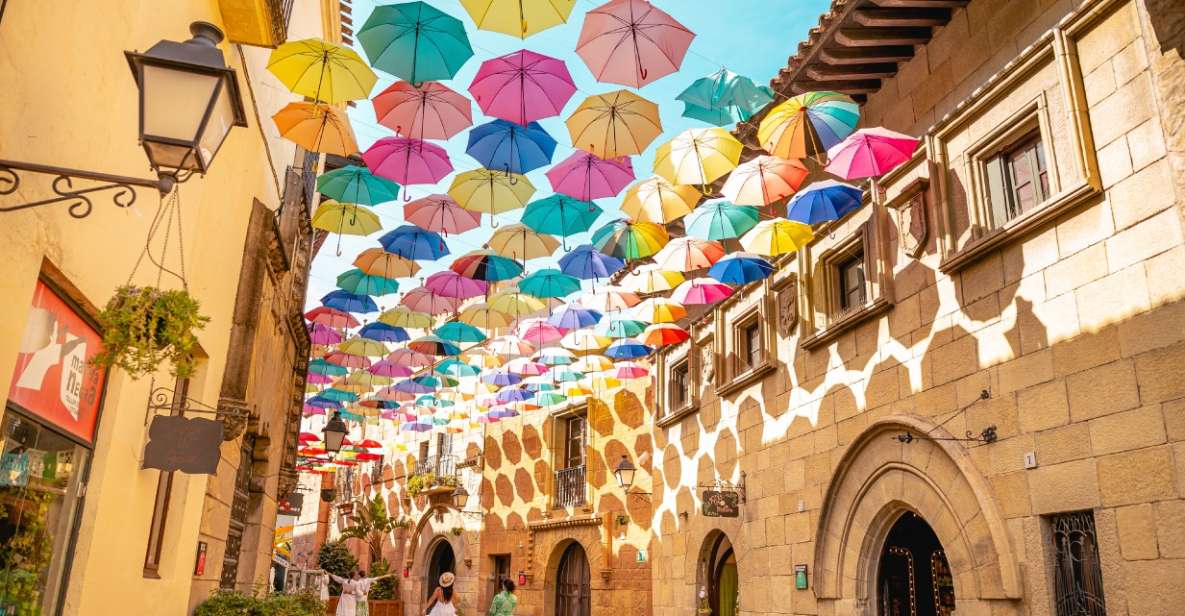
Poble Espanyol turns Spanish architecture into a walkable day trip on Montjuïc, with 117 full-scale buildings and great city views. I love the way the place uses streets and facades to show Spanish regional styles in one compact area. You can slow down, wander, and still feel like you’re getting a real sense of the country.
Two big wins for me: the chance to watch craftspeople at work in workshops, and the access to the Fran Daurel Museum with contemporary works by major artists. One thing to plan around: depending on when you go, some shops, cafés, or parts of the site may be closed or have reduced hours.
In This Review
- Quick hits: what makes Poble Espanyol worth your time
- Why Poble Espanyol feels like Spain in one day
- Entering the Spanish streets: what to do first
- Craft workshops and hands-on culture: glass, leather, ceramics
- Audiovisual shows and the photo exhibit that explains the build
- Fran Daurel Museum: modern art in a classic setting
- Panoramic views from Montjuïc: your photo payoff
- Food, shops, and the reality of opening times
- Families and kids: giant slides plus a workout disguised as sightseeing
- Practical tips for getting the most out of your ticket
- Should you book Poble Espanyol?
- FAQ
- How long is the Poble Espanyol visit?
- What’s included with the entry ticket?
- Is a video guide included?
- What are the general opening hours?
- Is it wheelchair accessible?
- Can minors visit without adults?
Quick hits: what makes Poble Espanyol worth your time
- 1929 architectural replicas that cover Spain’s styles, from Romanesque to Baroque
- Workshops on site where you can watch glass, leather, and ceramics being made
- Fran Daurel Museum with contemporary art tied to Picasso, Dalí, Miró, and more
- Included audiovisual shows (Feeling Spain and Fiesta!) plus an exhibition on how the site was built
- Panoramic terraces for skyline photos without battling the center-city crowds
- Kids’ area with giant slides, plus a generally relaxed pace than big-ticket attractions
Why Poble Espanyol feels like Spain in one day
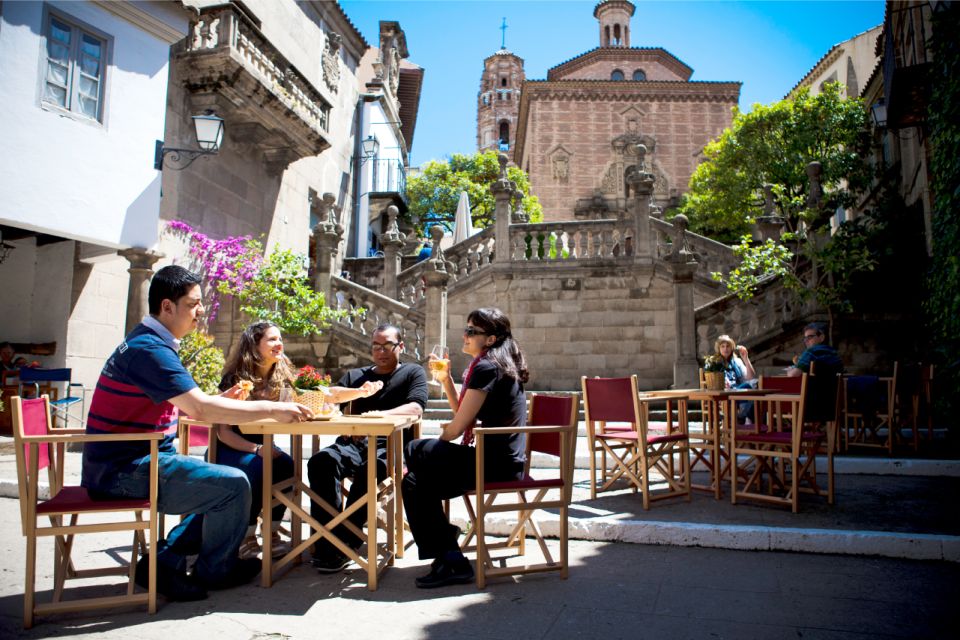
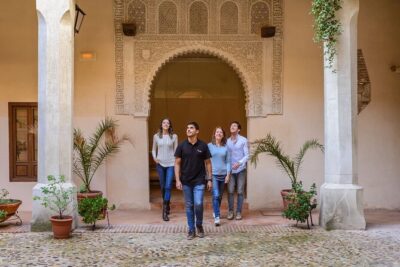
If you want to understand Spanish architecture without trying to cram an entire country into your itinerary, Poble Espanyol is a smart move. The site was built in 1929 for the International Exhibition, and since then it’s been designed to preserve Spanish architectural heritage in one place. Think of it as a walk-through “architectural sampler,” with 117 buildings built as replicas rather than just posters or models.
The setting matters too. It’s on Montjuïc, one of Barcelona’s greener zones, so you’re not stuck in the thick, noisy center-city flow. The site spreads over 40,000 m², which gives you room to breathe. You can come on a weekday or later in the day and still find pockets that feel peaceful.
And yes, it’s built to be a day out, not a quick photo stop. With craft workshops, museum space, terraces, shops, and regular cultural programming, it works even if your group disagrees on what to do. One person wants architecture, another wants souvenirs, another wants snacks and a view—this place gives everyone a lane.
A few more Barcelona tours and experiences worth a look
Entering the Spanish streets: what to do first
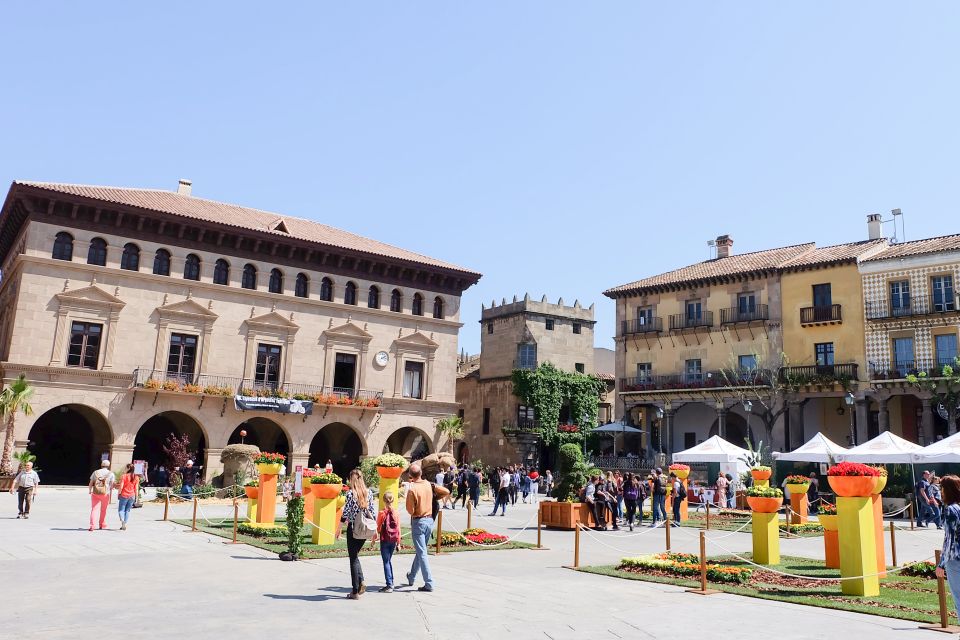
Your visit starts with the atmosphere: you’re walking through streets and architecture that feel like neighborhoods. The layout encourages a slow loop, so don’t overthink your first 30 minutes. Get your bearings early, because once you start picking routes, you’ll want to keep moving at a comfortable pace.
I like to start by scanning for three things:
- a good viewpoint route (so you don’t save the view for last),
- where the museum complex is (so you can time it well),
- and where the workshops are located (so you catch demonstrations while they’re running).
The ticket is described as a skip-the-ticket-line entry, which helps you lose less time to queues and more time walking. That’s especially valuable here because the best experience is just… wandering with purpose, not rushing to tick boxes.
Also, the site has real walking and real steps. One practical note from visitor experience: the walk up from the metro is a steady climb, and there are multiple climbs and stairs to reach different areas. If you’re the type who likes “flat and easy,” plan for breaks.
Craft workshops and hands-on culture: glass, leather, ceramics
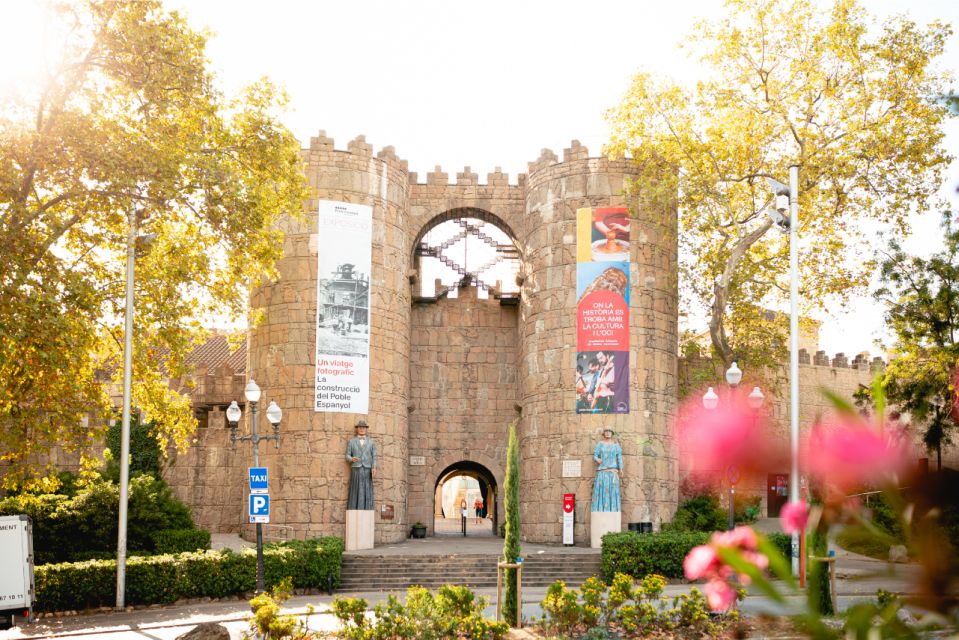
The highlight for many people is the craftsmanship element. Poble Espanyol isn’t just buildings you look at from the sidewalk. It’s also an active cultural production space where you can see trades happening firsthand. The site offers 20 different crafts workshops, and the craft list includes glass, leather, and ceramics.
What I like about this approach is that it turns Spanish culture into something concrete. You’re not only reading about heritage styles—you’re seeing the skills that help keep tradition alive. Even if you don’t do a paid hands-on workshop, watching a maker work gives context to what you see in the surrounding shops.
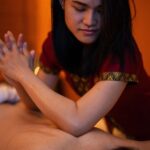
Some workshops may offer extra participation for an additional fee, but the main value is that you can observe. If you enjoy watching how things are made—especially if you like souvenirs that aren’t mass-produced—this is where you’ll feel the biggest payoff.
Tip: because workshop schedules can vary seasonally, try to arrive earlier rather than later. When demonstrations are running, the site feels more alive.
Audiovisual shows and the photo exhibit that explains the build
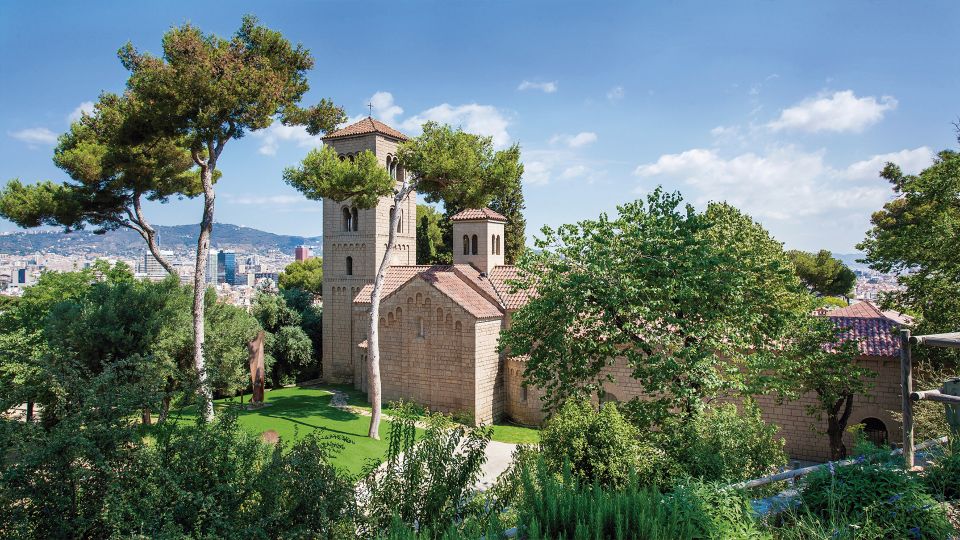
Not everything here is “walk and look.” Your ticket includes audiovisual shows: Feeling Spain and Fiesta! These add helpful background without turning your day into a lecture.
You also get access to A photographic journey, an exhibition about the construction of Poble Espanyol. I find this kind of behind-the-scenes content useful because it helps you understand what you’re looking at. When you know this is a carefully built preservation project, the buildings stop feeling like “cute mini-streets” and start feeling like intentional storytelling.
If you’re trying to plan your time, slot these included indoor stops when the sun or crowd levels get intense. They’re also great when you want a break from walking.
Fran Daurel Museum: modern art in a classic setting
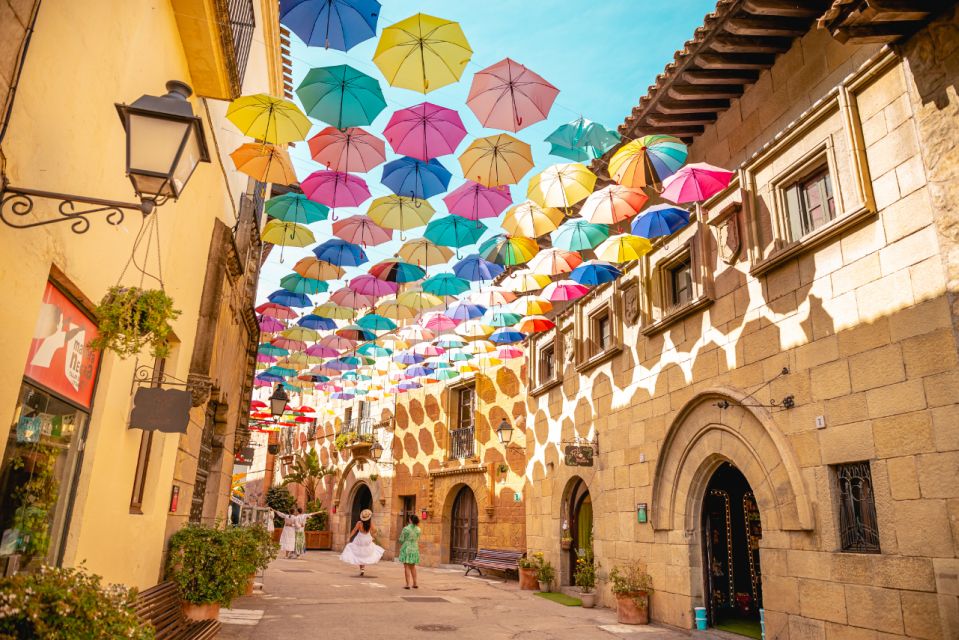
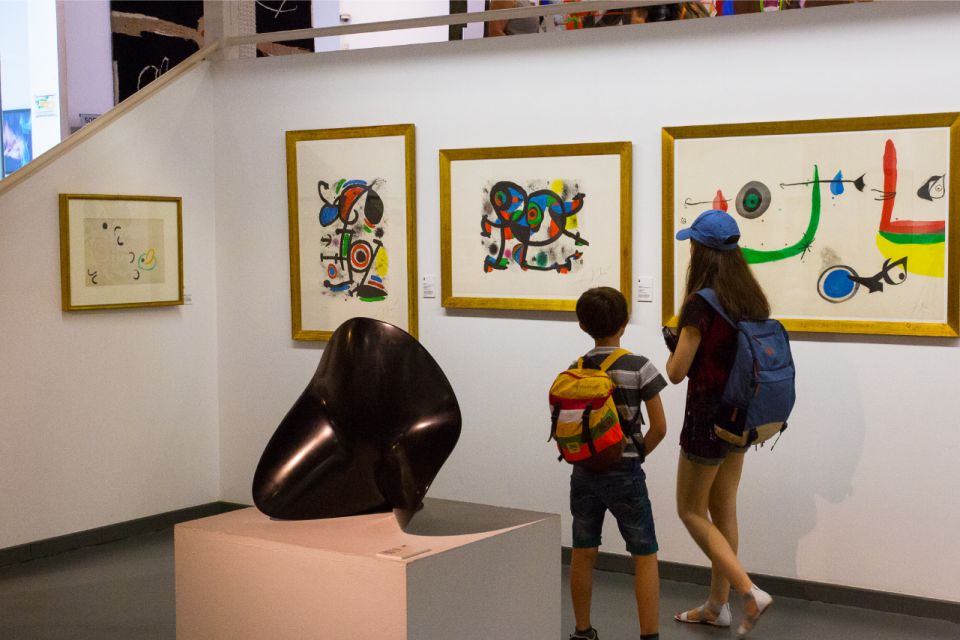
The Fran Daurel Museum is one of the reasons Poble Espanyol surprises people. The museum focuses on contemporary art, including works by or associated with Picasso, Dalí, Miró, and more. That blend matters: you’re standing in a site built to preserve architectural heritage, then you’re met with modern art in the middle of it.
From the way the museum is described, it also functions as a cultural anchor—meaning it’s not just a side room. Some visitors noted it can feel larger than expected, and that the museum experience helps explain the village and its purpose.
I’d treat the museum as more than a quick stop. Plan enough time so you can actually look. If you’re into art at all, you’ll get more out of it than if you sprint through while thinking about your next view.
Panoramic views from Montjuïc: your photo payoff
A big part of why Poble Espanyol works as a one-day ticket is that it gives you panoramic views of Barcelona from higher points on Montjuïc. People call these views unmissable, and that matches the logic of the setting: you’re moving through elevated streets and terraces.
I like saving the most scenic viewpoint for late morning or early afternoon—when light is good but you’re not rushing toward closing time. If you can, bring your camera (or phone) and do a small “view circuit” instead of one quick photo. You’ll notice different angles of the city, and the architecture frames the skyline in a way that’s hard to recreate anywhere else.
Also, if you’re planning a bigger day on Montjuïc, this is a convenient anchor. One visitor mentioned pairing it with the Magic Fountain of Montjuïc afterward, which makes sense if you like to structure your time around public sights in the same neighborhood.
Food, shops, and the reality of opening times
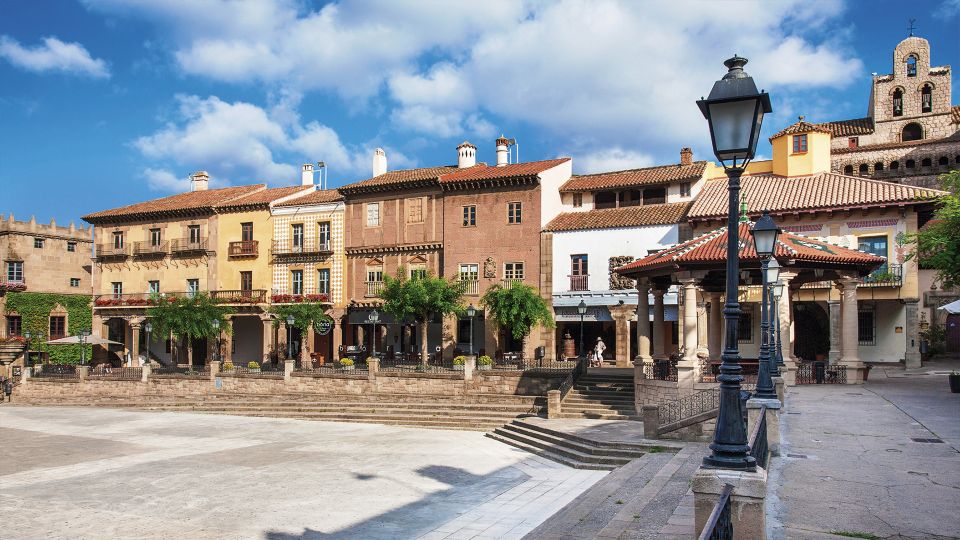
Poble Espanyol isn’t a museum-only visit. It includes bars, restaurants, terraces, and shops that sell local products. That’s a good deal for a day trip, because you can handle meals on site instead of trekking back into the city.
But here’s the honest part: shops and cafés may not be open on every day or at every moment. The site’s official hours for shops and workshops can vary by season:
- March to April: 10 a.m. to 7 p.m. (Easter can extend to 8 p.m.)
- May to October: 10 a.m. to 8 p.m.
- November to February: 10 a.m. to 6 p.m.
And visitor experiences back up the practical takeaway: some cafés or boutiques can be closed at certain times, and on slower days the place can feel more limited. If food is part of your plan, don’t build your schedule around a specific restaurant being open. Aim for a flexible meal rhythm—coffee when you see something open, dinner when you’re ready to sit down.
Shopping can be a strong payoff. Many people recommend browsing through multiple shops rather than grabbing the first souvenir you see. One visitor even advised not splurging immediately because there’s traditional stuff in different stores across the site.
Families and kids: giant slides plus a workout disguised as sightseeing
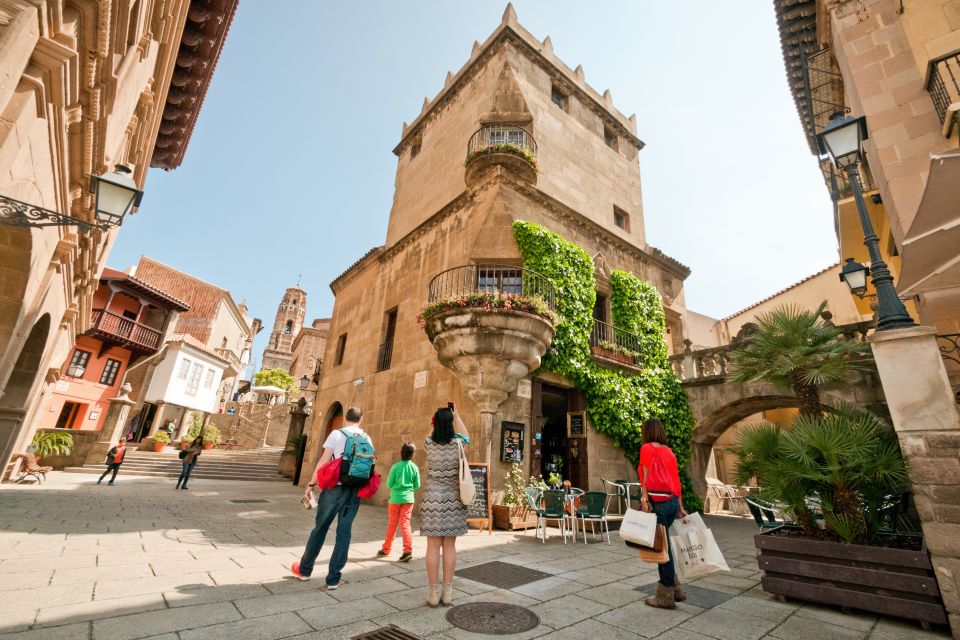
Kids do well here for one clear reason: the ticket includes access to a children area with giant slides. That’s the kind of activity that keeps younger visitors engaged without needing constant “What now?” improvisation.
The overall vibe is also easier than many packed attractions. Some visitors described it as calm—especially if they arrived early—which helps families. It’s a place where kids can run around a bit (within reason) while adults enjoy architecture, craft watching, or museum time.
Two practical cautions:
1) Unaccompanied minors are not allowed. If you’re traveling with children, make sure there’s always an adult companion.
2) There’s a lot of walking and steps. Even if it looks like a theme park village, it’s still Montjuïc, so comfortable shoes and planned rest stops matter.
Practical tips for getting the most out of your ticket
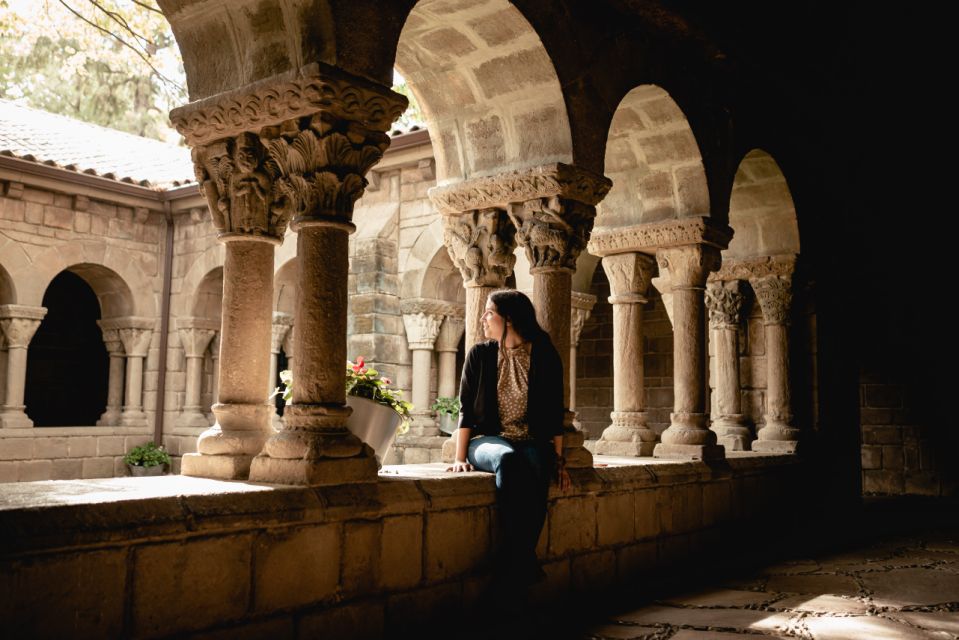
This is a 1-day ticket, and it works best when you treat it like a flexible route rather than a checklist. Most people find they’ll fill a few hours easily, and you can stretch it longer if you slow down for workshops, art, and shopping.
If you want the calmest experience and the best photo light, go earlier. One visitor described arriving soon after opening as peacefully quiet, which makes sense: fewer people means easier strolling and better skyline shots.
Wear shoes you can walk in comfortably. Expect climbs, stairs, and uneven routes as you move between areas. Wheelchair access is noted as available, so if your group needs it, plan for using accessible paths and allow extra time to move between sections.
One more small planning note: a video guide isn’t included. If you’re thinking of buying an audio or guide-style experience, you might find there are optional options on site, but the core experience already includes the audiovisual shows and museum access.
Should you book Poble Espanyol?
I’d book it if you want a Barcelona-area day that feels different from the usual big-ticket monuments—especially if you love architecture, crafts, and art in the same outing. It’s also a strong choice for families, because the included children’s area with giant slides gives kids a reason to stay.
Skip it (or at least temper expectations) if you hate stairs and steep walks. Also, if you’re visiting on a day when some cafés or boutiques are closed or operating on reduced hours, you’ll need to be flexible with where you eat or shop.
Overall: for the price of $15 per person, you’re getting a full day in a preserved architectural world plus crafts watching, included shows, museum access, and panoramic views—all without the “one-and-done” feeling you get at places where you’re mostly queueing.
FAQ
How long is the Poble Espanyol visit?
The ticket is valid for 1 day, and you can check starting times based on availability.
What’s included with the entry ticket?
Your ticket includes entrance to Poble Espanyol, access to the Fran Daurel Museum, audiovisual shows Feeling Spain and Fiesta!, access to A photographic journey, panoramic views of Barcelona, and the children area with giant slides.
Is a video guide included?
No. A video guide is not included.
What are the general opening hours?
General opening times are listed as Monday 10 a.m. to 8 p.m. and Tuesday to Sunday 10 a.m. to midnight (with season variations possible).
Is it wheelchair accessible?
Yes, the site is listed as wheelchair accessible.
Can minors visit without adults?
No. Unaccompanied minors are not allowed.