REVIEW · BARCELONA
Barcelona: Sant Pau Recinte Modernista Entry Ticket
Book on GetYourGuide →Operated by Turisme de Barcelona · Bookable on GetYourGuide
Sant Pau Recinte Modernista feels like a hospital park. This Art Nouveau complex is fascinating because it combines garden-city calm with hospital design that was cutting-edge for its time. I love the way you can walk through renovated pavilions in a real outdoor setting, and I love the underground connections that show how the hospital functioned. One consideration: this ticket is entry only, so there’s no guided tour built in.
For your ticket, you’re looking at about a 1.5-hour visit on-site (and the ticket is valid for 1 day). Plan to meet at Calle Sant Antoni Maria Claret, 167, 08025 Barcelona, and give yourself time to stroll slowly—this place rewards it. You’ll also find the site is wheelchair accessible, and it’s a solid pick if you want something more peaceful than Barcelona’s headline crowding.
In This Review
- Key things to notice before you go
- Sant Pau’s special trick: hospital function, Art Nouveau form
- The story in the bricks: why Sant Pau was built (and why it looks like it does)
- Your walking plan: pavilions, courtyards, and the underground links
- What you’ll actually see: stained glass, mosaics, and sculptural symbolism
- Why today’s Sant Pau feels calmer than you expect
- Art Nouveau plus a real purpose: the complex as a knowledge campus
- Timing and visit strategy: how to make 1.5 hours feel like more
- Getting there from Barcelona: metro-friendly, but double-check your pin
- Price and value: is $21 for entry a good deal?
- Who should book this ticket (and who might want a different format)
- Quick practical notes that can affect your day
- Should you book Sant Pau Recinte Modernista entry?
- FAQ
- How long is the Sant Pau Recinte Modernista visit?
- Is a guided tour included with the ticket?
- Where do I meet for the experience?
- Is it wheelchair accessible?
- Can I bring pets or smoke on-site?
- Are alcohol and drugs permitted?
- Is there free admission for seniors or children?
Key things to notice before you go
- World’s largest Art Nouveau complex in one self-paced visit
- Underground passageways that connect pavilions (not just pretty buildings)
- Gardens and courtyards that make the architecture feel live and breathable
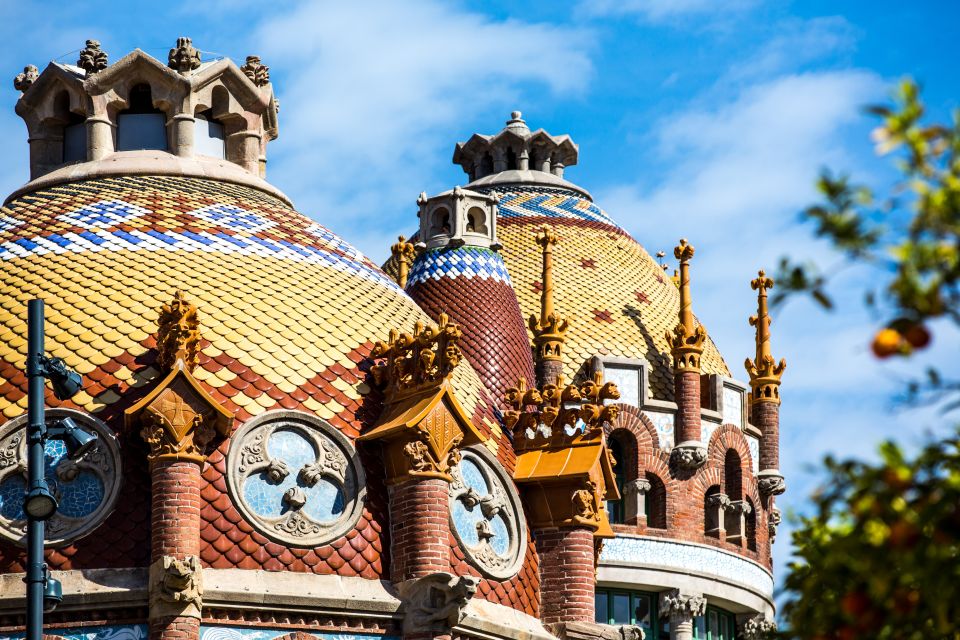
- Art details everywhere: stained glass, mosaics, sculpture, and built-in symbolism
- Museum-meets-campus: a former hospital now used by international organizations
- Free access rules can apply on the first Sunday for people over 65
Sant Pau’s special trick: hospital function, Art Nouveau form
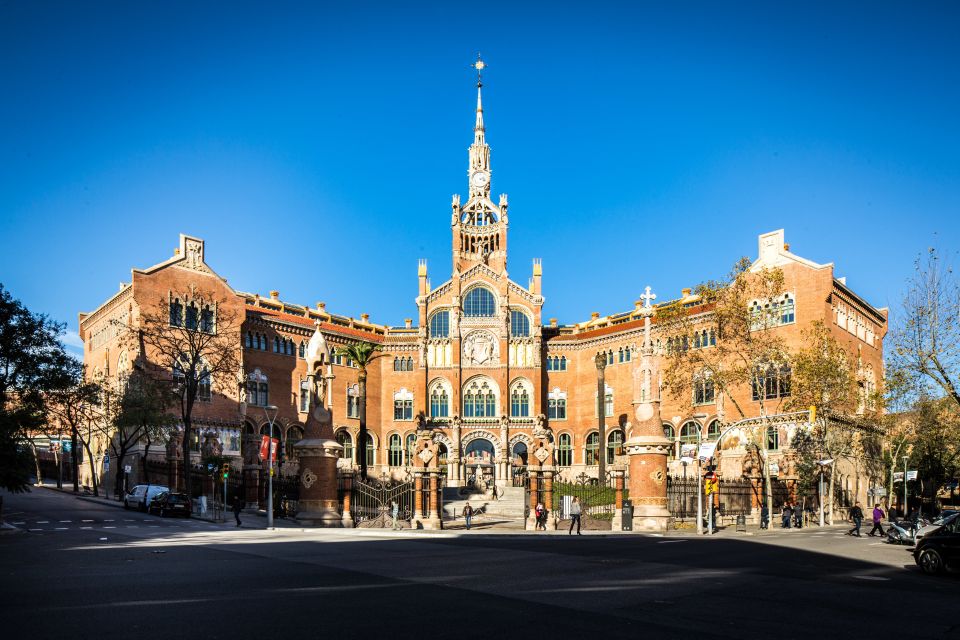
Barcelona is packed with iconic sights, but Sant Pau Recinte Modernista plays a different game. You’re not just looking at a style. You’re walking through a purpose-built system—architecture designed around light, air, greenery, and movement between buildings.
The result is a calm, almost restorative feel you don’t always get from big monuments. One moment you’re in a courtyard with long sightlines; the next you’re reading how the hospital worked and why the layout mattered. It’s a rare blend: beautiful enough to stop for photos, practical enough to make you think about medicine and care.
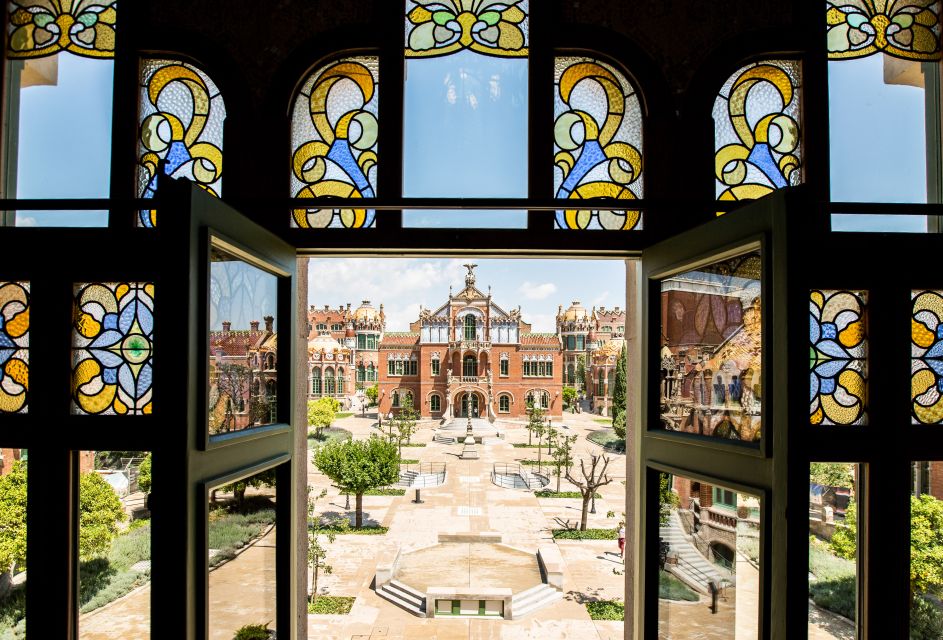
And yes, it is unmistakably “Modernisme.” The complex was designed by Lluís Domènech i Montaner, and it was built from 1905 to 1930. That time period matters. This isn’t a later imitation of Art Nouveau. It’s the real thing, from the era when Barcelona’s designers and engineers were pushing modern health and modern aesthetics at the same time.
A few more Barcelona tours and experiences worth a look


The story in the bricks: why Sant Pau was built (and why it looks like it does)
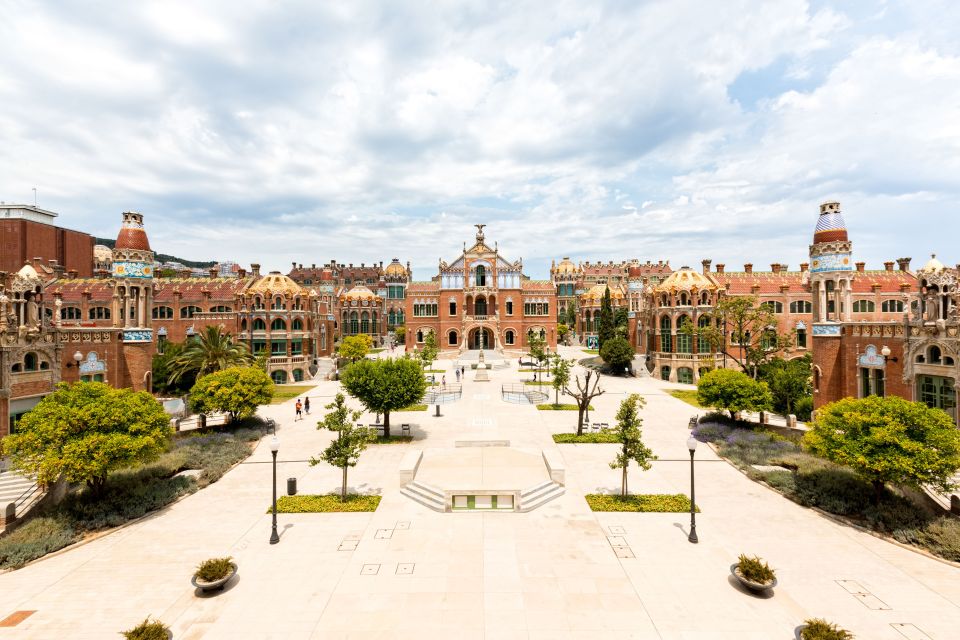
Sant Pau wasn’t created as an art exhibit. It began as a bold plan to relocate an older hospital that had become too small in Barcelona’s El Raval neighborhood. By the late 1800s, the old Hospital de la Santa Creu needed to move, and the new project took inspiration from advances in health and hygiene.
That’s the lens I’d use for your visit: this is an architecture answer to a healthcare problem.
What makes the design so compelling is the “garden city” idea. The complex was intended as a setting that supported recovery and care—not just a building where sickness happened. Even if you’re not obsessed with medical history, you can still feel the logic in the layout. Rooms, corridors, and connections are built to serve people, not just visitors.
Your walking plan: pavilions, courtyards, and the underground links
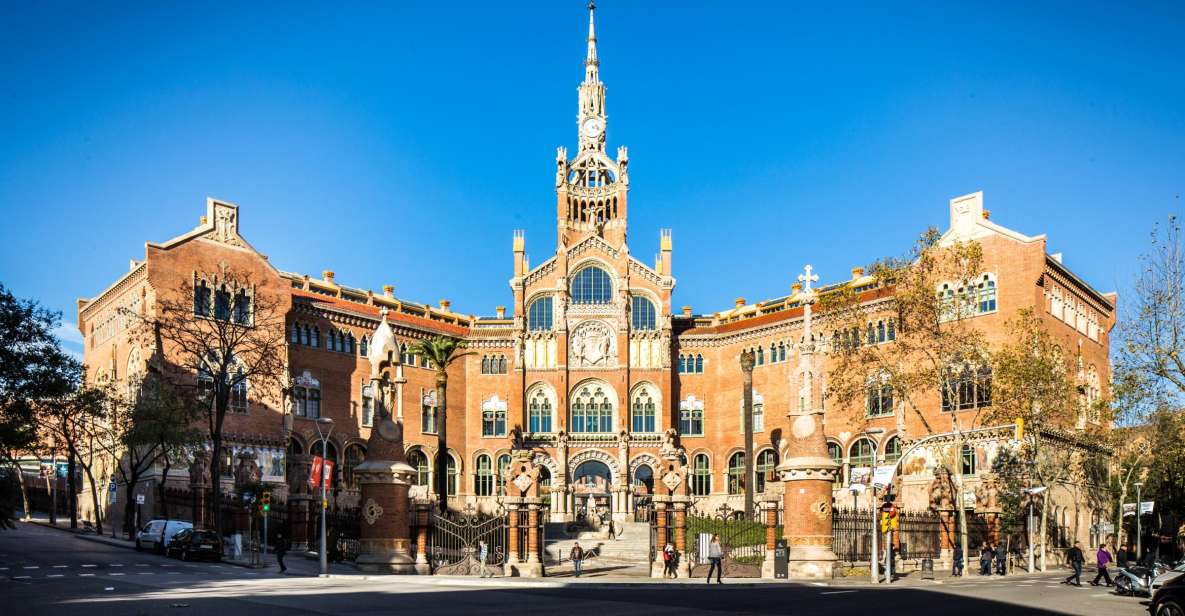
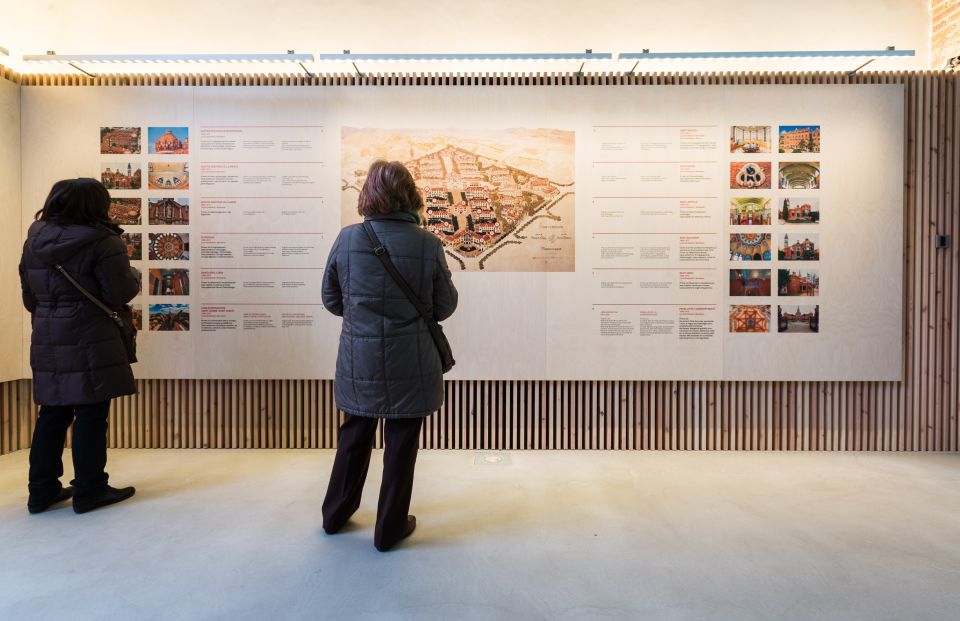
With this ticket, you’re essentially doing a self-paced route through the open areas of the complex. The site is built from multiple pavilions set within gardens, and they’re connected by passageways below ground. That underground network is one of the standout elements, because it turns the visit from “pretty building tour” into “how this place worked” tour.
Here’s how the experience typically feels as you move through it:
- Start above ground in the pavilions and courtyards. You’ll get the Art Nouveau details right away—ornament, structure, and the sense that everything was designed together. Take a moment to look up. A lot of the most impressive work isn’t at eye level.
- Follow the route toward the connections. The underground passageways are where the complex stops being abstract. You can see the thinking behind separation, access, and movement between parts of the hospital.
- Work your way back through the garden spaces. This is where you can slow down. Gardens and outdoor rooms create a natural rhythm: look, read, walk, breathe, and then look again.
One practical tip: there are lots of details in the sides and edges of key areas. A couple of visitors specifically noted that walking around the front buildings’ sides helps you spot mural mosaics you might miss if you only circle the central views.
What you’ll actually see: stained glass, mosaics, and sculptural symbolism
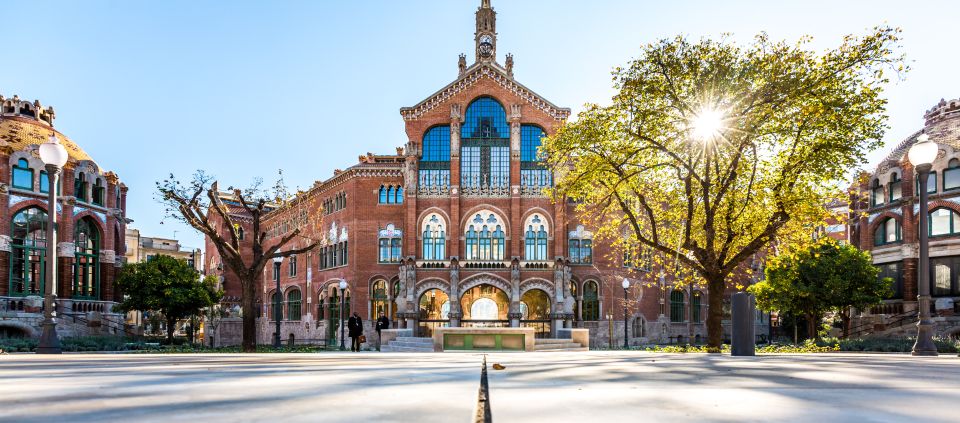
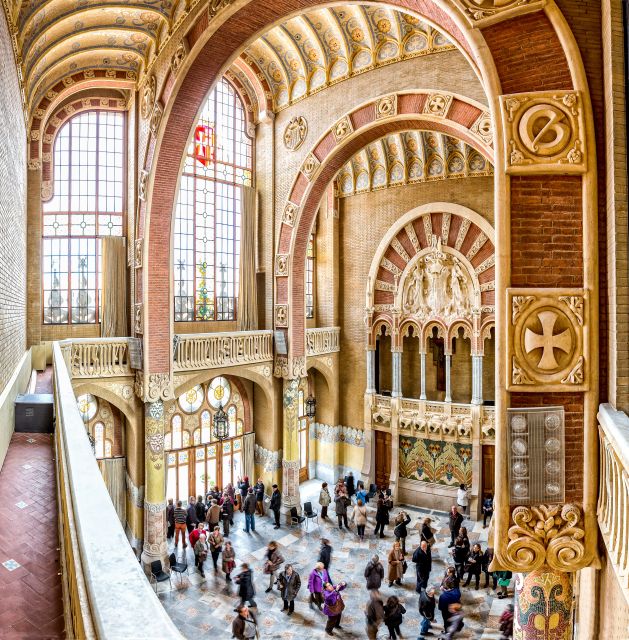
Sant Pau isn’t a single façade. It’s a collection of pavilions and surfaces carrying Modernisme motifs. As you go, you’re likely to notice four things again and again:
- Stained glass that adds color and pattern beyond what stone alone can do
- Mosaics (including mural-style work) that reward side-walking and slower attention
- Sculptures integrated into the building language, not stuck on like decoration
- Fine architectural detailing that makes the whole place feel composed, not random
The reason this matters for you: when you see hospital design paired with such intense artistry, it changes how you interpret the buildings. The architecture isn’t just about beauty. It’s also about meaning—about care, welfare, and “latest advances” that were part of the original mission.
Why today’s Sant Pau feels calmer than you expect
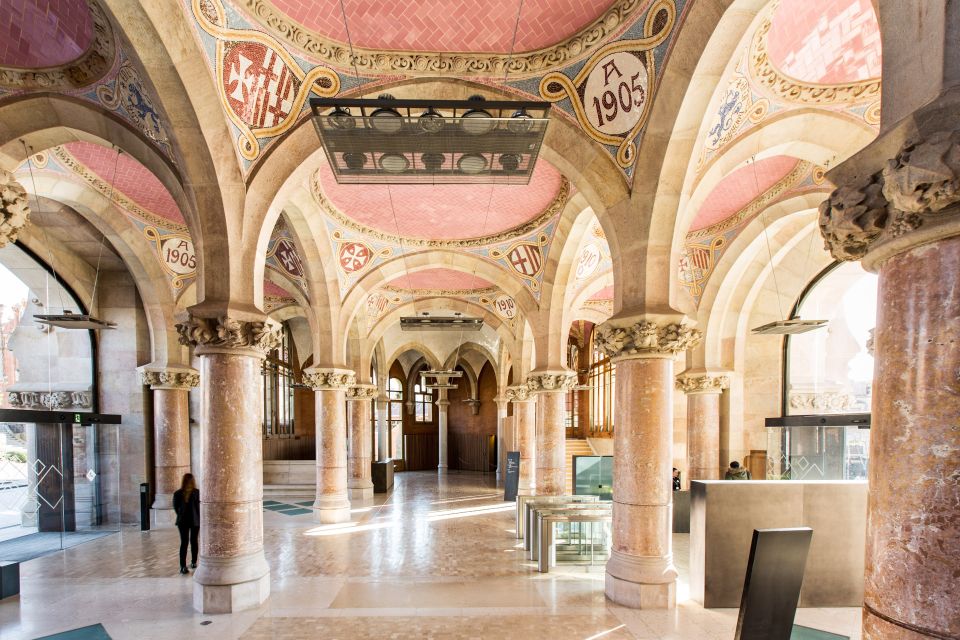
A common surprise is the pacing. Sant Pau gives you space—outdoors, courtyards, and a layout that makes it easier to spread out than many indoor museums.
That matters in Barcelona, where the heat and crowds can turn “quick sightseeing” into an endurance sport. Here, you can take breaks without giving up the experience. Even a short stop in a courtyard can reset you before the next pavilion.
If you like a bit of quiet time, this is also a good place to go early. People have described arriving around opening time and feeling like they had more room to move. You don’t need to “speedrun” Sant Pau to get the best version of it.

Art Nouveau plus a real purpose: the complex as a knowledge campus
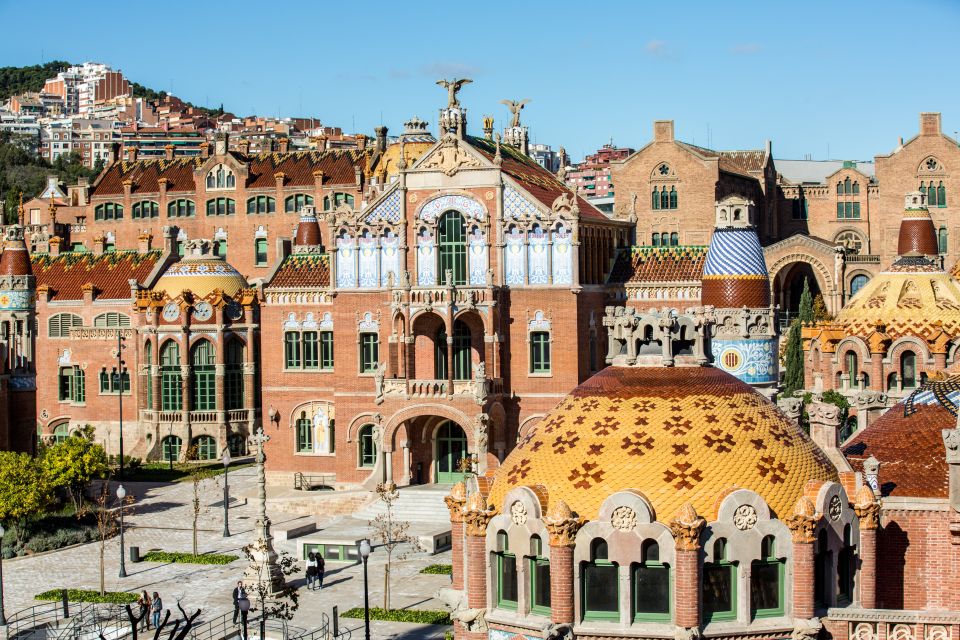
This site didn’t retire into pure nostalgia. It’s been refurbished to its former splendor and is now used as a knowledge campus for international organizations.
From the information available, these include:
- European Forest Institute
- Casa Àsia
- Global University Network for Innovation
- United Nations University Institute on Globalization, Culture, and Mobility
This matters more than you might think. It helps explain why some parts of the complex can feel different from a typical museum-only space. You’re seeing a living repurposing of an old healthcare complex, and that gives the visit an extra layer: the design still supports modern institutional life.
Timing and visit strategy: how to make 1.5 hours feel like more
The typical tour duration is about 1.5 hours, but your actual experience may stretch depending on how often you stop to look up, read, or linger in courtyards. Since this is entry only (no guided tour), you should treat it like a “choose your focus” outing.
Here’s a strategy that usually works well:
- Give yourself a priorities list. For example: (1) pavilions, (2) underground passages, (3) stained glass and mosaics. If you try to see everything equally, you’ll rush.
- Plan one “slow circuit.” After you get the main geometry of the route, do one pass at a slower pace for details and photos.
- Don’t skip the sides. Some of the most striking mural mosaics need side-walking to fully catch them.
Also, because it’s self-paced, you’ll likely get more out of it if you use whatever on-site explanation materials exist. One visitor even wished they’d gone with an audio guide, which is a good clue that the stories behind the buildings are part of the payoff—not just the view.
Getting there from Barcelona: metro-friendly, but double-check your pin
Sant Pau is well placed if you’re already doing other central Barcelona sights. You can use the metro, and there’s a station nearby that connects easily, including routes toward the airport.
One small heads-up: some people report navigation apps sending them to the wrong spot. I’d recommend you double-check the final entrance area before you arrive, especially if your map tool has been quirky in Barcelona.
Your meeting point for this experience is:
- Calle Sant Antoni Maria Claret, 167, 08025 Barcelona
If you’re traveling with carry-on luggage, it can also help to know that lockers are mentioned as available by visitors, which makes a short visit easier if you arrive mid-day.
Price and value: is $21 for entry a good deal?
At about $21 per person, this ticket sits in the “worth it if you care about architecture” range. The value comes from two factors you don’t get at every ticketed attraction:
- You’re not paying for one room. You’re paying for a large, multi-building complex where the outdoor spaces matter.
- The complexity is functional. You’re seeing not just how it looks, but how it worked—especially thanks to the underground connections.
Because there’s no guided tour included, your enjoyment depends partly on your curiosity. If you’re the kind of person who reads signage and enjoys figuring out layouts, the entry ticket can feel perfect. If you want a lecture-style explanation that tells you exactly where to go and what to interpret, you may want to pair your visit with extra audio or plan a guided option on a different day.
Who should book this ticket (and who might want a different format)
Sant Pau is a great match if you:
- love architecture that has real purpose
- want Art Nouveau beyond the usual “stand-and-stare” monuments
- prefer calmer sightseeing with gardens and breathing room
- enjoy history that connects to everyday human needs
It may be less ideal if you:
- only have a strict short attention window and don’t like self-guided wandering
- want someone to lead you step-by-step through every building and story
If you fall into the “I want context” category, bring that mindset. Even without a guided tour included, you can still get a lot out of your visit by choosing where you focus.
Quick practical notes that can affect your day
A few rules and considerations from the site info:
- No pets
- No smoking
- No alcohol and drugs
- Wheelchair accessible
There are also specific free access notes:
- On the first Sunday of the month, visitors over 65 can enjoy free access.
- Children 11 and under are permitted. There’s free admission for participants under 12, with a parent or guardian present.
If any of these apply to you, it’s worth planning around the day you visit.
Should you book Sant Pau Recinte Modernista entry?
Book this if you want an Art Nouveau experience that’s also a functioning story about healthcare design, gardens, and how people moved through a major hospital complex. For $21 and roughly 1.5 hours, it’s a high-impact stop—especially because you get both grand architectural detail and the less-obvious underground connections.
Skip or reconsider if you’re expecting a guided tour experience. Since entry is included and guidance isn’t, go in ready to read, look up, and explore your route. With the right attitude, Sant Pau doesn’t just impress. It helps you understand why this architecture was built in the first place.
FAQ
How long is the Sant Pau Recinte Modernista visit?
The experience is described as a 1.5-hour tour, and the ticket is valid for 1 day based on starting times availability.
Is a guided tour included with the ticket?
No. This entry ticket includes the entrance fee only, and guided tour is not included.
Where do I meet for the experience?
The meeting point is Calle Sant Antoni Maria Claret, 167, 08025 Barcelona.
Is it wheelchair accessible?
Yes, the site is wheelchair accessible.
Can I bring pets or smoke on-site?
No. Pets are not allowed, and smoking is not allowed.
Are alcohol and drugs permitted?
No. Alcohol and drugs are not allowed.
Is there free admission for seniors or children?
On the first Sunday of the month, visitors over 65 can enjoy free access. Children 11 and under are permitted, and participants under 12 have free admission if a parent or guardian is present.