REVIEW · BARCELONA
Barcelona: Seafood Paella ★Maestro★ & Tapas & Sangria
Book on GetYourGuide →Operated by Maestro · Bookable on GetYourGuide
Paella gets real when you shop first. In Barcelona’s Sarria neighborhood, you start with a guided market visit and then move straight into a chef-led class that covers seafood paella plus tapas and sangria. I like the practical focus on choosing ingredients, and I like how the chef turns technique into something you can copy at home.
Keep in mind that the paella here is seafood-based, and the organizers say they can accommodate diets only if you request in advance; allergies need a heads-up. If you avoid seafood entirely, this might not fit.
In This Review
- Key highlights worth marking on your Barcelona map
- Why this Sarria Paella class feels more like a real meal
- Where you meet: an intimate food space in Sarria
- The market walk: learning how to choose ingredients that actually matter
- Cooking seafood paella: technique, timing, and the communal rhythm
- What you may cook as part of the meal
- Pan con tomate and tapas: small plates with real cultural context
- Sangria workshop: mixing fresh fruit the right way
- Group cooking, solo-friendly, and family-approved
- Price and value: is $71 for 2 hours worth it?
- Timing: making the most of a short, focused evening
- Who should book this paella and sangria class?
- Should you book this Barcelona seafood paella and sangria experience?
- FAQ
- How long is the Barcelona paella and sangria experience?
- What’s included in the price?
- Is there a market visit?
- Can dietary needs be accommodated?
- What languages are the instruction offered in?
- Is the activity wheelchair accessible?
- What are the cancellation and payment options?
Key highlights worth marking on your Barcelona map
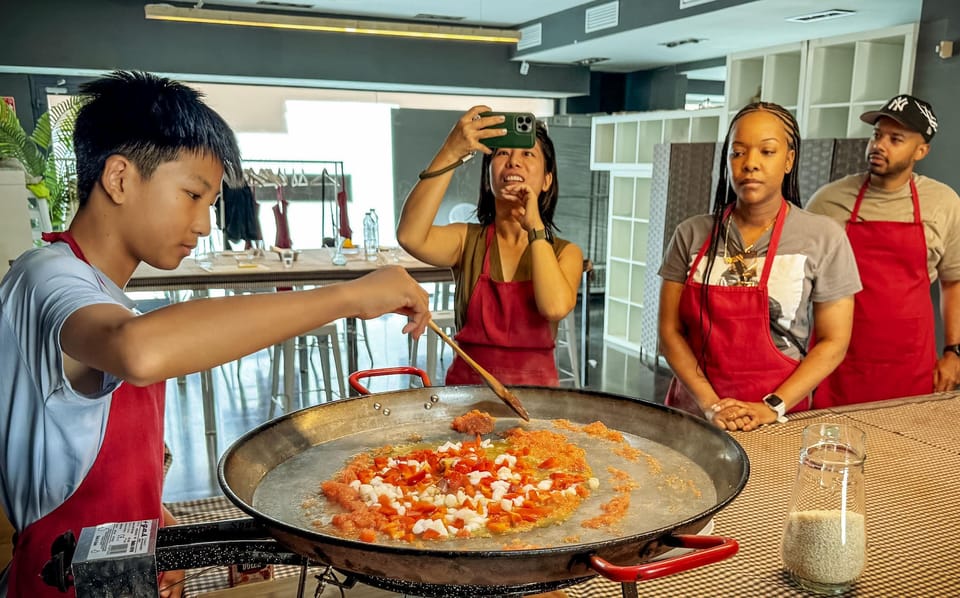
- Sarria market walk to pick seafood and produce before you cook
- Family-style seafood paella method with hands-on guidance
- Pan con tomate with cured meats and cheese as a classic Spanish starter
- Fresh-fruit sangria workshop that you mix yourself
- Communal cooking and eating that works for solo travelers and families
- Recipes to take home so you can re-create the flavors later
Why this Sarria Paella class feels more like a real meal
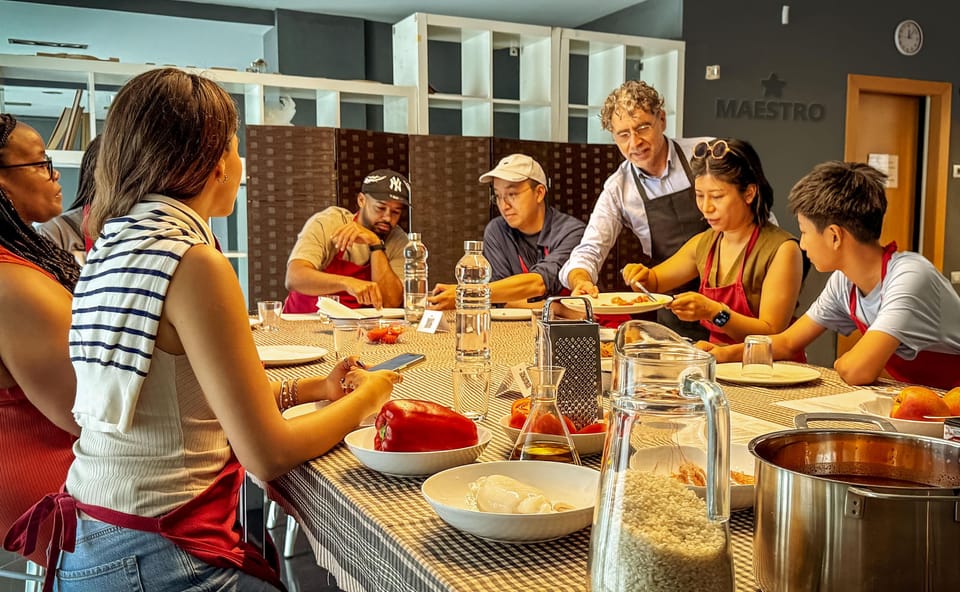
Barcelona has no shortage of food tours. What makes this one different is the order of operations: you don’t just show up hungry and hope for good flavor. You start in Sarria, pick ingredients, then cook them with a professional chef. That simple sequence helps you understand the why behind the taste.
Two things I especially like. First, the focus stays practical: you learn how to choose what’s freshest, and you work through the steps with clear, step-by-step instruction. Second, the food isn’t treated like museum pieces. Paella and sangria are presented as everyday culture—things people make, share, and talk about at home.
The main trade-off is also straightforward. This is a seafood paella experience. If seafood is a hard no for you, you’ll be fighting the menu rather than enjoying it. If your issue is an allergy or dietary restriction, you’ll want to message ahead so they can adapt what’s possible.
You can also read our reviews of more tours and experiences in Barcelona.



Where you meet: an intimate food space in Sarria
You’ll meet in an intimate gastronomic space in the Sarria neighborhood. The vibe is meant to feel local and comfortable, not like a big staged event. You can also use the time before class to wander the nearby streets—Sarria is the kind of neighborhood where you’ll spot small shops and gourmet stops rather than constant tourist traffic.
The meeting area is also described as a place where you can buy exclusive products and taste in multiple local establishments. In other words, it’s not just a “drop you off and go” setup. You’re in the right mood before you even put on your apron.
One practical note: one past participant felt the location could be better marked. So if you’re navigating on foot, give yourself a little buffer and be ready to ask for help when you’re close.
The market walk: learning how to choose ingredients that actually matter
The experience includes a market visit in Sarria. The point of the walk is not to collect photos. It’s to learn what you’re looking for when you buy food for paella and tapas: seafood, vegetables, and the smaller ingredients that shape flavor.
You’ll get guidance on how to choose fresher, tastier products—the kind of skill that instantly improves your cooking after you go home. And because you’re walking with an instructor, you’re not stuck guessing. You’re building a mental checklist: what matters for rice dishes, what matters for fruit-based drinks, and what matters for the cured meats and cheeses that show up in the tapas spread.
This is also where the class gains context. One of the most praised parts of the experience is the way hosts connect ingredients to the stories behind them. People mention hosts such as Eladi and Oriol, and how they bring the meaning of paella and tapas into the shopping choices you’re making. That makes the later cooking feel less like following directions and more like understanding a tradition.
Cooking seafood paella: technique, timing, and the communal rhythm
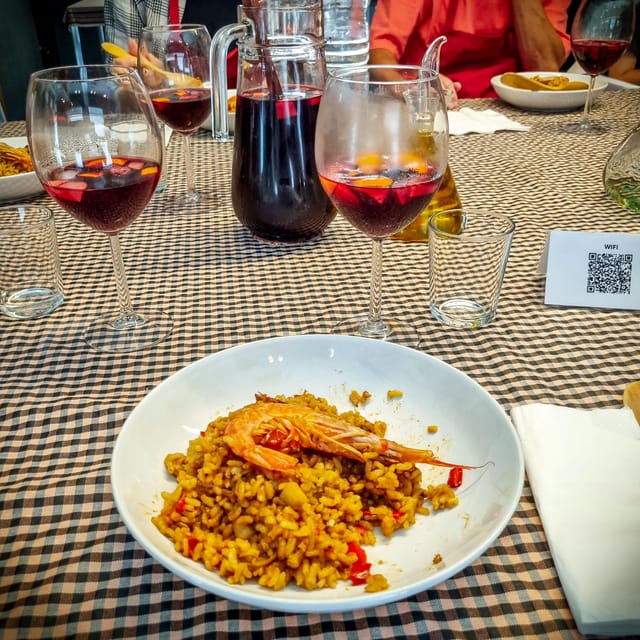
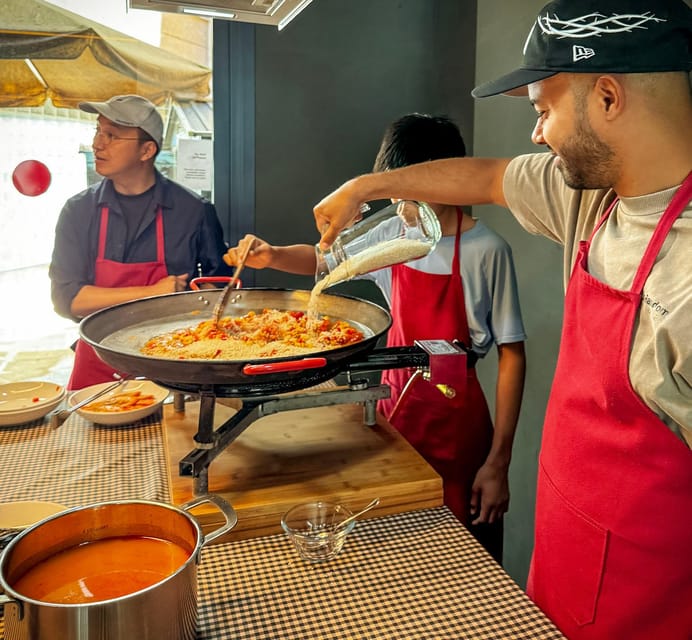
This is the heart of the evening: you’ll learn to make traditional Spanish paella using a Mediterranean seafood approach. You won’t be working in total isolation. Paella is treated as a communal meal, so you collaborate with the group rather than each person plating their own separate dish.
In a class like this, you’re really learning two things:
1) how to handle ingredients properly
2) how to build the rice dish so it comes out right
From the guidance you get, you should come away with tips that go beyond basic recipe steps. One repeated theme in the feedback is that the chef explains the art of getting the right texture—especially that crisp bottom some people chase in paella. You’ll also hear the history and significance of the dish, not as trivia, but as a way to understand why certain cooking choices exist.
You’ll also see how seafood fits into the bigger picture of Spanish rice cooking. Seafood paella can sound fancy, but the method is presented as something you can reproduce at home. Plus, the class includes recipes to prepare at home, which is the difference between a fun night out and a skill you keep.
What you may cook as part of the meal
The experience is built around making three classic dishes:
- Paella, the iconic rice dish with seafood and fresh vegetables
- Pan con tomate, a local starter that comes with cured items like ham, sausages, and cheese
- Sangria, the fruity wine punch
That menu matters because it shows the balance of Spanish eating: rice for comfort and focus, bread for freshness and crunch, and a drink for social energy.



Pan con tomate and tapas: small plates with real cultural context
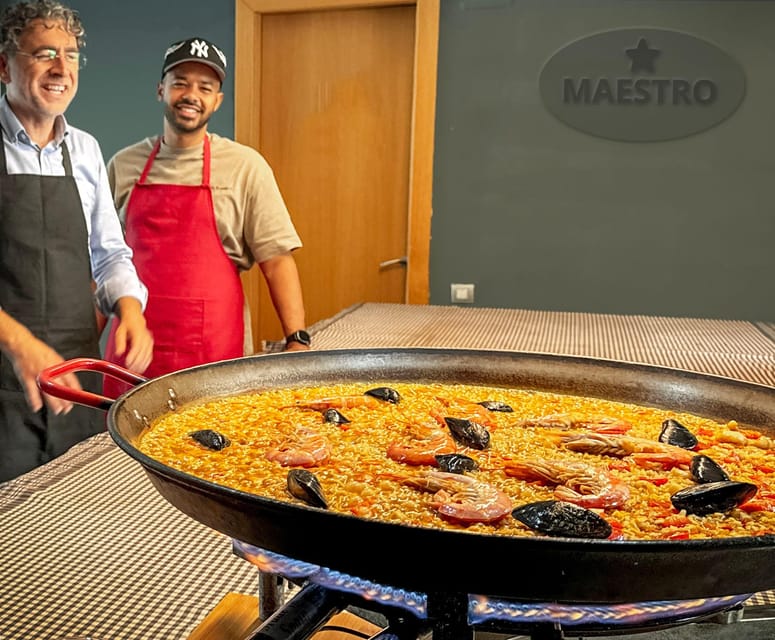
Before or alongside the main cooking, you’ll enjoy authentic tapas and Spanish starters. One dish specifically called out is pan con tomate, served with ham, sausages, and cheese. It’s simple on paper, but it’s a great anchor for learning Spanish flavor patterns: bread plus olive oil plus tomatoes plus cured proteins.
You’ll also hear history and “secrets” tied to tapas—meaning how they fit into Spanish life, how people order them, and why the combinations work. Feedback highlights that hosts explain the meaning behind tapas as well as paella, so you leave with more than just taste memory.
If you like the idea of eating as you learn, this part of the evening is strong. Tapas keeps energy moving while the paella cooks—so you’re not stuck waiting in silence until the rice is done. It also helps you understand the meal as a whole system, not just a single centerpiece.
Sangria workshop: mixing fresh fruit the right way
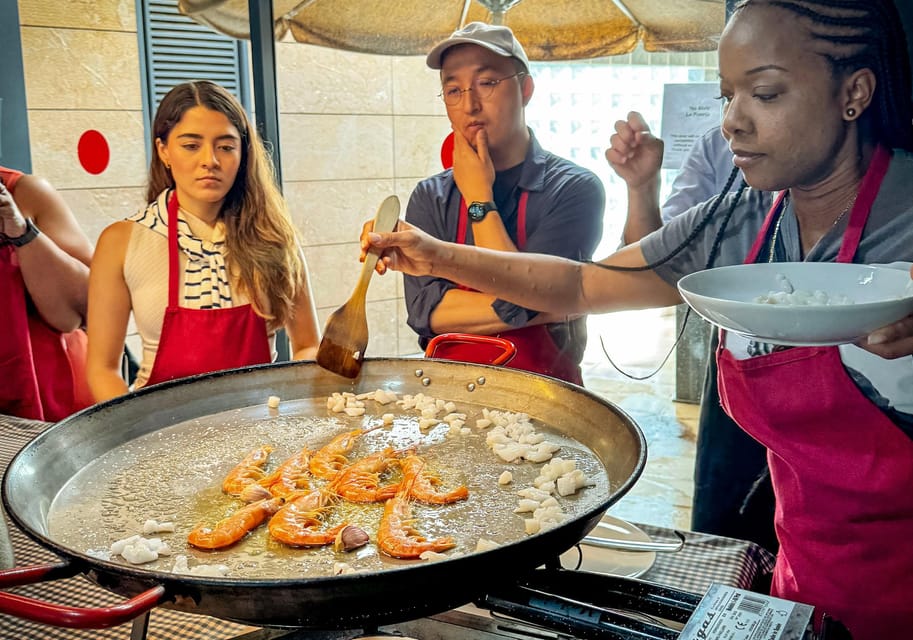
Sangria here isn’t treated as a store-bought convenience. You’ll make it with the group, and the workshop focuses on fresh fruits and a fruity, refreshing balance.
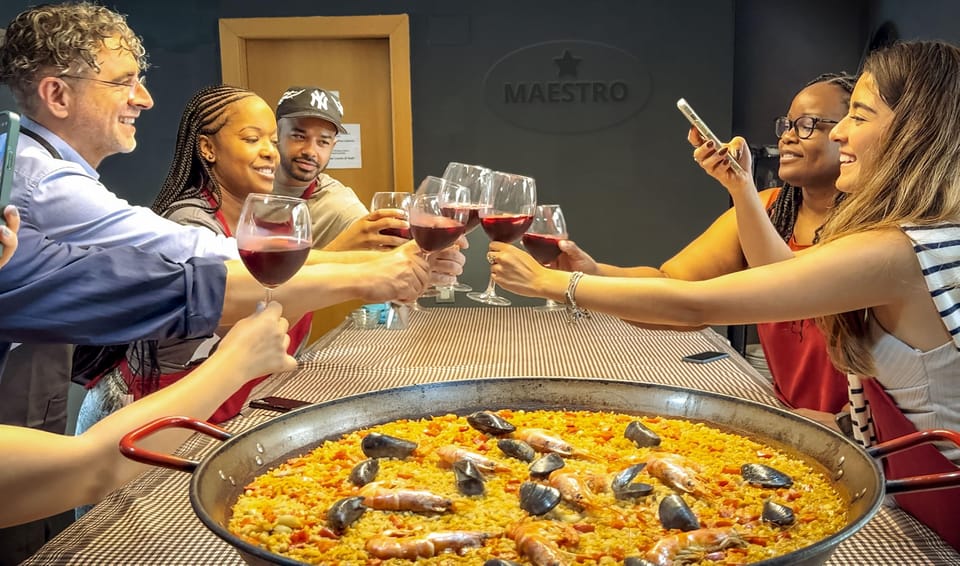
What makes this satisfying is that it’s interactive. You’re not just watching someone pour. You’re learning how the drink comes together. And since sangria is central to many Spanish gatherings, making it yourself adds a social piece to the lesson. After you go home, you can replicate the drink and share it as part of your paella night.
Some past participants also mention hosts adding extra notes like paprika details and Catalan stories. Those touches aren’t mandatory for flavor, but they make the class feel personal and grounded in place.
Group cooking, solo-friendly, and family-approved
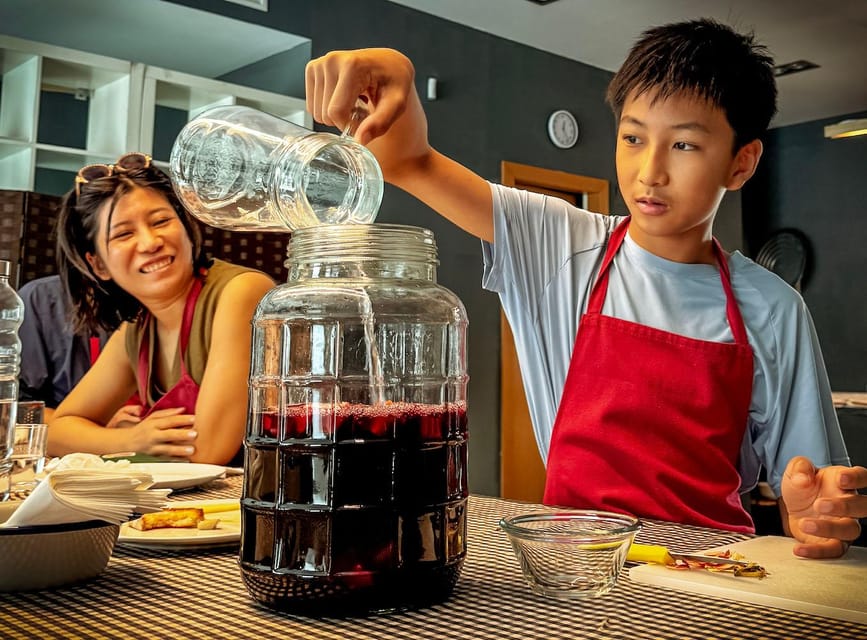
Even though it’s hands-on, this class is designed to be friendly for different travel styles. You can go solo and still end up in conversation. You can go with friends and treat it like a shared project. And you can bring kids; the experience notes that children are welcome.
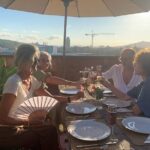
That communal style is a big reason the reviews rate this so highly. You’re building something together, then eating together. Paella cooks on a timeline, which forces teamwork—someone chops, someone measures, someone stirs, someone checks. It’s a low-stress way to spend two hours in Barcelona without needing to be a food expert.
Wheelchair access is also listed, so it’s built with accessibility in mind.
Price and value: is $71 for 2 hours worth it?
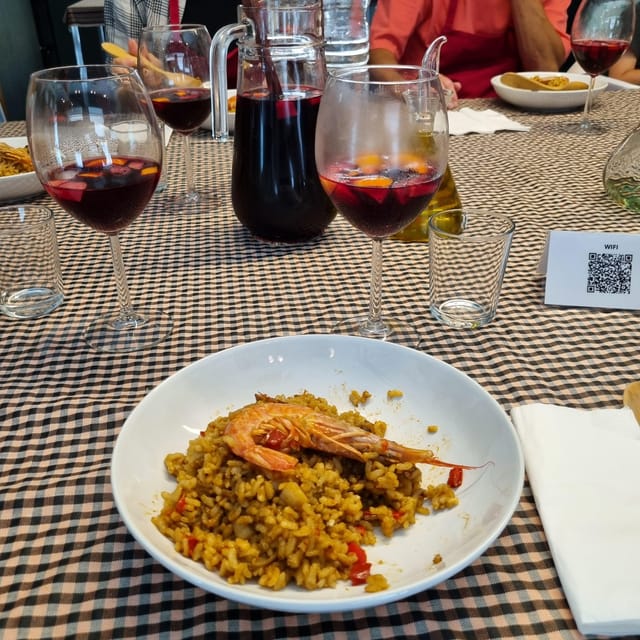
At $71 per person for a 2-hour experience, you’re paying for more than dinner. Your ticket includes:
- an interactive paella class led by a professional chef
- a sangria-making workshop
- a selection of seasonal tapas
- seafood Mediterranean paella
- all food, ingredients, and cooking utensils
- recipes to prepare at home
What you don’t get: coffee or dessert.
Here’s why the value can make sense. You’re essentially bundling a guided market walk mindset, a professional cooking lesson, and a full meal with drinks. In Barcelona, a seafood-focused dinner and a few drinks can add up quickly, and you still wouldn’t have the “how-to” skill that this class is built around.
The real test for value is your goal. If you want only to eat and you’re not interested in learning, you might prefer a restaurant. If you want to leave with a method you can reproduce—plus recipes and ingredient tips—this price is easier to justify.
Timing: making the most of a short, focused evening
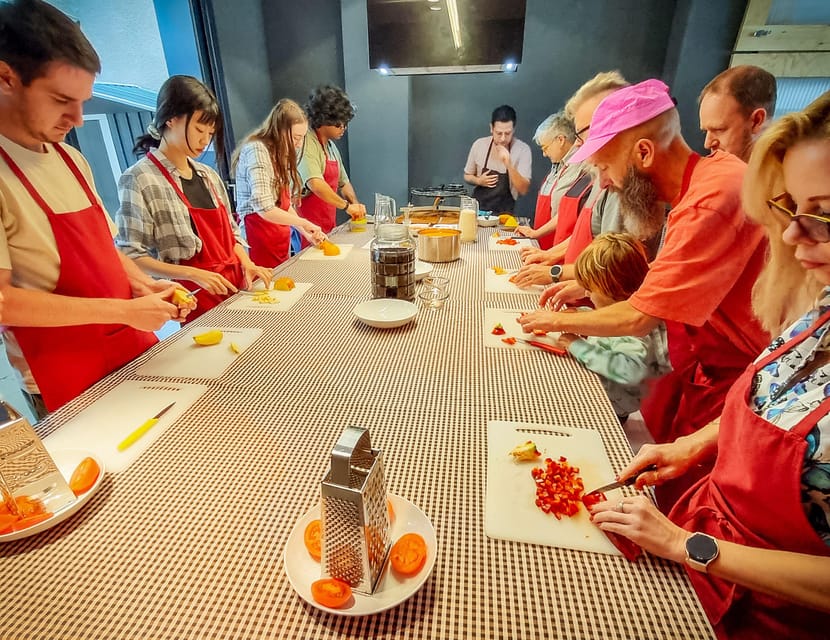
You’ll be there for about 2 hours. That’s long enough to shop, learn, cook, and eat. It’s short enough that you can still fit in other Barcelona plans the same night.
Because it moves at a classroom pace, plan your evening so you’re not rushing to a late reservation right after. You’ll want a clean window for the cooking step and the meal. Wear comfortable shoes too. You’ll be standing and moving at least some of the time in Sarria.
Who should book this paella and sangria class?
This is ideal if you:
- want hands-on cooking instruction, not just sightseeing
- care about ingredient choice and want practical skills
- like the idea of a communal meal in a small, friendly setting
- enjoy Spanish flavors like cured meats, tomatoes on bread, and fruit-forward drinks
- want recipes to replicate at home
It’s less ideal if:
- seafood is a deal-breaker for you
- you need a fully seafood-free menu and haven’t reached out in advance
- you prefer large, high-energy nightlife-style food experiences
Should you book this Barcelona seafood paella and sangria experience?
If you want a Barcelona night that feels like food culture—shopping, cooking, sharing, and learning—this is a strong choice. The standout strength is the combination of market ingredient know-how plus a structured, chef-led class that leads to a real meal: seafood paella, tapas, and sangria you helped make.
I’d book it if you’re excited to learn steps you can repeat at home. I’d think twice if seafood doesn’t work for you, unless you’ve confirmed accommodations ahead of time.
If you’re on the fence, consider this: you’re paying for instruction, ingredient guidance, and the whole group meal experience in one package. That’s a lot of value for a 2-hour evening.
FAQ
How long is the Barcelona paella and sangria experience?
The class lasts about 2 hours.
What’s included in the price?
It includes an interactive seafood paella class with a professional chef, a sangria-making workshop, seasonal tapas, all food and ingredients, cooking utensils, and recipes to prepare at home. Coffee or dessert are not included.
Is there a market visit?
Yes. The experience includes an exclusive visit to the Sarria Market.
Can dietary needs be accommodated?
The organizers say they can accommodate dietary needs if you request in advance, but seafood is part of the menu. If you have allergies, you should contact them ahead of time so they can adapt the dishes.
What languages are the instruction offered in?
The class is offered in English and Spanish.
Is the activity wheelchair accessible?
Yes, it is listed as wheelchair accessible.
What are the cancellation and payment options?
You can cancel up to 24 hours in advance for a full refund. You can also reserve now and pay later.