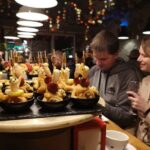
That first sip hits different on a walking tour.
This Barcelona tapas and wine experience takes you from medieval streets into the sea-air neighborhood of la Barceloneta, with stops at locally run bars and wineries hidden in plain sight. It’s part sightseeing, part food-and-drink evening, and it helps you understand the city as you walk it.
I especially like the way the route threads Barcelona’s old districts together with food stops, so you’re not just checking sights off a list. I also like that the group stays small, which keeps the pacing friendly and makes it easier to ask questions along the way.
One thing to plan for: it’s about 3 hours and includes a fair amount of walking, so comfy shoes matter, especially if you’re starting after a long day in the sun.
In This Review
- Key things to know before you go
- Why this Barcelona tapas-and-wine walk feels genuinely local
- Meeting on La Rambla and the smart 3-hour pace
- The Gothic Quarter opener: tapas where the streets explain the meal
- Practical tip for this first stop
- El Born and La Ribera: the pintxo-and-wine zone with real neighborhood energy
- What to watch for in El Born
- Basilica de Santa Maria del Mar and Placeta del Pi: history that lands between bites
- Ending in la Barceloneta: where the sea flavors make sense
- A small but fun local drink moment
- What you’ll actually eat and drink (and why the menu works)
- How to get the best out of the tour without feeling rushed
- Price and value: is 102.58 per person a smart deal?
- Who should book this tapas and wine experience?
- FAQ
- How long is the Barcelona tapas and wine experience?
- What neighborhoods does the route cover?
- Is this tour in English?
- What’s included in the price?
- What kind of food will I taste?
- What drinks are included?
- Where do I meet the guide?
- How big is the group?
- Can I get a refund if plans change?
- Should I book this Barcelona tapas and wine tour?
Key things to know before you go
- Small group vibe (max 12) keeps the evening personal and relaxed
- Gothic Quarter + El Born route gives you a real old-city feel
- Multiple tapas and wine stops instead of one big meal
- Local pours include wines by DO (Terra Alta, Montsant) plus vermut
- Bites you might not order on your own like mojama and braves
Why this Barcelona tapas-and-wine walk feels genuinely local
Barcelona can be fun and easy to tour, but it also has a habit of sending people to the same photo spots and the same menu items. This experience takes a different path: you spend your evening moving through the Gothic Quarter and El Born, then end in la Barceloneta, where the food leans saltier and the atmosphere shifts.
What makes it work is the rhythm. You walk, you learn what you’re seeing, then you sit down with tapas and wine that actually fit the neighborhood. The best part is that the night doesn’t feel like a lecture, and it doesn’t feel like a bar crawl either. It’s structured like an evening with friends who know the city.
You can also read our reviews of more wine tours in Barcelona


Meeting on La Rambla and the smart 3-hour pace
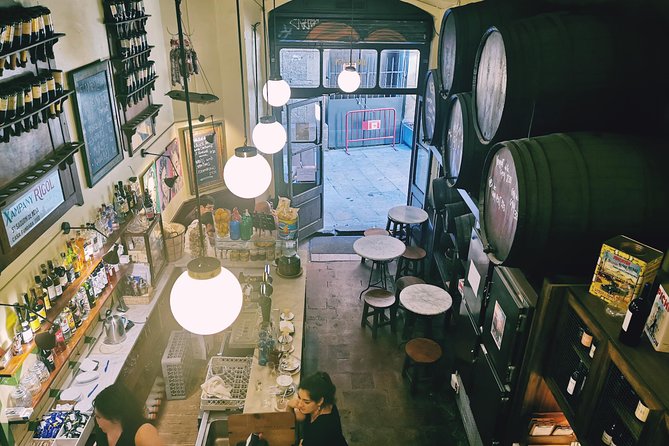
You meet at La Rambla, 97 (Ciutat Vella), and the tour ends back near the same starting point. That back-to-back location logic is practical: after 3 hours, you’re not stuck crossing the whole city just to get home.
The pacing is built around multiple short stops. That’s the sweet spot for food tours in Barcelona: you get variety without spending hours parked in one place. You’ll also be walking through older streets, where sidewalks can be uneven and sometimes narrow, so I’d aim for shoes you can wear for a long evening without thinking.
This tour is offered in English, and it uses a mobile ticket, which keeps things smooth when you’re trying to start right on time.
The Gothic Quarter opener: tapas where the streets explain the meal
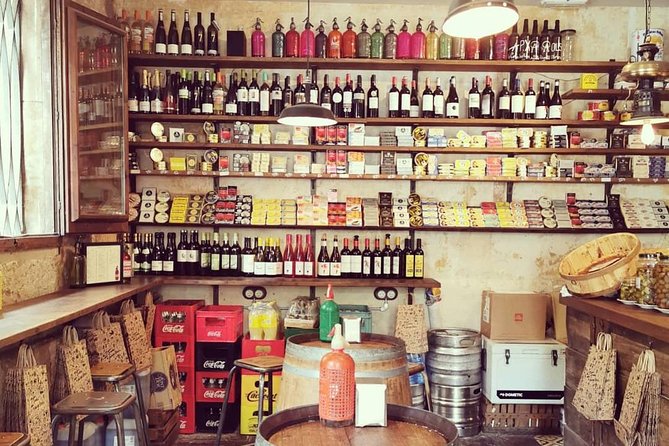
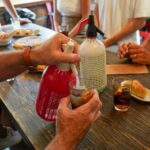
Your first segment runs through the Gothic Quarter, one of Barcelona’s most atmospheric zones—narrow lanes, stone façades, and that medieval-jigsaw feeling in the layout. The value here isn’t only the scenery. It’s that your guide sets context as you go, so the neighborhoods start to make sense before you hit the table.
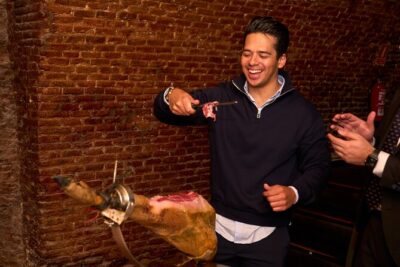
When the tapas start, you’re not just sampling random food. The menu leans classic Catalan choices and Spanish staples that fit the region’s everyday eating style, like iberian ham, local cheeses, croquettes, and bravas (spicy potatoes). If you’ve been to a tapas place before, you may recognize some names—but in Barcelona, small differences in preparation and seasoning are the point.
A nice detail from the way this tour is described: you’ll be introduced to the history and culture on the way to each restaurant. That matters because it turns food into a story you can remember, not just calories you ate while walking.
Practical tip for this first stop
Take a breath and slow down your first bites. The Gothic Quarter can feel like a whirlwind visually. By the time the food arrives, you want your senses fresh enough to notice what makes each tapas stop distinct.
El Born and La Ribera: the pintxo-and-wine zone with real neighborhood energy
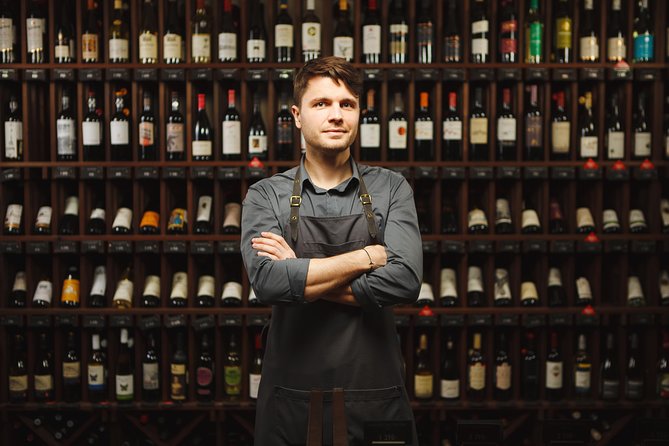
Next you move into El Born / La Ribera, a district that tends to feel more lived-in than the most tourist-heavy corridors. It’s known for old streets and a mix of shops, side streets, and dining spots that locals actually use.
This is where the tour leans into the idea of a true tapas night: not one big plate, but several smaller ones, each giving you a different taste. You might encounter Catalan tomato bread and Gilda pintxo, plus options like salted cured tuna (mojama) and smoked sardine with tomato bread. Those last two are especially telling. They aren’t always the default picks for visitors, but they’re deeply “Barcelona,” because the city’s cooking is tied closely to the sea.
On the drink side, this is also where you’ll get to experience Catalonia beyond basic wine pours. The tour sample mentions craft vermut as well as white and red wines linked to specific DO regions. Vermut is popular here for a reason: it brings a slightly bitter, herbal character that works well with salty tapas.


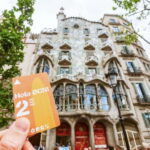

What to watch for in El Born
If the group gets a little hungry-fast, the guide usually keeps things moving at a comfortable pace. Still, if you know you’re the type who eats slowly, speak up politely. Food tours feel best when your pace matches the table’s rhythm, not your hunger panic.
Basilica de Santa Maria del Mar and Placeta del Pi: history that lands between bites
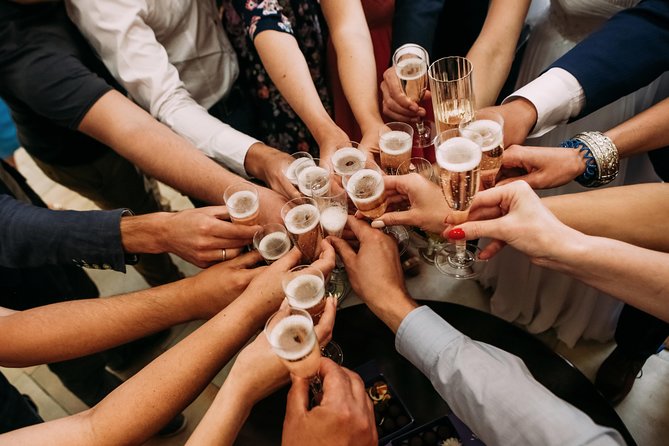
You’ll also pass through two standout anchors: Basilica de Santa Maria del Mar and Placeta del Pi. These aren’t random stops. In Barcelona, big buildings often act like landmarks for understanding the city’s layers—who built what, and why the neighborhood shaped those choices.
Here’s the value for you: the food alone can blur into one long string of tastes. But when a historical moment is folded into the walking route, you get something you’ll remember later. You also get a calmer reset between eating stops—walk a bit, look at the architecture, then take your seat again.
Placeta del Pi is especially good for that “pause” feeling. It’s the kind of small square where you can regroup for a moment, look up at the buildings, and feel what the neighborhood atmosphere is really like.
If you want to understand Barcelona without turning the evening into a checklist, this part is key. It’s sightseeing with a snack schedule.
Ending in la Barceloneta: where the sea flavors make sense
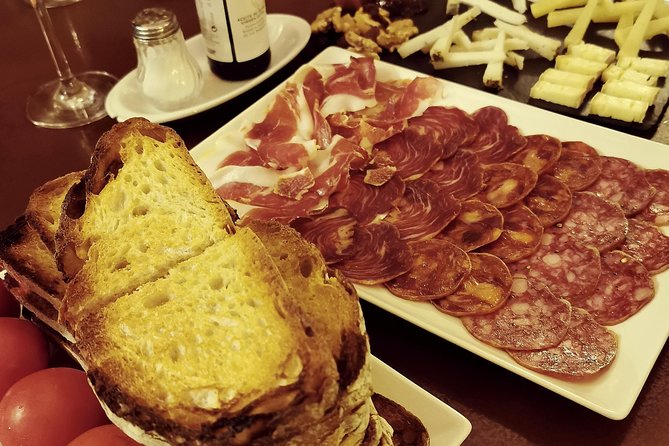
The last walking segment brings you to la Barceloneta, Barcelona’s fisher neighborhood. The air changes. The flavors tilt saltier. And the overall mood tends to feel more “by the water,” which helps you end the night on a strong note.
This is where the tour’s tapas choices feel most consistent. If you’ve been eating seafood-forward bites like sardine or tuna cured options earlier, Barceloneta ties it together naturally. If not, this is a great moment to lean into it, because the neighborhood vibe matches the food.
For drinks, you’re still in the Catalonia sweet spot: the sample list includes Terra Alta DO white wine, Montsant DO red wine, and craft vermut. The DO references are useful because they signal quality and regional identity. In other words, you’re not just drinking something. You’re trying wine that’s tied to where the grapes grew.
A small but fun local drink moment
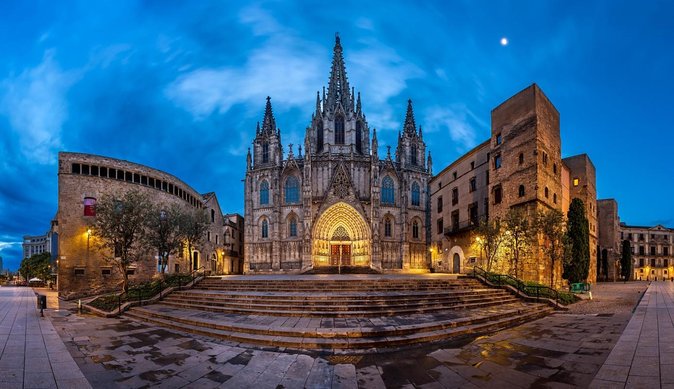
One review mention notes a chance to try wine with a borron style shot method. That’s the kind of Catalan mini-tradition you don’t usually find on your own. You’ll likely want to see what the guide is planning before you say yes, especially if alcohol shots aren’t your thing.
What you’ll actually eat and drink (and why the menu works)
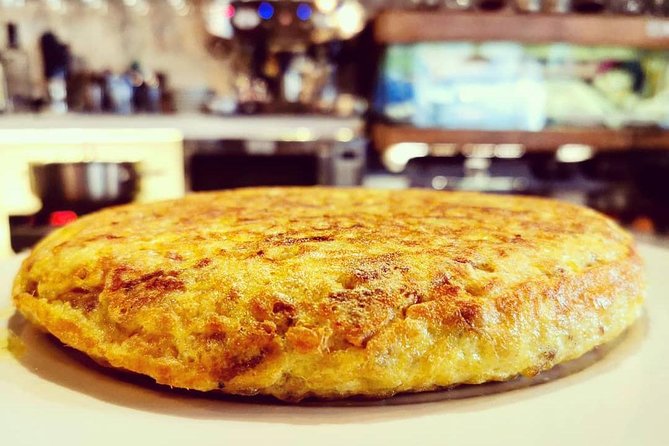
The sample menu is built for variety over time, so you don’t get stuck with only heavy foods or only simple plates. Expect a mix like:
- Iberian ham
- Local cheeses (good for learning the basics fast)
- Croquettes
- Spicy potatoes (bravas)
- Potato omelette (tortilla)
- Catalan tomato bread
- Gilda pintxo
- Salted cured tuna (mojama)
- Smoked sardine with tomato bread
- Terra Alta DO white wine, craft vermut, and Montsant DO red wine
Alcohol is included, so it’s not a “buy as you go” experience. That matters for value because it keeps the evening from turning into surprise costs midstream.
Also, the selection is a practical way to taste Catalonia’s range in one night: from cured seafood to ham, from creamy comfort food like croquettes to briny, bolder flavors like mojama and smoked sardine. If you’re the kind of eater who likes both classic and adventurous, this menu fits that sweet spot.
How to get the best out of the tour without feeling rushed
This is a walking-based food tour, and it lasts about 3 hours. That means your success depends on your choices before the first stop.
- Wear comfortable shoes you can move in for a few neighborhoods.
- Eat lightly earlier in the day. Tapas adds up faster than you think, even with multiple small portions.
- Bring questions about what you see. The strong reviews consistently highlight guides who explain the city while you’re on your feet.
Also, if you have dietary needs, the tour can be accommodating. One review specifically notes the guide being helpful with dietary restrictions. If that matters for you, message the operator when you book and bring your needs up early with the guide on the evening.
Finally, don’t skip the pause moments. When you’re walking from one old building to another, your brain needs time to connect the visuals to the stories and the food.
Price and value: is 102.58 per person a smart deal?
For about $102.58 per person, you’re paying for three big components: guided walking in two key old neighborhoods, a multi-stop tapas dinner, and alcoholic beverages. Many food tours in major cities charge less for food alone but tack on drinks afterward, which can erase the “cheap” feeling fast.
Here, the drinks and dinner are included, so your cost-to-what-you-get ratio is clearer. The sample menu is also more ambitious than the usual “two tapas and a toast” setup. You’re sampling a spread that includes cured seafood items, cheeses, ham, croquettes, and bravas, plus wine and vermut.
You’re also buying time saved. If you tried to plan a similar route yourself, you’d spend a lot of effort figuring out which places feel local, which menus are actually traditional, and how to move efficiently between neighborhoods. This tour builds that path for you in one evening.
One note on value: this is a small-group experience, max 12 people. That usually means you get more attention and less waiting around, which makes the night feel smoother even if you’re paying a bit more than a larger group option.
Who should book this tapas and wine experience?
I think this tour is a strong fit if you want all of the following:
- You’re visiting for a few days and want a high-impact first taste of Barcelona
- You care about food culture, not just food names
- You like walking through neighborhoods where the sights and meals connect
- You want a small group so the guide can actually interact with the pace of the group
If you dislike walking at night or you want a fully indoor experience, you might prefer something with less street time. But if you can handle an evening walk and you’re excited about tapas and wine, this fits well.
Guides for this experience are often praised by name, including Libor, Eli, Naomi, and Ellie, for combining city storytelling with a relaxed dinner flow.
FAQ
How long is the Barcelona tapas and wine experience?
It lasts about 3 hours.
What neighborhoods does the route cover?
You walk through the Gothic Quarter and El Born / La Ribera, then you reach Basilica de Santa Maria del Mar, Placeta del Pi, and end in la Barceloneta.
Is this tour in English?
Yes. Offered in English.
What’s included in the price?
Dinner and alcoholic beverages are included.
What kind of food will I taste?
The sample menu includes items like iberian ham, cheeses, croquettes, bravas, tortilla, Catalan tomato bread, Gilda pintxo, mojama, and smoked sardine.
What drinks are included?
The sample list includes Terra Alta DO white wine, craft vermut aperitif, and Montsant DO red wine.
Where do I meet the guide?
You start at La Rambla, 97, Ciutat Vella, 08002 Barcelona, Spain.
How big is the group?
The tour has a maximum of 12 travelers.
Can I get a refund if plans change?
Free cancellation is available up to 24 hours in advance for a full refund.
Should I book this Barcelona tapas and wine tour?
If you want a Barcelona evening that mixes neighborhood walking with a proper tapas-and-wine dinner, this is a smart pick. The small group size, the multi-stop structure, and the fact that drinks are included make the price feel fair, not shaky.
Book it early in your trip too. You’ll get a faster understanding of the Gothic Quarter, El Born, and Barceloneta, and you’ll know what to look for when you choose your own spots later.