REVIEW · BARCELONA
Casa Batlló : Night Visit “A Winter Night”
Book on Viator →Operated by Casa Batllo · Bookable on Viator
Gaudí feels different after dark. This Casa Batlló night visit turns the house into a story with audio, lighting, and projections, designed as a guided narrative instead of a normal sightseeing stroll.
I love the audio-story based on real events, because it gives names and context to what you’re seeing: Gaudí, the Batlló family, and Fermina, who looked after the home for decades. I also like the lighting and special projections, which change how the colors and shapes read at night. One thing to consider: it can feel a bit tight and crowded, with everyone moving through the same route on the same schedule.
In This Review
- Key things to know before you go
- Why a Winter Night at Casa Batlló feels like theater
- The people behind the story: Gaudí, the Batlló family, Fermina
- Audio-story, soundtrack, and the tech that drives the timing
- Lights and projections: what night adds that daytime can’t
- Timing and pacing: make the 1-hour slot work for you
- Price and value: is $66.26 worth it?
- Who should book this night visit at Casa Batlló
- Should you book A Winter Night?
- FAQ
- How long is the Casa Batlló night visit?
- Is the tour available in English?
- What’s included in the ticket?
- Do I need a printed ticket?
- Can I cancel for a full refund?
- Are service animals allowed?
- Is this visit suitable for people with autism or neurodivergent needs?
Key things to know before you go
- Story-led visit, not just rooms with an audio-story grounded in real-life anecdotes
- Night scenography using lights and special projections to shift the mood of the building
- Characters you’ll hear about including Gaudí, the Batlló family, and Fermina
- Audio tech in the flow (headset and a tablet/iPad-style guide are part of the experience)
- A focused 1-hour format that fits well around dinner plans in Barcelona
- Autism support with assistance from neurodivergent staff
Why a Winter Night at Casa Batlló feels like theater
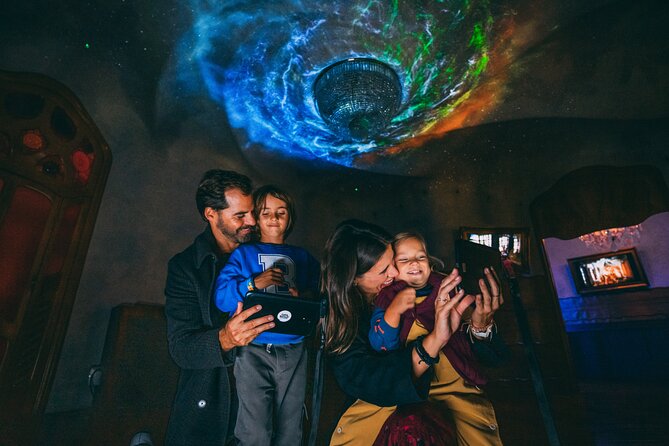
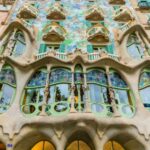
Casa Batlló is already one of those Barcelona must-sees, but at night it stops being only about architecture and starts acting like a show. The experience leans hard into atmosphere: controlled lighting, visual effects, and a soundtrack that guides the pace. The goal is simple. You experience the building as a narrative space where the walls and details feel like part of the plot.
This matters because Casa Batlló is visually intense. During the day, you can miss bits while you’re scanning for the next wow. At night, the sound and projections do part of the directing for you. You’re less likely to get lost in the building’s complexity, and more likely to follow a clear order of what to notice.
It’s also a good pick if you want something different from the usual day-visit rhythm. After hours of sunlit sightseeing, a night program gives your brain a reset. Even if you know Gaudí’s work already, the lighting and sound change how his ideas land.
The experience is about one hour, so it is not a slow, sit-and-chat tour. It’s designed to move you through the story cleanly, then send you back into Barcelona’s night streets feeling like you just watched a performance inside a landmark.
You can also read our reviews of more evening experiences in Barcelona



The people behind the story: Gaudí, the Batlló family, Fermina
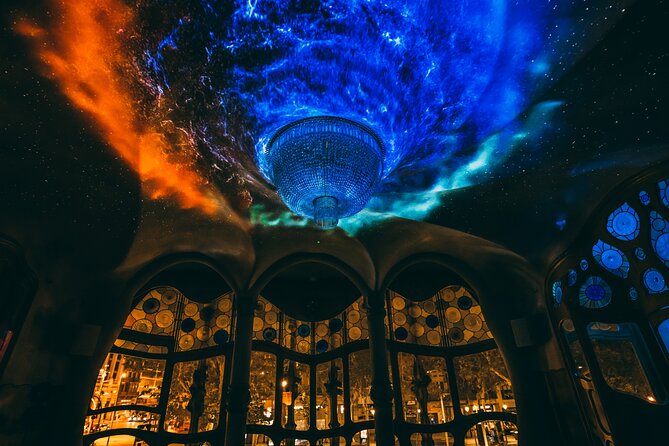
One of the best parts of this visit is that it doesn’t treat Casa Batlló as a frozen art object. The audio-story brings in the human side. You’ll hear the story of an inhabitant tied to the house, plus characters like Gaudí, the Batlló family, and Fermina, who took care of the home for more than three decades.
That framing is valuable because it makes the details feel less like puzzles and more like choices made by real people. Instead of you guessing why certain shapes or textures matter, the narration gives you a lens. You’re not just looking at what Gaudí designed; you’re hearing how the house was lived in, cared for, and remembered.
It also helps if you’re traveling with mixed interests. Architecture fans get the building and the Gaudí angle. Families and couples often connect through the story characters and the emotional tone of the audio narrative. The house becomes something you can talk about afterward, not only photograph.
If you’re the type who likes background that doesn’t turn into a lecture, this is the sweet spot. The storyline is meant to be listened to while you’re moving through the rooms, so it stays tied to what your eyes are seeing.
Audio-story, soundtrack, and the tech that drives the timing
The night visit uses an audio-story based on real events plus an exclusive soundtrack. In practice, that usually means you’re given a headset and a device-style guide so you can follow the points as you go. Some guests note that you may need to tap or click through prompts at each spot, so don’t plan to chat with everyone the whole time. Treat it like a guided show with interactive cues.
Here’s why that’s a plus. Audio does more than narrate. It helps you notice small architectural moments without you needing to read every sign. It can also keep the pacing steady in a building where each room can easily swallow your attention for 15 minutes at a time.
The challenge is also clear: if the site is busy, getting your place in the line while managing the headset and device can take focus. If you’re sensitive to crowds or prefer to move slowly, come with a flexible mindset. You’ll still get the content, but the experience is structured, not wander-at-will.
One tip: when you receive the device and headset, take a few seconds to test that the sound is clear before you commit to the next area. This saves you from that awkward moment of realizing you missed audio right when the show starts.
Lights and projections: what night adds that daytime can’t
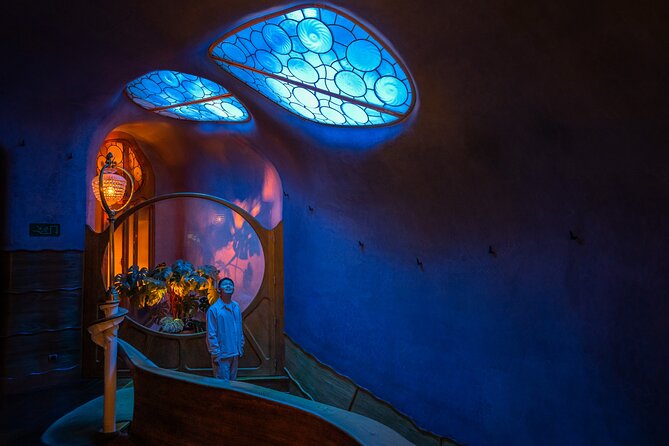
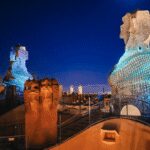
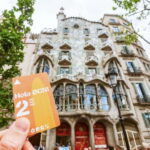
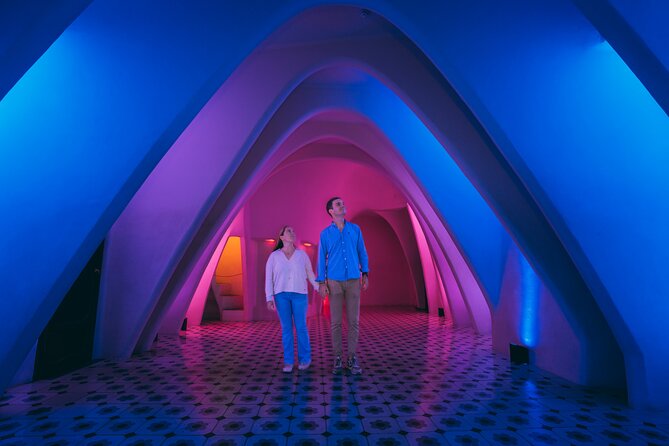
At Casa Batlló, the building’s design is already playful. At night, that play turns into mood. Expect lighting and special projections designed to amplify the dreamlike feel of the house. Many people love seeing the exterior lit up first, because it sets expectations immediately: this is not just a building, it’s a staged experience.
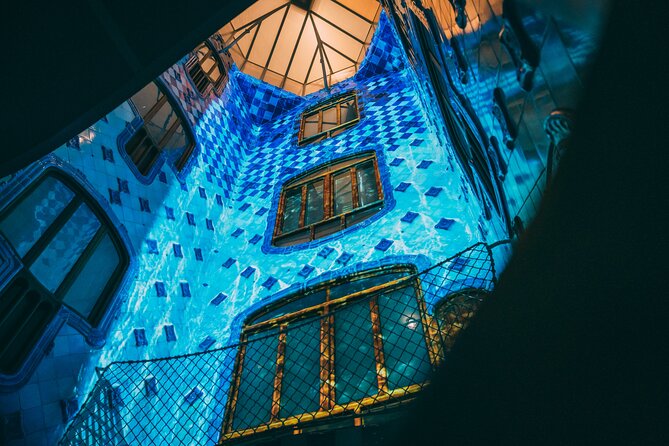
Inside, the lighting changes the way colors and textures read. Glowing highlights can make details feel more dramatic and less flat. Shadow can exaggerate curves and surfaces. In short, night turns static design into motion—at least visually.
This is where the value of a night program shows up. If your priority is pure architectural clarity and reading details at a slow pace, a daytime visit might feel more comfortable. But if your priority is atmosphere and story-driven visuals, the night version is the one to pick.
A common way to think about it is this: daytime helps you learn the house. Night helps you feel it.
If you notice that parts of the program can run slightly differently depending on the showing, that can happen with ticketed timed experiences at popular attractions. The safest approach is simple: choose the time slot that works for your evening plans and commit to enjoying the hour you get, not trying to compare it to an imaginary ideal sequence.
Timing and pacing: make the 1-hour slot work for you
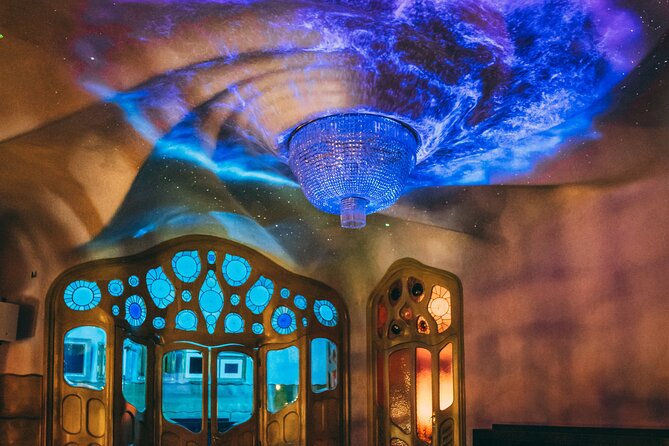
The tour runs about 1 hour, and that time includes entry and the guided story flow. That short duration is part of the appeal. You can fit it into an itinerary without sacrificing an entire evening.
But it also means the pacing is brisk. You’ll spend less time standing still and more time moving forward as the group flows. The audio-story and projections are built to keep you on schedule, so if you stop to take extra photos every step of the way, you can end up feeling rushed.
This is especially true in crowded periods. Several visitors point out that the experience can involve waiting to move from one point to the next. You should expect lines where you need them and that photo-taking in front of you can slow your progress.
What to do:
- Keep your camera ready, but don’t freeze in the busiest areas.
- If you’re in a group, decide in advance who will handle the audio device so it doesn’t stall the line.
- Give yourself a buffer before dinner, so the hour doesn’t become a stress test.
Also, remember you’re going at night. Barcelona evenings can run later than you expect. If you show up right on time with no slack, any minor delay in entry can make the experience feel more hectic than it needs to.
A few more Barcelona tours and experiences worth a look
Price and value: is $66.26 worth it?
At $66.26 per person for about an hour, the price lands in the mid-to-upper range for Barcelona attractions. But what you’re paying for is not only entry to a famous building. The included value is the night format: admission, the night visit, an audio-story based on real events, an exclusive soundtrack, and lighting/special projections.
That bundle matters because it changes the experience from typical self-guided Casa Batlló sightseeing into a guided narrative show. If you’ve done other Gaudí sites, you already know the visuals are there. The difference here is the packaging: audio + sound + staged lighting + a story structure that tells you what to notice.
So for value, ask yourself one question: do you want Casa Batlló as a building you observe, or as a story you experience in motion? If you’re the second type, the price makes more sense.
If you’re visiting on a tight budget and just want the architecture, you might compare the night price to daytime options. But if you want a different feel than daylight, this is one of the more structured ways to get it in a short time block.
Don’t forget what’s not included: transportation and souvenirs. Plan your commute separately and decide ahead of time if you want to budget for shopping.
Who should book this night visit at Casa Batlló
This is a strong match for families, couples, and anyone who wants a Gaudí-centered evening that’s story-driven rather than solely educational. The night format tends to work well with kids because the building feels magical and the show-like lighting does part of the engagement for you.
It’s also a good pick if you like art with context. The audio-story connects the house to named characters and long-term caretaking through Fermina, which can make the experience feel grounded rather than purely whimsical.
If you are very photo-focused, go in knowing that the flow is managed. The route is structured. You’ll get photo time, but you’re sharing it with other people who came for the same atmosphere.
And if you’re sensitive to sensory experiences, it’s worth noting that Casa Batlló is committed to autism, with assistance from neurodivergent people. That support can make a big difference in how comfortable the visit feels.
Finally, if you like your evenings planned but not exhausting, an hour is a sweet length. It can slot in after a long day of walking without leaving you too tired to enjoy dinner afterward.
Should you book A Winter Night?
Book it if you want Casa Batlló to feel like a guided nighttime performance, with audio storytelling, an exclusive soundtrack, and light projections that change what you notice. This is also a smart choice if you’re traveling with kids or you want a Gaudí experience that’s easy to follow.
Skip it (or consider daytime) if you want maximum breathing room, lots of unhurried stopping, or a quiet, museum-style pace. The night program is timed and tends to move with crowd energy.
My practical take: if you only have one Casa Batlló slot, and your schedule allows evening, this night visit is the more memorable experience.
FAQ
How long is the Casa Batlló night visit?
The experience is about 1 hour.
Is the tour available in English?
Yes, it’s offered in English.
What’s included in the ticket?
You get entrance to Casa Batlló, the night visit, an audio-story based on real events, an exclusive soundtrack, and lighting and special projections.
Do I need a printed ticket?
No. The experience uses a mobile ticket.
Can I cancel for a full refund?
Yes. You can cancel up to 24 hours in advance for a full refund.
Are service animals allowed?
Yes, service animals are allowed.
Is this visit suitable for people with autism or neurodivergent needs?
Casa Batlló is committed to autism during the visit, and you will be assisted by neurodivergent people.