REVIEW · SEVILLE
From Seville: Italica Roman City Tour
Book on GetYourGuide →Operated by GRANAVISION Incoming & DMC · Bookable on GetYourGuide
Roman ghosts live 15 minutes from Seville. This tour gets you into Itálica, Spain’s first authentically Roman city, with time to spot the amphitheater and the mosaics that still look sharp centuries later. I love that it’s structured, not a wander-and-hope kind of outing. One thing to plan for: you’re on the guide’s schedule, so you won’t have much solo time to roam.
What I really like is the story the site tells. Founded in 206 B.C. by Publius Cornelius Scipio Africanus, Italica is also the birthplace of emperors Trajan and Hadrian. And with an official guide leading the walk, you get the context behind the Traianeum, statues, and public baths instead of just staring at rocks.
The main drawback is timing. A few people noted they wished for more free time on their own at the ruins, and that can be true here since the day is tightly paced around guided stops.
In This Review
- Key highlights you’ll care about
- Why Italica Makes a Great Seville Day Trip (And Not Just Another Ruin)
- Getting There: Pickup Points, Ride Time, and What to Bring
- The 3-Hour Guided Walk Through Italica’s Real Streets
- Mosaics, Traianeum, Statues, and Baths: Why These Details Matter
- Mosaics in houses and public areas
- The Traianeum and imperial symbolism
- Statues you can spot
- Public baths
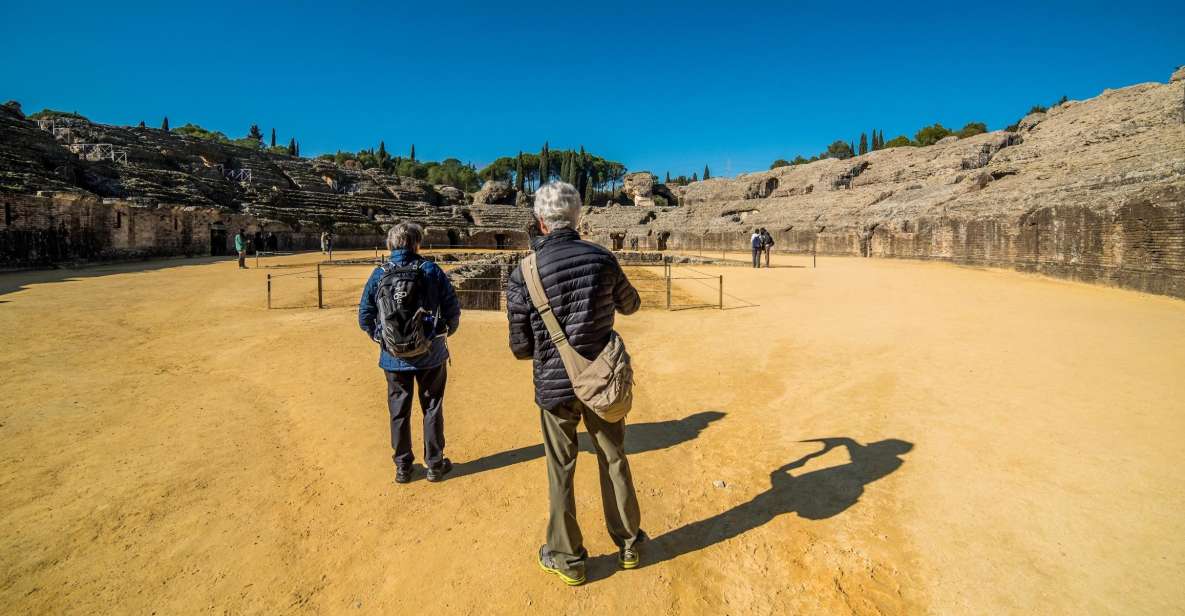
- The Itálica Amphitheater: Where 25,000 People Would Have Watched
- The Partially Reconstructed Roman Theater in Santiponce
- How the Guide Affects Your Experience (And How to Get the Most Out of It)
- Price and Value: Is $51 Worth It?
- Who This Tour Fits Best
- Should You Book the Seville to Italica Tour?
- FAQ
- How long is the Italica Roman city tour from Seville?
- Where do the pickups in Seville happen?
- What time are the pickup departures?
- Is transportation included?
- Are entrance fees included?
- What languages is the guided tour offered in?
- Is lunch included?
Key highlights you’ll care about
- Real Roman scale in Santiponce: see an arena that seated about 25,000 and was the third-largest in the Roman world
- Mosaics you can actually read: uncovered floors in houses and public areas, not just a quick glance
- Traianeum and imperial statues: look for Diana, Venus, and Trajan as you move through the complex
- Subtle details at the baths and streets: public spaces make Italica feel like a functioning city
- Partially reconstructed Roman theater: a tangible sense of how performances worked on-site
- Guides with strong storytelling: names like Jose Luis, Jesus, Alberto, and Nieves show up in praise for making the ruins click
Why Italica Makes a Great Seville Day Trip (And Not Just Another Ruin)
Seville is gorgeous, but it can tempt you into thinking everything good will be inside the city center. This is one of those “wait, that’s nearby?” options. Italica sits in Santiponce, about 15 minutes from Seville, so you avoid the full-day travel fatigue that some excursions create.
The site’s appeal isn’t just Roman in general. It’s Roman in a specific way: Italica is considered the first authentically Roman city in Spain, founded in 206 B.C. It also connects to two emperors who matter if you’ve ever watched Roman history on a screen—Trajan and Hadrian were born here. That’s the sort of background that makes mosaics and stones feel purposeful, not random.
A third reason it works: the ruins cover multiple “life zones.” You’re not only seeing grand monuments. You’ll walk areas that suggest everyday neighborhoods and public services too, which helps you picture what life might have looked like.
You can also read our reviews of more city tours in Seville

Getting There: Pickup Points, Ride Time, and What to Bring
The logistics are simple, and that matters when you’re trying to start your day without stress. You get round-trip transportation between Seville and Italica, plus skip-the-ticket-line entry once you arrive.
Pickup is offered at three Seville points:
- Calle Rastro 12A (pickup around 09:45)
- Hotel Don Paco on Plaza Padre Jerónimo de Córdoba (around 09:50)
- Calle Trajano 6 (around 10:00)
The ride itself is quick: plan on about 30 minutes each way by bus/coach. Once you’re at Italica, the guided portion runs for about 3 hours, so most of your time is actually on-site.
Practical tips:
- Wear shoes for uneven ground. Even when paths look defined, you’re walking through an archaeological park.
- Bring sun protection. Even if weather is comfortable, stone + open sky = faster drying and hotter light.
- If you’re bringing kids, a stroller can help, but you may not use it through the entire time on the ground. Plan for occasional carry moments.
The 3-Hour Guided Walk Through Italica’s Real Streets
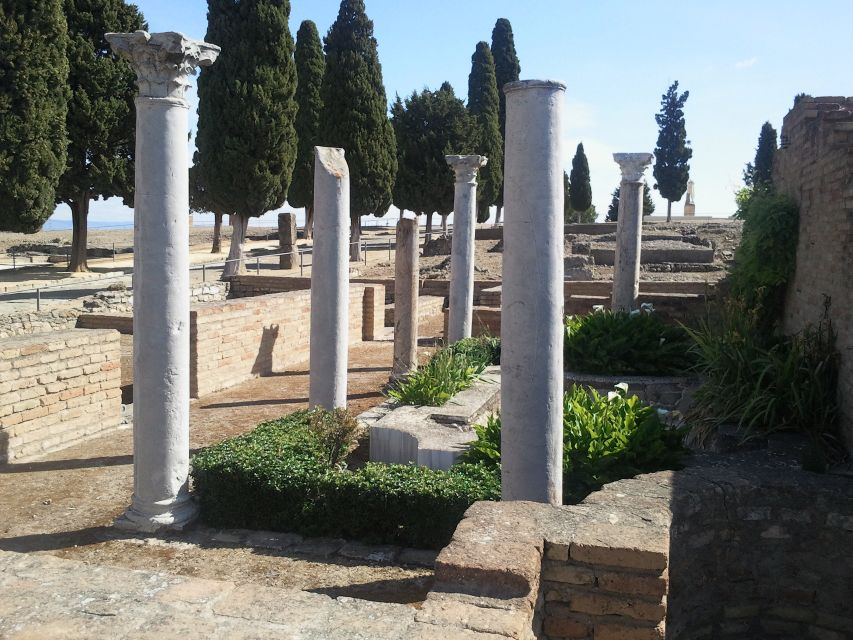
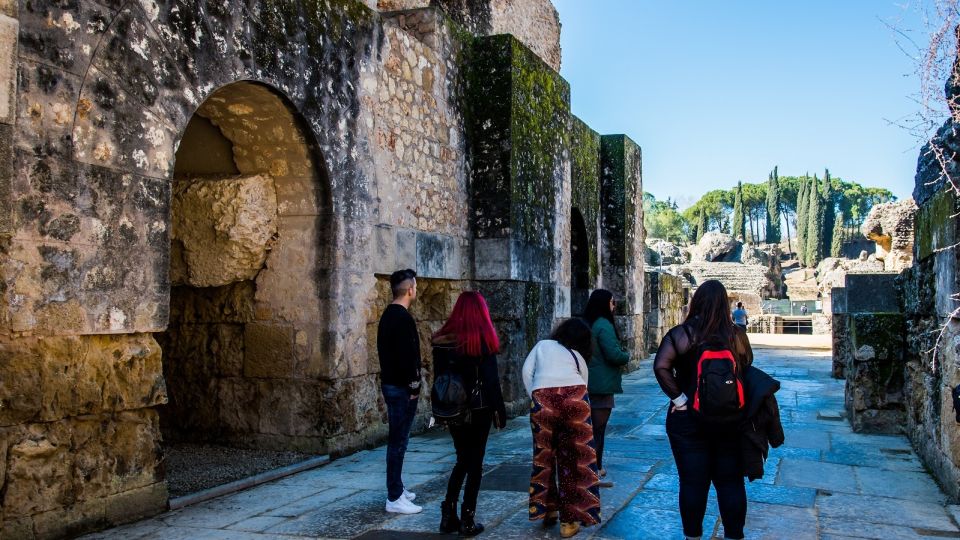
This tour is built around one core experience: walking through the Archaeological Ensemble of Itálica with an official guide. That guided portion is where you’ll get the most value, because Roman sites can look similar unless someone points out the right features.
You’ll stroll along older street areas and move through ruins of homes and public buildings. What makes this more satisfying than a quick stop is the way the guide connects features to function—how people moved, where civic life happened, and what the city was built to do.
A big advantage: you’re not just taking photos. You’re learning what you’re looking at. Reviews consistently mention that guides use anecdotes and clear explanations to make Italica feel like a place with rules, routines, and personalities. Names that show up in strong feedback include Jose Luis, Jesus, Alberto, and Nieves—people praised them for turning “ruins” into something you can picture.
If your Spanish is limited, don’t worry. The standard tour runs in English and Spanish. And if you’re traveling in another language, French, German, and Italian are available on request.
Mosaics, Traianeum, Statues, and Baths: Why These Details Matter
Here’s the part where Italica can surprise you. Roman history tours sometimes get stuck on monuments. This one gives you a broader set of visuals: mosaic floors, the Traianeum, statues, and public baths.
Mosaics in houses and public areas
The uncovered mosaic floors are often the moment people remember later. They look pretty, yes, but the real win is seeing how detailed they are even after centuries. In practical terms, mosaics help you understand wealth, taste, and daily design choices. You’re not just reading about Roman art—you’re seeing it in context on-site.




The Traianeum and imperial symbolism
The Traianeum is one of the places where the site shifts from “ordinary city” to “imperial identity.” It’s the kind of feature that makes the Trajan connection feel less like a trivia line and more like a visible theme.
Statues you can spot
As you move around, you’re guided to look for statues of Diana, Venus, and Trajan. That matters because it gives you clear visual targets. Instead of wandering through fragments, you know what to look for and why it was placed there.
Public baths
The public baths reinforce that Italica wasn’t built only for spectacle. Baths were social spaces, not just hygiene. Seeing them on the ground helps you understand why Roman cities invested in comfort and community infrastructure.
The Itálica Amphitheater: Where 25,000 People Would Have Watched
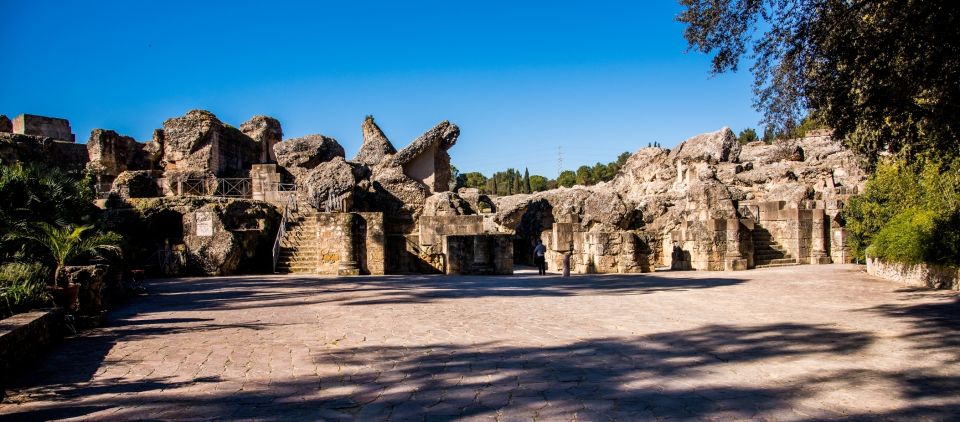
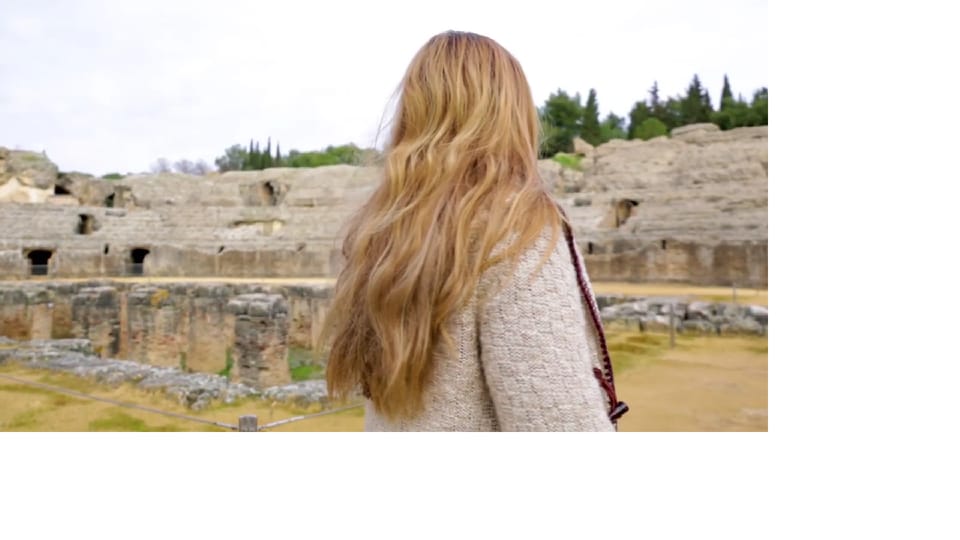
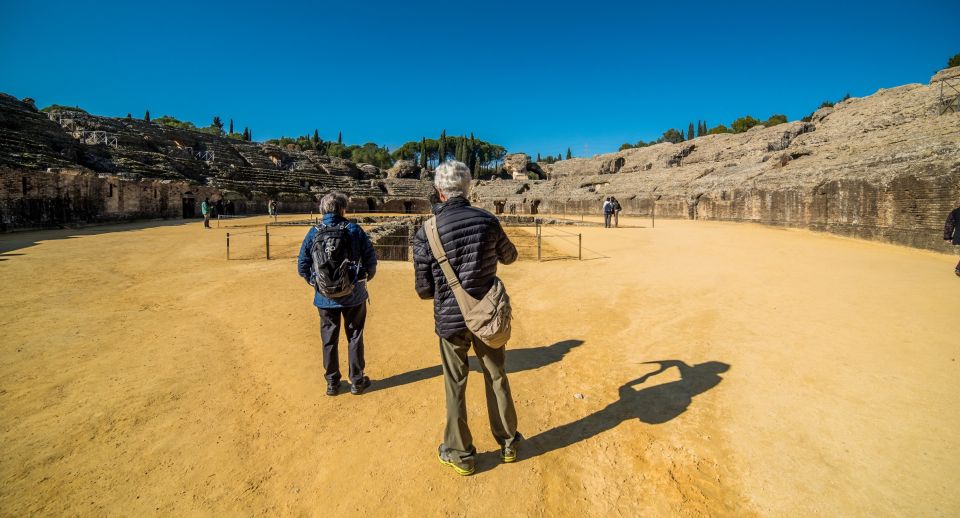
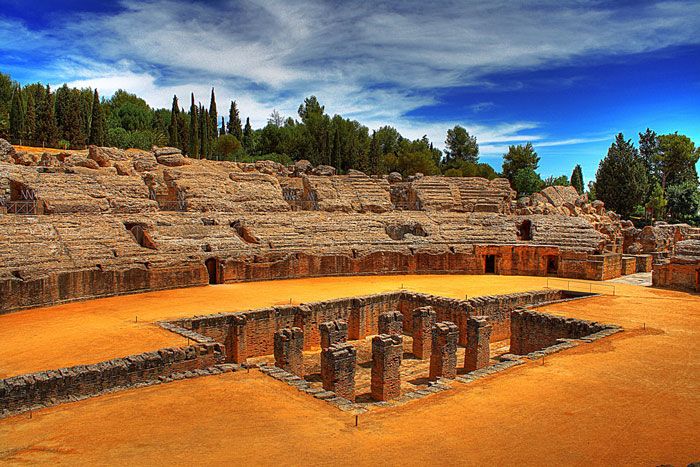
Now for the “wow” stop. The Itálica Amphitheater is famous for scale. It seated about 25,000 and was the third largest amphitheater in the Roman Empire. That’s the number that flips the switch from impressive ruins to genuine Roman-world perspective.
What you should pay attention to:
- The size of the seating bowl relative to how close you stand to the structure.
- Where entrances and circulation would have funneled crowds.
- How the shape supports viewing from different levels.
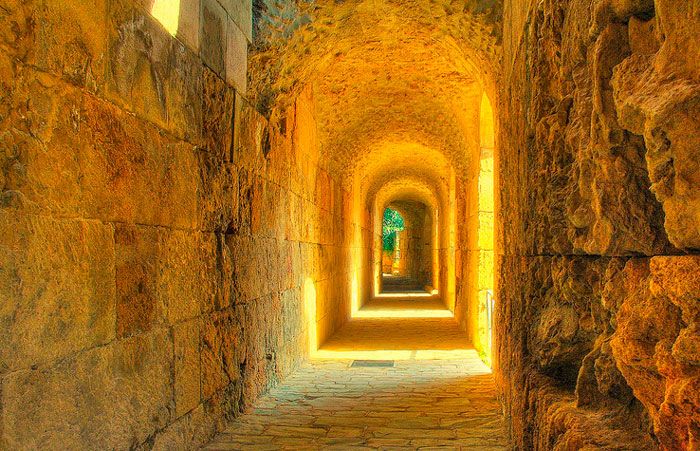
One detail you might not expect: some visitors mention the experience of walking through tunnels under the seating, which adds a more physical sense of how the show and crowd flow worked. Even if you don’t focus on every technical part, being in that space makes Roman entertainment feel real.
If you like sites that connect architecture to atmosphere, this is your moment.
The Partially Reconstructed Roman Theater in Santiponce
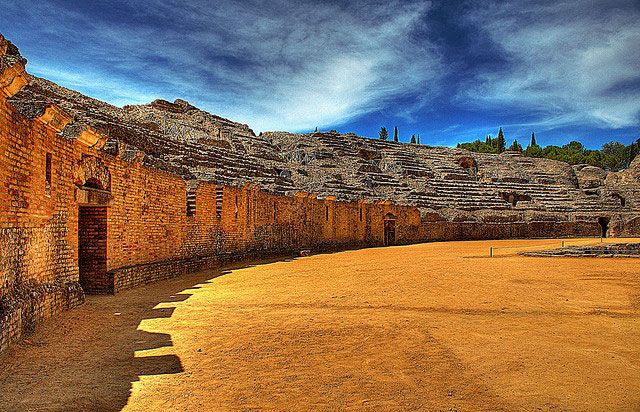
After the amphitheater, the day doesn’t stop at big arena energy. You also see a Roman theater in Santiponce, described as partially reconstructed. That phrasing is important. You’re not seeing a perfectly “whole” building. You’re seeing a shaped reminder of how performances were staged.
This stop is valuable because theaters answer a different question than amphitheaters. An amphitheater is about crowd spectacle. A theater is about staging, acoustics, and a designed relationship between actors and audience space.
Even with partial reconstruction, the theater helps balance your mental picture of Roman entertainment. It also gives you a quieter change of pace after the amphitheater’s scale.
How the Guide Affects Your Experience (And How to Get the Most Out of It)
This tour is only as good as the narration you receive while you’re moving through ruins. And the feedback here is consistently strong about guide delivery—people mention storytelling, patience, and clear explanations.
You might run into guides such as:
- Jose Luis
- Jesus
- Alberto
- Miguel
- Nieves
- Sergio
- Montse
- Roman (associated with the experience in praise)
That list matters less than the pattern: guides who can explain both the big facts (Trajan, Hadrian, the arena) and the smaller “why it’s here” details tend to turn Italica from a highlight into a lasting memory.
One practical caution: in a larger group, it can be hard to hear every word from every seat in the bus or every corner of the site. If you want the full benefit, position yourself closer when you’re on the move and don’t be shy about asking questions when the guide pauses.
Price and Value: Is $51 Worth It?
At about $51 per person for a 4-hour tour, this isn’t just paying for a ticket. You’re paying for:
- Round-trip transportation from Seville
- Entrance fees
- An official tourist guide
- Skip-the-ticket-line entry
- About 3 hours of guided time at the site
So yes, it’s a paid tour. But it’s also a “time-saver” tour. Self-planning can work, but you’d still need to solve transportation and guide-level context. Here, the guide cost is rolled into the package, and you’re not left guessing what matters when you arrive.
Optional add-on: some tours offer optional lunch for €18. If you want to keep the day moving without thinking about meals, that’s convenient. If you’d rather explore independently, plan to eat back in Seville after you return.
Who This Tour Fits Best
This is a strong match if you:
- Want Roman history with clear structure and time-efficient logistics from Seville
- Care about mosaics and urban life, not only monuments
- Enjoy guided storytelling that explains what you’re seeing
It’s also a good fit for families who can handle a couple hours walking on-site. One note from feedback: bring a stroller if needed, but plan for moments where it can’t stay fully useful.
If you prefer long unstructured free time in ruins, you may find the pacing a touch tight since the day is built around guided stops.
Should You Book the Seville to Italica Tour?
My take: this is a book-it kind of day trip if Roman ruins are on your must-do list. The value comes from the mix—transport + entrance + a real guide—and the fact that Italica covers both big-scale architecture and everyday-city details. The amphitheater is the obvious highlight, but the mosaics, baths, Traianeum, and statues are what make the whole thing feel complete.
If you can only do one Roman experience near Seville, this is a very practical choice. If you love history, but you hate rushing, arrive with good shoes and a patient mindset—and let the guide do the heavy lifting.
FAQ
How long is the Italica Roman city tour from Seville?
The tour lasts about 4 hours total.
Where do the pickups in Seville happen?
You can be picked up at three locations: Calle Rastro 12A, Hotel Don Paco, and Calle Trajano 6.
What time are the pickup departures?
Pickup times are listed as 09:45 at Calle Rastro 12A, 09:50 at Hotel Don Paco, and 10:00 at Calle Trajano 6.
Is transportation included?
Yes. Round-trip transportation between Seville and Italica is included.
Are entrance fees included?
Yes. Entrance fees to Italica are included, and you skip the ticket line.
What languages is the guided tour offered in?
The tour is offered in Spanish and English. Other languages like French, German, and Italian may be available on request.
Is lunch included?
Lunch isn’t included, but an optional lunch is available for €18.