REVIEW · GRAN CANARIA
Full Day Across the Island Tour from Las Palmas
Book on Viator →Operated by ExcursionsGranCanaria.com · Bookable on Viator
One day, five worlds on Gran Canaria. This full-day tour threads through Bandama, Fataga, and Maspalomas with an English guide and air-conditioned transport. You’ll bounce between high viewpoints, mountain villages, and desert sand without having to plan a thing.
I love the variety packed into the route, especially the jump from the volcanic crater at Bandama to the palm-canyon feel of Fataga. I also like how guide Pavel turns the drive into a story, with history and everyday-life context you can actually use.
The main thing to consider is the ride itself. There are winding mountain roads, and higher stops can feel cool or windy—so pack a jacket, and if you get motion sickness, bring your meds.
In This Review
- Key highlights
- How This Full-Day Across-the-Island Tour Feels From Las Palmas
- Caldera de Bandama: The Crater Stop That Sets the Tone
- Santa Brígida: A 30-Minute Reset in Green, Historic Streets
- Pico de las Nieves: Roque Nublo and Roque Bentayga in One Shot
- San Bartolomé de Tirajana: Museum Time in a Real Old House
- Fataga: Palm-Canyon Vibes and an Easy Lunch Plan
- Maspalomas Dunes and Charco de Maspalomas: Sand Time That Actually Works
- The Guide and Driver Matter More Than You Think
- Comfort, Clothing, and How to Avoid the Common Mistakes
- Price and Value: Why This Costs What It Costs
- Who This Tour Suits Best (and Who Might Want to Skip It)
- Should You Book This Full Day Across the Island Tour?
- FAQ
- How long is the Across the Island Tour from Las Palmas?
- Is the tour guided in English?
- What’s included in the price?
- Is lunch or food included?
- What are the minimum age and fitness expectations?
- What should I do if I get motion sickness or the weather is bad?
Key highlights
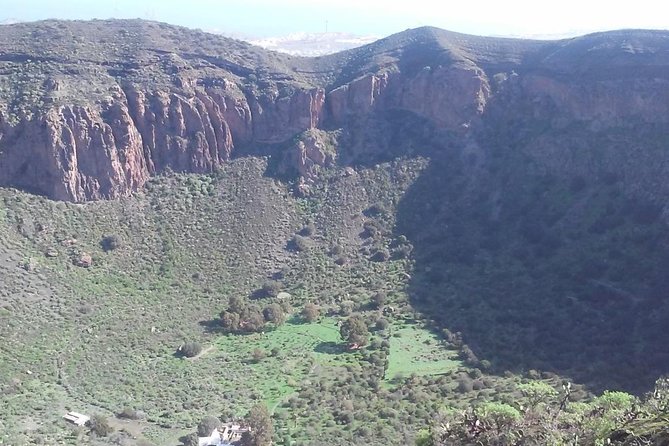
- Bandama Caldera viewpoint: A quick 15-minute stop with big-crater photos and dramatic island-scale views
- Pico de las Nieves photo trio: Roque Nublo and Roque Bentayga framed by top-of-island panoramas
- Santa Brígida coffee-and-stroll time: A pretty 30-minute break in a greener, more historic center
- Fataga’s palm oasis hour: About an hour of free time in a canyon village where lunch is easy to fit in
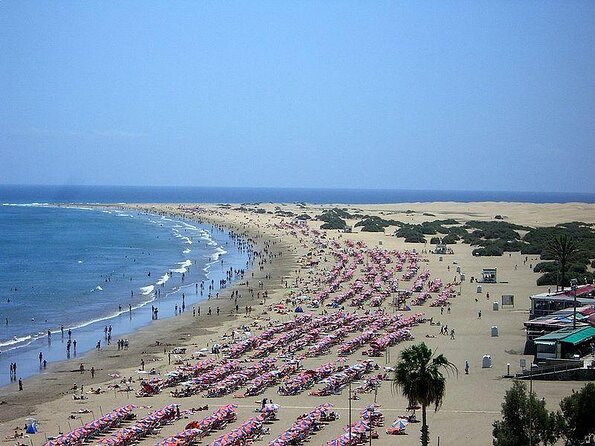
- Maspalomas dunes at Charco: 45 minutes with an easy “sand-to-water” plan near Charco de Maspalomas
- Small group feel (max 25): Enough time with the guide and smoother coordination on tight roads
How This Full-Day Across-the-Island Tour Feels From Las Palmas
This is the kind of tour that gives you quick context for Gran Canaria’s big contrasts. In about 8 hours 30 minutes, you cover the north’s higher interior, the island’s mountain villages, and then finish in the south at Maspalomas dunes. For first-timers, that’s gold: you get a mental map of how the island is put together, not just a list of sights.
The English-guided part matters more than people think. The guide doesn’t just point and move on. You get commentary on the island’s history, culture, and environment, and that helps you read what you’re seeing—volcanic shapes up top, water-driven greenery in the midlands, and the desert feel near the sea.
You’ll also appreciate the practical side: the transport is air-conditioned, and the group is kept to up to 25 people. That size is big enough to run smoothly but small enough for the guide to manage questions and pacing without the day feeling like a factory line.
A few more Gran Canaria tours and experiences worth a look
Caldera de Bandama: The Crater Stop That Sets the Tone
Stop one is Caldera de Bandama, and the timing is smart: you get about 15 minutes at a viewpoint with excellent views over the island’s largest volcanic crater. It’s short, but that’s what makes it work on an island-hopping day. You’re not burning time waiting around; you’re getting a strong opening image and then rolling onward.
What you’ll likely notice is scale. From up here, the crater doesn’t feel like a “spot.” It feels like the island’s engine—proof that Gran Canaria’s personality comes from volcanoes and erosion, not just beaches and resorts.
Drawback to plan for: viewpoints can be breezy, and it’s often cooler than you expect compared with the coast. Bring a layer, even if Las Palmas feels warm.
Santa Brígida: A 30-Minute Reset in Green, Historic Streets
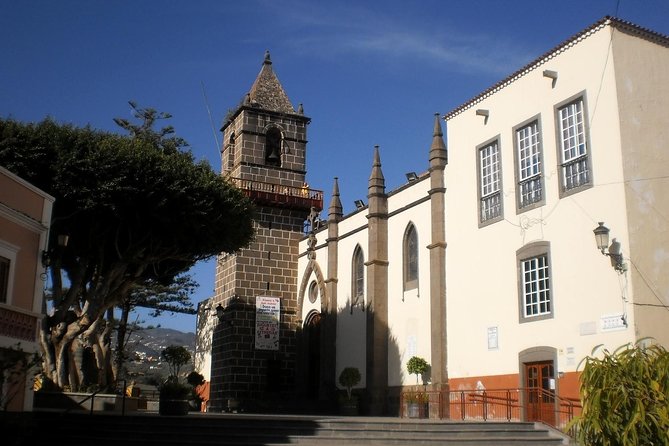
Next is Santa Brígida, a smaller town with a pretty historical center. You get roughly 30 minutes, which is enough for a real walk without dragging. This stop stands out because it’s surrounded by green areas and palm trees, tied to local water sources—so the vibe changes fast from stop one.
If you want something simple and satisfying, this is the moment for a quick coffee in a typical older coffee place. It’s a good “human scale” pause after higher viewpoints, and it also helps you feel what daily life looks like beyond the tourist route.
Small caution: since it’s a short stop, don’t treat it like an all-day wandering town. Use the time for one loop through the center, one drink, and then get back on schedule.
Pico de las Nieves: Roque Nublo and Roque Bentayga in One Shot
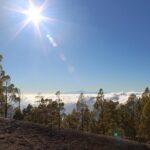
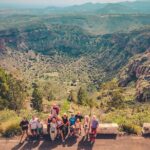
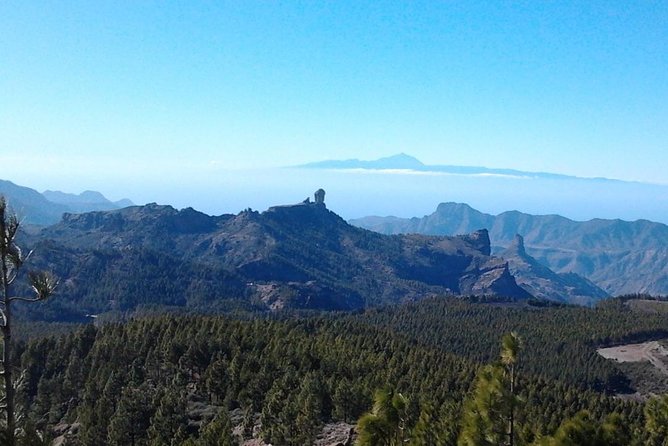
This is the stop many people remember, and for a reason. At Pico de las Nieves (the highest peak of the island), you’ll have around 20 minutes for big views over the mountainous countryside.
The photos you’ll want to target are the two famous rock landmarks in the heart of the island: Roque Nublo and Roque Bentayga. From here, they look mysterious and dramatic, like the island decided to place its icons in the middle of the scenery.
If the horizon cooperates, you might even catch sight of Tenerife in the far distance. And here’s the smart part: if weather is poor the day of your tour and visibility is limited, the plan includes trying for alternative viewpoints on the drive down toward the south, where conditions are often sunnier.
Practical tip: even when the rest of the day is warm, higher points can chill you. A jacket is not optional if you don’t want to rush your photos.
San Bartolomé de Tirajana: Museum Time in a Real Old House
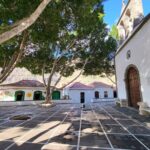
After the height and views, you shift to San Bartolomé de Tirajana, a mountain village stop with about 25 minutes on the clock. The highlight here is an interesting museum set in an older house of a local, well-positioned family.
This museum stop is valuable because it’s not just “culture talk.” It’s a way to connect the geography to people: how villagers lived in earlier times, what daily life looked like, and what shaped the community’s routines. It’s a change of pace from looking outward at the island. Here you look back—at the human side of the mountains.
Consideration: if you’re not into museums, keep your expectations light. Think of it as a quick context-building break, not an all-you-can-read history session.


Fataga: Palm-Canyon Vibes and an Easy Lunch Plan
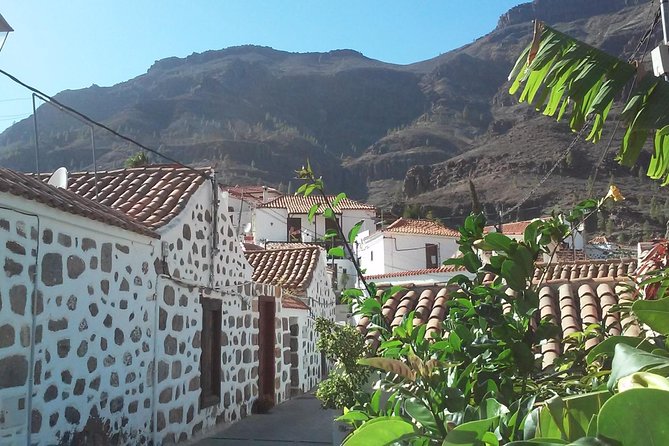
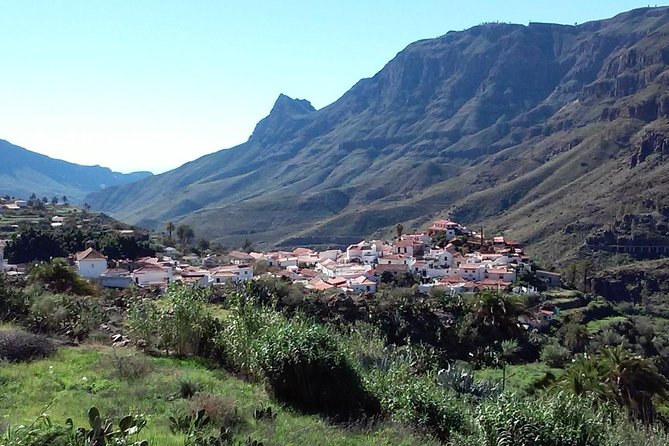
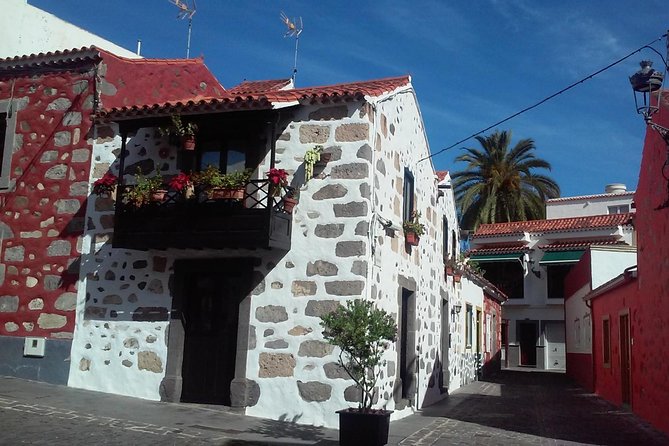
Then comes Fataga, which feels like an oasis. The village sits in a canyon-like countryside and is surrounded by hundreds of palms, giving it a lush, sheltered feel compared to the drier zones you’ll see elsewhere.
You’ll get about 1 hour free time, and this is where you can shape the stop to your taste. If you want lunch, this is the natural moment. There’s a traditional taverna option, with meals starting around €7.50 per person for a main dish. The main dish pricing matters because it helps you budget without guessing.
Fataga is also a great place to slow down and just take in atmosphere. The best part isn’t sprinting from photo spot to photo spot—it’s letting the village’s greenery and canyon walls sink in for a bit.
Quick timing advice: if you eat, don’t try to do everything at once. Keep it simple: one meal, one stroll, back to the meeting point with time to spare.
Maspalomas Dunes and Charco de Maspalomas: Sand Time That Actually Works
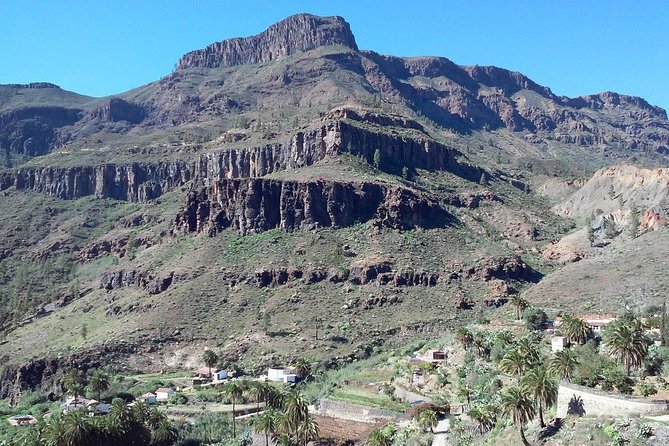
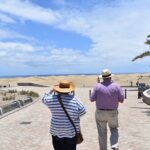
To wrap the tour, you’ll hit Reserva Natural Especial de Las Dunas de Maspalomas. You get about 45 minutes in the dunes, which is enough to explore, take photos, and decide whether you want a quick ocean moment.
A smart detail is the pickup and drop-off location. You’re dropped off and picked up near the pond of Charco de Maspalomas, which sits right at the edge of the dunes. That makes the whole stop easier. You’re not crossing the entire dune field to find your transport again.
If you want a swim, bring your swimwear—this part is your “sand and sea” finale.
Important practical footwear tip: bring athletic shoes for dune walks, but also pack sand-friendly footwear like sandals or flip-flops. Shoes can fill with sand fast, and you’ll regret it once you’re trying to shake everything out before getting back on the bus.
The Guide and Driver Matter More Than You Think
The success of a day like this lives and dies on pacing, and this tour is built for that. Guide Pavel (you may also see the name Paulo in messaging) is often described as funny and engaging, with a real focus on history and how people live on the island now. The way the commentary lands makes a difference—you understand why the island looks the way it does, instead of just collecting photos.
There’s also a “behind the scenes” piece that you only notice when it’s done well. Drivers have to handle narrow, winding mountain roads. Some of the names that show up in guidance and coordination include Miguel, Barbara, and David—and the point is the same: the driving needs to be careful and confident so you can focus on the views.
One more thing I like: this tour feels organized with time for real questions. And during the day, the guide can help keep things running smoothly around parking and timing, which means fewer awkward delays and more actual time at each stop.
Comfort, Clothing, and How to Avoid the Common Mistakes
Even with air-conditioned transport, you still spend time outside at viewpoints and in villages. That’s why packing smart beats overpacking.
Here’s the practical checklist I’d follow:
- Bring a jacket. Mountains can be cool, and it can also get windy.
- Wear athletic footwear for walking time, especially if you’re moving over uneven paths.
- If you’re going to Maspalomas dunes, pack sandals/flip-flops so you don’t hate your shoes by the end.
Also, one piece of advice you’ll hear from people who’ve done the tour: avoid very short skirts or dresses in windy mountain moments. Long pants or more wind-resistant outfits make the day calmer.
If you’re sensitive to motion, this is not a straight highway tour. The roads twist. The tour specifically warns that if you suffer road sickness, bring your medication—so don’t wait for the first hairpin turn to find out how you handle it.
Price and Value: Why This Costs What It Costs
At $55.63 per person for about 8.5 hours, the value comes from the bundle. You’re getting:
- Professional English guidance for most of the day
- Air-conditioned transportation between remote interior stops and the south
- Multiple stops where you don’t have to pay admission (Bandama, Pico de las Nieves viewpoints, the museum entry, and the dunes stop are all described as free)
Food and drinks aren’t included, so you’ll pay for lunch separately. But the way lunch is built into the day helps. Fataga gives you about an hour to eat at a traditional taverna, and pricing starts around €7.50 for a main dish. That’s workable if you plan ahead.
Is it cheaper than DIY? Maybe, maybe not. But it’s often worth it because DIY means more transfers, more timing pressure, and less context. This tour compresses the best “across-the-island” highlights into one smooth day.
Who This Tour Suits Best (and Who Might Want to Skip It)
This is a great pick if you:
- Want the highlights of Gran Canaria in one day
- Like having a guide explain history, culture, and environmental clues
- Prefer a small-group experience and don’t want to bounce around with multiple bus connections
It may be a poor match if you:
- Have strong motion sickness concerns and don’t take precautions
- Don’t enjoy long days of driving, even if the transport is comfortable
- Only want beach time and zero interior stops
If you’re doing your trip early, you’ll likely get extra value from the recommendations that come up during the day—hiking areas, and where to go later using public transport.
Should You Book This Full Day Across the Island Tour?
I’d book it if you want a fast, well-paced route that explains Gran Canaria beyond the coast. The strongest reasons are simple: the day’s variety, the way guide Pavel connects sights to stories, and the practical stop design that gives you viewpoints plus real time for breaks—like Fataga’s hour and Maspalomas’ 45 minutes.
Book it thoughtfully if you’re sensitive to winding roads or cold wind, and plan your footwear for dunes. If you do that, you’ll come away with a much clearer sense of what makes the island work—volcano to palms to sand, all in one day.
FAQ
How long is the Across the Island Tour from Las Palmas?
The tour is about 8 hours 30 minutes.
Is the tour guided in English?
Yes. The tour is guided only in English.
What’s included in the price?
The tour includes a professional English guide, air-conditioned transport, and reduced groups up to 25 persons.
Is lunch or food included?
No. Food and drinks are not included. You’ll have free time for lunch at Fataga.
What are the minimum age and fitness expectations?
The minimum age is 7 years, and travelers should have moderate physical fitness.
What should I do if I get motion sickness or the weather is bad?
The tour warns there are winding roads in the mountains and suggests bringing medication if you get road sickness. It operates in all weather conditions, but it can be canceled due to poor weather, in which case you’ll be offered a different date or a full refund.