REVIEW · GRAN CANARIA
Gran Canaria: Winery Tour, Wine Museum, and Tasting
Book on GetYourGuide →Operated by Timonfaya Travel Lanzarote · Bookable on GetYourGuide
Step into a winery that feels like old-time Gran Canaria. It’s a family-run organic estate with a wine museum stop and a hands-on tasting that doesn’t waste your time. In about 1.5 hours, you get history, vineyards, and a real taste of how wine fits into everyday island life.
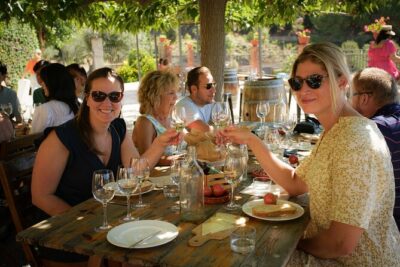
I especially love the blend of the old and the new here: you’ll see a 100-year-old stone lagares site, then compare it with the modern winemaking facility. I also like that the tasting is simple and satisfying—two wines paired with local cheese, toasted bread, and olives.
One possible drawback: this is not a massive “VIP winery day.” If you’re the type who wants a long menu, lots of shopping, or super clear directions at the very start, you might find the flow a little less polished than larger operations.
In This Review
- Key points before you go
- Why This 1.5-Hour Winery Stop Feels Like a Time Machine
- Meeting at Bodega San Juan: How the Tour Flows
- Organic Vineyards and Volcanic Soil: What You’re Supposed to Look For
- The 100-Year-Old Lagares: Old Wine Work You Can Still Picture
- The Wine Museum: Old Machinery, Modern Methods, Same Goal
- Smells in the Cellar and Fermentation in Wooden Casks
- The Tasting: Two Wines, Cheese, Toast, and Olives
- How Good Is the Value at $34 for 1.5 Hours?
- Who This Winery Tour Suits Best
- A Few Things to Expect About Your Guide and Group Size
- Should You Book This Gran Canaria Winery Tour?
- FAQ
- How long is the Gran Canaria winery tour?
- What’s included in the tasting and snacks?
- Is hotel pickup included?
- Where do I meet for the tour?
- Is the tour available in rain?
- What language is the tour hosted in?
- How much does it cost?
- Can I cancel for a refund?
- Can I reserve now and pay later?
Key points before you go
- Family-run organic winery dating back five generations, with a practical farm tour
- The only wine museum in Gran Canaria, including old machinery and a look at how things changed
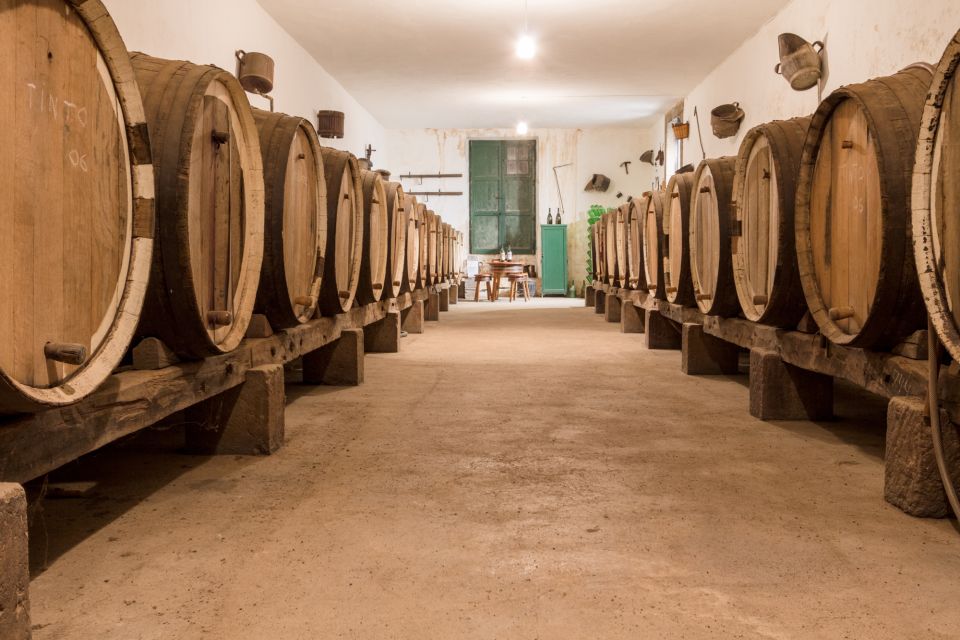
- Old cellar + wooden casks: you’ll notice the smells of fermentation as you move through
- 100-year-old stone lagares connected to grape treading and the way wine used to be made
- Volcanic soil and endemic grape varieties explained in plain, island-level terms
- Tasting in a garden setting where you may catch butterflies floating around
Why This 1.5-Hour Winery Stop Feels Like a Time Machine
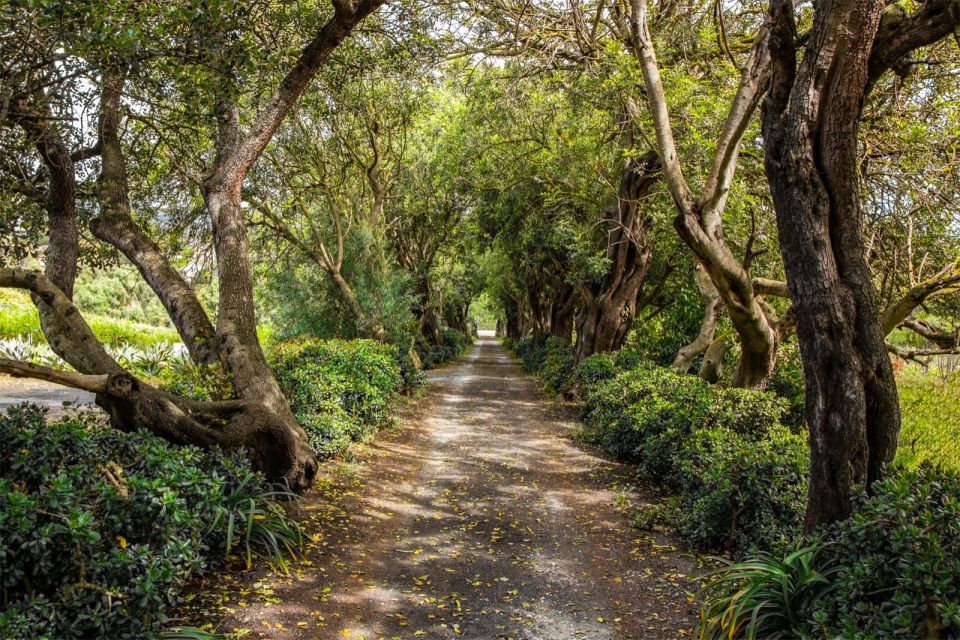
This tour works because it stays focused. You’re not bouncing between five glittery photo stops. Instead, you’re led through one coherent story: the family estate, the vineyards, the old tools, and then the modern process that still depends on the same basic ingredients—grapes, patience, and the island’s conditions.
Gran Canaria wine has a specific character, and the tour helps you taste that with context. You’ll hear why the volcanic soil matters, and you’ll get pointed at endemic grape varieties rather than generic wine facts. That makes the two-wine tasting feel earned, not random.
The time length also matters. At 1.5 hours, you can fit this in without sacrificing an entire afternoon. It’s a good choice when you want something “culture + flavor” but still want energy left for the rest of your day.
You can also read our reviews of more food & drink experiences in Gran Canaria


Meeting at Bodega San Juan: How the Tour Flows
You’ll meet at Bodega San Juan – Finca El Mocanal. From there, the rhythm is straightforward: you start with the estate story, move outdoors for the vineyards, return inside for museum and cellar elements, and finish with tasting snacks.
The pacing is relaxed enough that you can ask questions, but it’s not slow. If you’re worried about time, don’t be. This is built around a tight sequence: photos and family history early, then hands-on sights through the middle, then the tasting at the end.
One practical tip based on what people have said: if the initial directions feel vague in the moment, just ask right away for where to go next. On a small, family-run operation, the tour can start with a quick handoff rather than a big “tour desk script.”
Organic Vineyards and Volcanic Soil: What You’re Supposed to Look For
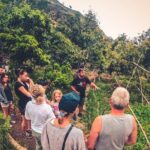
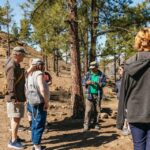
The walk through the organic vineyards is one of the best parts because it’s not just scenery. You’re shown how the grapes ripen in the sun and how the farm manages conditions to keep everything in the right state.
You’ll also hear about the island’s volcanic soil, which isn’t a fancy detail for the sake of sounding fancy. The point is simple: it’s part of why these grapes develop the flavors they do. When you later taste, you’ll have something concrete in your mind—rather than just thinking, I guess this is a sweet red.
Endemic grape varieties come into the conversation here too. That’s important for you if you’ve tasted lots of Spanish wine already. You might have heard the mainland names before. On Gran Canaria, you get a different set of grapes and a different way the plant handles the island environment.
The 100-Year-Old Lagares: Old Wine Work You Can Still Picture
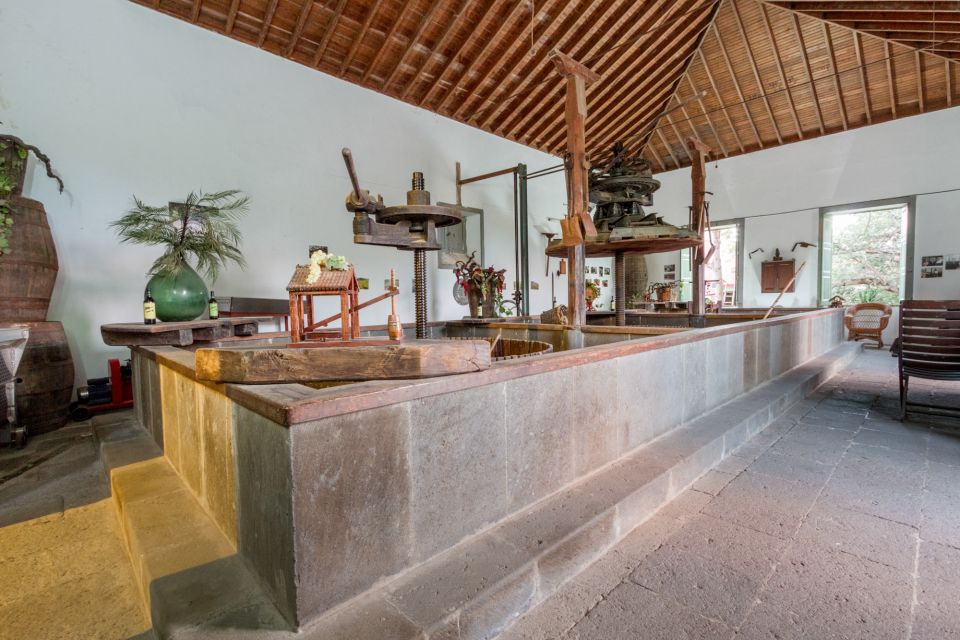
A highlight is the 100-year-old stone lagares connected to traditional grape pressing. The point isn’t to treat it like a museum prop behind glass. It’s more like a physical reminder of what wine work used to require: labor, rhythm, and a deep familiarity with the harvest.
Even if you don’t know anything about winemaking, you’ll understand the meaning quickly. Walking past old structures like this makes the process feel real. Then, when you hear how things changed over time—tools updated, methods refined—you’ll connect the dots instead of memorizing dates.
If you like photos, this is a strong moment to stop and frame the scene. People praise the estate’s settings, and this is one of the most “Gran Canaria specifically” looking spots in the whole tour.
The Wine Museum: Old Machinery, Modern Methods, Same Goal
This is where the tour earns its keep if you enjoy the nuts-and-bolts side of wine. You’ll explore the wine museum, including older machinery and how winemaking evolved at the estate.
What I like here is the comparison. You’re not only shown what’s old. You’ll also see modern facilities and hear how production has shifted. That helps you understand that tradition isn’t frozen in time—it’s adapted, while still keeping the family identity and local methods alive.
This also explains why the tasting works so well at the end. When you’ve seen the old versus new, you can taste for things you actually care about: how the style changed (or didn’t), and how the winemaking choices show up in the glass.
You can also read our reviews of more museum experiences in Gran Canaria
Smells in the Cellar and Fermentation in Wooden Casks
Entering the cellar is one of those sensory moments that makes the whole tour stick. You’ll inhale the aroma of wines fermenting in wooden casks as part of the experience.
That smell matters for two reasons. First, it makes the process feel physical instead of theoretical. Second, it gives you a reference point. When you later taste, you’re not just trying to identify flavors—you’re remembering the environment where the wine took shape.
The tour also mentions old wine cellar elements, which pair nicely with the museum pieces. Together, they form a chain of understanding: grape arrives, old tools shaped how it worked, modern changes refined it, then the wine reaches your glass.
The Tasting: Two Wines, Cheese, Toast, and Olives
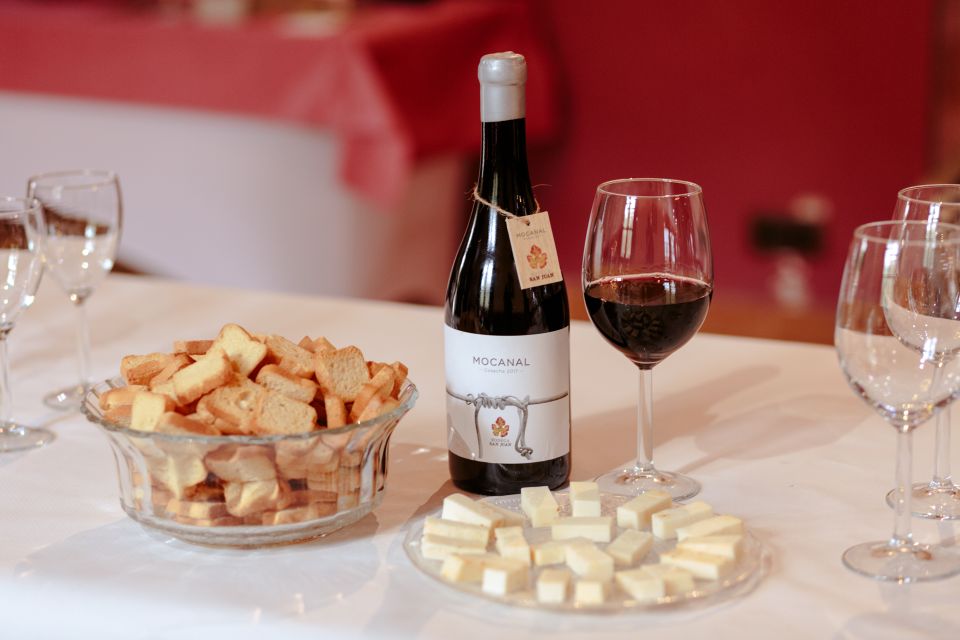
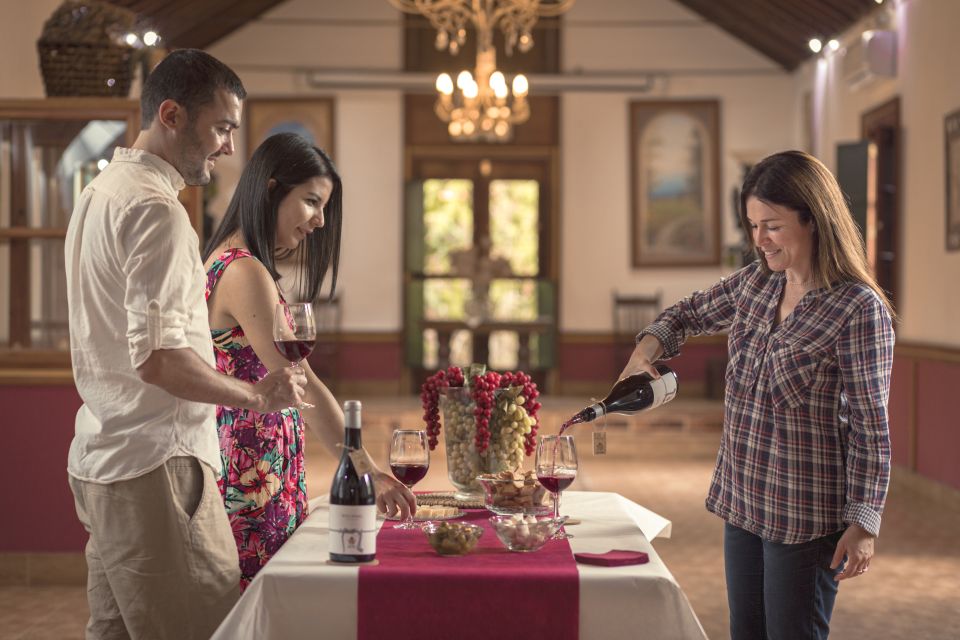
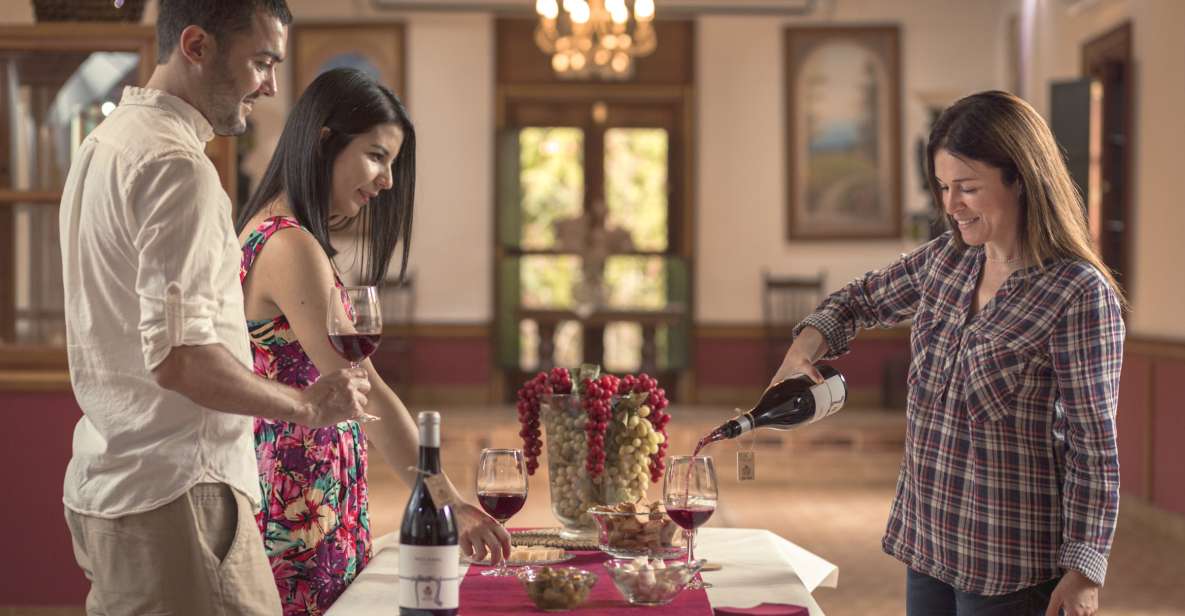
The ending is pleasantly low-pressure. You’ll enjoy a tasting of two wines in the tasting area, accompanied by local cheese and toasted bread. Snacks also include olives.
I like this format because it respects your palate. Two wines in 1.5 hours is enough to notice differences without turning it into a blur. And the food pairing is practical: cheese and bread fit what you’re tasting rather than trying to match you with a complicated multi-course meal.
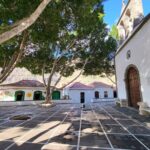
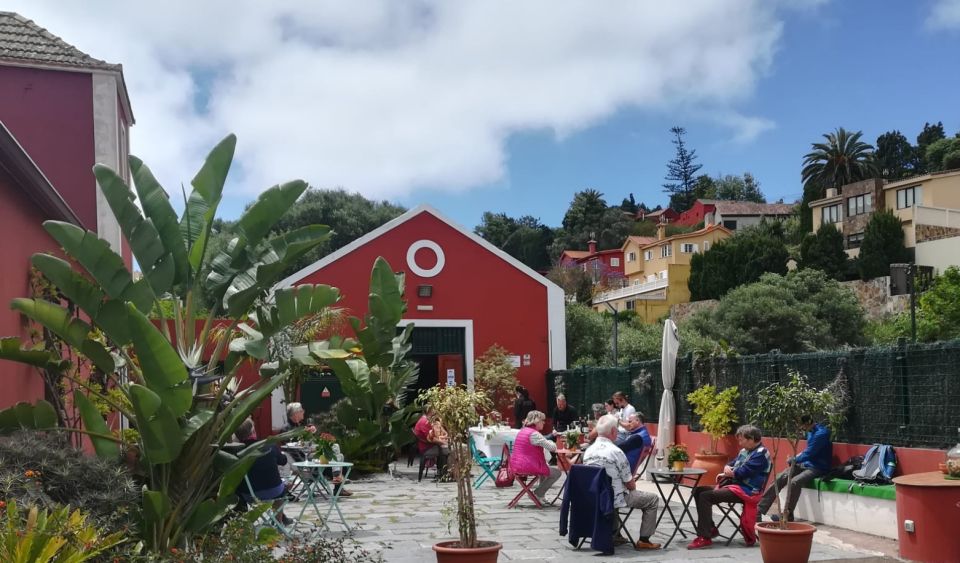
There’s also a pleasant setting element. One theme in the feedback is that the tasting can happen in a garden area where butterflies may float around. That kind of calm atmosphere changes the feel of a wine stop from sales pitch to slow conversation.
One more practical note: if you’re hoping to buy specific bottles right after, don’t assume every wine is always available for purchase. Stock can vary, and in at least one case, a praised wine wasn’t available to take home in that moment.
How Good Is the Value at $34 for 1.5 Hours?
For $34 per person, the value is mostly about what’s included. You’re getting a farm tour, access to the winery’s museum and cellar elements, and a tasting that includes two wines plus cheese and toasted bread, along with olives.
If you’ve done wine tours before, you’ll know the typical trap: you pay for transportation and a long talk, but the tasting is basic. Here, the tasting is clearly part of the main event, not an afterthought. And because the tour is only 1.5 hours, you’re paying for a tight experience rather than a half-day schedule.
You’re also paying for something harder to fake: the family estate details, the old lagares, and the museum collection. Those are the kinds of features you can’t replicate by visiting any generic tasting room.
Who This Winery Tour Suits Best
This one fits you if you like wine culture that stays human. A family-run estate with five generations worth of photos and process details tends to work well for people who want authenticity over spectacle.
It also suits you if you enjoy learning while you walk. The tour mixes short explanations with visible steps in the process—vineyards, tools, cellar, then tasting—so you don’t have to sit through one long lecture.
You might choose a different option if you want a more “resort-style” winery experience. This is more grounded and rustic, with the focus on organic practices, historic elements, and a simple, satisfying tasting.
If you’re going with someone who celebrates a special day, this tour can be a good pick too. People have specifically praised it as a birthday-friendly experience, and it’s easy to imagine why: it’s relaxed, scenic for photos, and not overly formal.
A Few Things to Expect About Your Guide and Group Size
English hosting is part of the setup, and the guiding quality seems to be a strong point. One repeated theme is how well the guide communicates—clear English, friendly humor, and stories that connect the family estate to the winemaking process.
In at least a couple of cases, the tour experience was more personal than you’d expect: there was mention of smaller groups (even just two people on one booking). That can make the tour feel more conversational, and you may get more tailored attention.
Also, this operation has shown flexibility when disruptions happen. If there’s a delay due to an accident, the guide has helped people transfer to a later tour time. It’s not something you should plan around, but it’s reassuring to know they handle real-world hiccups with common sense.
Should You Book This Gran Canaria Winery Tour?
Book it if you want a compact, high-value wine experience with organic vineyards, a real wine museum, and a tasting that’s paired with local snacks. The $34 price makes sense because you’re not just paying for wine—you’re paying for the estate story, historic sites like the stone lagares, and a walk-through that explains grape-to-bottle in plain terms.
Skip it if you need a super polished, itinerary-heavy production with lots of shopping options and a big, flashy sales vibe. This tour is best for people who appreciate small-scale authenticity, a calm garden tasting, and learning that comes from being shown the real tools and places.
If your day in Gran Canaria needs one smart, flavorful anchor, this is a solid choice.
FAQ
How long is the Gran Canaria winery tour?
The tour lasts 1.5 hours.
What’s included in the tasting and snacks?
You’ll taste two wines, with cheese and toasted bread. Snacks also include olives.
Is hotel pickup included?
No. Hotel pickup and drop-off are not included.
Where do I meet for the tour?
Meet at Bodega San Juan – Finca El Mocanal.
Is the tour available in rain?
Yes, it runs rain or shine.
What language is the tour hosted in?
The host or greeter provides the tour in English.
How much does it cost?
The price is $34 per person.
Can I cancel for a refund?
Yes. You can cancel up to 24 hours in advance for a full refund.
Can I reserve now and pay later?
Yes, you can reserve now & pay later.