REVIEW · GRANADA
Granada: Cathedral of Granada Entry Ticket
Book on GetYourGuide →Operated by GetYourGuide Tours & Tickets GmbH · Bookable on GetYourGuide
Granada Cathedral is one of those interiors that makes you slow down fast. With an entry ticket plus an audio guide app, you get a focused look at Spanish Renaissance design, standout chapels, stained glass, and historic organs—without needing a full guided tour.
I particularly love the Main Chapel experience and the way it pulls your eyes upward and inward. I also like the mix of named works you can actually track—Alonso Cano, Teodoro Pascual, and Leonardo Fernández Ávila—so the visit feels specific instead of vague.
One consideration: entry depends on the time you choose, and the rules are strict (no big bags, no food/drinks, and no smoking). If you arrive flustered or carry extra stuff, you’ll feel it.
In This Review
- Key things to know before you go
- Cathedral of Granada: why this ticket is more than a quick stop
- Getting oriented: the facade by Alonso Cano (and what to notice outside)
- Inside the Main Chapel: your biggest wow moment
- The circular choir and three large arches: slow down for the odd geometry
- Stained glass by Teodoro Pascual: color you can track
- Organs by Leonardo Fernández Ávila: a musical legacy you can still appreciate
- Side naves and chapels: where the art work becomes personal
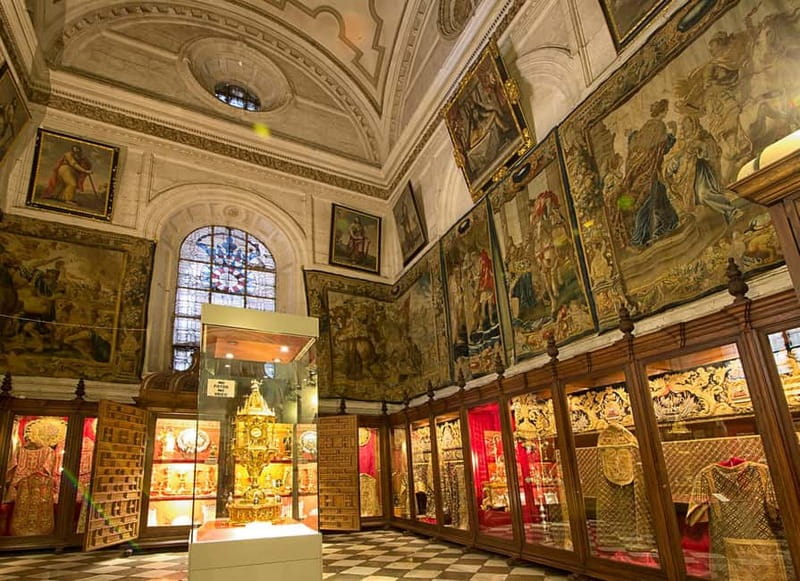
- The Sacristy and Alonso Cano’s Immaculate Conception
- How the audio guide app makes your visit smoother
- Timing and entry rules that can trip you up (and how to plan around them)
- Price and value: is an $11 cathedral ticket a smart buy?
- Who this ticket is best for (and who should consider a different approach)
- Should you book this entry ticket?
- FAQ
- How long does this Granada Cathedral ticket last?
- How much does the ticket cost?
- What’s included with the ticket?
- Is a meal included?
- Is there a personal guide included?
- Can I bring luggage or large bags?
- Are pets allowed inside the cathedral?
- Is smoking or food allowed?
- Is this ticket wheelchair accessible?
- Is it refundable if my plans change?
Key things to know before you go
- Main Chapel first: It’s the architectural payoff, so don’t rush toward it at the end.
- Plan around your time slot: Pick the time that matches your pace; it affects entry timing.
- Named masterpieces are everywhere: Alonso Cano, Teodoro Pascual, and Leonardo Fernández Ávila help you follow the story.
- Circular choir + large arches: The design is unusual enough to deserve a pause.
- Stained glass and organs add two senses: You’re not just looking at art; you’re also seeing what shaped the soundscape.
- Side chapels mean lots of art stops: The chapels along the side naves are where you’ll spend extra minutes.
Cathedral of Granada: why this ticket is more than a quick stop
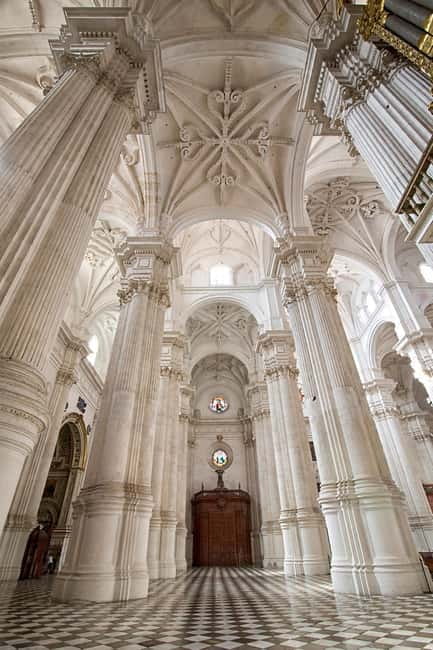
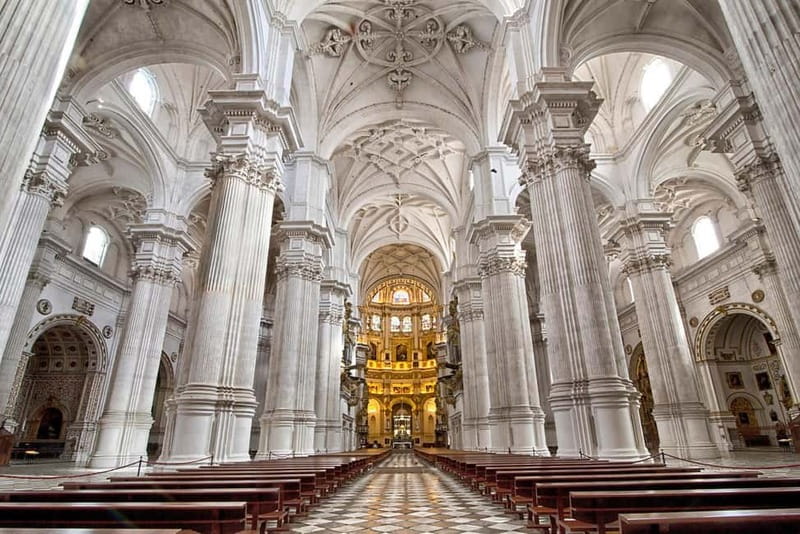
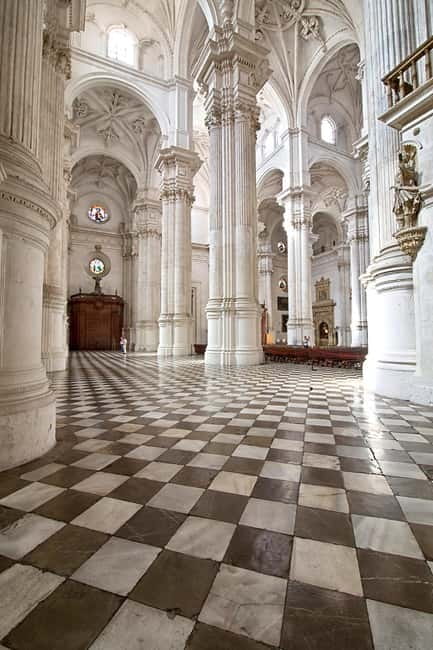
Granada Cathedral is famous for Spanish Renaissance architecture, and that matters because the building feels intentional. The facade by Alonso Cano sets a serious tone, but the real feeling comes from how the interior is arranged to guide your attention from chapel to chapel.
This is a good ticket if you want a compact, high-impact visit. In about a day, you can focus on the Main Chapel, stained glass, the choir area, and the side chapels—plus the sacristy artwork—without needing to hunt for what to see first.
And the best part is how many elements are tied to specific creators. When you can connect what you’re seeing to Alonso Cano, Teodoro Pascual, or Leonardo Fernández Ávila, the cathedral stops being generic and turns into a clear visual map.
A few more Granada tours and experiences worth a look



Getting oriented: the facade by Alonso Cano (and what to notice outside)
You’ll start with the cathedral’s monumental facade crafted by Alonso Cano. Even if you only spend a short moment outside, it helps to look for the way the building presents itself as a major statement in the city.
Think of the exterior as your set-up. The facade gives you the expectation of Renaissance grandeur, and then the interior architecture fulfills that promise in a more intimate way.
If you like architecture, take a minute before entry to notice how the facade frames the cathedral’s scale. That quick check makes the inside feel even larger when you step in.
Inside the Main Chapel: your biggest wow moment
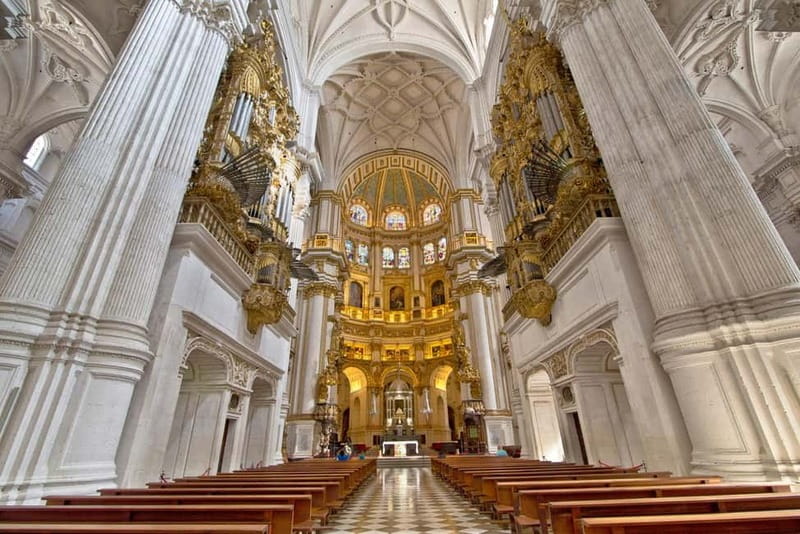
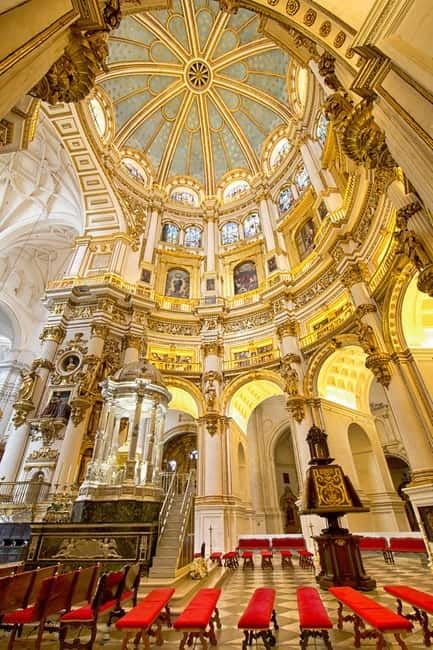
The Main Chapel is where the cathedral delivers its core impact. It’s described as grandiose, and in practice that usually means a dramatic focal space that pulls your eyes to the center rather than letting you wander aimlessly.
Plan to spend real time here. If you’re moving quickly through Granada, this is the moment where your effort pays back—because the Main Chapel is built to be the anchor of the visit.
Also, the Main Chapel connects you to the cathedral’s Renaissance identity. It’s not just a pretty room; it’s the cathedral’s main idea, presented in architecture and sacred art.
The circular choir and three large arches: slow down for the odd geometry
The choir design is one of the most distinctive features. Instead of a straight, simple arrangement, you get a circular choir, plus three large arches that shape the sightlines and the sense of space.
This is the kind of area where it’s worth doing one thing that feels almost too basic: stop moving for a minute. Look from one spot, then take a step to change your viewpoint. The design is unusual enough that your second glance tells you something new.
If you like learning by looking, this is a great zone for it. The cathedral’s geometry is part of the experience, not just background.
Stained glass by Teodoro Pascual: color you can track
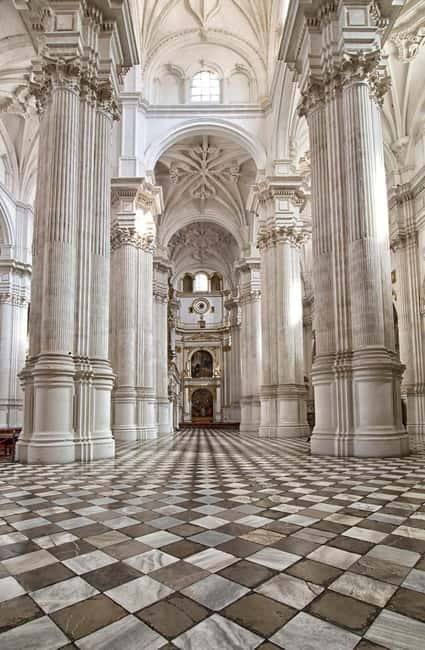
The stained glass windows are attributed to Teodoro Pascual, considered among the finest of the 16th century. That detail is useful because it gives you a standard to look for, even if you’re not an art historian.
When you’re inside, give yourself a few minutes specifically for glass. Don’t treat it as a quick background scan. Look for how the windows change how the interior feels—light becomes part of the architecture.
This is where the cathedral can feel modern in its effect. The art isn’t just decoration; it’s a lighting system that turns the space into something you experience, not just something you see.




Organs by Leonardo Fernández Ávila: a musical legacy you can still appreciate
The cathedral also has two splendid organs by Leonardo Fernández Ávila, completed in the 18th century. Even if you don’t hear them in action during your visit, the fact that they’re there adds another layer to what this cathedral has always done: it’s built for sound as well as sight.
I like how the ticket includes the chance to notice them while you explore. Many cathedral visits focus only on chapels and paintings, but the organs remind you the church experience is multi-sensory.
Take a moment to locate the organs in your route. Then you’ll understand why the choir area matters so much—this whole interior is designed for ceremonial movement and resonance.
Side naves and chapels: where the art work becomes personal
As you move along the side naves, you’ll reach numerous chapels showcasing exceptional art. This is the section that makes a cathedral visit feel like a series of mini-stories instead of one big room.
One featured highlight is the altarpiece of the Virgen de la Antigua. If you’re the type who likes to compare styles or subjects, this is where you can focus on themes: devotion, iconography, and how art supports the sacred space around it.
The practical tip: don’t try to see everything at once. Pick a handful of chapels to linger in, and let the rest be a slower pass. You’ll enjoy it more, and you won’t end up tired at the exact moment you reach the most interesting details.
The Sacristy and Alonso Cano’s Immaculate Conception
In the sacristy, you’ll see the Immaculate Conception by Alonso Cano, noted as the best depiction of the Virgin child. That’s a bold claim, but it also tells you what to do once you’re there: spend time, look closely, and don’t treat it as a stop you just walk past.
The sacristy part of the experience is valuable because it gives you a different angle on the cathedral’s art. You’re still in the same sacred building, but the tone shifts to something more intimate and focused.
If you only allow yourself to slow down once more, make it here. This is the kind of artwork where your second look tends to matter.
How the audio guide app makes your visit smoother
Your ticket includes an audio guide app on your smartphone. That’s a big plus because the cathedral has a lot to see, and audio helps you choose what to focus on without guessing.
I like using audio guides in places like this because they give you context fast. Instead of staring at a chapel and wondering what it is, you can get the key facts on the spot while you’re standing in front of the art.
One simple strategy: save your main attention for the areas with named creators and major features. Then let the app fill in the connections as you move from chapel to chapel and back toward the central spaces.
Timing and entry rules that can trip you up (and how to plan around them)
The ticket is valid for 1 day, but your entry time matters because starting times are based on availability. A tip from the experience feedback: respect the time slot you choose, since it can affect how early you can enter.
Before you go, set yourself up to arrive calm. Since no luggage or large bags are allowed, travel light. If you’re coming from a neighborhood with shops, plan a short stop at your hotel or a secure place before the cathedral so you don’t deal with bag stress inside.
Also note the restrictions: smoking isn’t allowed, food and drinks aren’t allowed, and pets aren’t allowed (assistance dogs are allowed). Unaccompanied minors aren’t allowed either, so if you’re traveling with young people, keep that in mind.
This is one of those experiences where good preparation keeps the visit enjoyable. You’ll spend more time looking up at the architecture and less time managing rules.
Price and value: is an $11 cathedral ticket a smart buy?
At about $11 per person, this entry ticket is strong value for a few reasons.
First, you’re not just paying for entry to a building—you’re paying for a structured visit with an audio guide app and access to key highlights like the Main Chapel, choir design, stained glass windows, historic organs, and multiple chapels. That turns a short visit into a meaningful art-and-architecture circuit.
Second, the cathedral’s highlights are tied to major named creators—Alonso Cano, Teodoro Pascual, and Leonardo Fernández Ávila—which makes the time feel efficient. You’re seeing work attributed to specific artists, not just random decor.
One trade-off: this is entry-focused, not a full meal-day experience. Meals and beverages aren’t included, so budget time for a stop before or after your visit.
Who this ticket is best for (and who should consider a different approach)
This ticket fits best if you want:
- A compact, high-impact cathedral visit in 1 day
- Architecture and art with specific, named elements
- A self-paced route using an audio guide app
- A central stop that lets you keep exploring Granada after
It may not be the best fit if you’re hoping for food included or a full guided explanation by a personal tour guide. Also, if you need to bring lots of gear or bags, the restrictions will be a hassle.
If you’re a person who likes to linger quietly—reading the space with your eyes—this cathedral rewards that style. The circular choir, stained glass, and chapel sequence are perfect for slow looking.
Should you book this entry ticket?
If you’re in Granada and want a Renaissance-architecture anchor with real art highlights, I’d book this. The included audio guide app helps you make sense of what you’re seeing, and the mix of Main Chapel, choir design, stained glass, organs, and multiple chapels gives you a lot of value for the time you spend.
Don’t overpack, arrive with your time slot in mind, and plan to spend at least a little extra time in the areas with the named works—those are the moments you’ll remember. If that sounds like your kind of cathedral visit, this one is worth your slot.
FAQ
How long does this Granada Cathedral ticket last?
The experience is listed as 1 day, and you’ll need to check availability for starting times.
How much does the ticket cost?
The price is listed as $11 per person.
What’s included with the ticket?
Included are the entry ticket to the Cathedral of Granada, an audio guide app on your smartphone, and a booking fee.
Is a meal included?
No. Meals and beverages are not included.
Is there a personal guide included?
No. A personal tour guide is not included.
Can I bring luggage or large bags?
No. Luggage or large bags are not allowed.
Are pets allowed inside the cathedral?
Pets aren’t allowed, but assistance dogs are allowed.
Is smoking or food allowed?
Smoking is not allowed, and food and drinks are not allowed.
Is this ticket wheelchair accessible?
Yes. Wheelchair accessible is listed.
Is it refundable if my plans change?
No. The activity is non-refundable based on the cancellation policy provided.