REVIEW · JEREZ DE LA FRONTERA
Jerez: Royal Andalusian School of Equestrian Art Admission
Book on GetYourGuide →Operated by Fundación Real Escuela Andaluza del Arte Ecuestre · Bookable on GetYourGuide
Horse and palace days in Jerez. This guided stop is one of the best ways to see how Andalusian equestrian art actually works, not just how it looks. I especially like getting close to the stables and tack room and then watching training in the arena and outdoor rings (except Saturdays). One thing to factor in: the hands-on horse training and harness work don’t run on Saturdays, so your visit will feel a bit different that day.
You’ll start at the reception area with a short audio-visual intro, then flow through gardens, a 19th-century palace, and a basement museum built around horse history in Andalusia. Expect a guided tour that’s built to connect the dots—from craft to performance to the museum exhibits—at a price that’s hard to beat for two hours.
In This Review
- Key things I’d plan around
- Entering the Royal School: reception, gardens, and a Charles Garnier palace
- The 11:00 AM audio-visual history intro you don’t want to miss
- Touring the palace halls and stepping into horse history below ground
- Saddlery and harness repair: the craft side (except Saturdays)
- Watching daily training in outdoor rings and the indoor arena
- The outdoor rings
- The indoor arena (1,600 capacity)
- The training vibe
- Octagonal stables, tack room details, and why the gear matters
- The carriage museum finish: costumes, harnesses, and vehicles
- Price and value: why $18 can feel surprisingly fair
- Timing tips: how to plan your morning so it flows
- Language, guides, and the small but important guide difference
- Who should book this school tour in Jerez
- Should you book Jerez: Royal Andalusian School admission?
- FAQ
- How long is the Royal Andalusian School of Equestrian Art admission tour?
- What is included with my admission ticket?
- Is the horse training shown every day?
- Is the audio-visual presentation available for the whole morning?
- Which languages are the guided tours offered in?
- What do I need to show at the ticket office?
- Are there restrictions on what I can bring into the grounds?
- Is the experience wheelchair accessible?
Key things I’d plan around
- Audio-visual intro ends at 11:00 AM—show up early if your time window matters.
- No training on Saturdays—outdoor and indoor training are listed as except Saturdays.
- Museum is in 11 rooms—and it’s interactive, so it’s not just quiet display cases.
- Saddlery/harness work is part of the tour (except Saturdays)—watch how gear is made and repaired.
- Indoor arena seats up to 1,600—great sightlines for daily work.
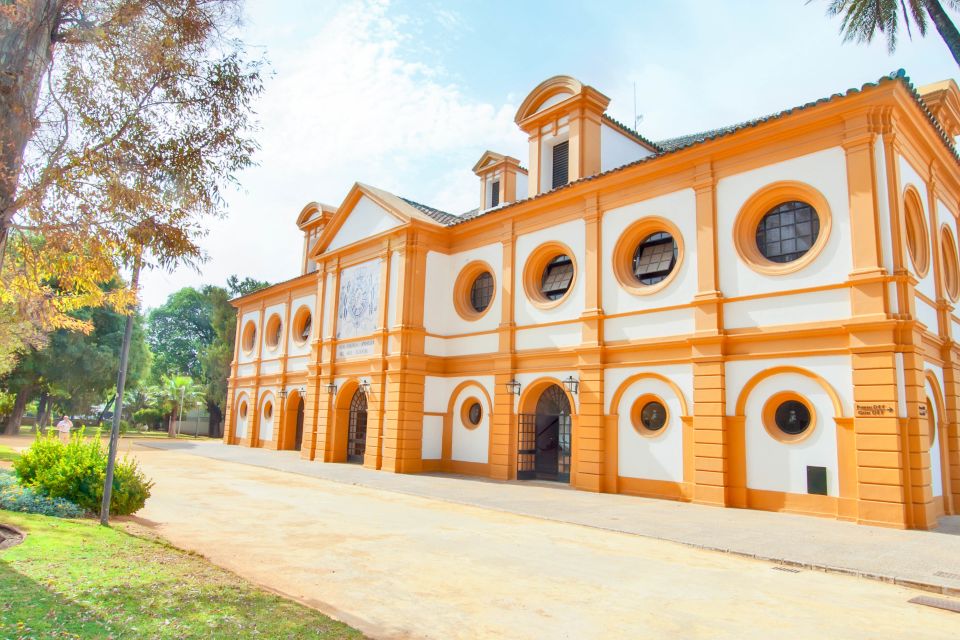
- Octagonal stables and tack room center—you see emblematic horses and the gear kept for training and shows.
Entering the Royal School: reception, gardens, and a Charles Garnier palace
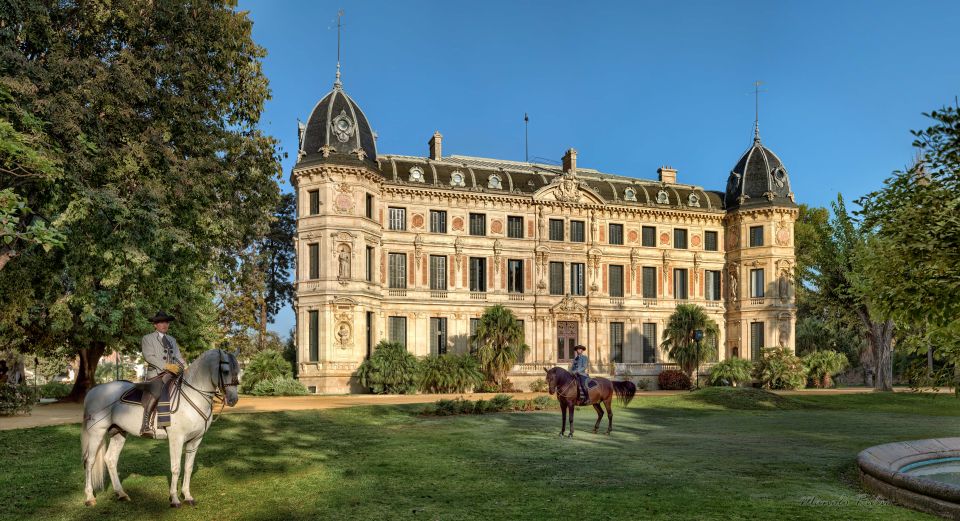
Your ticket gets you into the Royal Andalusian School of Equestrian Art, and the flow makes sense right away: start with orientation, then move outward into the grounds. The visitor reception center sets the tone with an audio-visual presentation on the history of equestrian art in Andalusia. If you arrive a little late, you can still catch the tour, but the video is specifically noted as available until 11:00 AM, so plan your timing accordingly.
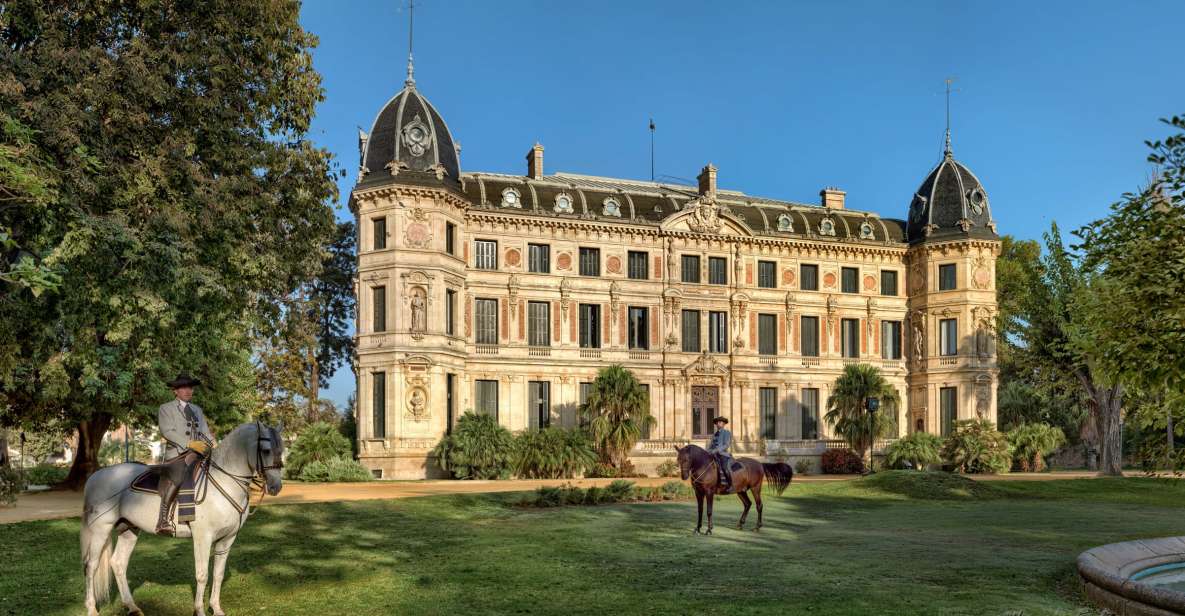
From there, you walk into the gardens. The grounds are not just for pretty photos; they’re part of the experience. There’s a central fountain with water jets that invite you inward, and the gardens give you that “this is a working royal school” feeling instead of a museum-only vibe.
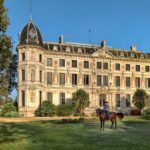
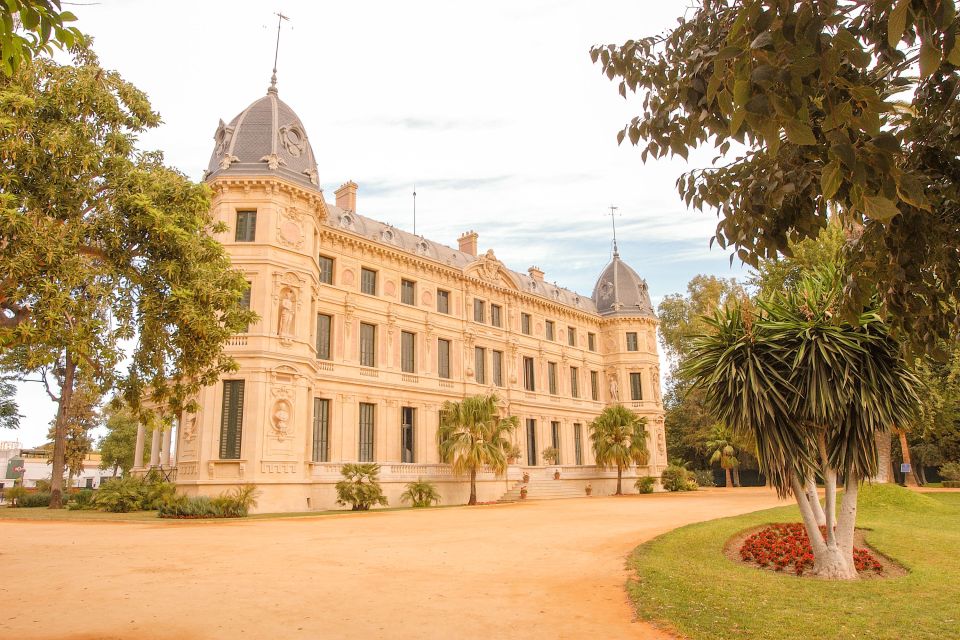
Then the palace rises above the gardens. It’s a 19th-century building designed by Charles Garnier, the same architect associated with the famous Paris Opera. Here, that design influence shows up in the grand feeling of the halls: even before you hit the museum basement, you get a sense of how seriously this institution treats tradition.
You can also read our reviews of more tours and experiences in Jerez De La Frontera.
The 11:00 AM audio-visual history intro you don’t want to miss
This is the small step that makes everything that follows easier to understand. The reception presentation frames what you’re about to see: equestrian art in Andalusia, how horses became part of cultural identity, and why the Royal School’s work matters.
It’s listed as available until 11:00 AM, which is a practical clue. If you care about the background, arrive early enough to catch it. If you arrive after, you won’t be lost, but you’ll lose that “why this exists” context that helps the museum and stables feel less random.
Also note this: the tour you book is guided, and the timing of the presentation can affect when the rest of the group moves. Getting there a bit early tends to keep the day calmer.
Touring the palace halls and stepping into horse history below ground
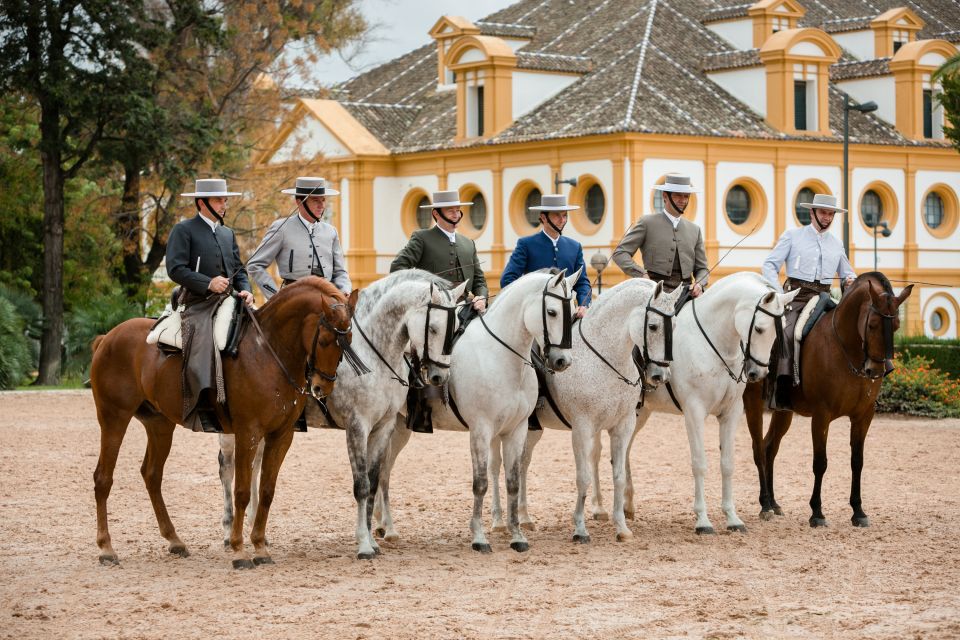
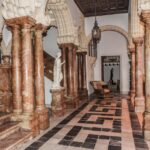
Once you’re oriented, you move into the palace’s interior spaces. On the ground floor, you can admire halls decorated as they were originally conceived. This matters because it anchors the experience in architecture and ritual, not just animals and equipment.
Then comes the basement: the Museum of Equestrian Art, arranged across 11 rooms. This museum focuses on the origins and history of equestrian art and the horse in Andalusia. In other words, you’re not only learning about the Royal School itself—you’re learning how the whole equestrian tradition developed in this region.
One of the strongest points is that the museum uses interactive exhibits. That’s ideal if you’re traveling with anyone who gets restless in slow galleries. You’re still learning, but the exhibits keep you moving.
A practical heads-up: some visitors noted occasional issues with video-based displays. If a screen isn’t working, don’t treat it as a sign the museum is failing. There’s enough content in the rooms and the rest of the tour to make the day worthwhile.
Saddlery and harness repair: the craft side (except Saturdays)
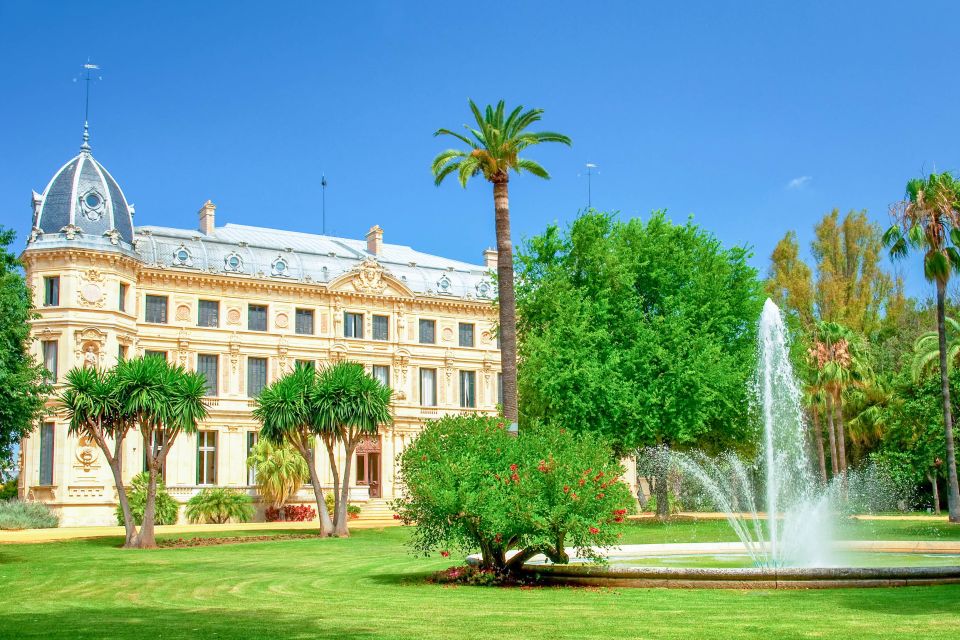
After the museum, the tour turns from history to the working mechanics of equestrian life. You’ll see where harnesses are made and repaired. This work is carried out in the saddlery by a master harness maker and apprentices.
Two details make this stop feel special:
- You’re watching a craft process tied directly to daily training and shows.
- It isn’t just a display. It’s labor, gear handling, maintenance—stuff that usually stays hidden.
The tour notes this harness-making/repair work except Saturdays. If you’re visiting on a Saturday, treat this segment as the “maybe different” part of your day. You’ll still tour the rest of the school, but it may feel less about craft-in-action.
If you like the kind of travel where you learn how things are actually maintained, this is one of the most satisfying segments.
Watching daily training in outdoor rings and the indoor arena
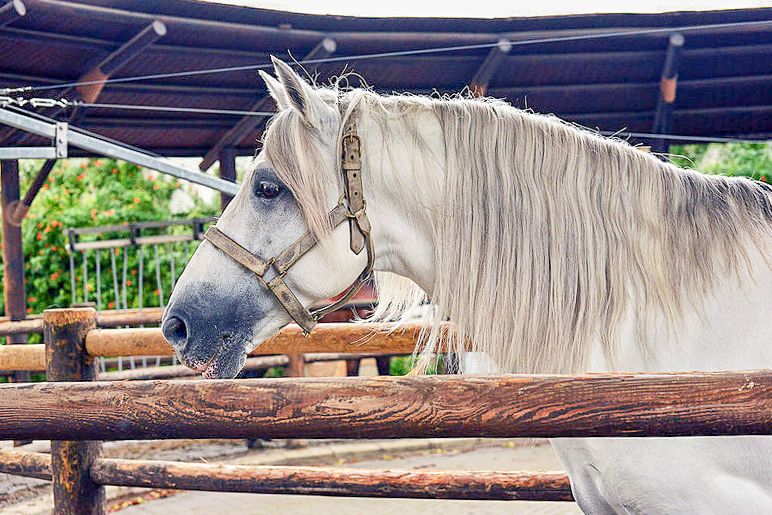
This is the headline for most horse lovers, and it’s handled well: you’re shown the training in the outdoor exercise rings and also the indoor arena.
Training is listed as except Saturdays, so if you want the full experience of seeing horses and riders actively working, plan your visit for a day when training is running.

The outdoor rings
In the outdoor exercise rings, you see horses and riders working in an open-air setting. You’re watching technique, rhythm, and training routines that dressage fans will recognize as part of the broader Andalusian style.
The indoor arena (1,600 capacity)
The indoor arena is described as Andalusian-style architecture with a capacity of 1,600 people, built as the ideal place to watch daily training. That capacity number is useful for imagining the scale: even if you don’t fill the whole space, you’ll still be in a serious training environment.
One rule to consider: some visitors said they weren’t allowed to take pictures inside the arena. Your best move is to keep your camera accessible, but don’t count on constant photo stops once you enter indoor training areas.
The training vibe
Even when you’re not close enough to touch the horses, the tour puts you near the action compared to typical “look from afar” attractions. You also get the chance to ask questions of the guide during this part, which can turn a passive watch into real learning.
Octagonal stables, tack room details, and why the gear matters
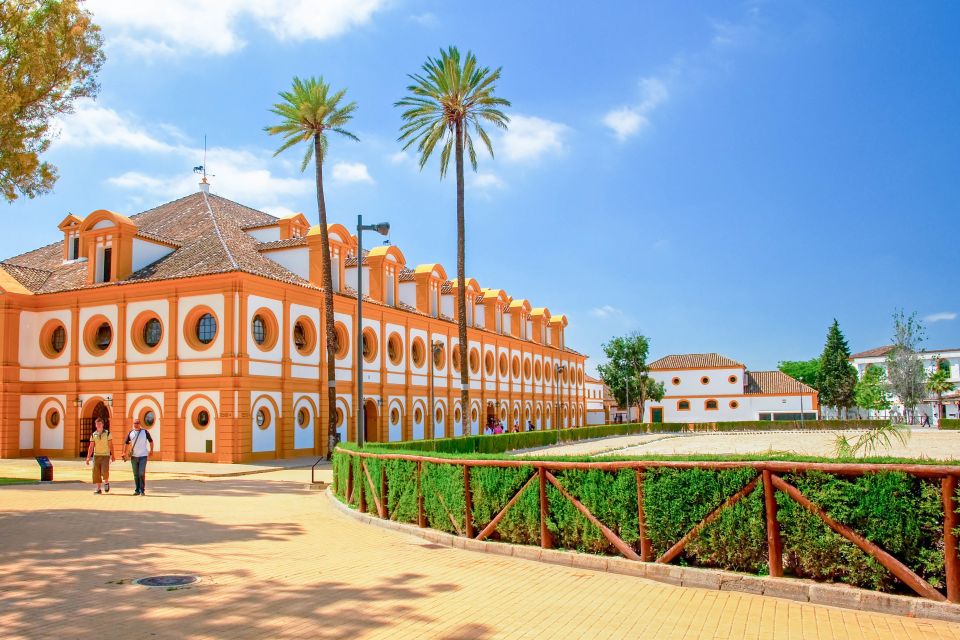
Next you reach the stables—described as an octagonal complex. The shape isn’t just a design detail. It helps create a layout where you can understand how the school organizes stable spaces and access routes around a central workflow.
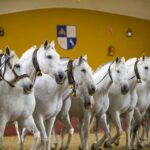
Inside, you’ll see the school’s most emblematic horses. That phrasing matters: you’re not visiting a random stable yard. This is a curated set of horses associated with the school’s work.
At the center is the tack room, and this is one of the stops people tend to remember. The tack room stores all harnesses used for daily training and for shows. When guides explain how the gear fits training needs, you start seeing equipment as part of the discipline—not just tools in a cabinet.
A detail worth knowing: one review mentioned a humidity-controlled tack room, which adds a behind-the-scenes layer. It suggests the school is thinking about keeping materials in condition, not just storing them.
The carriage museum finish: costumes, harnesses, and vehicles
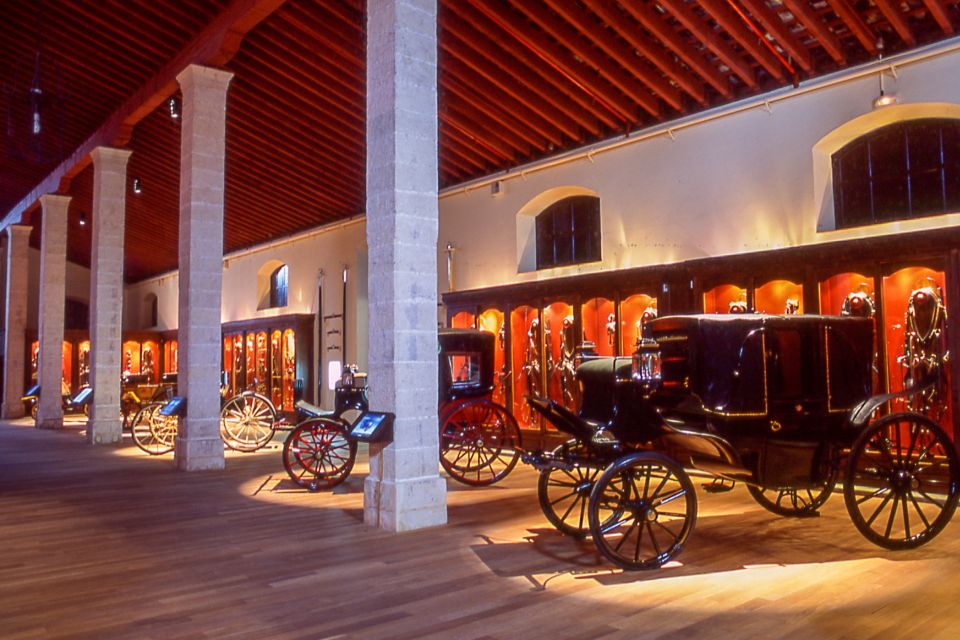
Your tour ends with a visit to the carriage museum. This is a change of pace from the training focus. Here you’re looking at vehicles and the broader equestrian world around horses: the museum collection includes vehicles, horses, harnesses, and equestrian costumes.
It’s a smart way to close the loop. You’ve seen horses working in training; you’ve seen harnesses made and stored; now you see how all that gear and culture show up in the carriage-driving tradition and costume styling.
One practical note from real-world experience: if it’s very hot, you might choose whether you can comfortably spend time in every museum area. The carriage museum is part of the tour experience, but don’t expect it to feel like the stables segment. It’s more “browse and absorb.”
Price and value: why $18 can feel surprisingly fair
At about $18 per person for a 2-hour guided admission, the value comes from the mix. You’re not just paying for entry to a single building.
You get:
- A guided tour through multiple spaces (palace areas, stables, tack room)
- Access to the Museum of Equestrian Art across 11 rooms
- Time to watch horse training in the rings and indoor arena (except Saturdays)
- A look at harness-making and repairs (except Saturdays)
- A visit to the carriage museum
- Plus the reception intro that frames it all
A lot of horse-related attractions charge more for just a show or just a museum. Here, the tour connects “craft” and “performance” and “history” in one pass. If you’re the type who likes understanding how traditions stay alive through daily work, this pricing structure makes sense.
Is it perfect? Not always. Some visitors noted scheduling friction with guide start times tied to language group timing. Still, even with a small delay, there’s plenty to see once you’re on site.
Timing tips: how to plan your morning so it flows
This visit works best when you treat it like a morning activity. The audio-visual presentation is available until 11:00 AM, and the rest of the tour is designed to move through the grounds in an order that builds from intro → gardens/palace → museum → stables/training → tack and carriage museum.
Also keep in mind what some visitors experienced: some sections close early (one person noted a 2 PM shutdown). I can’t guarantee your day’s exact timing, but the lesson is clear: don’t schedule a late afternoon departure and assume you’ll roam freely all day. If you want the full arc, arrive earlier rather than later.
Language, guides, and the small but important guide difference
Tours run with live guides in Spanish, English, French, and German. Having a guide matters here because the tour is made of moving parts: history, museum rooms, harness craft, stables layout, and training observation. A good guide turns all of that into one story.
Several guides got positive mentions, including Javi and Elena, with a consistent theme: they’re willing to answer questions and explain how horses are cared for and trained. That matters more than people expect. Watching dressage-style work without context can stay surface-level. With context, you start noticing details in the horses’ routines and the equipment roles.
Who should book this school tour in Jerez
I’d point you toward this experience if:
- You love horses and want to see how training and equipment are handled daily.
- You like museums, but prefer museums that connect to real life.
- You want a guided visit that mixes architecture + animal care + craft.
- You’re in Jerez for a short time and need a “high value per hour” plan.
You might look elsewhere if:
- You’re only interested in a specific performance show. This ticket is for school facilities with a guided tour, and some visitors warned that not every ticket type includes everything you might expect.
- You’re visiting on a Saturday and your main goal is watching training and harness work in progress. The tour notes these parts are except Saturdays, so the day may feel less “active.”
Should you book Jerez: Royal Andalusian School admission?
Book it if you want a real working horse school experience in a place that also has museum and palace atmosphere. The strongest reasons are the guided behind-the-scenes access and the chance to watch training in rings and the large indoor arena when it’s running.
If you can choose your day, avoid Saturdays unless you’re okay with a quieter version focused more on museum, grounds, stables, and carriage collection. And arrive early enough to catch the audio-visual intro before 11:00 AM so the whole visit clicks faster.
For $18 and around two hours, this is a very practical Jerez stop—especially if horses are part of your travel DNA.
FAQ
How long is the Royal Andalusian School of Equestrian Art admission tour?
The duration is listed as 2 hours.
What is included with my admission ticket?
Your ticket provides full admission to the school facilities, including a guided tour through the stables and tack room, plus visits to the palace halls, the Museum of Equestrian Art, the harness-making/saddlery area, the training areas, and the carriage museum.
Is the horse training shown every day?
No. Watching the training at the Royal School is listed as except Saturdays.
Is the audio-visual presentation available for the whole morning?
It is available until 11:00 AM.
Which languages are the guided tours offered in?
Live guides are offered in Spanish, English, French, and German.
What do I need to show at the ticket office?
You must present your printed receipt or your mobile receipt at the ticket office. If you bought discounted tickets, you also need proof of eligibility.
Are there restrictions on what I can bring into the grounds?
Yes. You’re not allowed to enter with bottles, cans, animals, or any objects the management may consider unsuitable.
Is the experience wheelchair accessible?
Yes, the activity is wheelchair accessible.