REVIEW · BARCELONA
Make Authentic Espadrilles in Barcelona
Book on Viator →Operated by Handmade The Brand® · Bookable on Viator
Finding a hands-on souvenir in Barcelona is rare. This workshop lets you make your own espadrilles while learning why Catalan esparteñas became a fashion favorite. You start with a quick intro in the shop’s entrance area, then pick your look and sit down to build your pair at the workshop tables.
I especially like two parts: the guided history (not just shoe-talk) and the fact that you truly leave with a wearable product, not a decoration you made on top of nothing. And yes, the cava-and-snacks vibe helps the whole thing feel more like a fun morning activity than a classroom.
One thing to consider: this experience can lean more toward decorating/lacing a prepared base than doing every single step from raw materials. If you want heavy-duty stitching and “from scratch” making, this may not match your expectations.
In This Review
- Key highlights to know before you go
- Entering the shop: Carrer d’Avinyó and your first taste of the story
- The origins lesson: why espadrilles became a Catalan fashion thing
- Picking your materials and colors without overthinking it
- The hands-on making: sitting at the workshop tables
- The wrap-up moment: cava, photos, and your new shoes
- Price and value: what $120.97 buys you in real terms
- Logistics that actually matter: time, group size, and language
- Who should book this Barcelona espadrille workshop
- Should you book Handmade Espadrilles in Barcelona?
- FAQ
- How long is the espadrilles workshop?
- What do I take home at the end?
- Is cava included?
- Can I upgrade for more cava and snacks?
- Do I need experience to join?
- Is the tour offered in English?
- Where is the meeting point?
- Is transportation included?
- What is the cancellation policy?
- Are service animals allowed and is it near public transportation?
Key highlights to know before you go
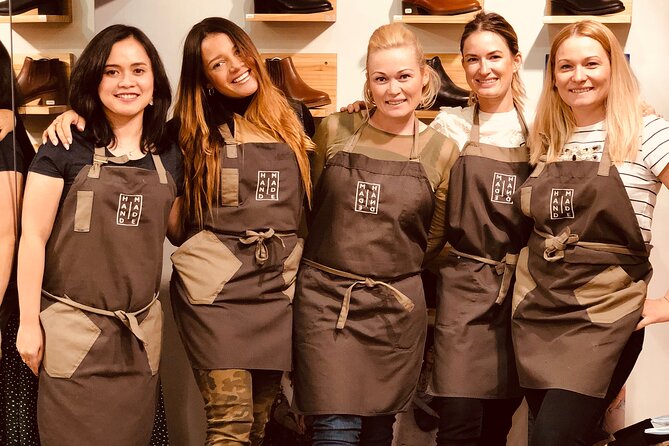
- Take-home pair of custom espadrilles you’ll actually wear after Barcelona
- History + hands-on crafting, with help from patient instructors like Pilu, Jordi, and Anne
- You choose colors, sizes, and styles, then learn the lacing/tying methods that finish the look
- Cava and snacks are included, with a party-like wrap-up for photos and dancing
- Upgrade options exist (including private tour and extra cava/snacks) if you want more of the good stuff
Entering the shop: Carrer d’Avinyó and your first taste of the story
Your class starts at Carrer d’Avinyó, 8, in Ciutat Vella (Gothic Quarter side of town). If you’re already walking the old streets, this is an easy stop to plug into a morning itinerary. The start time is 10:00 am, and the whole session runs about 2 hours.
When you arrive, you’re not thrown straight into crafting. You meet in the entrance area and get a drink while someone shares how espadrilles began as humble everyday footwear, then grew into something people pay more for today. It’s a small touch, but it sets the tone: you’re making shoes with context, not just copying a design.
Tip: bring your curiosity. The talk is short, but it helps you “see” what you’re building when you get to the tables later.
You can also read our reviews of more tours and experiences in Barcelona.



The origins lesson: why espadrilles became a Catalan fashion thing
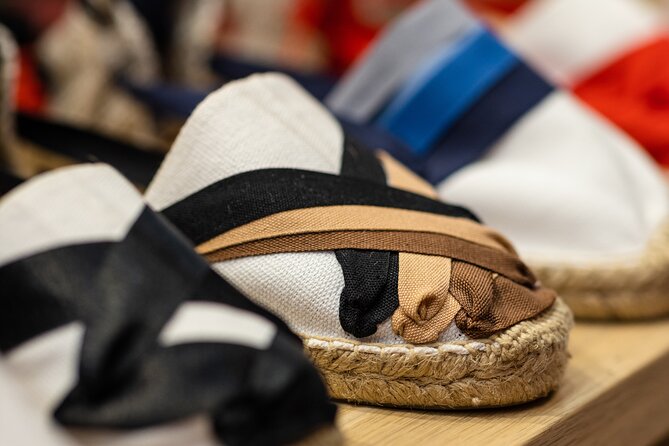
One of the most praised pieces is the way the workshop connects product to place. You get an overview of the origins of espadrilles, and the session treats Catalonia’s traditions like something alive, not a museum label.
The instructors’ style matters here. Names that come up again and again include Pilu, Jordi, Stephanie, and Anne. Whether it’s through humor, patience, or simple explanations, the point is that you walk away understanding what makes the craft special in Barcelona—and why people still love it.
If you’re the kind of traveler who likes “why this exists” just as much as “how it looks,” this part is worth showing up for. And if your main goal is the crafting, this intro still pays off because it gives you something to pay attention to while you work.
Picking your materials and colors without overthinking it
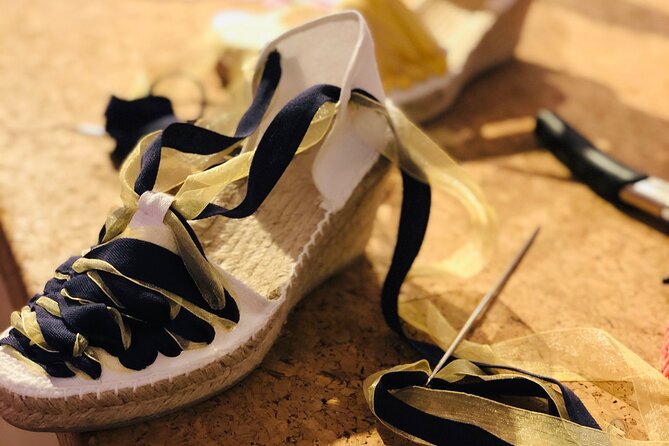
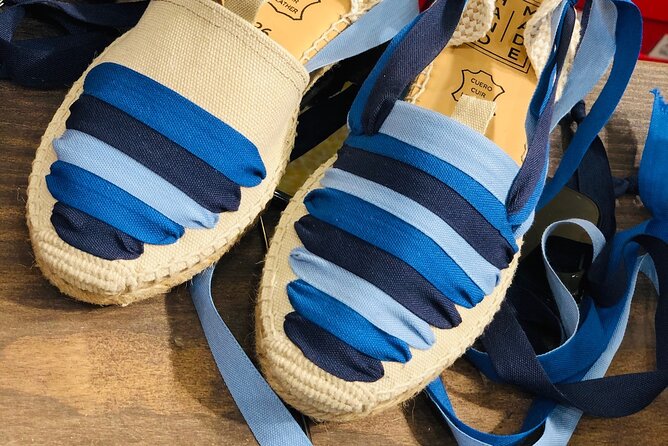
After the quick history setup, you move into the fun decision phase. You’ll look at traditional materials and choose your colors, sizes, and styles. This is the part that turns the workshop from a generic activity into something personal.
In practical terms, it also reduces stress. You don’t have to invent a design from scratch while someone waits for you. You get options, guidance, and time to choose what you’ll love wearing.
One more small plus: this workshop is described as accessible for all experience levels. That doesn’t mean it’s “no work.” It means you won’t be penalized for not knowing anything. The teachers guide you step-by-step, and the pace is designed so you can keep up.
The hands-on making: sitting at the workshop tables
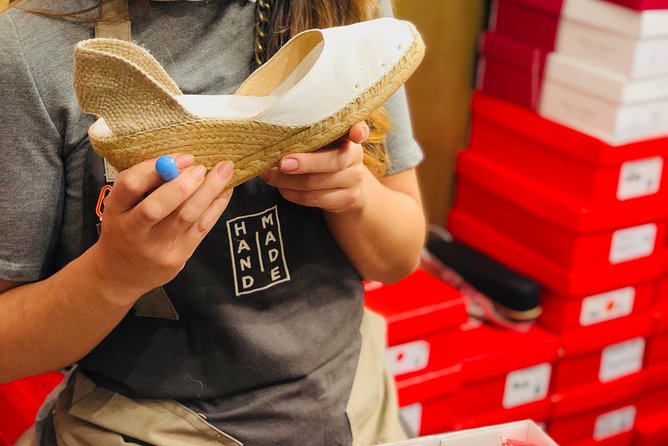
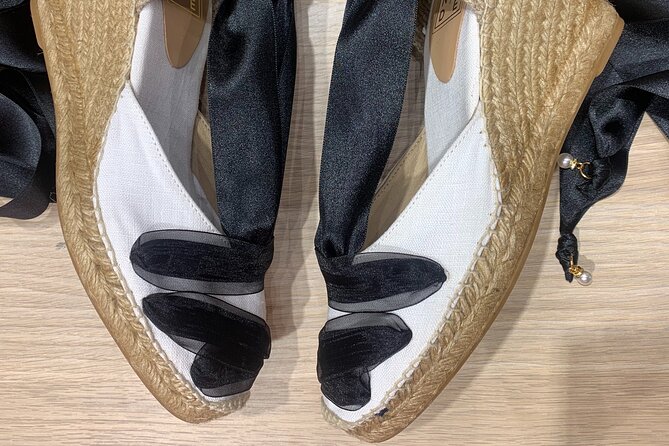
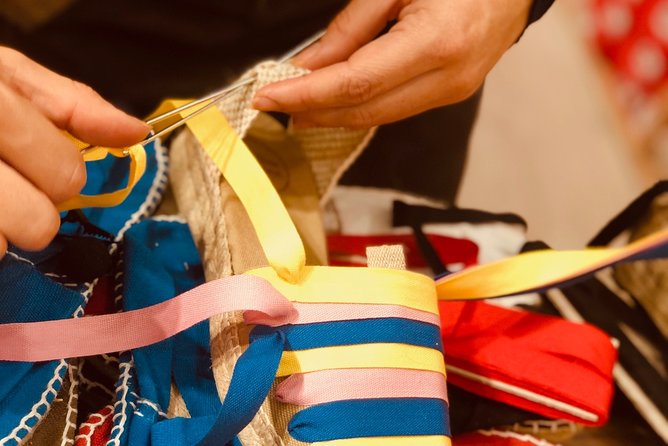
Then you sit down and get into the real action: making your espadrilles and learning the different ways to lace them up. This is where your custom choices become a finished pair.
Here’s the balance to understand. The experience is often described as a real workshop, with time at tables and instructor help. But there’s also a fair caveat in the feedback: some people felt it was more about decorating a prepared base and adding ribbons/charms than doing every single construction step from raw fabric.
So how do you decide if this matches what you want? Ask yourself what kind of “making” you’re after:
- If you want a guided session where you actively personalize the result, this fits.
- If you’re hunting for a full, old-school, every-step-from-scratch build, you might feel slightly constrained by what you’re allowed to customize.
Even with that consideration, the lacing and finishing steps are part of the satisfaction. Espadrilles look simple, but the right tying method affects the final fit and the overall look. That’s the kind of practical skill you can use right away.
The wrap-up moment: cava, photos, and your new shoes
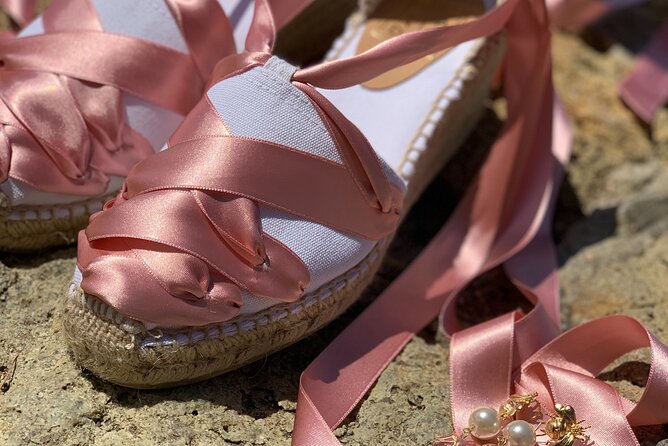
The final stretch is where the workshop turns into a tiny celebration. You’ll open a bottle of cava, enjoy snacks, and have time for pictures with your shoes. Some sessions also include dancing, which sounds like a detail—until you realize it makes the whole end feel memorable.
And you do leave with your pair. That’s the big value. A lot of Barcelona activities give you photos and a story. This one gives you something tangible you’ll use.
Also, the shop atmosphere matters. Multiple instructors are praised for being hospitable and patient, and the tone tends to be playful rather than stiff. If you want a souvenir that feels personal—and not like you bought it in a rush—this is the kind of “wearable memory” people keep talking about.


Price and value: what $120.97 buys you in real terms
At $120.97 per person for about two hours, you’re paying for three things at once:
- The materials and tools provided for you
- Instructor time guiding history + crafting
- The finished pair of custom espadrilles at the end
That last part is key for value. You’re not just paying for a class; you’re paying for a takeaway product. If you compare this to buying handmade espadrilles in a shop, the workshop can feel like a fair deal—especially because you personalize choices on the spot.
What about optional upgrades?
- There’s mention of a private tour upgrade that includes unlimited cava and snacks.
- There’s also a premium base option (wedge/heel/platform) available for an extra cost.
- One add-on mentioned is paying 30€/pax for free-flow cava and extra food.
If you enjoy the social side (cava, photos, and chatting) and you’re going as a couple or small group, those upgrades can make the experience feel more like a party and less like a standard class. If you prefer a straightforward workshop with just the included refreshments, you can skip them.
One more timing note: the experience is commonly booked around 47 days in advance. With a max group size listed at 50, I’d still book early, especially if you have a specific date in mind or want a time slot that fits your day.
Logistics that actually matter: time, group size, and language
The session is offered in English, and you’ll get a mobile ticket. That’s convenient if you’re hopping between neighborhoods and don’t want to manage paper tickets.
Duration is listed as about 2 hours, with a schedule that includes a short welcome/introduction, a materials/color selection phase, hands-on making, and a longer closing celebration. Plan your morning so you’re not racing to the next thing right after. You’ll want a bit of breathing room for shopping nearby or grabbing lunch.
Maximum size is capped at 50. That number alone doesn’t guarantee intimacy, but the feedback emphasizes patient instruction and hands-on guidance, which usually works best in smaller, well-managed groups.
Who should book this Barcelona espadrille workshop
This is a strong fit if you:
- Want a creative Barcelona activity that ends with a real product
- Like the idea of learning why a local craft matters, not just copying a style
- Travel with mixed ages, since the workshop is described as suitable for different experience levels
- Want a souvenir that draws compliments once you’re home
It’s also a good choice if you’re staying in or near Ciutat Vella and you’d like something different from the standard “museum + photo + tapas” routine.
I’d think twice if your goal is “true step-by-step shoemaking from raw materials with lots of sewing.” Based on the way the making part is described, you’ll likely do personalization and finishing more than full construction.
Should you book Handmade Espadrilles in Barcelona?
Yes, I’d book it if you want a hands-on, local craft with a guaranteed takeaway. For most people, the combination of custom espadrilles, patient guidance from instructors (names like Pilu, Jordi, and Anne show up often), and the included cava-and-snacks wrap-up makes it a standout value.
Book it sooner rather than later because spots can fill, and you’ll be glad you did once you’re at the tables with your chosen colors and style. Just go in with the right expectation: it’s a guided workshop where you create your pair and learn finishing and lacing, with some parts that may be more personalization than full raw-material construction.
If that sounds like your kind of souvenir, you’ll likely have a great time.
FAQ
How long is the espadrilles workshop?
It lasts about 2 hours (approx.).
What do I take home at the end?
You leave with a pair of custom-made espadrilles.
Is cava included?
Yes. Cava and snacks are served during the session.
Can I upgrade for more cava and snacks?
There’s an upgrade option mentioned for a private tour with unlimited cava and snacks, and there is also a 30€/pax option that includes free flow of cava and extra food.
Do I need experience to join?
No. The workshop is accessible to participants of all experience levels.
Is the tour offered in English?
Yes, it’s offered in English.
Where is the meeting point?
The start point is Carrer d’Avinyó, 8, Ciutat Vella, 08002 Barcelona, Spain. It ends back at the same meeting point.
Is transportation included?
No. Transportation is not included.
What is the cancellation policy?
Free cancellation is available. You can cancel up to 24 hours in advance for a full refund.
Are service animals allowed and is it near public transportation?
Yes. Service animals are allowed, and it’s near public transportation.