REVIEW · MALAGA
Malaga Bike Tour – Old Town, Marina & Beach
Book on GetYourGuide →Operated by Bike Tours Malaga - We Bike Malaga · Bookable on GetYourGuide
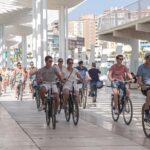
Malaga on two wheels is an easy win: you get history and sea air in one smooth 3-hour loop. You’ll start in the center, roll through the Old Town, then shift toward the port and finally end up riding along the Mediterranean. It’s guided, stop-and-go in the best way, and the route is mostly flat and simple to ride.
Two things I especially like: you actually cover major areas (Old Town, port, beach) without feeling rushed, and the guide turns the ride into a city lesson. Stops come often enough that you can take photos, catch your breath, and still feel like you’re moving.
One thing to consider: this tour includes the riding and guiding, but museum entry and food are not included. If you want to go into museums or eat as you go, plan to do that after the tour.
In This Review
- Key highlights to look forward to
- Old Town to the Marina: why this route works so well
- Where the tour starts and how the first minutes feel
- Picasso’s birthplace and the Old Town lanes
- Atarazanas fresh market: where local life shows up fast
- Muelle Uno port cycling: sea views without the stress
- Graffiti neighborhood + art stops you’ll actually remember
- Castle Gibralfaro viewpoints without turning it into a climb
- The beach promenade ride along the Mediterranean
- Price and value: is $38 worth 3 hours?
- What guides do differently here (and why it shows)
- Who should book this Malaga bike tour
- Should you book this Malaga Bike Tour?
Key highlights to look forward to
- Old Town + Picasso’s birthplace: quick hits of Malaga’s identity without digging for every detail on your own.
- Atarazanas fresh market: a sensory stop that helps you understand daily life beyond the main sights.
- Muelle Uno port ride: a breezy change of pace along the water.
- Graffiti neighborhood artworks: public art that’s fun to spot and even better when a guide explains what you’re seeing.
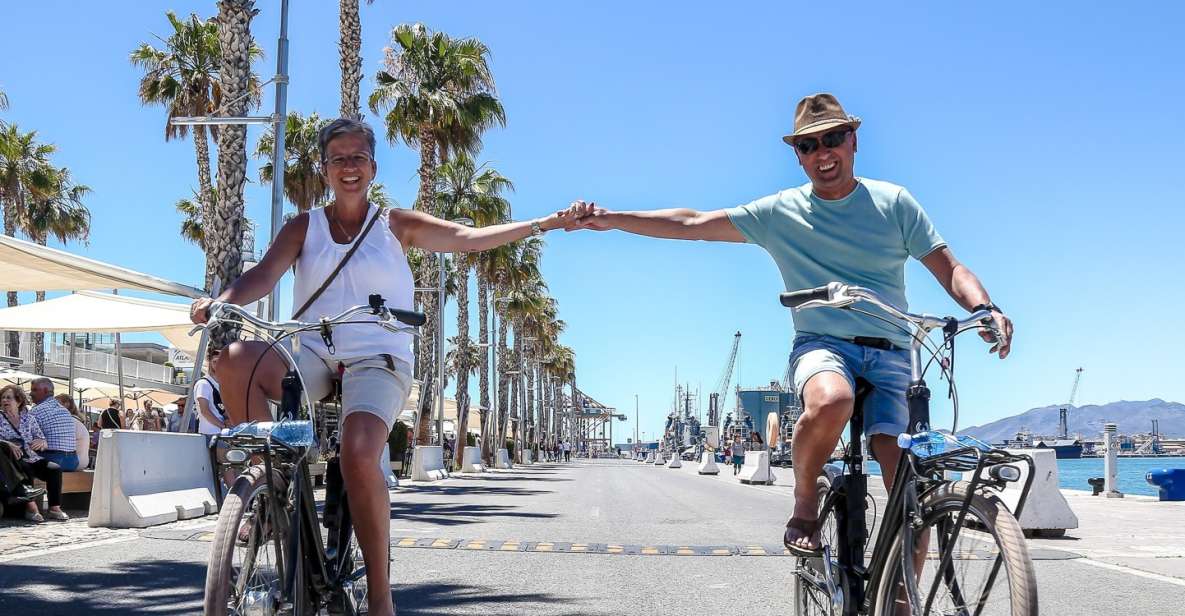
- Beach promenade cycling: a gentle ride with long views of the Mediterranean.
Old Town to the Marina: why this route works so well
This is the kind of tour that helps you get your bearings fast, which matters in a city like Malaga where the best parts feel spread out. The ride is designed for real sight-seeing, not just transportation, so the pacing is built around short stops and quick stories.
What makes it feel practical is the mix of settings. You’ll see the historic Old Town texture, then shift to the energy of the port at Muelle Uno, and finish with the calm of the beach promenade. That change keeps the tour from feeling repetitive, and it also helps you mentally map where things are once you’re done.
The flatness is a big deal too. You’re not doing a workout tour. You’re getting a guided “highlights loop” that’s easy to manage even if it’s your first time on a bike on vacation.
You can also read our reviews of more cycling tours in Malaga

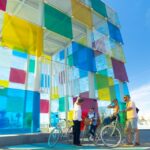
Where the tour starts and how the first minutes feel
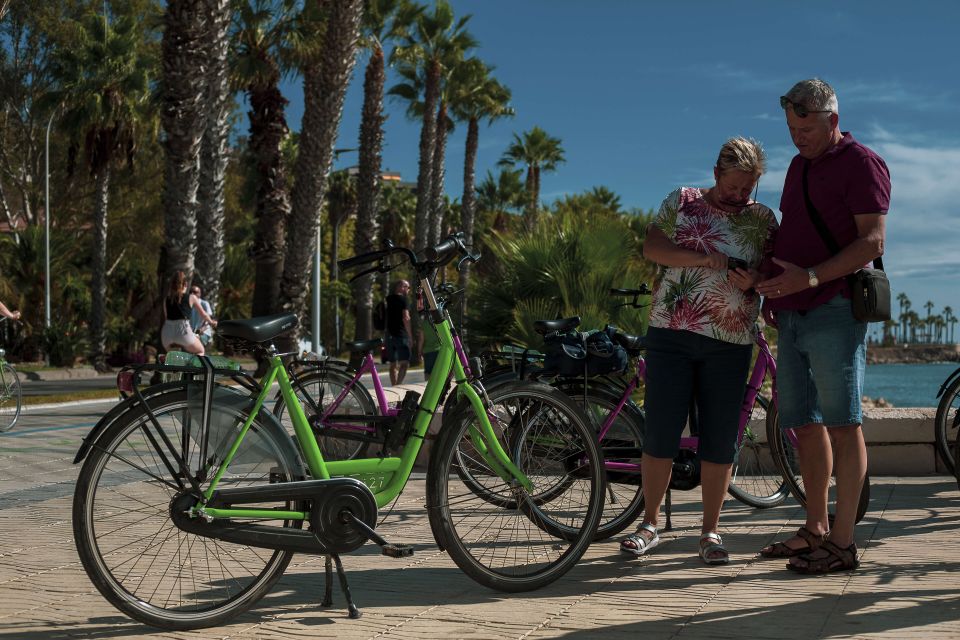
You meet at the Bike Tours Malaga shop, on the edge of Plaza Poeta Alfonso Canales, next to the hotel Room Mate Valeria. It’s marked with a green and pink logo, and it’s central enough that you’re not stuck crossing half the city before you even start rolling.
The early part of the tour is where you’ll notice how the guiding style fits the group. This is a ride-with-context format: the guide checks your comfort, points out what to watch for as you move, and keeps the group together without turning every stop into a lecture.
Language is also covered. The live guide is available in English and Dutch, so you’ll get the same story quality without struggling to follow along. In a couple of situations, guides have adjusted pace when weather turned wet, even tailoring when the group was very small.
Picasso’s birthplace and the Old Town lanes
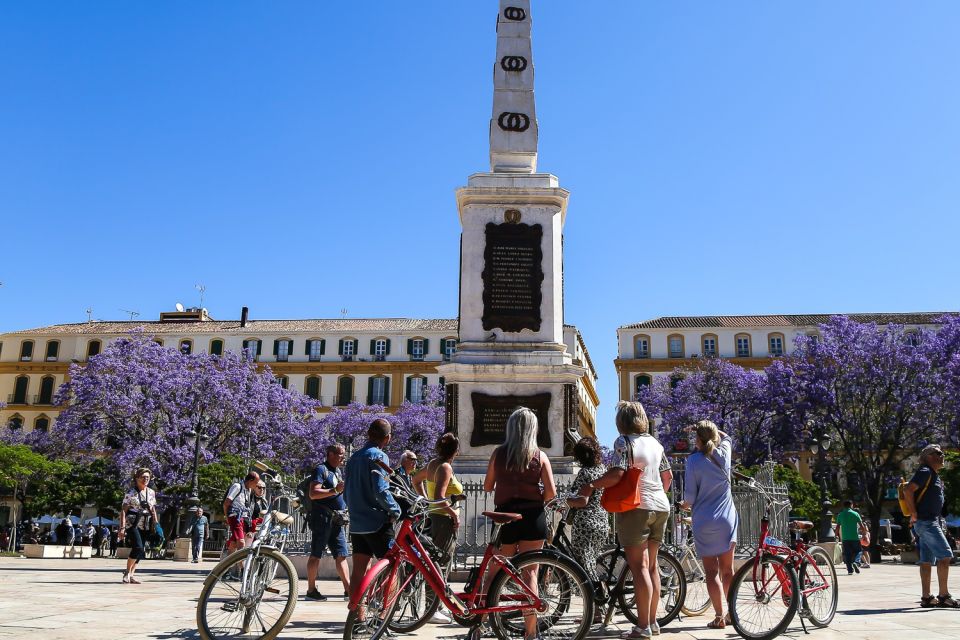
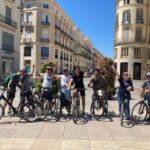
The Old Town portion is where the tour earns its credibility. You’re not just skating past landmarks; you’re learning what you’re looking at and why it matters to Malaga’s identity.
A highlight is Picasso’s birthplace, which anchors the Old Town stop into something concrete. Instead of treating it like a quick photo stop, the ride sets it up with context so you’re paying attention to details as you pass streets and squares.
You’ll also get a feel for how Malaga works day-to-day. That shows up in the kinds of streets and neighborhoods you ride through—less like a scenic postcard loop and more like the city’s everyday rhythm. It’s one of the reasons this tour makes a good first activity. You come away with a sense of what’s near what, so your next decisions (coffee, walking routes, where to return) become easier.
Practical note: the tour breaks often enough—every few hundred meters—for you to rest your legs and regroup. That also means you can enjoy the ride even if you’re not a confident cyclist.
Atarazanas fresh market: where local life shows up fast
Atarazanas is a stop that changes the mood. Instead of only architecture and monuments, you get a look at fresh market culture, which is one of the best shortcuts for understanding a place.
If you like traveling with your senses turned on, this is the moment. You’re seeing a slice of Malaga where the city’s daily routines come into view. Even if you don’t plan to buy anything, the atmosphere gives you a clearer picture of how residents think about food, supplies, and neighborhood life.
This is also a smart stop for later. After the tour, you’ll likely know what to look for when you’re deciding where to eat—because the guide’s recommendations tend to connect to what you saw at the market and the port.
No museum entry is included, so if you were hoping for a formal indoor ticket plan, treat the market stop as the “local life” counterpart rather than a museum replacement.
Muelle Uno port cycling: sea views without the stress
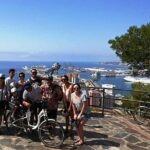
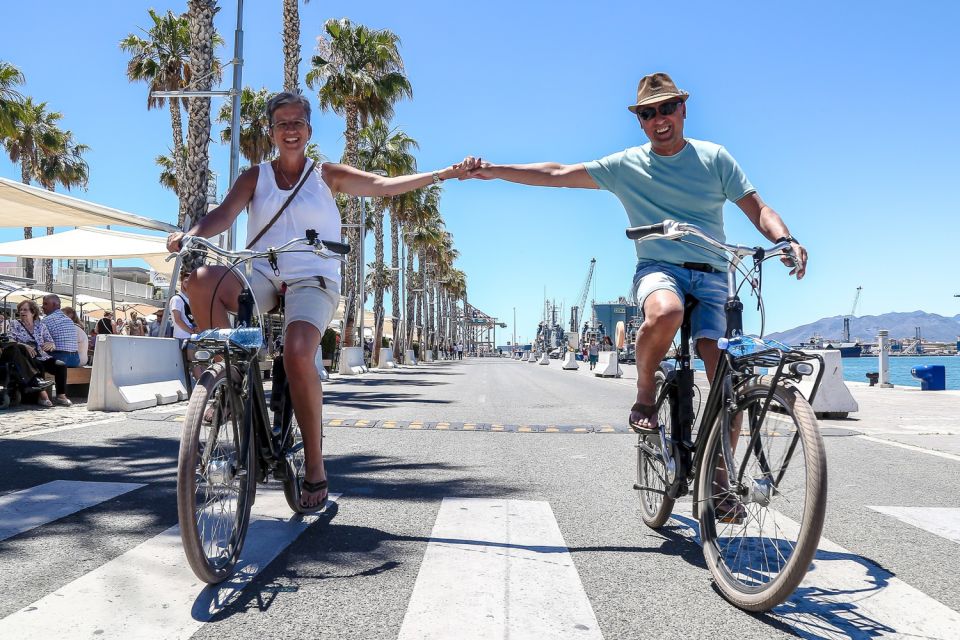
Once you reach the port area, the ride becomes more about space, light, and sea air. Cycling through Muelle Uno gives you that “Malaga has a working waterfront” feeling, not just a tourist shoreline.
The route shift is valuable. It’s where you’ll likely stop noticing the effort of riding and start enjoying the views. The buildings and marina spaces frame the water, and the flat ride makes it easy to keep moving while still turning your head for photos.
Also, port areas tend to connect you to the city’s larger geography. By the time you finish this portion, you’ll have a better understanding of how the Old Town relates to the sea, which helps your later exploring on foot.
If you’re traveling with kids or you’re sharing the vacation with someone who’s not obsessed with biking, this stretch is a nice morale boost. It’s scenic, low-effort, and easy to take in.





Graffiti neighborhood + art stops you’ll actually remember
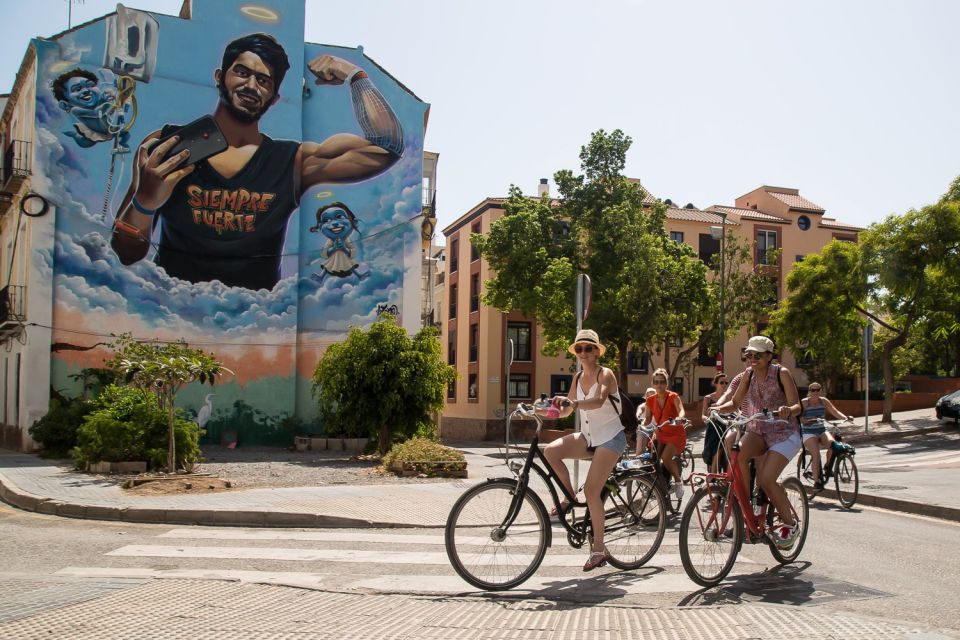
One of the most praised parts of the tour is the stop in a graffiti neighborhood where you’ll see artworks and learn what you’re looking at. It’s not just street art as a background detail. It becomes part of the story of how Malaga communicates—visually, publicly, and often with humor or social meaning.
This kind of stop is why a guided tour can beat a solo wander. You’ll notice more when someone points out what to focus on: style, placement, themes, and how the art fits into the neighborhood.
It’s also a relief from the classic “monument parade.” Instead of only castles and churches, you get modern creative energy—something that makes the city feel alive, not stuck in a single era.
Castle Gibralfaro viewpoints without turning it into a climb
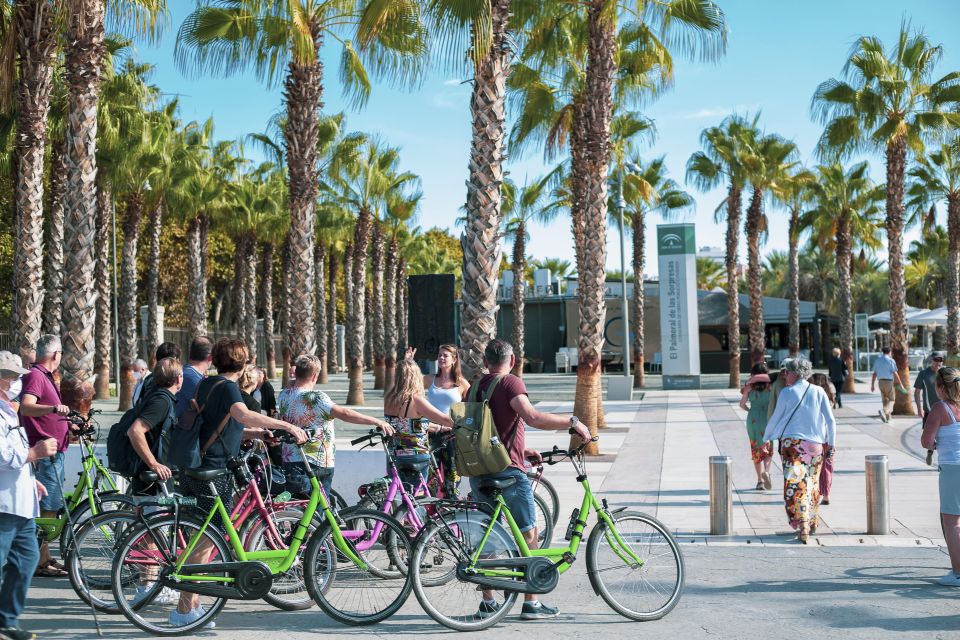
The tour includes Castle Gibralfaro as a symbolic place, which matters because it connects Malaga’s skyline to the Mediterranean coast. Even when you don’t go into buildings (and museum entry isn’t included), the viewpoints are the payoff.
If you’re worried about hills, the good news is the tour is set up for easy riding. And in real-world use, some guests have experienced electric-assist bikes, which can make viewpoint areas more comfortable—especially in heat.
In other words, you’re getting the “high place” perspective without committing to a full-on hike. That helps you see the city’s shape and coastline, then immediately switch back to the easy riding that makes the tour enjoyable.
The beach promenade ride along the Mediterranean
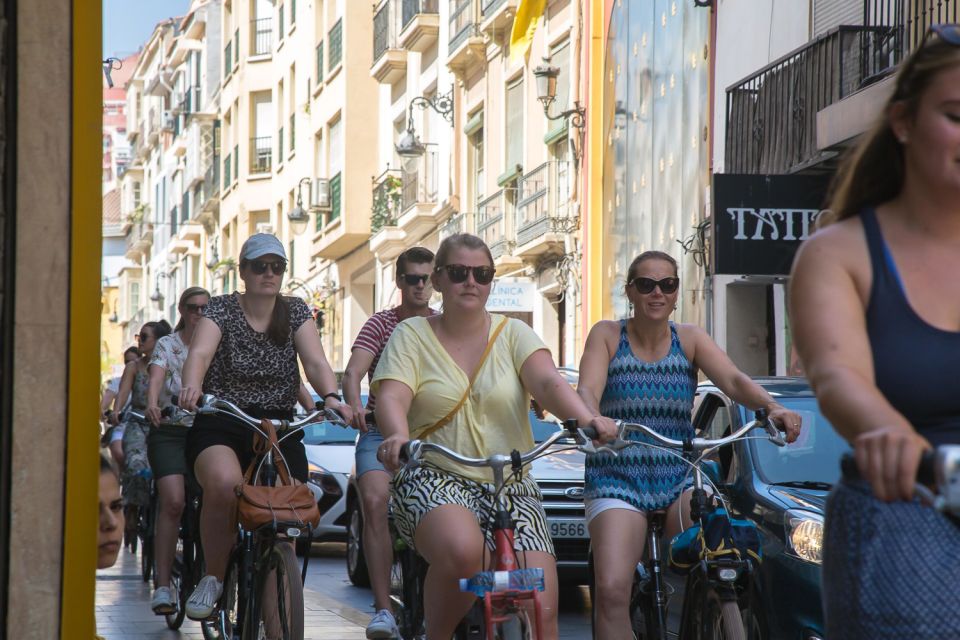
The final transition is the beach: a gentle ride along the beach promenade facing the Mediterranean. This is where the tour feels like a reward.
The promenade cycling part is great for two reasons. First, it helps reset your eyes after city streets, so everything feels fresh again. Second, it’s where you can stop being “tour-mode” and just enjoy the coast—the movement, the breeze, and the long sightlines.
Because the ride is guided, you’re not stuck wondering where to stop for photos or which turns matter. The guide keeps the group flowing while still giving you those frequent breaks.
If you’re doing Malaga for the first time, that beach finish is also a smart way to end. It makes it easier to remember the tour afterward and to build a next-day plan that includes the same areas.
Price and value: is $38 worth 3 hours?
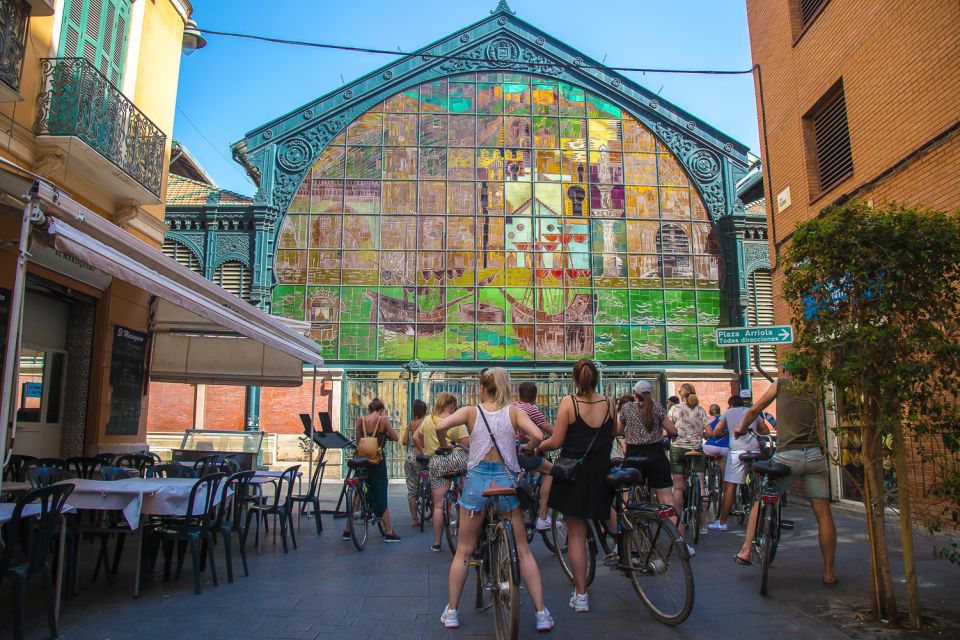
At $38 per person for a 3-hour guided bike tour, this is good value if you like efficiency and city orientation. You’re not paying for museum tickets or meals—you’re paying for a guided route plus the bicycle.
That matters. Museum entry and food aren’t included, so the price isn’t inflated with things you might not want. Instead, your money goes toward: a guided highlights route, regular stops, and local storytelling that helps you understand what you’re seeing.
It also functions as a planning tool. Multiple guides in different bookings have handed out practical recommendations—food, coffee, and drinks—so you can use the tour as your launchpad for the rest of your trip.
If you already know Malaga well and only want one specific neighborhood, you might find a self-guided approach cheaper. But for most first-timers, or for anyone who wants a relaxed, structured overview, $38 for guided city coverage + beach time is fair.
What guides do differently here (and why it shows)
From the guide names that come up often—Jemelle, Jamel/Jam, Jamal, Juan, Mark, Marc, Eva, and Julia/Juul—the common thread is pacing plus storytelling. People consistently mention warm, friendly delivery and a strong ability to answer questions on the spot.
You can feel that in the stops. Guides don’t just point at a building and move on. They tend to explain how the site connects to daily life, culture, and Malaga’s personality.
Small-group flexibility is another factor. One booking described only three people due to wet conditions, and the guide tailored the tour to suit. That kind of adaptability is a real quality marker, because it turns a standard route into an experience that fits the day.
Even weather handling seems to be part of the service culture. Ponchos have shown up in at least one wet-weather experience, which is reassuring if you travel in shoulder season.
Who should book this Malaga bike tour
This tour is a strong match if you want:
- A first-day orientation so the rest of your trip makes more sense.
- An easy ride that’s mostly flat, with frequent stopping built in.
- A guided mix of classic sights and less-obvious areas, including the graffiti art.
It also works for families and mixed groups since the ride is designed to be approachable and the pace includes frequent regrouping.
If you’re the type who likes to linger in museums for hours, adjust your expectations. This isn’t built as a museum day. It’s built as a city highlights ride, with the market and street art giving you plenty to look at without needing entry tickets.
Should you book this Malaga Bike Tour?
I think you should book it if you want a low-stress way to connect Malaga’s main pieces: Old Town, Picasso’s story, the Atarazanas fresh market feel, port life at Muelle Uno, and a proper beach promenade finish.
You might skip it if you already planned a heavy museum itinerary and you mainly want one narrow theme. Also, if you expect the tour to include food or museum tickets, make sure you’re comfortable adding meals and any indoor entry on your own afterward.
If you’re on the fence, this is an easy decision: book it for your first couple of days. Then use what you learn—plus the guide’s local recommendations—to shape the rest of your Malaga plan.